Why Mexican Street Food Works So Well at Home
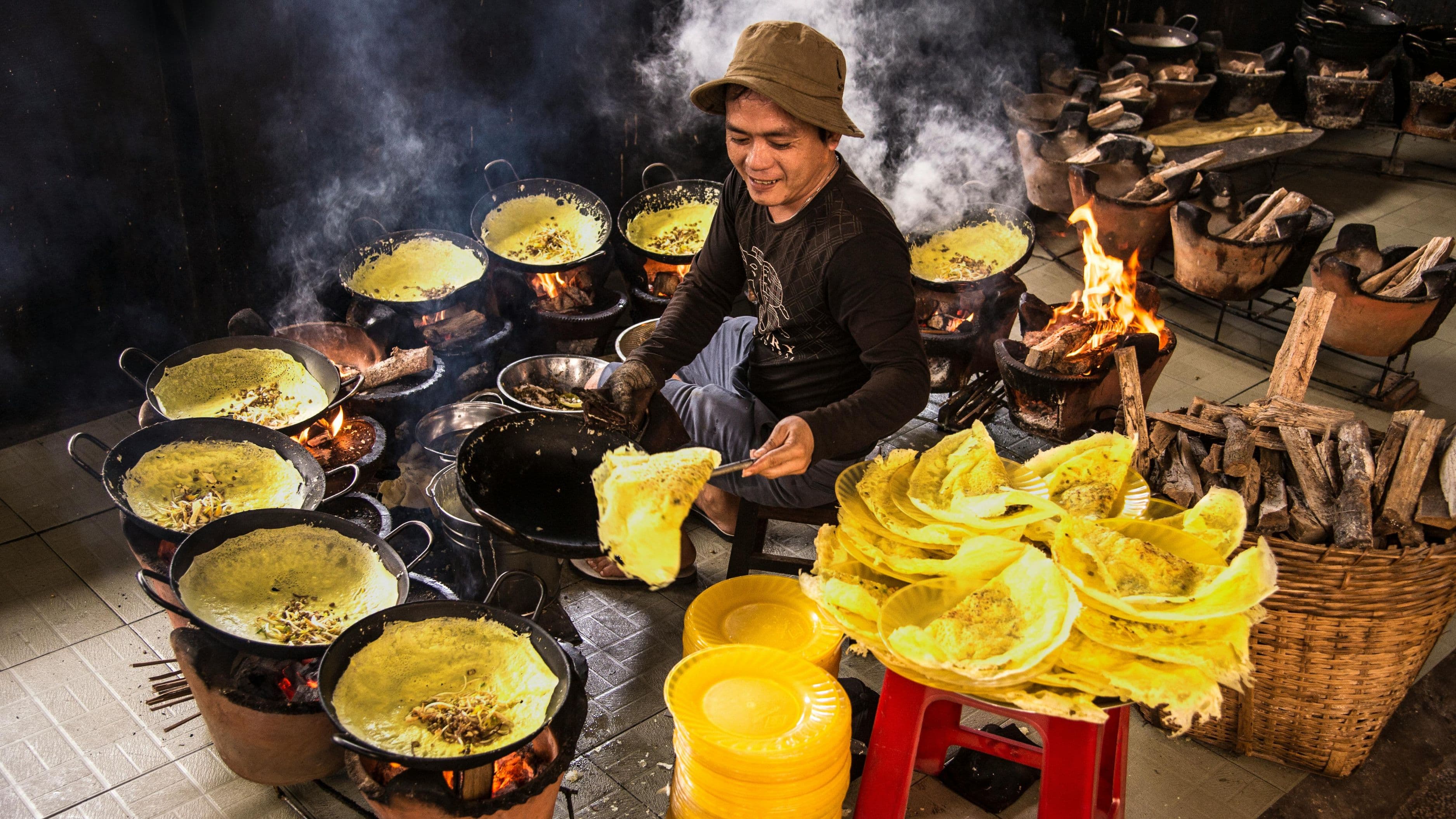
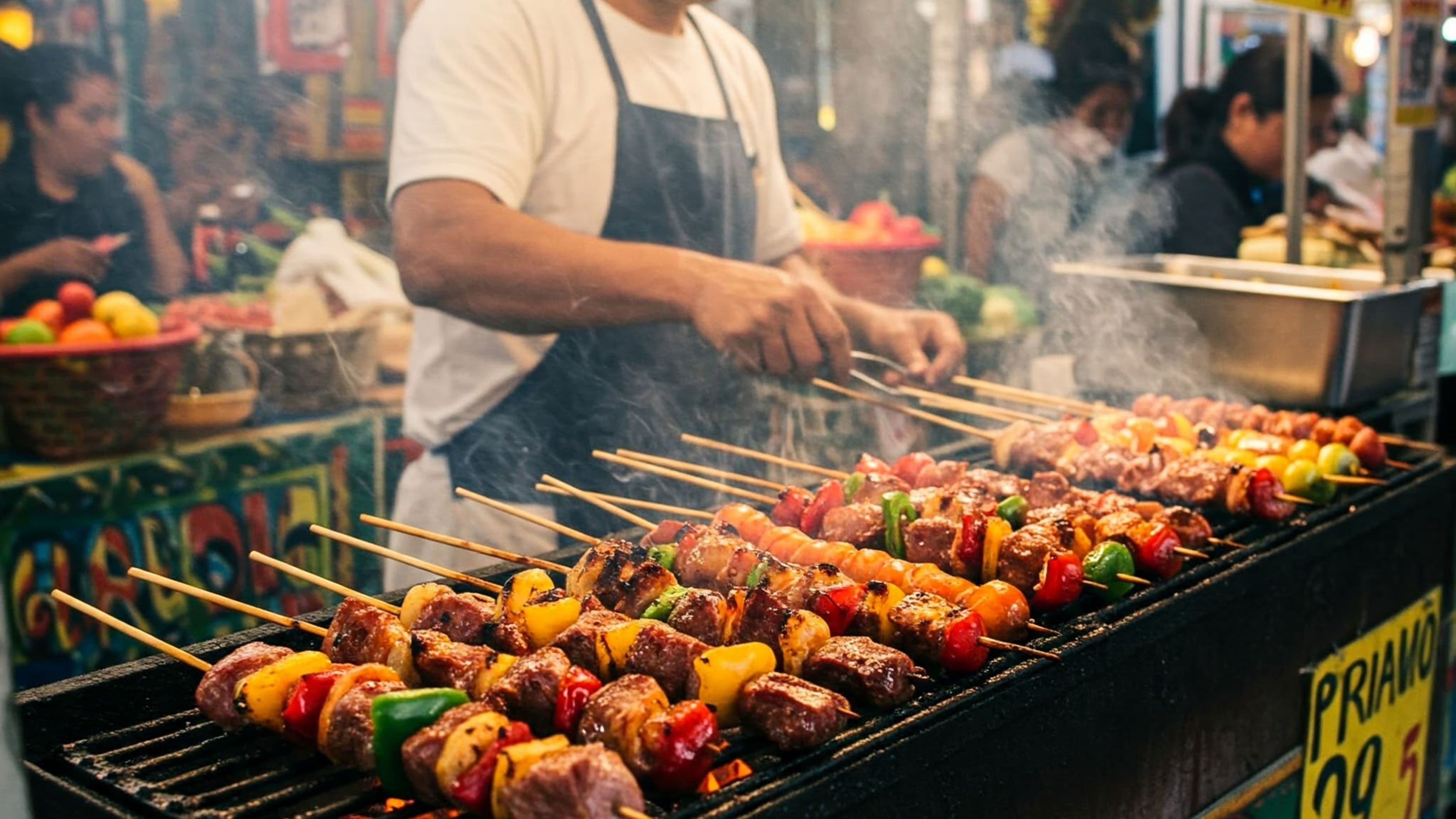
The genius of Mexican street food is that it was never designed for complicated kitchens. Street vendors work with a single burner, a comal, a griddle, or a pot – and they produce food that tastes extraordinary. That constraint-born simplicity is actually an advantage for home cooks. You don't need a professional setup. You need good ingredients, a hot pan, and an understanding of a few core techniques that are easy to learn and deeply rewarding once you have them.
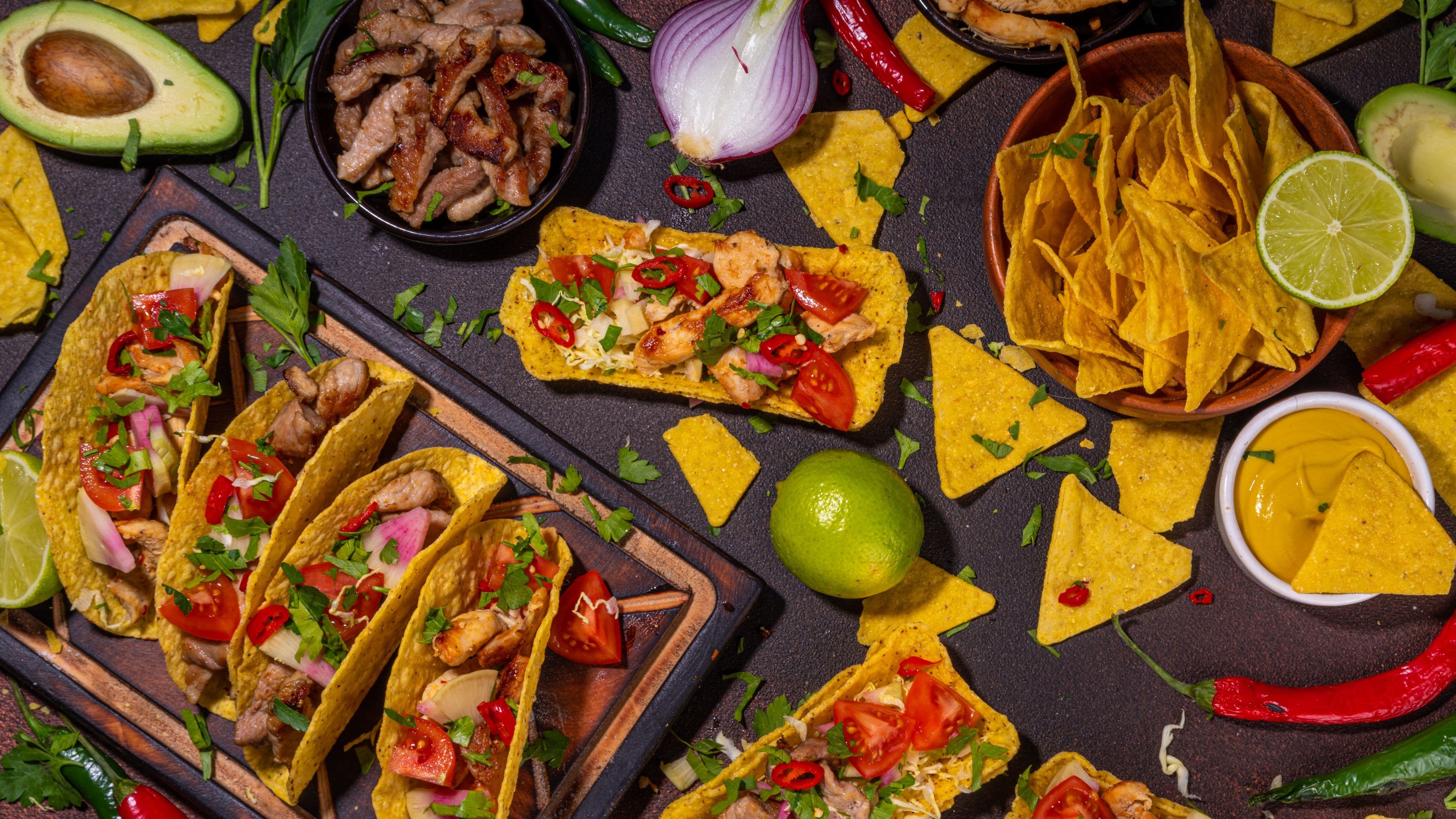
The other thing that makes it so satisfying is the layering of texture and flavor. A well-made taco isn't just meat in a tortilla. It's the contrast between the tender braised filling and the slightly charred tortilla, the cool crunch of fresh cabbage, the brightness of lime, the warmth of a good salsa. Each component is simple, but together they create something that's greater than the sum of its parts. That interplay is what keeps you craving it.
The Key Ingredients Worth Keeping Stocked
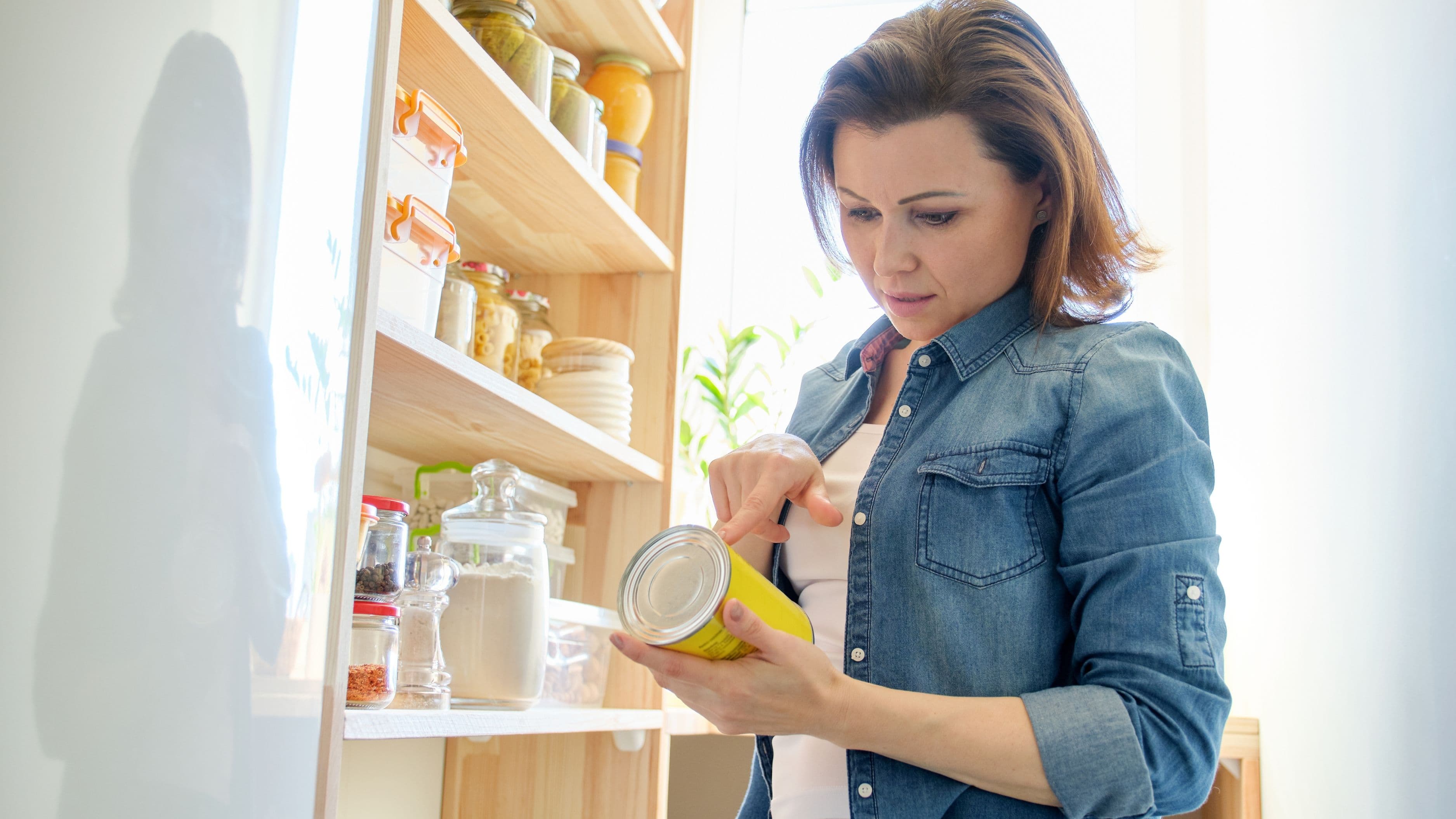
Before you cook Mexican street food well at home, your pantry needs to speak the right language. A handful of ingredients show up across almost everything in this cuisine, and having them on hand changes what's possible on a weeknight.
Dried chiles are the foundation of most salsas and braises. Ancho, guajillo, and pasilla are the most versatile starting trio. They're not aggressively spicy – they're deep, fruity, and complex. You toast them briefly in a dry pan, soak them in hot water, and blend them into a sauce that adds a dimension of flavor you simply can't get from any other ingredient. They're inexpensive, last for months in a sealed bag, and completely transform any braised meat or salsa you make with them.
Lard or neutral oil with high smoke point matters more than most recipes admit. Traditional street food is cooked in lard, which adds a subtle richness and enables the kind of high-heat searing that creates the crispy bits everyone loves. Lard isn't hard to find – most Latin grocery stores carry it – but a good neutral oil like avocado or vegetable oil works well for everyday cooking. What doesn't work as well is butter or olive oil, both of which burn at the temperatures street food cooking requires.
Fresh corn tortillas are one of the easiest upgrades you can make to home cooking. Packaged flour tortillas are convenient, but they're a different food. A fresh corn tortilla – either made from masa harina at home (it takes about 20 minutes and minimal equipment) or bought from a Latin grocery store or tortilla factory – has an earthy, slightly sweet flavor that pairs with fillings in a way that a store-bought flour tortilla simply doesn't. Warm it in a dry pan or directly over a gas flame for 30–60 seconds per side and it becomes something completely different from what it was cold and flat.
White onion, cilantro, and lime are the finishing trio that appears on almost every street taco, elote, and tostada. They're not garnishes – they're structural components of the flavor profile. Don't skip them, and don't substitute yellow onion for white (the sharpness and flavor are genuinely different).
Cotija cheese and Mexican crema are worth finding at a Latin grocery store rather than substituting. Cotija is a dry, salty, crumbly cheese that you crumble over finished dishes – it's not a melting cheese. Mexican crema is thinner than sour cream and has a slightly tangy flavor that cools heat without the heaviness. Feta works as a cotija substitute in a pinch. Sour cream thinned with a little milk is a workable crema stand-in, though the real thing is better.
The Dishes Most Worth Making at Home
Tacos al Pastor
This is arguably the most iconic Mexican street food, and the home version is genuinely achievable. Traditionally made on a vertical tit spit, the home adaptation uses thin-sliced pork shoulder marinated in a paste of dried guajillo and ancho chiles, achiote paste, pineapple juice, vinegar, and spices, then cooked in a hot cast iron pan until you get the caramelized, slightly charred edges that make it extraordinary. The marinade can be made in a blender in 10 minutes and the pork needs at least 2 hours (ideally overnight) to absorb the flavors. Finish each taco with a tiny cube of fresh pineapple, white onion, cilantro, and a squeeze of lime.
Skill level: Beginner to intermediate
Time: 30 minutes active, 2+ hours marinating
Elote (Mexican Street Corn)
Elote is one of the most satisfying things you can make at home because the gap between the effort required and the result is enormous. Grill or char corn cobs directly over a flame or in a very hot dry pan. While they're still hot, brush them with Mexican crema or mayonnaise, roll in cotija cheese, sprinkle with chili powder (or Tajín), and squeeze lime over the top. That's the whole recipe. The contrast between sweet charred corn, tangy crema, salty cotija, and acidic lime is addictive. Esquites – the off-the-cob version in a cup – uses the same flavors with the corn cut off and sautéed, which is easier to eat and just as good.
Skill level: Beginner
Time: 15–20 minutes
Carnitas
Carnitas are braised pork – typically pork shoulder or leg – cooked low and slow in lard (or a combination of lard and orange juice) until completely tender, then crisped at the end. The slow braise takes 2–3 hours, but almost all of that time is hands-off. The crisping step at the end, where you spread the shredded pork in a hot pan and leave it alone until the edges caramelize, is where the magic happens. The result is pork that's simultaneously tender inside and crispy at the edges – a texture combination that's hard to achieve any other way. Carnitas freeze beautifully and reheat well, making them a perfect weekend cooking project that pays dividends all week.
Skill level: Beginner (mostly passive cooking)
Time: 3–3.5 hours total, about 30 minutes active
Salsas Roja and Verde
No Mexican street food setup at home is complete without at least one homemade salsa, and both red and green are easier to make than most people expect. Salsa roja starts with charred tomatoes, garlic, and dried chiles blended together. Salsa verde is made with tomatillos (either roasted or boiled), garlic, jalapeño or serrano, and cilantro. Both take about 15–20 minutes and keep in the refrigerator for a week. The difference between homemade salsa and anything from a jar is significant enough that it changes the whole meal – the freshness and depth simply aren't replicable in a processed product.
Skill level: Beginner
Time: 15–20 minutes
Tortas and Quesadillas
These are the everyday workhorses of Mexican street food that translate perfectly to a quick weeknight meal. A torta is a Mexican sandwich – a bolillo or telera roll filled with refried beans, avocado or guacamole, meat, pickled jalapeños, and tomato. A quesadilla made on a hot comal with fresh masa (not a flour tortilla) and a melting cheese like Oaxacan or Chihuahua cheese is a completely different experience from the cheesy flour wraps most people grew up with. Both are fast, satisfying, and deeply flexible based on whatever you have available.
Skill level: Beginner
Time: 10–20 minutes
Tips for Getting Better Results at Home
Get your pan properly hot before anything goes in. Street food cooking is high-heat cooking. If your pan isn't screaming hot when you add the tortilla or the meat, you'll steam rather than sear, and the texture will be completely different. The pan is ready when a few drops of water vaporize instantly on contact.
Toast your dried chiles before soaking them. A quick 30–60 seconds in a dry pan over medium heat – until they become pliable and fragrant, not burned – activates oils and deepens their flavor before they go into any sauce. This one step makes a noticeable difference in the depth of any salsa or braise.
Season every layer, not just at the end. The meat gets seasoned. The sauce gets seasoned. The finished taco gets a pinch of salt and a squeeze of lime. Flavor built at each stage is what creates that multi-dimensional quality you get from great street food.
Don't overfill tacos. The street vendor instinct is to put just enough in a tortilla that it stays together and every bite has good balance. Overfilled tacos fall apart, the ratios are off, and you lose the elegance of the thing. Two corn tortillas stacked under a modest filling is the classic format – the double tortilla prevents the single one from tearing.
Common Mistakes to Avoid
Using flour tortillas for dishes that call for corn changes the flavor profile fundamentally. Flour tortillas are great for burritos and quesadillas in some contexts, but for street tacos they mute the other flavors rather than complementing them. If you can't find fresh corn tortillas, heat packaged corn tortillas in a dry pan to soften and slightly char them – it makes a significant difference.
Skipping the acid component is probably the most common home cook error with Mexican food. Lime juice on a finished taco isn't optional decoration – it's the brightness that balances the fat and salt in the filling. If something tastes good but flat, the answer is almost always more acid.
Blending salsa until it's completely smooth removes most of the texture that makes it interesting. A good salsa has some body to it – blend to a slightly coarse texture rather than a smooth puree.
FAQ
What's the best piece of equipment to add if I want to cook Mexican street food more often? A cast iron pan or comal (a flat Mexican griddle) is the single most useful investment. A comal is inexpensive and heats evenly and stays hot, which is exactly what you need for charring tortillas, cooking quesadillas, and searing meat. A heavy cast iron pan does the same job if you don't want to buy a specialty item.
Where do I find dried chiles if my regular grocery store doesn't carry them? Latin grocery stores are the most reliable source and typically have the best selection at the lowest prices. Most large supermarkets carry at least ancho and guajillo in the dried goods section near Latin foods. Online retailers like Amazon and Penzeys carry most varieties if neither of those options is accessible.
Can I make carnitas without lard? Yes. The most common home substitute is a combination of neutral oil and orange juice, plus aromatics like garlic, bay leaf, and cumin. The result is slightly less rich than traditional lard-cooked carnitas but still excellent. You can also use a slow cooker for the braising phase, though you'll still want to crisp the pork in a hot pan at the end for texture.
How do I stop corn tortillas from cracking when I fold them? They crack when they're cold or dry. Heat each tortilla in a dry pan for 30–60 seconds per side until it's pliable and warm, then use immediately. If you're heating a batch, wrap them in a clean kitchen towel or put them in a tortilla warmer – the steam they generate from their own heat keeps them pliable for 15–20 minutes.
Is Mexican street food healthy? Most of it is relatively balanced when made at home with good ingredients. Corn tortillas are lower in calories than flour and are naturally gluten-free. Traditional fillings like carnitas or chicken are protein-forward, and the fresh toppings – onion, cilantro, tomato, lime – add nutrients without significant calories. The balance shifts with heavier additions like large amounts of cheese or sour cream, but the core format is actually quite reasonable.
📚 Sources
Serious Eats – The Food Lab: Tacos al Pastor at Home – https://www.seriouseats.com/tacos-al-pastor-recipe-mexico-city-style
Serious Eats – The Best Carnitas Recipe – https://www.seriouseats.com/the-best-slow-cooked-carnitas-recipe
Rick Bayless / Frontera – Authentic Mexican Street Corn (Elotes) – https://www.rickbayless.com/recipe/mexican-street-corn-elotes/
America's Test Kitchen – Making Corn Tortillas from Scratch – https://www.americastestkitchen.com/recipes/10862-corn-tortillas
The Spruce Eats – Guide to Mexican Dried Chiles – https://www.thespruceeats.com/types-of-dried-chiles-2342731