Start With a Core Pantry Inventory
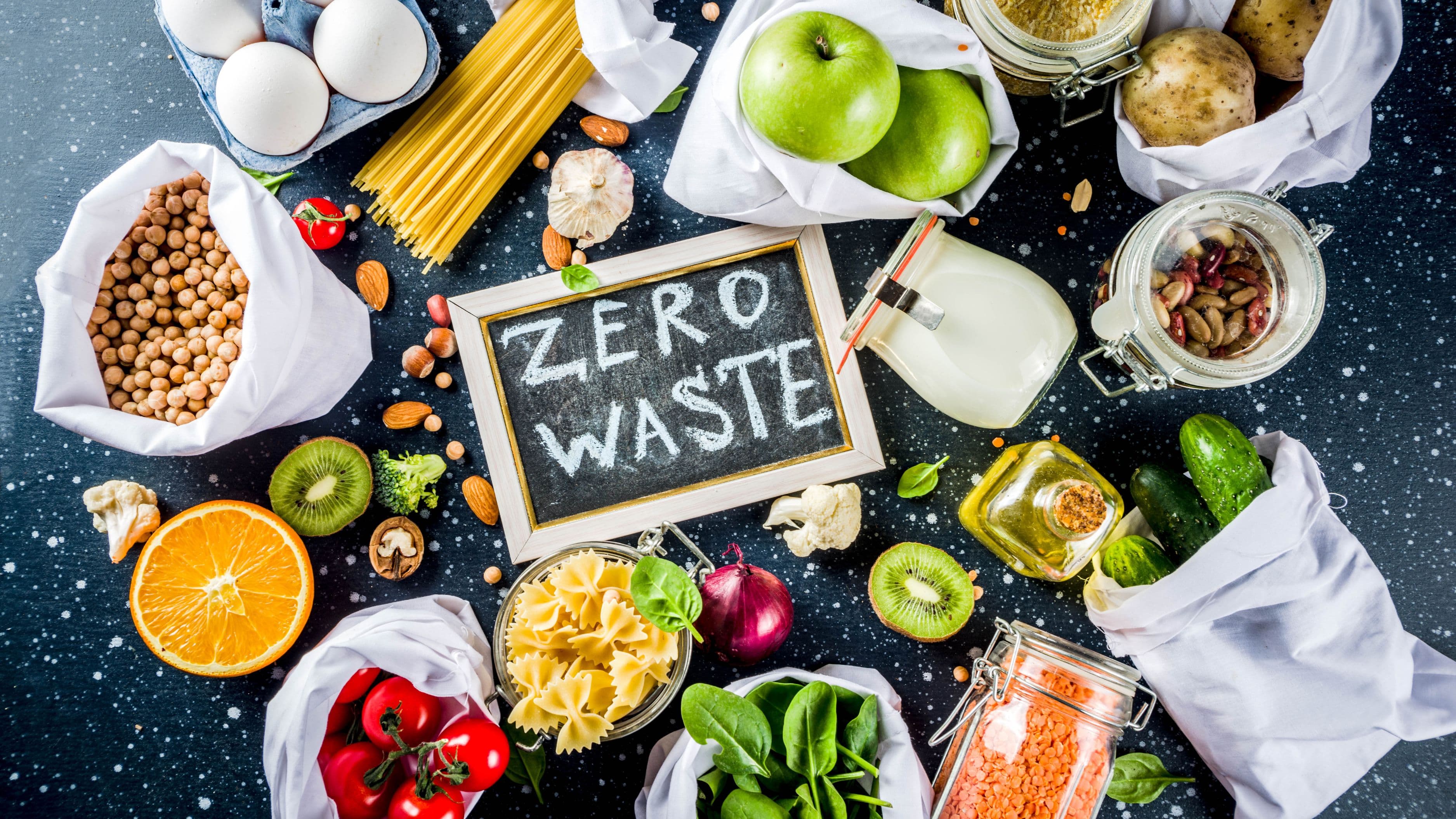
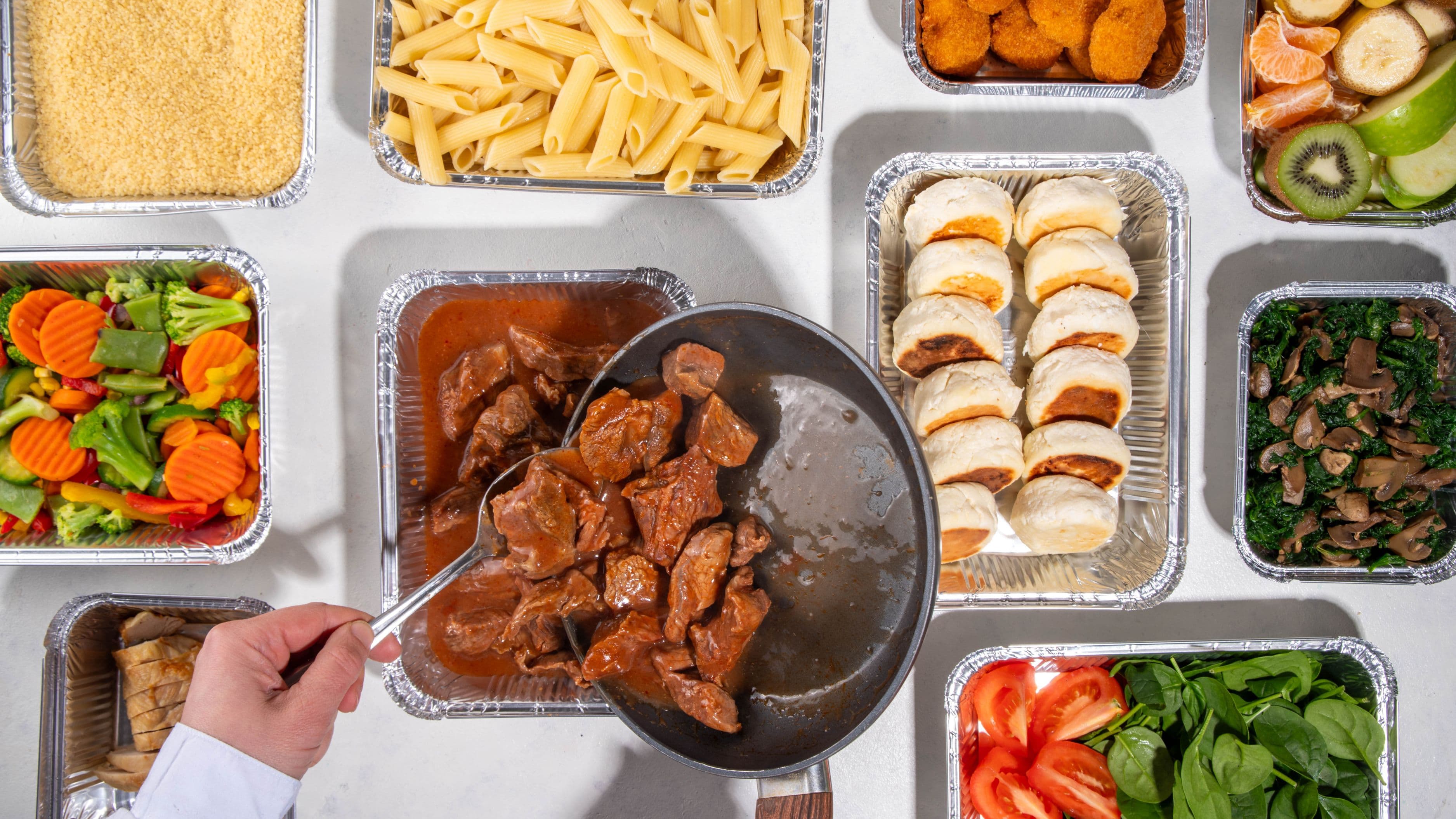
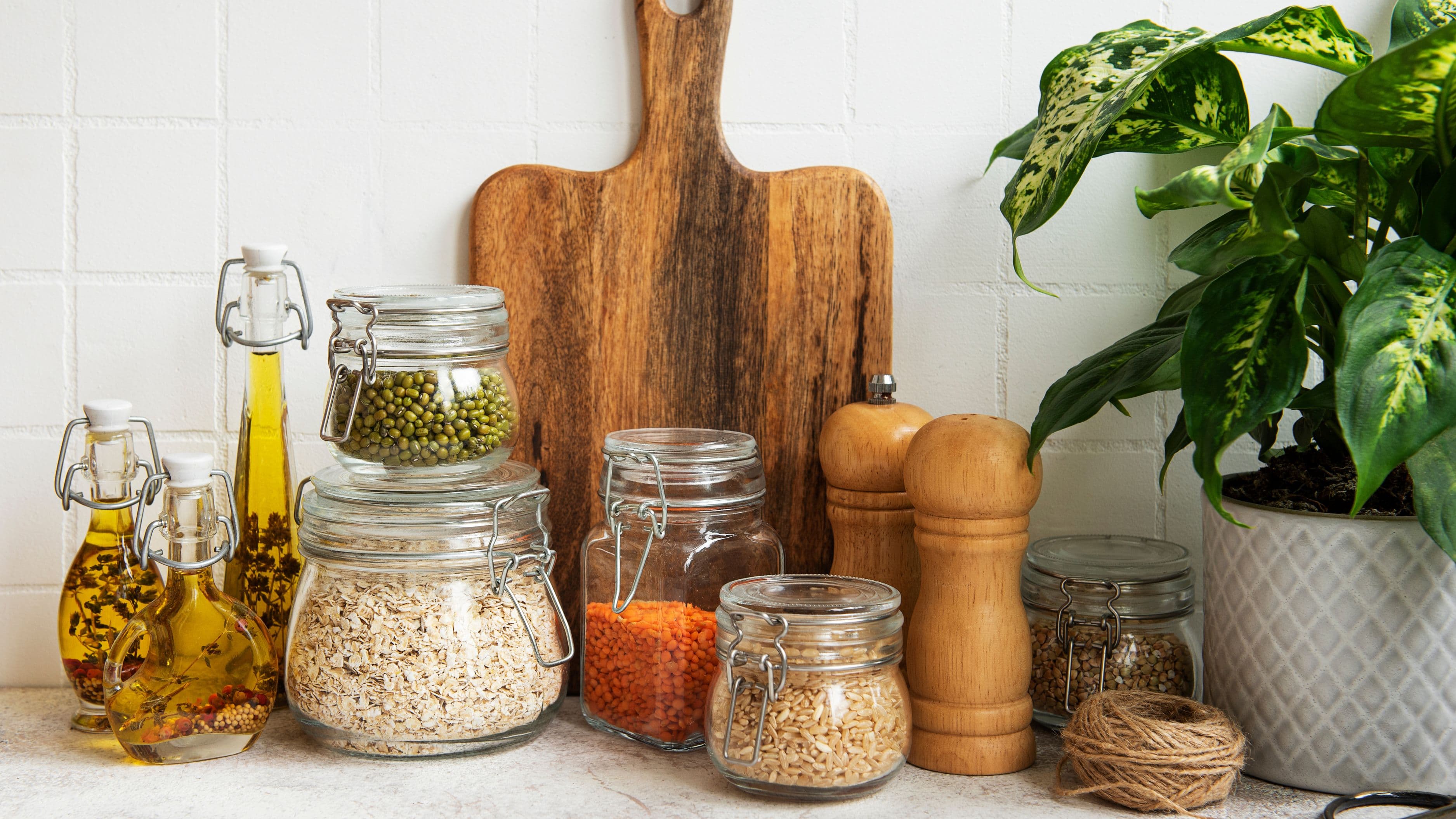
Before planning any specific meals, take stock of what a well-rounded pantry actually needs. A solid foundation includes several types of dried or canned beans, rice and at least one other grain like pasta or quinoa, canned tomatoes in a few forms (whole, crushed, and diced), canned or dried lentils, a variety of oils and vinegars, a broad selection of dried spices and herbs, canned fish like tuna or salmon, broth or bouillon, and a few staple aromatics like onions, garlic, and potatoes that store well without refrigeration.
Building this list out fully before you start planning meals matters because most pantry-based meal plans fail when they're built around a single recipe's specific ingredient list rather than a flexible set of staples that can be recombined many different ways. Think of your pantry as a set of building blocks rather than a shopping list for one particular dish.
Identify Your Core Flavor Profiles
One of the easiest ways to avoid a month of pantry meals feeling repetitive is deliberately rotating between a few distinct flavor profiles using the same base ingredients. A can of beans, some rice, and canned tomatoes can become a Mediterranean-style dish with oregano, garlic, and olive oil one night, a Tex-Mex-inspired dish with cumin, chili powder, and canned chilies another night, and an Indian-inspired dish with curry powder, ginger, and coconut milk (if shelf-stable coconut milk is part of your pantry) a few nights later.
This approach means you're not needing a completely different set of ingredients for variety, just a different combination of spices and a few flavor-defining additions layered onto the same reliable base of grains, beans, and canned vegetables.
Build Around a Few Reliable Meal Templates
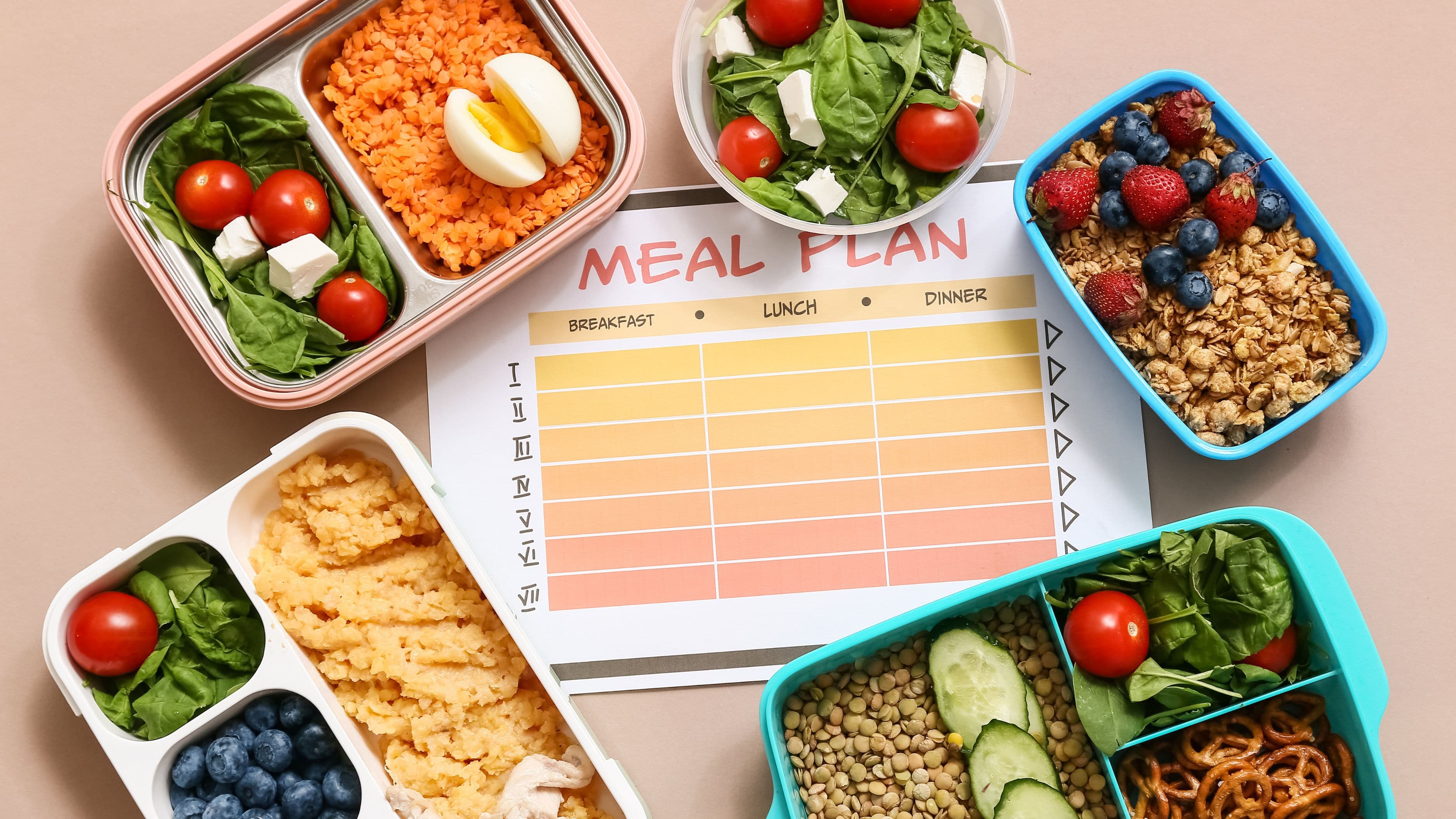
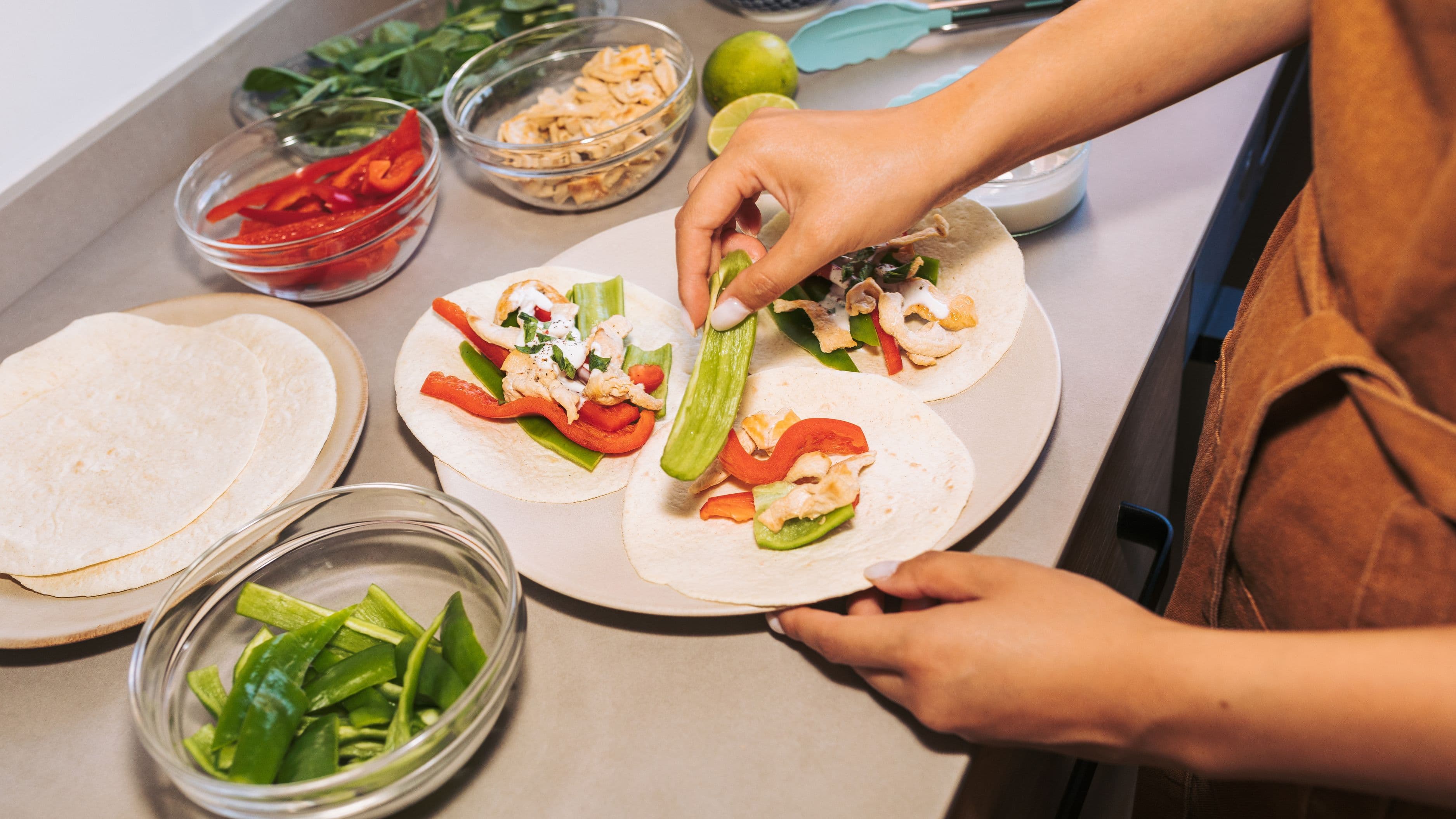
Rather than planning 30 entirely distinct recipes, which becomes overwhelming and often leads to abandoning the plan halfway through, build a handful of flexible templates you can repeat with variation throughout the month. A grain bowl template, a base grain topped with beans or canned protein, a vegetable, and a sauce or dressing, can be varied endlessly just by changing the specific components and spices used. A soup or stew template, built around broth, beans or lentils, canned tomatoes, and whatever vegetables you have, works similarly, changing character significantly with different spice combinations and additions.
A pasta template, using different sauce bases (tomato, oil and garlic, or a simple bean-based sauce) with different mix-ins, gives you another reliable, quick option for busier nights when a more involved template feels like too much effort.
Sample Weekly Rotation Structure
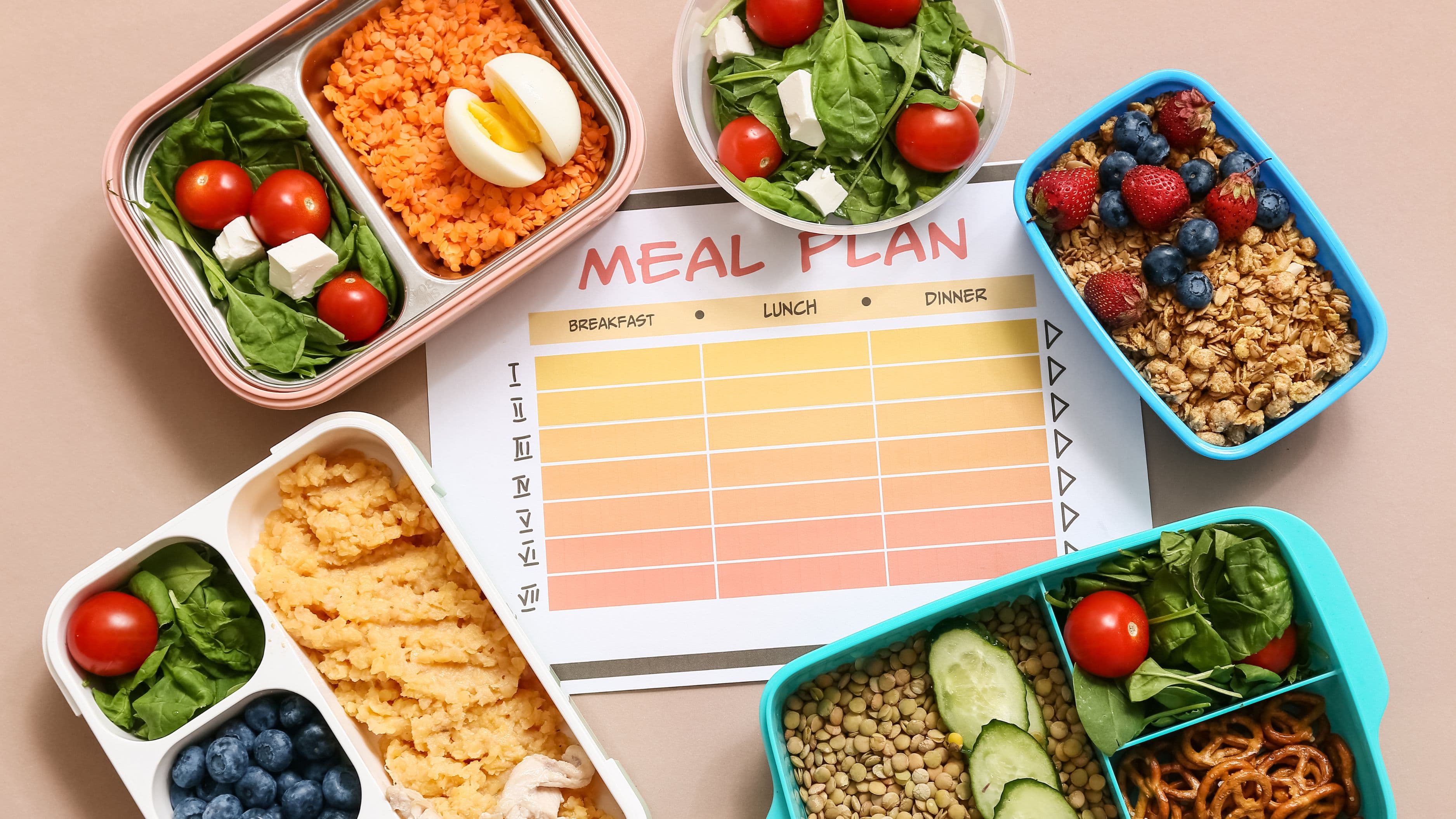
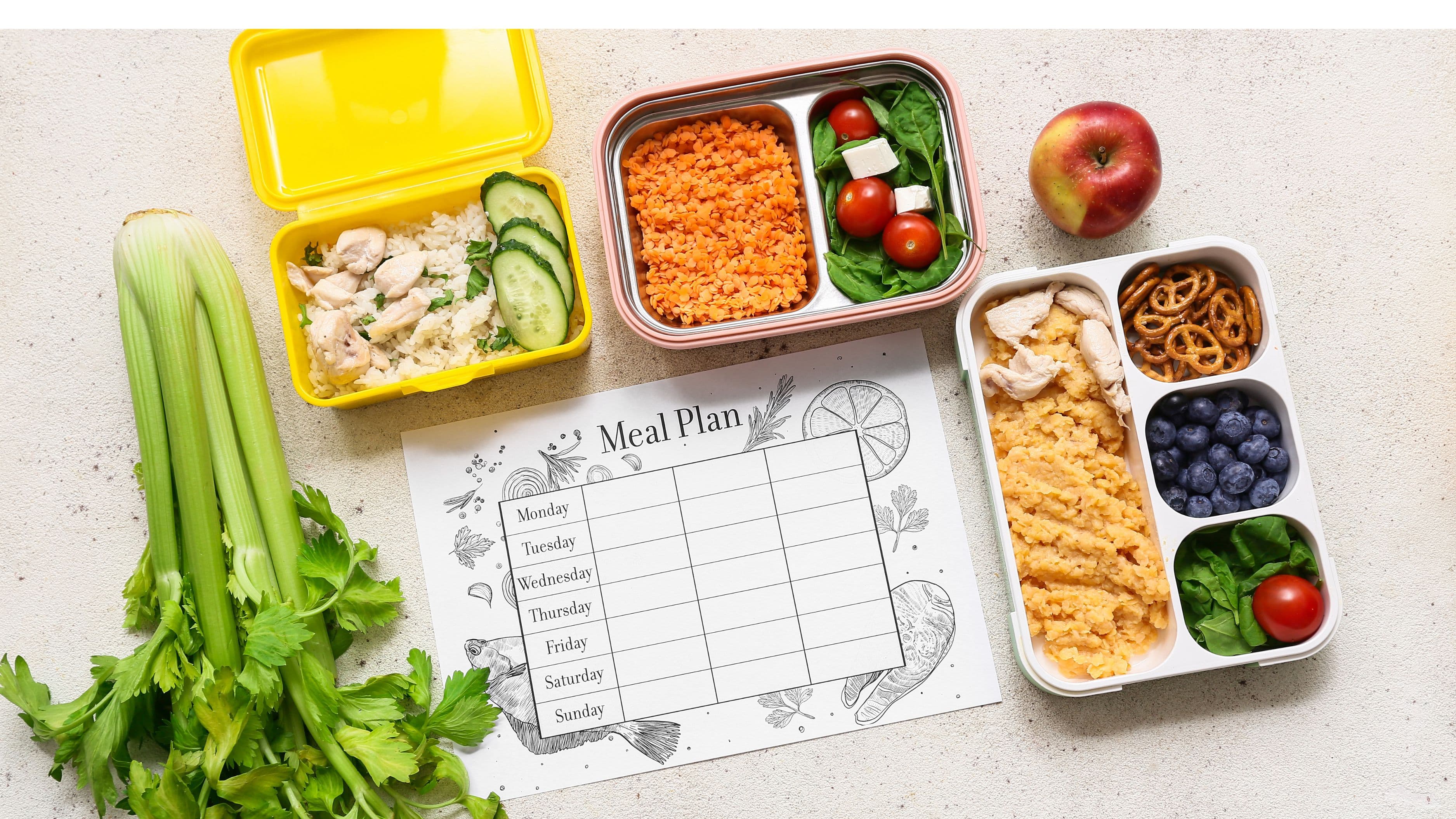
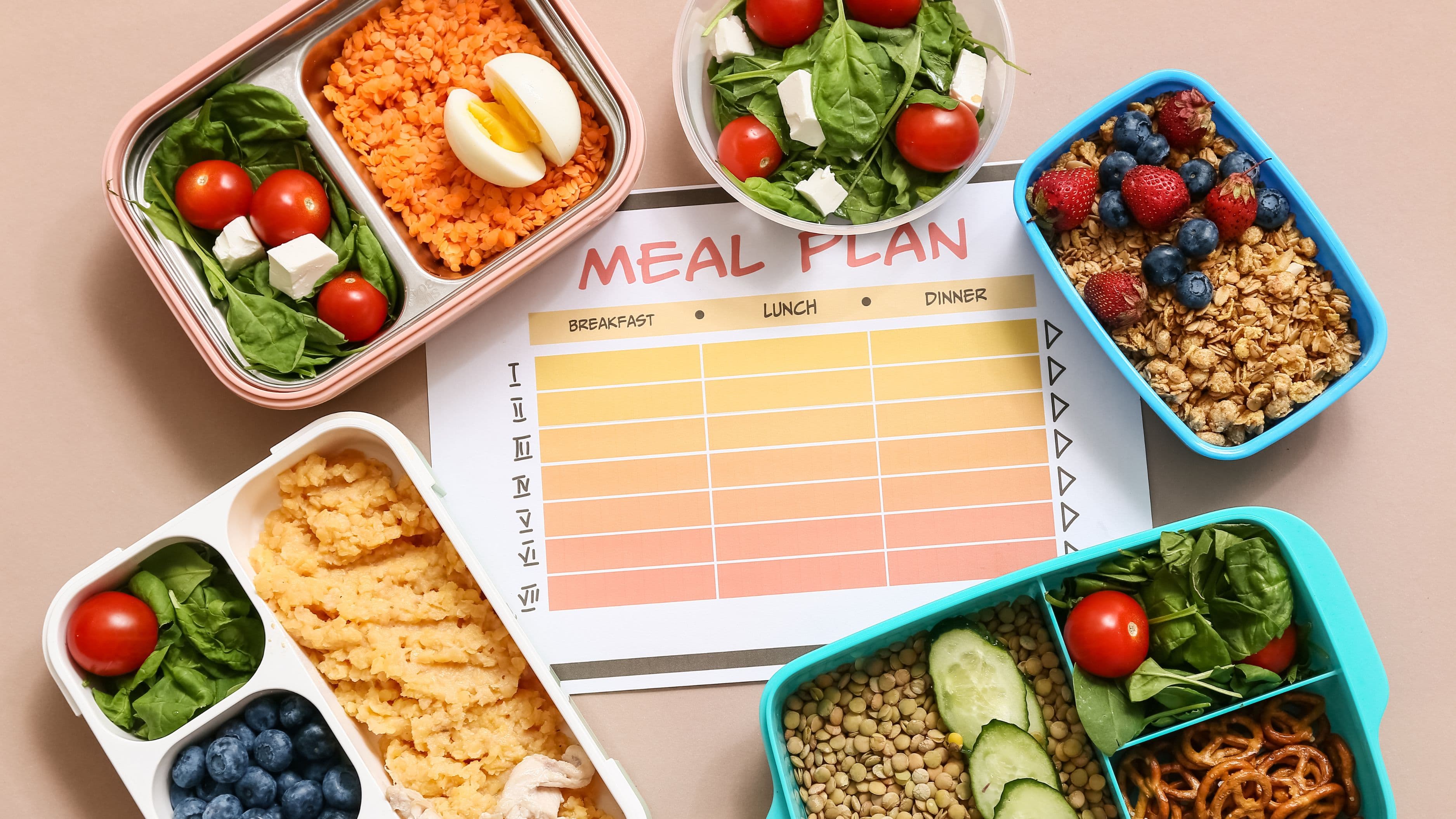
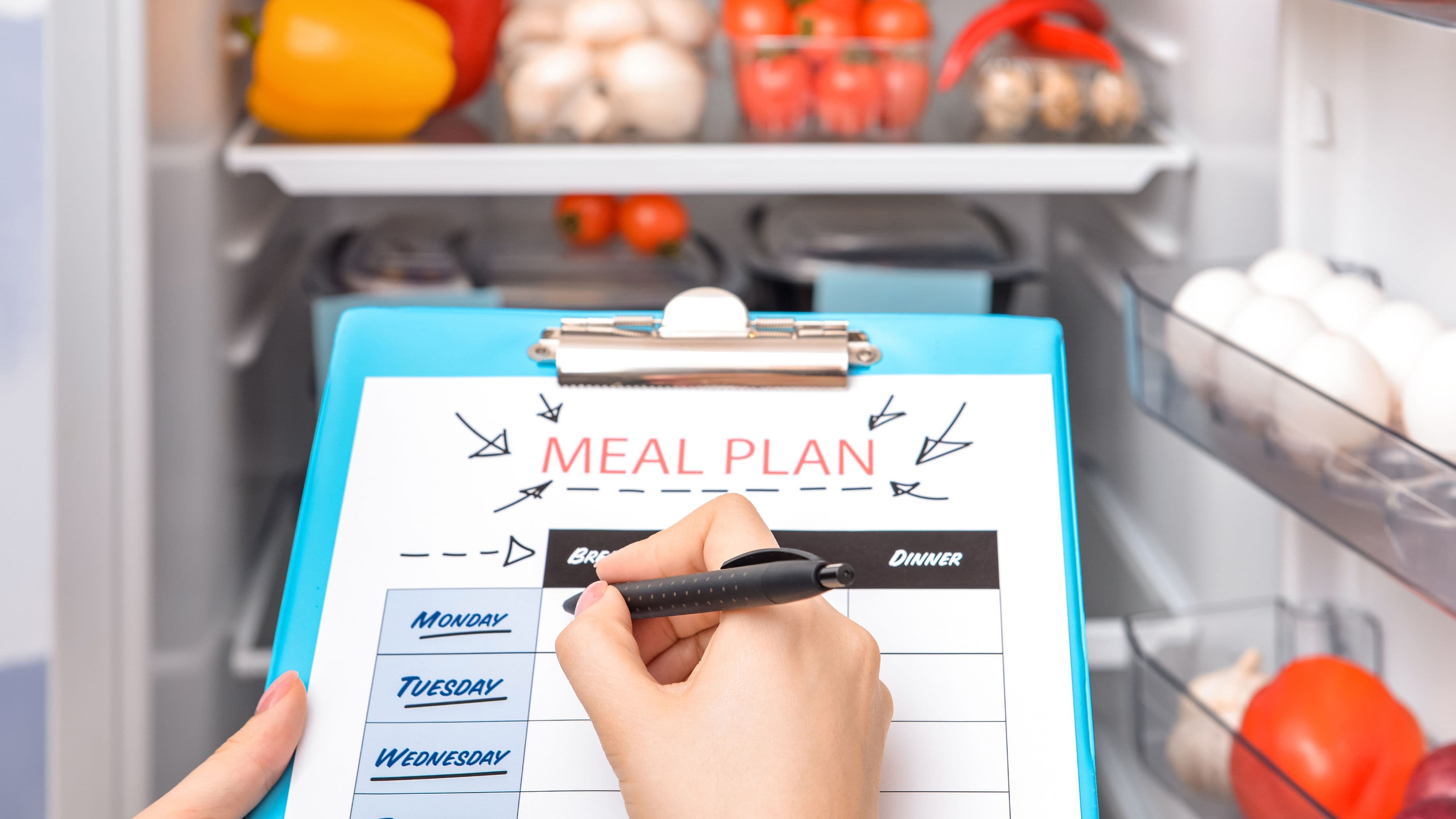
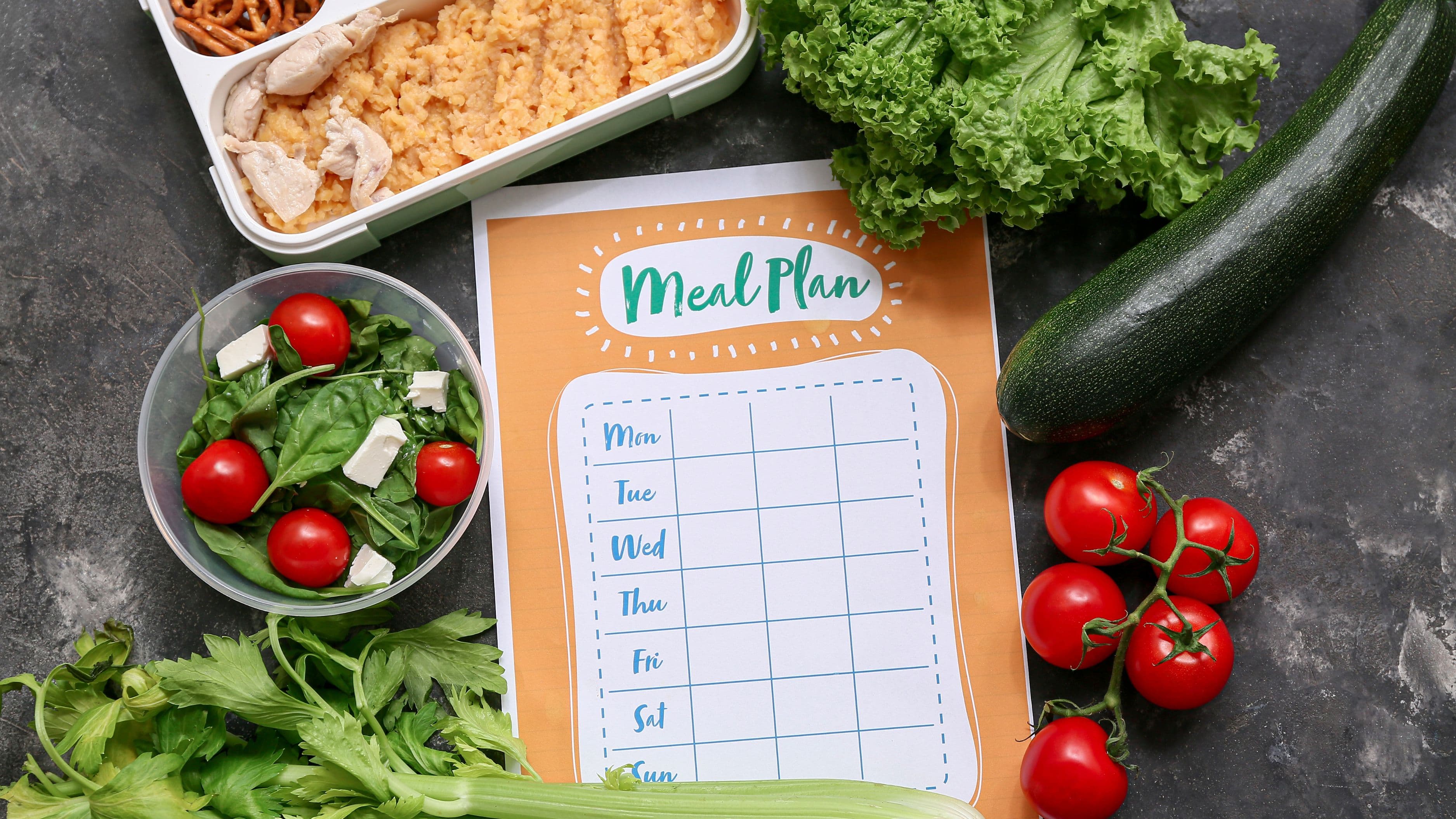
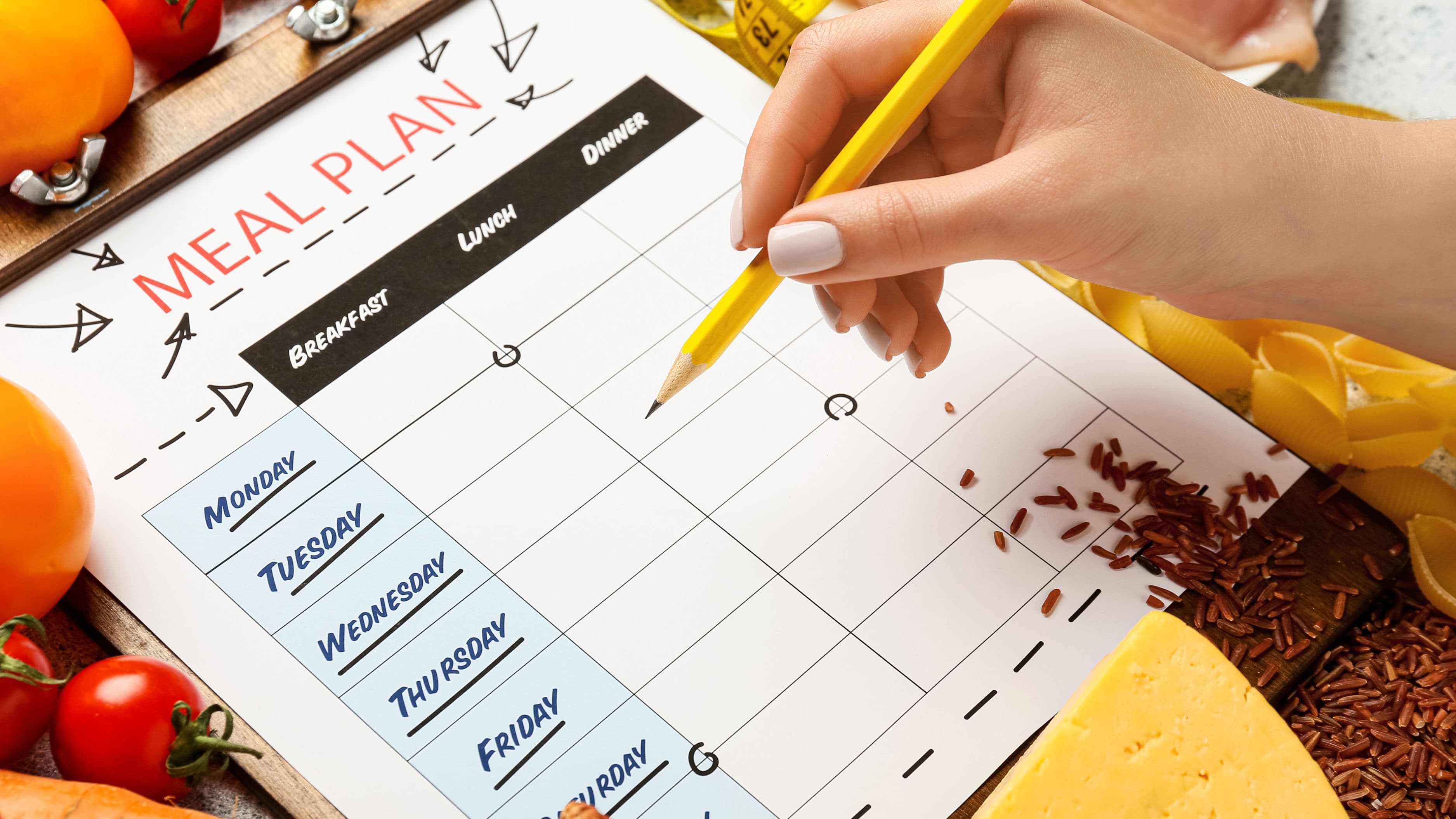
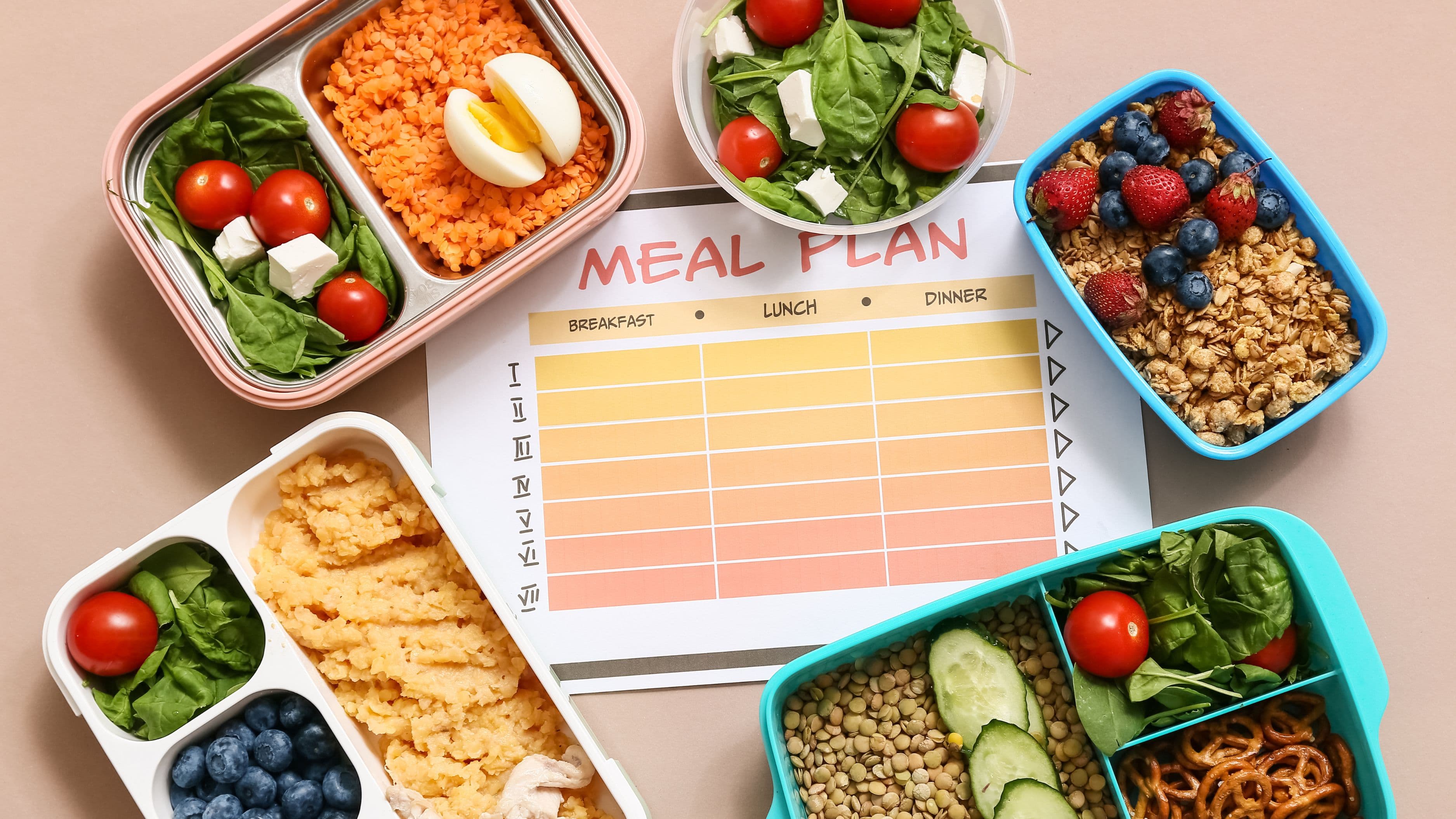
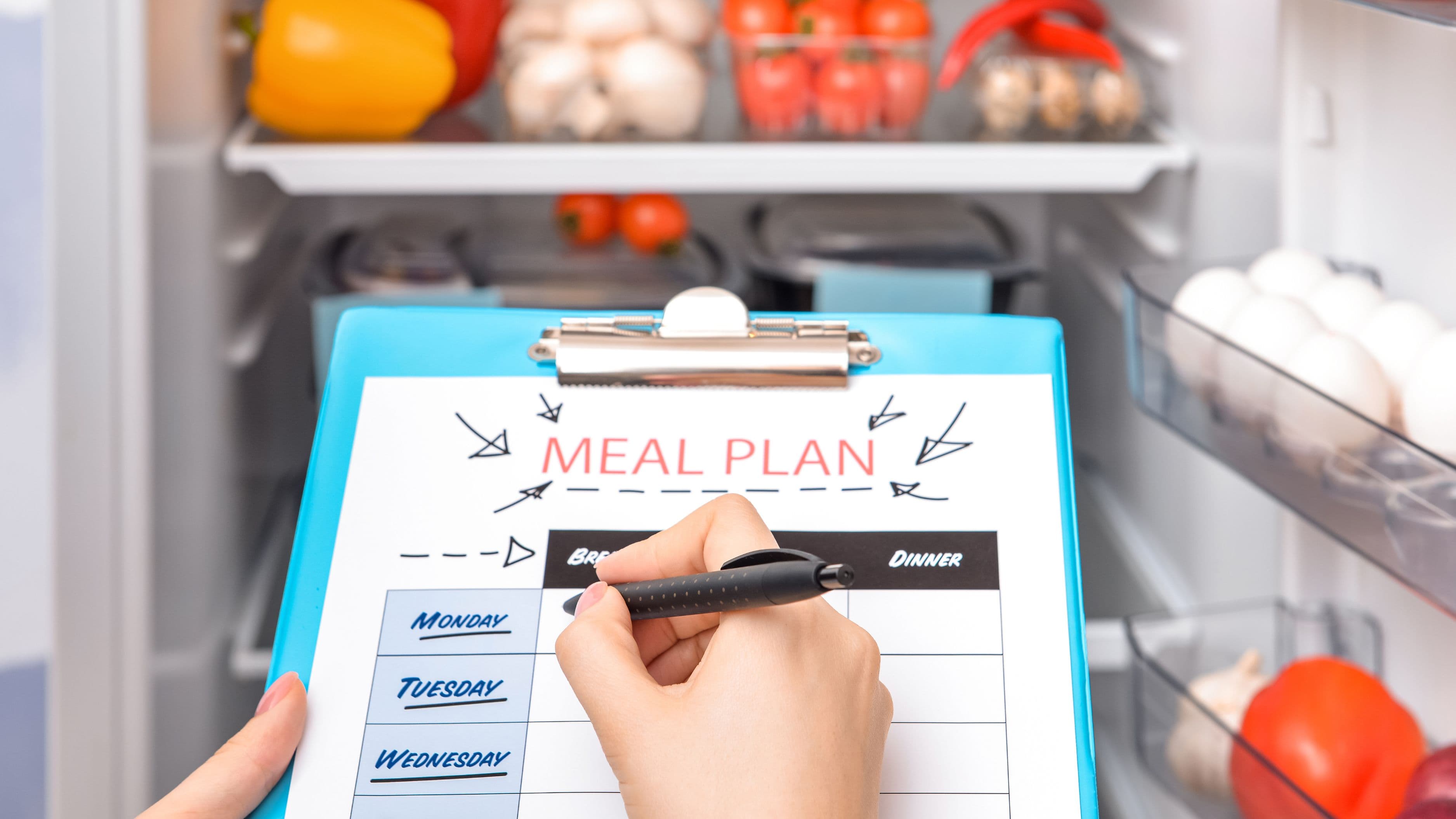
A practical way to organize a full month is thinking in terms of a repeating weekly structure rather than planning each of the 30 days individually. For example: two grain bowl nights, two soup or stew nights, two pasta nights, and one "clean out the pantry" night using whatever needs to be used up, repeated with different specific ingredients and spice combinations each week. This structure gives you enough variety to avoid boredom while keeping the actual planning manageable, since you're deciding on variations within a known framework rather than inventing something new every single day.
Managing Perishables Within a Pantry-Based Plan
A fully pantry-based month doesn't mean avoiding all fresh ingredients, it means minimizing reliance on them and choosing ones that store well. Onions, garlic, potatoes, carrots, and cabbage all have relatively long shelf lives when stored properly and can round out pantry-based meals with fresh texture and flavor without requiring frequent grocery trips. If you have freezer space, frozen vegetables function similarly to pantry staples in terms of planning flexibility, without the shorter shelf life of fresh produce.
Realistic Expectations
A month of pantry-based meals genuinely stretches a grocery budget and reduces food waste, but it requires an initial investment in stocking a well-rounded pantry, which can feel like a larger upfront cost even though it pays off over the following weeks. Expect the first week or two of planning to take more mental effort as you're building out your template system, and expect this to become significantly faster and more intuitive by the third or fourth week, once you've developed a rhythm with your core templates and flavor rotations.
What to Avoid
Avoid buying specialty or single-use ingredients for one specific recipe you saw online, since this undermines the entire point of a flexible, pantry-based approach and often leaves you with an ingredient that goes unused for the rest of the month. Stick to versatile staples that work across multiple templates and flavor profiles rather than one-off specialty items.
Also avoid underestimating how much dried spices and quality oils and vinegars contribute to preventing repetitive flavor fatigue. A pantry heavy on grains and beans but light on a varied spice selection will feel monotonous quickly, even if the base ingredients themselves are perfectly nutritious and versatile.
FAQ
Do I need to buy everything on the pantry list at once? No. Build your pantry gradually over a few grocery trips, prioritizing versatile staples like rice, canned beans, and a core spice selection first, then filling in more specific items as your budget allows.
Can this approach work if I have dietary restrictions? Yes, the template-based approach adapts well to most dietary needs, since you're building meals around flexible components rather than fixed recipes. Substitute specific grains, proteins, or spice blends based on your particular restrictions.
How much money does a pantry-based meal plan typically save? This varies significantly based on your current grocery habits, but pantry staples like dried beans, rice, and canned goods are generally among the most cost-effective ingredients per serving compared to fresh meat, seafood, or specialty products.
📚 Sources
USDA – MyPlate Pantry Staples Guide: https://www.myplate.gov/tip-sheet/build-healthy-meal
Cooperative Extension System – Stocking a Healthy Pantry: https://extension.umn.edu/food-safety/stocking-your-pantry
USDA Food Safety and Inspection Service – Shelf-Stable Food Safety: https://www.fsis.usda.gov/food-safety/safe-food-handling-and-preparation/food-safety-basics/shelf-stable-food-safety