You don't need a tagine, a spice market, or years of experience to get started. You just need to know where to begin.
What Makes Moroccan Cooking Distinct
Moroccan cuisine sits at a remarkable crossroads of Arab, Berber, Mediterranean, and Andalusian influences, all of which have shaped a cooking tradition that's layered, fragrant, and deeply satisfying. The flavour profile is unlike most other cuisines you've probably cooked – it combines warm spices like cumin, cinnamon, and ginger with savoury bases, often finished with preserved or dried fruits, olives, or fresh herbs. Sweet and savoury aren't opposing forces in Moroccan cooking; they're partners.
The cooking style leans heavily on slow-braising and simmering, which works in your favour as a beginner. Tough cuts of meat become tender. Chickpeas absorb flavour over time. A dish that's been cooking for an extra twenty minutes rarely suffers for it. There's a forgiveness built into Moroccan cooking that rewards patience over precision, and that makes it genuinely well-suited to home cooks who are still learning.
The Spice Pantry: What You Actually Need
This is where most beginners get overwhelmed – and where the simplification matters most. Moroccan recipes often list eight or ten spices, which can feel like a lot. But if you look closely, you'll notice the same spices appearing over and over again. Build your Moroccan pantry around these seven and you'll be equipped for the vast majority of dishes:
Cumin is the backbone of Moroccan spicing. It appears in almost everything – tagines, soups, salads, marinades. Buy it ground for everyday cooking, but if you want more flavour, toasting and grinding whole seeds takes two minutes and makes a noticeable difference.
Cinnamon is used here as a savoury spice, not just a baking ingredient. It appears in meat tagines, spiced rice, and the spice blend ras el hanout, adding warmth and a subtle sweetness that's characteristic of the cuisine.
Ground ginger – dried, not fresh – is standard in Moroccan cooking. It adds heat and depth without the sharpness of fresh ginger, and it behaves quite differently. Don't substitute one for the other.
Paprika (sweet) adds colour and a mild, earthy flavour to sauces and braises. Smoked paprika can be used occasionally for variation but sweet paprika is the standard.
Turmeric adds golden colour and an earthy note to many dishes. It's used in smaller quantities than cumin but appears frequently enough to be worth keeping stocked.
Cayenne or chilli flakes provide heat, used in restrained amounts since Moroccan cooking is warming rather than fiery. Add gradually and taste as you go.
Ras el hanout is a spice blend whose name translates roughly as "top of the shop" – a mix of anywhere from 10 to 30 spices that varies by region and family. A good pre-made ras el hanout from a spice merchant or well-stocked supermarket is a shortcut worth using. It's the spice that immediately makes a dish taste distinctly Moroccan and is particularly useful for beginners building confidence.
Beyond spices, two ingredients define Moroccan cooking in a way that nothing else can substitute: preserved lemons and harissa.
Preserved lemons are salt-cured lemons with an intensely tangy, complex flavour that's quite different from fresh lemon juice. They're added to tagines, salads, and sauces in small amounts and are transformative in their effect. You can buy them jarred from most Middle Eastern or specialty grocery stores, or make your own, though the homemade version takes about a month to be ready. Harissa is a chilli paste used as a condiment and cooking ingredient – smoky, slightly sweet, and warm with spice. Both are worth having on hand from your very first Moroccan meal.
Popular Dishes to Start With
The right first dishes are the ones that teach you the core techniques without requiring obscure equipment or ingredients. These four are the ideal starting point.
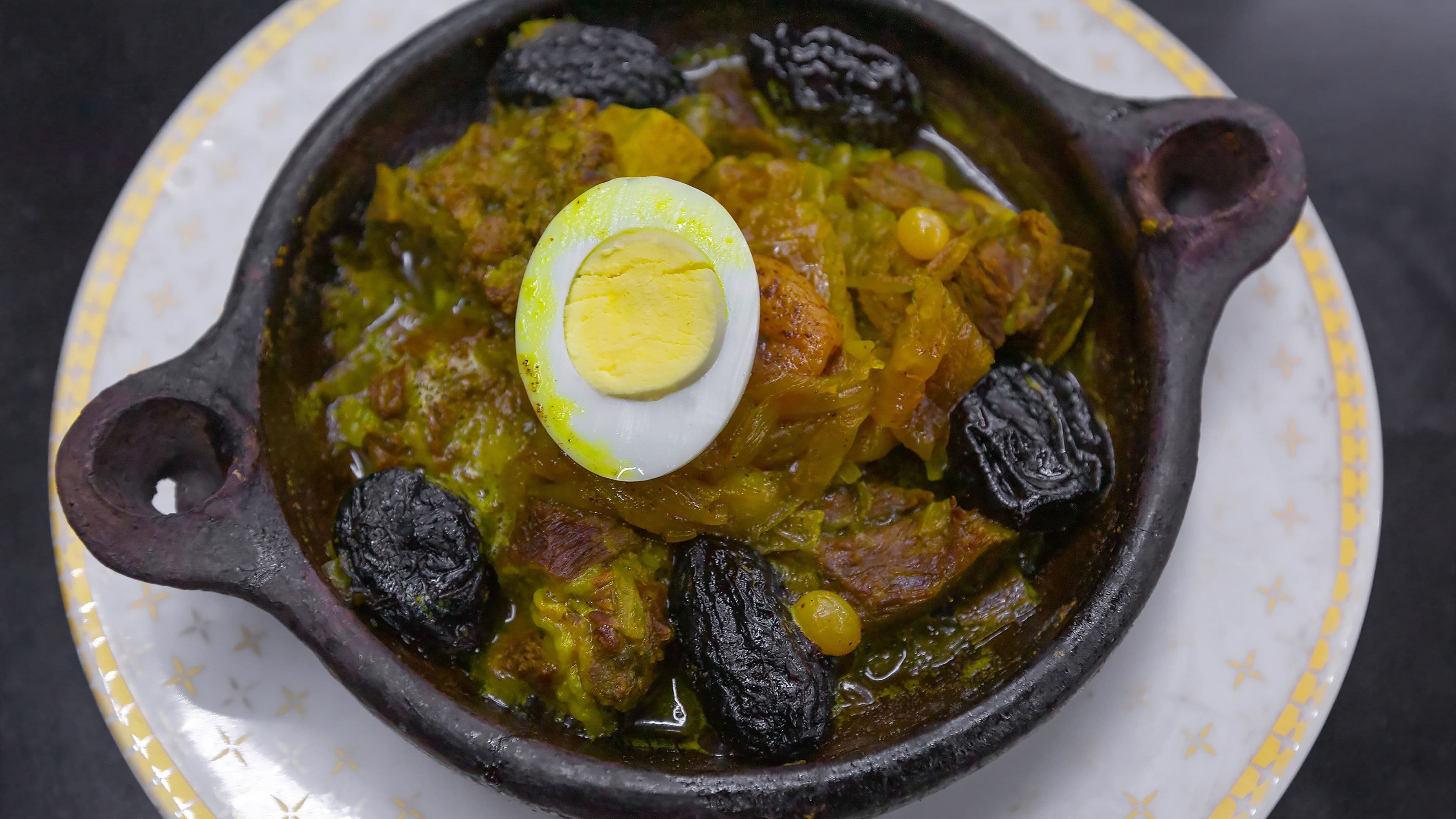
Chicken tagine with preserved lemon and olives is arguably the most iconic entry point into Moroccan cooking. Chicken pieces are browned, then slow-braised in a spiced sauce with onion, garlic, preserved lemon rind, and green olives until the meat is falling-tender. The sauce reduces into something rich and fragrant. You don't need an actual tagine – a heavy-bottomed pan or Dutch oven works just as well and is what most home cooks use anyway.
Moroccan chickpea soup (harira) is a hearty, tomato-based soup with chickpeas, lentils, fresh herbs, and a warming spice blend. It's traditionally eaten during Ramadan to break the fast but is cooked year-round across Morocco. Harira is an outstanding first Moroccan recipe because it's genuinely straightforward, uses pantry staples, and delivers the full fragrant depth of the cuisine in a single pot. It also reheats beautifully, making it ideal for batch cooking.
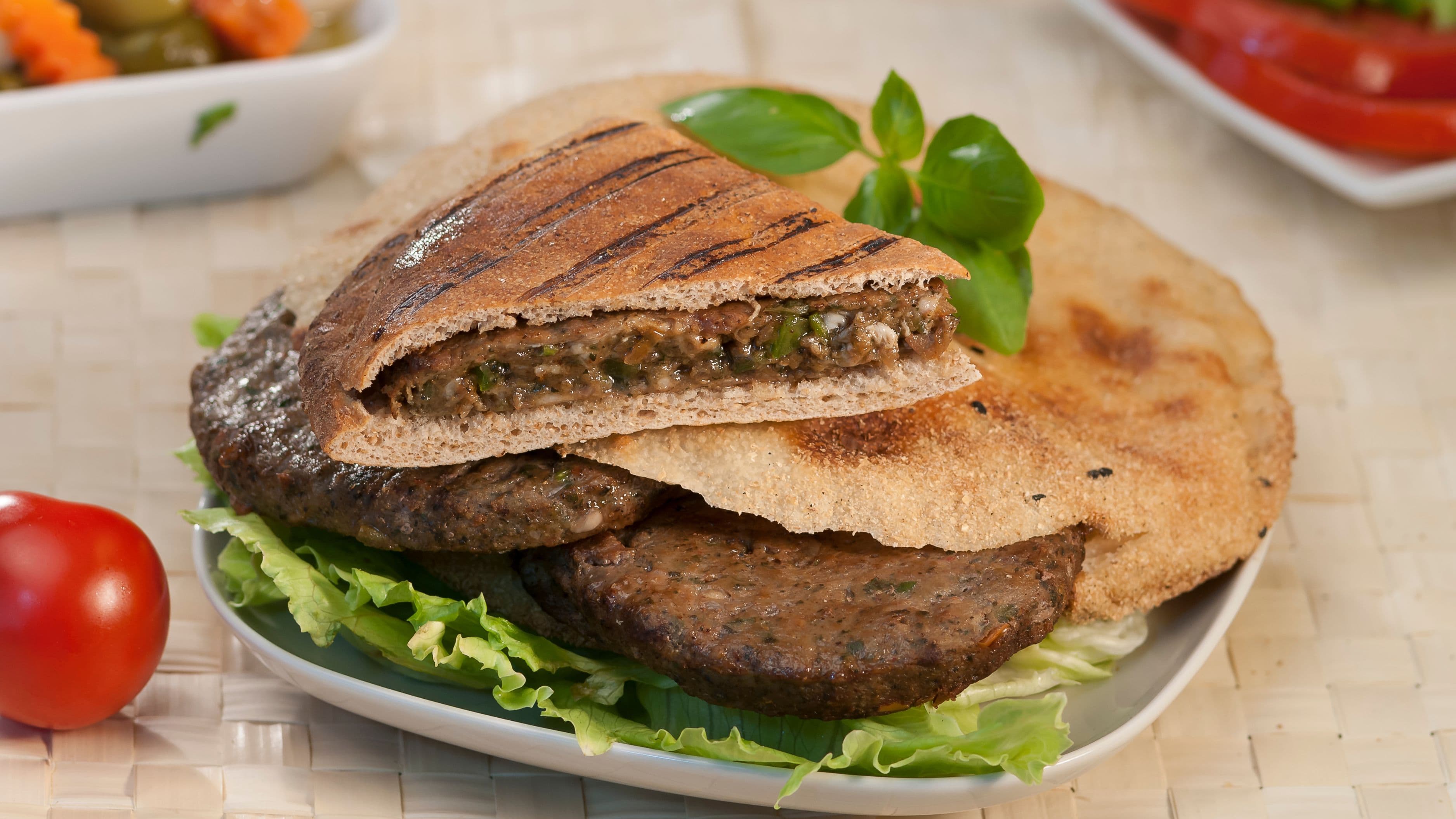
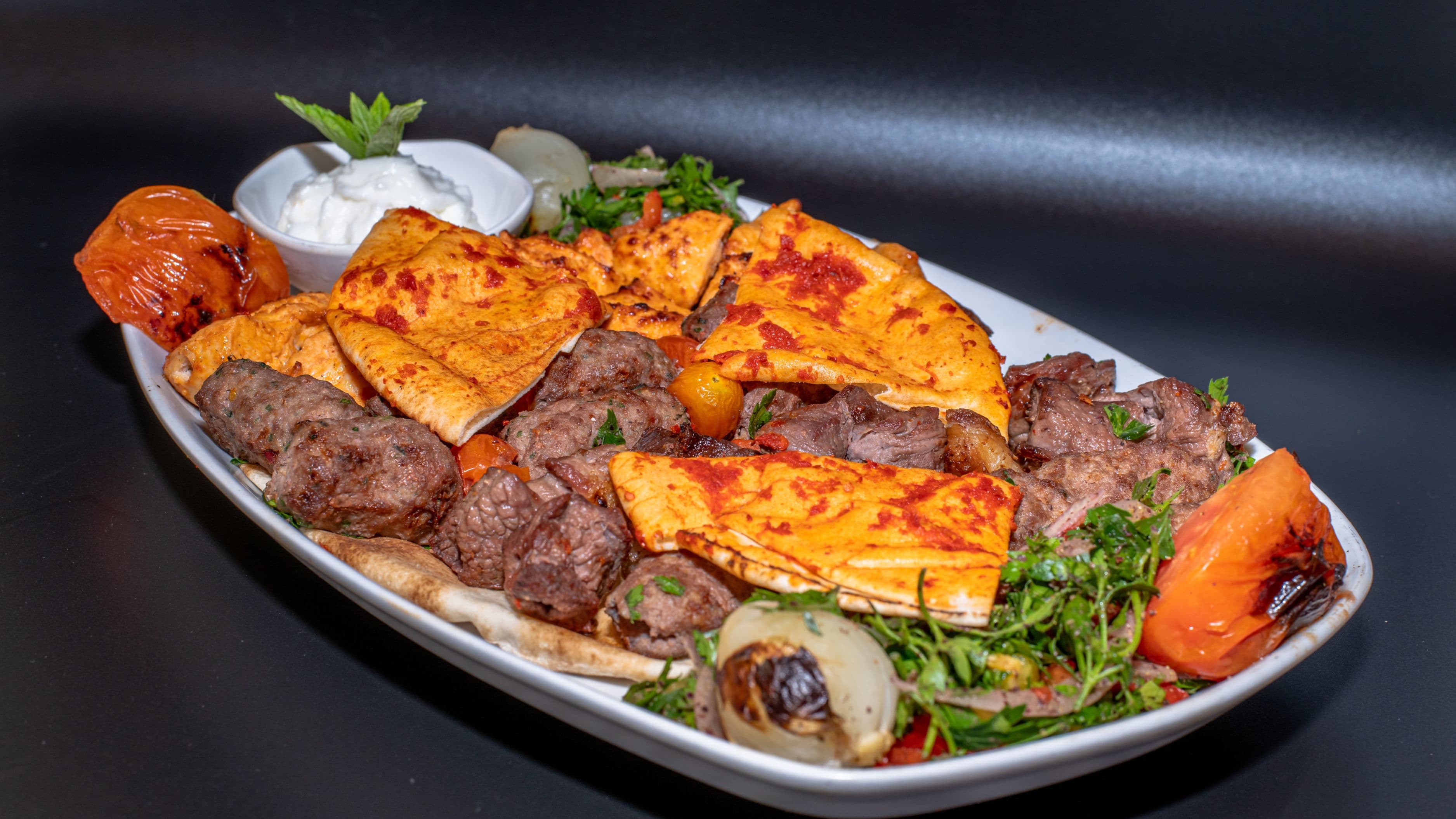
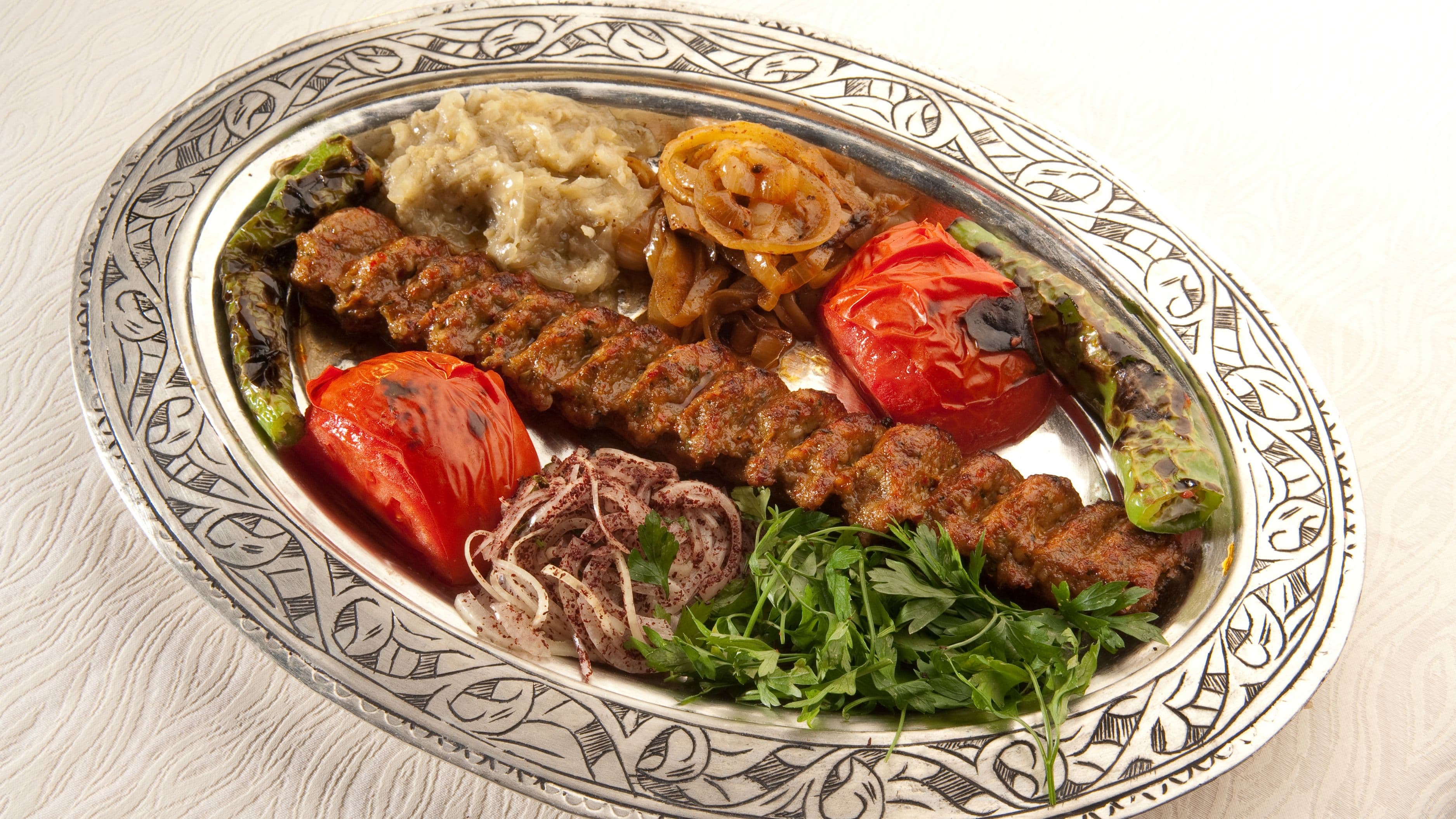
Kefta (spiced ground meat) – typically lamb or beef – seasoned with cumin, paprika, onion, and fresh herbs is one of the quickest entries into Moroccan flavour. Shaped into small patties or meatballs and pan-fried or grilled, kefta comes together in under 20 minutes and pairs well with flatbread, yoghurt, and a simple tomato salad. It's also a good introduction to how Moroccan spicing works with meat.
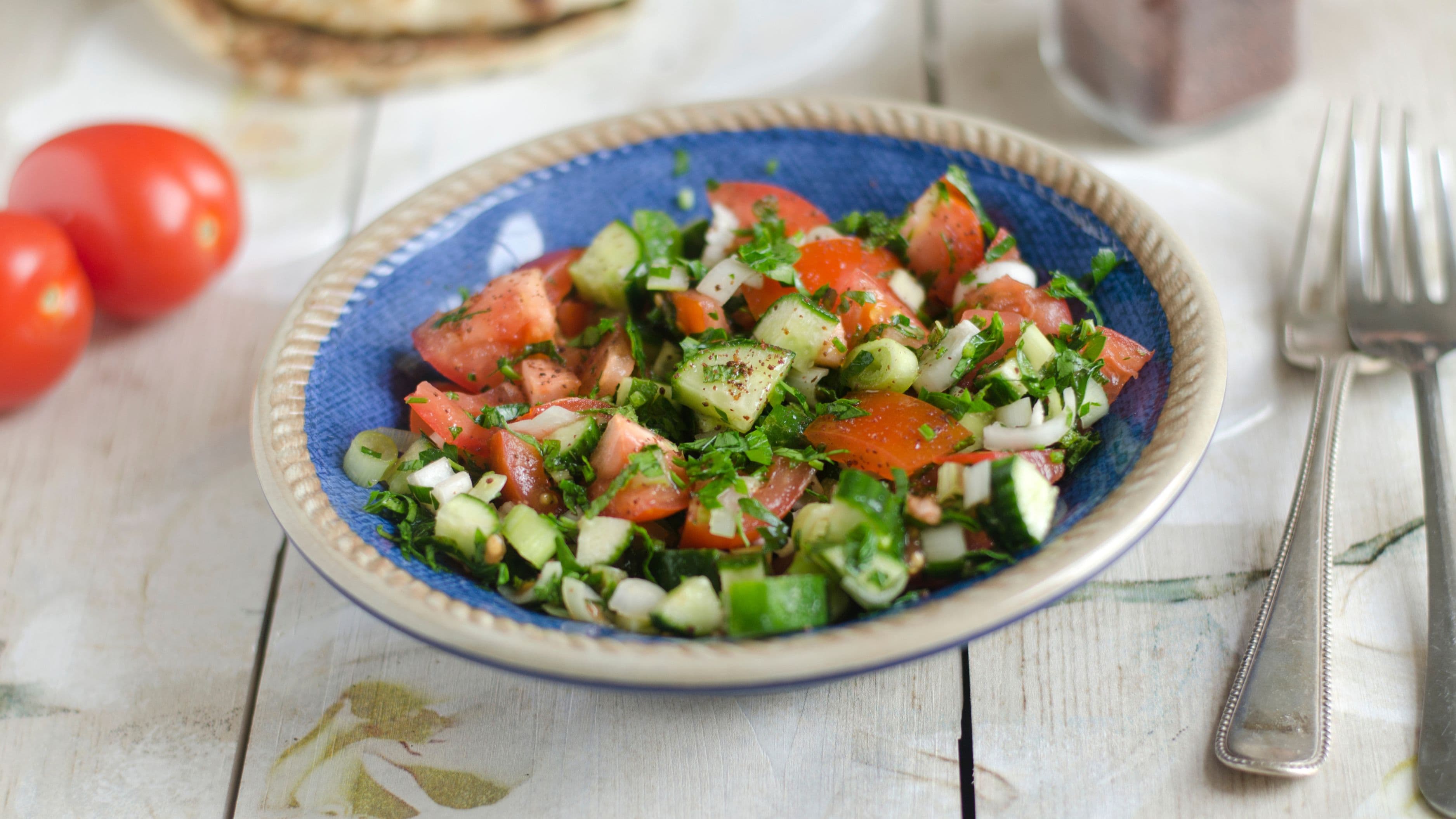
Carrot salad with cumin and lemon is a simple, five-ingredient Moroccan side dish that takes about 15 minutes and showcases how the cuisine handles vegetables. Cooked carrots are dressed with cumin, paprika, lemon juice, olive oil, and fresh coriander. It's a useful lesson in how even restrained spicing produces something distinctly Moroccan in character – and a reliable side dish to make alongside any of the mains above.
How to Start at Home: A Practical Approach
The most effective way to build confidence with Moroccan cooking is to start with harira or kefta – both are low-stakes, fast, and produce results that taste noticeably different from anything else in your regular rotation. Get comfortable with how the spices smell and behave before attempting a longer braise.
Once you've made two or three simpler dishes, move to a chicken tagine. The technique – browning meat, building a spiced sauce, and long slow cooking – is the heart of Moroccan cooking and will serve you across dozens of recipes. You'll learn that patience is the technique, and that the long simmer does most of the work for you.
Invest in good spices. Old, faded spices are the most common reason home-cooked Moroccan food disappoints. If your cumin or paprika has been in the cupboard for two years, buy fresh. The difference is dramatic.
Tips for Better Results
Bloom your spices in fat first. Almost every Moroccan recipe starts with frying onions and garlic, then adding the spices and cooking them in the oil for a minute or two before any liquid goes in. This step – called blooming – transforms dried spices, releasing their fat-soluble compounds and building a deeper, more rounded flavour base than you'd get from adding spices to liquid. Don't skip it.
Use chicken thighs, not breasts, for tagines. Thighs hold up to long braising and stay moist in a way that breasts simply don't. Bone-in, skin-on thighs produce the best results, though boneless thighs work well too and are easier to serve.
Add preserved lemon rind, not the pulp. When using preserved lemons in cooking, scrape out and discard the pulp – it's often bitter and very salty. The rind is where the complex, mellow citrus flavour lives. Rinse it briefly and slice or chop it before adding to your dish.
Season at the end, not just at the start. Moroccan braises reduce and concentrate during cooking, which changes the salt level significantly. Taste before serving and adjust then rather than adding a lot of salt at the beginning.
Serve with something to soak up the sauce. Moroccan tagine sauce is too good to leave in the pot. Crusty bread, couscous, or plain flatbread alongside the dish is standard – and essential.
What to Avoid
Buying every spice at once. Start with cumin, paprika, cinnamon, ginger, turmeric, cayenne, and a good ras el hanout. That covers most recipes. Adding more specialist spices gradually, as specific recipes require them, is a much less overwhelming approach.
Using a regular lemon instead of preserved lemon. Fresh lemon juice is sharper and more acidic and won't produce the same mellow, savoury depth. If you genuinely can't find preserved lemons, a small amount of lemon zest simmered in the dish is a closer substitute than juice alone – but preserved lemons are worth sourcing.
Rushing the cooking time. Moroccan tagines improve with time. A dish meant to braise for an hour won't taste right at 35 minutes. The slow simmer is when the spices meld, the meat tenderises, and the sauce becomes the sauce. Plan ahead and give it the time it needs.
Over-spicing early dishes. It's tempting to go heavy with unfamiliar spices, but Moroccan cooking is balanced rather than aggressively spiced. Follow recipe quantities carefully until you've cooked each dish a few times and understand how the flavours develop.
Frequently Asked Questions
Do I need a tagine to cook Moroccan food? No. A tagine is a beautiful piece of equipment but not a requirement. A heavy-bottomed pot, Dutch oven, or even a deep frying pan with a lid works perfectly well for tagine-style dishes. The key is a tight-fitting lid and low, gentle heat – the vessel matters less than the technique.
Where can I find preserved lemons and ras el hanout? Middle Eastern, North African, and specialty grocery stores are your best options. Many well-stocked supermarkets now carry preserved lemons in the condiment or world foods aisle. Ras el hanout is increasingly available in supermarkets and from online spice merchants. Look for brands that list their full ingredient mix rather than just "spice blend."
Is Moroccan food spicy hot? Not typically, at least not in the way that chilli-forward cuisines are. Moroccan food is warm and aromatic rather than fiery. Heat is present but restrained, and the dominant impression is warmth and fragrance from spices like cumin, cinnamon, and ginger rather than sharp heat.
Can I make Moroccan dishes vegetarian? Easily. Moroccan cuisine has a strong tradition of vegetable and legume cooking. Chickpea tagines, lentil soups, spiced vegetable stews, and salads are all naturally vegetarian and just as rich in flavour as the meat dishes. Harira can be made fully vegetarian, and a chickpea tagine with sweet potato or butternut squash follows the same technique as a meat version.
One Dish at a Time
Moroccan cooking is one of those cuisines where the more you cook it, the more connected the dishes feel. The same spices reappear, the same techniques repeat, and the logic of the cuisine becomes familiar fast. Start with harira or kefta, cook it a few times until it feels easy, and then add a tagine to your rotation. Within a month of cooking it regularly, you'll have a genuine feel for how Moroccan flavour works – and that's the foundation everything else builds from.
📚 Sources
Serious Eats – An introduction to Moroccan cooking: https://www.seriouseats.com/moroccan-cooking-ingredients-techniques
BBC Good Food – What is ras el hanout and how to use it: https://www.bbcgoodfood.com/glossary/ras-el-hanout
Food52 – How to use preserved lemons in cooking: https://food52.com/blog/12377-how-to-use-preserved-lemons
The Spruce Eats – Traditional Moroccan harira recipe: https://www.thespruceeats.com/traditional-moroccan-harira-soup-2394530
Saveur – A guide to Moroccan cuisine: https://www.saveur.com/moroccan-cuisine-guide
MasterClass – Moroccan cuisine: history, key ingredients, and popular dishes: https://www.masterclass.com/articles/moroccan-cuisine