The Foundation: Dal Bhat
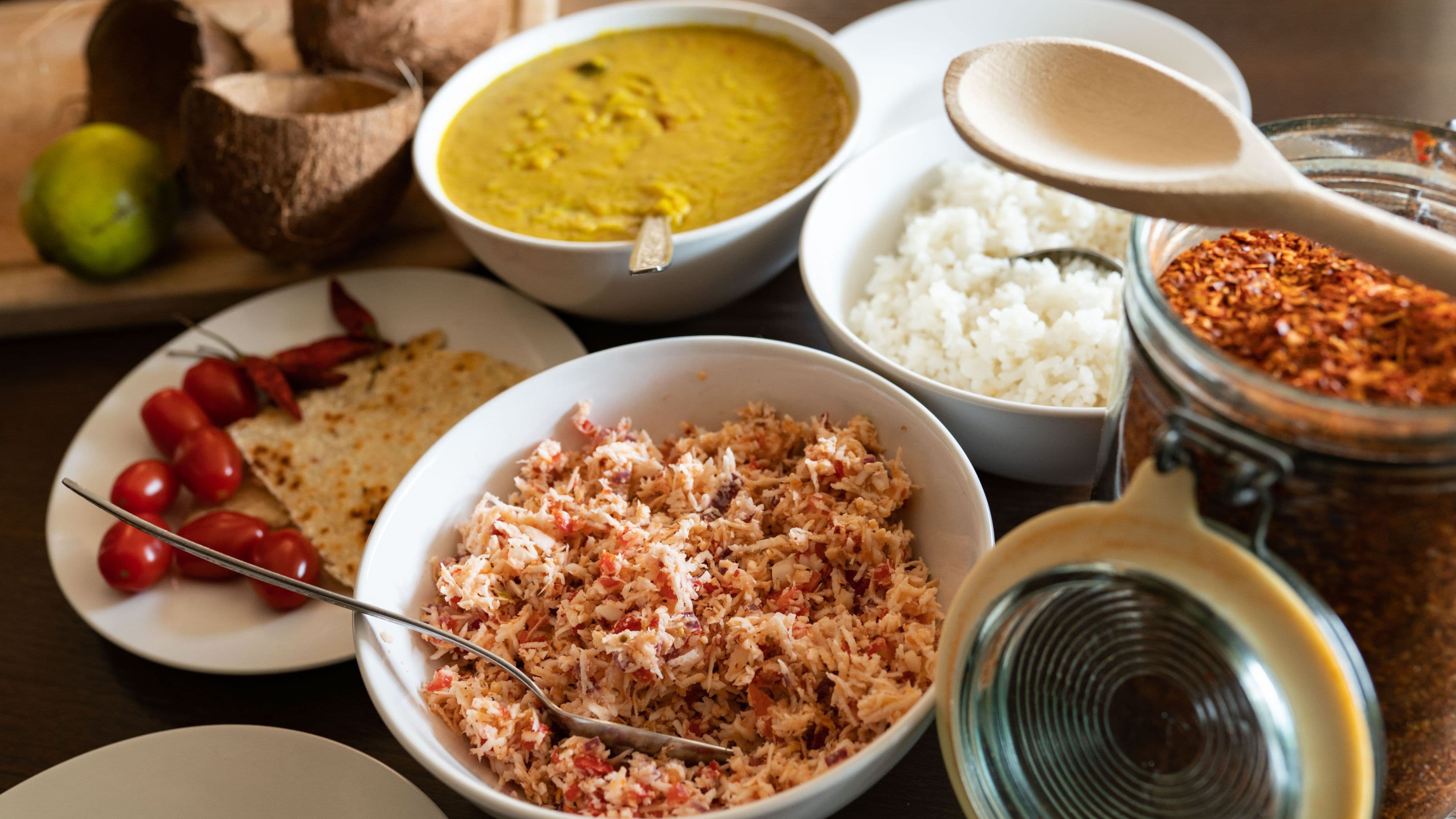
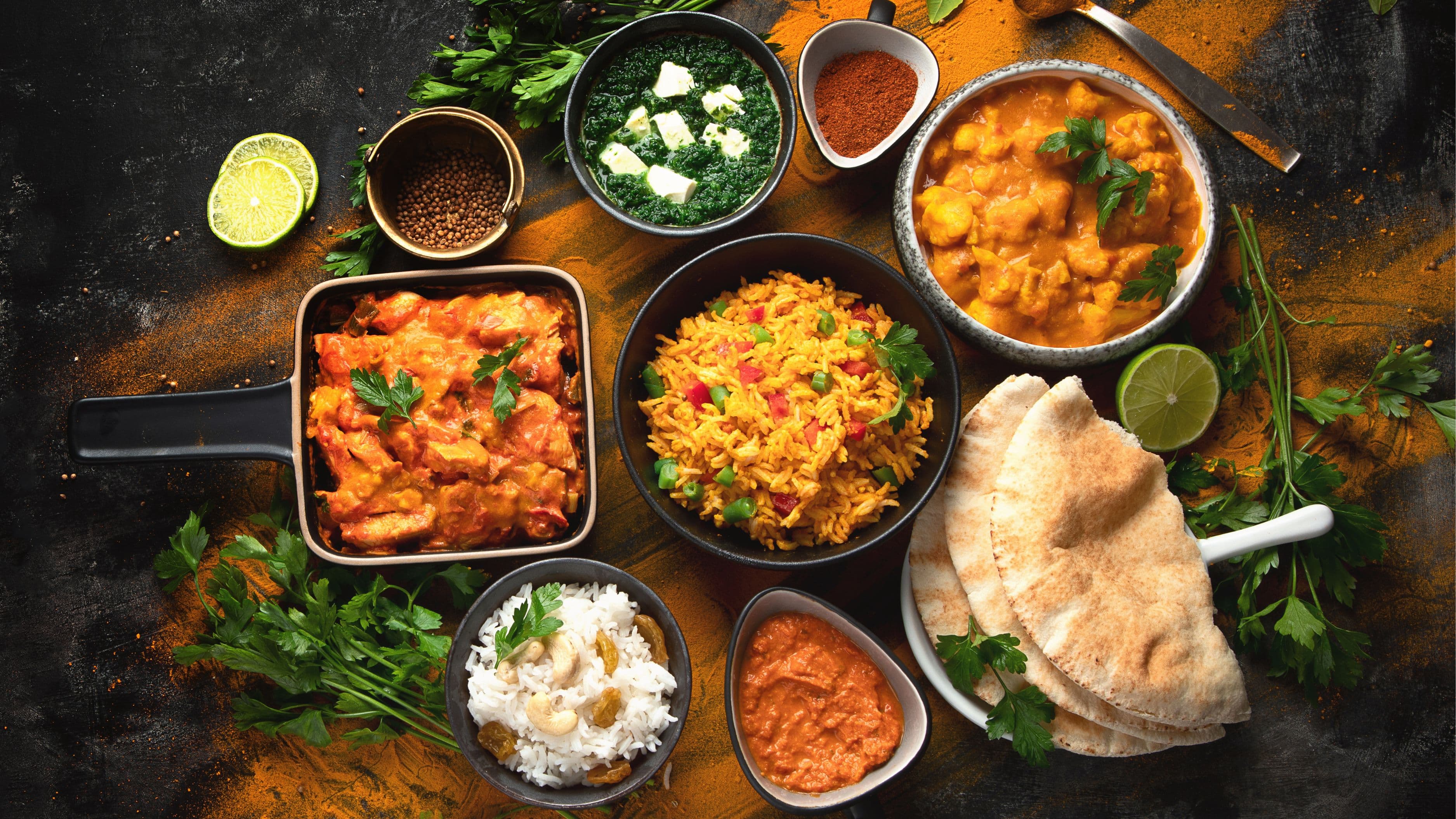
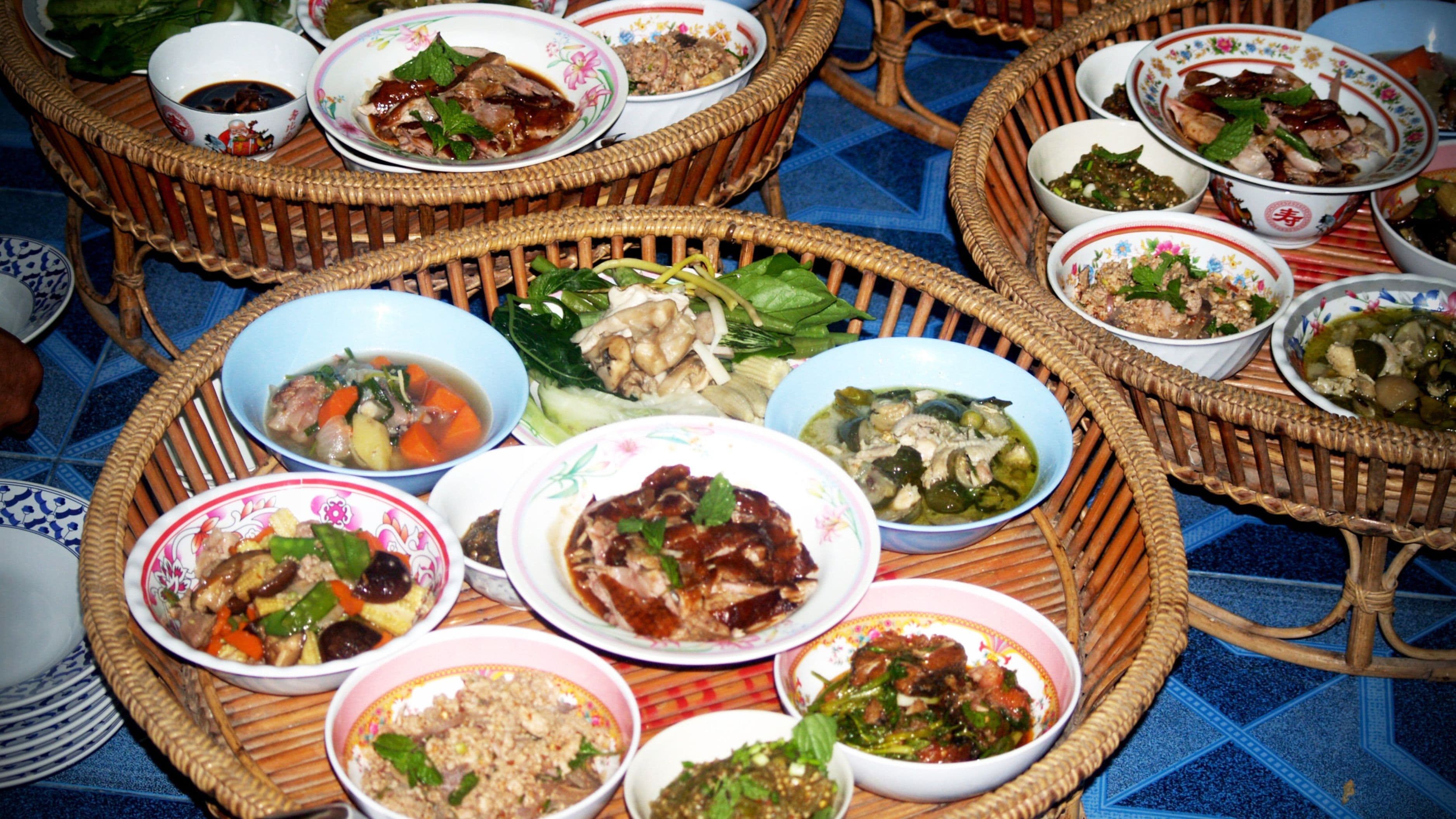
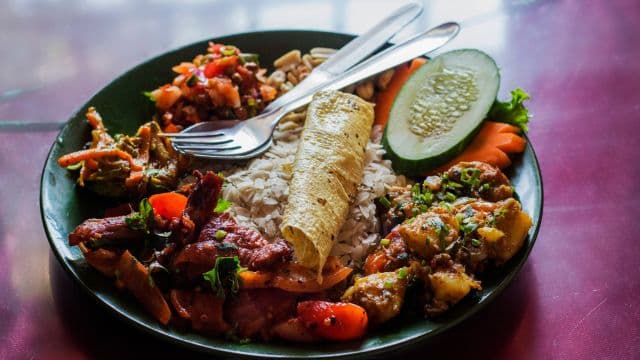
If you learn one thing about Nepali food, it's that dal bhat, lentil soup served with rice, is the daily foundation of most meals across the country, eaten by a large share of the population essentially every day. It's not a single fixed recipe so much as a format: a bowl of rice, a lentil-based soup called dal, and typically a vegetable curry (tarkari) and a pickle-like condiment called achar served alongside.
The dal itself varies by region and household, but a common version uses yellow split lentils simmered until soft, then finished with a tadka, a quick tempering of spices bloomed in hot ghee or oil and poured over the top just before serving. This tempering step, using ingredients like cumin seeds, garlic, and dried red chili, is what gives a simple lentil soup its distinctive aroma and is a technique worth learning on its own, since it shows up across South Asian cooking more broadly.
The Dish Most People Know: Momos
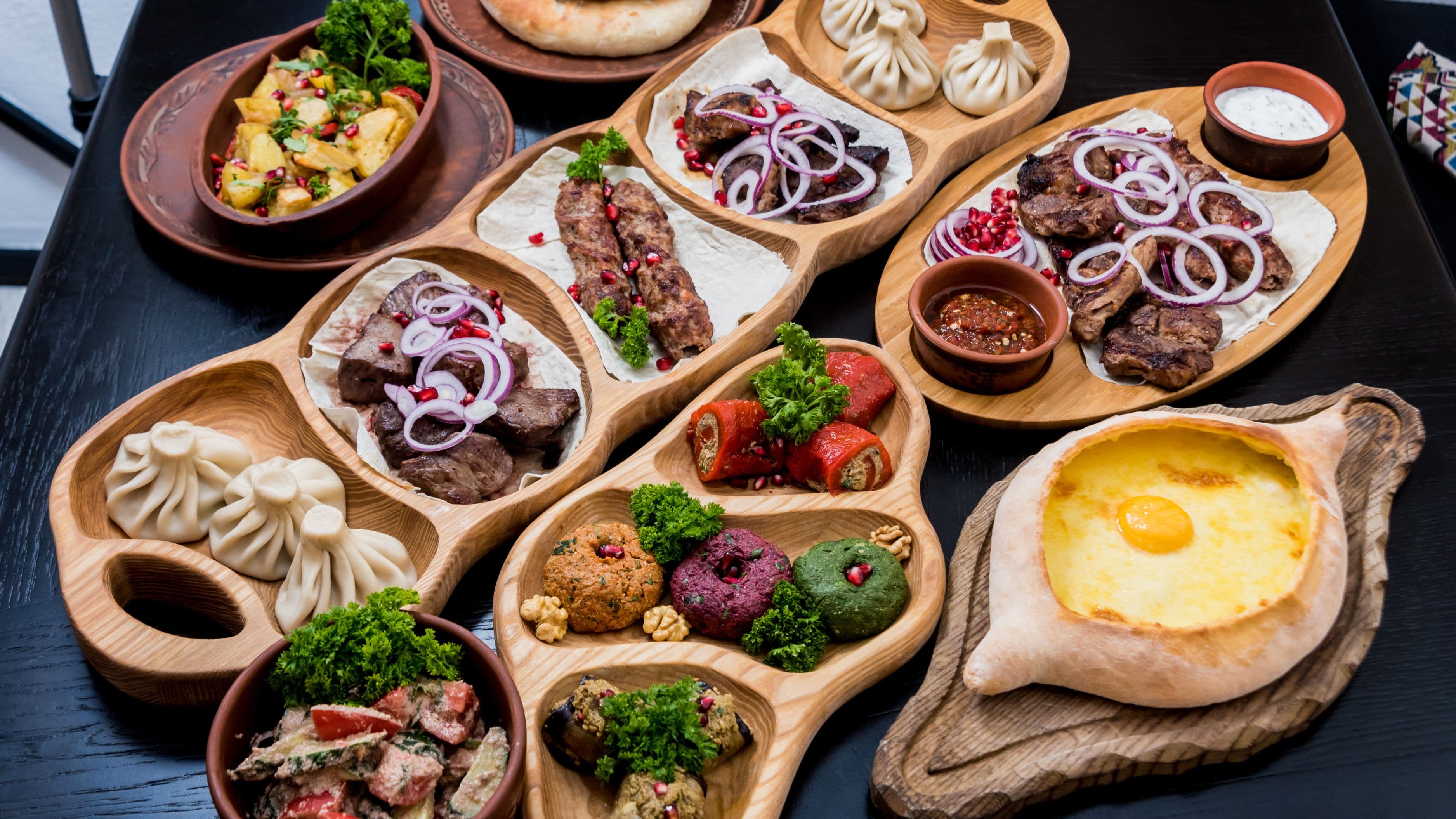
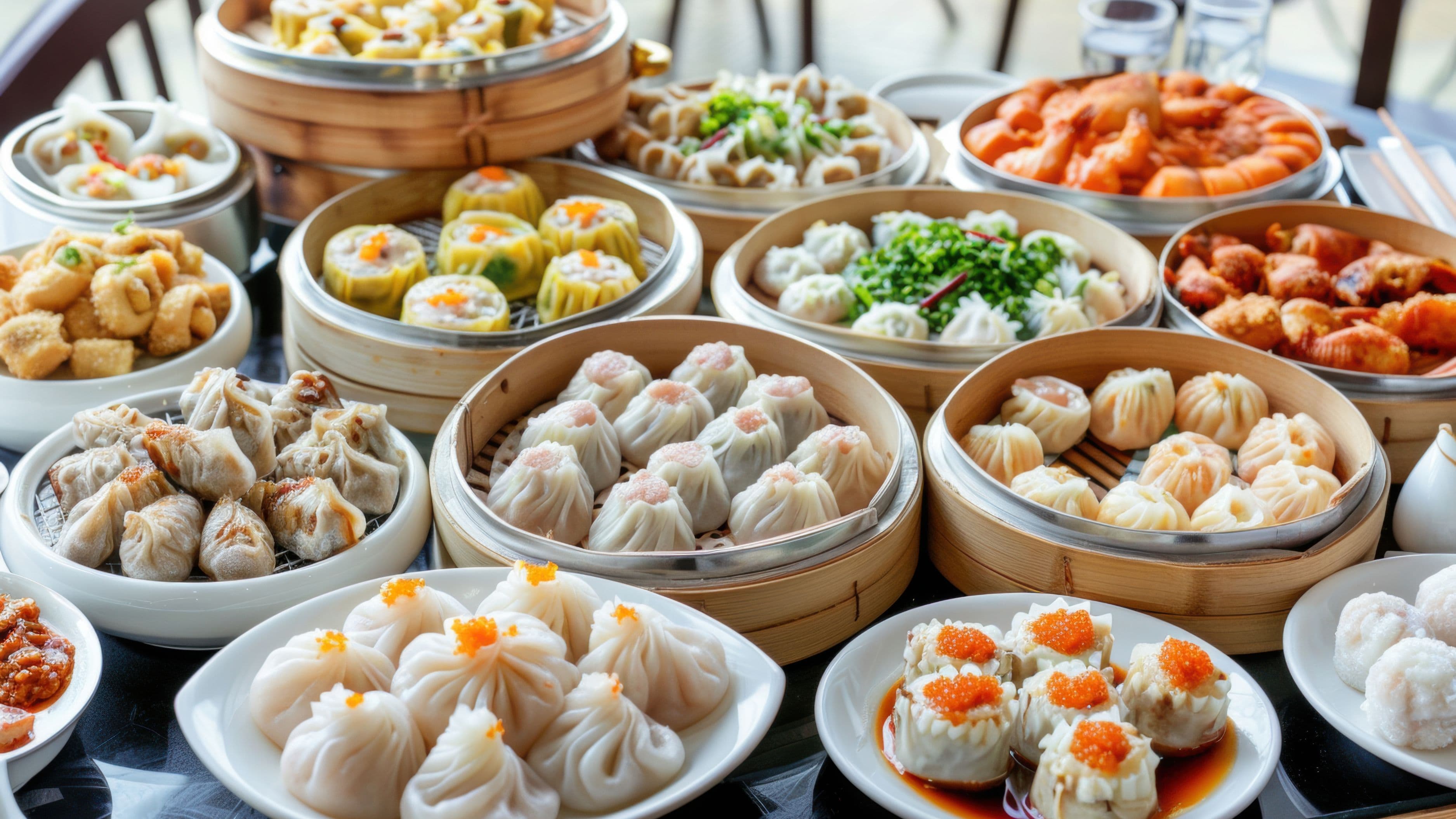
Momos, steamed or pan-fried dumplings, are probably the most internationally recognized Nepali dish, and for good reason, they're approachable, satisfying, and not difficult to make at home once you get the folding technique down.
Traditional momos are filled with seasoned ground meat, often buffalo or chicken, combined with onion, garlic, ginger, and a warm spice blend, though vegetable versions using cabbage and paneer are common as well and travel well for anyone cooking for a mixed group. The filling is wrapped in a simple flour-and-water dough, folded into a pleated pouch shape, and either steamed or pan-fried.
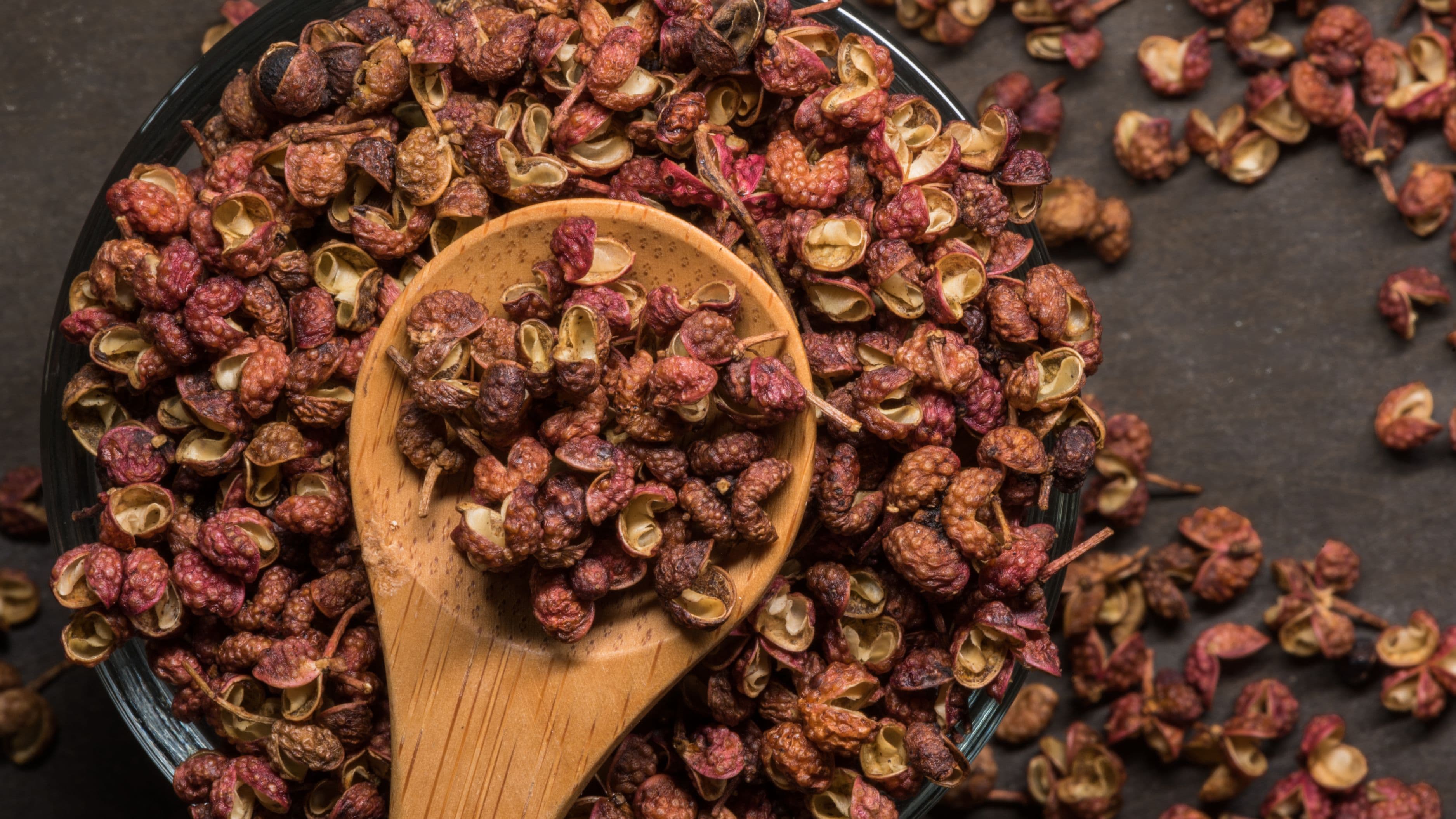
What sets Nepali momos apart from other regional dumplings is the accompanying sauce, typically a tomato-based achar made with roasted tomatoes, garlic, and Sichuan pepper or timur, a citrusy, slightly numbing Himalayan pepper that's distinctly Nepali in flavor and worth seeking out if you want an authentic result. If you can't find timur, a combination of black pepper and a touch of lime zest gets you into a reasonable approximate range, though it won't fully replicate the flavor.
Regional Variety Worth Knowing
Nepal's food changes noticeably by region, and that variety is part of what makes the cuisine interesting to explore beyond dal bhat and momos.
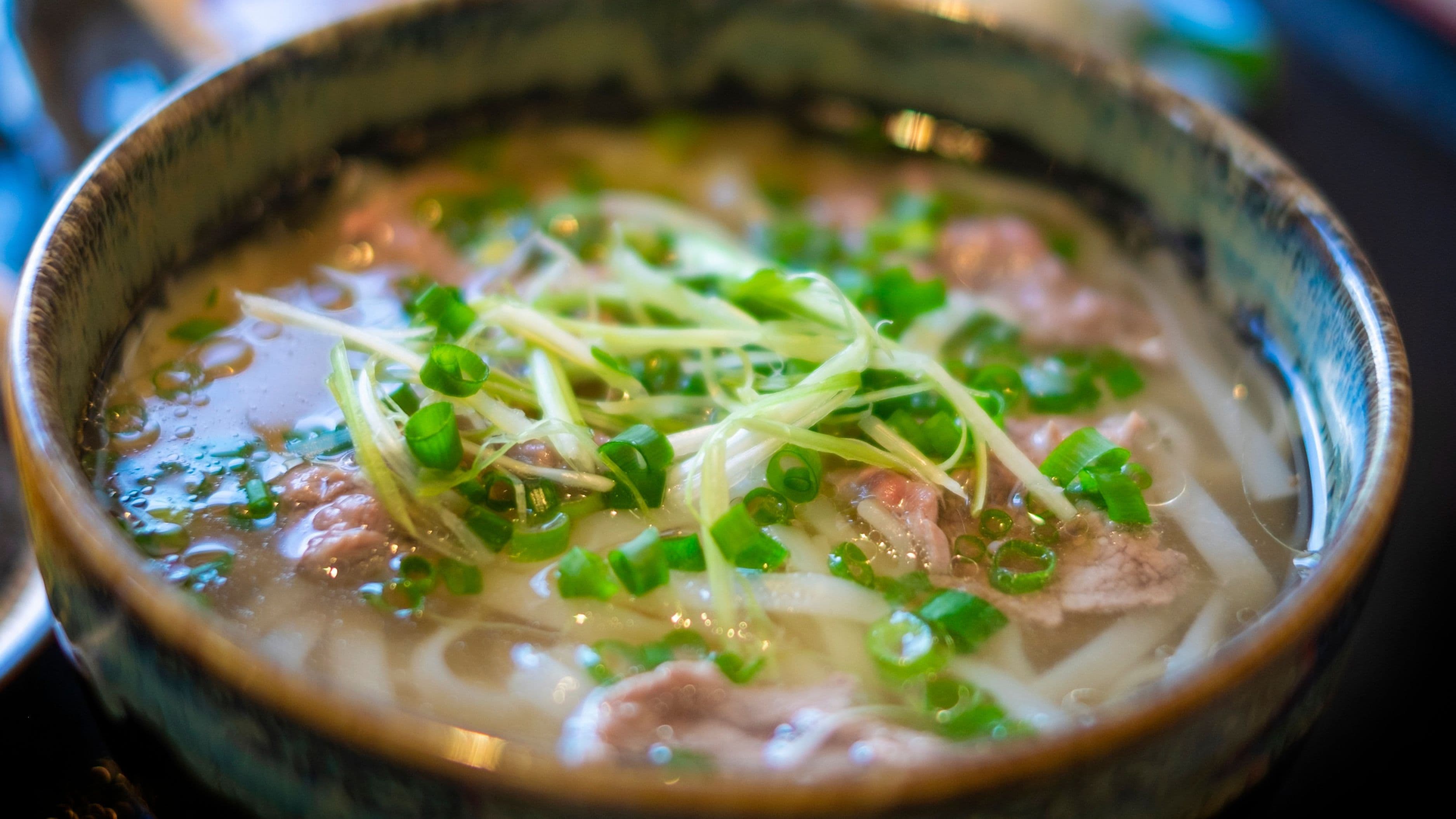
In the mountainous northern regions, closer to Tibet, food leans toward hearty, warming dishes suited to a cold climate: thukpa, a noodle soup with vegetables and meat in a flavorful broth, and gundruk, a fermented leafy green that adds a distinctive sour, tangy note to soups and side dishes.
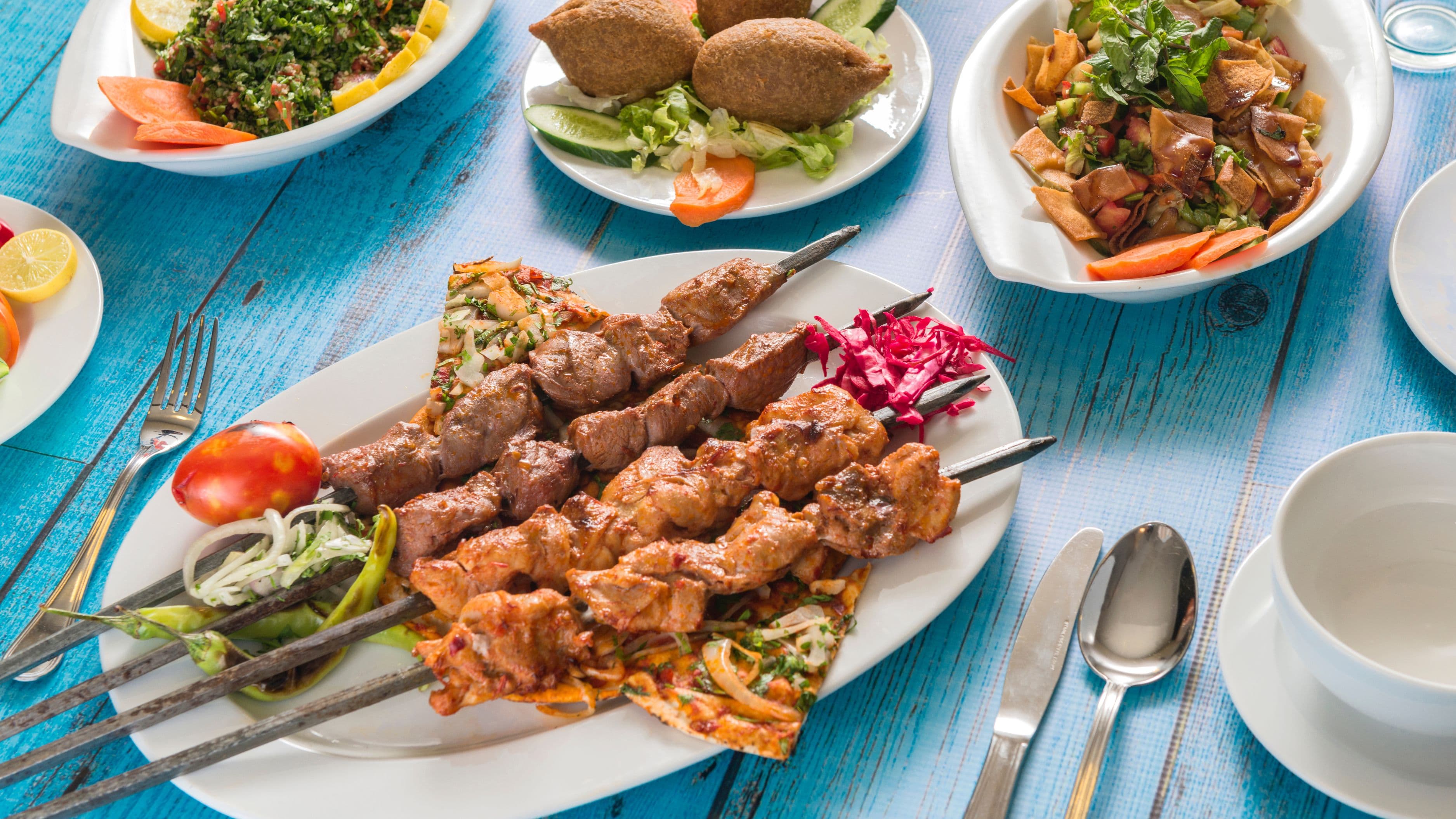
In the Kathmandu Valley, home to the Newar community, the food tradition is particularly rich and distinct, featuring dishes like choila, spiced grilled meat, often buffalo, marinated in mustard oil and warm spices, and yomari, a steamed rice-flour dumpling filled with molasses and sesame, traditionally made during harvest festivals.
In the southern Terai region, bordering India, the food shares more overlap with North Indian cuisine, with more prominent use of wheat-based flatbreads and curries closer in style to neighboring Indian regional cooking.
Building a Nepali Pantry
A handful of ingredients cover a meaningful amount of Nepali cooking: yellow split lentils (toor dal or moong dal) for dal, basmati or another long-grain rice, ghee, cumin and coriander seeds, dried red chilies, fresh ginger and garlic, and timur (Himalayan pepper) if you can find it at a South Asian grocery store or online, since it's genuinely distinctive and not easily substituted for dishes where it plays a starring role, like momo achar.
Mustard oil, used both for cooking and as a marinating agent in dishes like choila, has a sharp, pungent flavor that mellows significantly once heated, and it's worth having on hand if you want to cook Newari dishes with real authenticity.
What to Avoid
Don't skip the tadka step when making dal, it's a small addition of time that makes an outsized difference in flavor, and dal made without it tends to taste flat by comparison. Don't overfill momo wrappers, a common beginner mistake that makes them difficult to fold and prone to tearing during steaming. And don't assume Nepali food is identical to Indian or Tibetan cuisine just because it shares some techniques and ingredients, regional dishes like choila and gundruk reflect a distinct culinary identity worth exploring on its own terms.
📚 Sources
Smithsonian Folklife Festival, "Himalayan Culinary Traditions" – https://festival.si.edu/
Saveur, "A Guide to Nepali Cuisine" – https://www.saveur.com/
BBC Travel, "The Food of the Kathmandu Valley" – https://www.bbc.com/travel