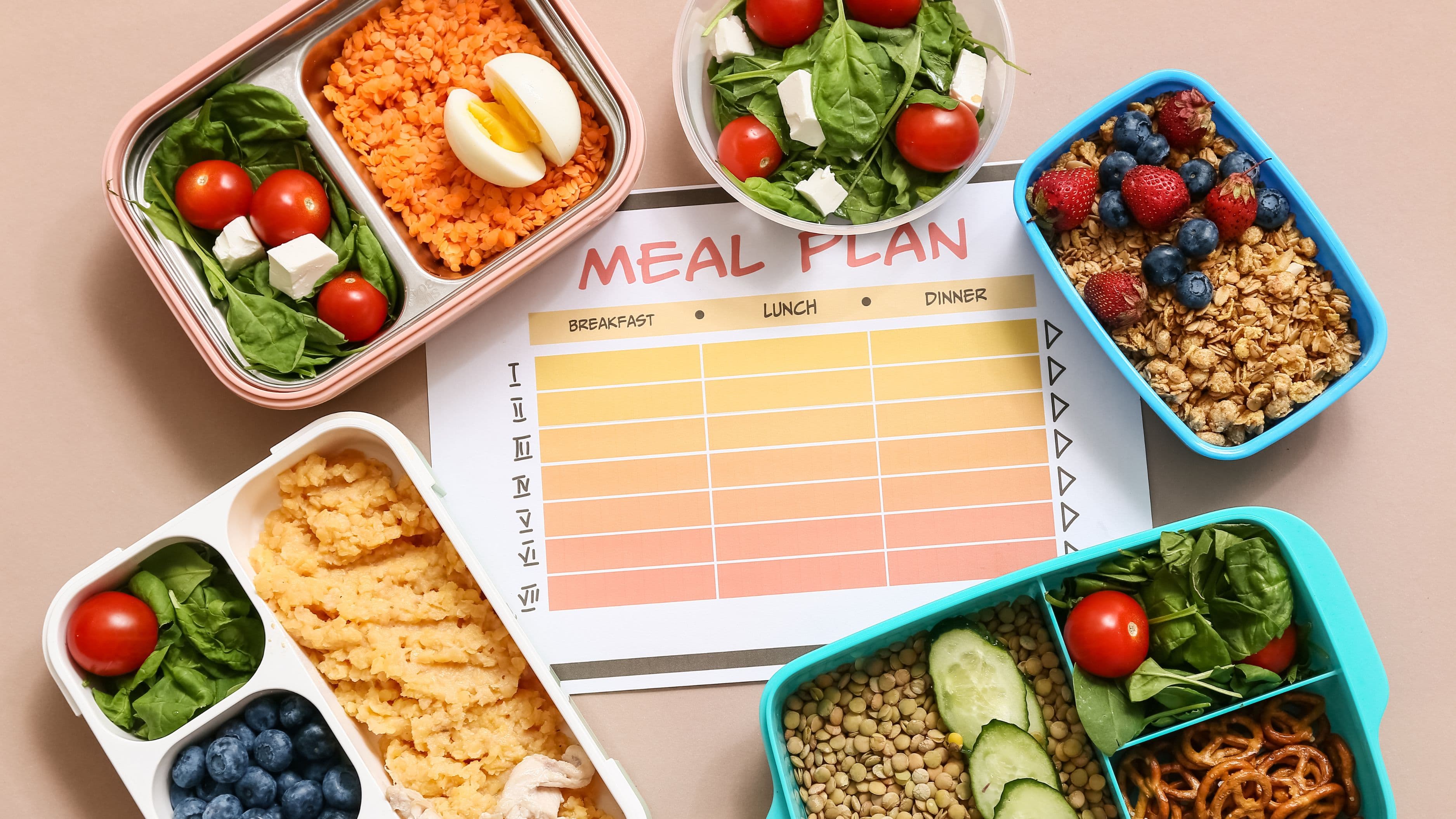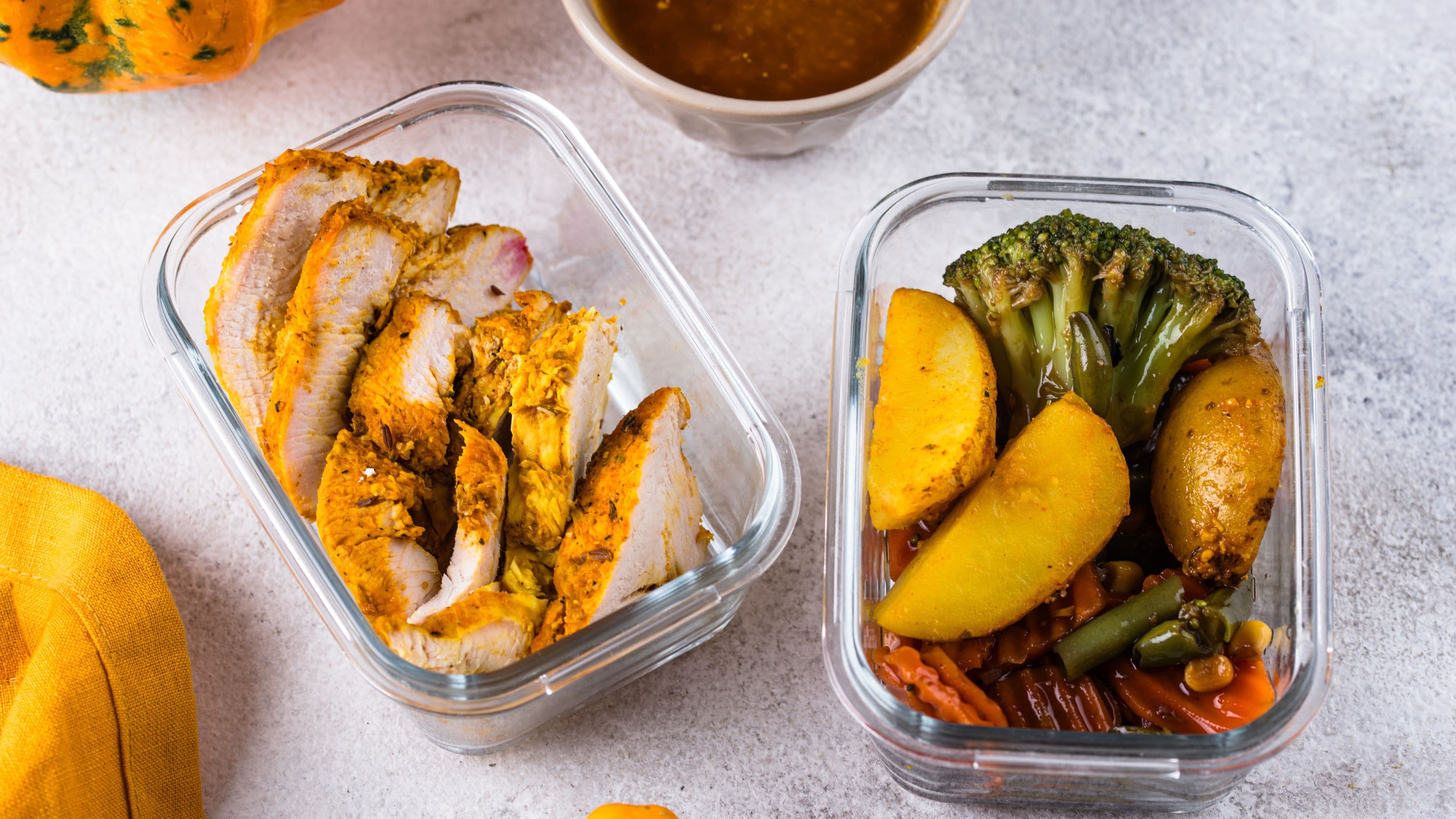
This guide walks through the strategy, picks three of the most practical proteins to use this way, and gives you real meal combinations you can start using this week.
Why This Strategy Works
The key to making a single protein stretch across multiple meals without getting bored is flavor transformation. The protein itself is relatively neutral – it takes on the character of whatever you cook it with. Shredded chicken on its own doesn't taste like much. Add lime, cumin, and jalapeño and it becomes taco filling. Toss it with olive oil, lemon zest, and herbs and it becomes something completely different. The protein is the canvas; the sauces, spices, and supporting ingredients do the work.
The other thing that helps is format variation. The same chicken can be sliced and served on a plate, shredded and stuffed into a wrap, or torn into pieces and added to soup. Even if the flavor profile is similar, eating something in a different physical form with different textures around it makes it feel like a new meal. Using both flavor and format changes together means three meals from one protein can each feel distinct and satisfying without any of them tasting like leftovers.
The Strategy in Practice
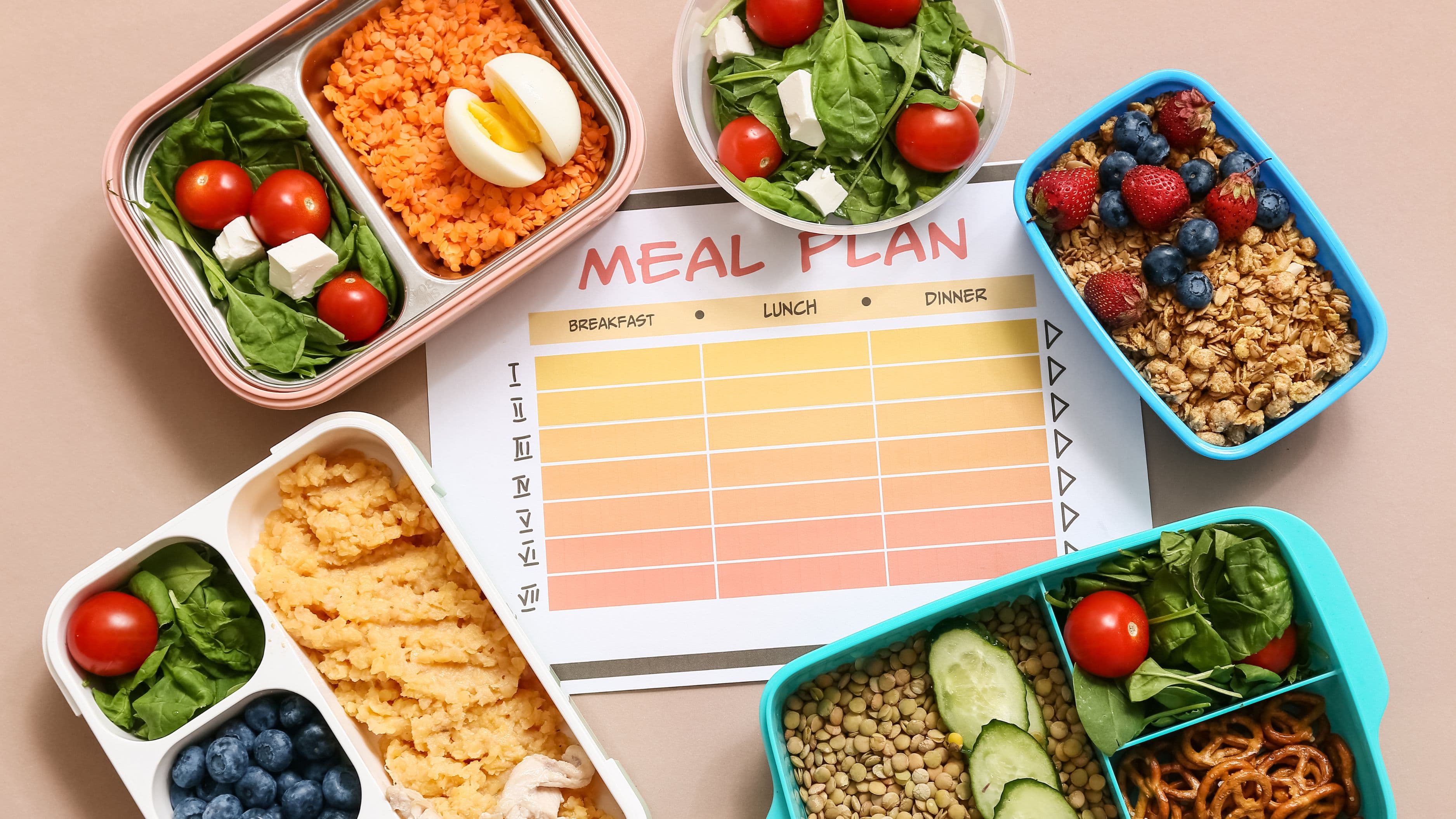
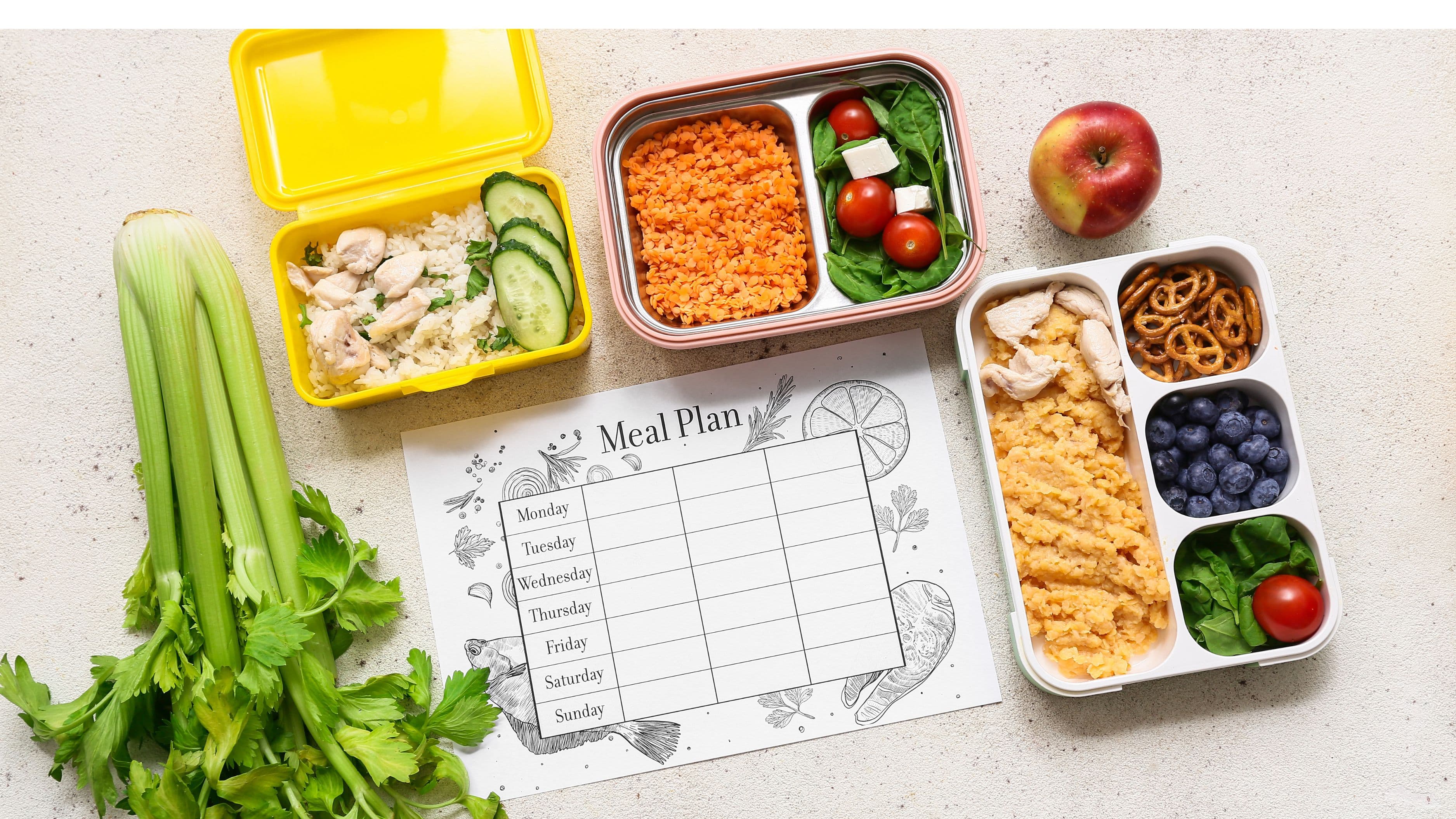
The approach is straightforward. On Sunday or early in the week, cook a larger quantity of your chosen protein – more than you need for one meal. Store it properly in the fridge (most cooked proteins keep well for 3–4 days) and use it across three meals over the following days. You're not cooking everything in advance; you're just giving yourself a pre-cooked protein head start that makes each of those meals significantly faster to pull together.
For this to work consistently, a few things help. Cook the protein simply the first time – season with salt, pepper, garlic, and perhaps one neutral herb like thyme or oregano. This keeps it versatile enough to go in multiple flavor directions without the first night's seasoning fighting against the second night's sauce. If you cook the chicken with a heavy Thai peanut sauce on Monday, it's harder to pivot to an Italian-style preparation on Wednesday. Starting neutral gives you freedom.
Protein 1: Chicken Thighs
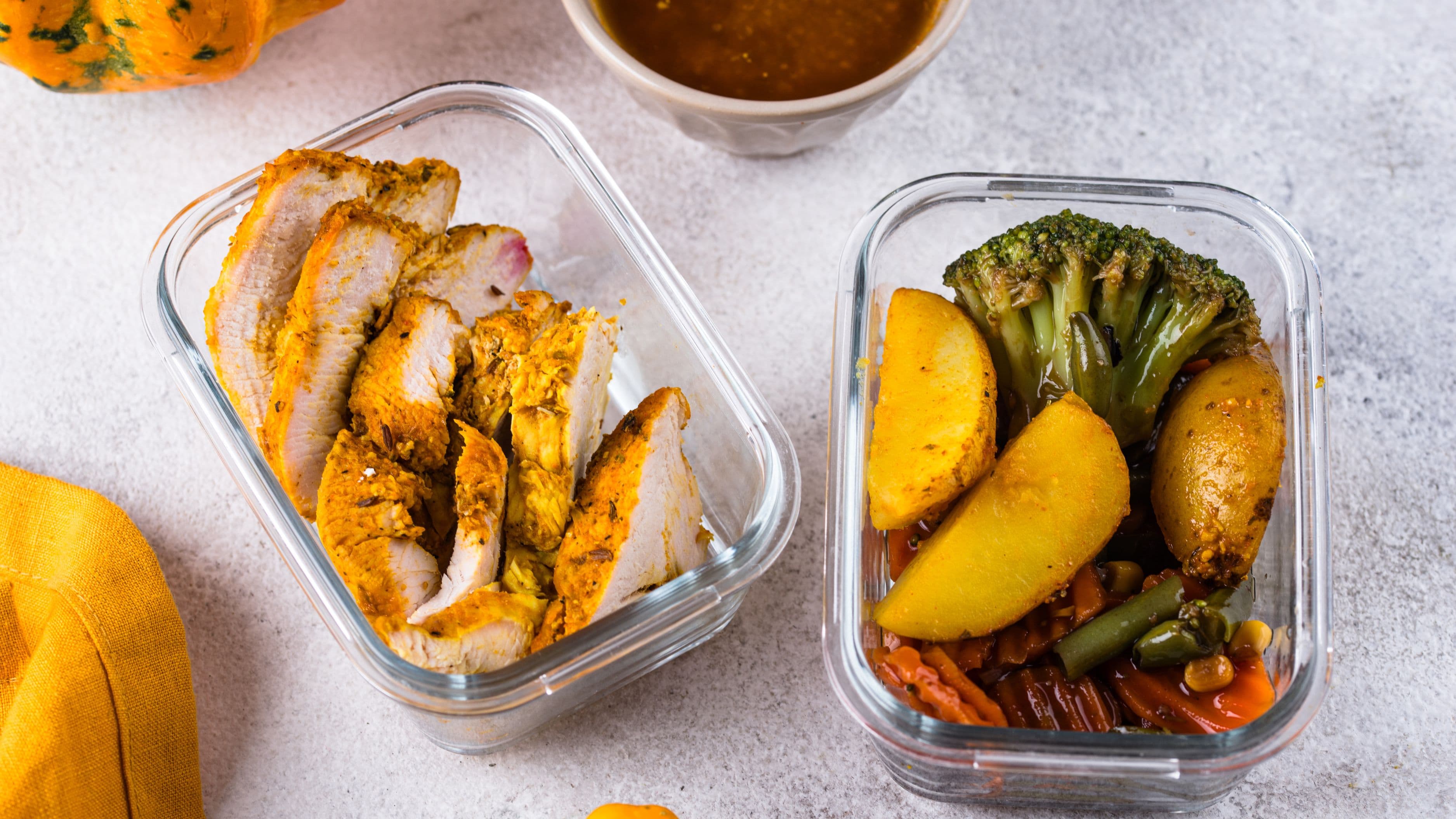
Chicken thighs are the best starting protein for this strategy. They're affordable, they stay moist even after reheating (unlike breasts, which dry out quickly), and they pull apart easily for shredded applications. A batch of about six bone-in or boneless thighs gives you plenty for three meals for two people.
The base cook: Season generously with salt, pepper, and garlic powder. Roast at 425°F (220°C) for 35–40 minutes until the skin is golden and the internal temperature hits 165°F (74°C). Let cool, then store whole or shred while still warm – shredded chicken is easier to portion and gets into sauces and fillings more naturally.
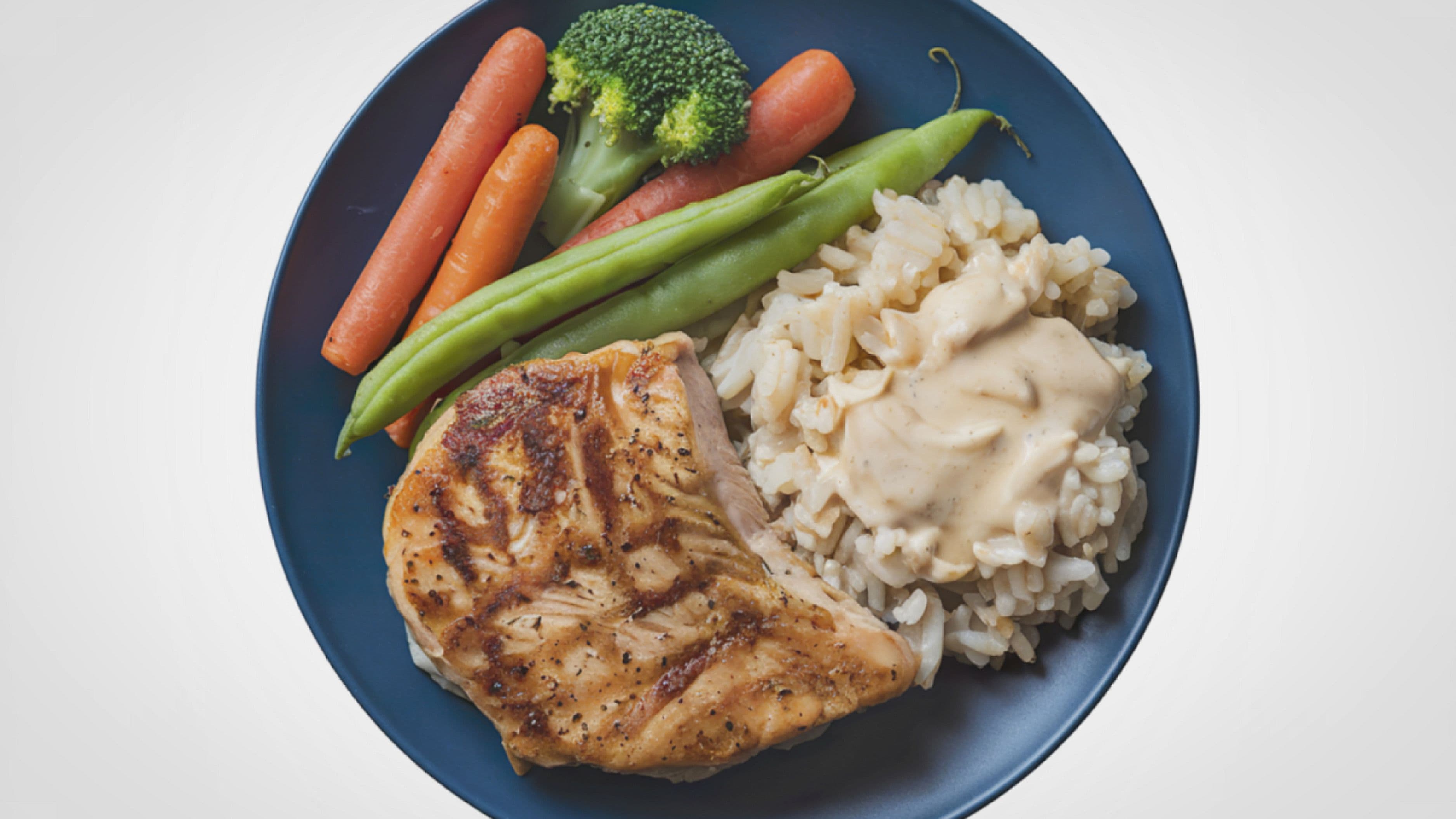
Meal 1 – Roasted chicken with roasted vegetables (Monday): Serve the thighs whole straight out of the oven with your choice of roasted vegetables. This is the full, simple dinner that requires almost no extra work.
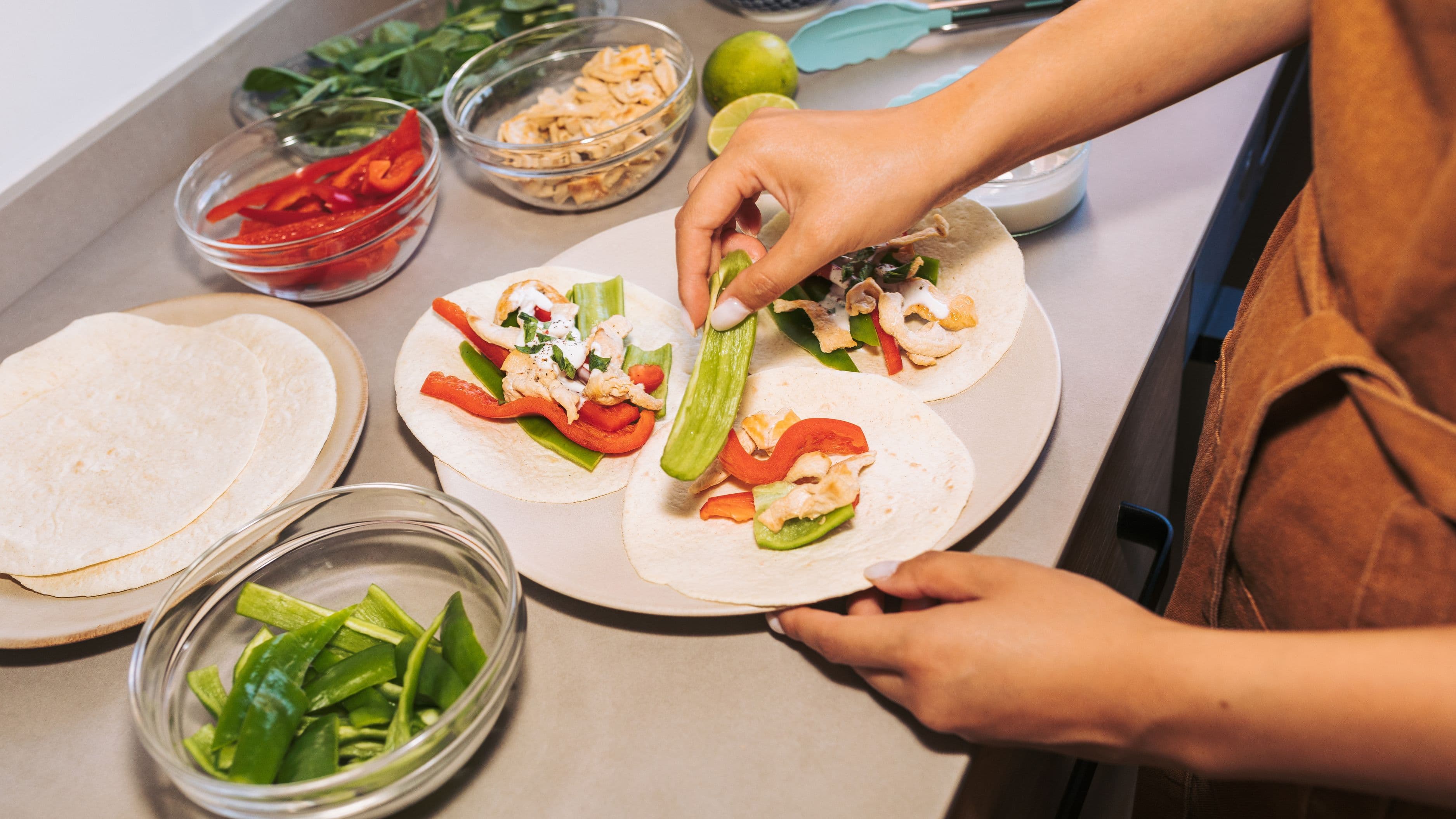
Meal 2 – Chicken tacos or burritos (Tuesday or Wednesday): Take the shredded chicken and warm it in a pan with a spoonful of salsa, a squeeze of lime, half a teaspoon of cumin, and a pinch of smoked paprika. It takes about four minutes. Serve in warm tortillas with whatever toppings you have – sour cream, shredded cheese, avocado, pickled onions.
Meal 3 – Quick chicken noodle soup (Thursday): Bring chicken or vegetable broth to a simmer in a pot. Add a handful of egg noodles, some sliced carrots, and a stick of celery. Cook for 8–10 minutes. Stir in the remaining shredded chicken and let it warm through for two minutes. Season with salt, pepper, and a little fresh parsley if you have it. This comes together in under 15 minutes and uses whatever chicken is left.
Protein 2: Salmon Fillets
Salmon is a slightly more expensive protein but still very practical for the three-meal approach, especially because it pairs naturally with both Asian and Mediterranean flavors, which creates easy flavor variation. Buy two larger fillets rather than four smaller ones – it's easier to manage and usually cheaper per pound.
The base cook: Pat dry, season with salt and pepper, and cook in a lightly oiled pan over medium-high heat for 3–4 minutes per side until the flesh is opaque and flakes easily. Alternatively, bake at 400°F (200°C) for 12–15 minutes. Keep the seasoning simple here – the flavor changes happen in meals two and three.
Meal 1 – Salmon with lemon butter and rice (Monday): Serve the hot salmon immediately with a squeeze of lemon, a small pat of butter, and steamed rice or roasted potatoes. Simple and satisfying with minimal effort.
Meal 2 – Salmon grain bowl (Wednesday): Flake cooled salmon over a base of cooked grains – farro, quinoa, or brown rice all work. Add sliced cucumber, cherry tomatoes, and a handful of arugula or spinach. Drizzle with a simple dressing of olive oil, red wine vinegar, a little Dijon, and salt. This is a no-cook meal once the grains are prepared.
Meal 3 – Salmon fried rice (Thursday or Friday): This is where leftover salmon really shines. Break up the remaining salmon into chunks and set aside. Heat a wok or large skillet over high heat with a splash of oil. Add day-old rice (fresh rice makes the dish soggy – day-old rice is genuinely better here), stir-fry for two minutes, push to the side, and scramble two eggs in the cleared space. Mix together, add the salmon, soy sauce, a drizzle of sesame oil, and a handful of frozen peas. Stir-fry another minute or two and serve hot.
Protein 3: Ground Beef
Ground beef is the most budget-friendly protein on this list and the most adaptable in terms of global flavors. A pound and a half of 80/20 ground beef cooked as a base gives you enough for three solid meals without the dishes tasting anything alike.
The base cook: Brown the full amount of ground beef in a large skillet over medium-high heat, breaking it into small crumbles with a wooden spoon. Season with salt and pepper. Drain any excess fat and divide into three portions. You can refrigerate the plain browned beef for up to four days.
Meal 1 – Classic spaghetti Bolognese (Monday): Take one portion and add it to a pan with a can of crushed tomatoes, a splash of red wine if you have it, dried oregano, a pinch of sugar, and a bay leaf. Simmer for 20 minutes, taste and adjust seasoning, and serve over pasta with Parmesan. The long simmer makes the sauce taste like it took far more effort than it did.
Meal 2 – Korean-style beef rice bowl (Wednesday): Take a second portion and warm it in a pan. Add two tablespoons of soy sauce, one tablespoon of sesame oil, a teaspoon of brown sugar, a minced garlic clove, and a pinch of red pepper flakes. Stir and cook for two minutes until the beef is caramelized and glossy. Serve over steamed rice with a fried egg on top and sliced green onions. This is one of the best fast dinners you can make.
Meal 3 – Easy beef tacos or nachos (Friday): Warm the last portion of beef with half a packet of taco seasoning (or cumin, chili powder, garlic powder, and smoked paprika in roughly equal amounts) and a splash of water. Stir until the spices coat the beef evenly. Serve in taco shells with your toppings of choice, or spread tortilla chips on a baking sheet, top with the beef and shredded cheese, and broil for 3–4 minutes for fast sheet-pan nachos.
Storage Tips to Keep This Working
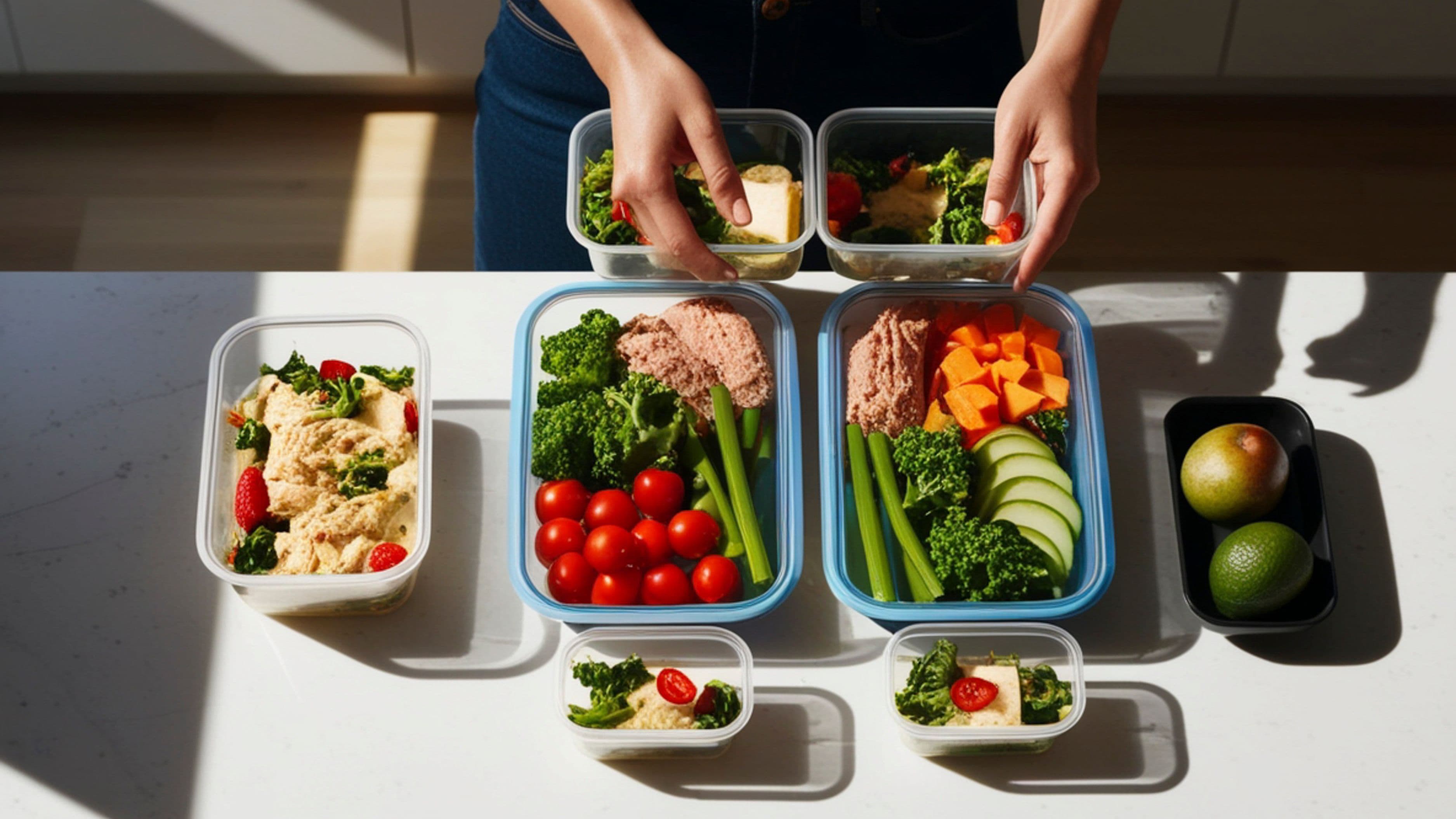
All three proteins keep well in the fridge for 3–4 days when stored in an airtight container. Let the protein cool to room temperature before refrigerating – putting hot food straight into a sealed container traps steam and makes it soggy. For salmon, pressing a piece of plastic wrap directly onto the surface before sealing helps preserve texture. Ground beef can be portioned into individual containers or stored together and divided when needed.
Reheating matters. Chicken reheats best in a pan with a splash of broth or water over low heat, which keeps it moist. Salmon is fine served cold or at room temperature in a grain bowl, and reheats gently in a low oven at 275°F (135°C) for about 10 minutes if you prefer it warm. Ground beef reheats easily in a pan with whatever sauce you're making that night.
What to Avoid
Overcooking the protein the first time. If it's already slightly dry when you store it, it will be noticeably dry by meal two or three. Pull chicken at 165°F and salmon when it just turns opaque – both continue cooking slightly from residual heat.
Over-seasoning the base cook. Strong marinades or sauces cooked into the first batch limit what the protein can become in later meals. Season simply the first time and add the character through sauces and spices in each subsequent meal.
Forgetting to date the container. Three days from Sunday and three days from Thursday are very different windows. Label the container with the cook date so you're not guessing whether the chicken from earlier in the week is still safe to use.
Treating meal three like an afterthought. The third meal often ends up being the most interesting one because you're working with less and have to be more creative. Fried rice, quick soups, and loaded wraps are genuinely good meals – not just ways to use up leftovers.
FAQ
Can I freeze the extra portions instead of using them within the week? Yes, for ground beef and chicken. Freeze in individual portions and thaw in the fridge overnight when needed. Salmon doesn't freeze as well after it's been cooked – the texture becomes waterlogged and flaky in a way that works for fried rice but isn't great for other applications. Use cooked salmon within three days for best results.
What if I don't want to eat the same protein three nights in a row? You don't have to. This strategy works across any three nights in a four-day window. Monday, Wednesday, and Friday is a perfectly reasonable schedule, and having the pre-cooked protein in the fridge for those three nights while eating other things in between is exactly how most people use it.
What's the best protein for someone cooking for one person? Ground beef is most practical for one – you can cook a full pound, use a smaller portion each night, and the leftover meals are easy to size down. Salmon fillets are naturally portioned and easy to buy in single-serving quantities if you don't want leftovers.
Do I need a thermometer to cook chicken safely? It genuinely helps. A cheap instant-read thermometer ($10–$15) takes the guesswork out of whether chicken is cooked through, which means you're less likely to overcook it trying to be safe. Chicken is done at 165°F (74°C) – at that temperature it's safe and still juicy. Above 175°F it starts to dry out noticeably.
Can I use this approach with plant-based proteins like tofu or chickpeas? Absolutely. Firm tofu pressed and pan-fried as a base protein works the same way – Asian stir-fry one night, tacos another, added to a noodle soup the third. Chickpeas are even simpler – cook or open a can, season lightly, and transform with different sauces across three meals. The strategy applies to any protein that holds up to storage and reheating.
Outro
Once you start cooking this way, it's hard to go back to planning each weeknight meal in isolation. Having a cooked protein ready in the fridge changes the whole texture of weeknight cooking – the hard part is already done, and dinner becomes an assembly job rather than a full production. Start with whichever protein is on sale this week, cook simply, and let the sauces and formats do the rest.
📚 Sources
USDA Food Safety and Inspection Service – Safe Minimum Internal Temperature Chart: https://www.fsis.usda.gov/food-safety/safe-food-handling-and-preparation/food-safety-basics/safe-temperature-chart
USDA FoodKeeper App – Safe Food Storage Guidance: https://www.foodsafety.gov/keep-food-safe/foodkeeper-app
FDA – Refrigerator and Freezer Storage Chart: https://www.fda.gov/media/74435/download