The Smarter Way to Organize Your Grocery Store Trip by Aisle
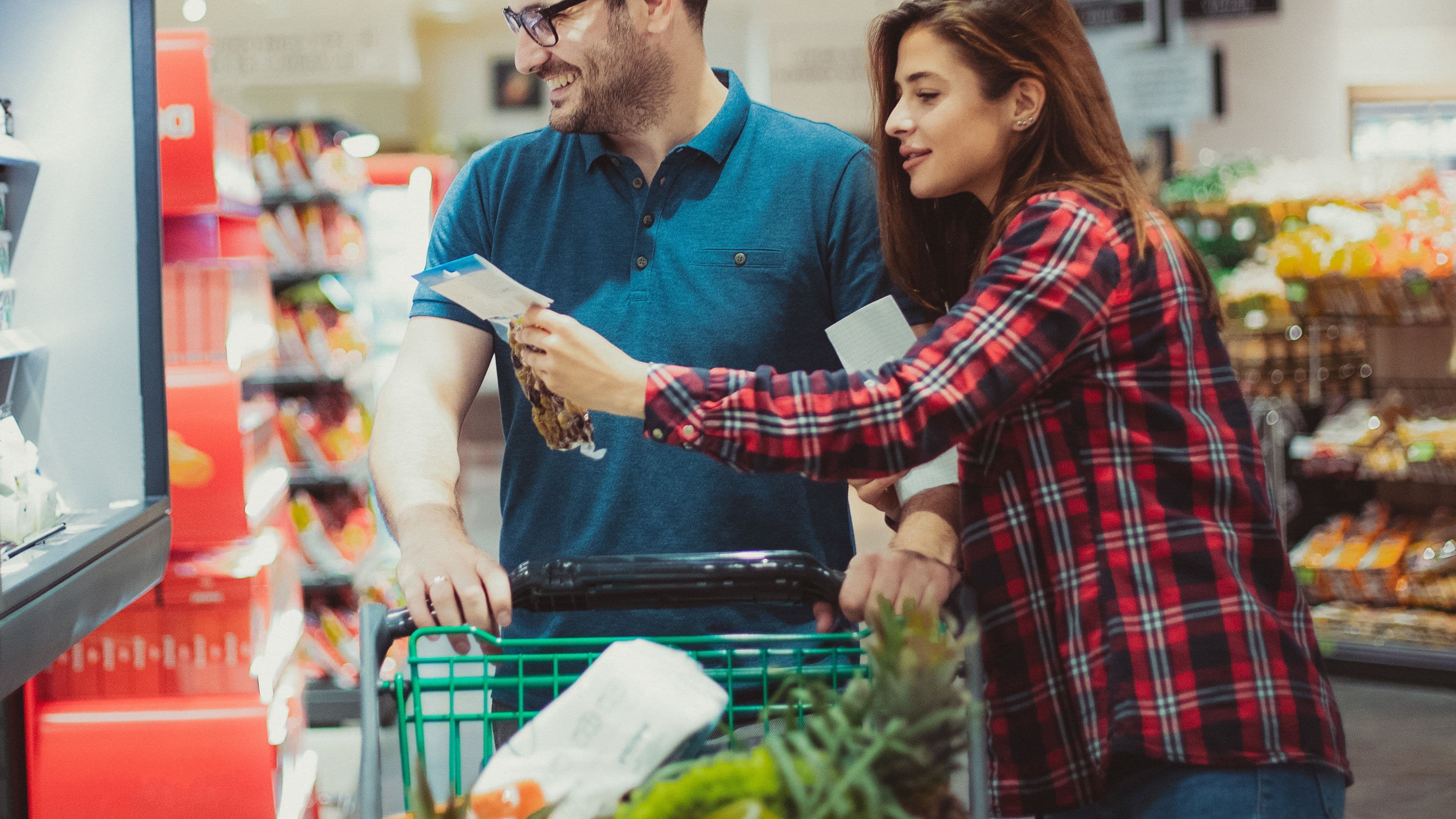
If you've ever backtracked across a grocery store three times because you forgot the item was in the section you just walked past, you already know how much time and frustration a disorganized shopping list creates. Organizing your list by aisle, or more precisely, by store section and typical layout flow, turns grocery shopping from a scattered scavenger hunt into a quick, linear pass through the store.
Why Aisle-Based Organization Actually Saves Time
Most grocery stores follow a broadly similar layout logic: fresh produce and floral near the entrance, followed by bakery, then moving through center-store aisles organized by category (canned goods, pasta, cereal, and so on), before reaching refrigerated and frozen sections, and typically ending near dairy and the checkout area. Even though exact layouts vary between stores, this general flow is common enough that organizing your list around it, rather than around the order items came to mind while writing the list, dramatically reduces backtracking.
This matters more than it might initially seem. Multiple studies on shopping behavior have found that a disorganized shopping trip not only takes longer, it also increases the likelihood of impulse purchases, since more time spent wandering the store means more exposure to items outside your original list.
Building Your List Around Store Sections
Rather than writing your grocery list as items occur to you, organize it into clear sections that mirror a typical store layout: produce, bakery, meat and seafood, dairy and refrigerated, frozen, and the center-store dry goods aisles (further broken into categories like canned goods, pasta and grains, snacks, and condiments). Keeping a running template with these section headers, whether on paper or in a notes app, lets you simply drop new items into the right category as you think of them throughout the week, rather than needing to reorganize a scattered list right before you shop.
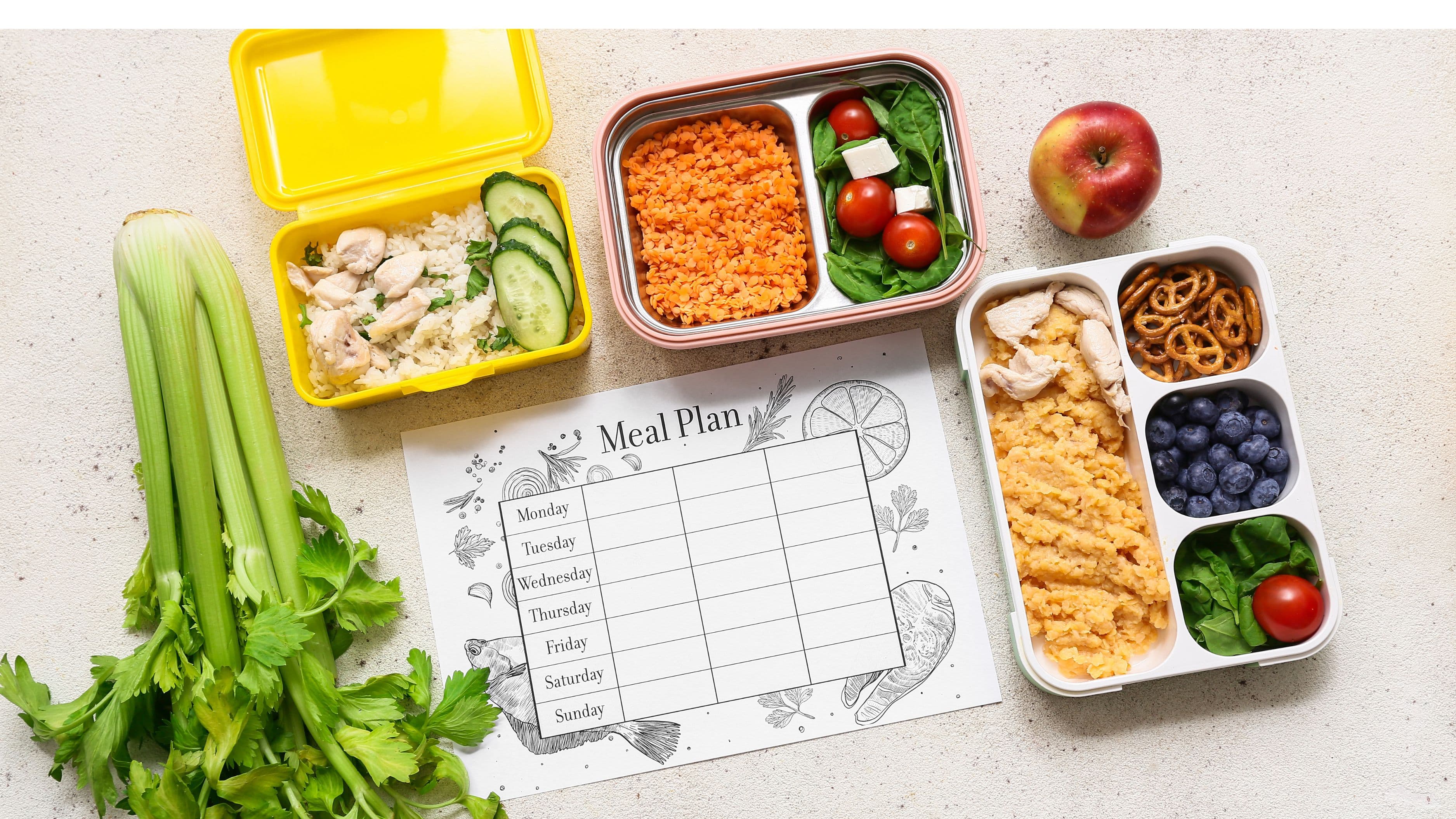
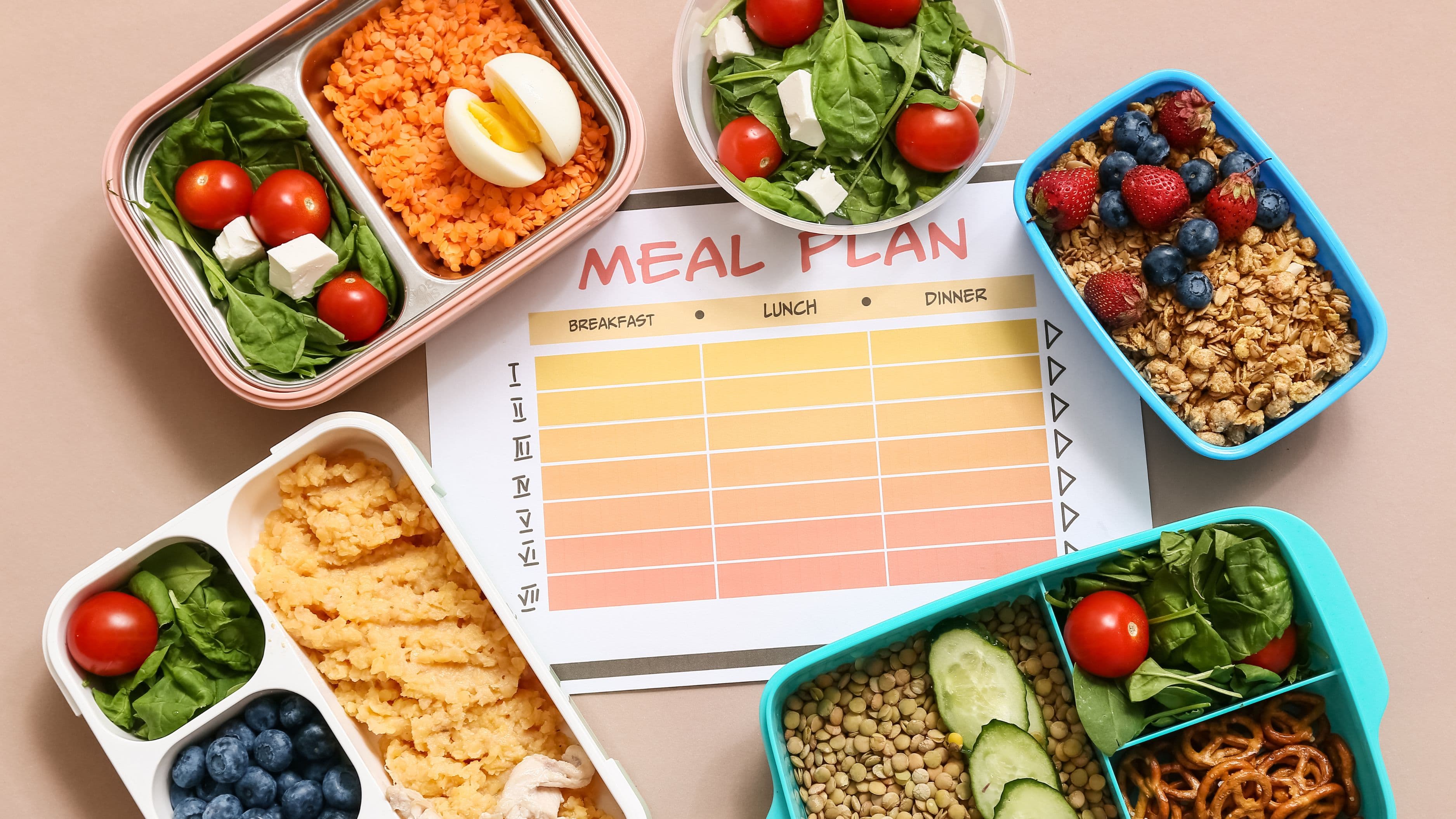
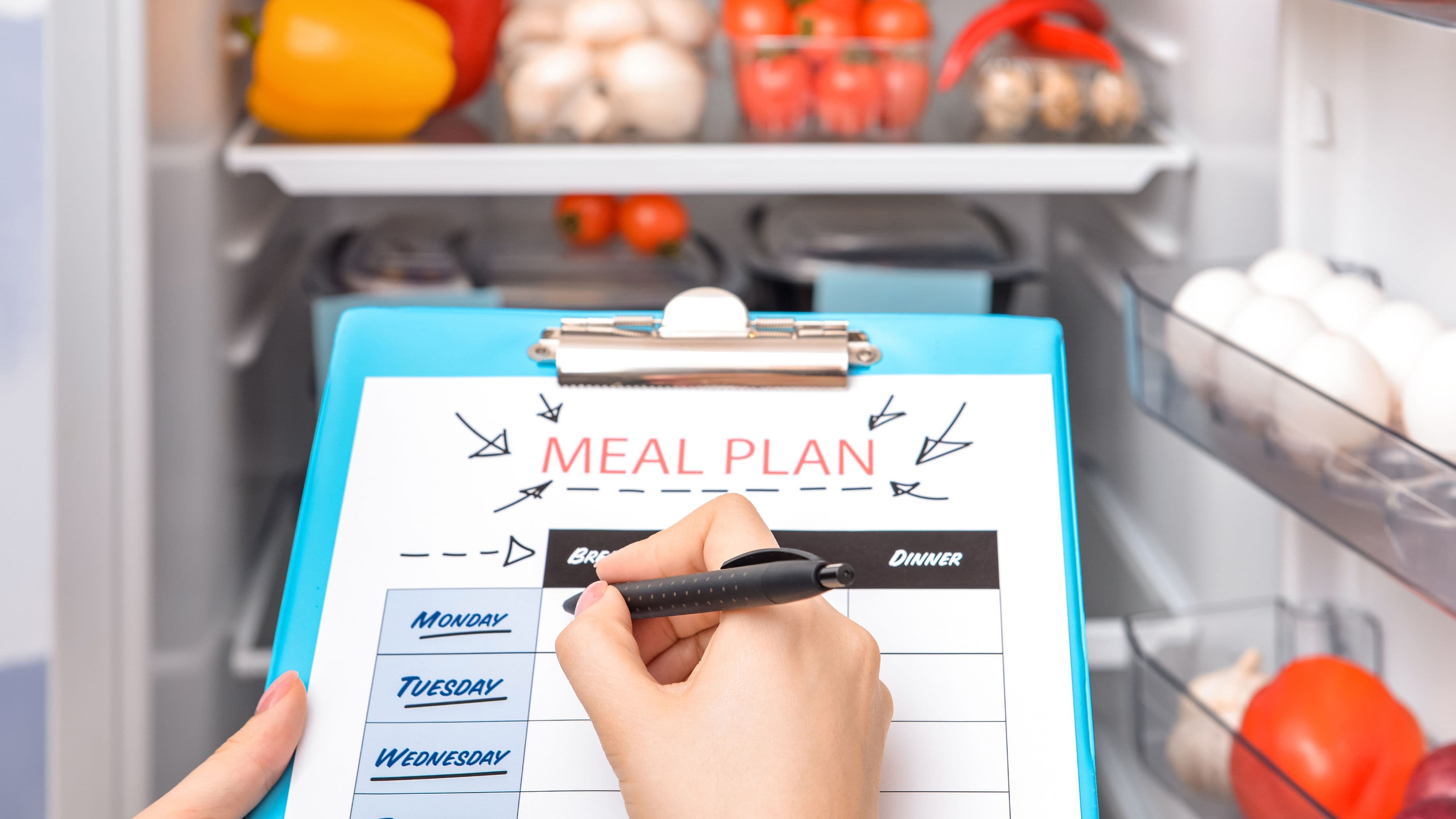
This approach also makes meal planning and grocery shopping feel more connected, since organizing by section naturally encourages you to think through a recipe's full ingredient list systematically, checking off what you already have in each category rather than missing an ingredient because it wasn't top of mind when you wrote the list.
Shop the Perimeter First, Then Move Inward
A widely used strategy among experienced home cooks is shopping the store's perimeter first, produce, meat, seafood, and dairy, before moving into the center aisles. This isn't just about layout efficiency, it also tends to prioritize fresher, less processed ingredients earlier in your trip, which can help you build meals around whole ingredients first and treat center-aisle items as supporting components rather than the main focus of your cart.
Practically, this also means colder items like meat and dairy spend less total time out of refrigeration during your shopping trip, since you're picking them up early and they're not sitting in your cart through a long, meandering shop.
Grouping Similar Items to Avoid Duplicate Trips Through a Section
Within each section of your list, group similar items together so you're not making multiple passes through the same aisle. If you need both pasta and pasta sauce, list them together even if you thought of them at different points while planning meals for the week, since they'll likely be in the same or adjacent aisles. The same applies to baking supplies, canned vegetables, or spices, keeping category-based items clustered together on your list mirrors how they're typically clustered on the shelves.
Using a Repeatable Template for Weekly Shopping
Once you've organized a list template around your typical store's layout, reuse that same structure every week rather than starting from scratch each time. Over a few shopping trips, you'll naturally refine the template to match your specific store's actual layout more precisely, since not every store follows the exact same section order, and your particular store might group certain categories differently than a generic layout assumption would suggest.
This is particularly useful if you do a significant weekly shop covering many categories at once, since the time saved from an organized, repeatable template compounds over weeks and months of shopping, versus reorganizing your approach every single trip.
Adapting for Multiple Store Trips
If your routine involves shopping at more than one store, a warehouse club for bulk pantry items and a regular grocery store for fresh produce and meat, for example, it helps to maintain separate section-based templates for each store, since their layouts and the types of items you typically buy at each will differ. Trying to use a single combined list across very different store types often reintroduces the same backtracking problem the aisle-based approach is meant to solve.
What to Avoid
Avoid over-engineering your list to the point where maintaining it becomes more time-consuming than the time it saves while shopping. A simple set of five or six broad section headers is usually sufficient for most shoppers, more granular categorization rarely adds meaningful additional efficiency and can make the list itself tedious to maintain.
Also avoid assuming every store follows an identical layout. If you shop at multiple locations of the same chain, layouts can still vary somewhat by store size and region, so it's worth confirming your template still matches reasonably well if you switch to a different location than usual.
FAQ
Does this approach work for grocery delivery or pickup orders? The core benefit, reduced backtracking, is less relevant for delivery or pickup since you're not physically walking the store, but organizing your list by category still helps ensure you don't forget items, since it's easier to review a structured list systematically than a random one.
How do I figure out my specific store's layout? Most stores post directory maps near the entrance, or you can simply take note of the general section order during a couple of regular shopping trips and adjust your template accordingly.
Is shopping the perimeter first actually more cost-effective? It's less about direct cost savings and more about prioritizing fresh, whole ingredients earlier in your trip and reducing the total time perishable items spend outside refrigeration, both of which support better meal planning and food safety.
📚 Sources
USDA – Food Safety While Shopping: https://www.fsis.usda.gov/food-safety/safe-food-handling-and-preparation/food-safety-basics/safe-food-handling
Cornell Food and Brand Lab – Grocery Shopping Behavior Research: https://www.human.cornell.edu/bcs/research
Progressive Grocer – Typical Grocery Store Layout Design: https://progressivegrocer.com/