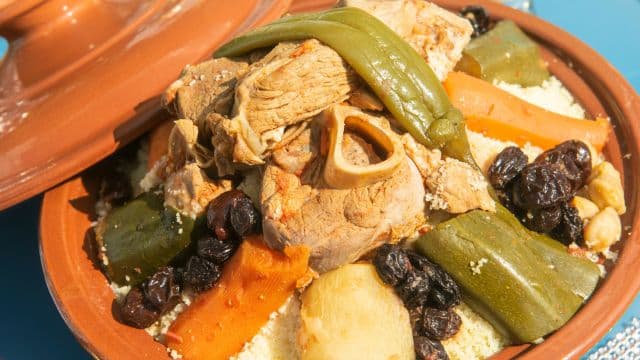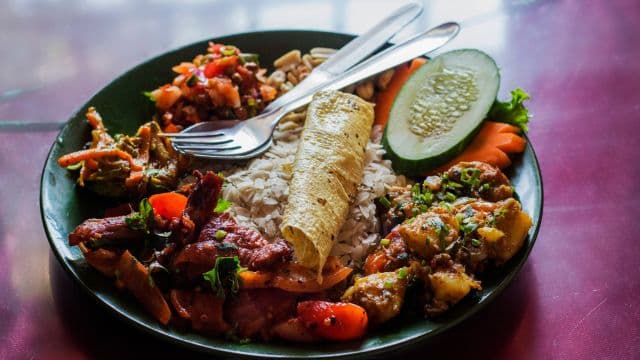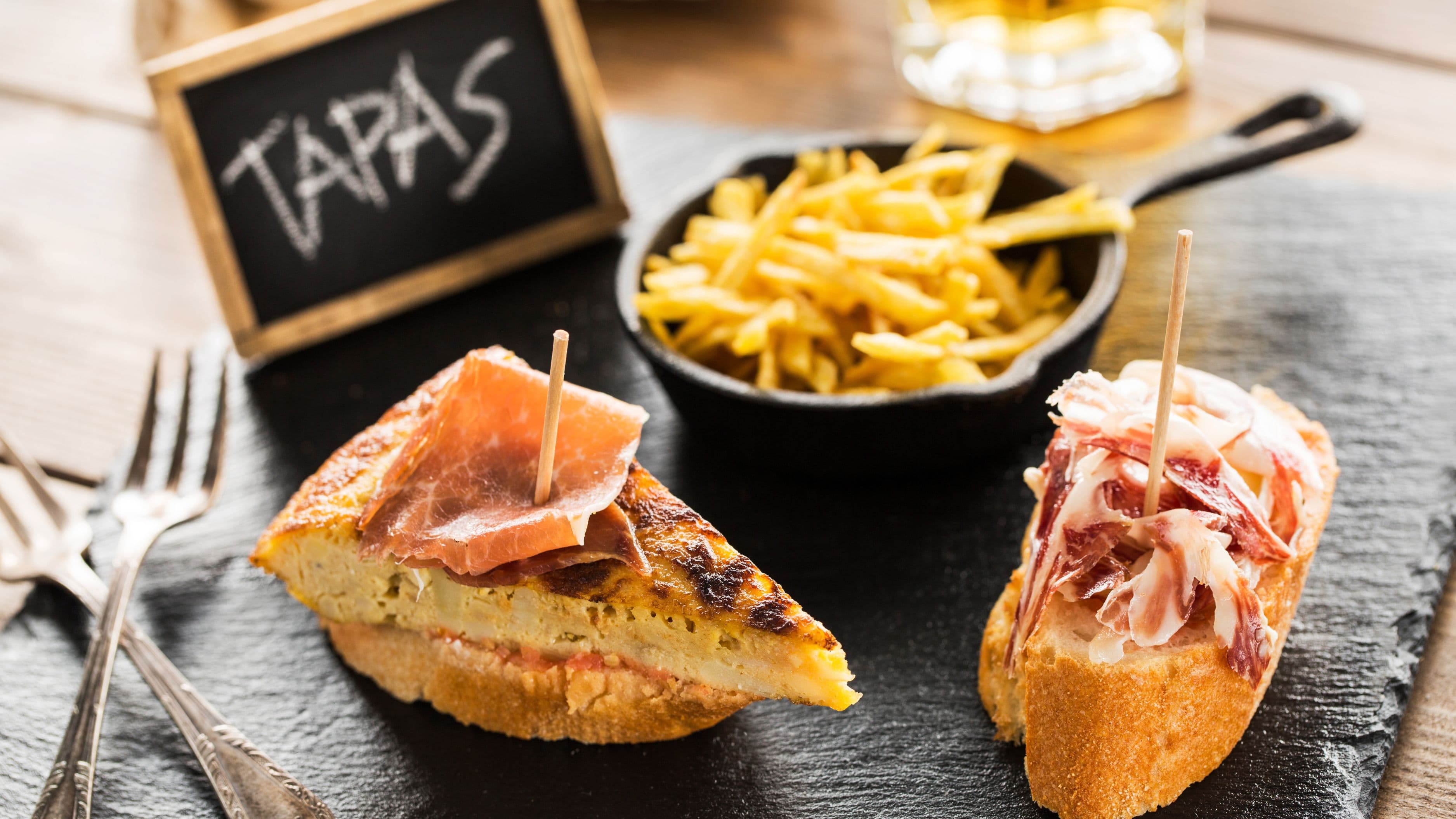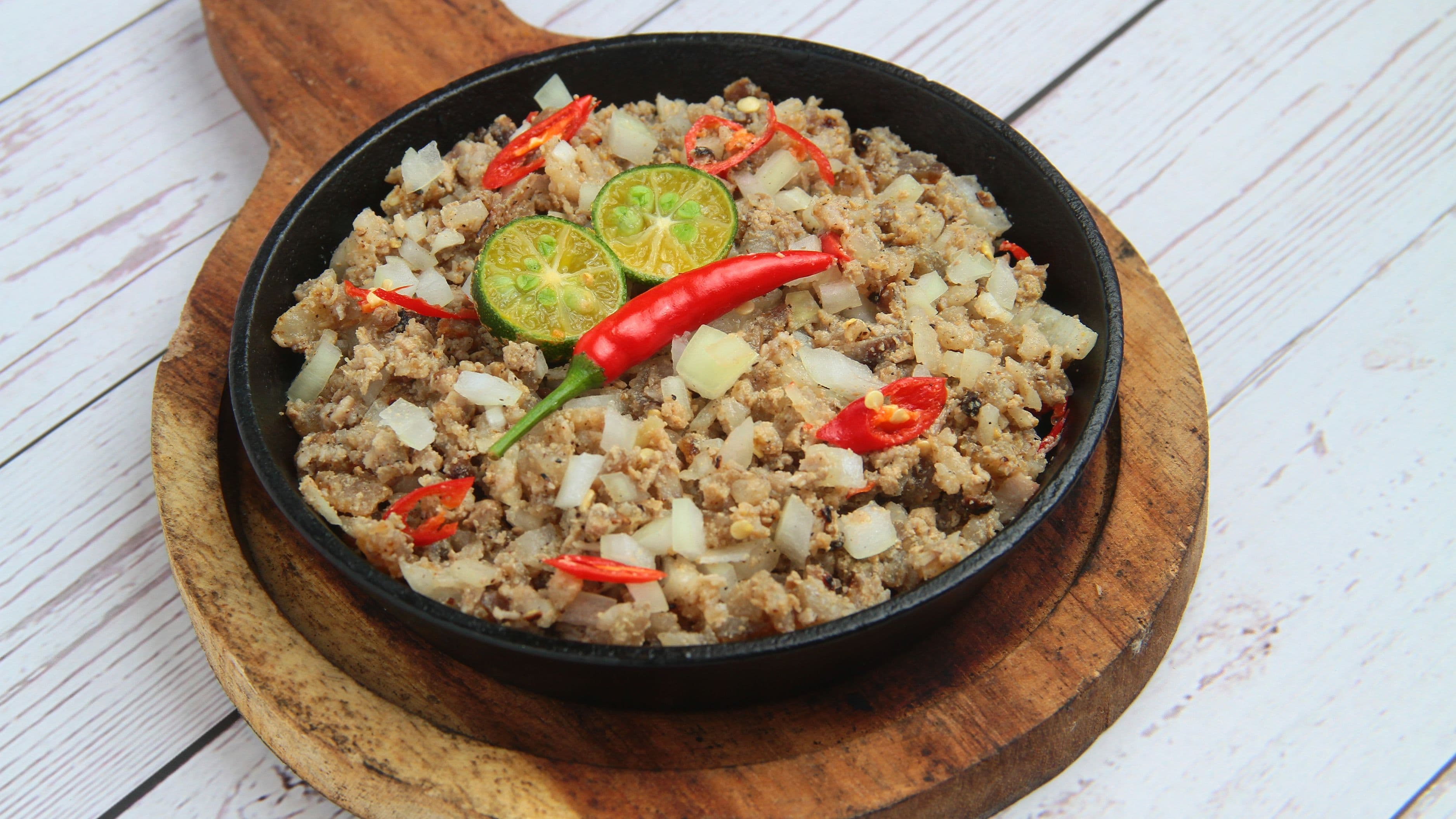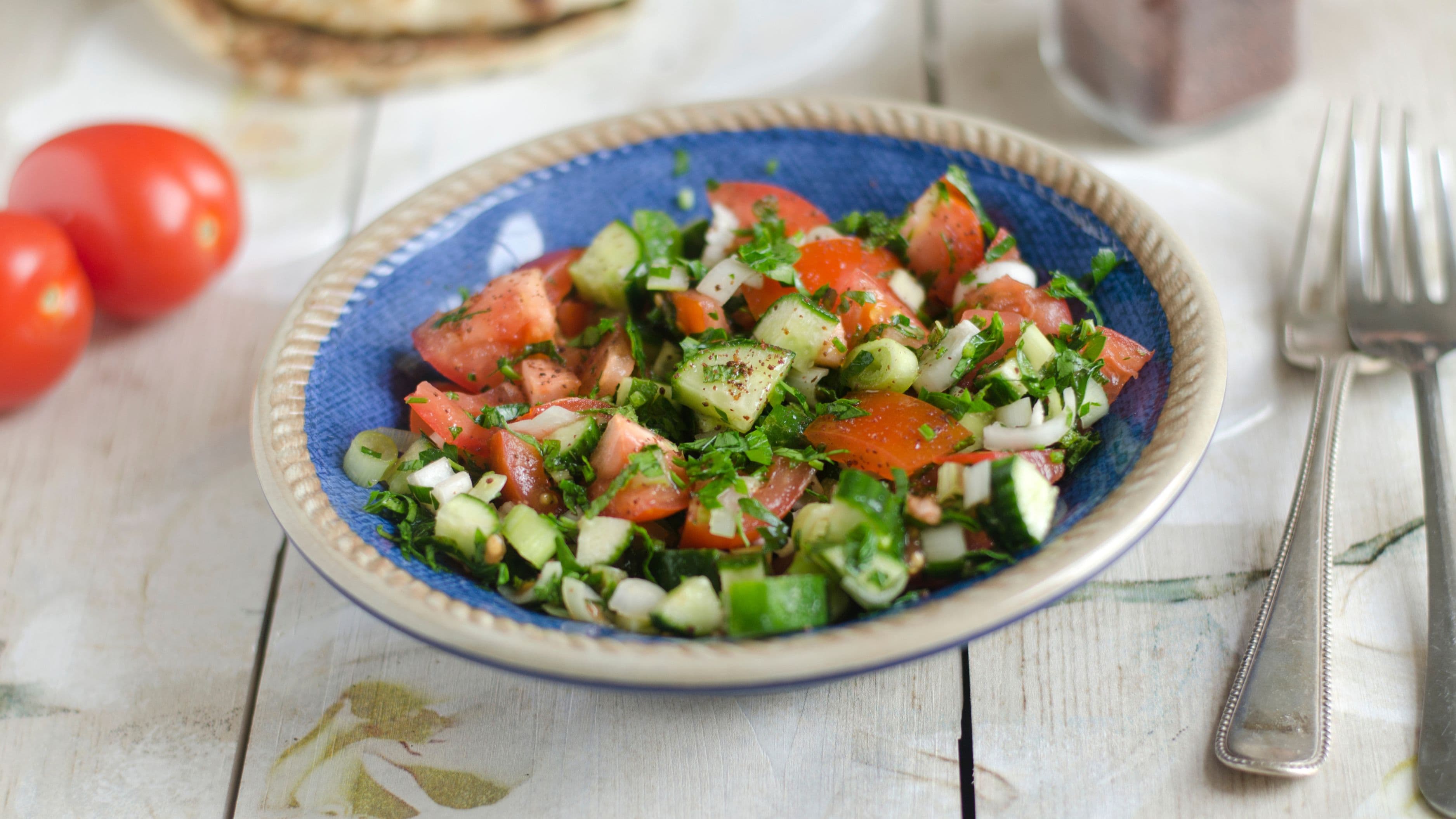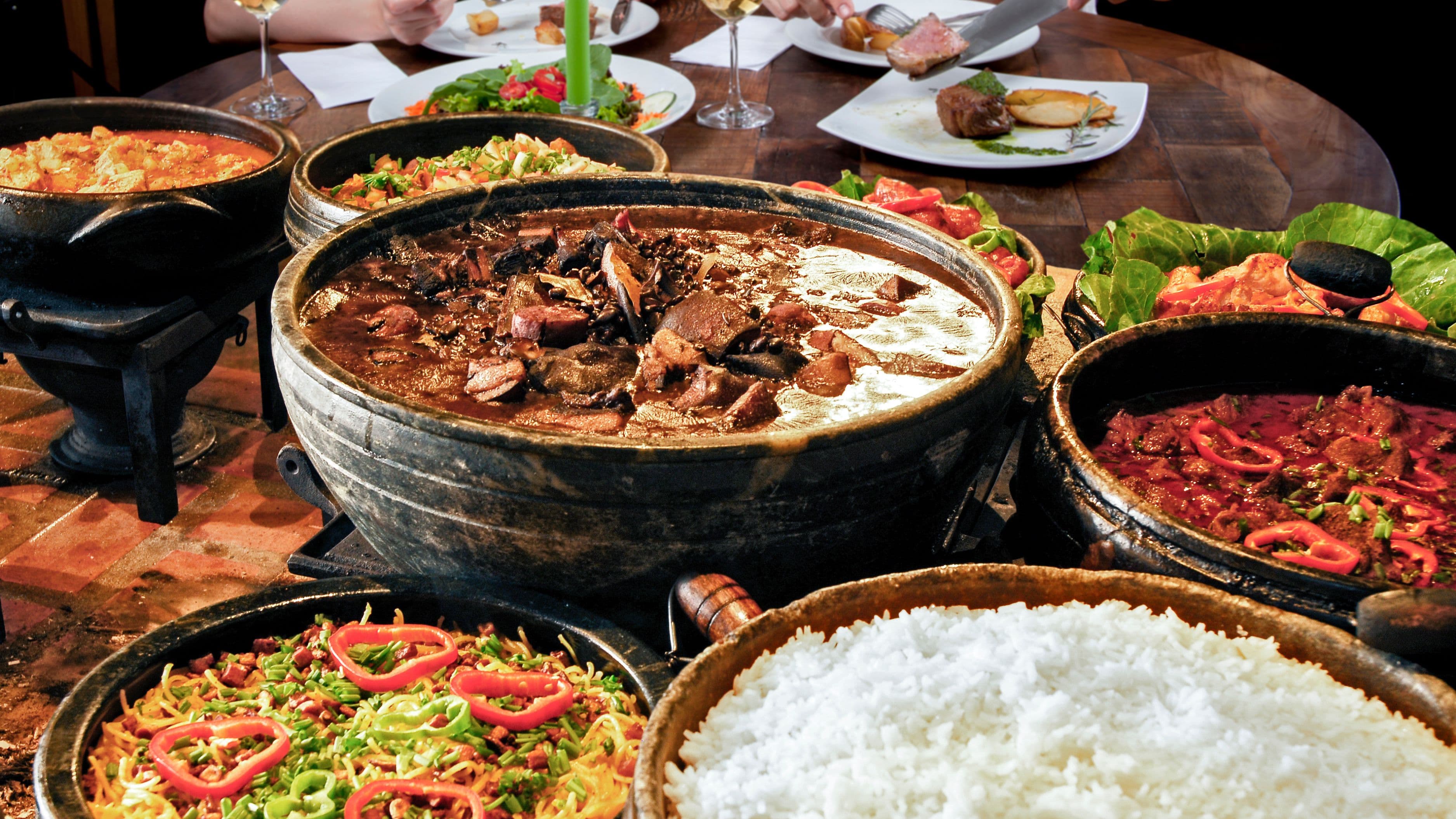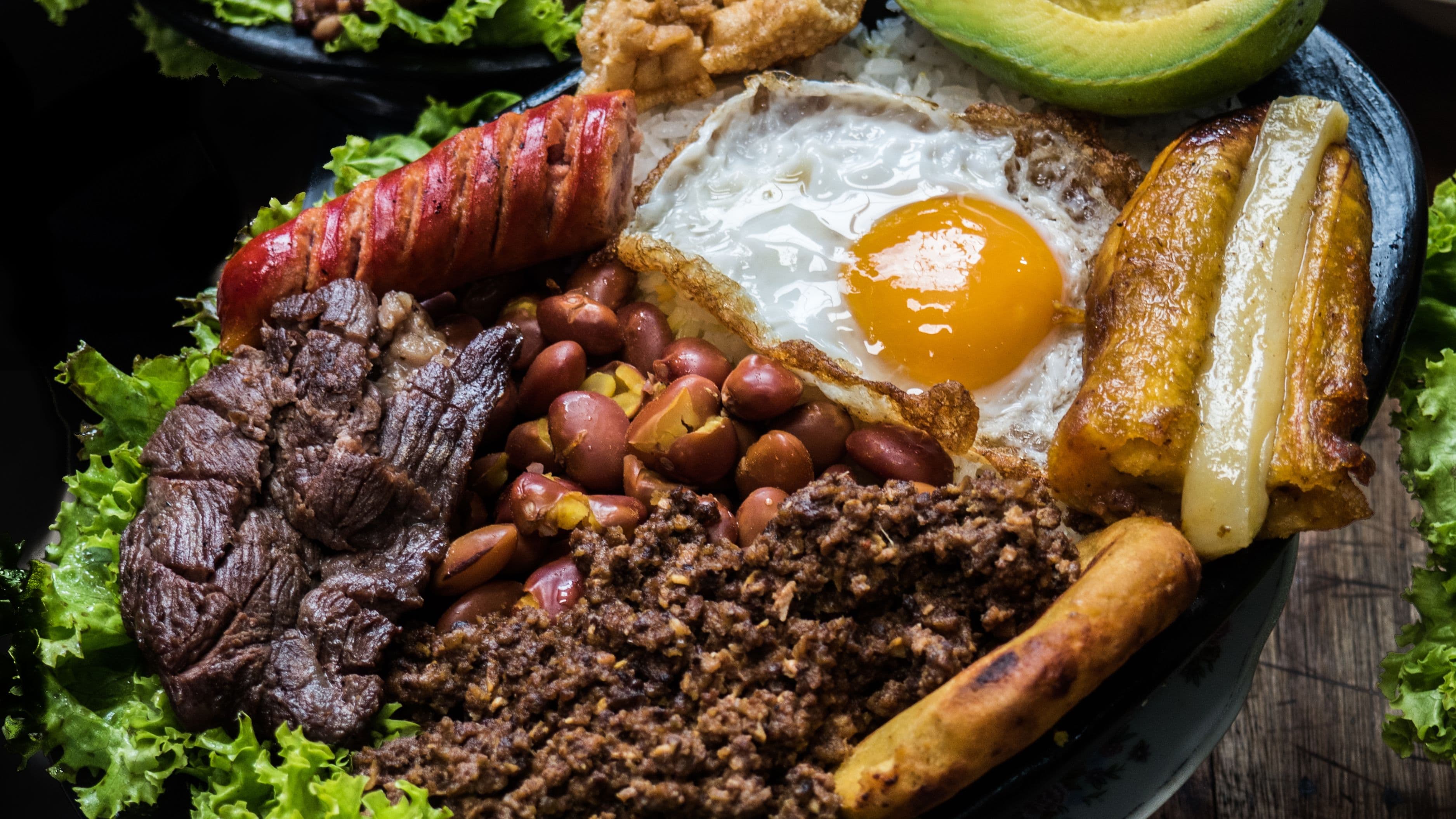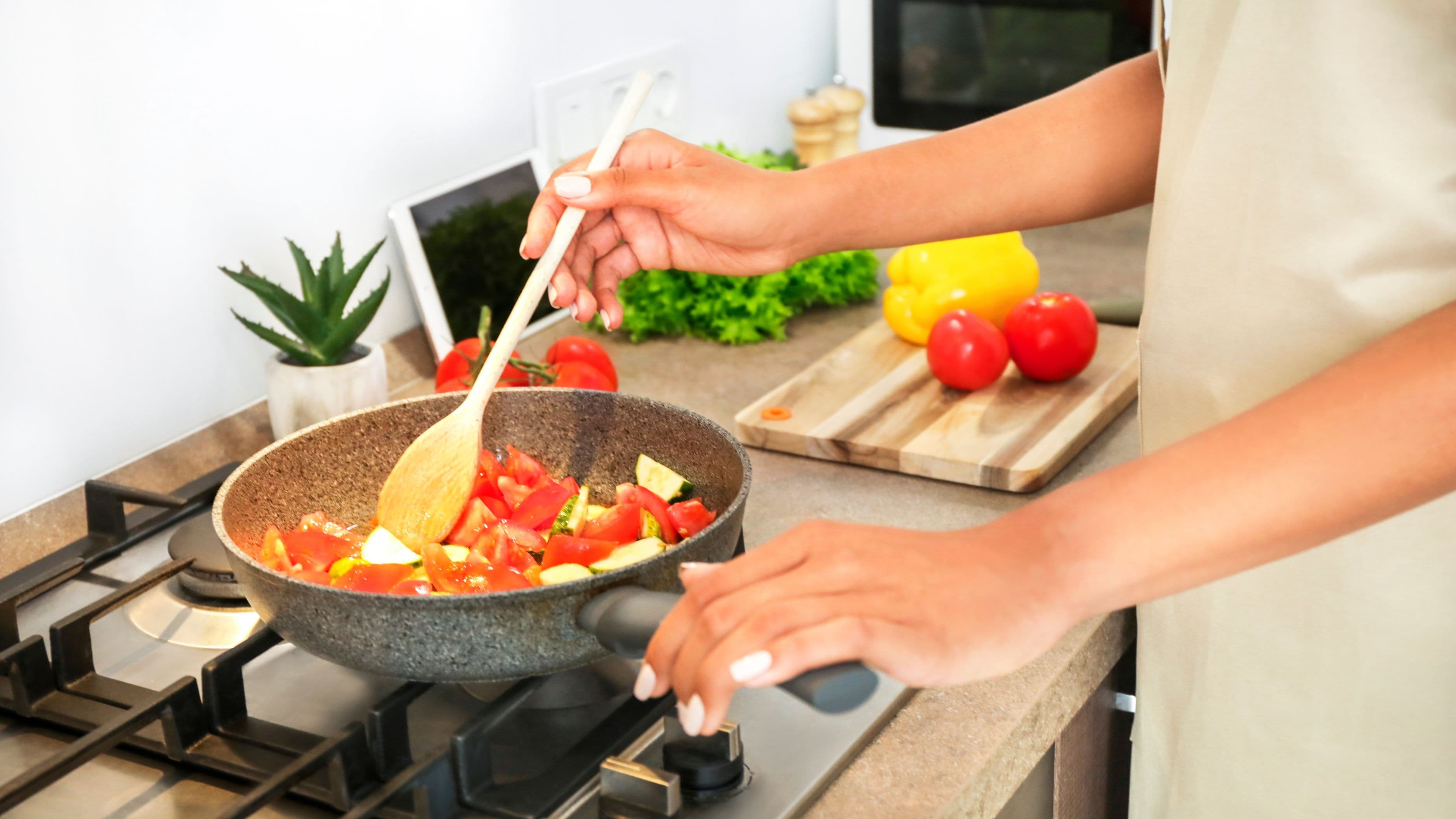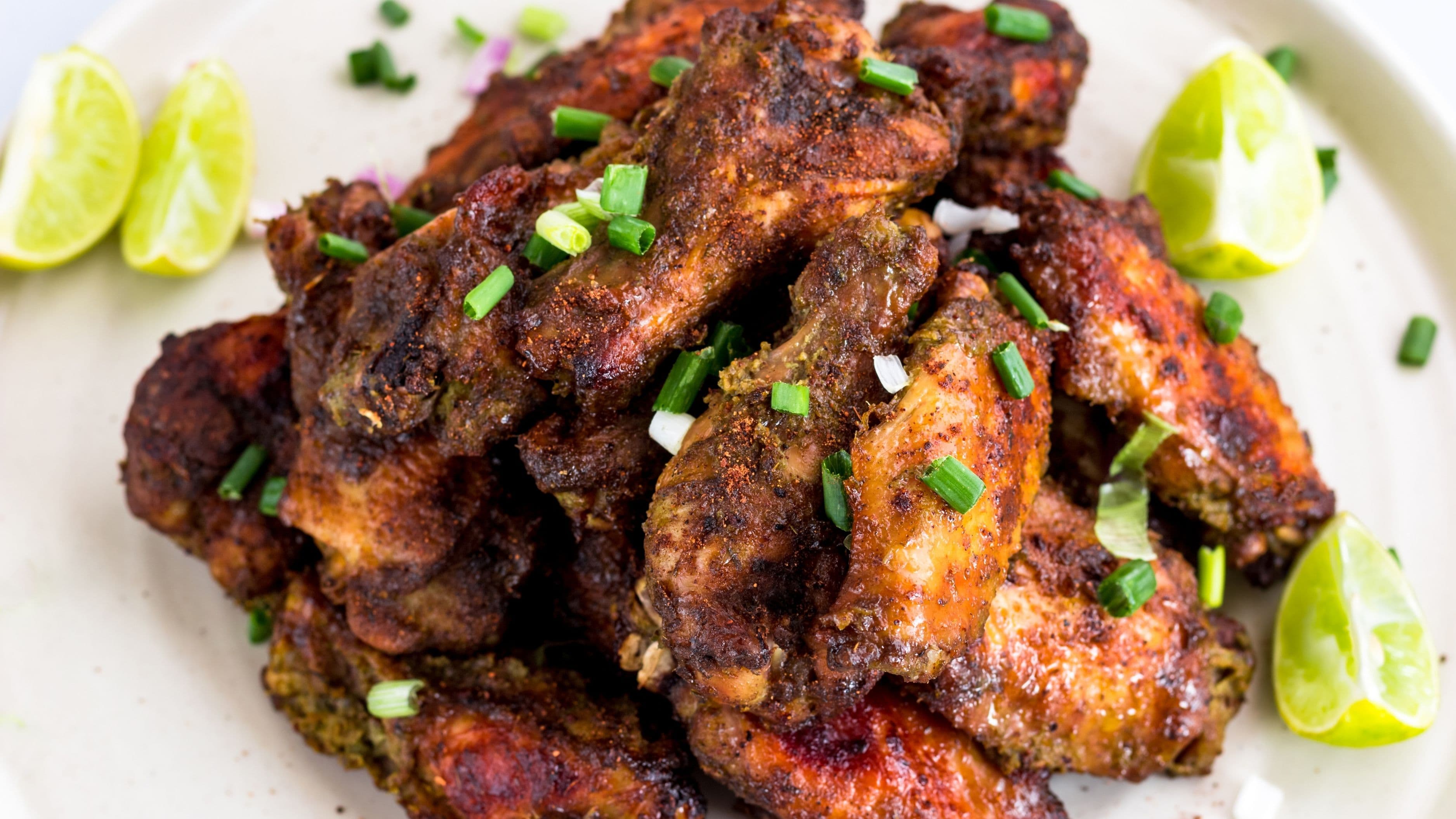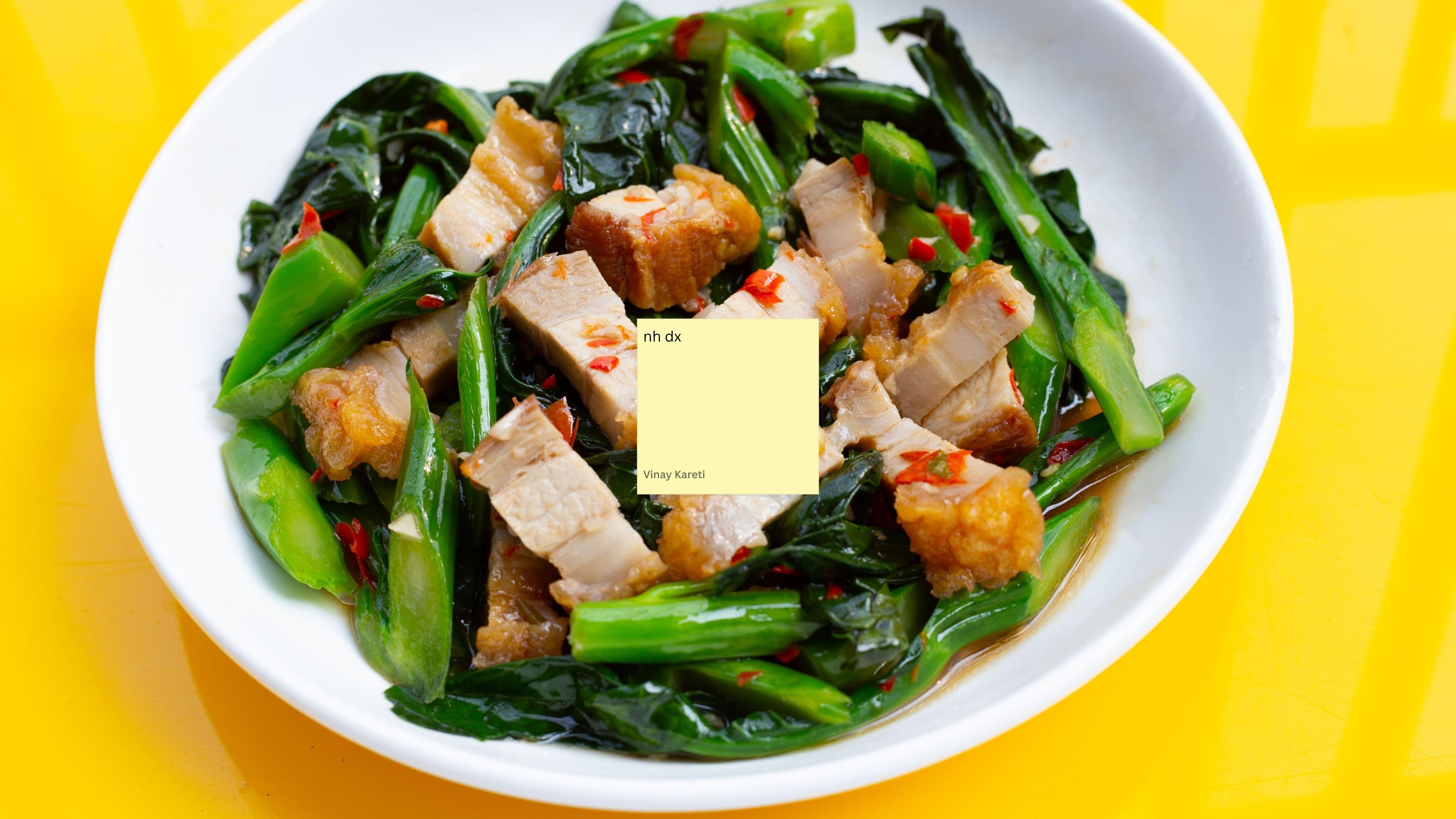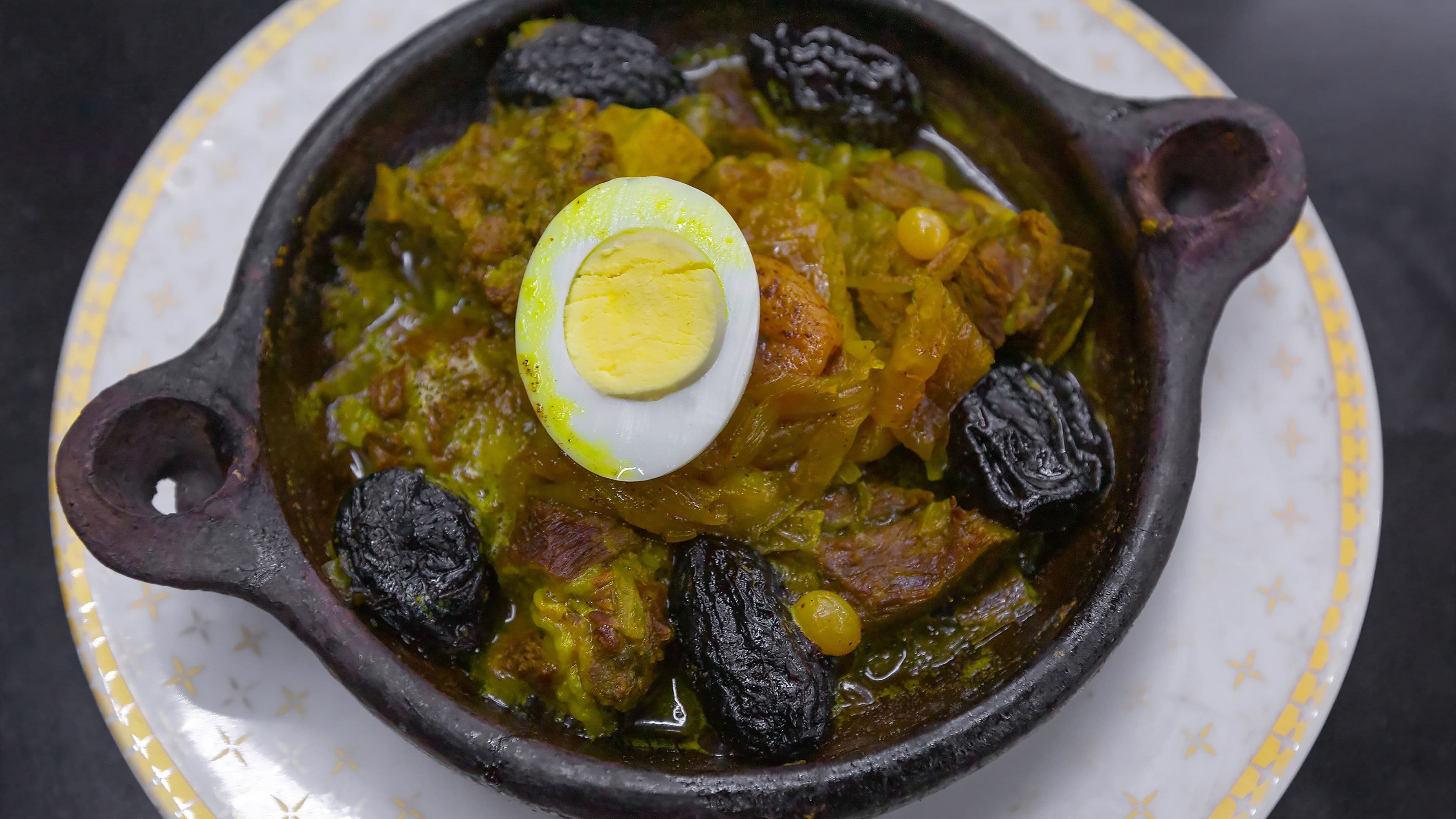
That layering isn't an accident. It's the result of one of the most unusual culinary histories in the world, a geography that produces ingredients found almost nowhere else, and cooking traditions that have been cross-pollinating across cultures for centuries.
A Cuisine Built From Five Different Traditions
Most national cuisines have one or two dominant cultural influences. Peruvian food has at least five, and they've been mixing since the 1500s. Understanding where each layer comes from helps explain why the food tastes the way it does.
The foundation is pre-Columbian Indigenous cooking – the Inca civilization and the dozens of cultures that preceded it. This tradition brought the world the potato (Peru has over 3,000 native varieties), quinoa, corn in more varieties than most people have ever encountered, and the ají chili pepper in all its forms. These are the earthy, starchy, deeply savory elements that anchor almost every Peruvian dish.
Spanish colonization in the 16th century added European techniques – braising, frying, and the use of onion, garlic, and olive oil as flavor bases – along with ingredients like beef, pork, and wheat. The Spanish influence is felt in dishes like ají de gallina (shredded chicken in a walnut and chili cream sauce thickened with bread) and estofado (a braised dish with olives and dried fruits). Many Peruvian dishes that look and feel European in structure are built on an entirely pre-Columbian ingredient foundation underneath.
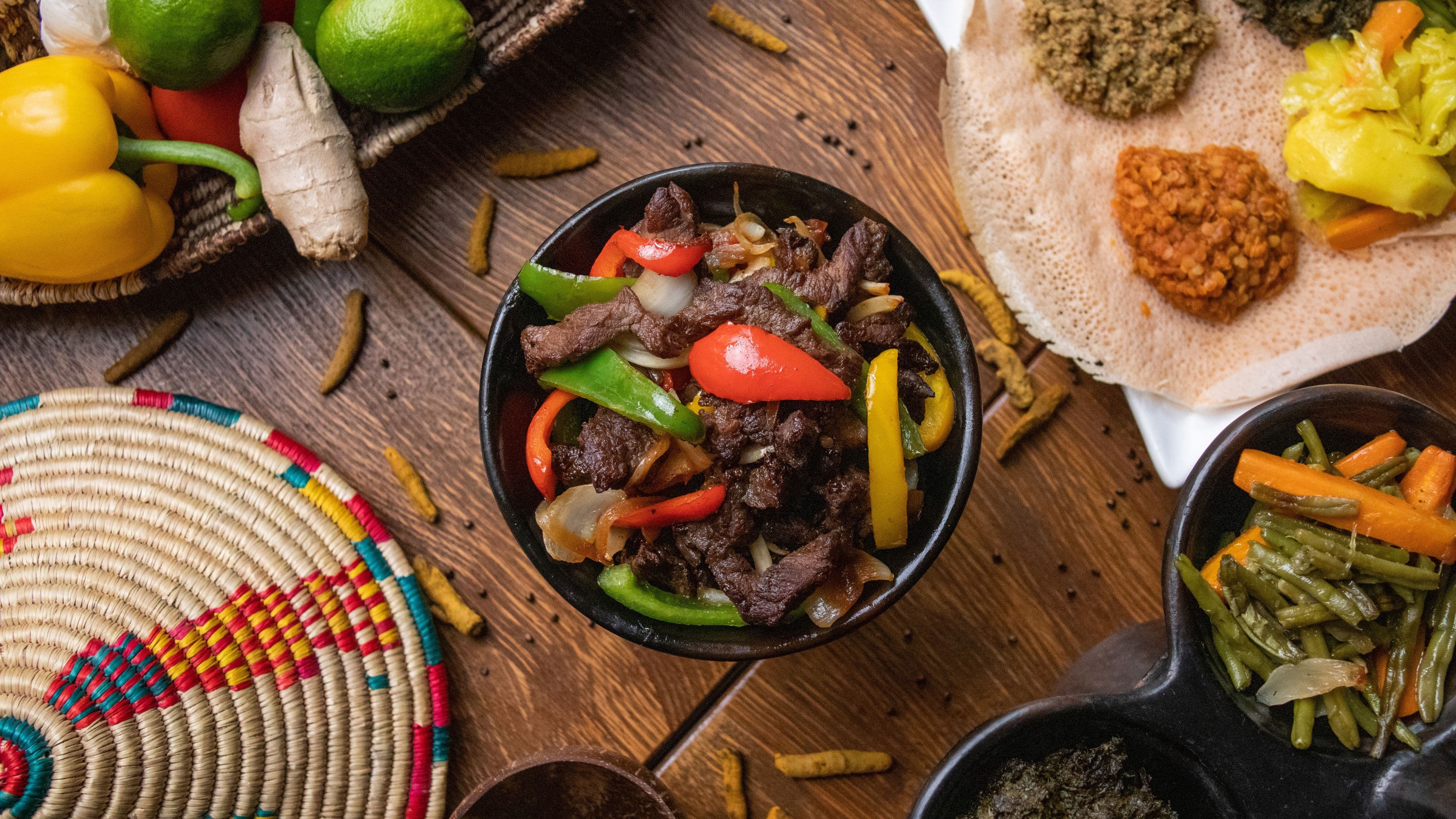
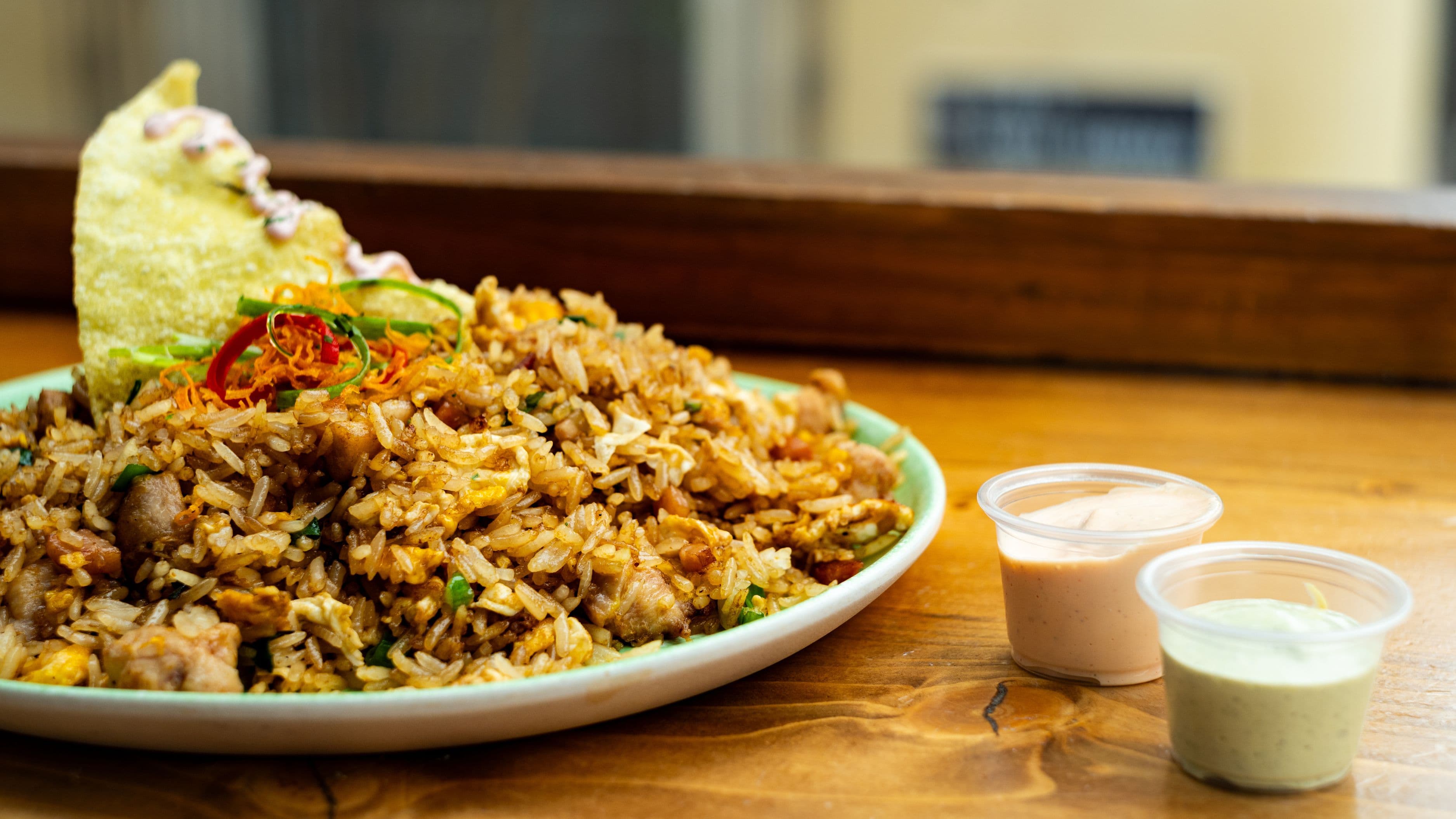
In the 19th century, two large waves of immigration added further dimensions. Chinese contract laborers – primarily Cantonese – arrived and eventually built an entire subcuisine now called chifa, which blends Cantonese technique with Peruvian ingredients. Stir-frying, soy sauce, ginger, and wok cooking entered the Peruvian kitchen and became permanent fixtures. Lomo saltado – strips of beef stir-fried with tomatoes, onions, and ají amarillo, served with both rice and fries – is now considered quintessentially Peruvian despite being a direct product of Chinese-Peruvian fusion.
Japanese immigrants arrived around the same time and eventually created nikkei cuisine, a fusion of Japanese precision and fresh Peruvian seafood that produced dishes like the tiradito – raw fish sliced sashimi-style dressed with Peruvian chili and citrus. Modern Peruvian ceviche technique owes a significant debt to Japanese influence, particularly the emphasis on fresh fish and the use of very short cure times rather than extended marination. African influences from enslaved people brought to Peru under colonialism also shaped the cuisine significantly, particularly in slow-cooked dishes and the use of organ meats and offcuts in ways that developed deep, rich flavor from economical ingredients.
The Ingredient That Changes Everything: Ají Amarillo
You could argue that the single ingredient most responsible for Peruvian food tasting distinctly Peruvian is the ají amarillo – a bright orange-yellow chili that grows almost exclusively in Peru. It has a fruity, tropical flavor that tastes a bit like a mango or a passion fruit, a moderate heat level (more than a jalapeño, less than a habanero), and an ability to add depth and warmth to a dish without overwhelming it.
Ají amarillo appears in an enormous percentage of Peruvian recipes. It's the base of causas (layered potato dishes), it goes into the sauce for ají de gallina, it's in the leche de tigre (tiger's milk marinade) for ceviche, and it shows up in countless sauces, stews, and marinades across the cuisine. What makes it so valuable to cooks isn't just its flavor – it's the way its fruity sweetness and moderate heat build slowly, creating warmth that lingers after a dish is finished rather than a sharp spike that fades immediately.
Other Peruvian chilies do different things. Ají panca is a dried chili with a deep, smoky, almost chocolate-like flavor that goes into braises and slow-cooked meats. Rocoto is a fiery red chili with a thick flesh and intense heat, used in stuffed preparations and sauces. The combination of these chilies – each contributing a different kind of heat and a different flavor profile – is a large part of why Peruvian food can taste simultaneously mild, fruity, smoky, and deeply savory in a single dish.
If you want to start cooking Peruvian food at home, ají amarillo paste (available at most Latin American grocery stores and online) is the one ingredient worth tracking down. It keeps for months in the refrigerator and opens up a huge range of the cuisine immediately.
Citrus and Acid: The Brightness Layer
Peruvian food uses citrus – particularly lime – with a precision and quantity that sets it apart from most cuisines. Ceviche is the obvious example: raw fish cured in fresh lime juice with chili and onion, where the acid does the "cooking" and also produces a bright, sharp flavor that cuts through the richness of the fish. The leche de tigre left in the bowl after the fish is eaten is considered a delicacy in Peru and drunk as a dish in itself.
But lime shows up throughout the cuisine beyond ceviche. It finishes stews, brightens sauces, and balances the richness of dishes built around cream or cheese. The sourness isn't background note – it's a deliberate flavor component that's added at the end of cooking to lift everything else in the dish. This technique of finishing with acid to brighten finished dishes is something Peruvian cooks do instinctively that many home cooks in other traditions never develop.
Geography: Why Peru Has Ingredients No One Else Has
Peru's geography is extraordinary and directly responsible for the diversity of its ingredients. The country encompasses three entirely different ecological zones running roughly north to south: the coastal desert, the Andean highlands, and the Amazon basin. Each produces a distinct range of ingredients, and Peruvian cooking draws from all three.
The coast provides the world-class seafood – fish, shellfish, and octopus – that anchors the ceviche and tiradito traditions. The cold Humboldt Current running up Peru's Pacific coast is one of the most productive ocean ecosystems in the world, producing exceptionally flavorful fish. The highlands produce thousands of potato and corn varieties that exist nowhere else on earth, as well as quinoa, kiwicha (amaranth), and a range of root vegetables like oca and mashua. The Amazon contributes tropical fruits, exotic herbs, river fish, and plants that are only beginning to be explored by the broader culinary world.
This geographical range means Peruvian chefs and home cooks have access to ingredients that simply don't exist anywhere else – which is partly why Peruvian food tastes unlike any other cuisine.
How to Start Cooking Peruvian Food at Home
You don't need to master the full cuisine to start experiencing Peruvian flavors. A few dishes and a handful of key ingredients will take you a long way.
Lomo saltado is one of the best entry points because it uses techniques most home cooks already know. You need beef (sirloin or tenderloin, sliced thin), ají amarillo paste, soy sauce, red onion, tomato, and cilantro. The beef is stir-fried at high heat, the vegetables are added and tossed briefly, and the whole thing is finished with soy and a touch of vinegar. Serve it with white rice and fried potatoes for the traditional presentation. It takes 20 minutes and tastes like nothing else you've made before.
Ceviche is worth attempting once you're comfortable with the concept of acid-cured fish. Use the freshest white fish available (sea bass, flounder, or halibut work well), cut it into small pieces, and dress it with fresh lime juice (enough to cover), thin-sliced red onion, ají amarillo paste, and salt. Leave it for just 3–5 minutes – not the hour-long marination you may have seen in older recipes. The short cure keeps the fish tender rather than tough, which is the modern Peruvian approach shaped by Japanese influence. Serve immediately with corn and sweet potato on the side.
Causa is a layered cold potato dish that showcases ají amarillo most directly. Mashed yellow potatoes are seasoned with lime juice and ají amarillo paste, then formed into layers with a filling (canned tuna mixed with mayo is the most common home version). It's served cold as a starter, looks impressive, and introduces you to the bright, fruity chili flavor that runs through so much of the cuisine.
The key ingredients to keep on hand if you want to cook Peruvian food regularly are ají amarillo paste, ají panca paste, fresh limes, cilantro, and good-quality white fish when ceviche is on the plan. With those five things, you can make an enormous range of authentic-tasting Peruvian dishes without specialty shopping every time.
FAQ
Is Peruvian food very spicy? Not by default. Many Peruvian dishes have warmth from ají amarillo, but the heat is moderate and fruity rather than sharp. Dishes made with rocoto are significantly hotter. If you're sensitive to heat, start with ají amarillo-based dishes and use less paste than the recipe calls for – you can always add more.
Where can I find Peruvian ingredients outside Peru? Most major cities with Latin American grocery stores will carry ají amarillo and ají panca paste, Peruvian corn, and some varieties of Peruvian potato. Amazon and online specialty retailers are reliable for paste and dried chilies if you can't find them locally. Chicha morada (purple corn drink) and Peruvian corn varieties are increasingly available at specialty food stores.
What's the difference between ceviche and tiradito? Both are raw fish dishes cured in lime and chili. The main difference is technique and texture. Ceviche uses fish cut into chunks and marinated with onion, which is mixed throughout. Tiradito slices the fish sashimi-thin (the Japanese influence) and sauces it without onion, producing a cleaner, more delicate result. Tiradito is also typically served without a wait – the sauce is poured over immediately before serving.
Is Peruvian food hard to cook at home? The foundational dishes – lomo saltado, ceviche, causa – are genuinely accessible to home cooks. The complexity of Peruvian food is mostly in the depth of flavor that comes from a few key ingredients used well, not in difficult techniques. If you can stir-fry and you can find ají amarillo paste, you can make excellent Peruvian food at home.
What does ají amarillo taste like? Fruity, warm, and moderately hot – a little like a cross between a mango and a chili pepper. The heat is sustained rather than sharp. It has a distinctive golden-orange color that transfers to sauces and gives many Peruvian dishes their characteristic warmth of color as well as flavor.
📚 Sources
Smithsonian Magazine – The history of Peruvian cuisine and cultural fusion: https://www.smithsonianmag.com/travel/peru-food-capital-world-180955748/
BBC Good Food – Introduction to Peruvian food: https://www.bbcgoodfood.com/howto/guide/peruvian-food
National Geographic – Peru's biodiversity and food culture: https://www.nationalgeographic.com/travel/article/peru-food-culture
The Guardian – Why Peru became the world's top food destination: https://www.theguardian.com/travel/2015/may/10/peru-best-food-destination-lima-restaurants
Serious Eats – How to make Peruvian ceviche at home: https://www.seriouseats.com/peruvian-style-fish-ceviche-with-leche-de-tigre
Food52 – Lomo saltado recipe and technique: https://food52.com/recipes/lomo-saltado