Button, Cremini, and Portobello: The Same Mushroom at Different Stages
These three are actually the same mushroom species at different stages of maturity, which explains why they look related but behave somewhat differently in cooking. Button mushrooms are the youngest, mildest version, with a delicate flavor and tender texture that works well raw in salads or lightly sautéed as a simple side. Cremini mushrooms are a slightly more mature version, offering a deeper, earthier flavor while still maintaining a similar tender texture, making them a versatile all-purpose choice for most everyday cooking.
Portobellos are the fully matured version of the same mushroom, with a large, meaty cap and considerably more intense flavor than their younger counterparts. Their size and dense texture make them ideal for grilling whole as a meat substitute, stuffing, or slicing thickly for a hearty addition to a dish where you want substantial mushroom presence rather than a background note.
Shiitake: Deep Umami for Asian-Inspired and Savory Dishes
Shiitake mushrooms bring a genuinely distinct, deeply savory, almost meaty flavor that's considerably more pronounced than button or cremini varieties. This makes them particularly well-suited to dishes where mushroom flavor needs to stand up against other bold ingredients, like stir-fries, ramen, and other Asian-inspired preparations where their umami depth complements soy, ginger, and other strong flavors well.
Their slightly chewier texture compared to button mushrooms holds up better in longer-cooked dishes like soups and braises, without breaking down into the same soft texture button mushrooms tend to develop over extended cooking time.
Oyster Mushrooms: Delicate Texture for Light, Quick Preparations
Oyster mushrooms have a genuinely delicate, almost velvety texture and a mild, slightly sweet flavor that's less assertive than shiitake but more distinctive than button mushrooms. This makes them particularly well-suited to quick sautés, light pastas, or as a delicate addition to soups where you want mushroom flavor without it dominating the dish.
Their thin, tender structure means they cook quickly and can become mushy if overcooked, so they're best added toward the end of a cooking process rather than simmered for extended periods the way heartier varieties can tolerate.
Porcini: Concentrated Flavor for Risottos and Sauces
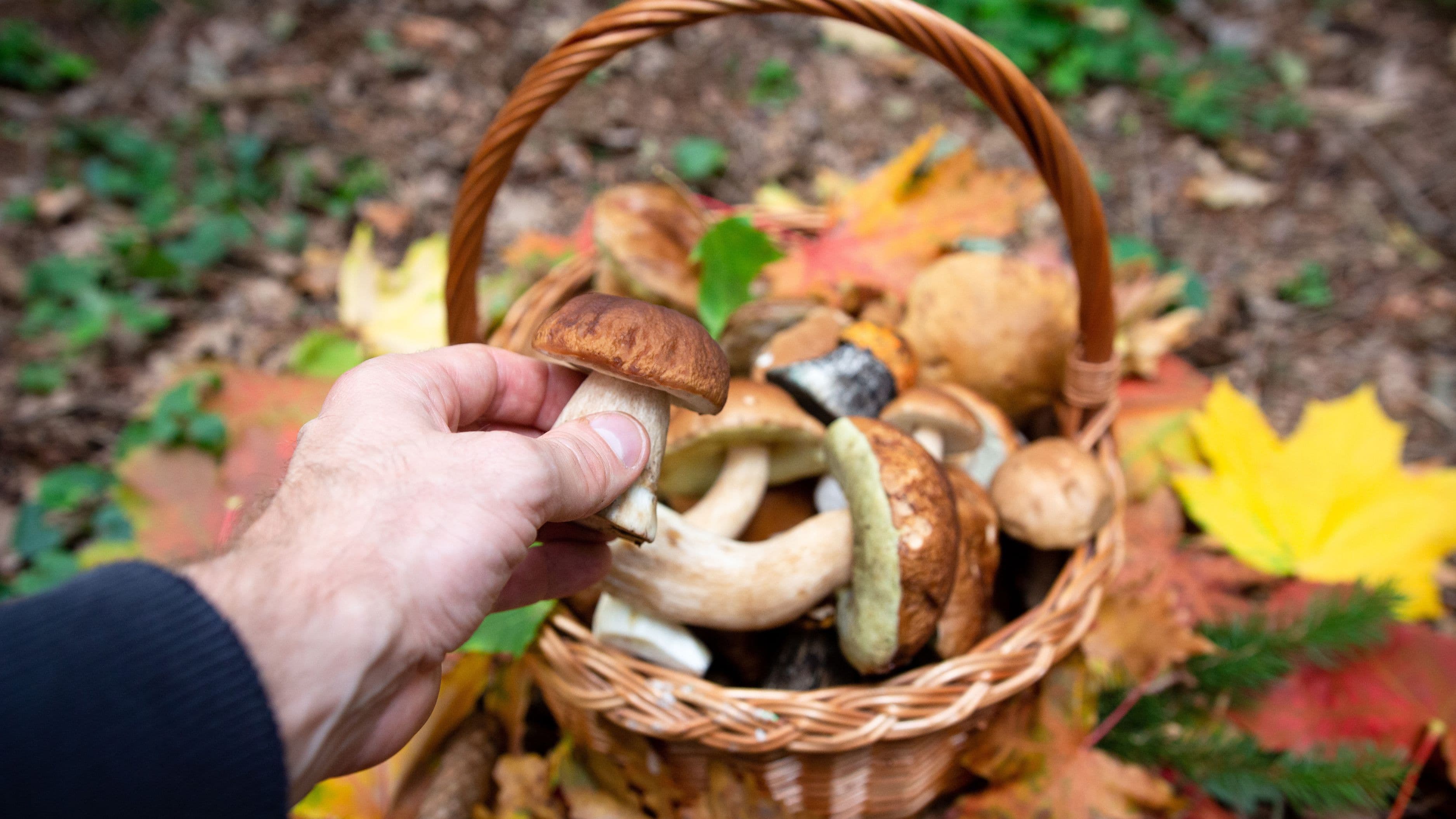
Fresh porcini mushrooms have an intensely rich, nutty flavor that's among the most distinctive of common culinary mushrooms, though they're less commonly available fresh and more often found dried. Dried porcini, rehydrated in warm water before use, concentrate this flavor even further, and the rehydration liquid itself becomes a genuinely valuable ingredient, carrying deep mushroom flavor that's worth incorporating directly into a sauce or risotto rather than discarding.
This makes porcini particularly well-suited to dishes where mushroom flavor needs to be a foundational, prominent element – classic mushroom risotto, rich pasta sauces, or as a flavor-building addition to soups and stews where their intensity can carry the entire dish.
Chanterelles: Delicate, Fruity Notes for Simple Preparations
Chanterelles bring a genuinely unique flavor profile compared to other common mushrooms, with subtle fruity and peppery notes that are best showcased through simple preparation methods that don't compete with or mask their distinctive character. A simple sauté in butter, finished with a touch of fresh herbs, tends to let chanterelles' natural flavor shine in a way that a heavily spiced or sauce-heavy dish wouldn't.
Given their relatively higher price point and delicate flavor, chanterelles are generally better reserved for dishes where they can be a genuine feature rather than one ingredient among many competing flavors.
Morels: A Springtime Specialty for Simple, Elegant Dishes
Morels have a distinctive honeycomb texture and a deep, earthy, almost nutty flavor that's prized specifically because of their relatively short seasonal availability, typically in spring. Like chanterelles, their unique character is best highlighted through simple preparations – sautéed in butter, incorporated into a light cream sauce, or paired with dishes like asparagus that share their springtime seasonality.
Morels should always be cooked thoroughly rather than eaten raw, since they contain compounds that can cause digestive upset if not properly cooked, making this a genuine food safety consideration rather than just a flavor preference.
Enoki: Delicate Crunch for Garnishing and Quick-Cooking Dishes
Enoki mushrooms are instantly recognizable by their long, thin stems and tiny caps, offering a mild flavor and a pleasantly crisp texture that holds up well in quick preparations like hot pot, where they're added at the very end of cooking, or as a raw or lightly cooked garnish for salads and soups where a bit of textural crunch is welcome.
Their delicate structure means they don't hold up well to extended cooking or heavy sauces, making them best suited to dishes where they're added late in the process or used more for texture and visual appeal than as a primary flavor contributor.
A Simple Framework for Choosing
When deciding which mushroom fits a specific dish, consider two main factors: how much you want the mushroom flavor to stand out, and how long the dish will actually cook. For dishes where mushrooms need to blend into a broader flavor profile without dominating, button, cremini, or oyster mushrooms work well. For dishes where mushroom flavor should be a genuine centerpiece, shiitake, porcini, chanterelles, or morels bring the necessary depth and character. For longer-cooked dishes like braises or soups, heartier varieties like shiitake or cremini hold their texture better than more delicate options like oyster or enoki, which are better reserved for quicker preparations or late additions.
Common Mistakes to Avoid
Using a delicate mushroom variety like oyster or enoki in a long-braised dish is a common mistake, since their tender structure breaks down considerably faster than heartier varieties, often resulting in an unpleasantly mushy texture by the time the dish finishes cooking. Similarly, pairing an expensive, delicate mushroom like chanterelles or morels with an overly heavy sauce or aggressive seasoning wastes their distinctive, subtle flavor profile, which is best appreciated through simpler preparation.
FAQ
Can I substitute one mushroom variety for another in a recipe? Generally yes, particularly among similar-texture varieties like button, cremini, and shiitake, though you should expect some flavor difference, and delicate varieties shouldn't be substituted into long-cooking preparations designed for heartier types.
Do dried mushrooms work as well as fresh in most recipes? For varieties like porcini, dried is actually the more common and often preferred form, given their concentrated flavor once rehydrated. For more delicate varieties like oyster or enoki, fresh is generally preferable since drying changes their texture more noticeably.
How should I clean mushrooms before cooking? A dry brush or slightly damp paper towel is generally sufficient for most mushrooms, since submerging them in water can cause them to absorb excess moisture, affecting how they cook and brown.
Is it safe to eat mushrooms raw? Most common culinary mushrooms like button and cremini are safe raw, though morels specifically should always be cooked thoroughly due to compounds that can cause digestive upset if consumed raw or undercooked.