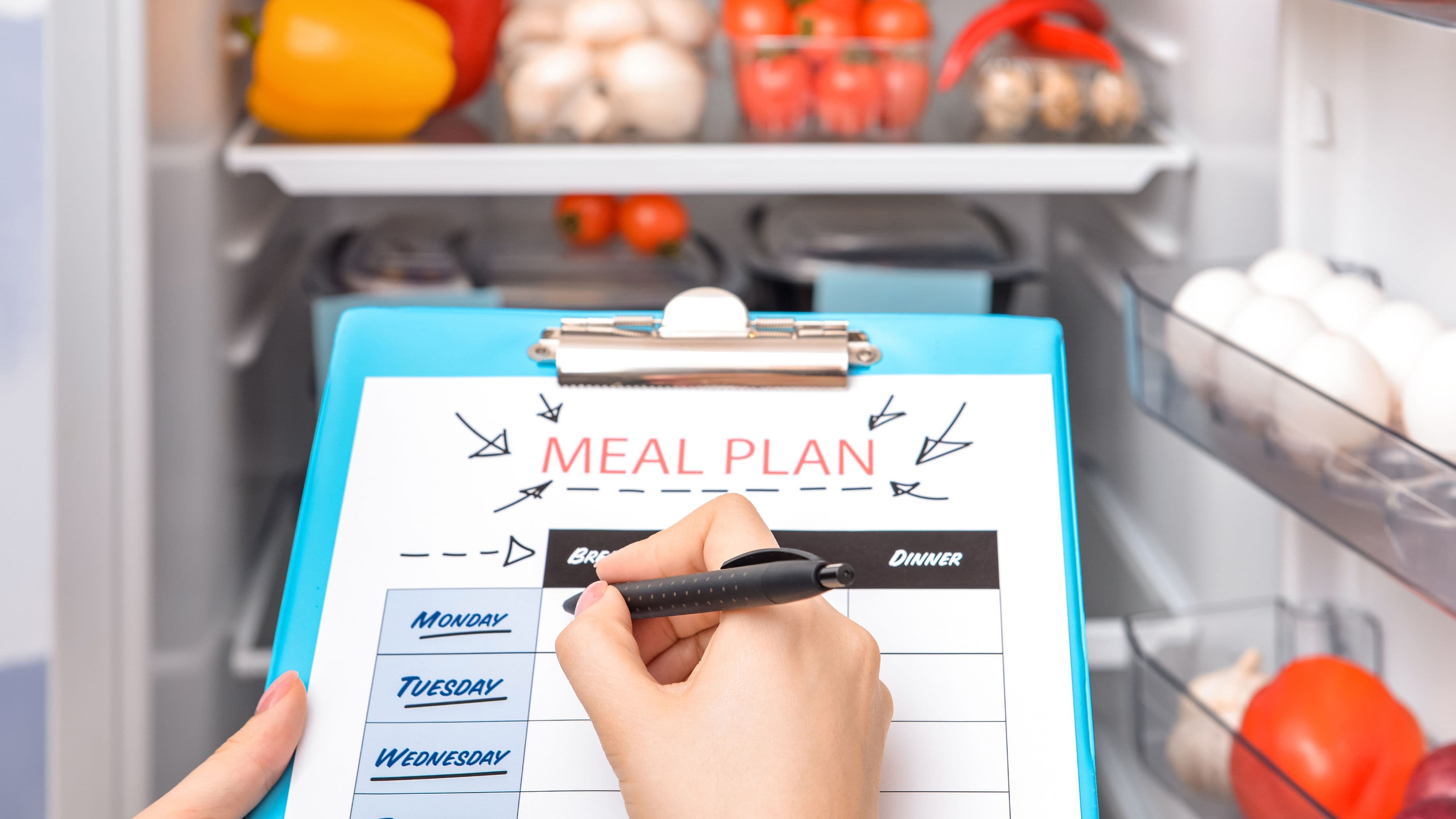
Why Freezer-Based Planning Works So Well
Building meals around what's already in your freezer means you're working with ingredients you've already paid for, reducing both grocery spending and the likelihood of food going to waste before you get around to using it. It also removes a significant amount of daily decision-making, since you're choosing from a defined, visible set of options rather than staring blankly into a fully stocked freezer with no plan.
This approach works especially well for busy households, since freezer meals and components require far less last-minute prep than starting entirely from scratch after a long day.
Start With a Freezer Inventory
Before you can plan anything, you need an honest, current picture of what's actually in your freezer. Take everything out, group it into categories – proteins, vegetables, grains, prepared meals, sauces – and jot down a simple running list, either on paper or a notes app, noting quantities and approximate dates.
This step often reveals forgotten items that have been sitting untouched for months, and starting your meal planning by using up these overlooked ingredients first prevents further waste while also giving your freezer some breathing room for new additions.
Build Meals Around Your Protein First
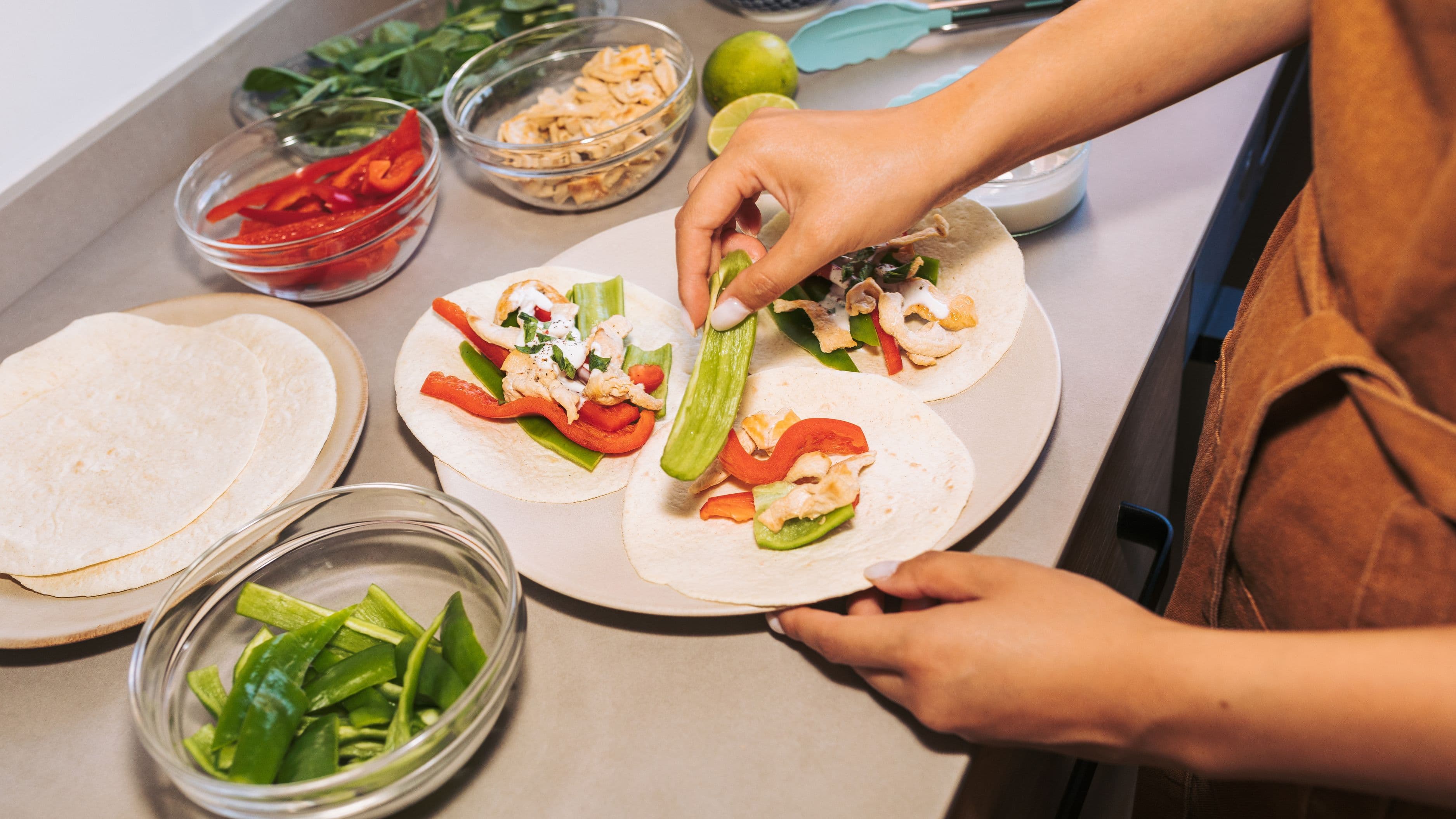
Proteins are usually the most expensive and most freezer-friendly component of a meal, so they make a logical starting point for planning. Look at what proteins you already have on hand, then work backward to decide what vegetables, grains, and sauces would pair well, rather than starting with a specific recipe and buying everything fresh.
This flexible, protein-first approach naturally reduces grocery costs over time, since you're consistently using what you already own rather than accumulating new ingredients on top of what's already sitting frozen.
Stock Freezer-Friendly Staples Intentionally
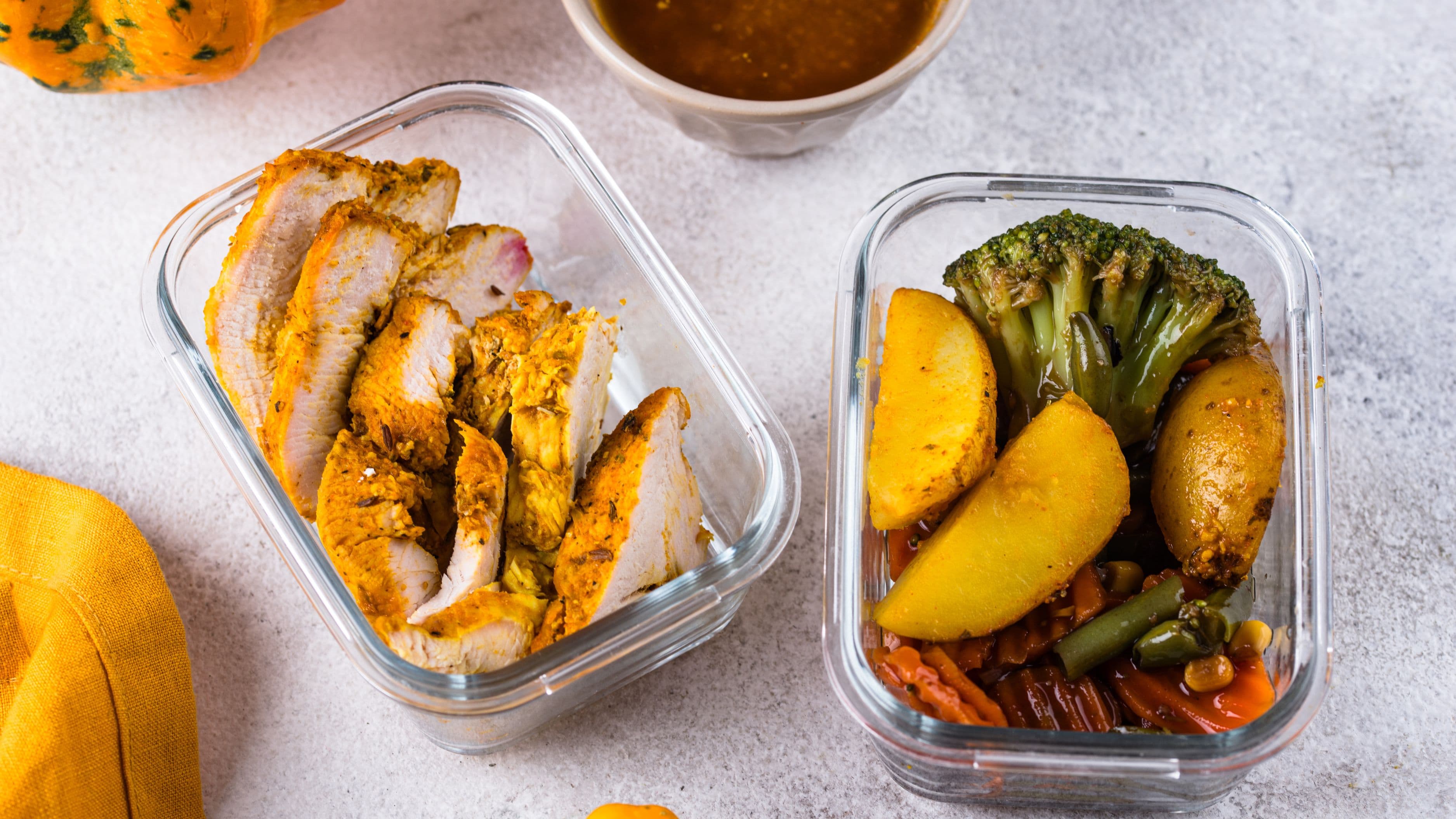
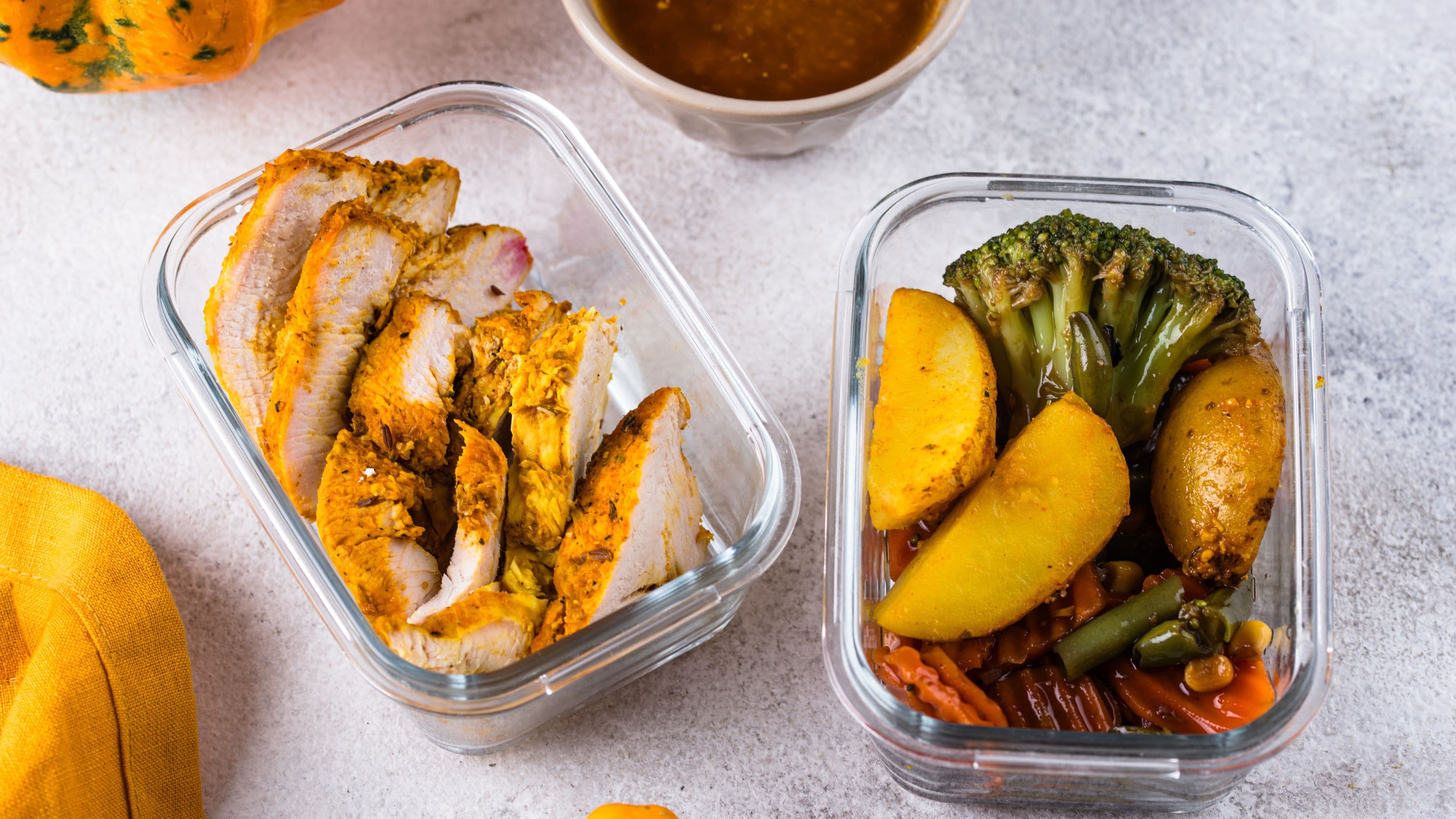
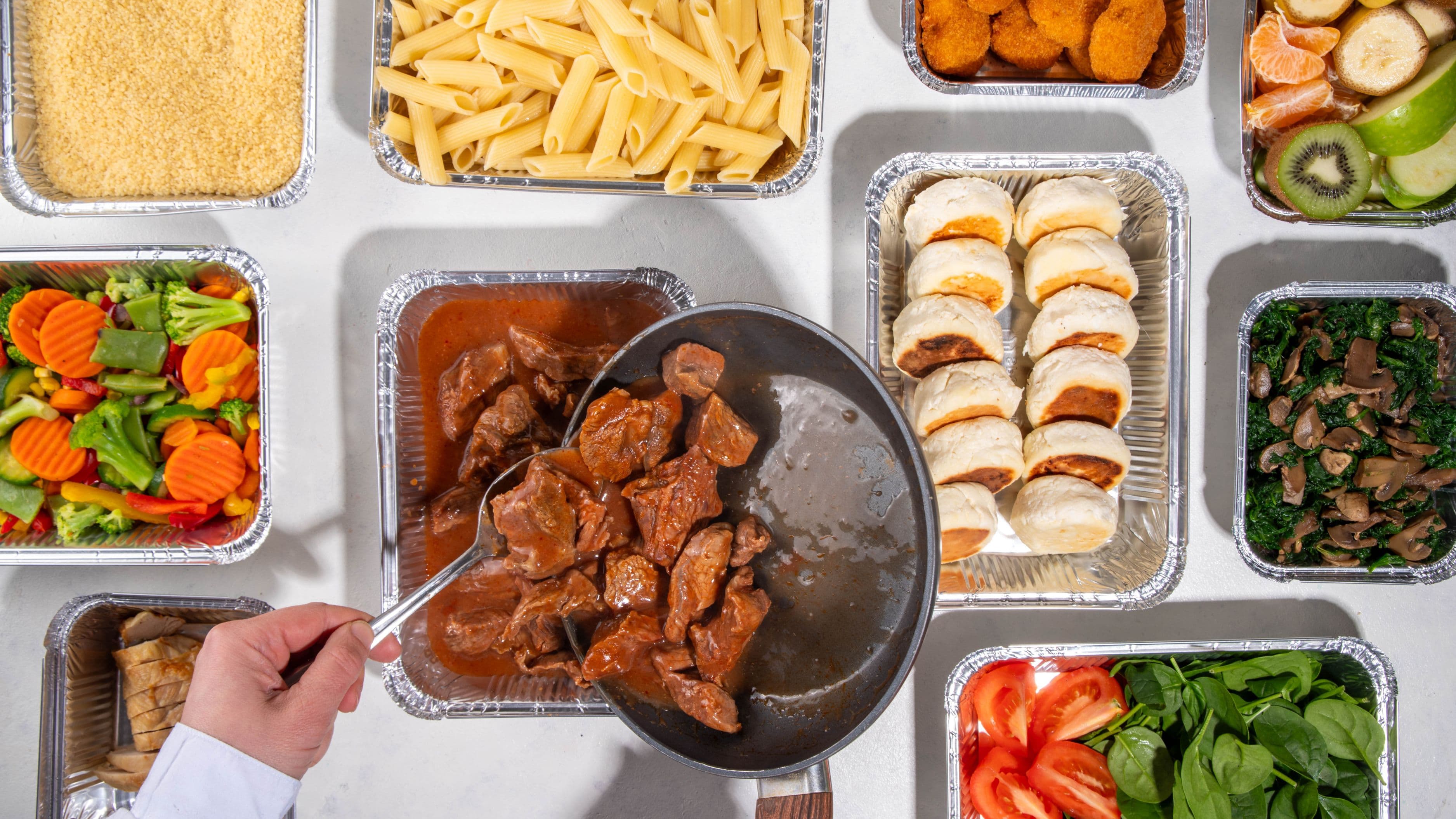
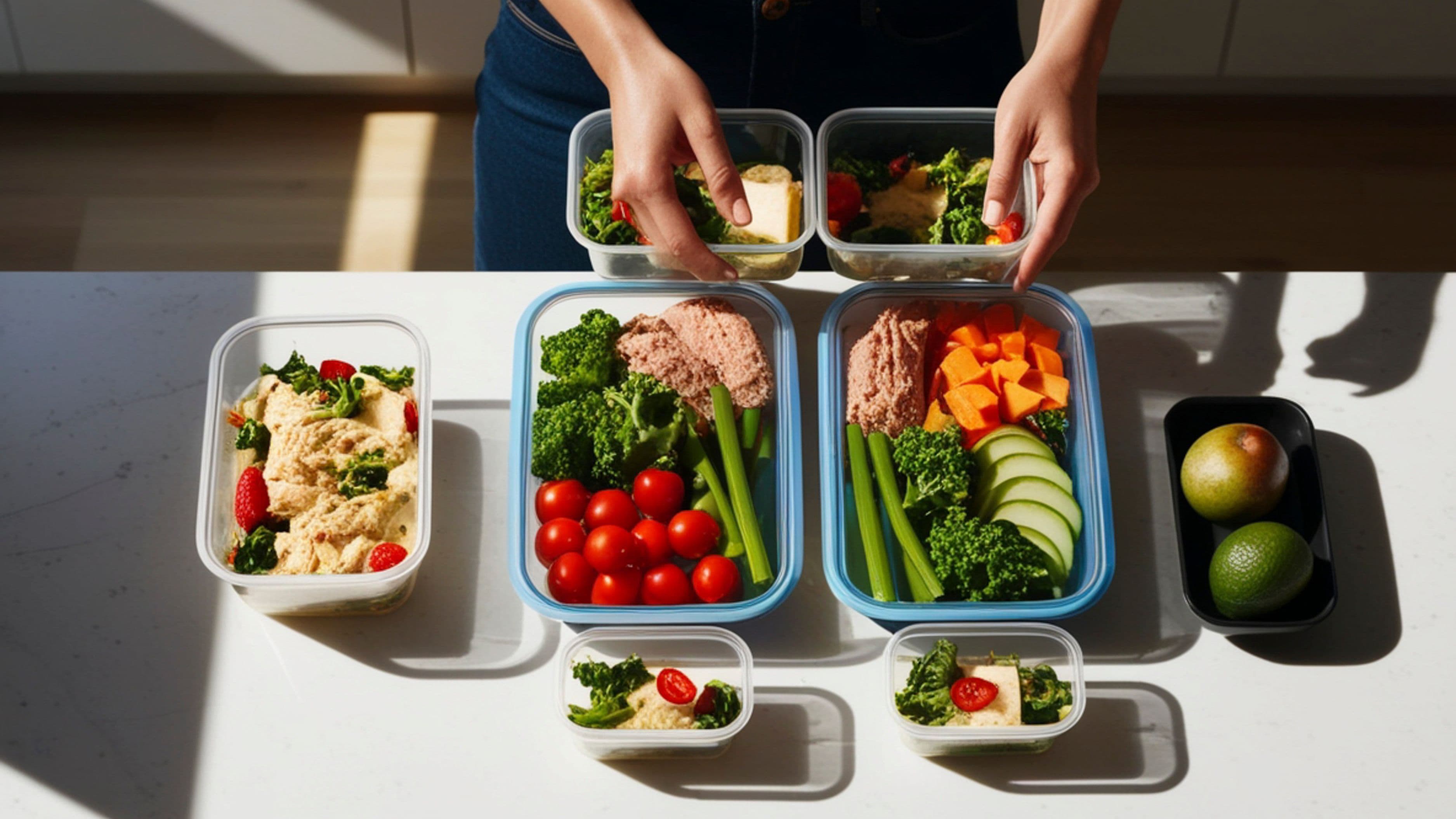
Rather than freezing food randomly as an afterthought, intentionally stock a rotation of freezer-friendly staples that make quick meal assembly easier. This includes pre-portioned proteins, frozen vegetables that don't require much prep, cooked grains like rice or quinoa portioned into meal-sized amounts, and homemade sauces or broths frozen in ice cube trays or small containers for easy portioning.
Building this stock gradually, a bit each week during regular grocery trips or batch cooking sessions, means you'll always have a reasonable base to build meals from, even on weeks when you haven't had time for extensive meal planning.
Use a Simple Weekly Freezer-Based Template
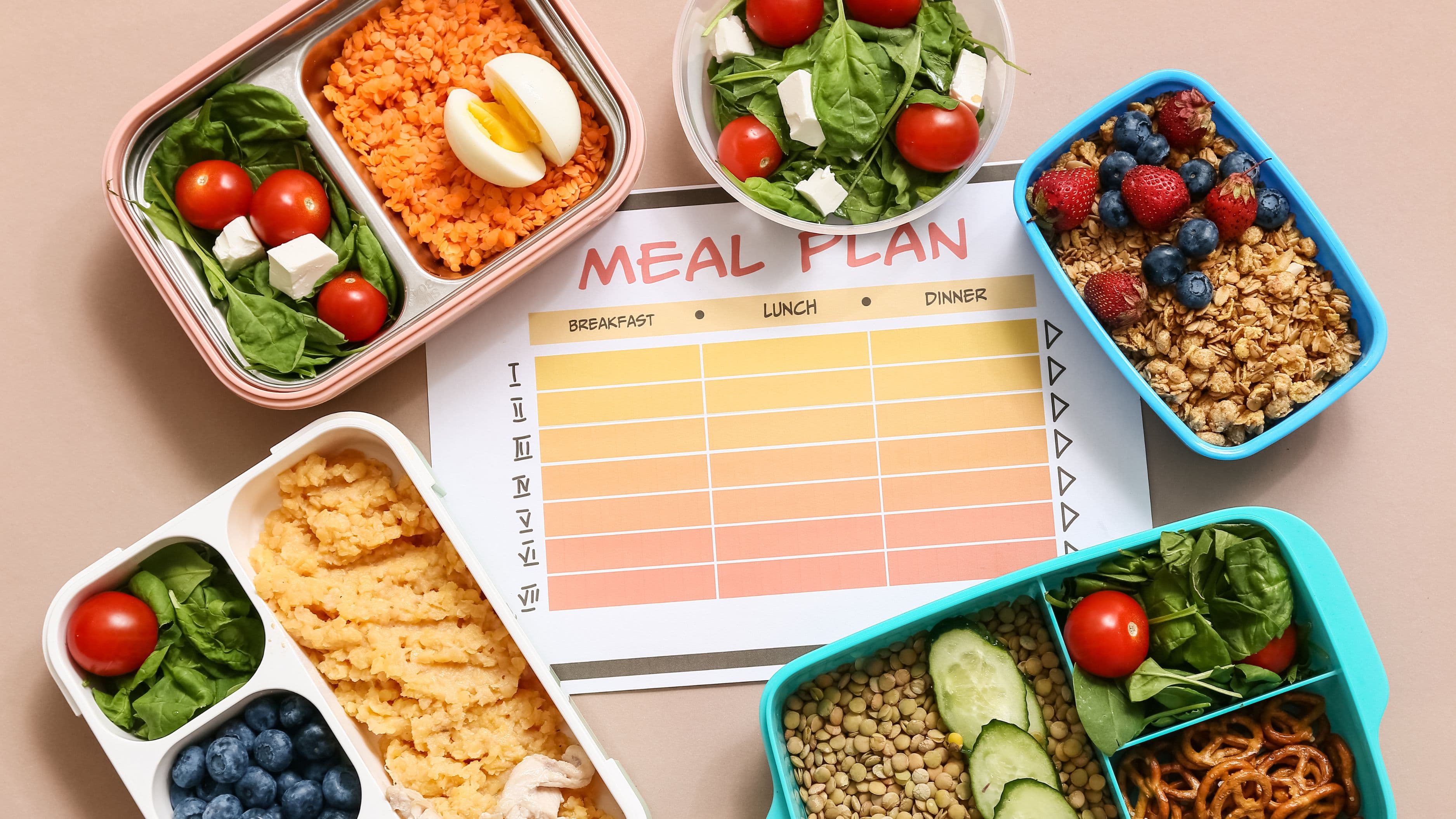
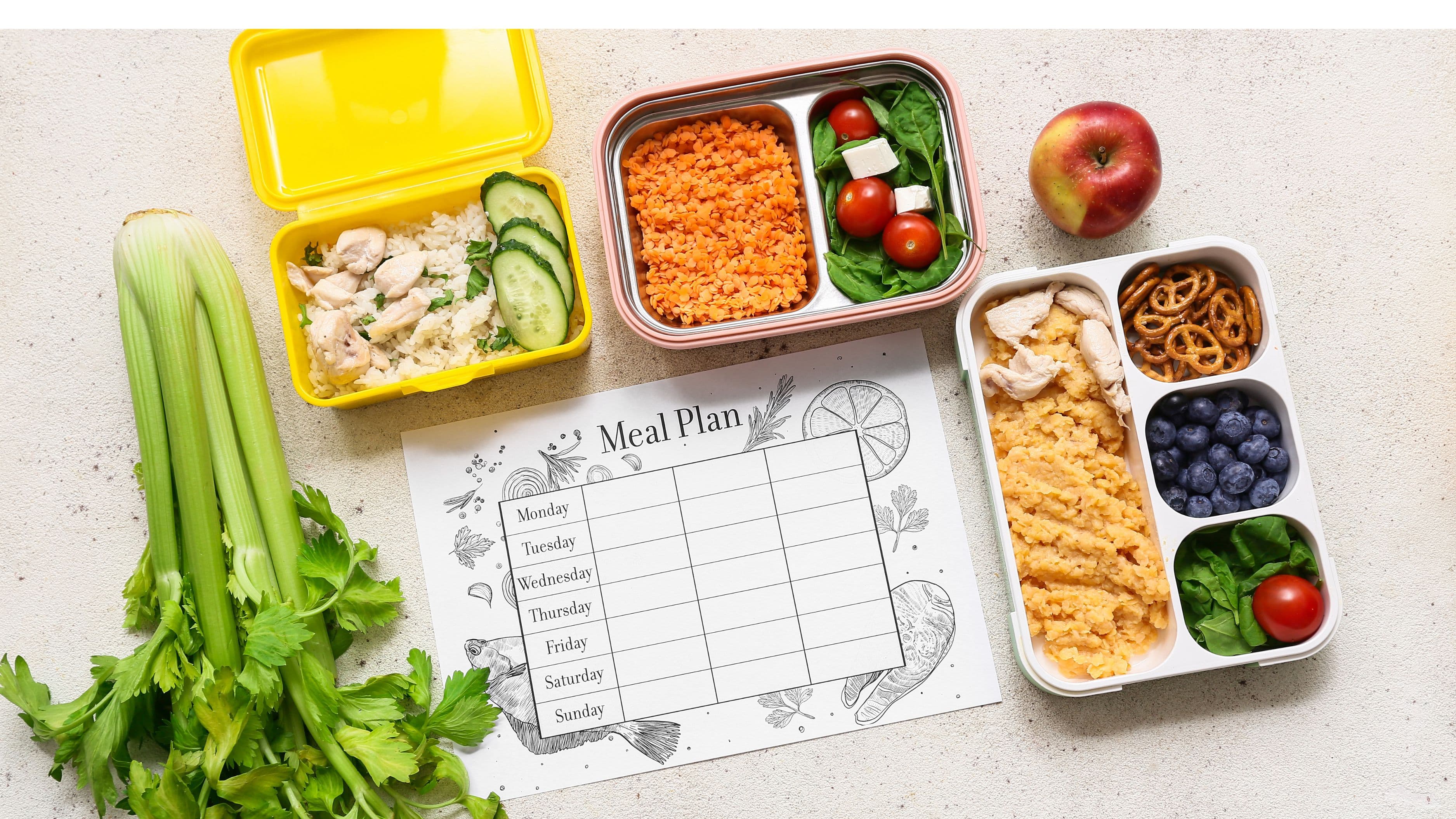
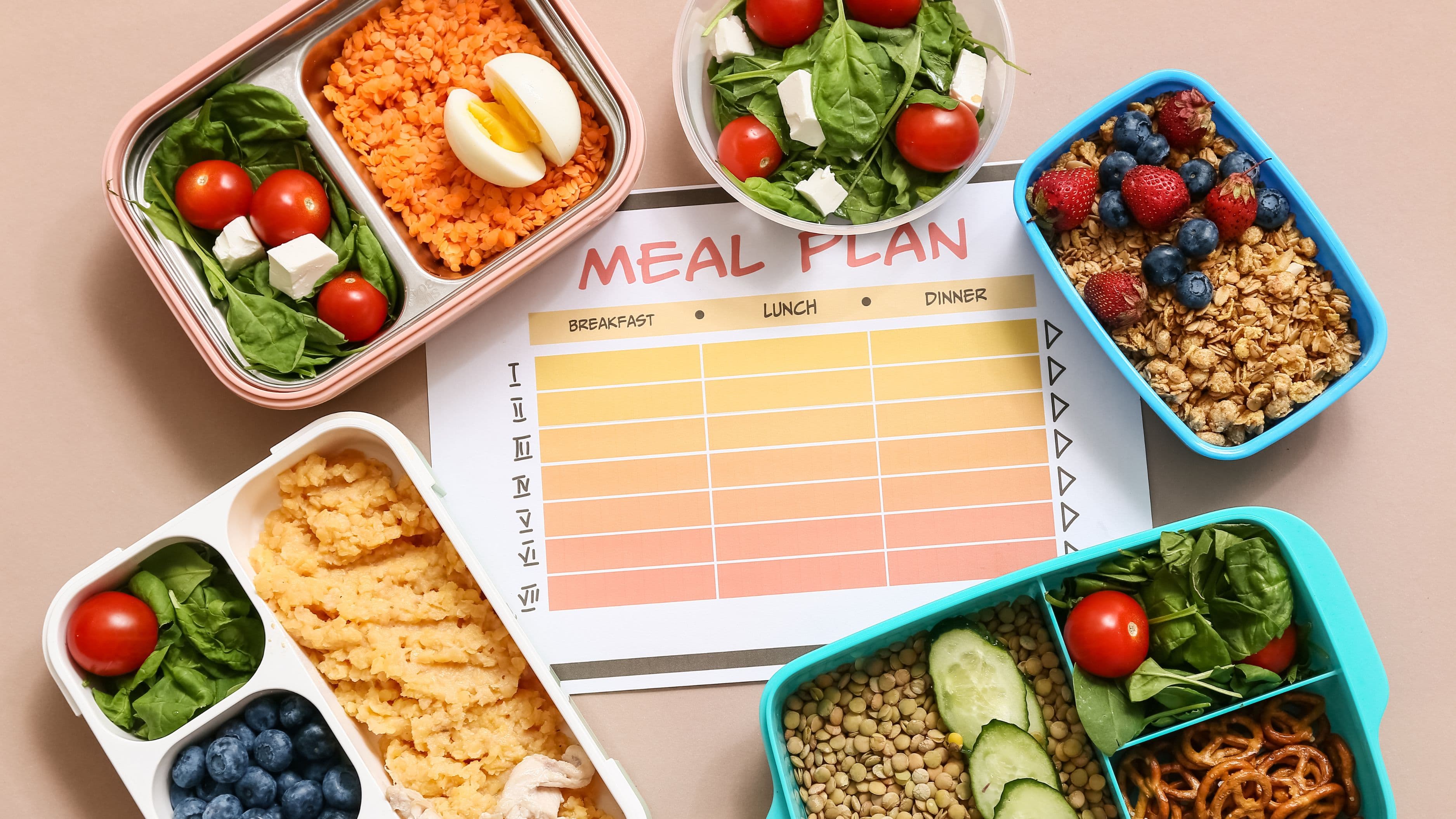
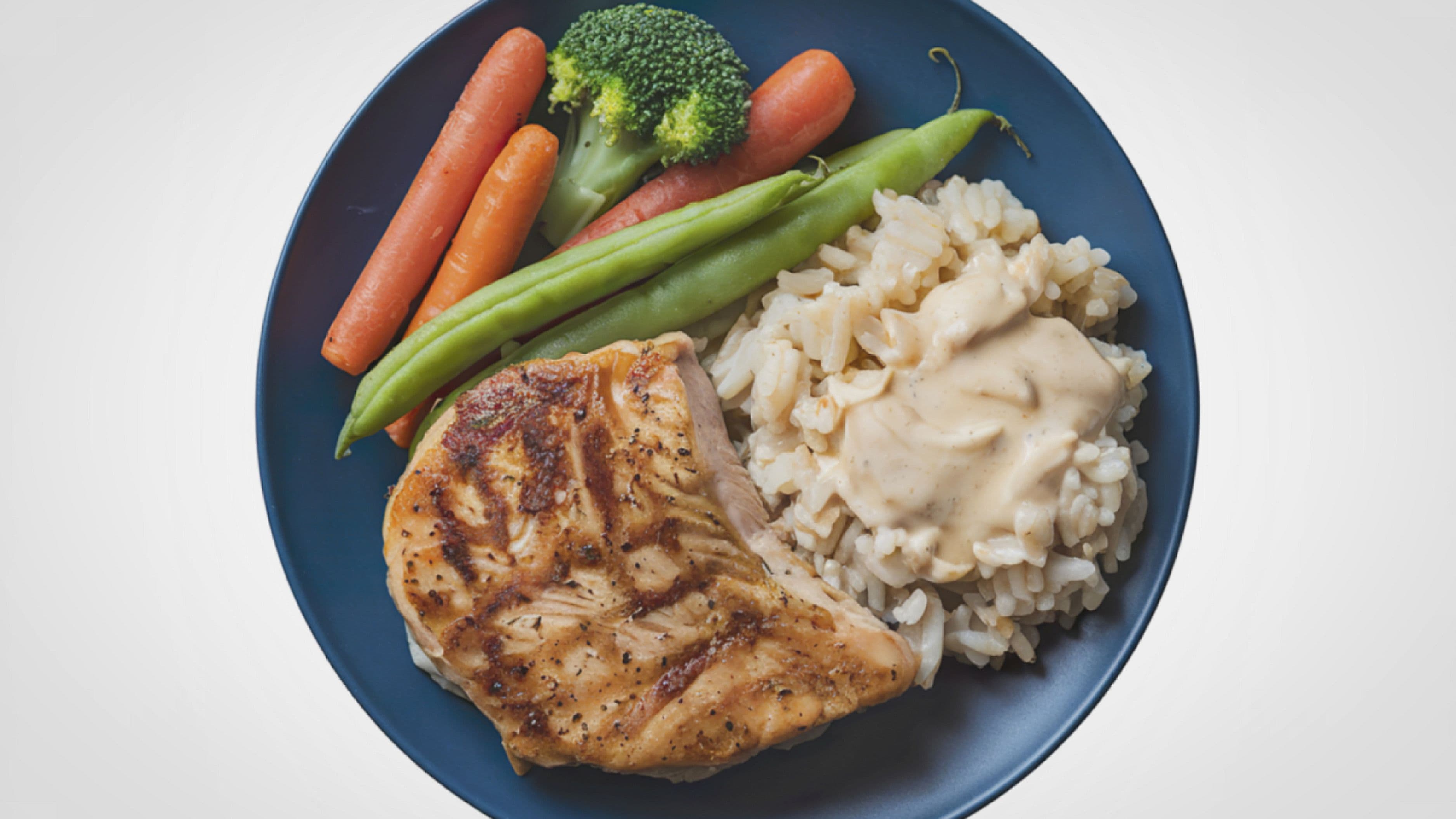
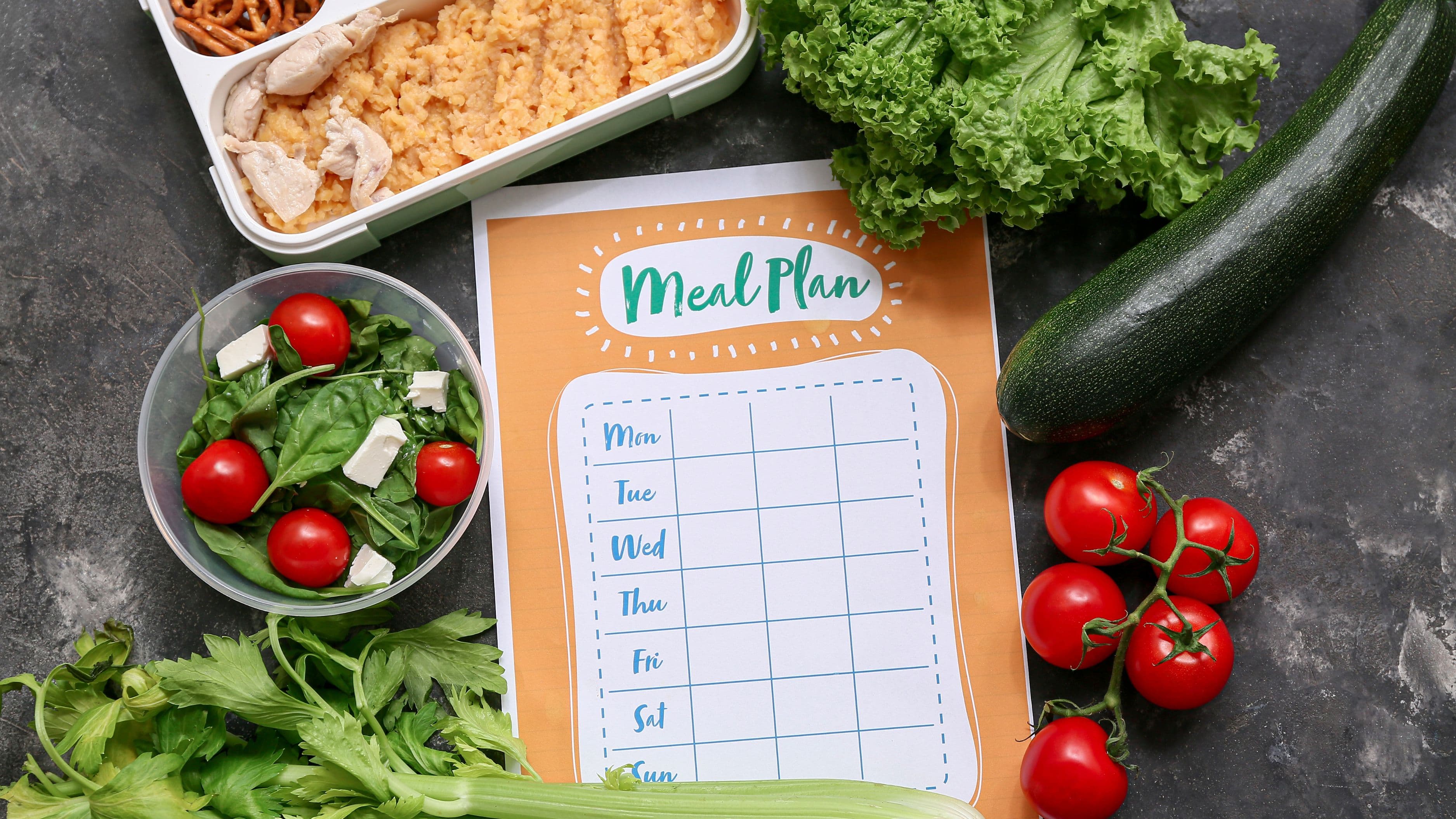
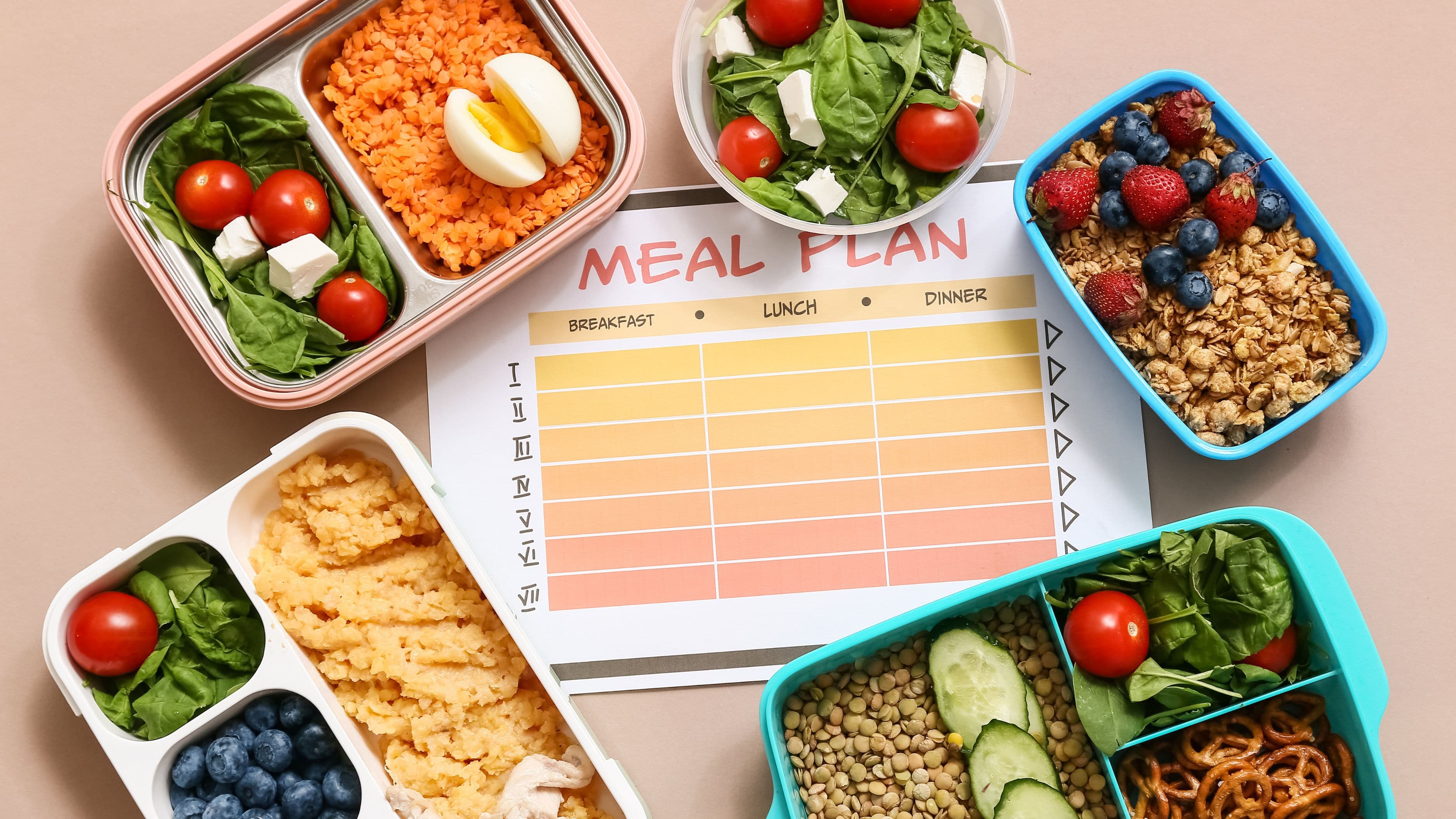
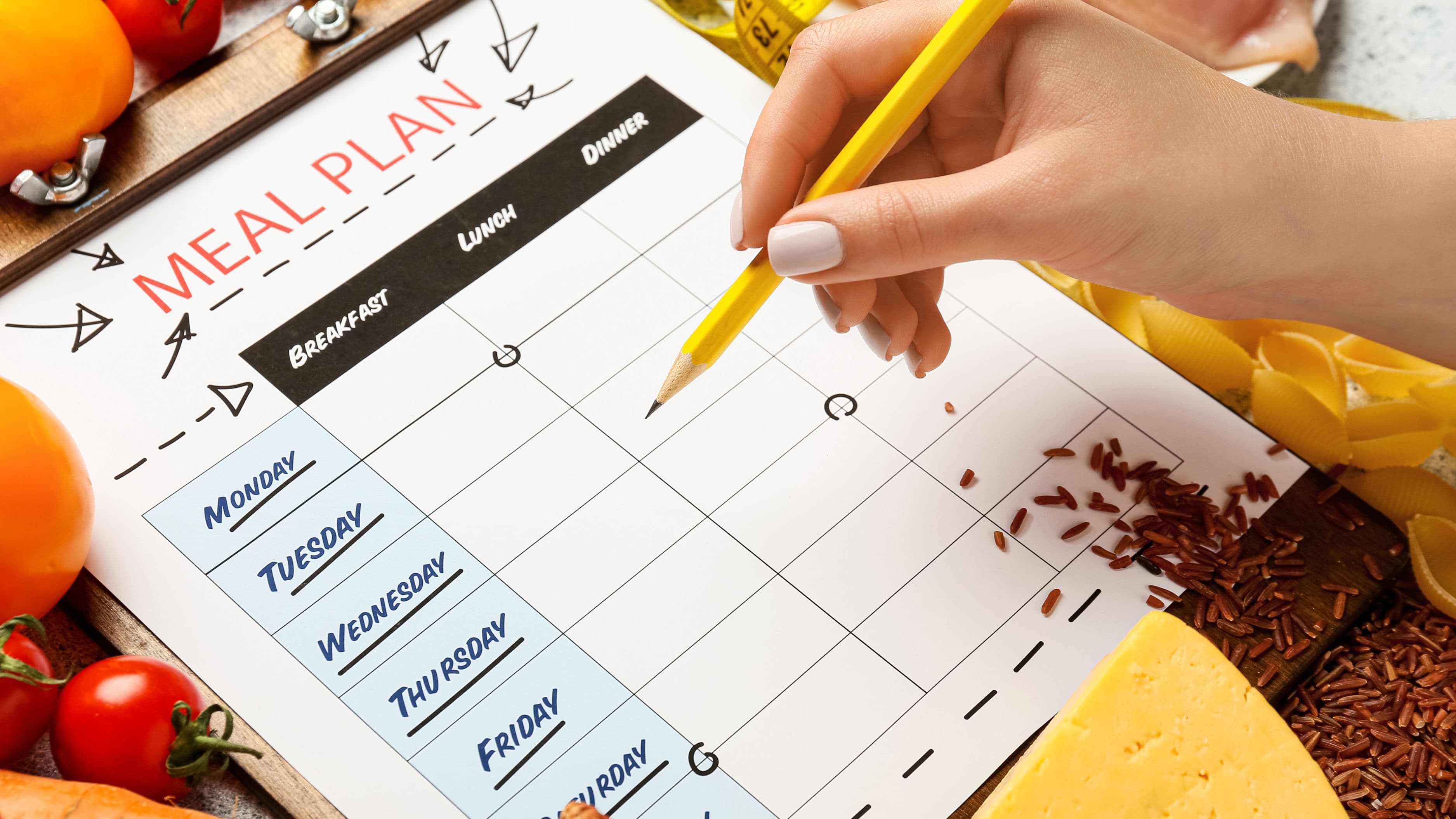
Rather than planning every meal from scratch each week, use a repeatable template built around your freezer contents: two nights built around a frozen protein and fresh vegetables, one night using a fully prepared frozen meal or batch-cooked dish, and one night specifically designated to use up something that's been in the freezer longest. This kind of loose structure removes decision fatigue while still leaving room for flexibility based on what you're actually in the mood for.
This template approach works particularly well because it doesn't require rigid recipe planning – it's more about defining categories of meals and letting the specific dish vary week to week based on what's actually available.
Label and Rotate Using First-In, First-Out
Apply the same labeling principle used for fresh leftovers to your freezer: date everything clearly when you freeze it, and organize your freezer so older items sit at the front where you'll see and use them before newer additions. This first-in, first-out approach prevents the common problem of freezer items getting pushed to the back and forgotten for months, sometimes years, past when they were still at their best quality.
A running freezer inventory list, updated as you add and remove items, makes this rotation significantly easier to maintain than trying to remember everything by memory alone.
What to Avoid
Avoid freezing food without proper labeling, since unidentified frozen items are one of the most common sources of freezer waste – nobody wants to gamble on a mystery container from an unknown date. Also avoid overstocking your freezer to the point where you can't actually see or access what's inside, since a freezer packed beyond reasonable capacity makes the entire planning process harder rather than easier.
Realistic Expectations
Building an effective freezer-based meal planning habit typically takes a few weeks to feel natural, particularly the initial inventory and labeling steps, which require more upfront effort than ongoing maintenance. Once established, expect this system to meaningfully reduce your weekly grocery decision-making and food waste, though it works best as a complement to some fresh grocery shopping rather than a complete replacement for it.
FAQ
How long can most frozen proteins and meals safely stay in the freezer? Most proteins maintain good quality for three to six months in a standard freezer, though they remain technically safe to eat longer if kept consistently frozen; quality, not safety, is usually the limiting factor.
Do I need a separate deep freezer to make this system work? Not necessarily. A standard refrigerator freezer works fine for most households, though a dedicated deep freezer can help if you're batch cooking and freezing larger quantities regularly.
What foods don't freeze well and should be avoided in this system? High water-content foods like lettuce, cucumbers, and some dairy-based sauces don't freeze and thaw well texturally, so it's worth focusing your freezer stock on proteins, grains, cooked vegetables, and sauces that hold up better through the freezing process.
Treating your freezer as an active meal-planning tool rather than passive cold storage genuinely changes how much mental effort weeknight dinners require. A bit of upfront organizing pays off in fewer grocery trips, less waste, and considerably less standing around wondering what to make for dinner.