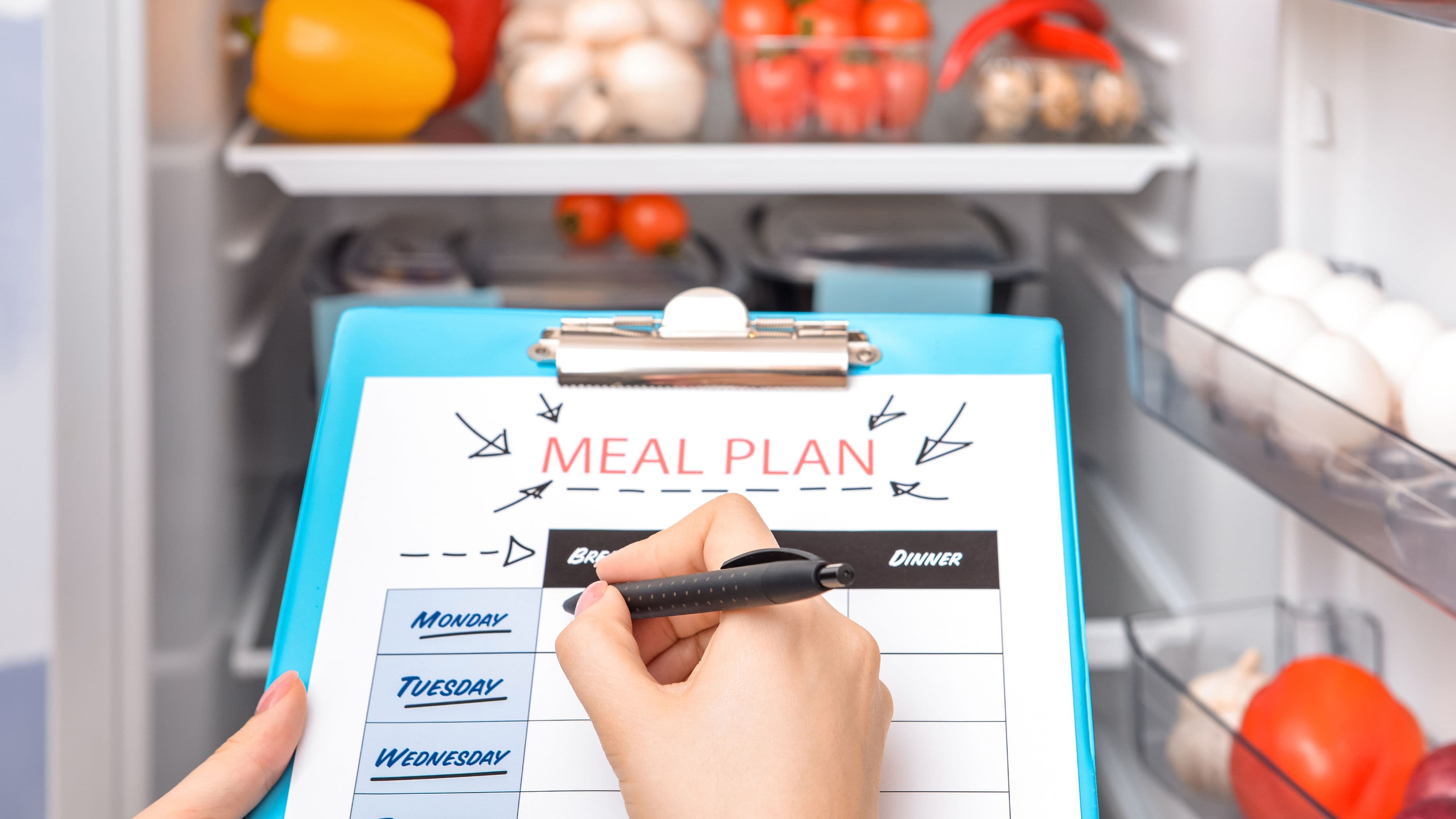
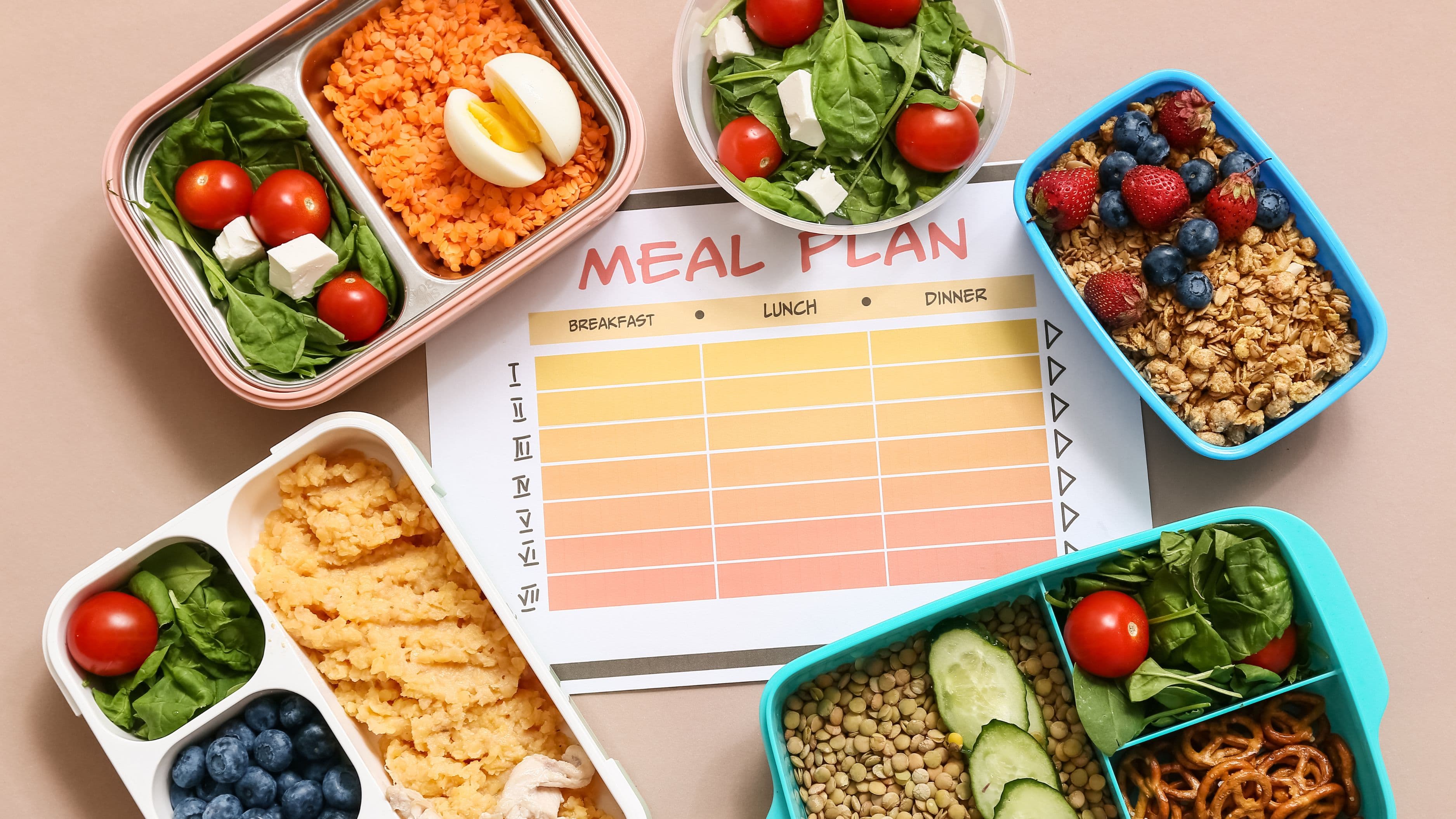
A good weekly meal plan doesn't just decide what you'll eat – it controls what you buy. When those two things are properly connected, you waste less, spend less, and actually cook more of what you planned. Here's a step-by-step system that works for real households, not just people with unlimited time and perfectly stocked pantries.
Step 1: Start With What You Already Have
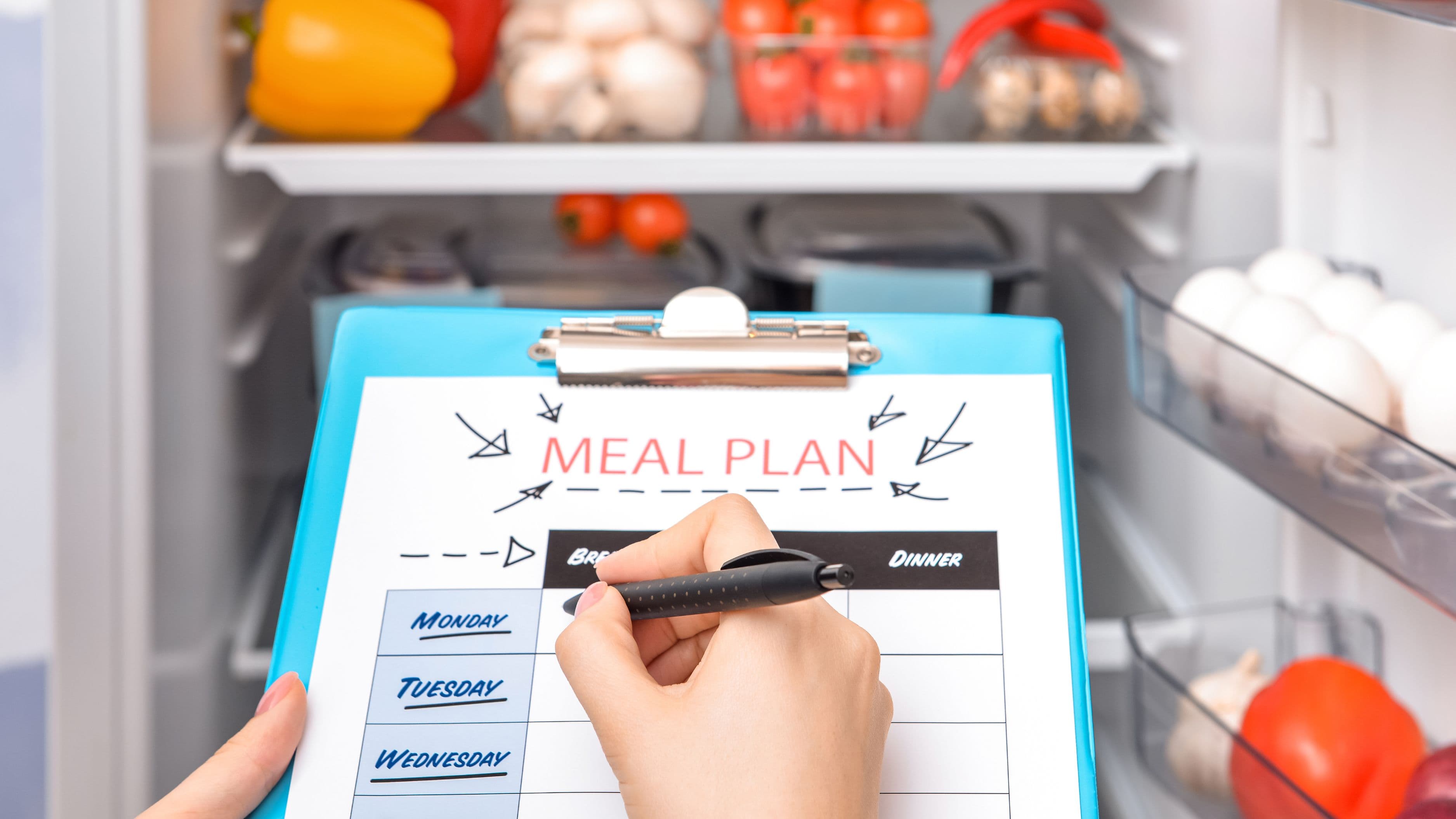
Before you plan a single meal, open the fridge, check the freezer, and take a quick inventory of the pantry. This sounds obvious but most people skip it and end up buying duplicates of things they already own, or buying ingredients for a recipe when they already have something else that needs to be used first.
Look for anything that's close to the end of its useful life – vegetables that are still good but won't be in three days, leftover cooked grains, an open can of beans or tomatoes, a sauce that's been sitting open for a week. These items should influence your early-week meals. Building your Monday and Tuesday dinners around what needs to get used is the single most effective way to reduce food waste without much effort. Once you know what you have, you're ready to plan around it rather than in spite of it.
Step 2: Decide How Many Meals You Actually Need
This is where most meal plans go wrong from the start. People plan seven dinners when realistically they'll cook five. They plan seven lunches when they'll eat out twice. Overplanning is just a more organized version of overbuying.
Be honest about your week. Look at what's coming up – which evenings are packed, which nights would you genuinely rather order in, which days will you eat out or at a friend's. Plan for what you'll actually cook, not the idealized version of your week. For most people, planning five dinners, leaving two evenings intentionally flexible, is far more achievable than a rigid seven-night plan. Leftover nights – where dinner is genuinely just yesterday's extra – should count as planned meals, not failures.
Lunches are easier to over-plan than dinners. If you're working from home or packing lunch, a better strategy is to make lunches come from dinner leftovers rather than planning them separately. This reduces the total number of distinct meals you need to plan and buy for, which shrinks the grocery list automatically.
Step 3: Build Your Meals Around Shared Ingredients
This is the core principle that separates a shopping-efficient meal plan from a random list of dishes. The goal is to choose meals that share ingredients – specifically perishable ingredients – so that nothing gets bought for one recipe and then forgotten.
In practice this means thinking in ingredient "clusters." If you're buying a bunch of fresh spinach, what are the two or three meals that can use it over the course of the week? Monday's pasta with spinach and garlic. Wednesday's scrambled eggs with spinach. Thursday's soup that happens to call for spinach. Now you've fully used the bunch without waste. If you were planning meals in isolation – pasta one day, a completely different salad another day – you might buy two separate greens for two separate dishes and use neither fully.
The same logic applies to proteins. If you're buying chicken thighs, can you roast a whole batch on Sunday and use them across two or three different meals? Roasted chicken over rice on Monday, shredded into tacos on Wednesday, added to a simple broth-based soup on Friday. One purchase, three dinners, minimal extra shopping. Fresh herbs are notoriously wasteful when bought for a single recipe – if you're buying a bunch of cilantro, make sure you have at least two or three recipes that need it that week.
Root vegetables, canned goods, and grains are more forgiving because they last longer, so they're less critical to cluster. Focus your ingredient-sharing strategy on fresh produce, herbs, and proteins – the things most likely to go bad before you use them.
Step 4: Write Your Shopping List From the Plan, Not Your Memory
Once the week's meals are roughly sketched out, write the shopping list by going through each meal and listing only what you need for it – cross-referencing what you already have from Step 1. This sounds methodical but it takes less time than it sounds like, and it's dramatically more accurate than trying to mentally reconstruct what you need while standing in the store.
Go through each meal one at a time: for this dish, what do I need? Do I already have it? If yes, don't write it. If no, add it to the list. When you're done, scan the list once for duplicates and for anything you need to scale – if three recipes call for garlic, write down how many bulbs total, not "garlic" three times.
Organize the list by section of the store – produce, proteins, dairy, pantry, and so on. This makes the actual shopping trip faster and reduces the chance you wander into sections you don't need and pick up things that weren't planned. It also makes it easier to spot if the list is getting too long for the number of meals you've planned.
A genuinely useful checkpoint: if your shopping list has more than 20–25 items for five or six dinners and a handful of lunches, you've probably overcomplicated the meal plan. Simpler recipes with overlapping ingredients will serve you better than elaborate dishes with long, unique ingredient lists.
Step 5: Plan the Week's Cooking Order Intentionally
The order in which you cook your planned meals matters almost as much as the plan itself. Knowing which meals to cook first prevents ingredients from aging past their best before you get to them.
As a general principle, cook the most perishable ingredients first. Fish and seafood typically last 1–2 days in the fridge, so a fish dish belongs early in the week. Ground meat and chicken should be cooked within 2–3 days of purchase unless frozen. Delicate greens like baby spinach, arugula, and fresh herbs degrade faster than heartier ones. Save dishes using dried pasta, canned goods, frozen items, or root vegetables for later in the week when the fresh stuff is used up.
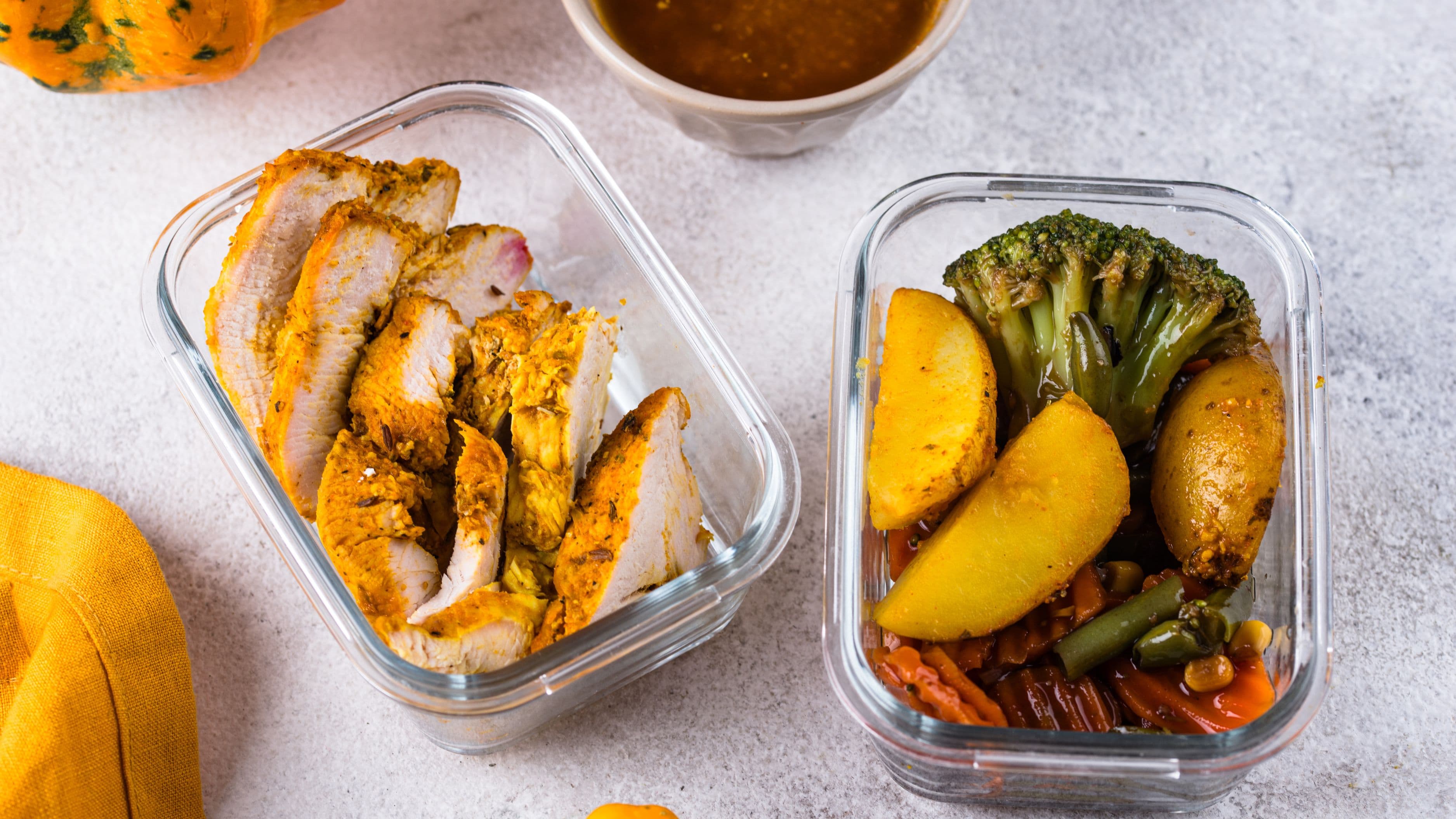
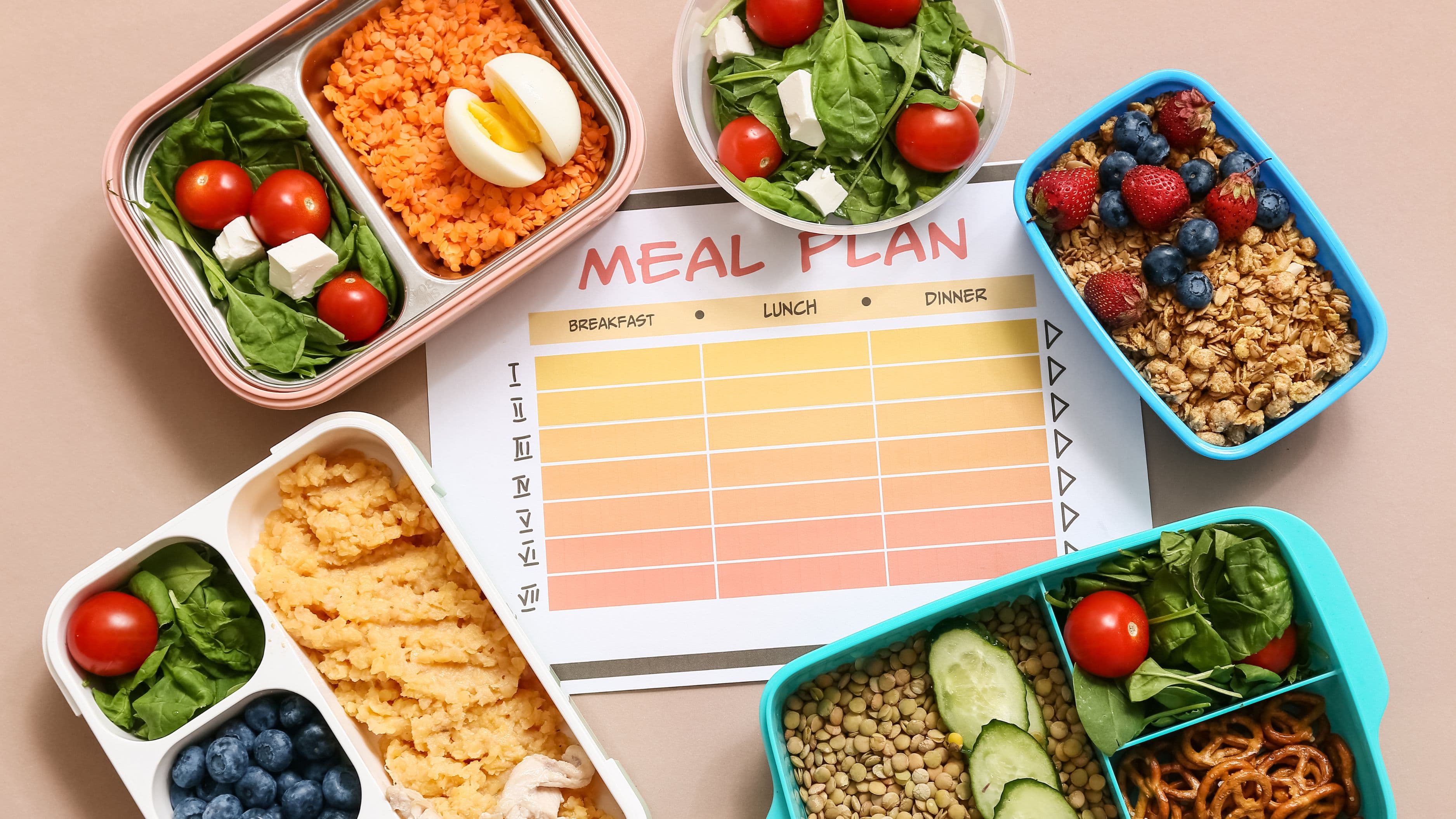
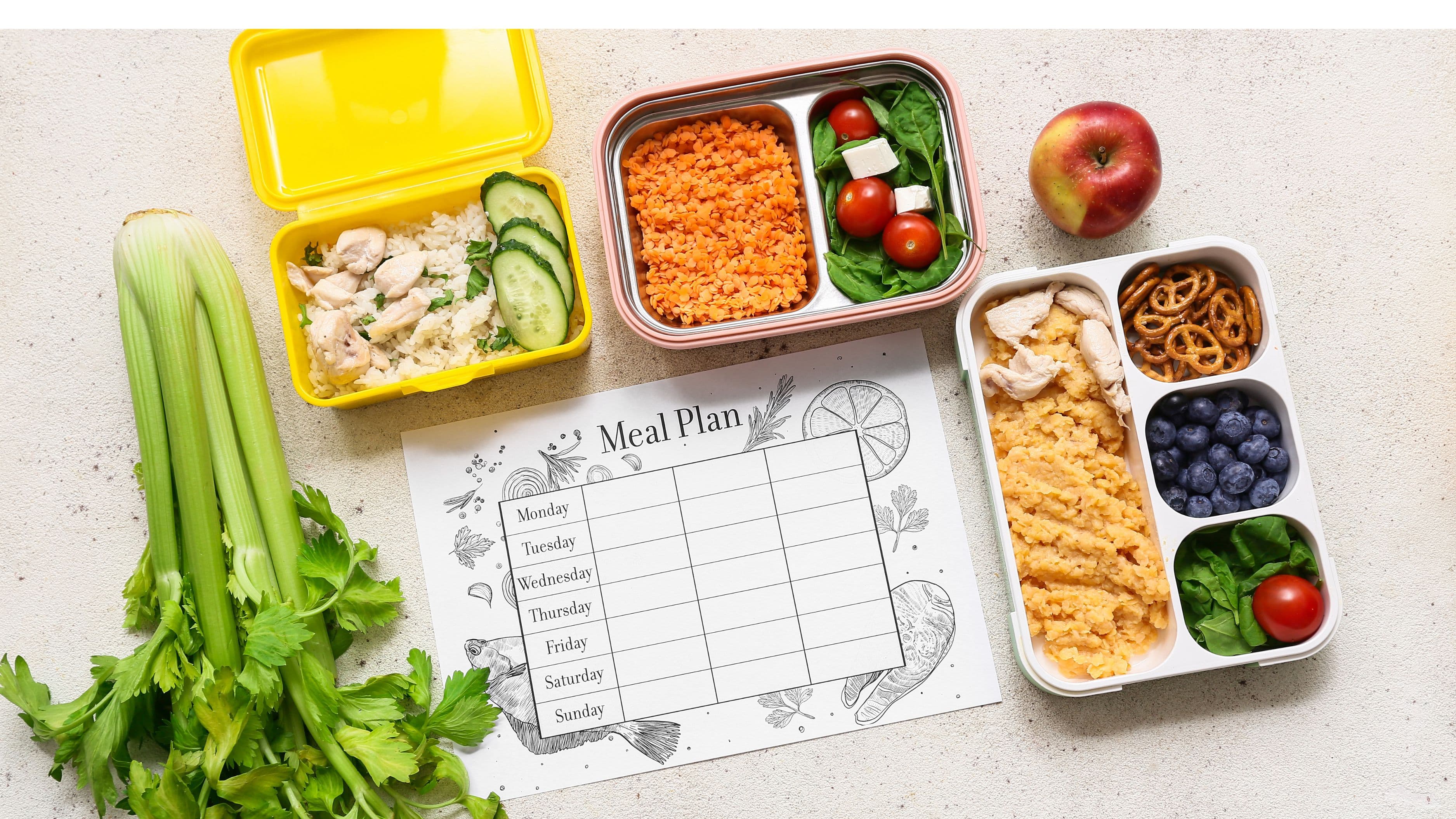
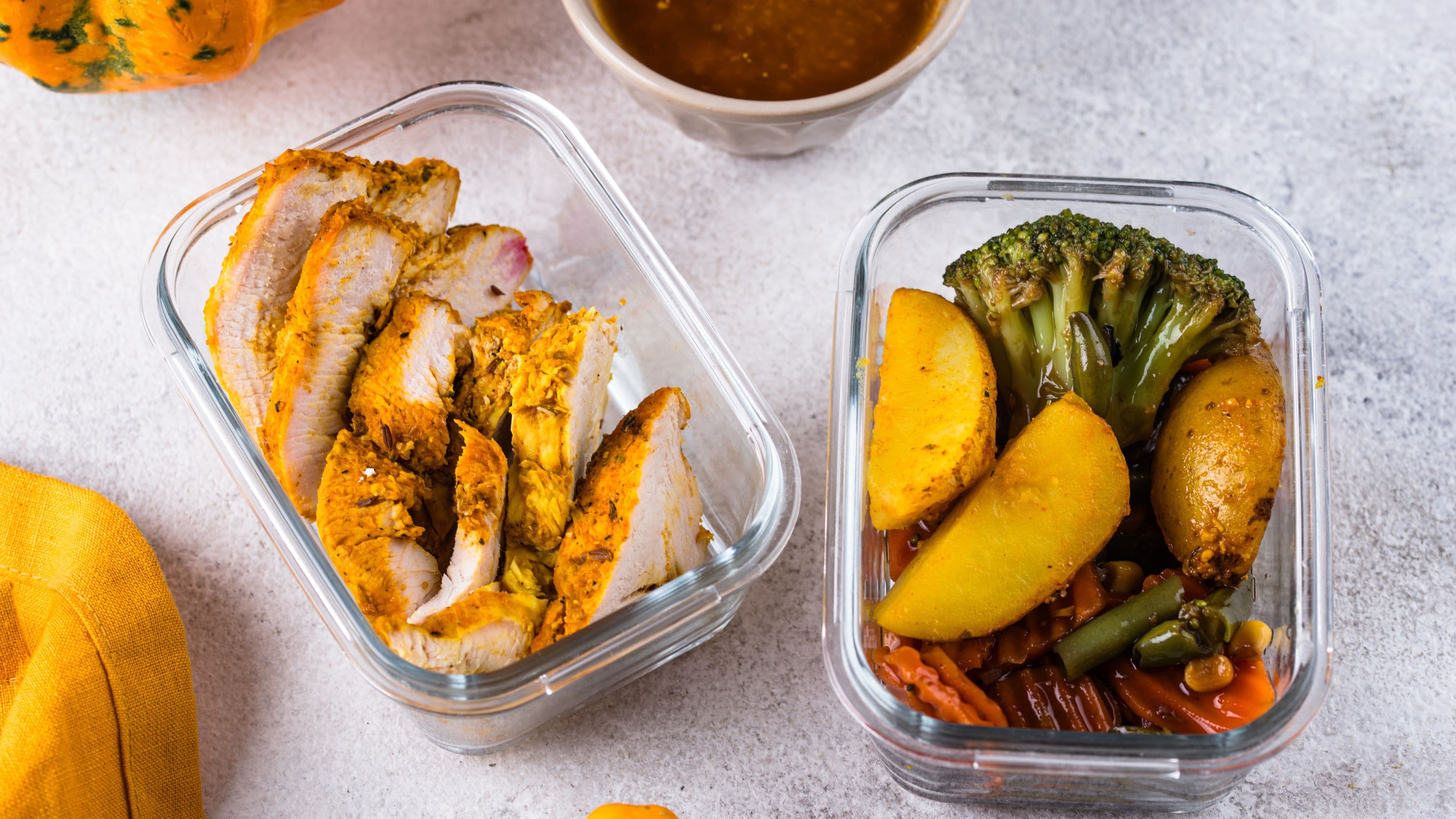
Sunday is a popular day for meal prep precisely because it sets the whole week up well. Roasting a tray of vegetables, cooking a batch of grains, marinating a protein, or making a pot of soup on Sunday means weeknight cooking is mostly just assembly. You don't need to spend hours on it – even 30–45 minutes of prep on Sunday makes the rest of the week significantly easier.
What a Realistic Weekly Plan Looks Like
To make this concrete, here's a simple example of a week built around shared ingredients for a household of two.
Shared perishables bought: chicken thighs, baby spinach, a block of feta, cherry tomatoes, a bunch of cilantro, one can of chickpeas, one lemon.
Monday: Roasted chicken thighs with cherry tomatoes and garlic, served over rice. (Uses chicken, cherry tomatoes)
Tuesday: Spinach and feta scrambled eggs for a quick dinner. (Uses spinach, feta)
Wednesday: Chicken and chickpea soup with lemon. (Uses leftover chicken, chickpeas, lemon)
Thursday: Simple pasta with remaining cherry tomatoes, spinach, and crumbled feta. (Uses remaining spinach, cherry tomatoes, feta)
Friday: Flexible – eat out, use up anything remaining, or a simple egg dish.
That's four planned dinners using one shopping trip, with very little expected waste because each perishable appears in two or three meals. Lunches come from leftovers. Pantry items – rice, pasta, dried herbs, olive oil, canned goods – are staples already on hand.
Time-Saving Tips That Actually Work
Keeping a pantry core stocked consistently means you're only ever shopping for fresh ingredients, not rebuilding from scratch each week. Dried pasta, canned tomatoes, canned beans, rice or other grains, olive oil, and a few dried spices should rarely need to be added to a weekly list. When they run out, replace them immediately rather than waiting for the shopping trip when you "really need them."
Batch-cooking one thing per week – a pot of grains, a sheet pan of vegetables, a simple protein – dramatically reduces weeknight cooking time without requiring elaborate meal prep sessions. Even cooking extra rice on Monday so it's ready to go for a stir-fry on Wednesday counts.
Shopping from a list while not hungry is genuinely one of the most effective ways to control overbying. The research on this is consistent – shopping hungry leads to more impulse purchases, particularly of things that don't fit the plan. Give yourself a reasonable amount of time at the store, but not so much time that browsing becomes buying.
Mistakes to Avoid
Planning too many different proteins in one week is one of the most reliable ways to end up with something spoiling. Two proteins per week – for example, chicken and eggs – is plenty for most meal plans. Three becomes hard to use fully unless quantities are very small.
Buying fresh herbs for one recipe and not using the rest is predictable and avoidable. Either plan multiple dishes using the herb, buy it in a small potted plant (which lasts weeks on a windowsill), or use dried herbs for dishes where it's not a featured ingredient.
Ignoring portion sizes when planning is another common mistake. If a recipe serves four and you're cooking for two, either plan to eat it twice or halve the recipe. Buying full-recipe quantities for a dish you'll only eat once as a couple means you're always buying more than you need.
Don't let the meal plan become rigid to the point of stress. The purpose is to reduce waste and save money, not to make eating feel like homework. If Tuesday's plan doesn't appeal to you on Tuesday, swap it with Thursday's. Built-in flexibility is a feature, not a failure.
FAQ
How long does it actually take to plan a week of meals? Once you have the habit, about 15–20 minutes per week. The first few times take longer as you work out your system. Using a notes app or a simple template that you update each week speeds things up significantly.
What if I don't cook every night? Then plan for that honestly. If you realistically cook three or four nights a week, plan three or four dinners and let the rest be leftover nights, simple fallback meals (eggs, pasta with pantry ingredients), or takeout. A plan that matches your real life is far more useful than one built around an aspirational version of it.
Is it worth meal planning if I live alone? Especially so. Single-person households tend to waste the most food per capita because standard recipes and grocery packaging are calibrated for families. Meal planning with intentional ingredient overlap is even more valuable when you're shopping for one, because it keeps quantities manageable and reduces the "half a cabbage sitting in the fridge" problem.
How do I handle it when a planned meal falls through? Have one or two fallback meals that you can always make from pantry staples – pasta with olive oil and tinned fish, eggs in any form, beans on toast. These aren't failures; they're part of a complete system. Knowing you can always feed yourself from the pantry removes the pressure to rigidly stick to every planned meal.
Should I use a meal planning app? Apps can help if you find the organizational side challenging, but they're not necessary. A notes app on your phone that holds a simple weekday-by-weekday list of meals and a shopping list below it works just as well. The value isn't in the tool – it's in the habit of planning before you shop.
Wrapping Up
Planning a week of meals without overbuying comes down to four connected habits: knowing what you already have, being honest about how many meals you'll actually cook, choosing dishes that share ingredients, and shopping from a list rather than from memory and impulse. None of these require cooking expertise or significant time investment. They just require doing them in the right order before you get to the store. Start small – plan three or four dinners with two or three shared ingredients, shop from that list, and adjust from there. The system gets faster and more natural every week you do it.
📚 Sources
Food waste at the household level – USDA Economic Research Service: https://www.ers.usda.gov/webdocs/publications/43833/43680_eib121.pdf
Meal planning and grocery shopping behavior – Harvard T.H. Chan School of Public Health – The Nutrition Source: https://www.hsph.harvard.edu/nutritionsource/meal-prep/
Food storage guidelines for safety and freshness – USDA FoodSafety.gov: https://www.foodsafety.gov/food-safety-charts/cold-food-storage-charts
Grocery shopping habits and impulse buying – Journal of Consumer Research summary via American Psychological Association: https://www.apa.org/news/press/releases/2013/11/shoppers-hungry