An Overview of Polish Home Cooking
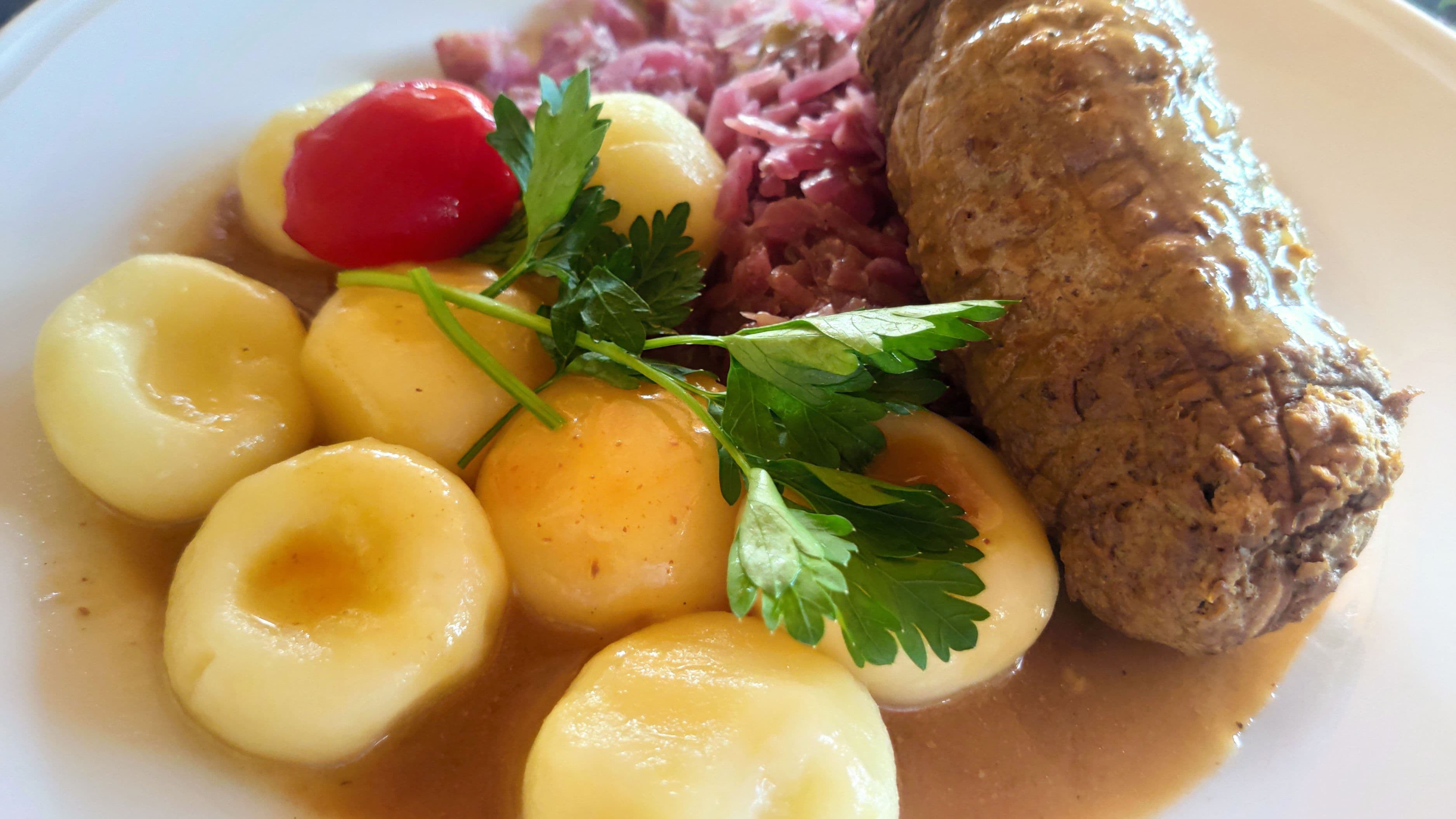
Polish cuisine developed around ingredients that store well through long winters, cabbage, potatoes, root vegetables, pork, and grains, which is part of why so many dishes carry a hearty, warming quality. Fermentation also plays a significant role, showing up in sauerkraut, pickled cucumbers, and fermented rye soup, techniques that were originally practical preservation methods but that also happen to build genuinely complex, tangy flavors into everyday cooking.
Meals traditionally center around a main dish accompanied by simple, well-prepared sides rather than elaborate multi-component plates, which makes the cuisine especially approachable for home cooks who want satisfying results without juggling too many components at once.
Key Ingredients That Define the Cuisine
Cabbage, both fresh and fermented as sauerkraut, appears constantly across Polish cooking, from stuffed cabbage rolls to hearty soups.
Potatoes serve as a foundational starch in countless dishes, boiled, mashed, or formed into dumplings.
Pork, particularly in the form of kielbasa sausage, shows up as a primary protein across much of the cuisine's savory dishes.
Sour cream, used generously as both a cooking ingredient and a finishing touch, adds richness and a gentle tang that balances heartier, more savory flavors.
Dill and caraway seed are the herbs and spices most closely associated with the cuisine's flavor profile, appearing in everything from soups to pickled vegetables.
Popular Dishes to Know
Pierogi, dumplings filled with combinations like potato and cheese, sauerkraut and mushroom, or minced meat, are probably the most internationally recognized Polish dish, and for good reason, they're satisfying, versatile, and genuinely approachable to make at home once you get comfortable with the dough.
Bigos, a slow-cooked hunter's stew combining sauerkraut, fresh cabbage, and various meats, develops deep flavor over hours of cooking and is traditionally considered to taste even better the day after it's made.
Żurek, a fermented rye soup often served with sausage and hard-boiled egg, offers a distinctly tangy flavor that surprises a lot of first-time tasters in a genuinely pleasant way.
Placki ziemniaczane, potato pancakes, are a simple, crispy comfort food often served with sour cream or applesauce.
How to Start Cooking Polish Food at Home
Pierogi are a natural starting point for home cooks new to Polish cuisine, since the technique, making a simple dough, filling it, and boiling or pan-frying, translates well to a variety of other dumpling traditions you may already be familiar with. Starting with a straightforward potato and cheese filling lets you focus on getting the dough technique right before experimenting with more involved fillings.
From there, a simple cabbage and sausage dish or a basic bigos gives you a feel for the slow-braising technique that defines a lot of the cuisine's heartier dishes, without requiring specialty ingredients beyond what's typically available at a well-stocked grocery store.
A Beginner-Friendly Pierogi Recipe
The recipe below focuses on a classic potato and cheese filling, a reliable starting point before branching into other traditional fillings.
Tips for Best Results
Don't overwork the pierogi dough once the water and egg are incorporated, since excessive kneading can make the dough tougher than the tender, slightly chewy texture traditional pierogi are known for. Let the dough rest, covered, for at least 20 minutes before rolling, which makes it noticeably easier to work with and helps prevent it from springing back as you cut and shape the dumplings.
If you're new to sealing dumplings, make sure the edges are completely free of filling before pinching them closed, since even a small amount of filling on the seam can prevent a tight seal and cause the pierogi to open while boiling.
Common Mistakes to Avoid
Avoid overfilling each pierogi, since too much filling makes sealing difficult and increases the odds of the dumpling splitting open during cooking. Also avoid boiling too many pierogi at once in a crowded pot, since this can cause them to stick together or to the bottom of the pot before they've had a chance to firm up.
Don't skip the resting step for the dough, even if you're short on time, since skipping it typically results in a dough that's noticeably harder to roll out evenly and more prone to tearing.
Frequently Asked Questions
Can I make pierogi ahead of time and freeze them? Yes, uncooked pierogi freeze well. Arrange them in a single layer on a tray until solid, then transfer to a freezer bag, and boil directly from frozen, adding a couple of extra minutes to the cooking time.
What's the difference between boiled and pan-fried pierogi? Boiling is the traditional first step, and many people then pan-fry the boiled pierogi briefly in butter for a crisp exterior, which is a common and highly recommended finishing touch rather than an either-or choice.
Is Polish food generally very spicy? No, Polish cuisine generally favors savory, tangy, and rich flavors over heat, relying more on herbs like dill and the natural tang of fermentation than on chili-based spice.
Polish home cooking rewards patience more than complicated technique, and once you've made a batch of pierogi from scratch, you'll likely find yourself drawn to explore the rest of the cuisine's comforting, satisfying repertoire.
📚 Sources
Polish Culinary Heritage Association, Traditional Cooking Methods – https://www.dziedzictwokulinarne.pl
BBC Good Food, Introduction to Polish Cuisine – https://www.bbcgoodfood.com