What Pomegranate Molasses Actually Is
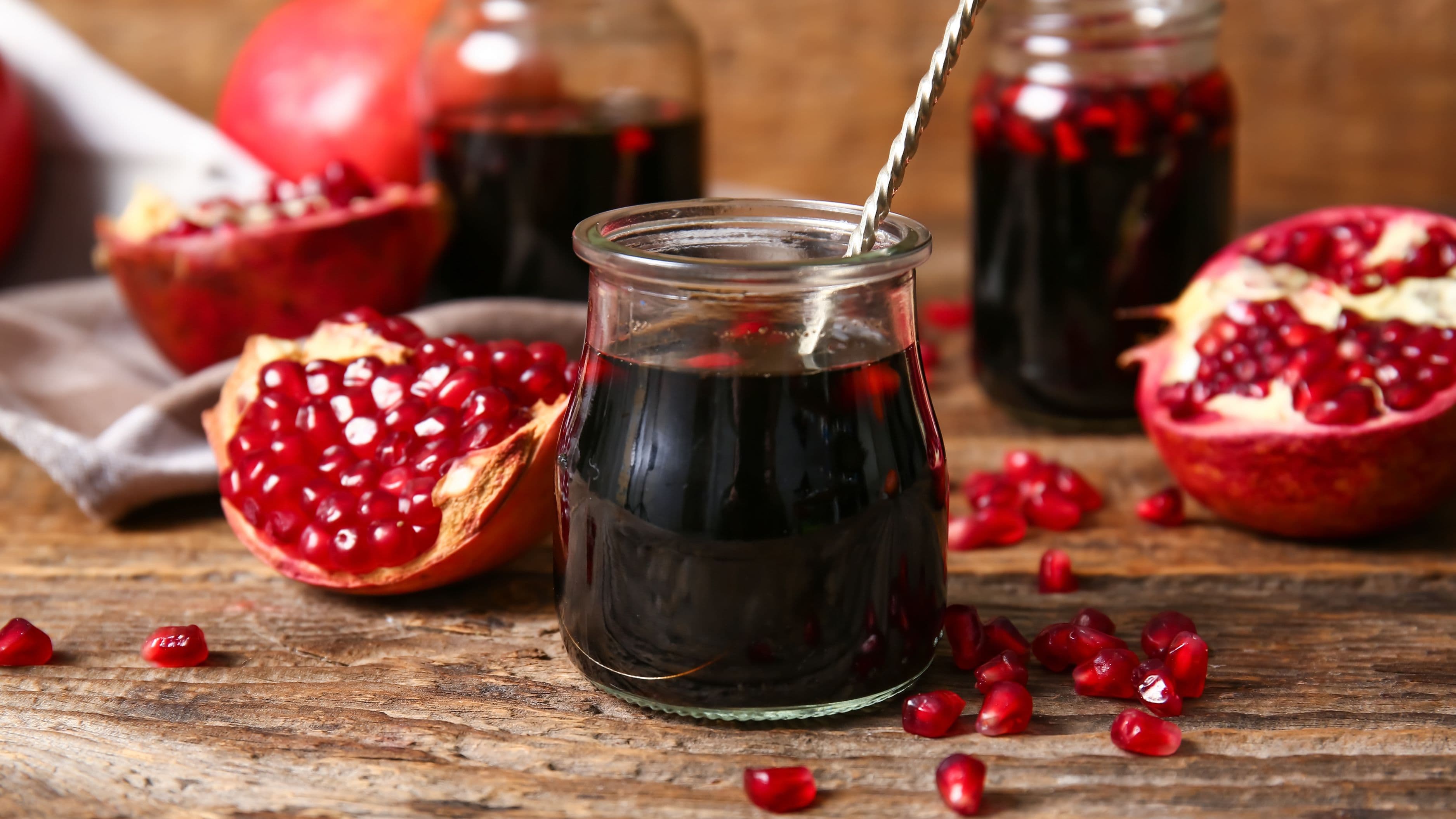
Despite the name, pomegranate molasses contains no actual molasses – it's simply pomegranate juice reduced slowly over low heat until it thickens into a syrupy, deeply concentrated liquid, sometimes with a touch of sugar and lemon juice added depending on the specific brand or recipe. The reduction process concentrates the fruit's natural tartness and sweetness into something far more intense than fresh pomegranate juice, with a flavor that's simultaneously sweet, sour, and slightly bitter in a way that's genuinely hard to replicate with any single substitute.
How to Choose a Good Bottle
Look for a short ingredient list – ideally just pomegranate juice, and possibly a small amount of sugar and lemon juice – and be wary of versions with corn syrup or artificial flavoring listed high up, since these tend to taste noticeably flatter and less complex than a quality version made primarily from real pomegranate juice. The syrup should be thick enough to coat a spoon and pour slowly, similar in consistency to a good balsamic reduction, rather than thin and watery.
How to Store It
Pomegranate molasses keeps well at room temperature in a cool, dark pantry for several months once opened, though refrigeration after opening extends its shelf life further and is worth doing if you don't use it frequently enough to go through a bottle within a few months. It doesn't spoil quickly given its concentrated sugar content, but flavor can dull gradually over very long storage, so using an opened bottle within about a year is a reasonable general guideline.
Everyday Ways to Use It
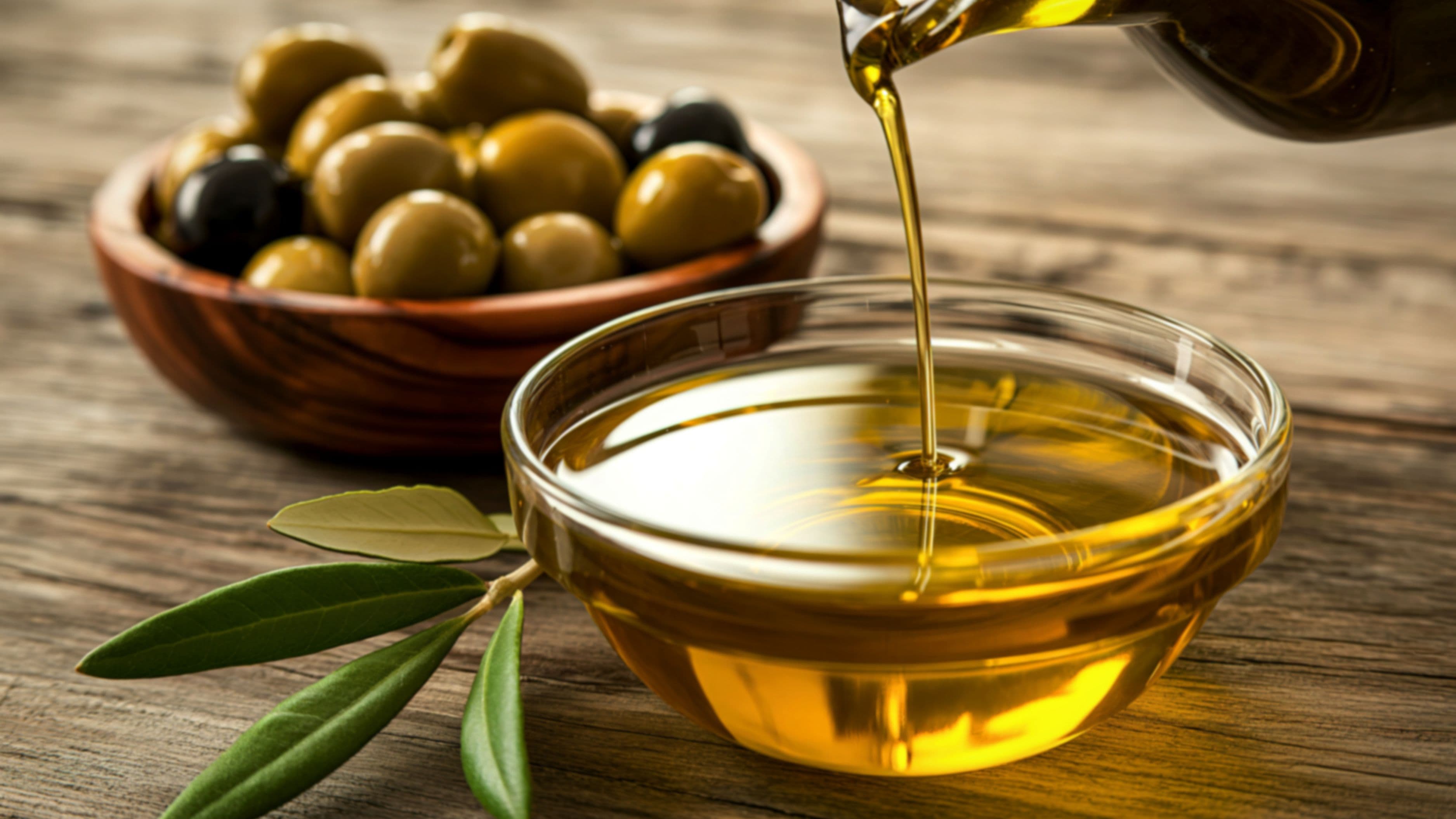
In salad dressings: whisk a tablespoon of pomegranate molasses with olive oil, a touch of garlic, and a pinch of salt for a simple vinaigrette that adds real depth to a basic green salad without needing much else. The tartness works particularly well against bitter greens like arugula or radicchio, balancing their sharpness nicely.
As a glaze for roasted vegetables: brush a thin layer over roasted carrots, eggplant, or squash during the last few minutes of roasting, letting the sugars caramelize slightly under the heat. The result is a subtly sweet, tangy finish that elevates simply roasted vegetables without requiring any additional ingredients.
In marinades for meat: combine pomegranate molasses with olive oil, garlic, and a bit of cumin as a marinade base for chicken, lamb, or salmon. The natural sugars help create a nicely caramelized exterior when cooked, while the tartness balances richer, fattier cuts particularly well.
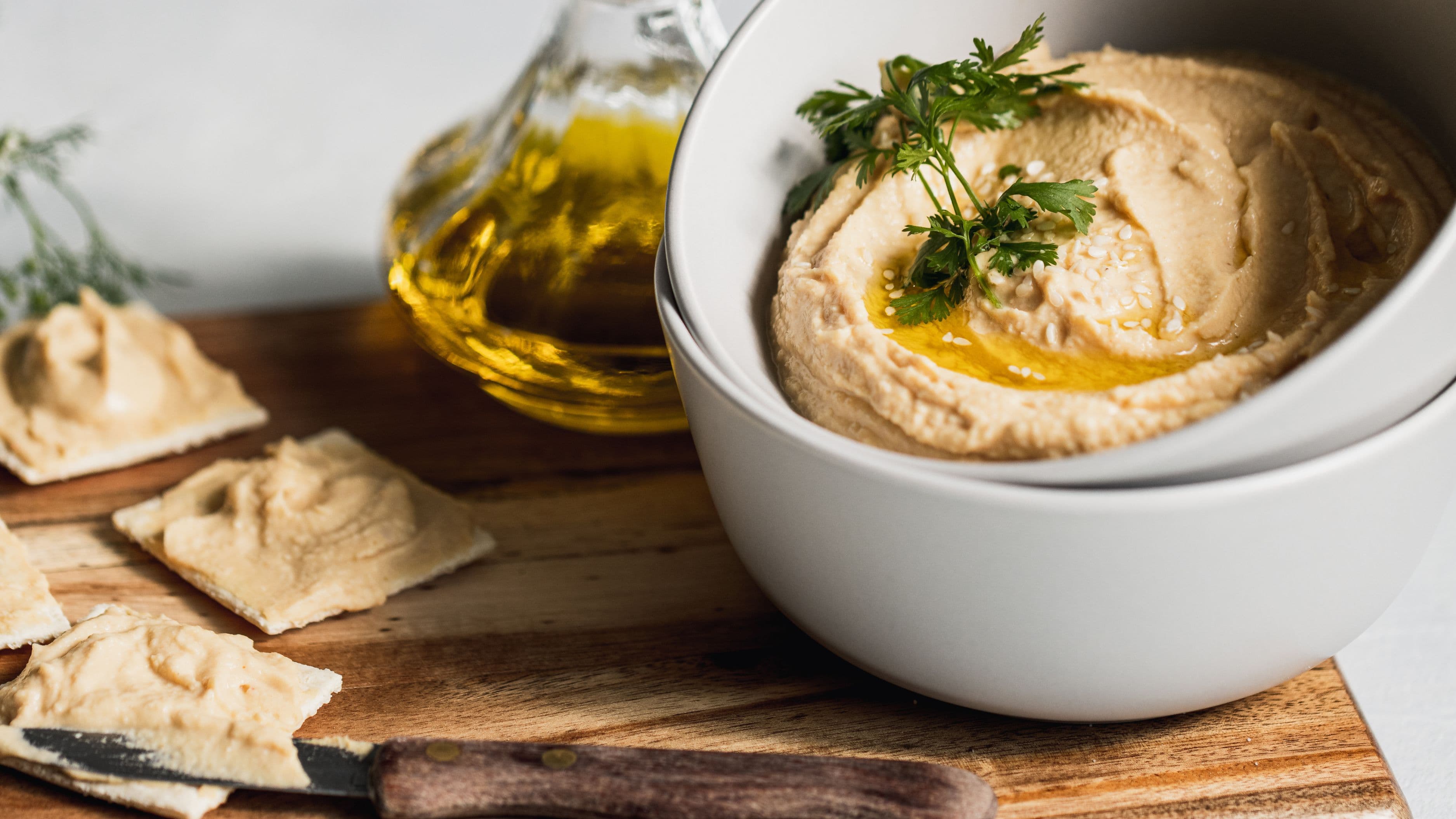
Stirred into yogurt or hummus: a small drizzle swirled into plain yogurt or over a bowl of hummus adds a bright, tangy contrast that's simple enough for an everyday snack but tastes genuinely elevated. This is one of the fastest ways to use the ingredient without any real cooking involved at all.
In a simple pan sauce: after searing meat or vegetables, deglaze the pan with a splash of pomegranate molasses thinned with a bit of water or stock, scraping up the browned bits for a quick sauce with real depth in just a couple of minutes.
Drizzled over roasted or fresh fruit: a light drizzle over roasted figs, fresh melon, or a citrus salad adds a tart complexity that plays nicely against naturally sweet fruit, particularly useful for a simple, quick dessert that doesn't require actual baking.
How Much to Use
Given its concentrated intensity, start with smaller amounts than you might expect – a tablespoon or two is often enough to transform a dressing, marinade, or glaze, and it's easy to add more if you want a stronger presence, but hard to correct if you've added too much upfront. Taste as you go, particularly the first few times you cook with it, until you get a feel for how strongly its flavor comes through in a specific dish.
Substitutes If You Don't Have Any On Hand
A mixture of balsamic vinegar reduced slightly with a touch of honey can approximate some of the sweet-tart balance, though it won't replicate pomegranate molasses's distinctive fruity depth exactly. Tamarind concentrate, if you have it, offers a similarly tangy, complex profile, though with a different underlying flavor character that changes the dish somewhat rather than serving as an exact substitute.
What to Avoid
Avoid using pomegranate molasses in place of regular molasses or maple syrup in baking recipes that call for those specific ingredients, since the flavor profile and sugar behavior are meaningfully different and won't produce the intended result. Be careful not to over-reduce a pan sauce made with pomegranate molasses over high heat, since its high sugar content can burn and turn bitter quickly if left unattended for too long.
FAQ
Is pomegranate molasses the same as pomegranate syrup used in cocktails (grenadine)? No – grenadine is typically much sweeter and thinner, often made with added sugar and sometimes artificial flavoring, while pomegranate molasses is more concentrated, tart, and complex, intended primarily for savory cooking rather than drink mixing.
Can I make pomegranate molasses at home? Yes, by simmering pure pomegranate juice slowly over low heat, sometimes with a touch of sugar and lemon juice, until it reduces to a thick, syrupy consistency, though this takes patience and careful attention to avoid scorching as it thickens.
Does pomegranate molasses need to be cooked, or can it be used raw? It can be used both ways – raw in dressings, drizzles, and dips, or cooked into glazes, marinades, and pan sauces, since it's already a fully processed, shelf-stable ingredient by the time you buy or make it.
Once you've got a bottle of good pomegranate molasses in your pantry, it becomes one of those ingredients that quietly upgrades simple, everyday dishes with very little effort – a drizzle here, a glaze there, and dishes that would otherwise be perfectly fine start tasting genuinely more interesting.
📚 Sources
Serious Eats: What Is Pomegranate Molasses and How to Use It – https://www.seriouseats.com/
The Spruce Eats: Pomegranate Molasses Guide – https://www.thespruceeats.com/
Epicurious: Cooking With Pomegranate Molasses – https://www.epicurious.com/