If you've never cooked or eaten much Portuguese food, this is a great moment to start. The dishes are honest, unpretentious, and most of them are very doable at home.
A Quick Overview of the Cuisine
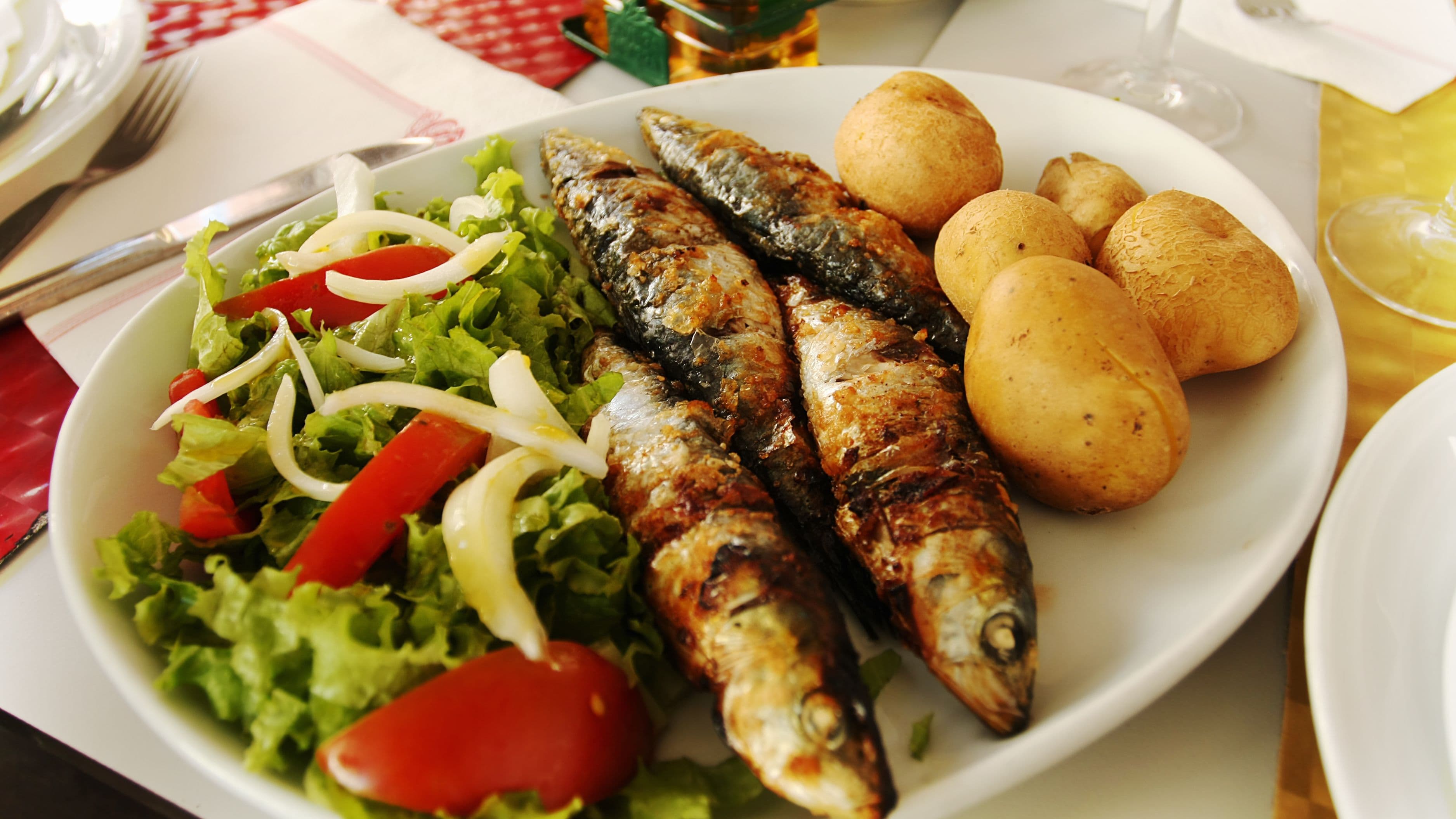
Portugal sits at the western edge of Europe, and its food reflects that geography. The Atlantic Ocean has been central to Portuguese life for centuries – salt cod (bacalhau) is practically the national ingredient, and seafood in general plays a starring role. The interior is more meat-forward, built around pork, lamb, and hearty legume stews. The country's history as a major maritime power in the 15th and 16th centuries brought back spices, ingredients, and techniques from Africa, Brazil, India, and beyond – which is why Portuguese food has warming spice notes and citrus brightness that you don't always find in other European cuisines.
The overall style of cooking is straightforward and ingredient-focused. You won't find elaborate sauces or complicated techniques in most traditional Portuguese dishes. Garlic, olive oil, bay leaves, parsley, and piri piri (a small, hot chili pepper) appear constantly. The focus is on developing deep flavor through slow cooking, good-quality base ingredients, and seasoning with confidence.
The Key Ingredients to Know
Before exploring the dishes, it helps to understand a few ingredients that appear again and again in Portuguese cooking.
Bacalhau (dried salted cod) is the cornerstone of Portuguese cuisine. The Portuguese say there are 365 ways to cook it – one for every day of the year – and while that might be a slight exaggeration, the variety of bacalhau dishes is genuinely vast. You need to soak it in cold water for 24 to 48 hours before cooking to remove most of the salt and rehydrate the fish. Once rehydrated, it has a firm, meaty texture and a flavor that's mild enough to pair with strong companions like garlic, cream, and egg.
Linguiça and chouriço are Portuguese smoked sausages that provide smoky, paprika-rich depth to stews and soups. They're similar to Spanish chorizo but distinct in seasoning and texture. Both are widely available in international grocery stores and online.
Piri piri is a small African bird's eye chili that became central to Portuguese cooking through trade routes. It's the base for the famous piri piri sauce used on grilled chicken, and it adds heat without overwhelming everything else in the dish.
Olive oil is used generously in Portuguese cooking, both for cooking and as a finishing element. Quality matters here – a good Portuguese or Spanish extra-virgin olive oil makes a noticeable difference.
The Dishes Worth Starting With
Bacalhau à Brás
This is one of the most beloved bacalhau preparations and one of the best entry points into Portuguese cooking at home. Rehydrated salt cod is shredded and cooked with thin-cut fried potatoes, caramelized onions, garlic, and olive oil, then bound together with lightly scrambled eggs. The result is rich, savory, and deeply satisfying – closer to a hearty scrambled egg dish than what you might imagine from a cod recipe. It's garnished with olives and fresh parsley, which cut through the richness beautifully. The technique is easy; the timing is the most important thing, since the eggs need to stay just barely set.
Caldo Verde
Caldo verde is Portugal's most famous soup and arguably the simplest dish on this list. It's built from a base of potatoes and onion simmered in good chicken broth until soft, then blended smooth and combined with very thinly sliced collard greens (or kale) and rounds of chouriço. That's essentially it. The magic is in the contrast between the silky potato broth and the slightly chewy, earthy greens, with the smoky sausage adding pops of flavor throughout. A drizzle of olive oil to finish is traditional and genuinely makes it better. It's the kind of soup that tastes like it took hours but comes together in under 45 minutes.
Frango Piri Piri (Piri Piri Chicken)
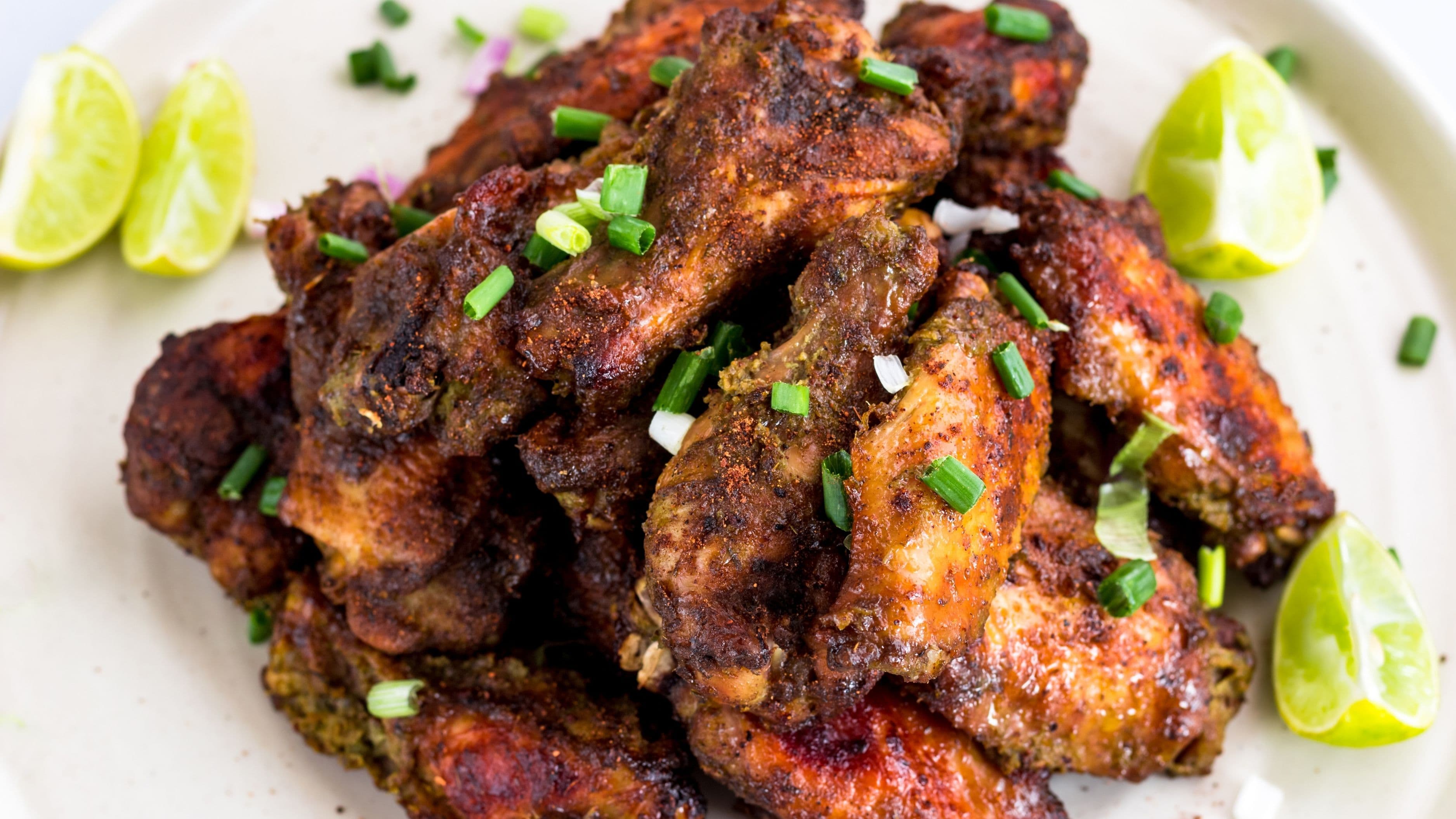
This might be the most globally recognizable Portuguese dish, and it lives up to the reputation when done properly. Chicken – typically spatchcocked so it cooks flat and evenly – is marinated and basted with a sauce made from piri piri chilis, garlic, lemon, olive oil, and herbs, then grilled or roasted until the skin is deeply charred and the meat is juicy. The heat level is adjustable depending on how many chilis you use; the sauce itself is what makes it special, not just the fire. Homemade piri piri sauce is significantly better than jarred versions, and it comes together in a blender in minutes. If you can't find fresh piri piri or bird's eye chilies, substituting with a combination of dried chili flakes and a small amount of fresh red chili gets you close.
Pastéis de Nata (Portuguese Custard Tarts)
These are the thing. Small, flaky pastry cups filled with a creamy custard that gets slightly scorched and caramelized on top during baking at very high heat – that's the whole dish, and it's extraordinary. The original recipe from Lisbon's Fábrica de Pastéis de Belém is a closely guarded secret, but home versions that use puff pastry and a custard made from egg yolks, cream, sugar, and a little cinnamon and lemon zest get remarkably close to the real thing. The key is baking at a very high temperature (240°C / 465°F or higher) for a short time so the tops genuinely char while the custard stays just set. They're best eaten warm, about five minutes out of the oven, with a dusting of cinnamon.
Cataplana de Marisco (Seafood Cataplana)
A cataplana is both a dish and the copper, clam-shaped cooking vessel it's named after. The idea is a sealed pot where shrimp, clams, mussels, and sometimes fish are cooked together with white wine, garlic, onion, tomatoes, and herbs in a steamy, concentrated broth. The result is a fragrant, deeply flavored seafood stew that requires relatively little effort for the impact it delivers. You don't need an actual cataplana pot – a wide, lidded sauté pan or a deep skillet with a tight lid works fine at home. The cooking time is short because seafood cooks quickly; the prep and building of the base is where the time goes, and it's mostly chopping and stirring.
Açorda Alentejana (Bread Soup from Alentejo)
This dish is less well-known internationally but worth knowing because it captures something essential about how Portuguese cooking approaches humble ingredients. Açorda is a rustic bread soup from the Alentejo region, made by pouring hot liquid over torn pieces of stale bread until they absorb and soften into something between a soup and a porridge. The base is made with plenty of garlic and fresh cilantro pounded with olive oil (the cilantro distinguishes it from similar dishes in other regions), combined with hot water or broth, then finished with poached eggs on top. It's comfort food in the most fundamental sense – built from almost nothing and deeply satisfying.
How to Start Cooking Portuguese Food at Home
The best starting point is caldo verde and pastéis de nata – the soup because it requires no special ingredients or techniques, and the custard tarts because they'll immediately show you what makes Portuguese baking special.
If you want to cook with bacalhau, find it at a Portuguese or Brazilian grocery store, a fishmonger that stocks preserved fish, or online. Start soaking it 48 hours before you plan to cook to ensure it's fully rehydrated and the salt level is where you want it. Taste the fish after 24 hours – if it's still very salty, keep soaking and change the water.
For piri piri chicken, making the sauce from scratch rather than buying a jar is worth the extra five minutes. The freshness makes a real difference.
Most Portuguese recipes are forgiving with quantities. If a recipe calls for 4 cloves of garlic and you want 6, it will be fine. If your linguiça is hard to find and you substitute with a smoked Spanish chorizo, the dish will still taste good. The cuisine rewards flexibility and confidence more than exactness.
FAQ
Is Portuguese food spicy? Portuguese food is generally not very spicy by default. Piri piri dishes can be as hot as you choose to make them, but most traditional Portuguese recipes are savory and warmly seasoned rather than aggressively spicy. Even dishes that include chili tend to use it for background warmth rather than front-and-center heat.
Where do I find bacalhau outside Portugal? Dried salted cod is available at Portuguese, Brazilian, Spanish, and West Indian grocery stores in most major cities. Some well-stocked fishmongers carry it, and it's available from specialty online retailers. It keeps for a very long time before soaking, so buying a larger amount when you find it is practical.
Can I use regular cod instead of bacalhau? You can, but the texture and flavor are different enough that the dish will taste quite different. Fresh or frozen cod doesn't have the firm, slightly chewy texture that bacalhau develops through the salting and drying process, and it lacks the depth of flavor. If you genuinely can't source bacalhau, fresh cod works as a functional substitute in dishes like bacalhau à brás, but know that you're making something different rather than an approximation of the original.
What wine pairs well with Portuguese food? Portuguese wines are some of the best values in the wine world and pair naturally with the food. Vinho Verde is a light, slightly effervescent white wine that works beautifully with seafood dishes and lighter preparations. Alentejo reds are fuller-bodied and pair well with meat dishes and heartier stews. Port, Portugal's famous fortified wine, is the traditional companion to desserts, particularly cheese and cured meats at the end of a meal.
What's the difference between Portuguese chouriço and Spanish chorizo? Both are smoked pork sausages seasoned with paprika and garlic, but Portuguese chouriço is typically more heavily smoked and slightly different in texture – often moister and softer than the firmer, dried Spanish variety. They're interchangeable in most recipes, and either will work in caldo verde or other stews.
📚 Sources
Leite's Culinaria – Authentic Portuguese Recipes and Techniques: https://leitesculinaria.com/tag/portuguese
Food52 – Bacalhau à Brás Recipe and Guide: https://food52.com/recipes/78249-bacalhau-a-bras
Serious Eats – The Complete Guide to Salt Cod: https://www.seriouseats.com/salt-cod-guide
BBC Good Food – Caldo Verde (Portuguese Soup) Recipe: https://www.bbcgoodfood.com/recipes/caldo-verde
The Spruce Eats – Piri Piri Chicken Recipe: https://www.thespruceeats.com/piri-piri-chicken-recipe-4775777
Saveur – Pastéis de Nata: Portuguese Custard Tarts: https://www.saveur.com/article/recipes/custard-tarts
NYT Cooking – Cataplana de Marisco (Portuguese Seafood Stew): https://cooking.nytimes.com/recipes/1020754-portuguese-seafood-stew
Portugal's Tourism Board – Introduction to Portuguese Cuisine: https://www.visitportugal.com/en/content/gastronomy
Bon Appétit – Why Portuguese Food Is Having a Moment: https://www.bonappetit.com/story/portuguese-food-restaurants
Wine Enthusiast – Guide to Portuguese Wines: https://www.winemag.com/region/portugal/