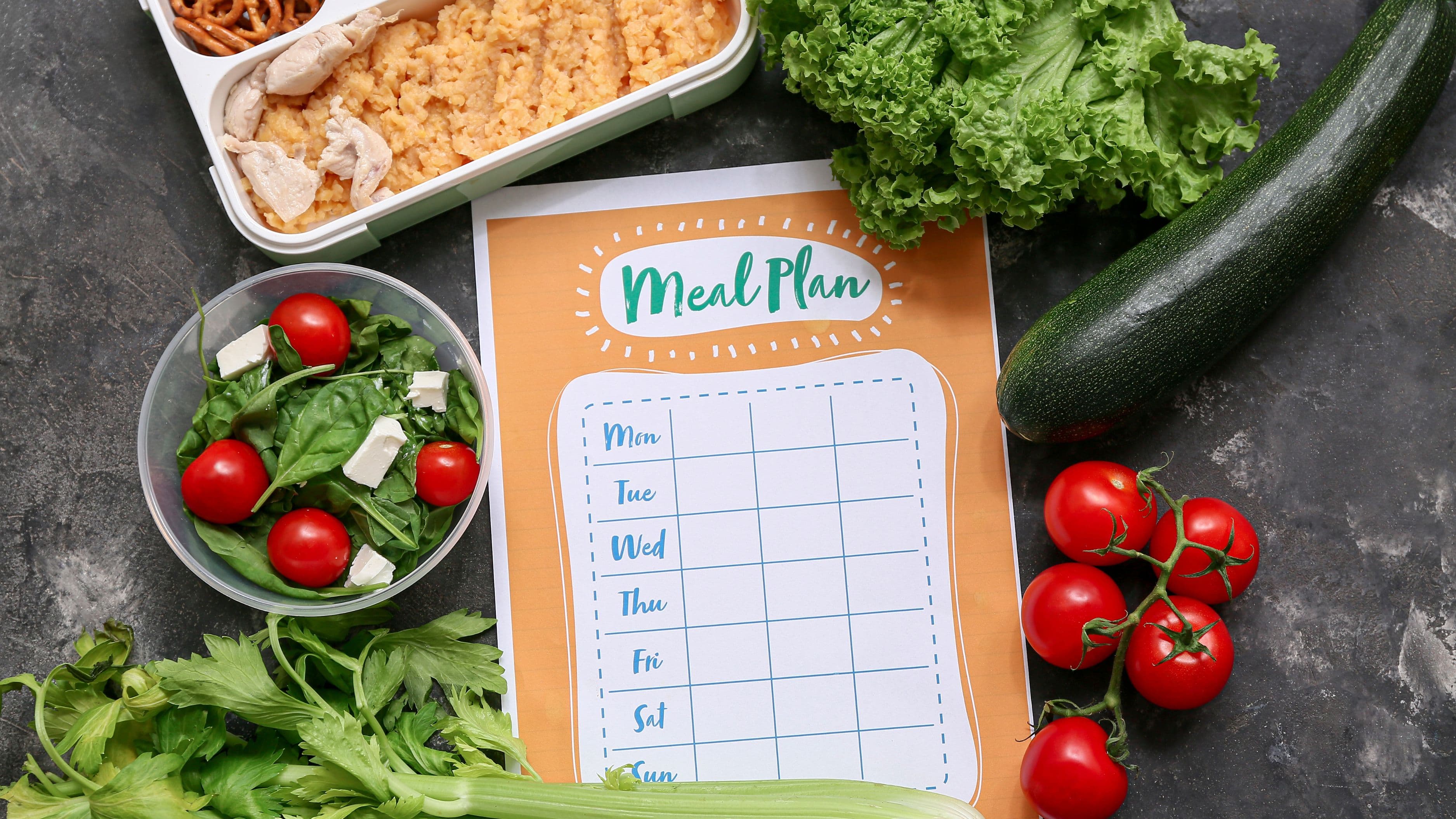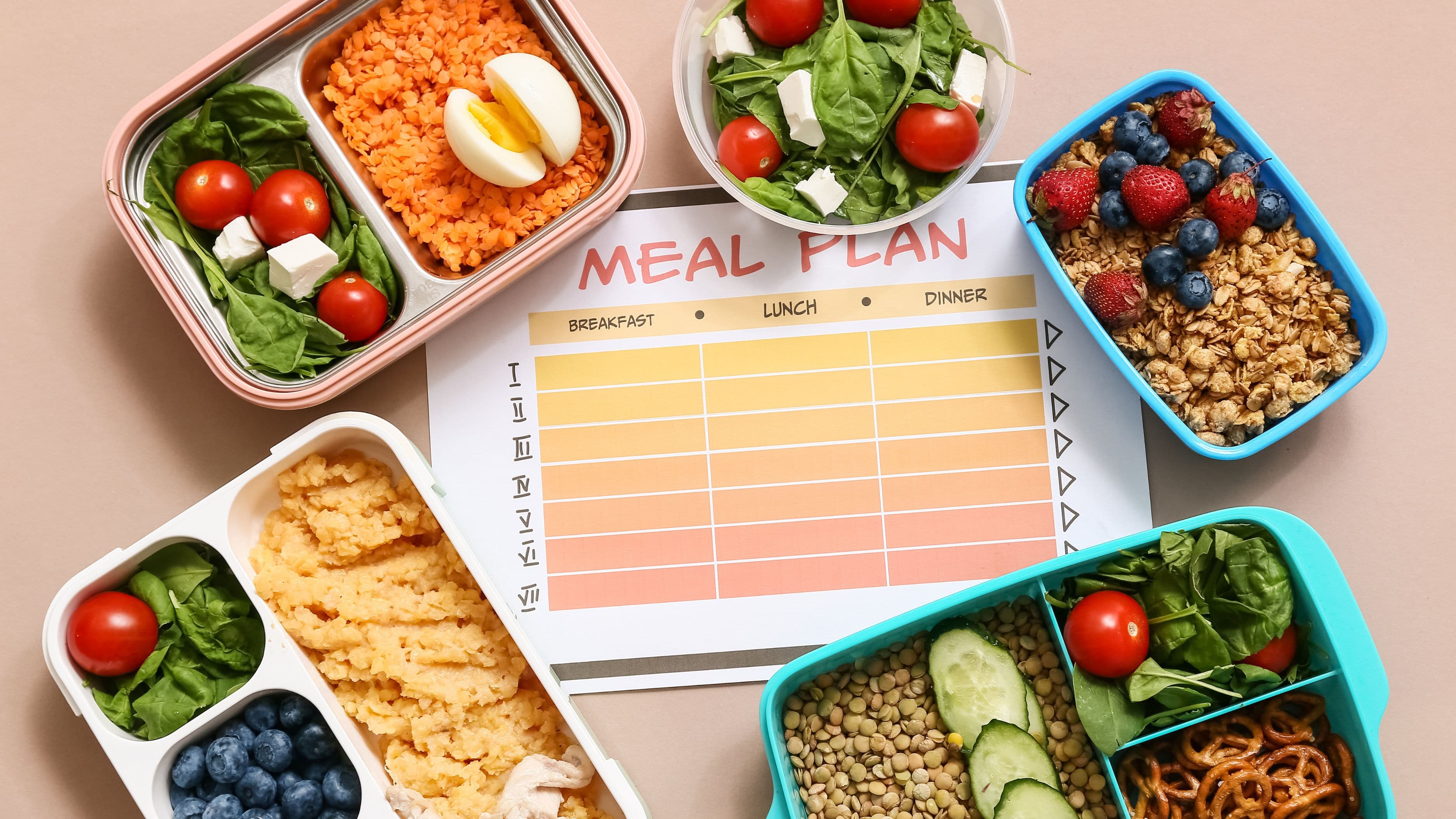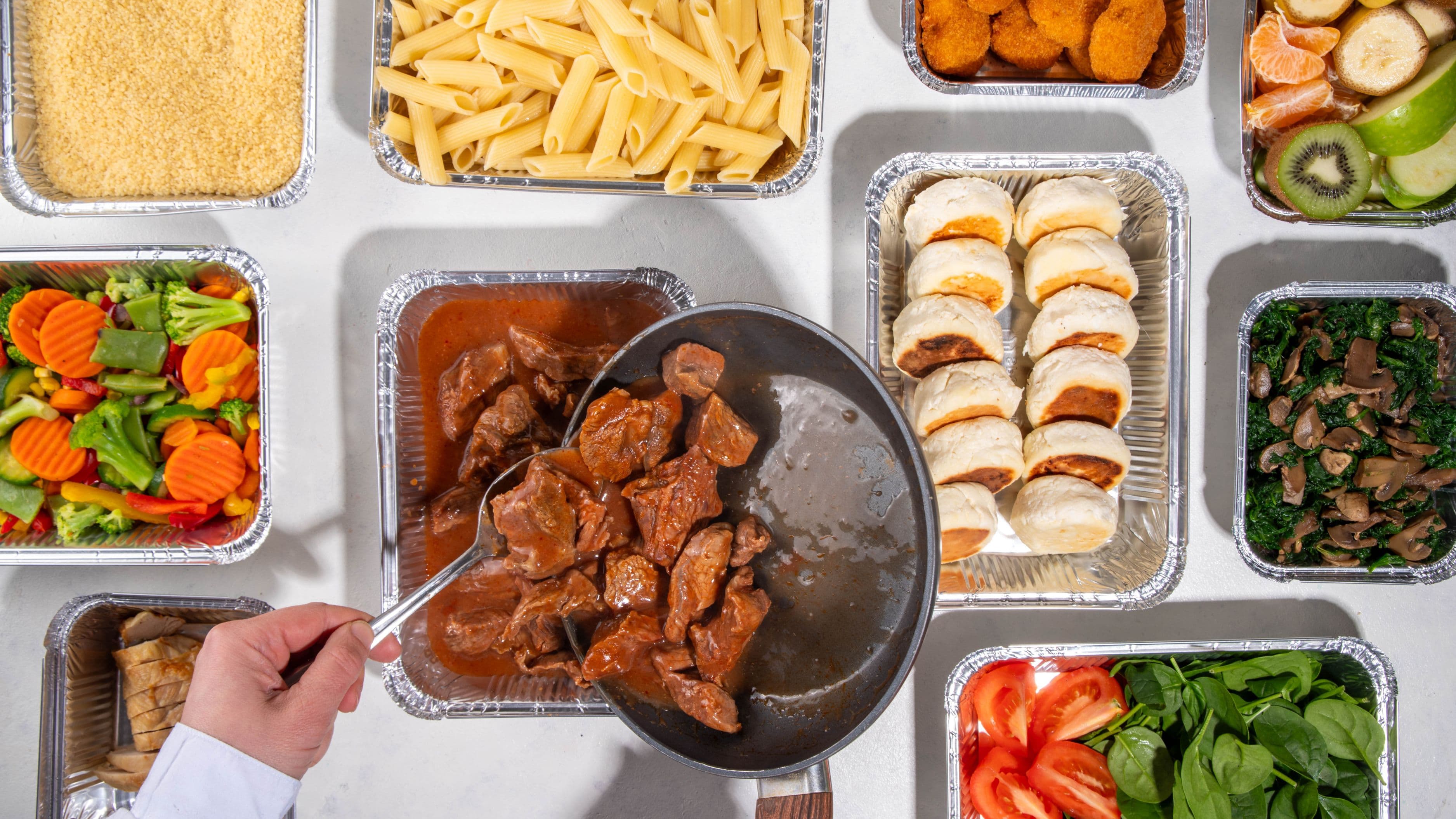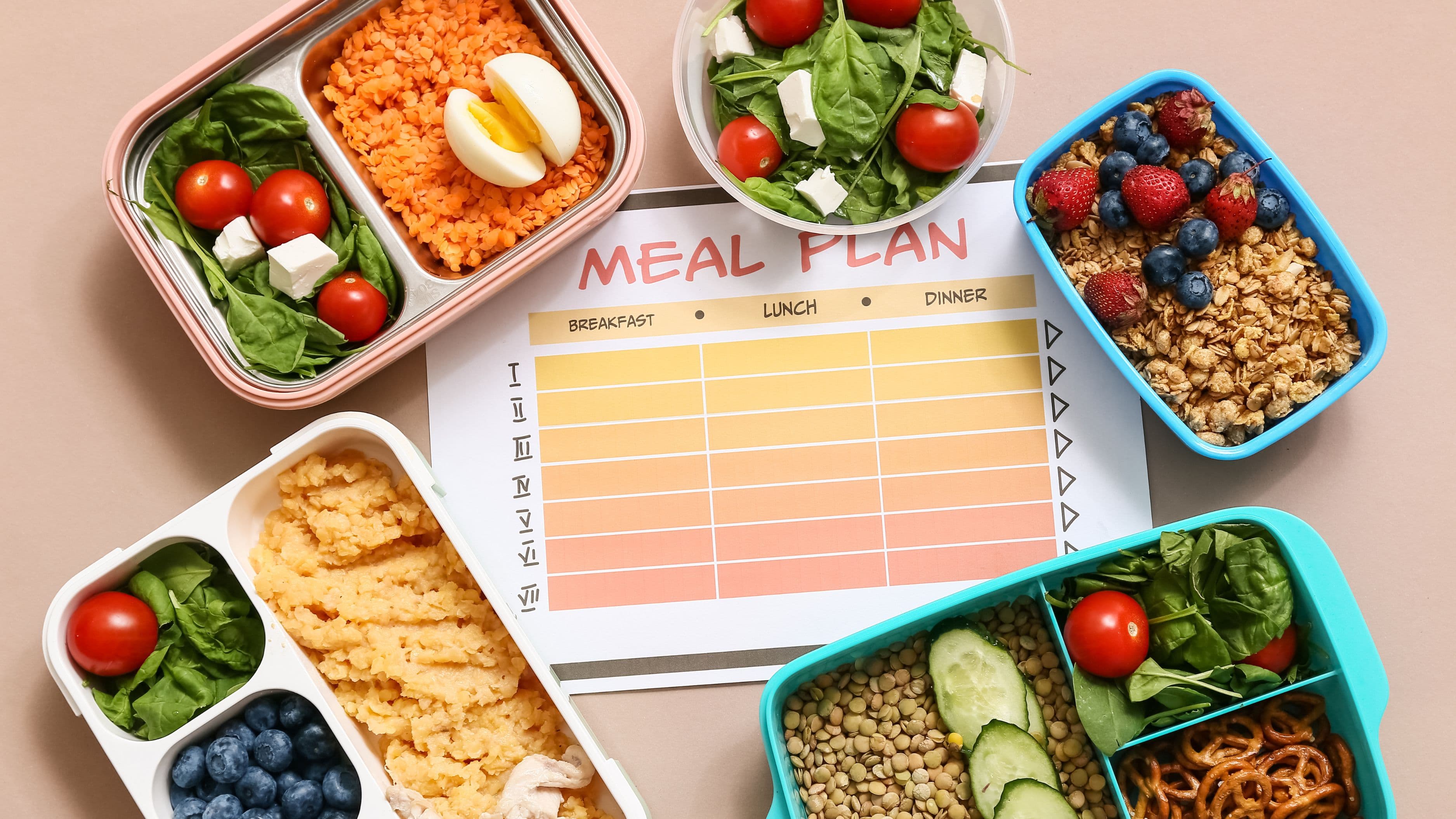
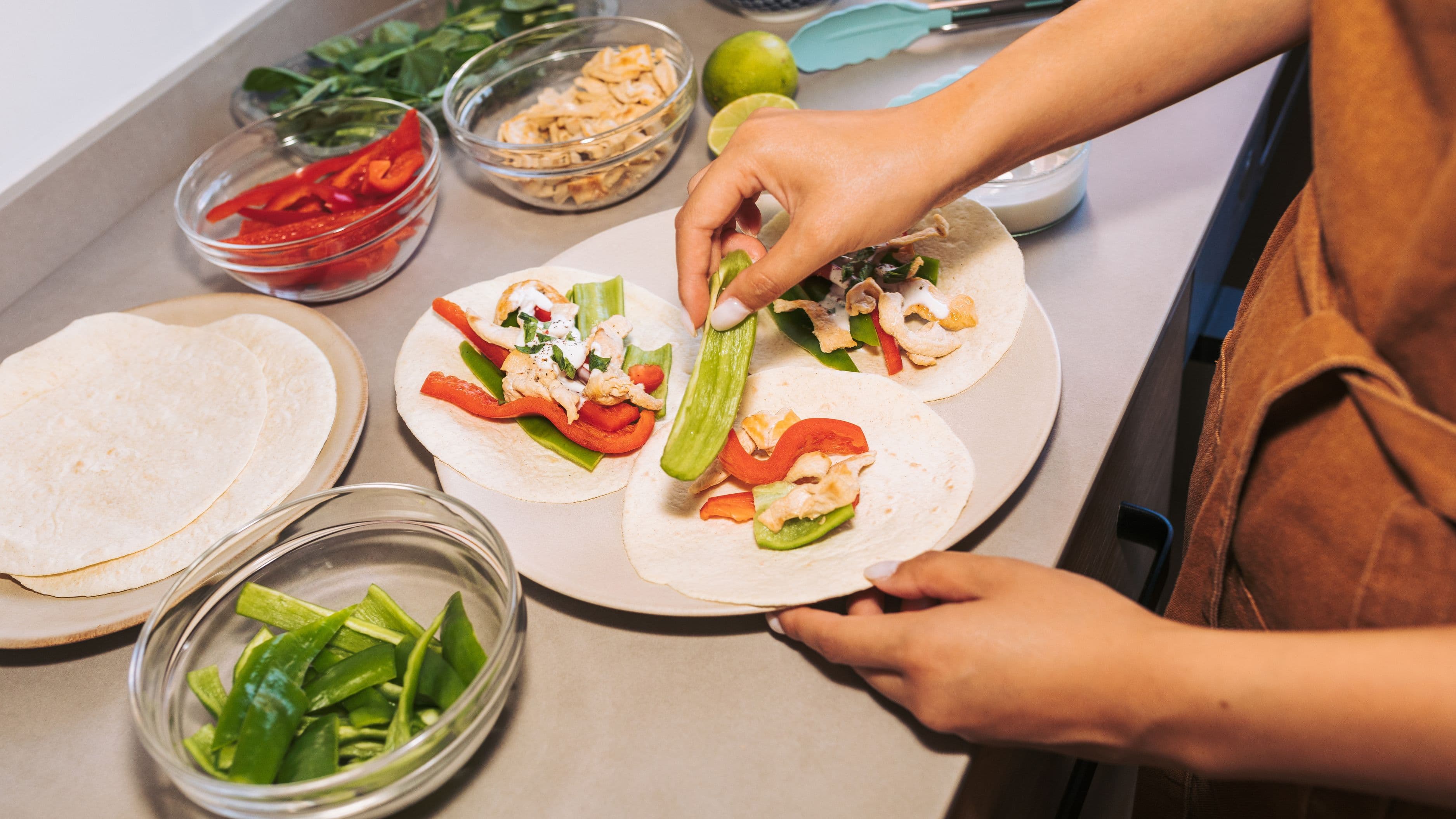
That shift in mindset is the whole thing. You're not trying to have dinner fully cooked for five nights. You're trying to make every evening cook faster, easier, and less likely to end in takeout.
Before You Start: The 5-Minute Setup That Saves 20
A prep day without a clear game plan before you turn on the stove almost always runs over time. Five minutes spent deciding what you're prepping – and in what order – is more valuable than any individual cooking task.
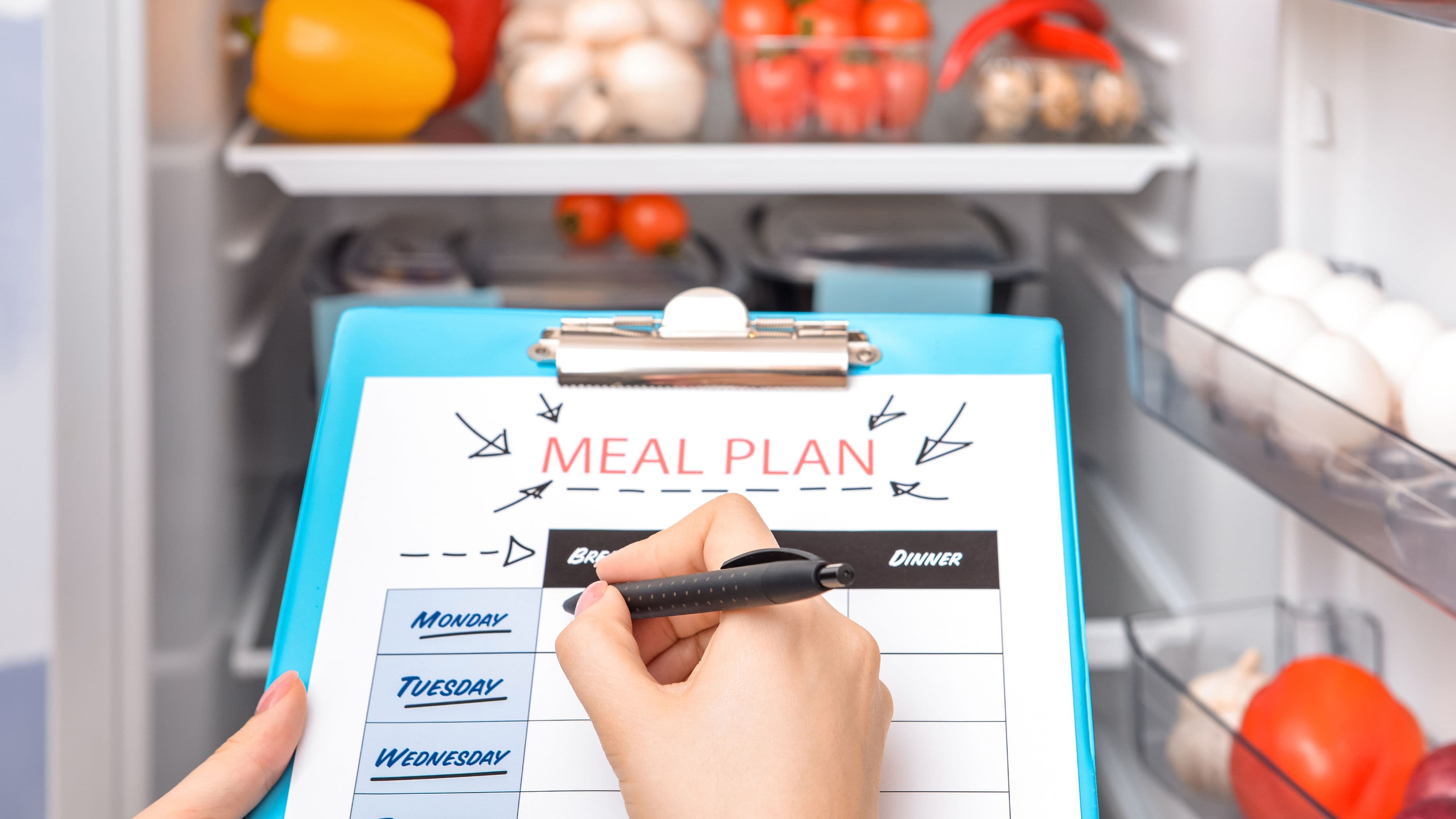
Look at the week ahead and ask: which nights are the busiest? Those are the nights that need the most support from your prep day. What proteins, vegetables, or bases can be prepared in advance and pulled into multiple meals? Where are the overlaps? If you're making a grain base, can it serve as the side on Monday and the bowl base on Wednesday? If you're roasting vegetables, can they show up in two different dinners?
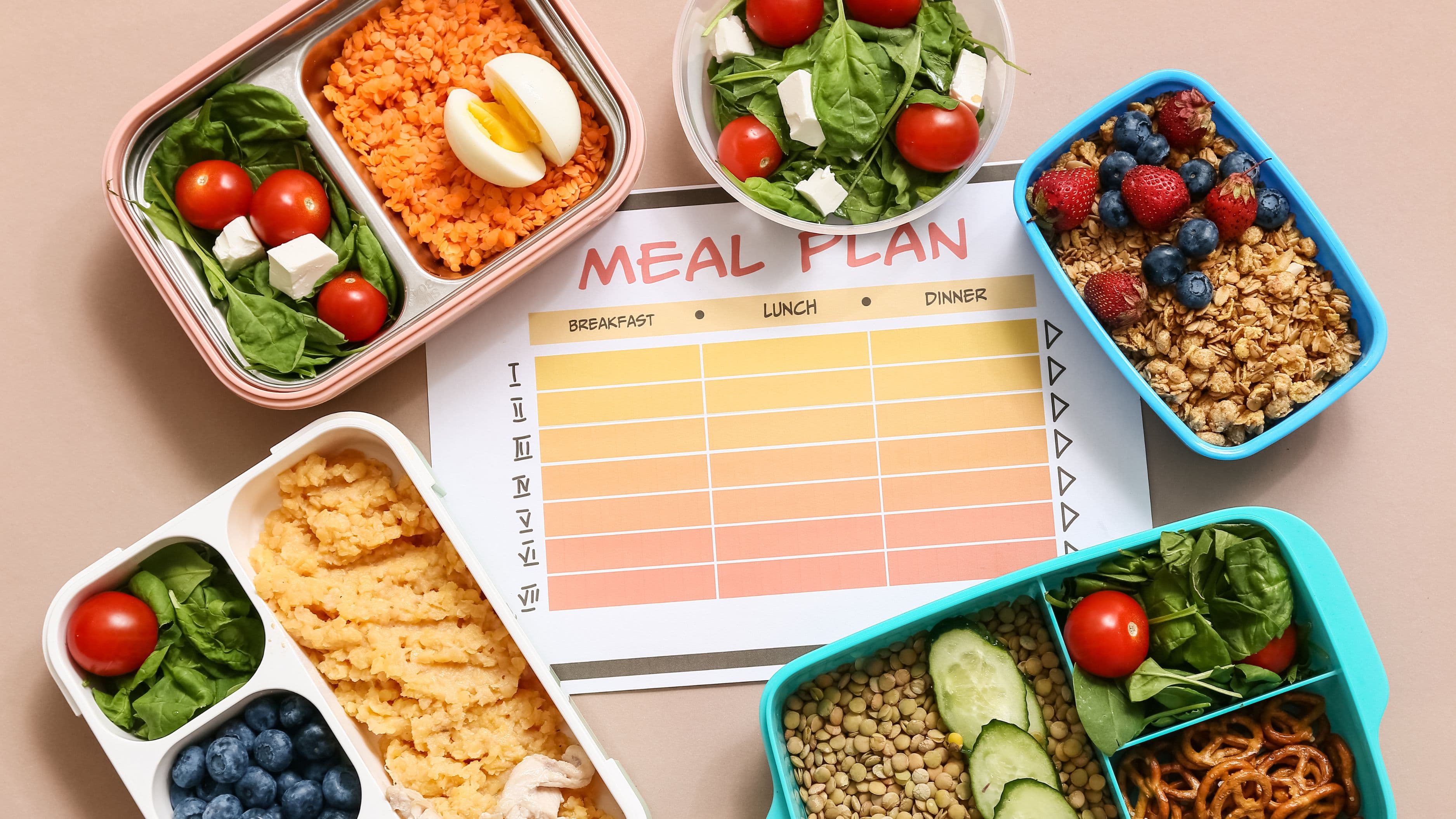
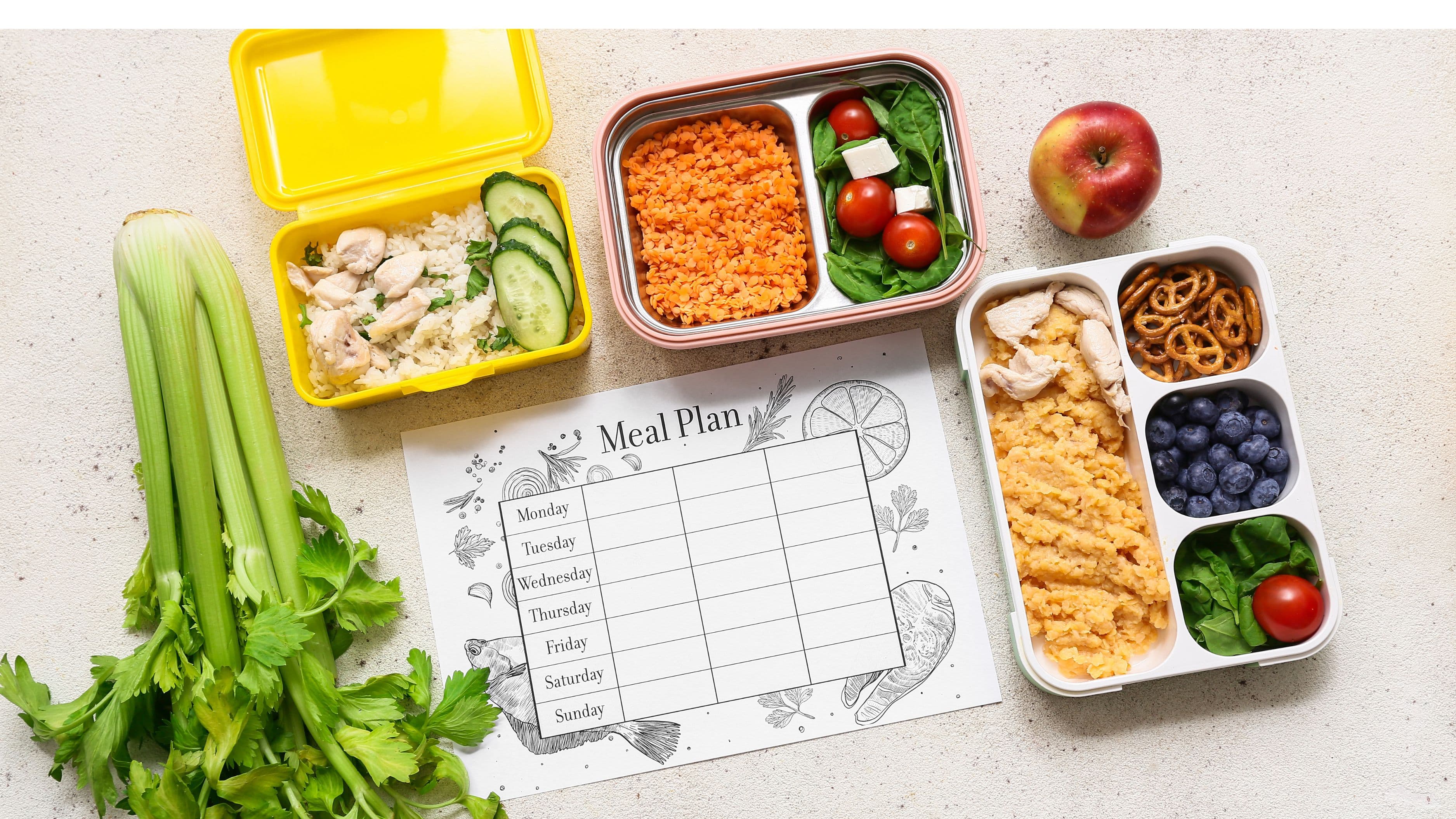
Write down five things you want to have ready by the end of your two hours. Not meals – components. A cooked grain, a roasted sheet pan of vegetables, a marinated or cooked protein, a sauce or dressing, and something prepped for quick use (washed salad greens, cut vegetables ready to cook, herbs chopped and stored). With those five things done, your weeknights become 15-to-20-minute assemblies rather than 45-to-60-minute cook sessions.
What to Tackle First: Hands-Off Cooking Takes Priority
The smartest way to use a two-hour window is to get everything that requires the oven or a long simmer going as early as possible, so that cooking happens passively while you do hands-on prep. In cooking terms, this means thinking about which tasks are "set and forget" versus which ones need your attention.
Turn the oven on before you do anything else. While it preheats, get your longest-cooking item into a roasting pan. A full tray of root vegetables (sweet potatoes, carrots, beets) takes 40–50 minutes. A batch of chicken thighs or bone-in pieces takes 35–45 minutes. A tray of mixed vegetables – zucchini, bell peppers, cherry tomatoes, onion – takes 25–35 minutes. All of these need minimal attention once they're in. Season them, put them in, set a timer, and move on.
While the oven is running, start your grain on the stovetop. A pot of rice, farro, quinoa, or barley takes 20–40 minutes depending on the grain and runs on its own once it's simmering with the lid on. By the time you've finished your hands-on prep tasks, both the grain and the oven item will be done or nearly done with almost no effort on your part. This is how two hours produces a meaningful volume of food – by stacking passive cooking time rather than sequencing everything one after another.
The Two-Hour Breakdown in Real Time
Here's what a realistic, efficient two-hour prep session actually looks like, minute by minute. This isn't a rigid script – it's an example of how the time flows when you're thinking in terms of passive and active tasks.
Minutes 0–10: Preheat the oven to 425°F. Chop your root vegetables or cut the protein for roasting. Season with olive oil, salt, pepper, and any dried herbs. Get it onto a sheet pan and into the oven. Set a timer for 40 minutes.
Minutes 10–20: Measure and start your grain on the stovetop. While the water comes to a boil, start washing and drying salad greens or leafy vegetables if you're prepping those. Store them in a container lined with paper towel once dry – they'll stay fresh for four to five days in the fridge.
Minutes 20–45: This is your hands-on window. Chop and store any raw vegetables you'll use mid-week. Dice an onion and a couple of peppers – these keep well in an airtight container for four days and shave significant time off weeknight cooking. Mince garlic or make a jar of garlic paste stored in olive oil. Prep any fresh herbs: roughly chop parsley or cilantro and store in a sealed container, or make a quick herb sauce like a simple chimichurri or a blended herb oil that keeps for a week.
Minutes 45–60: Check on the grain and the oven item. Your grain is likely done or nearly done – fluff it with a fork and let it cool slightly before storing. If the vegetables are done, pull them out and let them cool on the tray. Start a simple sauce if you planned one: a quick tomato sauce from canned tomatoes, a tahini dressing, or a blended dressing with garlic, lemon, and olive oil. These take under 10 minutes and extend the usability of everything else you've prepped.
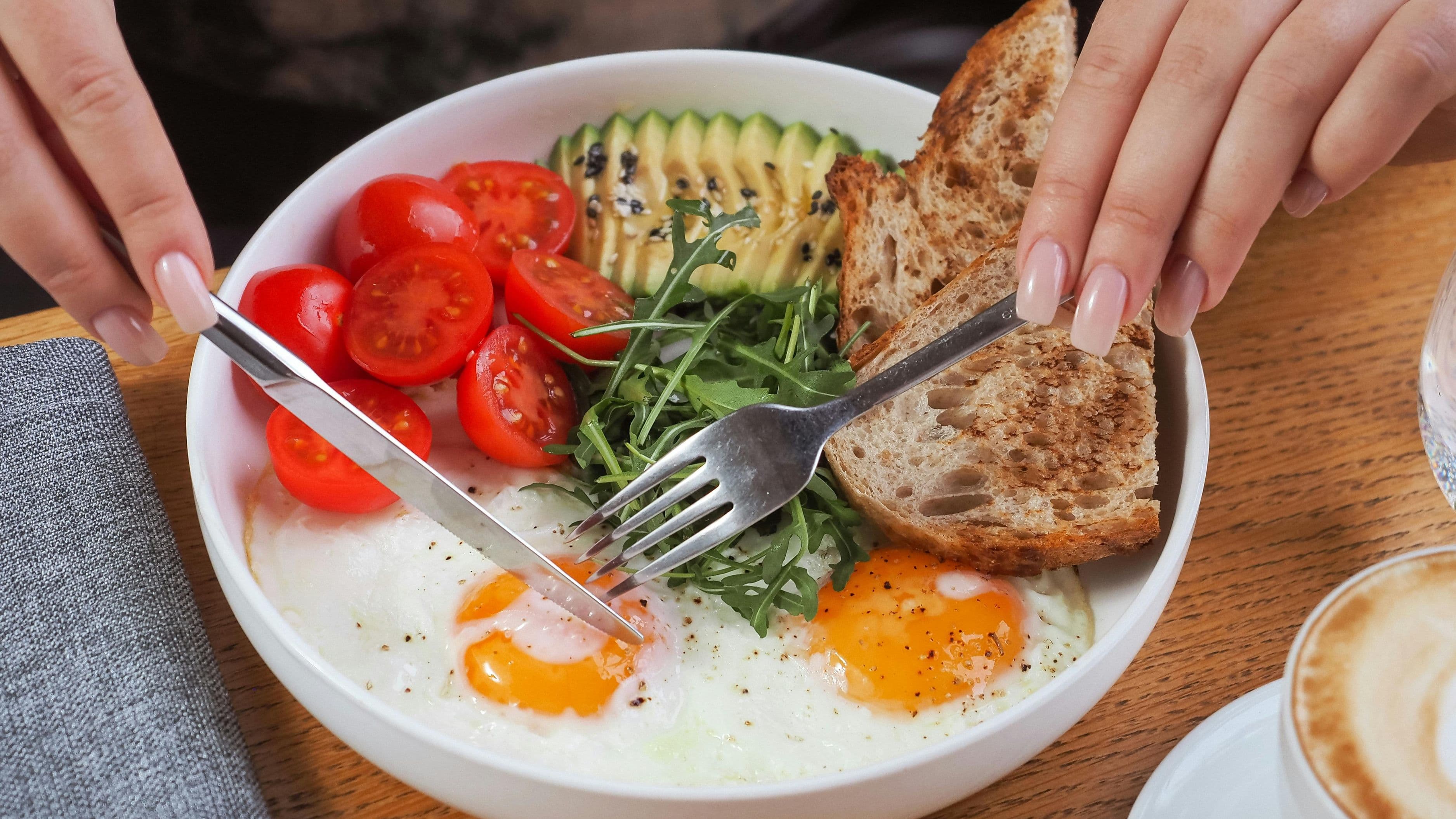
Minutes 60–90: This is overflow time if anything ran long, or the space to tackle a second protein. If you cooked chicken thighs in the oven, this is when you could quickly pan-cook some ground meat or sausages on the stovetop, season them, and store them as a ready-to-add protein for pasta, bowls, or a quick sauté. Alternatively, hard-boil a batch of eggs – 10–12 minutes active, and they last all week in the fridge for grab-and-go lunches or quick additions to any meal.
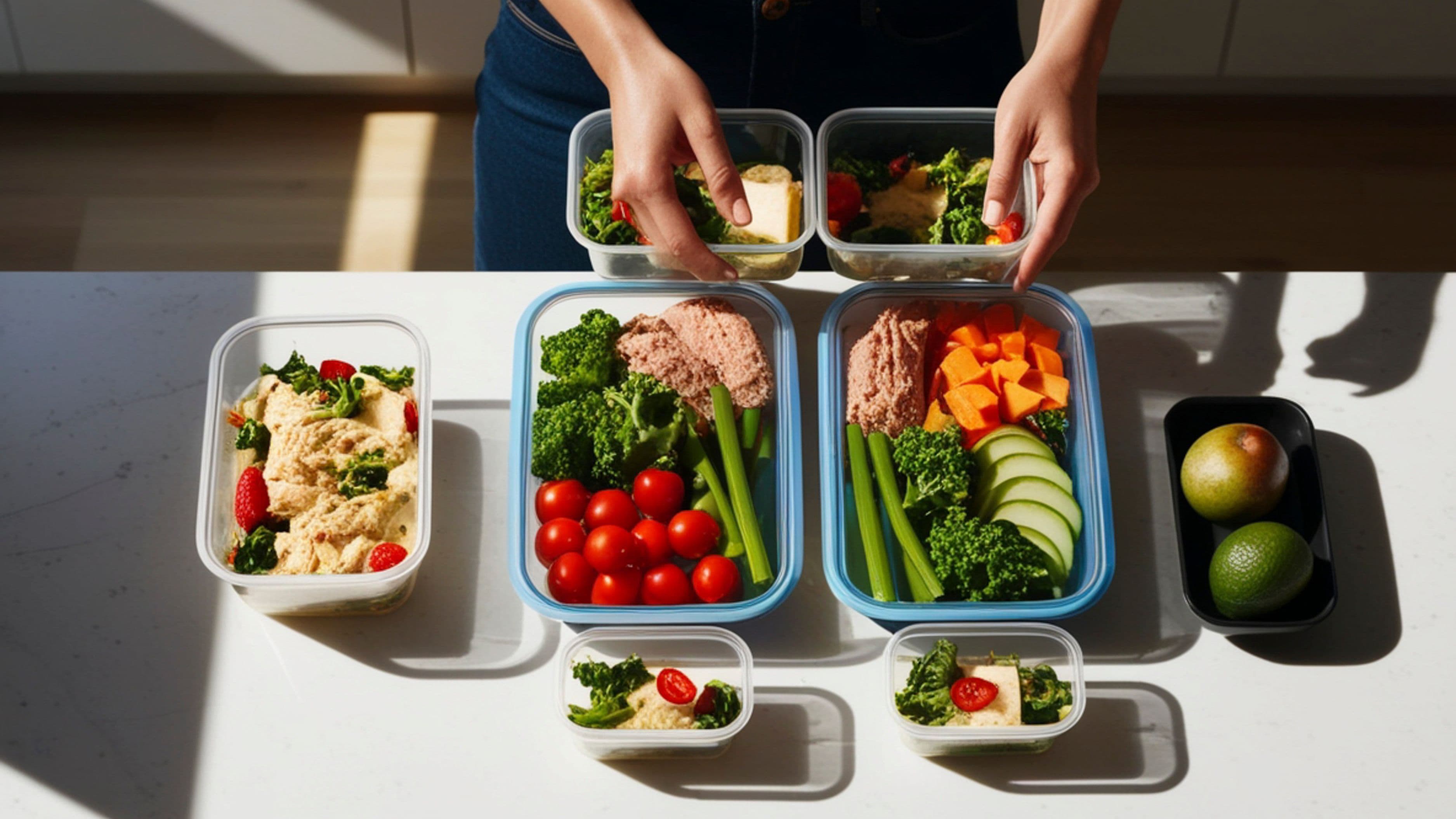
Minutes 90–120: Portion and store everything while it finishes cooling. Clean as you go where possible – wiping down the sheet pan between uses, rinsing the grain pot while the vegetables are cooling. Put labels with the date on anything that might outlast the week. By the end, you should have three to five fully usable components in the fridge: a grain, a roasted vegetable (or two), a protein, a sauce or dressing, and something prepped but uncooked for quick mid-week use.
A Concrete Example: Sunday Prep for a Five-Night Week
To make this tangible, here's one version of a real two-hour prep session and what it unlocks for the week.
What you prep:
A full sheet pan of roasted sweet potatoes, red onion, and chickpeas (45 minutes in the oven)
A pot of farro (30 minutes, mostly hands-off)
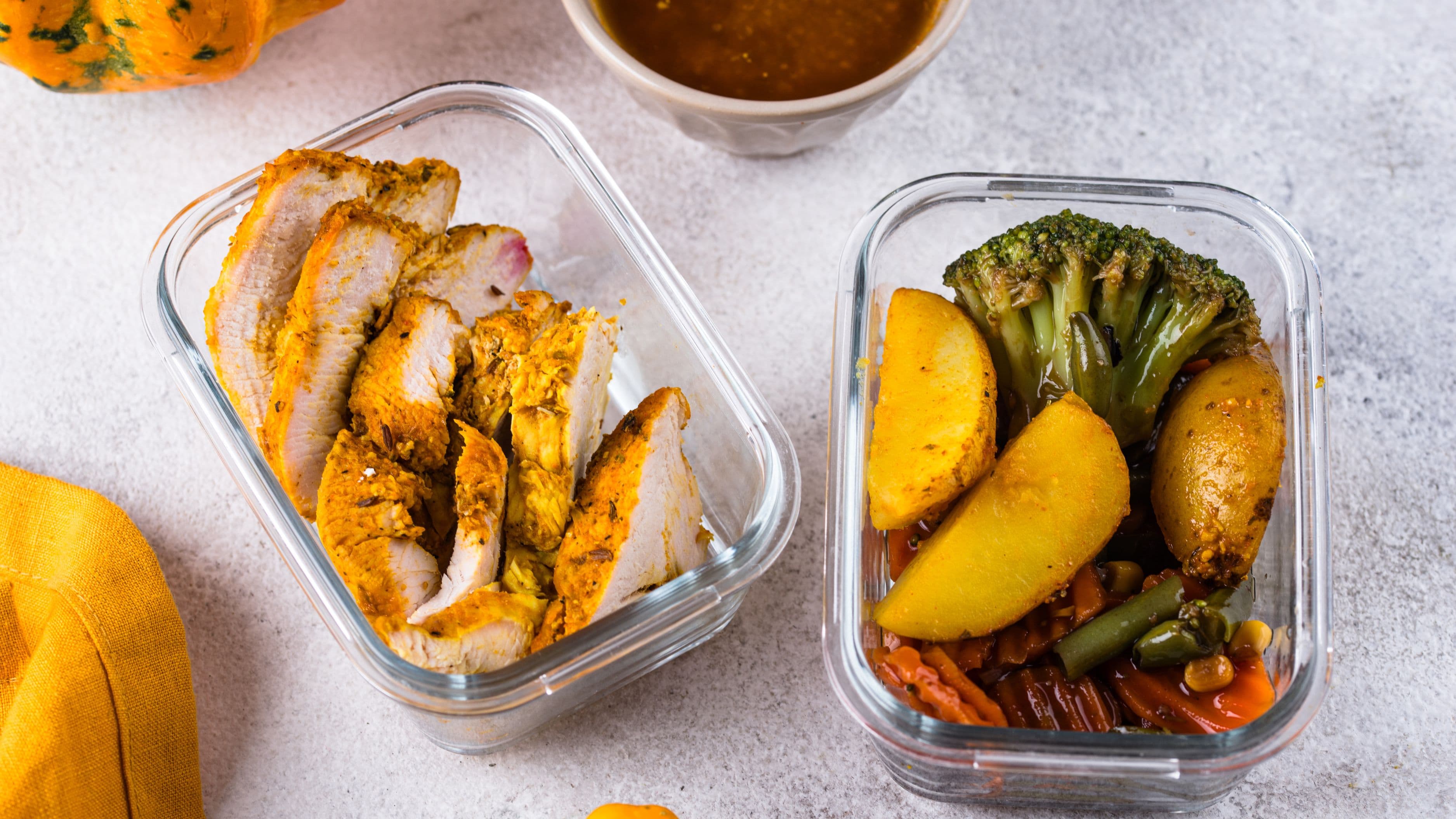
Four bone-in chicken thighs, roasted (40 minutes, largely overlapping with the vegetables)
A simple lemon-tahini dressing (5 minutes)
Washed and dried baby spinach, stored in a container
What it gives you for the week:
Monday: Farro bowl with roasted sweet potato, chickpeas, spinach, and tahini dressing. Quick assembly, 5 minutes.
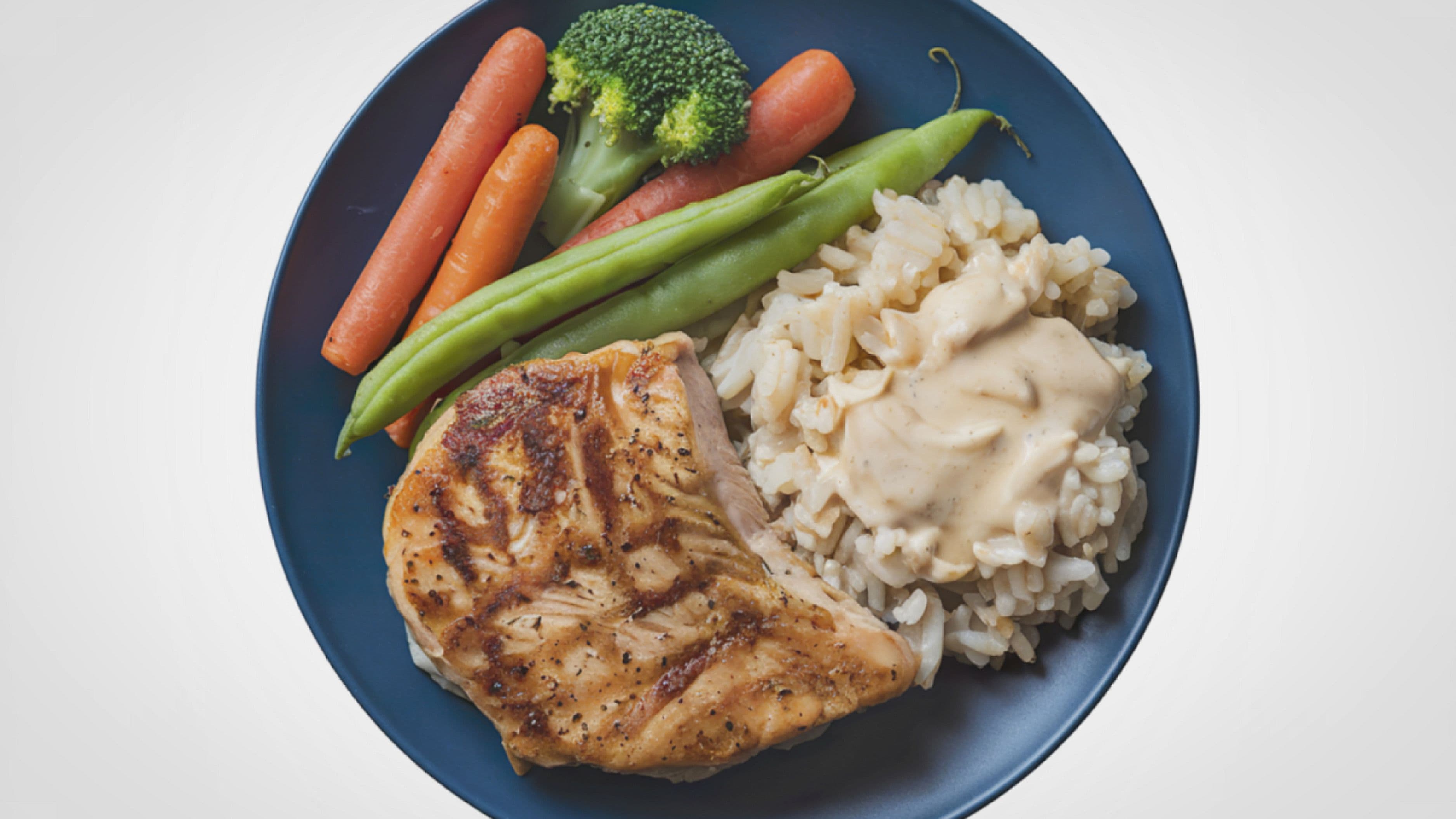
Tuesday: Chicken thighs warmed in a pan with a simple pan sauce – garlic, white wine or broth, reduced quickly. Served alongside remaining farro and steamed green beans.
Wednesday: Lentil soup made from pantry staples (dried lentils, canned tomatoes, broth) with some of the roasted onion stirred in. Served with bread. The soup is the work – about 30 minutes – but everything else is already done.
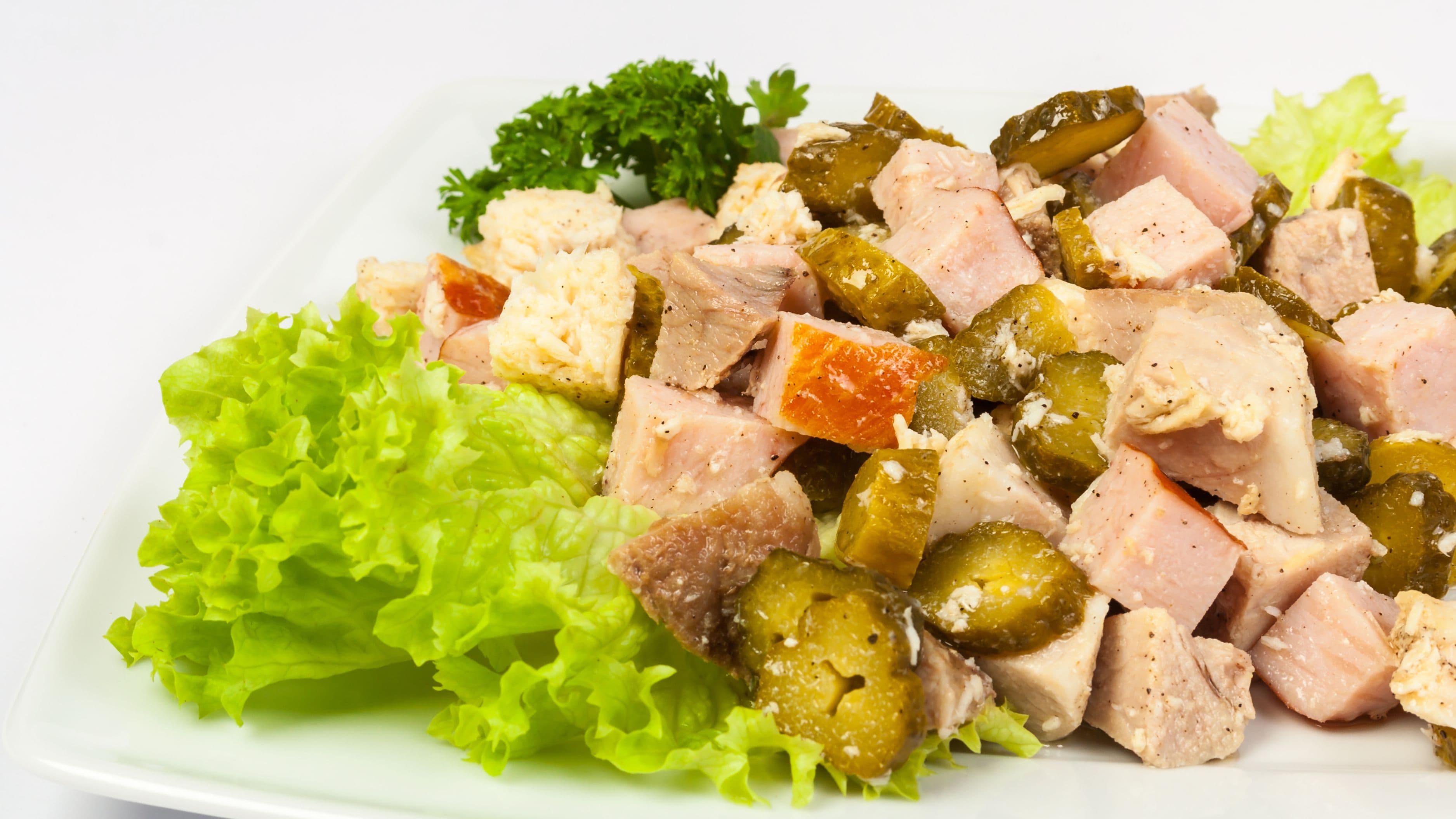
Thursday: Shredded chicken mixed with a tin of cannellini beans, lemon, and olive oil on toast. Uses the remaining chicken, takes 10 minutes.
Friday: Simple pasta with garlic, olive oil, remaining roasted chickpeas and sweet potato tossed through, and a handful of spinach wilted in. 20 minutes start to finish.
Five dinners, one prep session, all different enough that they don't feel repetitive. The prep didn't cook the meals for you – it removed the decisions and the heavy lifting so weeknight cooking stays manageable.
What to Prep vs. What to Leave
Not everything benefits from being prepped in advance, and knowing what to prep and what to leave saves you from wasted effort and food that's worse for having been stored.
Prep in advance without hesitation: whole grains, roasted or baked vegetables (most of them hold beautifully for four days), cooked legumes, hard-boiled eggs, dressings and sauces, washed and stored greens, raw vegetables that keep well cut (carrots, peppers, celery, cucumber), marinated proteins ready to cook.
Prep with care: cooked proteins are best within three days. Cut avocado doesn't store well without browning. Dressed salads don't hold overnight. Cooked fish is best eaten the same day or next day.
Don't prep: delicate herbs you want to use fresh (basil wilts quickly once cut and stored), anything with a short post-prep life that would need to be cooked immediately to not go to waste, and dishes that genuinely taste worse reheated (thin pasta dishes, anything with a crispy element you care about preserving).
What to Avoid
Starting with the most complicated thing on your list is a reliable way to run out of time. Save any recipes that require careful technique or monitoring for weeknights when they're the only thing you're making. Prep day is for components and bases, not showpieces.
Trying to prep everything from scratch every week is unsustainable. Rotate what you prep based on what the week actually needs. Some weeks you only need a grain and a dressing. Other weeks a full roasted protein and two vegetable bases are the priority. Match the effort to the week, not to some ideal version of meal prep.
Letting hot food go straight into sealed containers is a food safety issue – hot food in a sealed container traps steam and creates condensation that leads to soggy food and faster spoilage. Let everything cool briefly on the counter (no more than two hours at room temperature) before sealing and refrigerating.
FAQ
Is two hours actually enough time if I'm a slow cook? Yes – the approach works precisely because most of the time is passive. Once things are in the oven or simmering on the stove, you're not actively cooking. You're prepping other things while those cook themselves. The hands-on tasks in this approach add up to maybe 40–50 minutes of actual active work.
What if I don't have a big oven or a lot of pans? Work in batches, or prioritize one sheet pan item and one stovetop item. A grain plus one roasted vegetable plus a sauce covers a lot of ground even without filling multiple oven racks. You don't need a fully stocked kitchen – you need whatever you have, used efficiently.
How long does prepped food actually last in the fridge? Cooked grains and roasted vegetables: three to five days. Cooked proteins: two to three days for chicken and fish, three to four days for ground meat and beef. Washed leafy greens: three to five days with the paper towel method. Dressings: five to seven days for most oil-based dressings. Sauces with dairy: two to three days.
Do I need to prep every week for this to work? No. Even a 45-minute partial prep on a busy weekend does something useful. The habit matters more than the perfect execution. If you get a grain and a roasted vegetable done, that's already two nights made easier.
What's the single most useful thing to prep if I only have 30 minutes? A grain. Rice, farro, quinoa, or barley takes almost no hands-on effort, lasts four to five days, and adds structure to more meals than almost anything else you can prep. If you have a second cooking vessel available, boil eggs at the same time. Those two things together take under 30 minutes and require almost no skill.
Wrapping Up
A two-hour prep day isn't about cooking all your meals in advance – it's about removing the friction that makes weeknight cooking feel hard. A cooked grain, a roasted protein, a tray of vegetables, a sauce, and a few minutes of quick prep adds up to a week where dinner is mostly assembly rather than a cook from scratch. The key is to start with passive tasks so your oven and stovetop do the work while your hands do something else. Keep it practical, keep it repeatable, and adjust what you prep each week based on what the week actually needs.
📚 Sources
Food safety and storage times for cooked foods – USDA FoodSafety.gov: https://www.foodsafety.gov/food-safety-charts/cold-food-storage-charts
Meal prep strategies and time management in the kitchen – Harvard T.H. Chan School of Public Health – The Nutrition Source: https://www.hsph.harvard.edu/nutritionsource/meal-prep/
Safe cooling and storing of cooked food – FDA Food Safety Guidelines: https://www.fda.gov/food/buy-store-serve-safe-food/safe-food-handling