
If you've got a jar sitting in your pantry wondering what to actually do with it, or you're considering making your first batch, here's a practical guide to using preserved lemons in the kind of meals you're already cooking on a regular basis.
What Preserved Lemons Actually Are
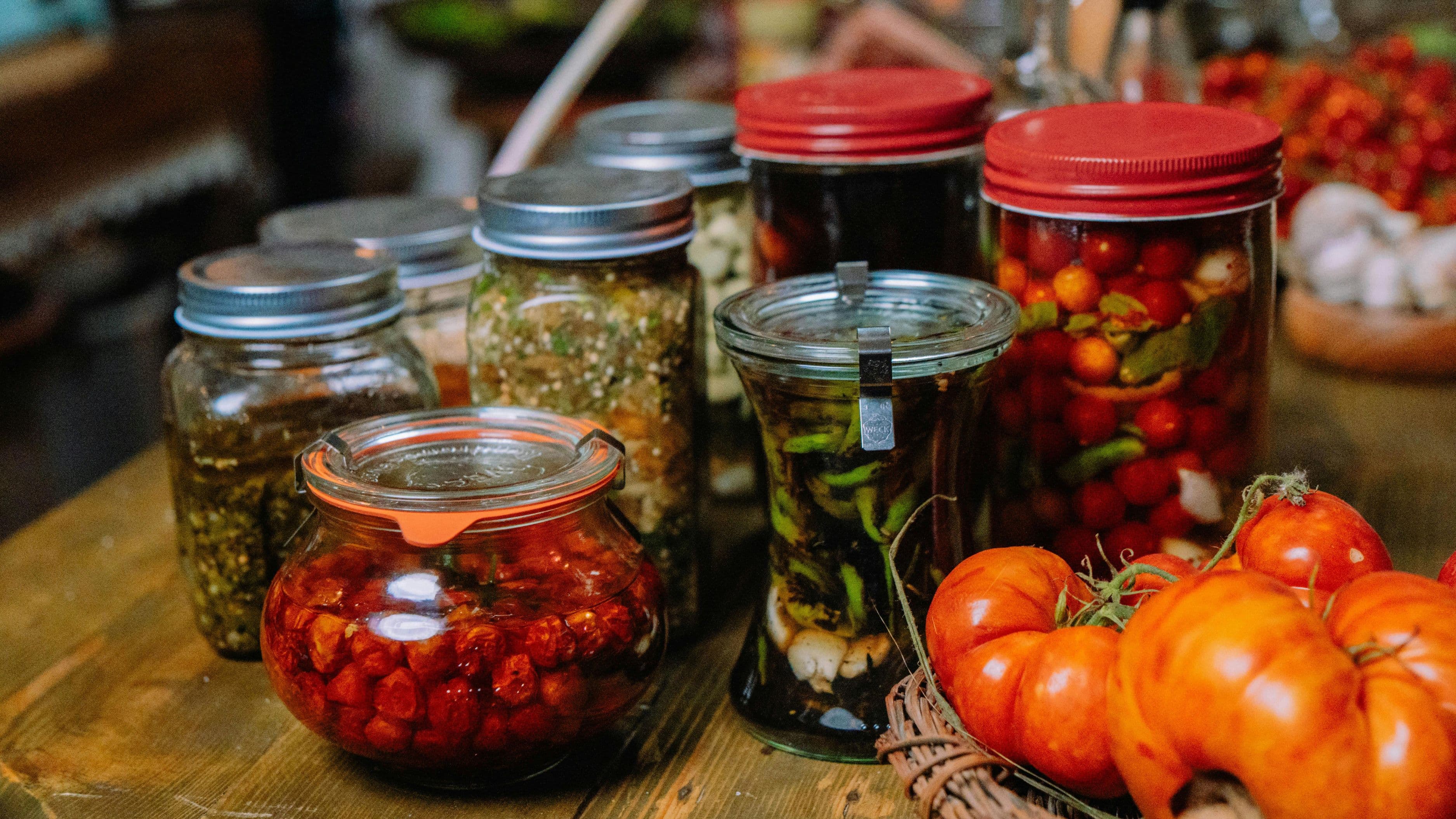
Preserved lemons are whole lemons cured in a mixture of salt and their own juice over several weeks, which transforms both the texture and flavor completely. The peel softens dramatically and becomes edible, while the flavor intensifies into something deeper and more complex than fresh lemon zest or juice – salty, slightly fermented, and less sharply acidic than you'd expect.
The entire lemon becomes usable once preserved, though most cooks primarily use the peel, since the pulp inside is extremely salty and intensely flavored, best used sparingly rather than as a primary ingredient on its own.
How to Prepare Them Before Cooking
Before adding preserved lemon to a dish, rinse a piece under cool water to remove excess surface salt, then separate the peel from the pulp if your recipe calls for using just the rind, which is the most common approach for everyday cooking. Finely chop or mince the rind, since a little goes a long way given how concentrated the flavor is compared to fresh lemon.
Save the pulp and briny liquid rather than discarding them. The pulp can be blended into dressings or marinades for a milder version of that same distinctive flavor, and the leftover brine works well in vinaigrettes where you'd normally use fresh lemon juice and salt separately.
Weeknight Roast Chicken or Vegetables
Finely chopped preserved lemon rind mixed into softened butter, then rubbed under the skin of a roast chicken before it goes into the oven, adds a depth of flavor that fresh lemon simply can't replicate on its own. The salt is already built in, so you'll want to adjust any additional seasoning accordingly to avoid an overly salty result.
The same approach works well with roasted vegetables – toss chopped preserved lemon rind with olive oil and your vegetables of choice before roasting, particularly with root vegetables like carrots and potatoes, which benefit from the bright, salty contrast against their natural sweetness.
Everyday Salad Dressings
A small amount of minced preserved lemon rind whisked into a basic vinaigrette – olive oil, a bit of the reserved brine instead of vinegar, and a touch of mustard – creates a genuinely more interesting dressing than a standard oil and vinegar combination, without requiring any additional specialty ingredients.
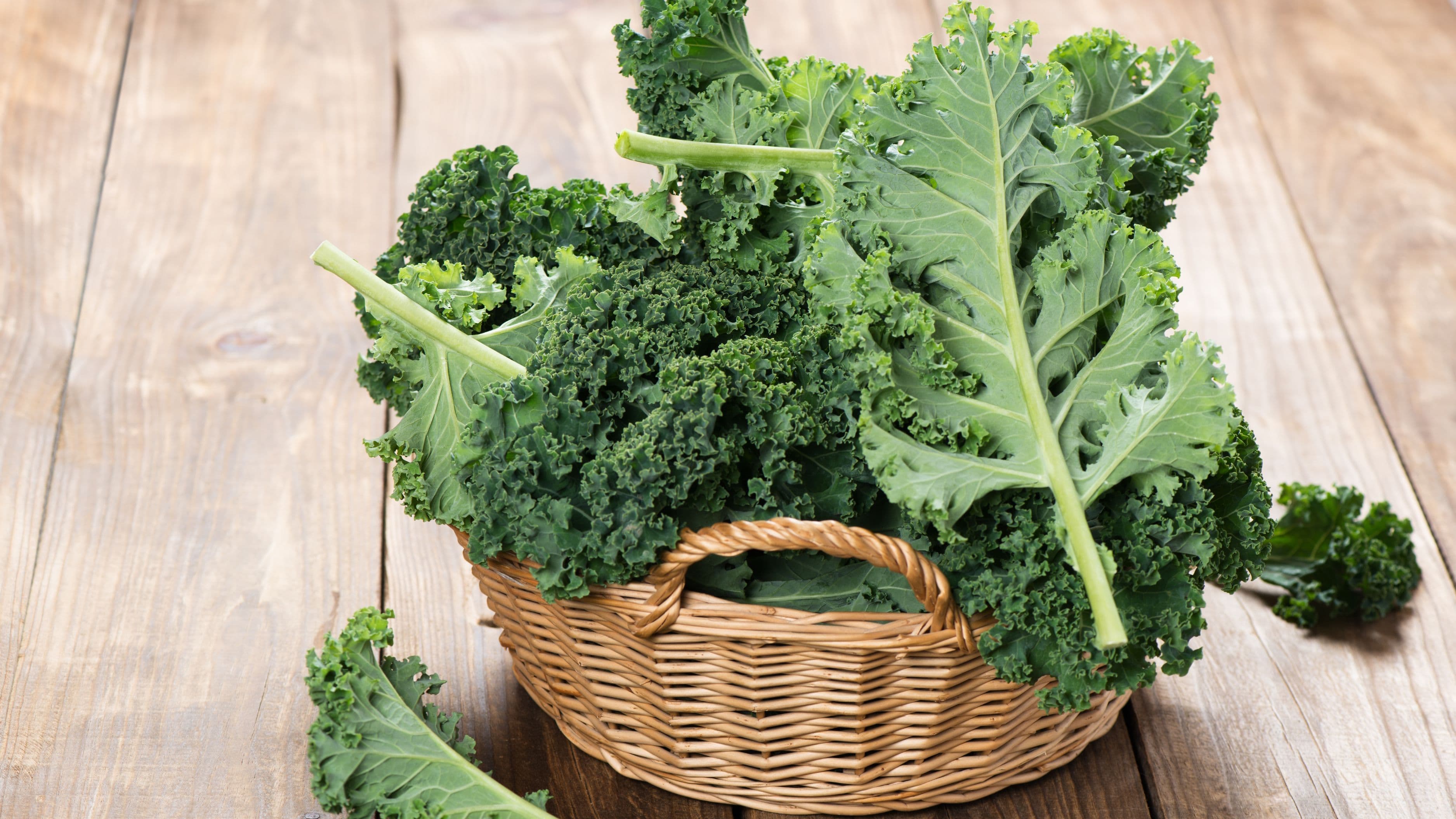
This works particularly well on heartier greens like kale or roasted vegetable salads, where the concentrated flavor of the preserved lemon can stand up against more robust ingredients rather than getting lost the way fresh lemon sometimes does.
Pasta and Grain Bowls
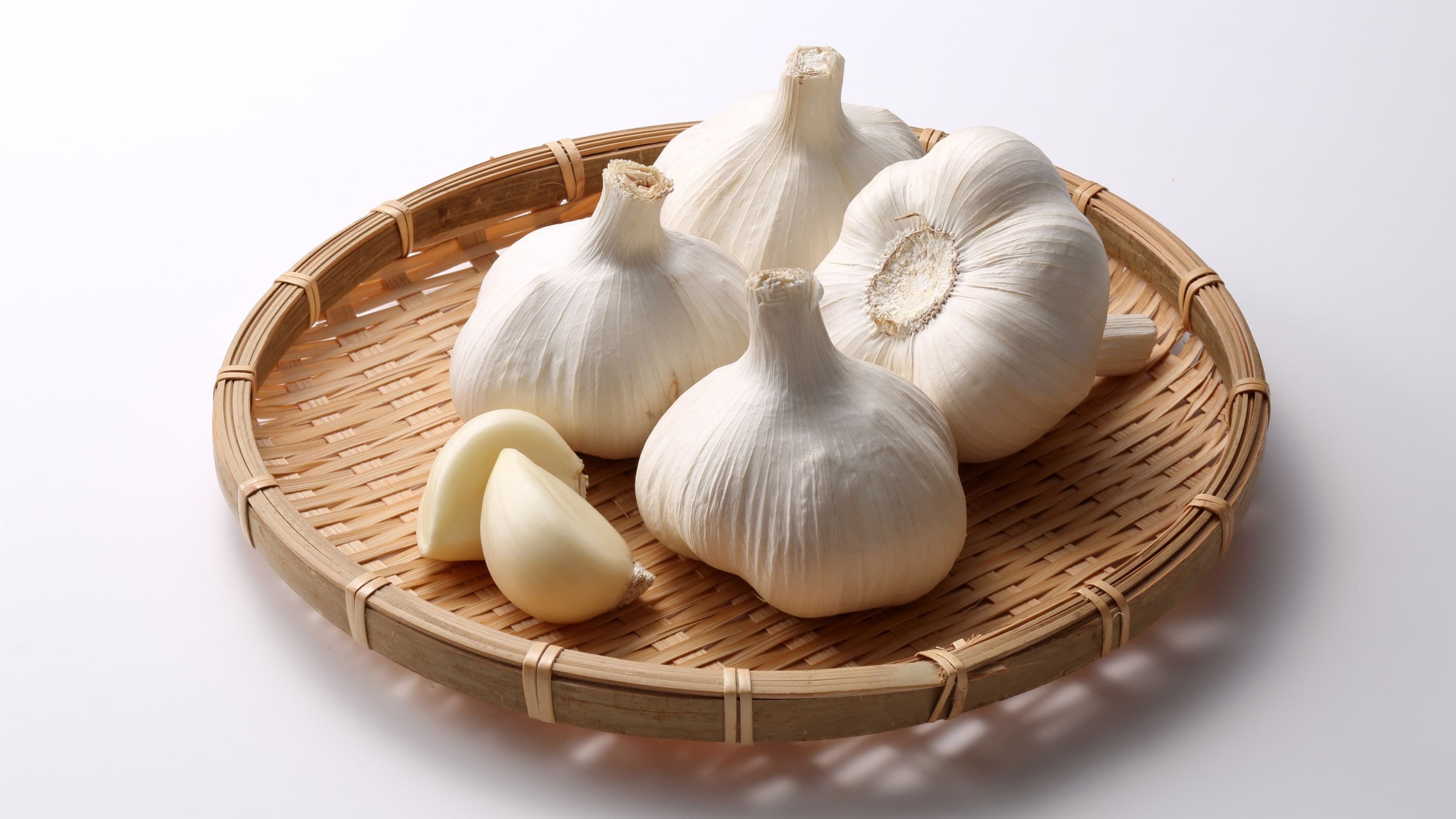
Stirring finely chopped preserved lemon rind into a simple pasta dish – olive oil, garlic, parmesan, and a handful of greens – adds a bright, savory dimension that elevates what would otherwise be a fairly basic weeknight meal. The salt content means you can often reduce or skip additional salt in the dish entirely.
Grain bowls built around rice, quinoa, or farro also benefit from a small amount of preserved lemon mixed into the dressing or scattered directly over the finished bowl, adding a punch of flavor that ties together simpler component ingredients like roasted vegetables and a protein.
Compound Butters and Spreads
Beyond the roast chicken application above, a preserved lemon compound butter works well spread on grilled fish, stirred into steamed vegetables, or simply spread on crusty bread. Combine softened butter with finely minced preserved lemon rind, a bit of fresh herb like parsley or thyme, and a small amount of garlic, then chill until firm.
This compound butter also freezes well in small portions, making it a genuinely convenient way to add a burst of flavor to a quick weeknight meal without needing to prepare anything from scratch in the moment.
Marinades for Chicken, Fish, or Vegetables
Blending a small piece of preserved lemon (pulp included, for this application) with olive oil, garlic, and a bit of fresh herb creates a marinade with considerably more depth than a standard fresh lemon and oil combination. The natural saltiness of the preserved lemon means you'll likely need less additional salt in the marinade itself.
This works particularly well with chicken thighs or a firm white fish, given a couple of hours to marinate before grilling or roasting, letting the concentrated flavor properly penetrate the protein.
What to Avoid
Don't use preserved lemon as a one-to-one substitute for fresh lemon in recipes that specifically call for bright, sharp acidity, like a delicate seafood ceviche. The flavor profile is genuinely different – deeper and saltier rather than simply more concentrated lemon – and substituting without adjusting the rest of your seasoning can throw off a dish's balance.
Avoid using too much at once, especially when you're still getting familiar with how intense the flavor is. Start with a smaller amount than you think you need, taste, and adjust, rather than treating it the way you might treat a larger quantity of fresh lemon zest.
Don't forget to account for the built-in salt content when seasoning the rest of your dish. This is the most common mistake home cooks make with preserved lemons, resulting in an oversalted final dish because additional salt was added without accounting for what the preserved lemon itself already contributes.
Storage and Shelf Life
Preserved lemons, once properly cured, keep well in the refrigerator for several months as long as they remain submerged in their brine and you use a clean utensil each time you remove a piece. If you notice any unusual mold or off smell beyond the expected fermented, briny aroma, it's best to discard that batch rather than risk it.
FAQ
Do I need to remove the seeds before using preserved lemon? Yes, if any remain in the piece you're using, remove them before chopping, since they add no flavor benefit and are unpleasant to bite into.
Can I use preserved lemon in place of fresh lemon in any recipe? Not universally. It works best in cooked dishes, dressings, and marinades where its deeper, saltier flavor profile complements the dish. For recipes needing bright, clean acidity, fresh lemon is usually still the better choice.
How long does it take to make preserved lemons from scratch? Typically three to four weeks of curing time, though some recipes suggest a shorter minimum of about a week for a milder result. Longer curing generally produces a more developed, softer texture.
Once you get a feel for how concentrated and distinct preserved lemon's flavor really is, you'll likely find yourself reaching for it well beyond the traditional dishes it's most associated with – it's a genuinely versatile addition to weeknight cooking, not just a specialty ingredient for special occasions.
📚 Sources
Serious Eats: What Are Preserved Lemons and How to Use Them - https://www.seriouseats.com/what-are-preserved-lemons
The Kitchn: How to Make and Use Preserved Lemons - https://www.thekitchn.com/how-to-make-preserved-lemons-cooking-lessons-from-the-kitchn-183012