Here's an honest look at what a monthly food budget actually involves – with real numbers, real trade-offs, and practical adjustments you can make at every spending level.
What the Data Says People Spend
The USDA publishes monthly food cost reports that estimate what it actually costs to feed individuals and families at four different spending levels: thrifty, low-cost, moderate-cost, and liberal. These aren't aspirational targets – they're estimates based on what Americans actually buy and what it costs, adjusted for current prices.
For a single adult eating at home, the moderate-cost plan runs approximately $350 to $420 per month in 2024 figures. The thrifty plan – the baseline used to calculate food stamp benefits – runs closer to $250 to $280 per month for one person. For a family of four with two adults and two school-age children, the moderate-cost plan runs roughly $1,000 to $1,100 per month. These figures cover groceries eaten at home. They don't include restaurant meals, takeout, work lunches bought out, or coffee shop visits.
Most people significantly underestimate how much they spend on food when they include all food spending – not just the grocery bill. A realistic monthly food budget should account for every dollar spent on eating, including that Wednesday lunch you grabbed because you forgot to pack something and the Friday night pizza delivery. When people track their full food spending for a month for the first time, they're frequently surprised by how large the total is.
The Real Breakdown: Where the Money Goes
Understanding where food money actually goes helps you make better decisions about where to adjust. Food spending typically breaks down into three buckets: groceries eaten at home, meals and snacks eaten out, and food waste.
Groceries are the most visible bucket and usually the one people focus on when trying to cut spending. But for many households, eating out is actually the larger expense. The average American household spends roughly 44% of their food budget on food away from home,
according to Bureau of Labor Statistics consumer expenditure data. That includes restaurants, fast food, delivery apps, coffee shops, and work lunches. If your grocery bill looks manageable but your total food spending is high, this is usually where the gap lives.
Food waste is the invisible budget leak. The USDA estimates that approximately 30 to 40% of the US food supply is wasted, and a significant portion of that happens at the household level – produce that goes bad before you use it, leftovers that get forgotten in the back of the fridge, bread that goes stale. For a household spending $800 a month on food, even a 20% waste rate means $160 worth of food going in the bin each month. Reducing waste is often the fastest way to lower your effective food cost without changing what you buy.
What "Affordable" Actually Requires
Budget meal planning advice often skips over the real requirements of cooking affordably, which makes the advice feel doable in theory but frustrating in practice. Cooking cheaply well requires a few things that not everyone has in equal measure.
Time is the primary currency. Cooking from scratch is almost always cheaper than buying prepared food, convenience products, or ready-made meals. But scratch cooking takes time – planning time, shopping time, prep time, and cooking time. For a household where everyone works full-time and evenings are limited, the trade-off between money and time is real. Budget cooking advice that assumes unlimited time isn't realistic advice, it's a different lifestyle.
A functional pantry is a prerequisite. Cooking economically depends on having a stocked pantry of staples – dried beans, lentils, rice, pasta, canned tomatoes, olive oil, flour, a range of spices – that let you build meals around cheap main ingredients without special shopping trips for every recipe. Building that pantry from scratch in a single month is expensive upfront. The economy of pantry cooking only materializes once the pantry is established, which takes time and initial investment.
Access to affordable grocery options matters. The realistic food budget for someone who has a good supermarket, a warehouse store membership, an ethnic grocery store nearby, and a farmers market within reach looks different from the same budget for someone in a food desert served by a single convenience store or a small, high-priced market. Budget advice that assumes equal access to affordable grocery options is advice written for a subset of the population.
A Realistic Budget by Household Size
Here's a practical breakdown of realistic monthly food budgets at different household sizes, using the moderate USDA cost plan as a baseline and accounting for a modest amount of eating out:
Single adult, cooking most meals at home: $400 to $550 per month total food spending. This includes a grocery budget of roughly $300 to $380 plus a modest dining-out allowance. Cooking most meals from scratch and limiting takeout to once or twice a week keeps this range achievable without extreme effort.
Two adults, cooking regularly: $650 to $900 per month total. Grocery spending around $500 to $650, with some dining out. Batch cooking on weekends, shopping with a list, and reducing food waste make the lower end of this range realistic. The upper end is common for households that eat out two to three times a week and buy more convenience items.
Family of four with young children: $950 to $1,300 per month total. The USDA's moderate-cost estimate for this household size is around $1,000 to $1,100 for groceries alone, before any restaurant meals. Families on tighter budgets who cook consistently at home can get into the $800 to $950 range, but it requires real planning effort. Families who order delivery regularly or eat out weekly will often see $1,300 to $1,600 or higher.
Family of four with teenagers: Add $100 to $200 over the younger-child estimate. Teenagers eat significantly more than younger children, and the difference shows up clearly in grocery spending.
Where You Can Actually Cut (And Where It's Hard)
Not all food spending is equally adjustable, and knowing the difference saves you from the frustration of trying to cut where there's no real flexibility.
Easiest to reduce: Dining out and delivery. This is where most households have the largest discretionary food spending and the most room to cut without significantly affecting nutrition or enjoyment. Replacing two restaurant dinners with home-cooked meals each week can save $150 to $300 or more per month for a family, depending on what and where you eat. This is not a radical sacrifice – it's a shift in when you cook versus when you don't.
Meaningful impact with moderate effort: Reducing food waste. Planning meals before you shop, buying only what you have a plan to use, storing produce correctly, and actually eating leftovers can reduce waste to a fraction of the typical household rate. This doesn't require a complete lifestyle change – it primarily requires a shopping list and a realistic plan for the week.
Helpful but requires commitment: Cooking from scratch more consistently. Shifting from prepared or semi-prepared foods toward scratch cooking on most nights genuinely reduces per-meal cost. A batch of homemade soup or a pot of beans and rice costs a fraction of equivalent prepared versions. The trade-off is time and planning, and for busy households this adjustment is only sustainable if it's built into a realistic routine rather than attempted all at once.
Genuinely hard to cut: The baseline cost of feeding people with nutritious food. There's a floor below which food spending can't go without compromising nutrition or requiring more time than most people have. Budget advice that pushes below that floor tends to rely on either extreme time investment or nutritionally poor shortcuts. For a single adult, a genuine minimum for adequate nutrition at current prices is around $200 to $250 per month with serious effort. For families, the floor is higher relative to household size.
Practical Tips That Actually Move the Needle
Generic budget advice often lists the same handful of tips without explaining which ones actually have meaningful impact. These are the ones that consistently make a real difference.
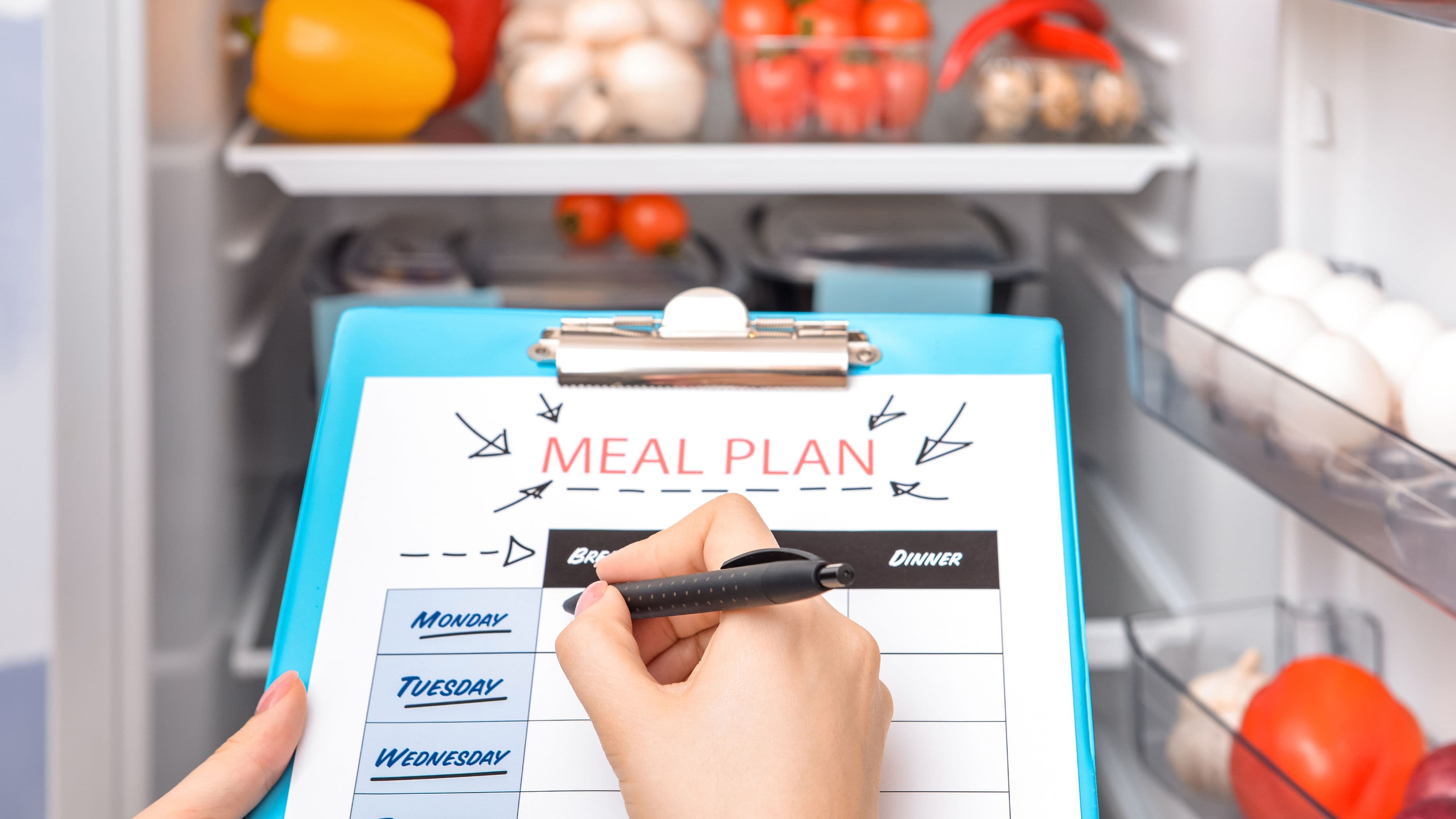
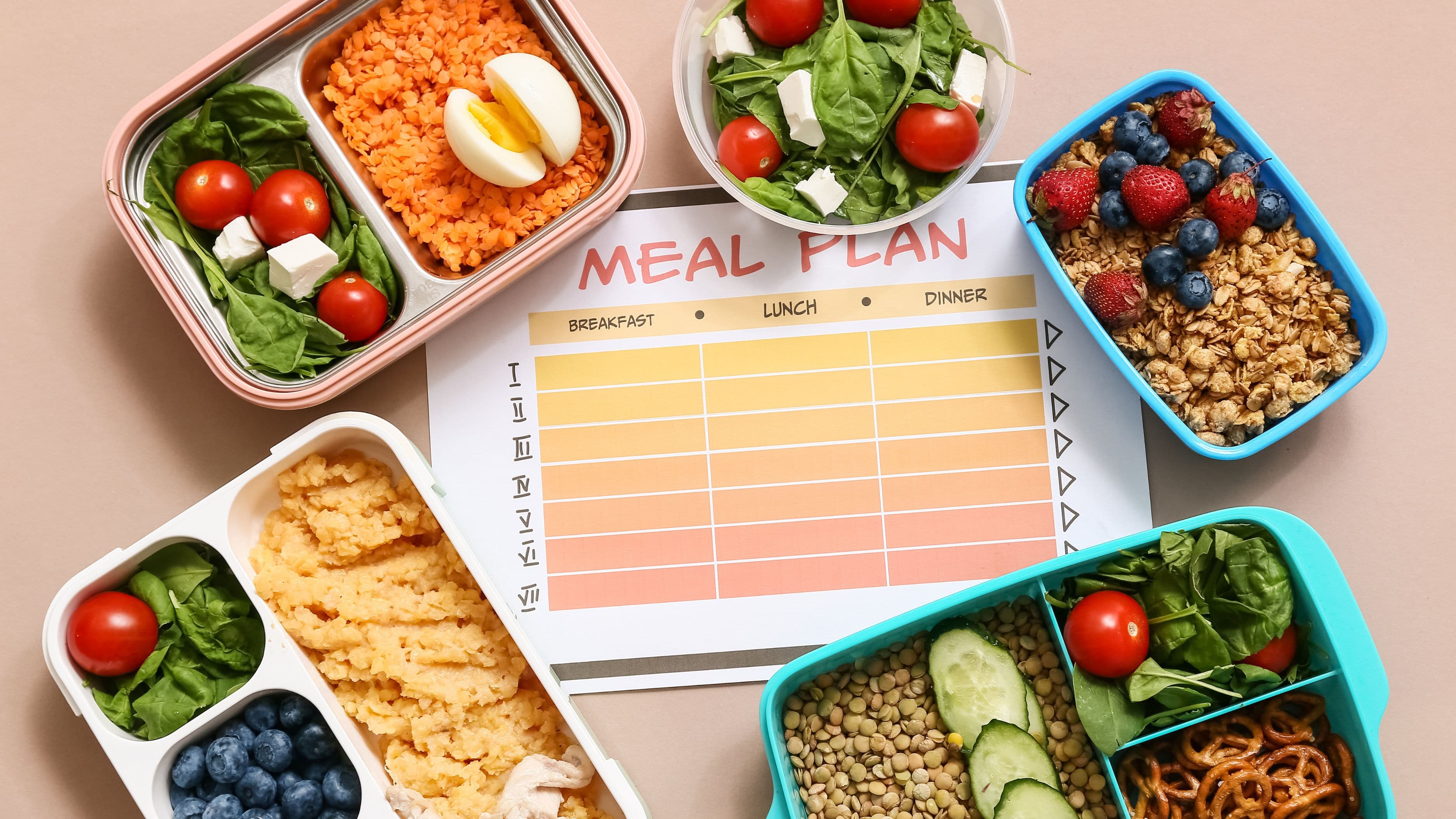
Plan before you shop, and shop with a list. Unplanned grocery shopping is one of the fastest ways to overspend. When you shop without a plan, you buy what looks good rather than what you need, you buy duplicates of things you already have at home, and you end up with ingredients that don't combine into actual meals. Ten minutes of meal planning before a shopping trip consistently reduces the bill and waste.
Buy proteins strategically. Meat is usually the most expensive part of the grocery bill. Buying cheaper cuts (chicken thighs instead of breasts, pork shoulder instead of tenderloin, bone-in instead of boneless), buying in bulk when prices are good, and replacing one or two meat-centered meals per week with bean or lentil-based proteins are three adjustments that can each shave $20 to $40 off a monthly grocery bill without requiring major cooking changes.
Use the freezer as a budget tool. Bread going stale, produce you won't use before it goes bad, meat on sale – all of these can be frozen and used later. A household that uses its freezer actively wastes significantly less food and can take advantage of sale prices without the pressure to use everything immediately.
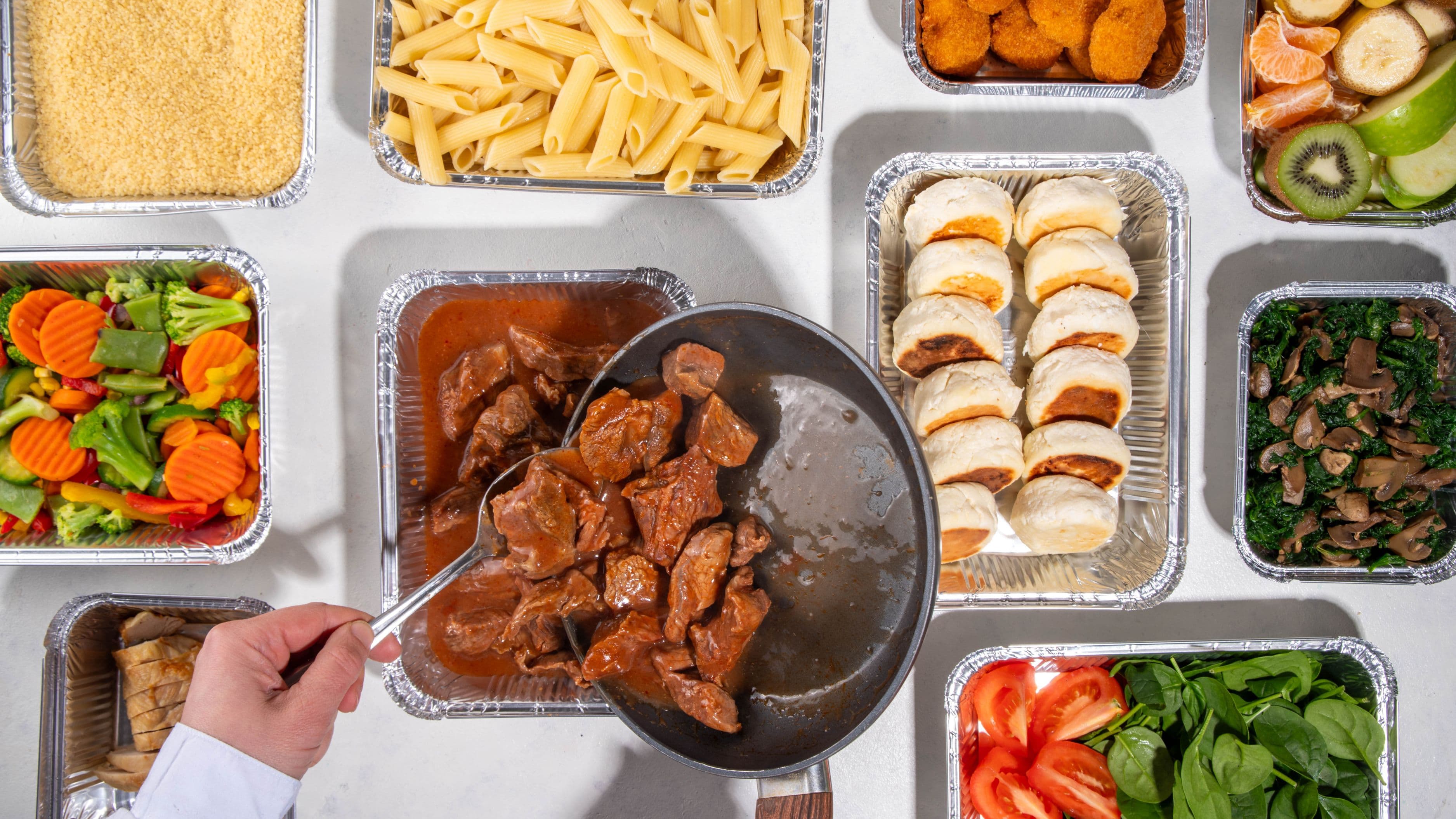
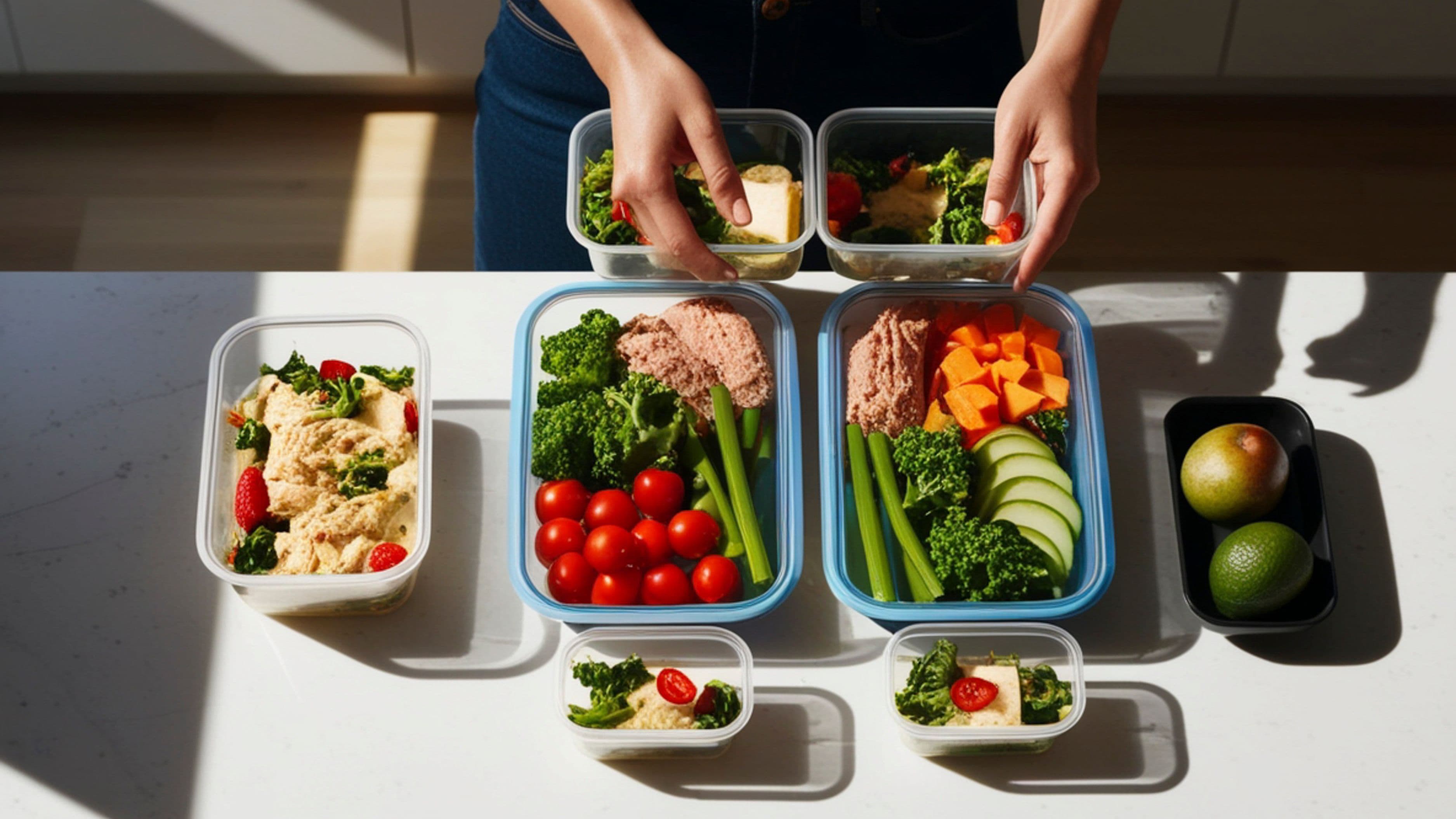
Cook once, eat twice. Batch cooking or doubling recipes so you have leftovers for the next night's dinner or next day's lunch reduces per-meal cost and saves the time that would otherwise go into cooking a fresh meal. One pot of soup or a sheet pan of roasted chicken thighs can cover two or three meals with minimal additional effort.
What a Week Actually Looks Like at a Moderate Budget
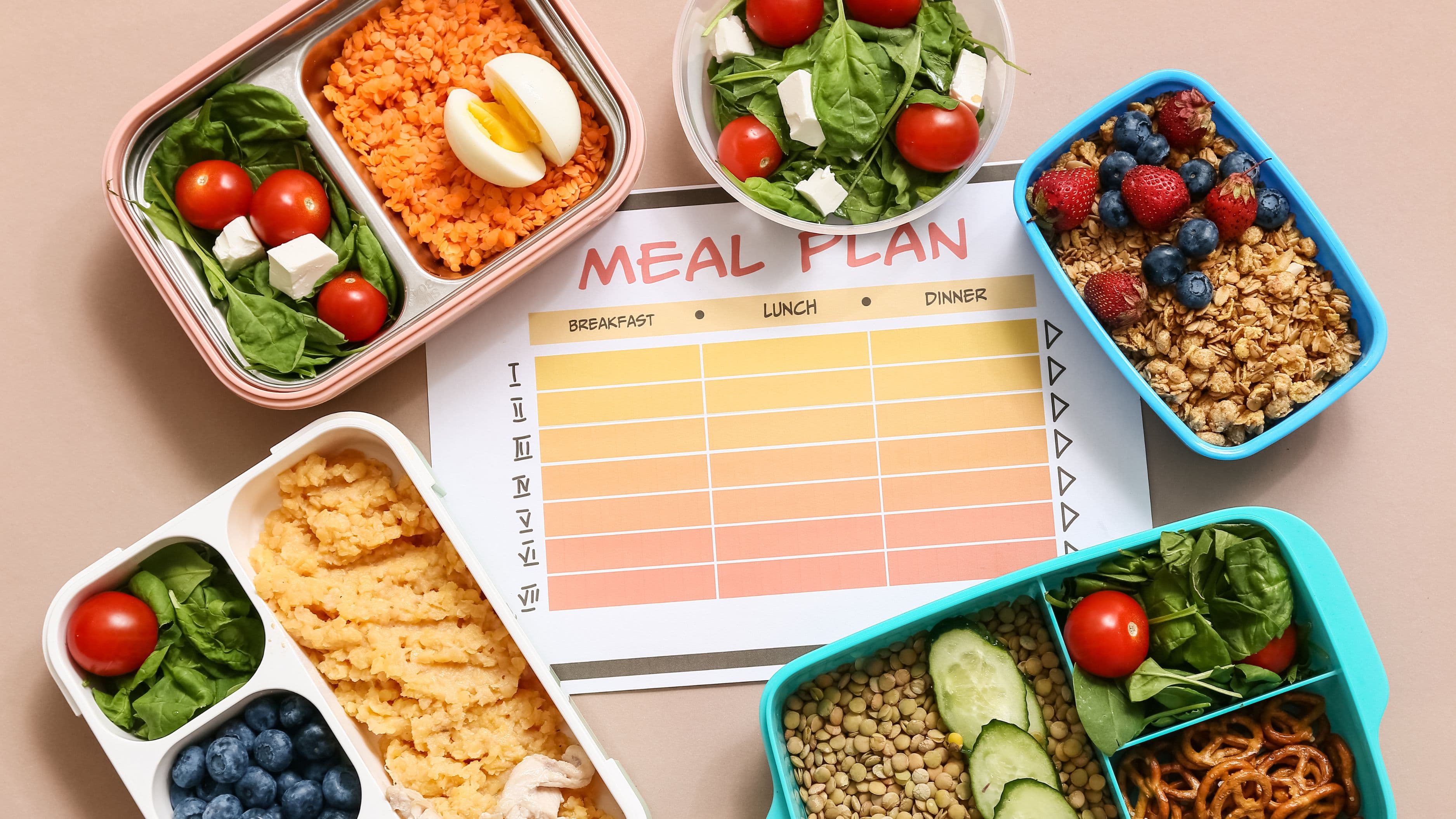
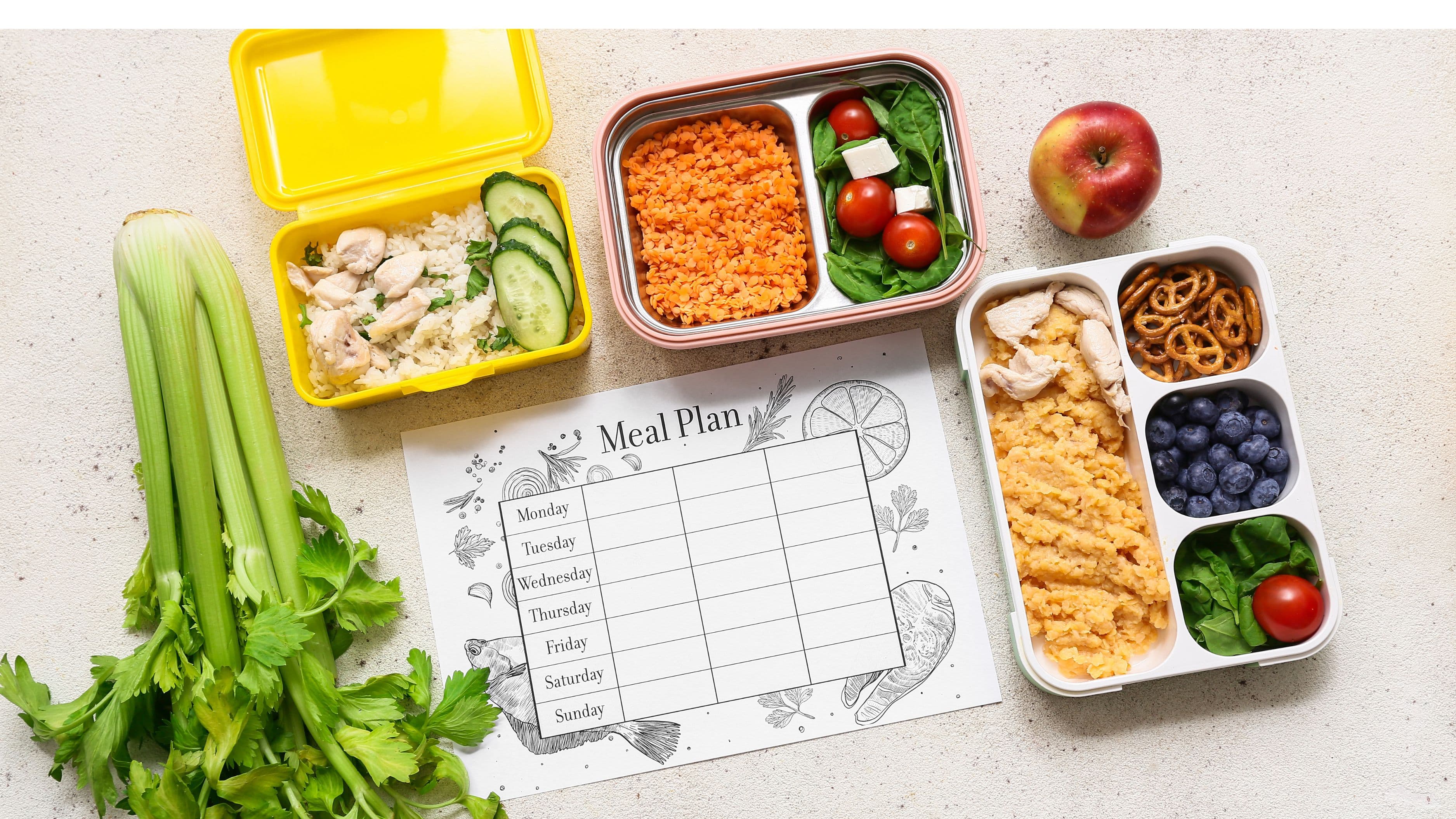
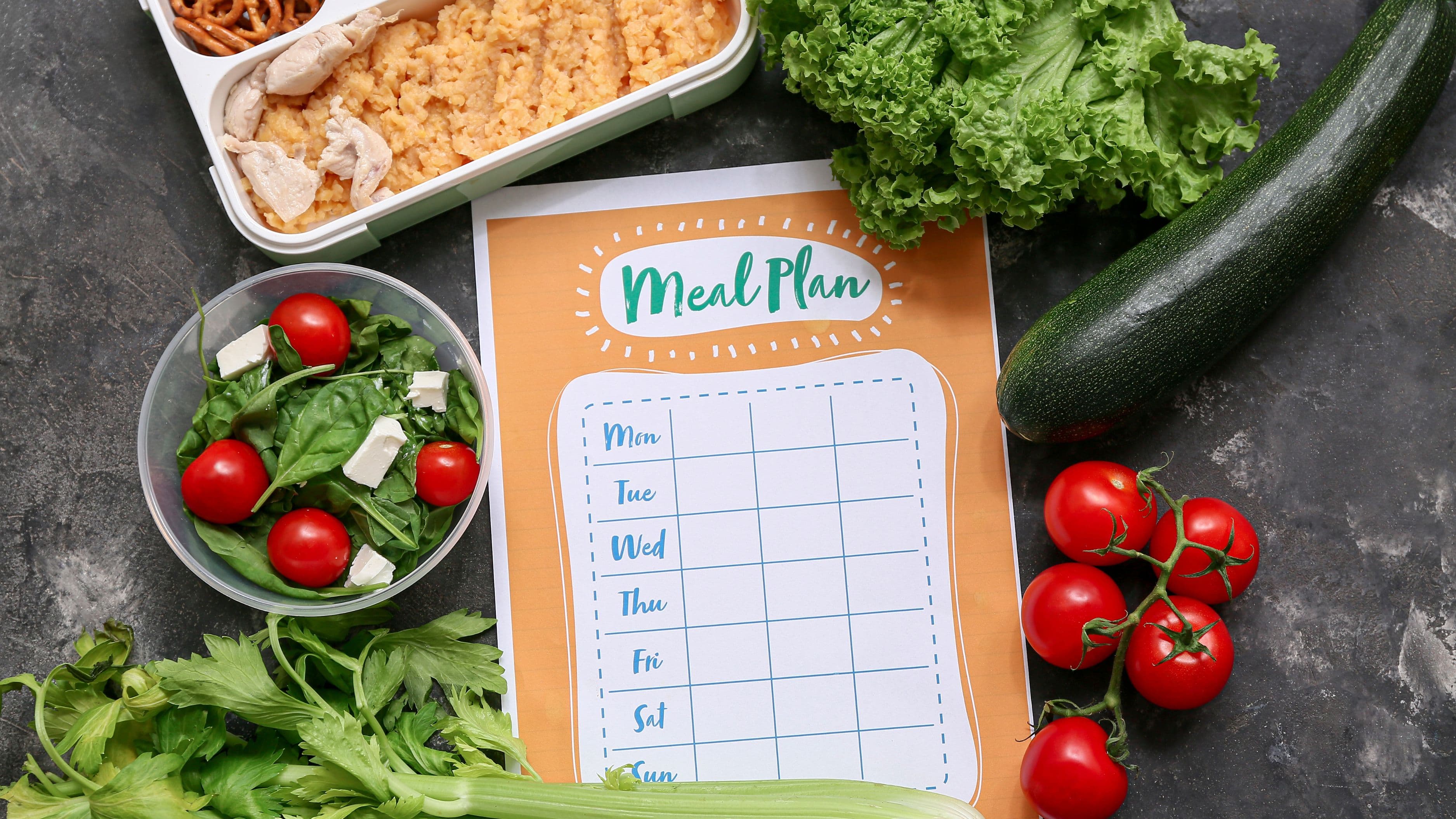
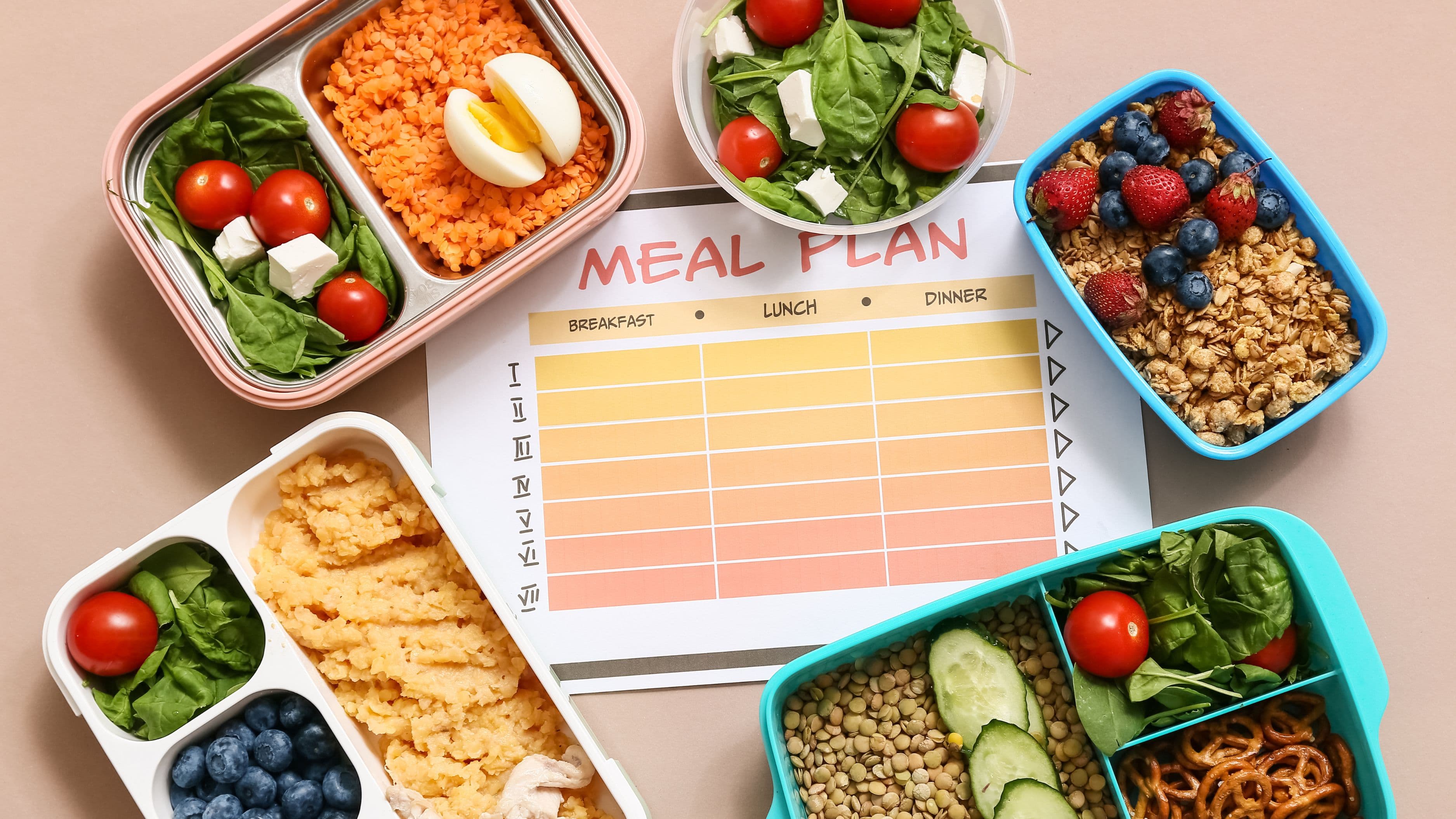
To make this concrete: here's roughly what a week of home cooking looks like for two adults on a $150/week grocery budget (the lower end of the two-adult range), before any dining out.
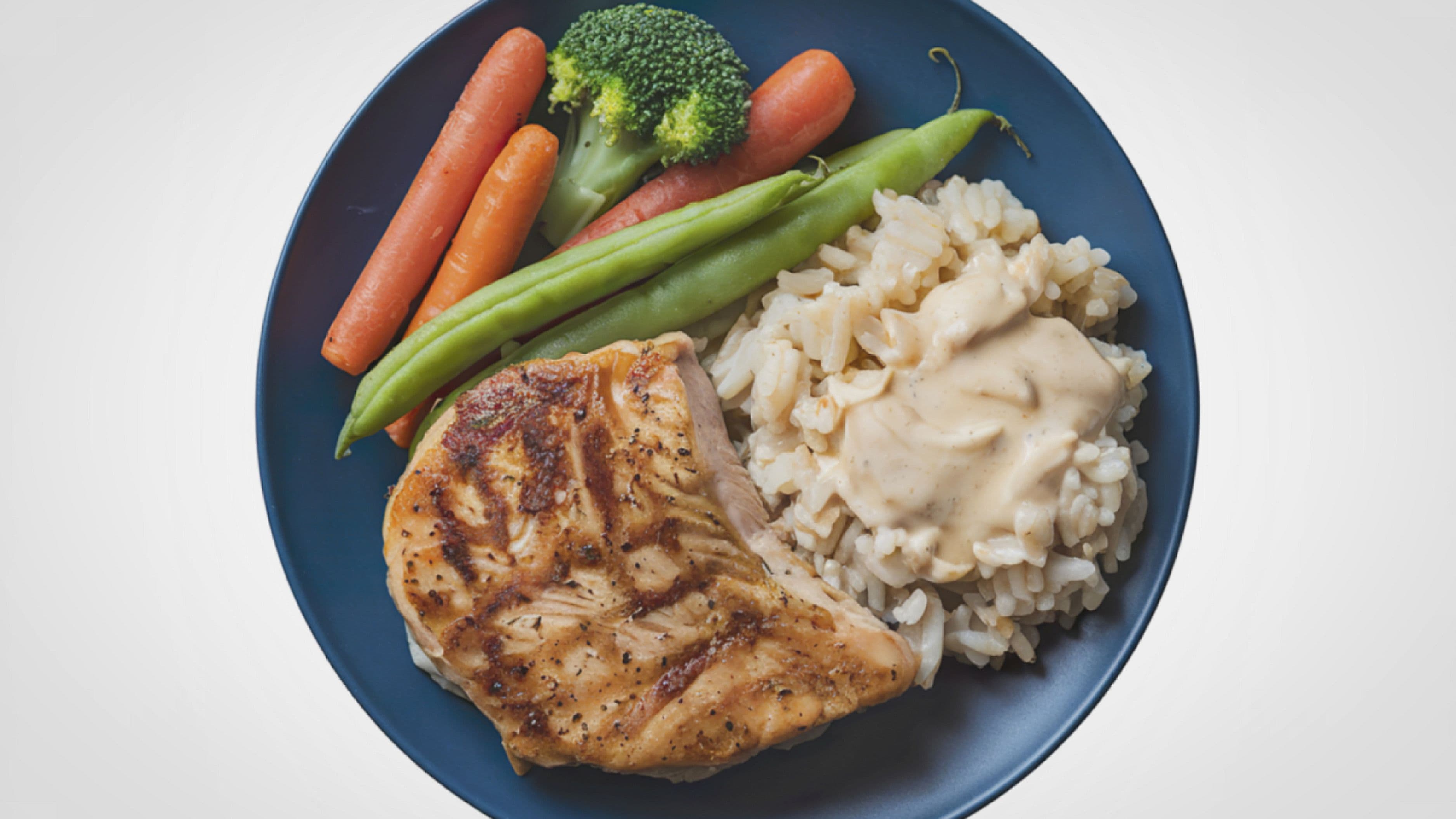
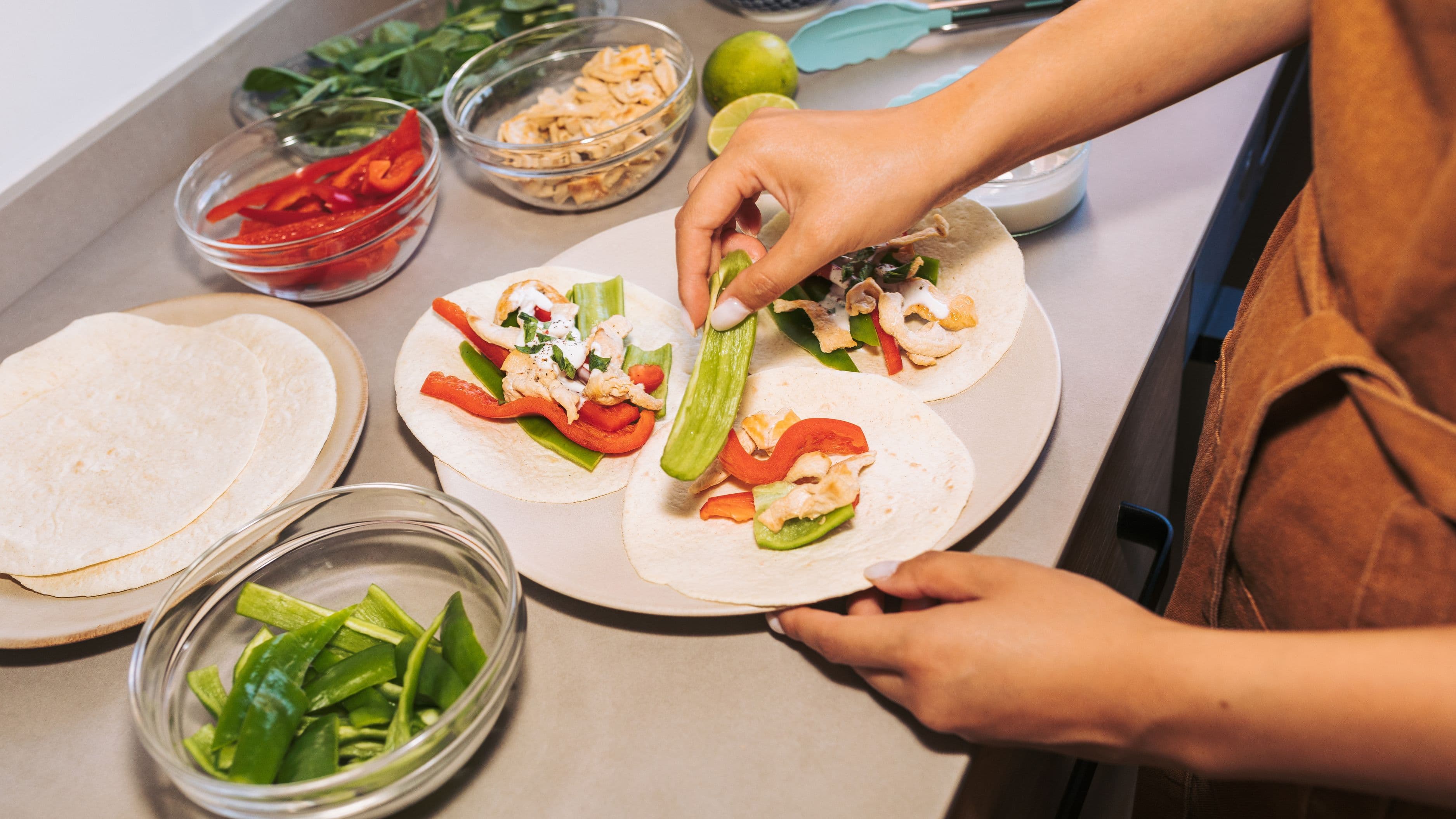
Monday: Pasta with homemade tomato sauce and a side salad. Cost per serving: about $2.50. Tuesday: Sheet pan chicken thighs with roasted potatoes and broccoli. Cost per serving: about $3.50. Wednesday: Leftovers from Tuesday. Cost: $0 additional. Thursday: Black bean tacos with rice and slaw. Cost per serving: about $2.00. Friday: Homemade pizza with a simple salad. Cost per serving: about $2.50. Saturday: Stir-fried beef and vegetables over rice (slightly higher cost, more involved). Cost per serving: about $4.50. Sunday: Slow-cooked lentil soup that makes enough for Sunday dinner and two more lunches. Cost per serving: about $1.50.
Total dinner cost for the week: roughly $65 to $75 for two people. Breakfasts (oats, eggs, yogurt, fruit) and lunches (sandwiches, salads, leftovers) account for the remainder of the weekly budget.
This isn't aspirational food. It's genuinely good food that most people would eat happily – it just requires planning and doing the cooking rather than outsourcing it.
Mistakes to Avoid
Trying to cut food spending by buying the cheapest version of everything doesn't work as well as it sounds. The cheapest produce often spoils faster, the cheapest cuts of meat require more cooking skill to be palatable, and the cheapest packaged foods are often the most processed and least filling. Selective value-shopping – knowing where to spend a bit more (proteins, fresh produce) and where the cheap option is genuinely fine (canned beans, dried pasta, store-brand dairy) – produces better results than blanket budget-minimizing.
Setting an unrealistically low budget and abandoning it within two weeks is less useful than setting a realistic budget and actually maintaining it. A budget you can live with consistently over months beats an ideal budget you can't sustain.
Not tracking what you actually spend for at least one month before building a budget is planning in the dark. A month of honest tracking – every grocery receipt, every delivery order, every lunch bought out – gives you the real picture from which to make meaningful adjustments.
FAQ
What's a reasonable weekly grocery budget for one person? At a moderate spending level, $75 to $100 per week covers nutritious, varied cooking for one person without extreme frugality. Getting to $60 to $75 is achievable with consistent cooking from scratch and minimal convenience products. Getting below $60 requires significant effort and careful planning but is possible for someone with time and pantry staples already in place.
How much should I spend on eating out versus groceries? There's no universal right answer, but a general guideline is that dining out shouldn't regularly exceed your grocery spending. If you're spending $500 on groceries and $600 on restaurants and delivery in the same month, the eating-out portion is likely where adjustments can make the biggest impact on your overall food budget.
Is it actually cheaper to meal plan than to shop as you go? Yes, consistently and significantly. Meal planning before shopping reduces impulse purchases, eliminates duplicate buys, and ensures everything you buy has a purpose. Most households that adopt consistent meal planning before shopping report meaningful reductions in their grocery bill within the first month.
What's the most cost-effective protein to cook with regularly? Eggs, canned tuna, dried beans and lentils, chicken thighs, and canned chickpeas are the most cost-effective proteins in terms of cost per gram. Eggs in particular – versatile, quick-cooking, and consistently inexpensive relative to their nutritional density – are one of the best value foods in any budget.
Should I try to hit the USDA thrifty plan budget? The USDA thrifty plan is technically achievable but requires a significant amount of cooking from scratch, careful planning, and consistent shopping. For most households, it's a useful reference point for understanding what's possible, not a realistic daily target. The moderate-cost plan is more achievable for a household cooking regularly without extreme time investment.
📚 Sources
USDA Center for Nutrition Policy and Promotion. Official USDA Food Plans: Cost of Food. https://www.fns.usda.gov/cnpp/usda-food-plans-cost-food-reports
Bureau of Labor Statistics. Consumer Expenditure Survey – Food Spending. https://www.bls.gov/cex/tables.htm
USDA Economic Research Service. Food Loss and Waste. https://www.ers.usda.gov/topics/food-nutrition-assistance/food-security-in-the-u-s/food-loss-waste/
FDA. Refrigerator and Freezer Storage Chart. https://www.fda.gov/media/74435/download
Harvard T.H. Chan School of Public Health. The Nutrition Source – Healthy Eating on a Budget. https://www.hsph.harvard.edu/nutritionsource/healthy-eating-on-a-budget/
USDA MyPlate. Budget-Friendly Protein Sources. https://www.myplate.gov/tip-sheet/budget-friendly-meals
Oldways Preservation Trust. Affordable Mediterranean Diet on a Budget. https://oldwayspt.org/programs/oldways-finding-common-ground/mediterranean-diet-affordable-everyone
National Resources Defense Council. Wasted: How America Is Losing Up to 40% of Its Food. https://www.nrdc.org/resources/wasted-how-america-losing-40-percent-its-food-farm-fork
Feeding America. How SNAP Benefits Are Calculated. https://www.feedingamerica.org/hunger-in-america/snap
Budget Bytes. Real-Cost Recipe Analysis for Budget Cooking. https://www.budgetbytes.com/about/