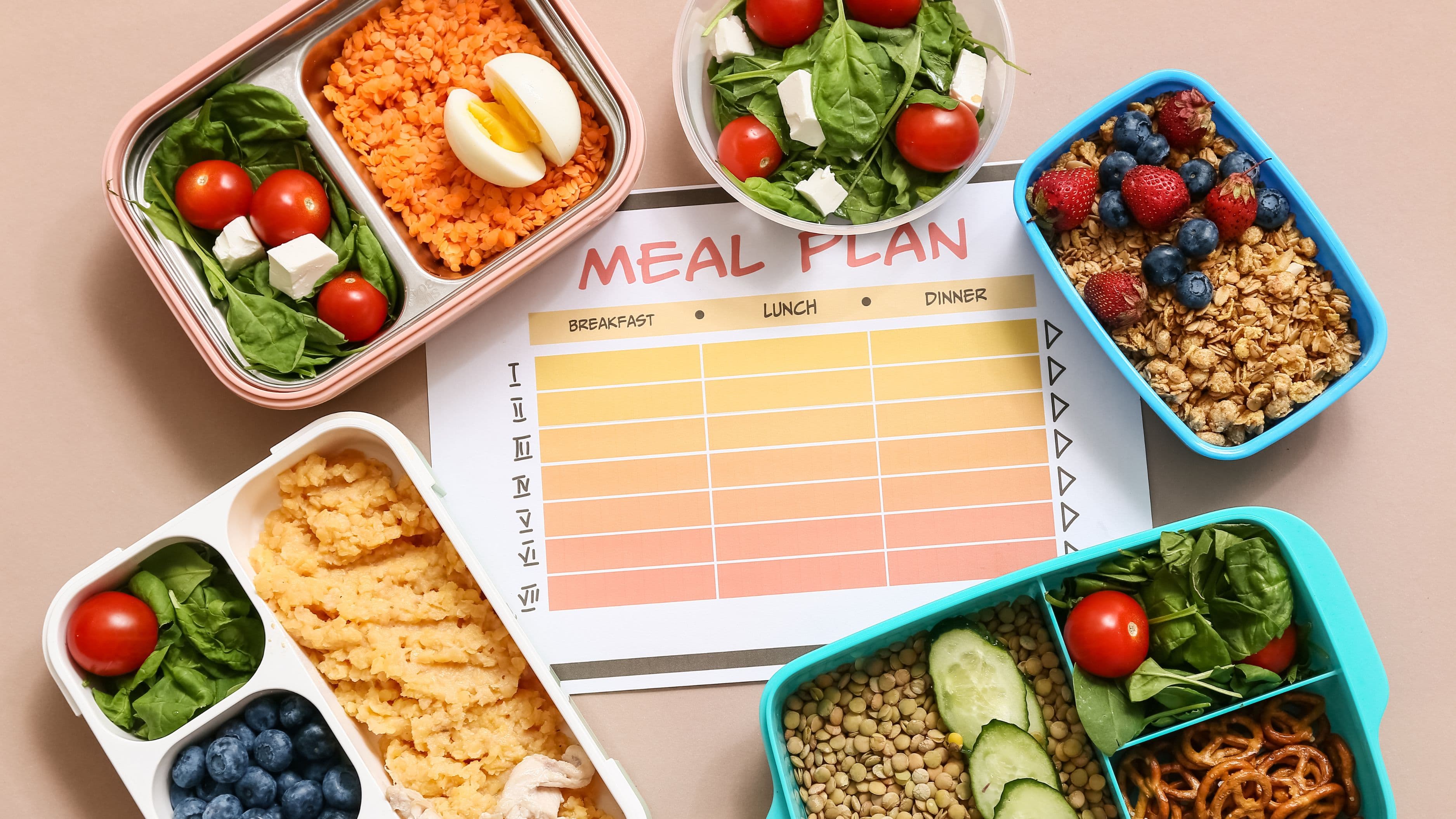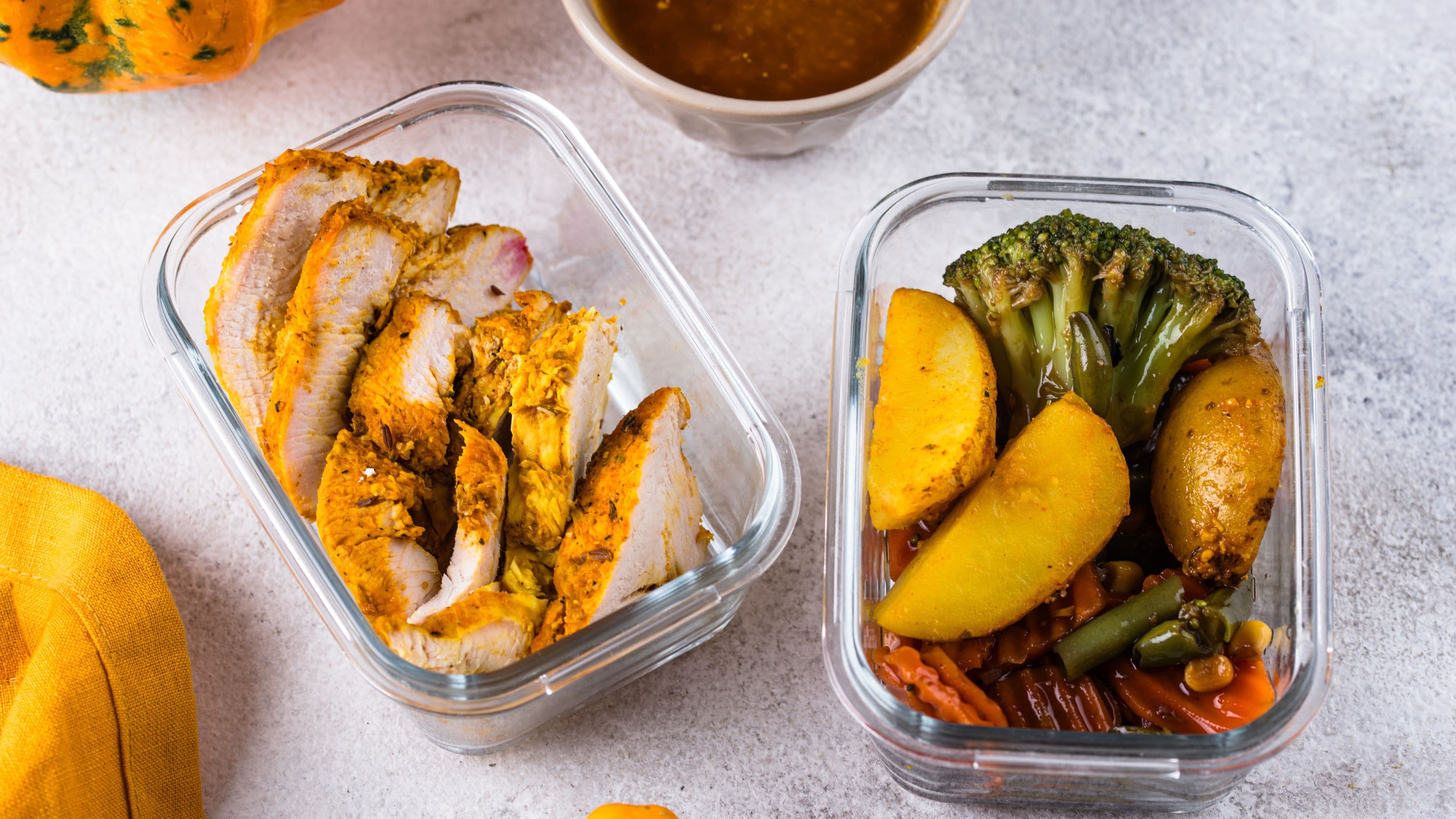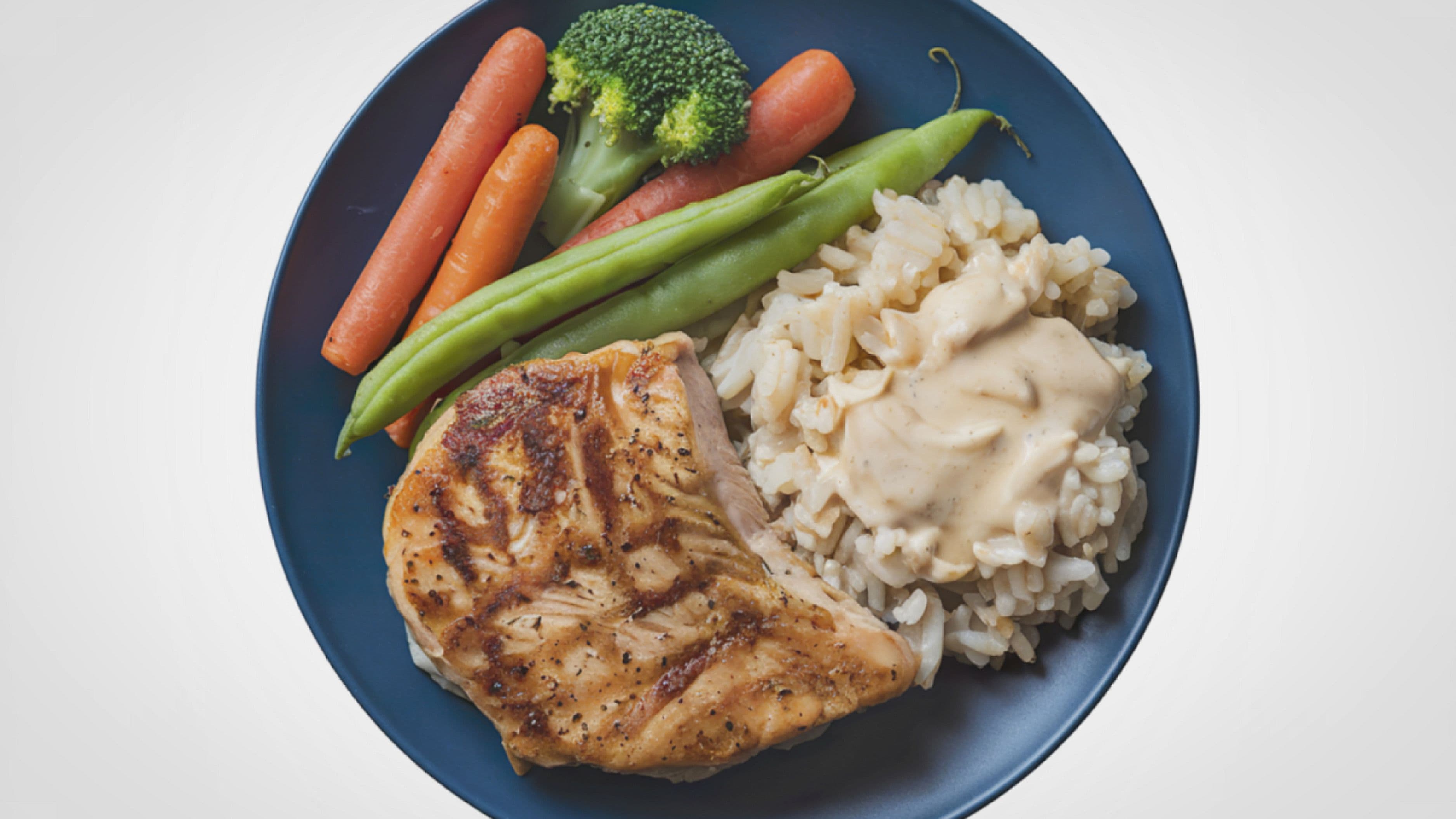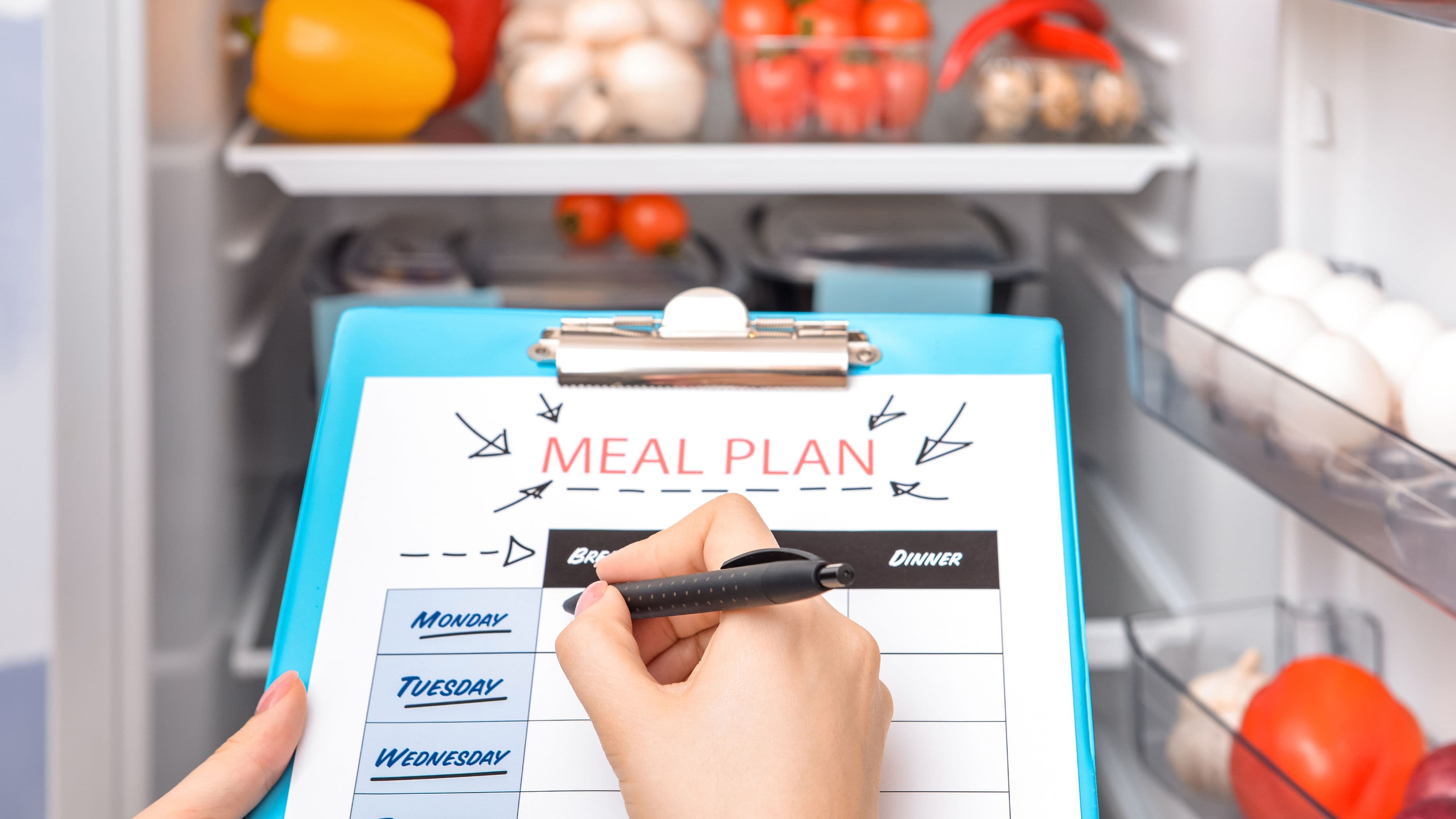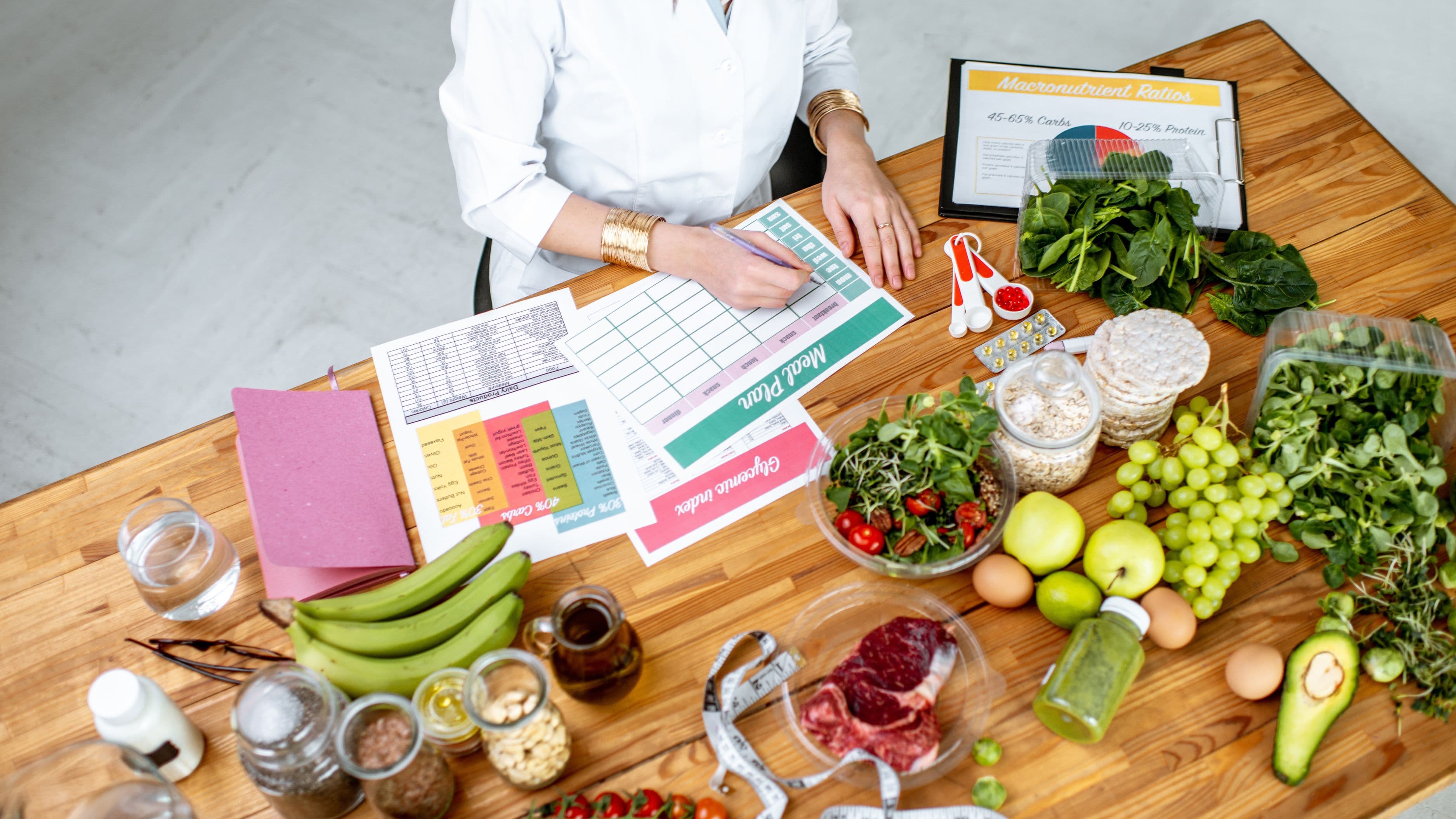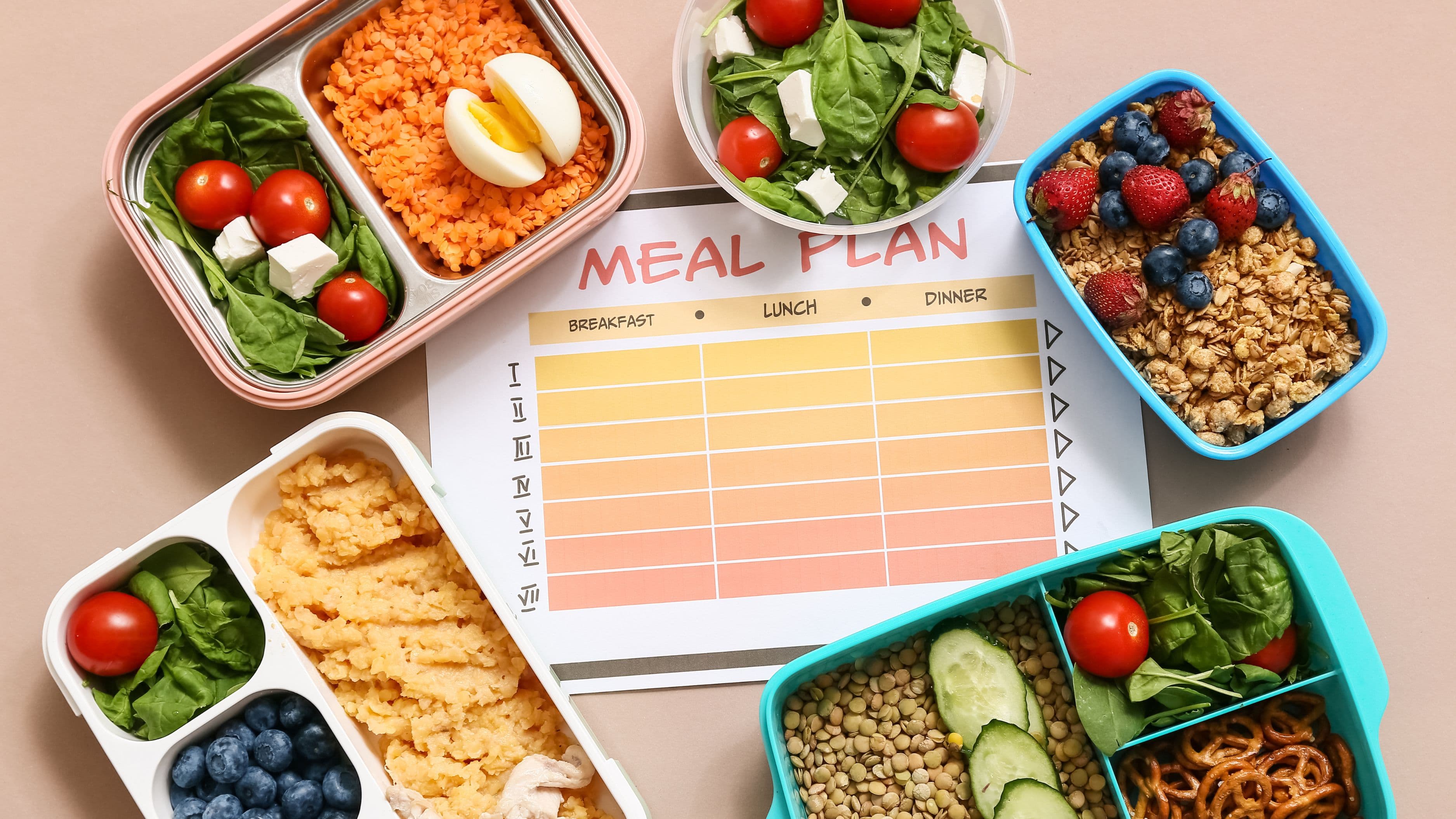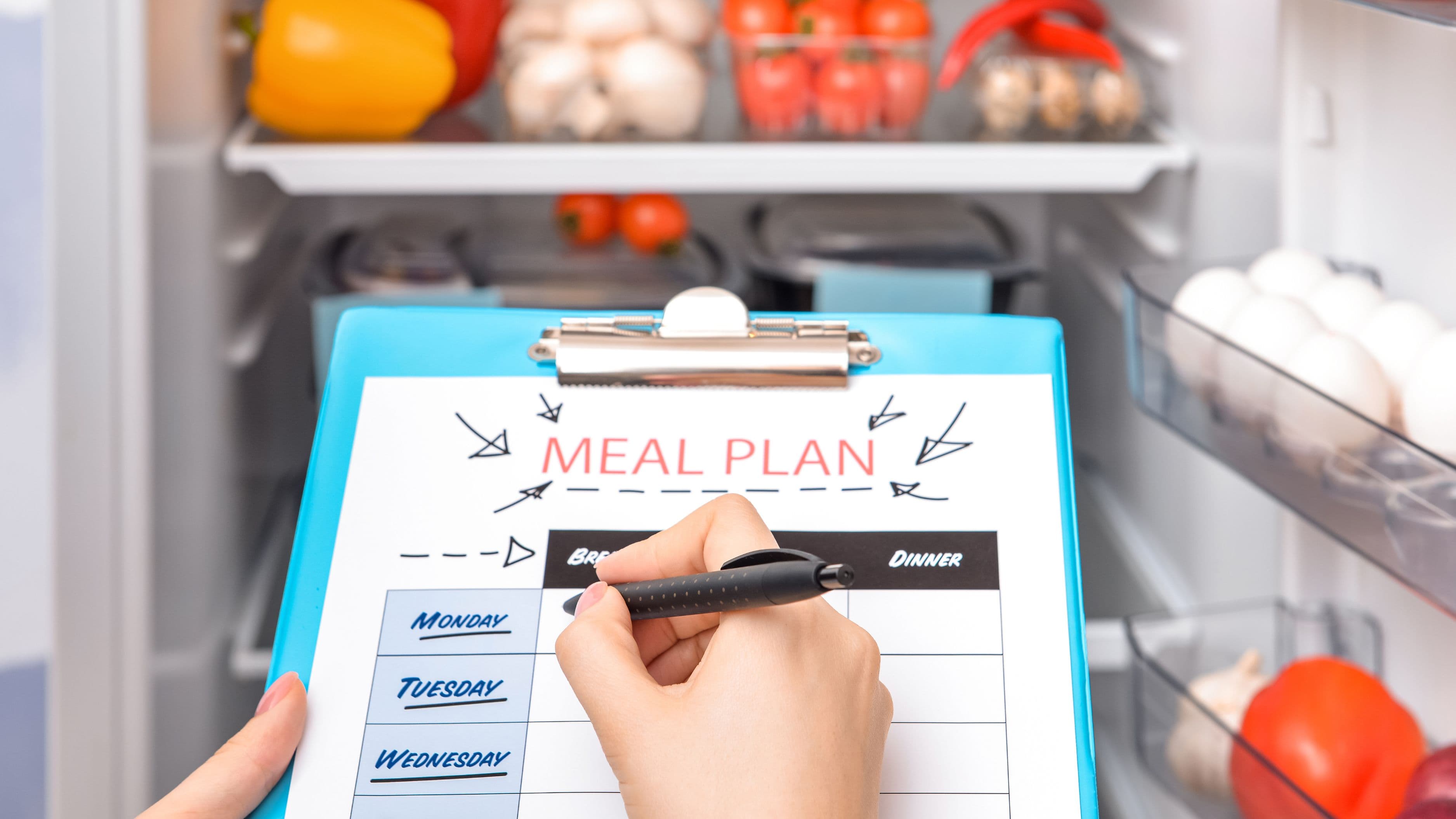
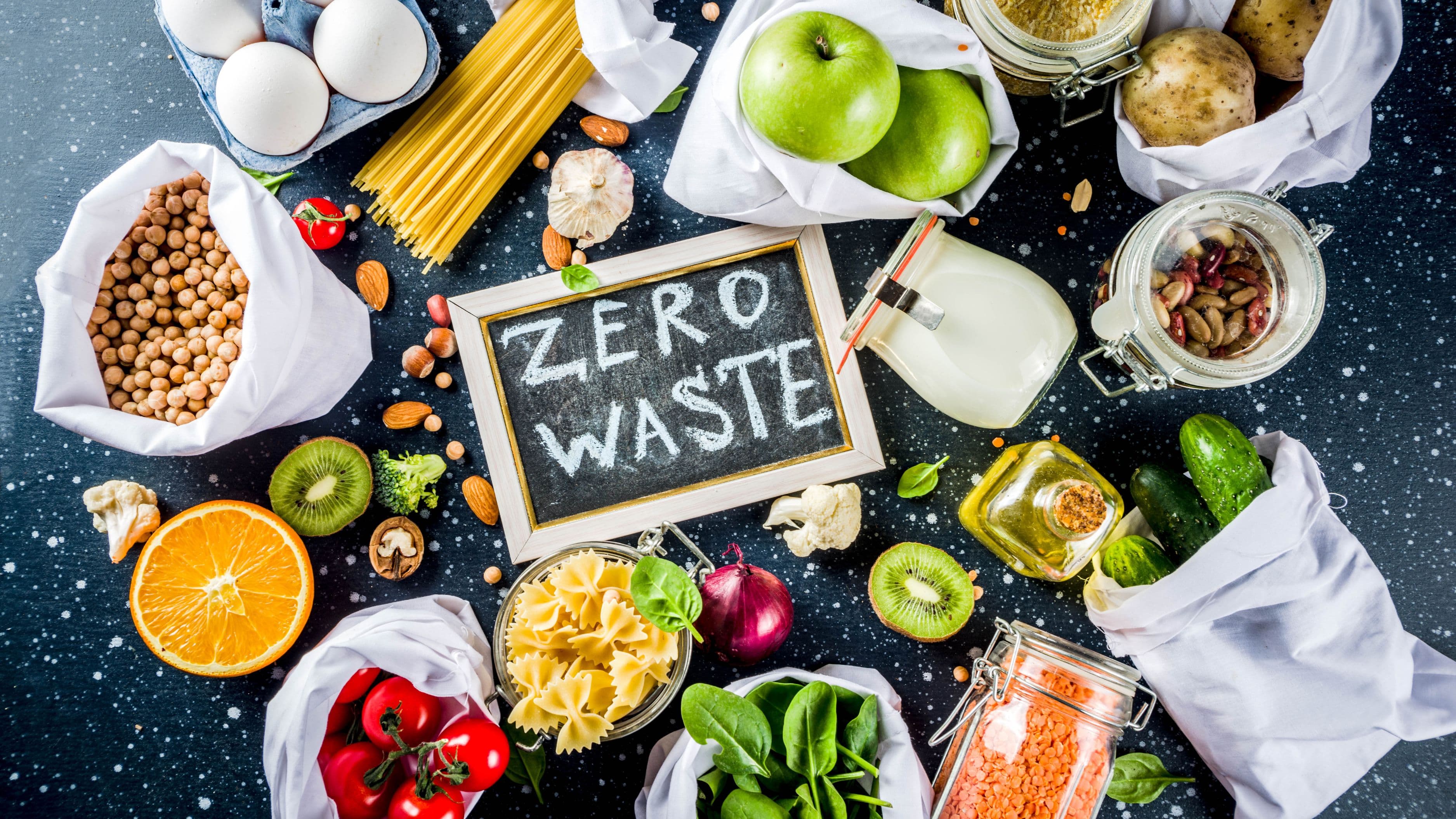
Here's the encouraging part: the single most effective fix isn't a gadget or a strict system. It's meal planning, done in a simple, realistic way. A little planning means you buy what you'll actually use, use what you buy, and stop tossing food you paid for. This guide shows you exactly how to plan meals so less ends up in the bin – without turning cooking into a chore.
Why a Plan Is the Real Fix for Food Waste
Most food waste at home comes from a predictable chain of events: we buy more than we need, forget what we have, and let things spoil before we cook them. Each link in that chain is a planning gap, which is exactly why planning is such a powerful solution – it closes all of them at once.
When you plan, you buy with purpose instead of guessing, so you bring home roughly what you'll use. You also cook with intention, working through ingredients before they spoil rather than letting them languish. And you waste less money, since the food you throw out is money you've already spent. What this means for you: meal planning isn't just about organized cooking – it's the most direct, proven way to stop wasting food and cash at the same time.
Step 1: Shop Your Kitchen Before You Shop the Store
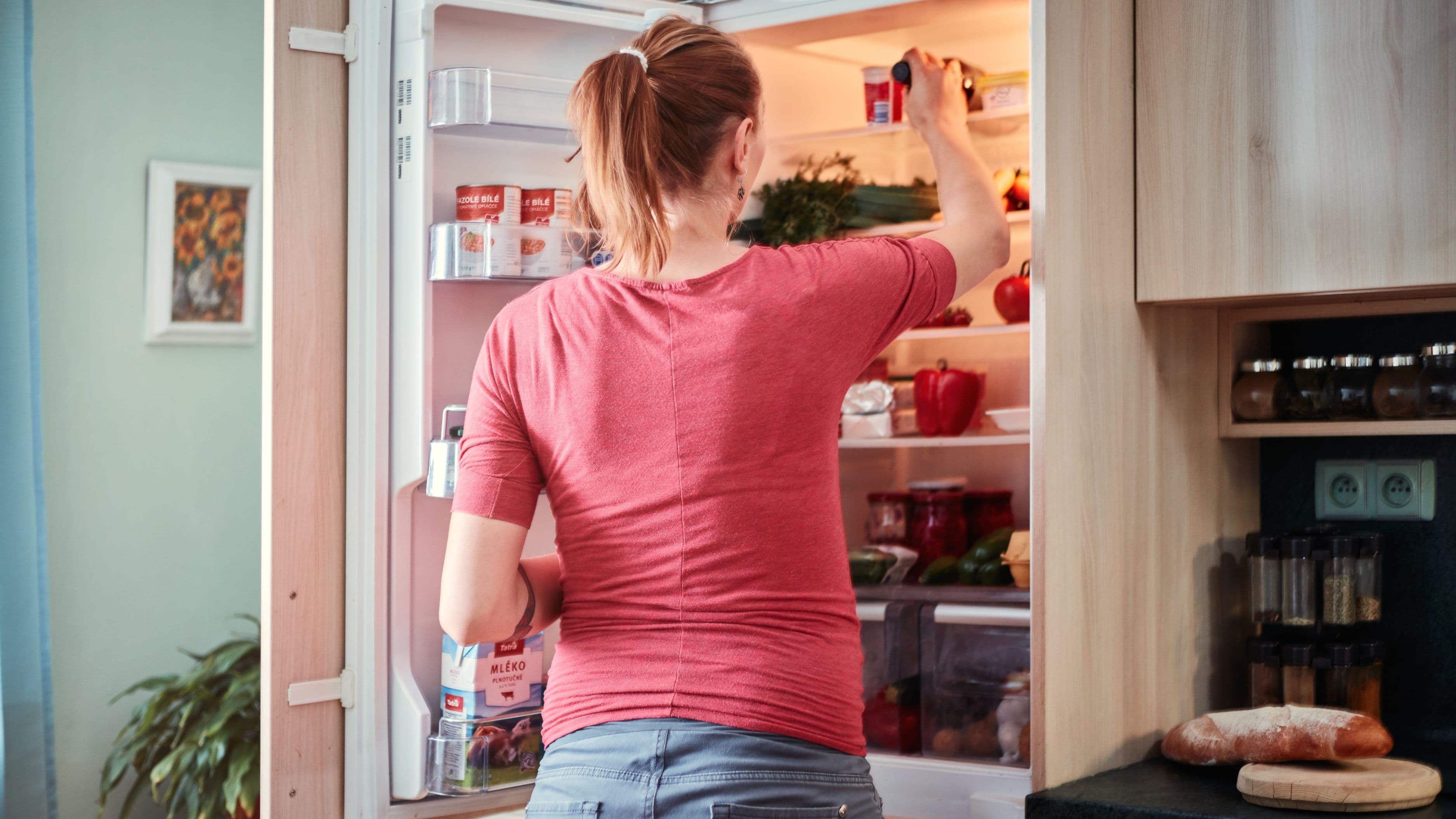
The simplest waste-fighting habit starts before you spend a dime: look at what you already have. Before making any plan or list, take two minutes to check your fridge, freezer, and pantry, paying special attention to anything that needs using soon – produce starting to soften, leftovers, things near their date.
This quick inventory does two things. It stops you from buying duplicates of food you already own (a major source of waste), and it shows you what to build meals around first. Planning a meal or two specifically to use up what's already on its way out is the single highest-impact move in this whole process. What this means for you: start every plan by raiding your own kitchen, and you'll waste less and spend less right away.
Step 2: Plan Meals Around What Needs Using First
Once you know what you have, build your plan with the goal of using up the at-risk items, not just cooking whatever sounds good in the moment. This is the heart of waste-reducing meal planning, and it's a small mindset shift with big results.
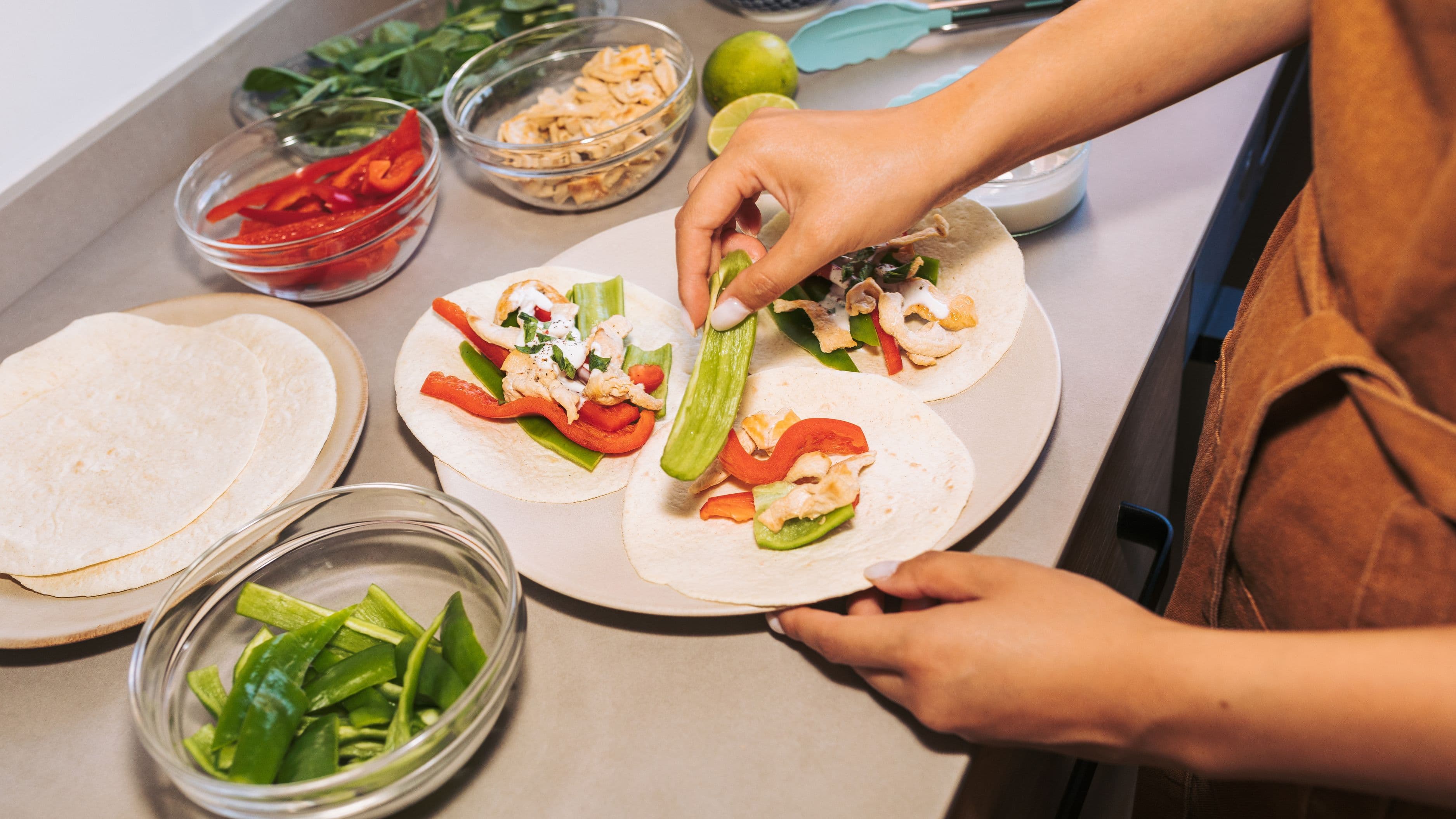
If you've got spinach about to wilt, plan a meal that features it early in the week. If there's leftover roast chicken, plan a soup, salad, or wrap to finish it. Slot your most perishable ingredients into your earliest meals, and save longer-lasting items (root vegetables, frozen foods, pantry staples) for later in the week when the fresh stuff is gone. What this means for you: planning in order of perishability – use the fragile things first – naturally clears out food before it can spoil.
Step 3: Make a Realistic List – and Stick to It
A meal plan only prevents waste if your shopping matches it, so turn your plan into a focused list and resist the extras. Write down exactly what your planned meals require, in the amounts you'll actually use, and check it against your kitchen inventory so you're not buying what you already have.
The discipline part matters: impulse buys and "this looks good" extras are a leading cause of food going bad, because they don't belong to any meal and often get forgotten. Sticking to your list keeps you from overbuying, which is where most household food waste begins. A practical tip is to be honest about quantities – buying the giant bag because it's cheaper only saves money if you actually eat it all before it spoils. What this means for you: a tight list tied to your plan is your best defense against bringing home food you'll never use.
Step 4: Plan for Leftovers on Purpose
Leftovers get a bad reputation, but planned intentionally they're one of the easiest ways to cut waste and save effort. Instead of treating leftovers as an accident, build them into your plan from the start.
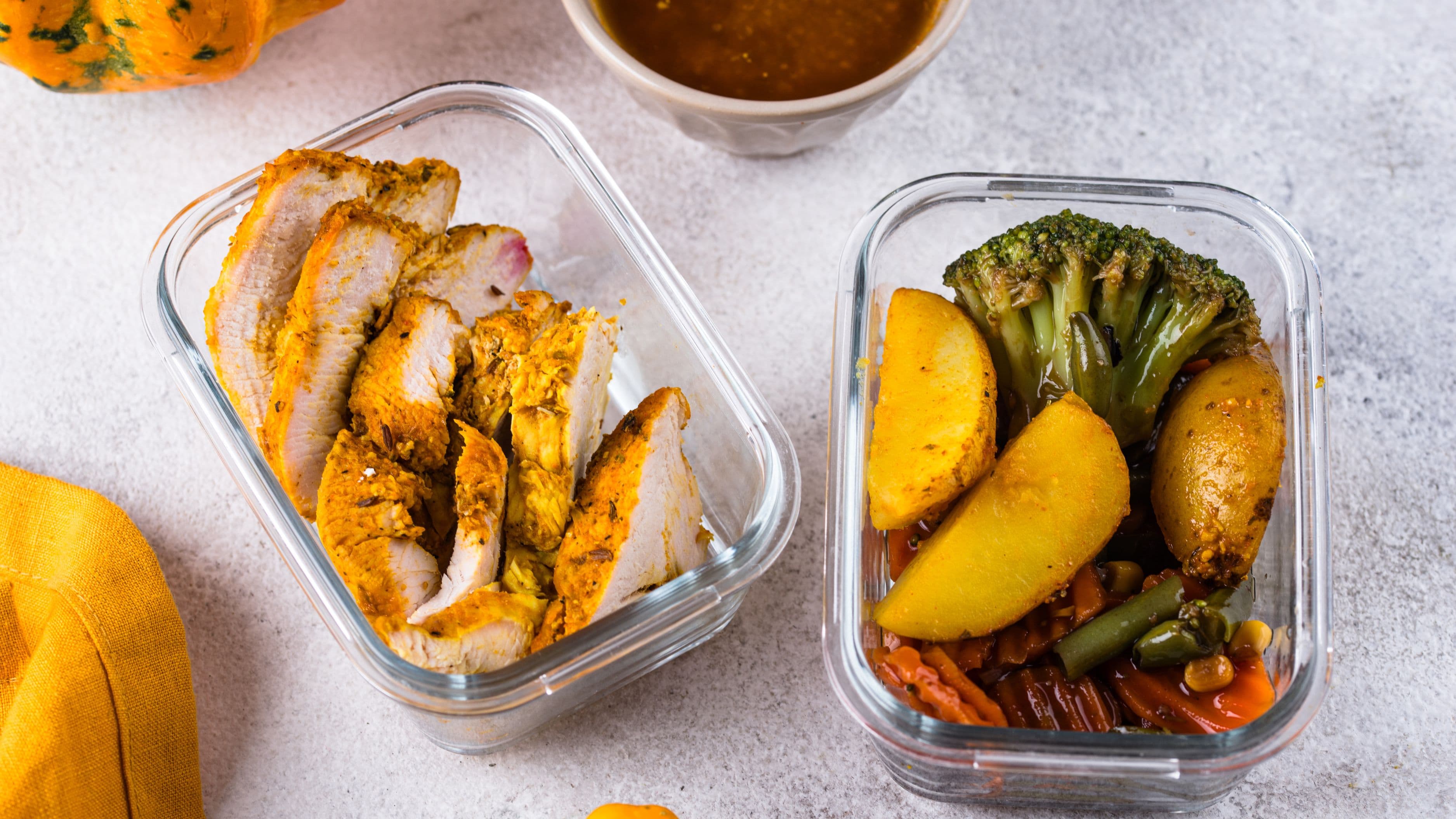
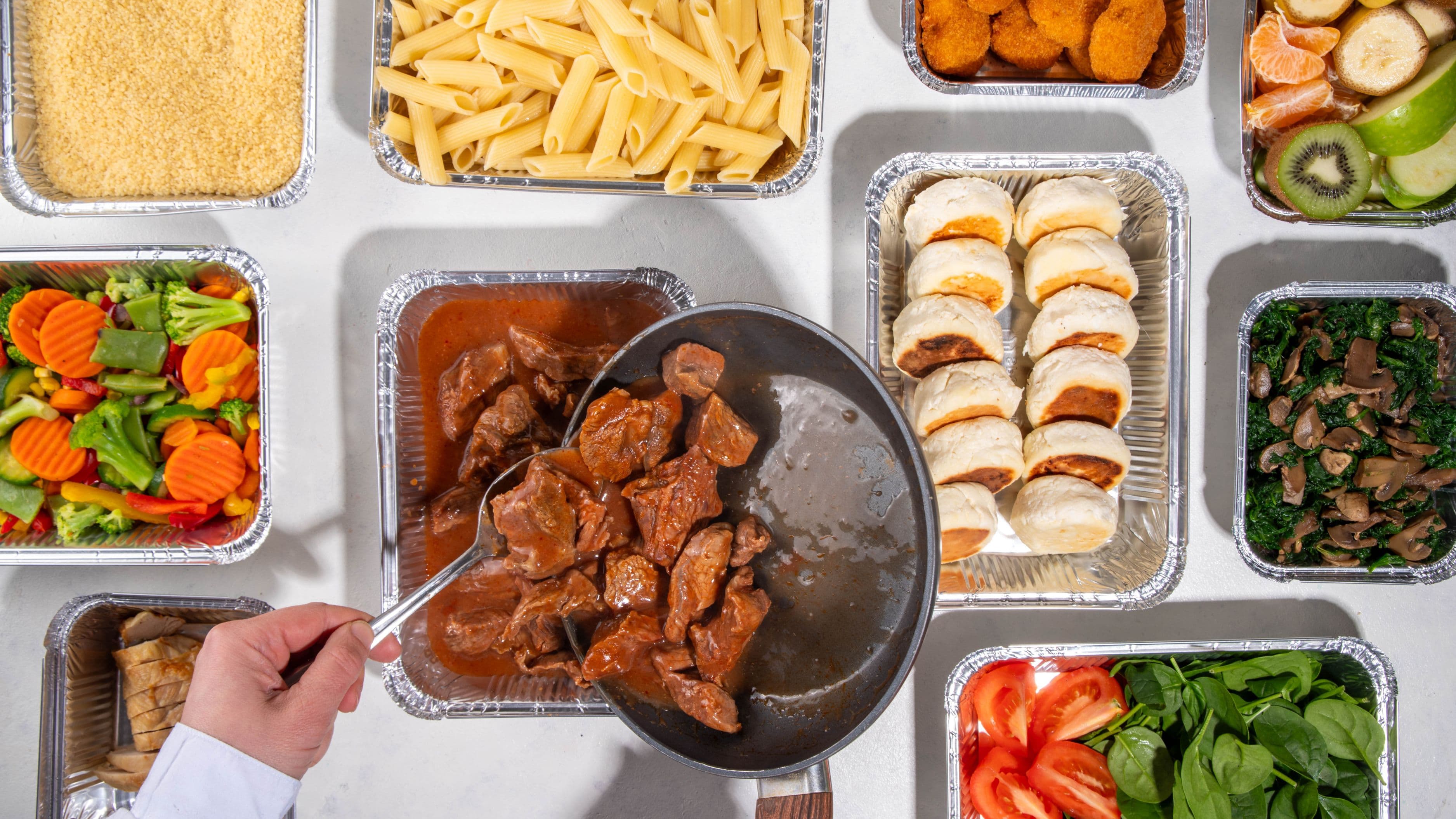
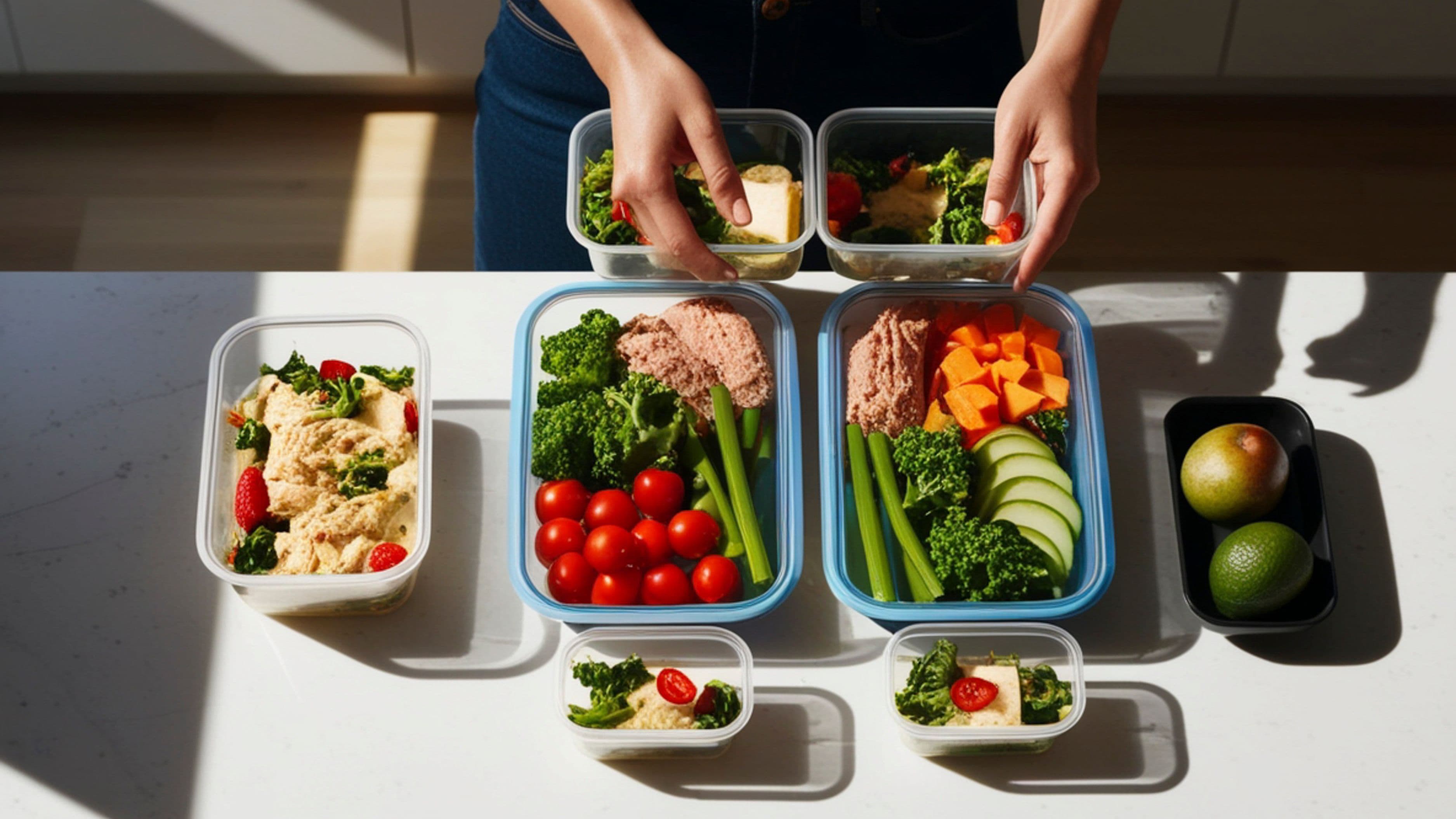
You can do this two ways. Cook once, eat twice – make a larger batch of something and plan to eat it again later in the week, either as-is or remade into something new (extra roasted vegetables become a grain bowl; last night's chili tops a baked potato tonight). Or designate a flexible "use-it-up" night each week, where the meal is simply whatever leftovers and odds and ends need finishing. This single habit catches the bits and pieces that would otherwise be quietly thrown out. What this means for you: planning leftovers turns potential waste into ready-made meals, saving both food and cooking time.
Step 5: Store Food So It Actually Lasts
Even the best plan fails if food spoils faster than expected, so a little storage know-how makes your planning stick. You don't need anything fancy – just a few habits that meaningfully extend how long things last.
Keep your fridge organized so you can see what's there (out of sight really does mean out of mind), and store produce properly, since many vegetables last longer in the crisper drawer while a few, like tomatoes and potatoes, do better at room temperature. Use your freezer as a pause button: bread, meat, and many cooked dishes freeze well, and freezing extras before they spoil rescues food you can't get to in time. It also helps to keep older items in front so you use them before the newer ones. What this means for you: good storage buys your meal plan the time it needs to work, so fewer ingredients spoil before their turn.
Putting It Together: A Simple Weekly Routine
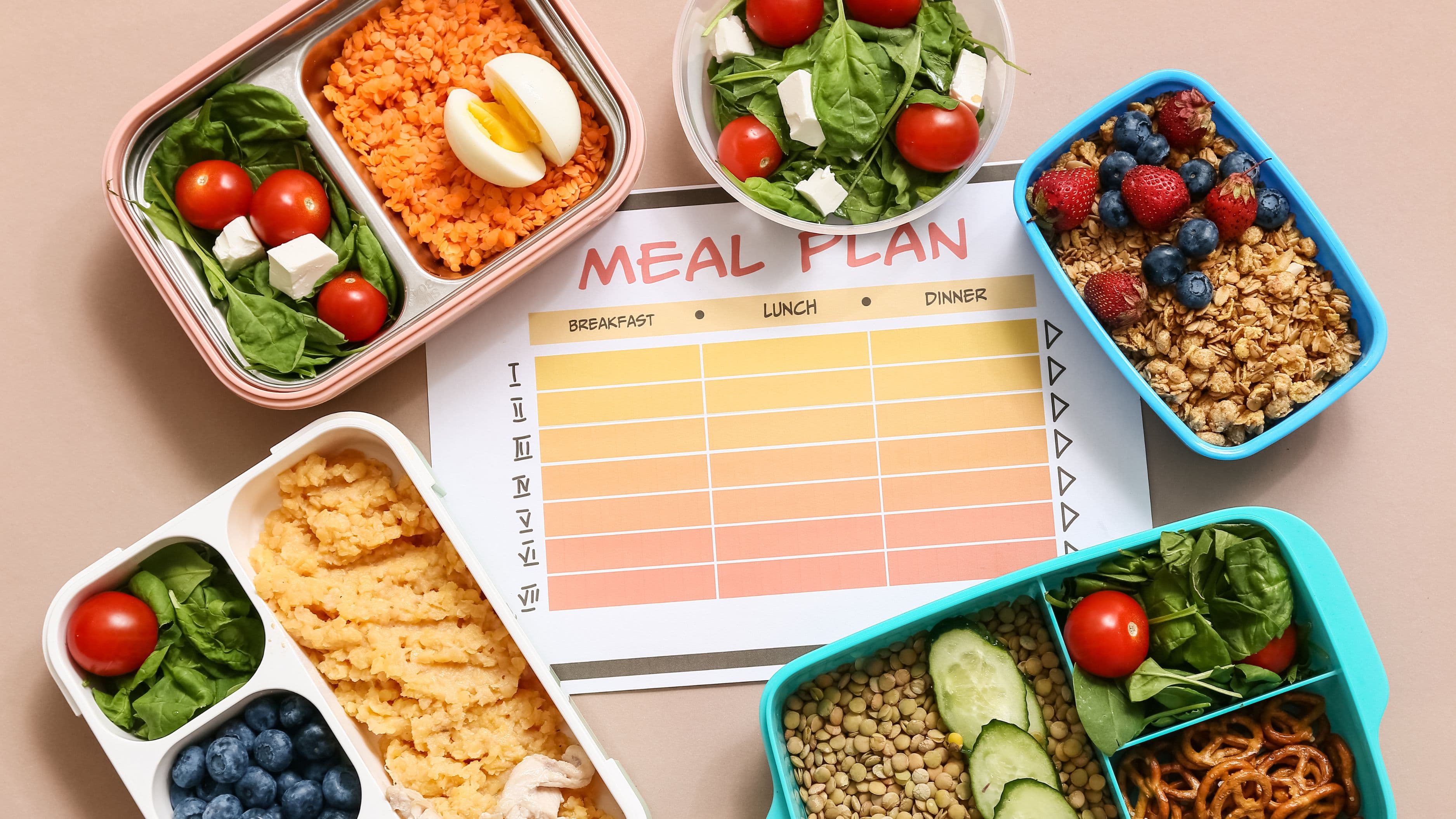
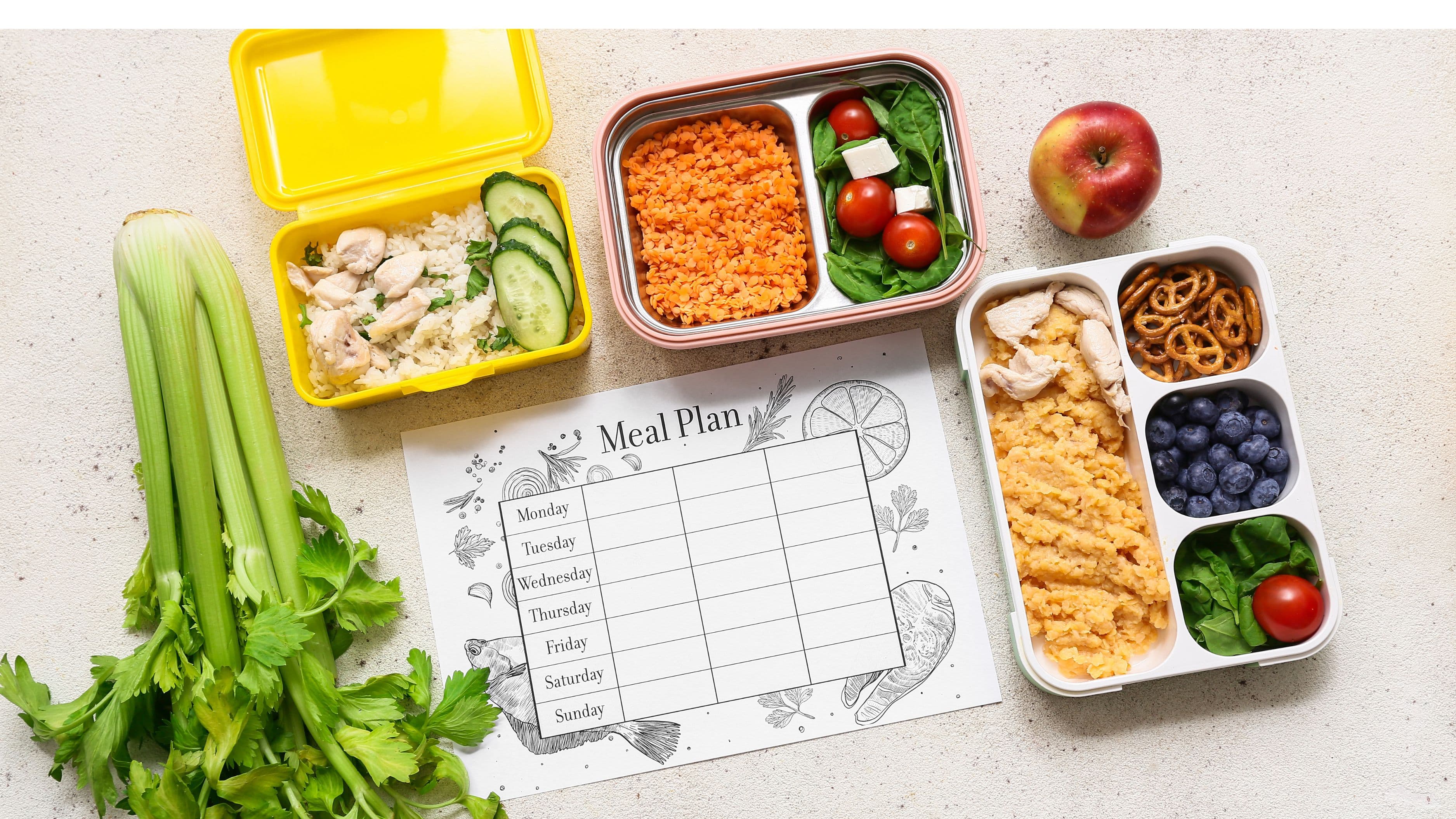
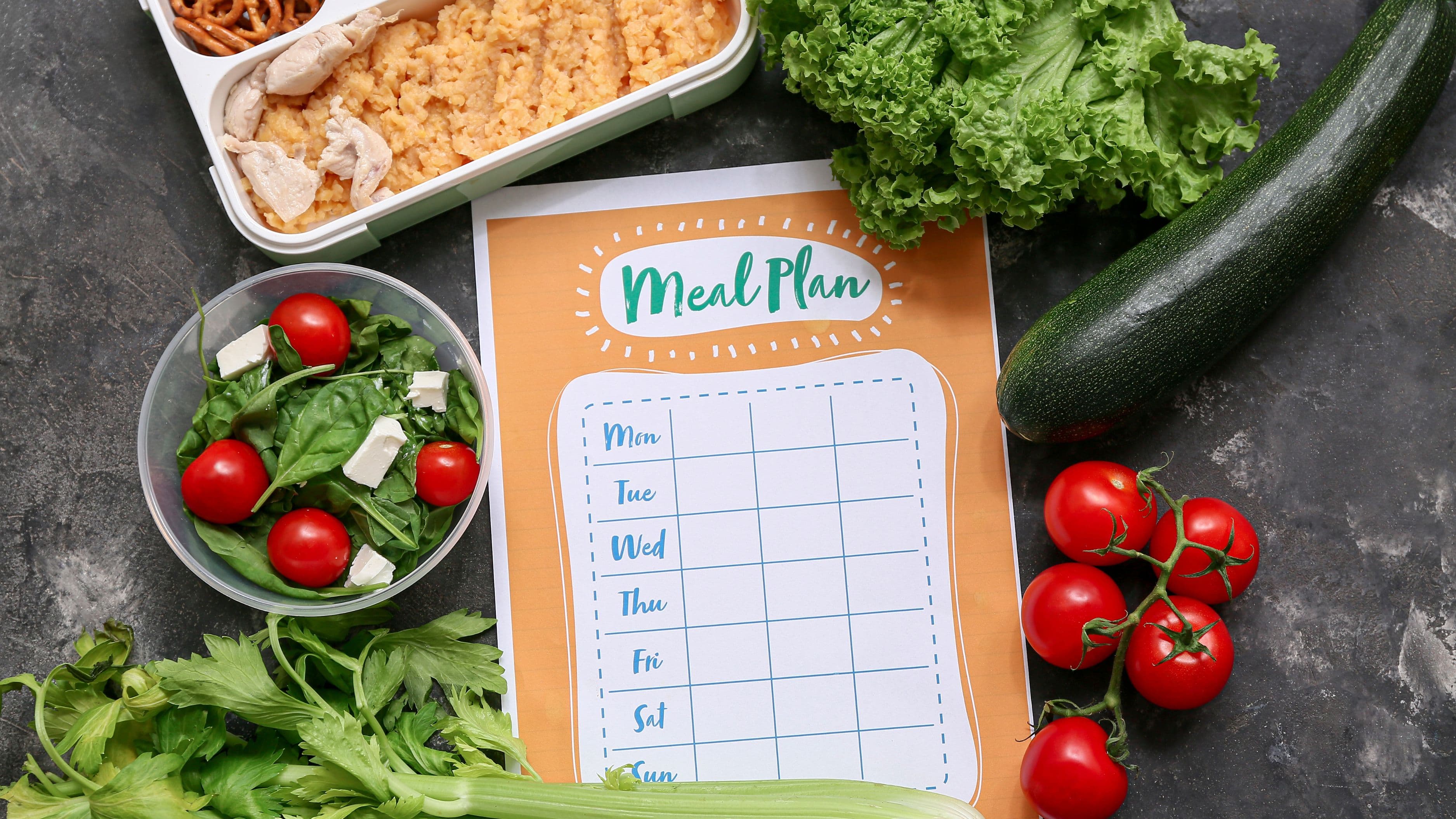
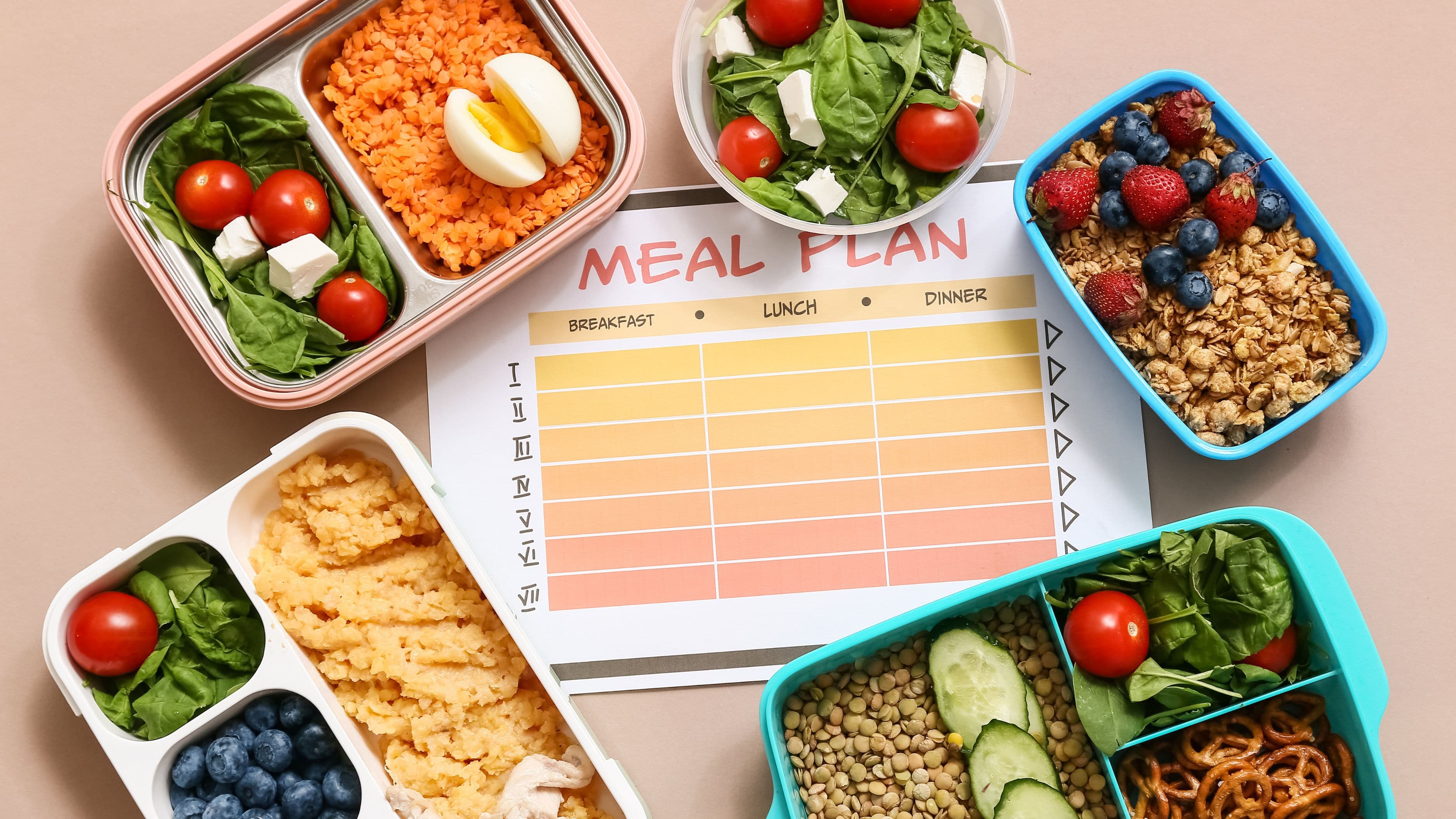
Here's the whole thing as one easy rhythm you can repeat each week. Spend a few minutes checking what you already have, especially items that need using soon. Plan your meals for the next several days around those at-risk ingredients first, building in a leftovers or use-it-up night. Turn that plan into a focused shopping list, checked against your inventory, and stick to it at the store. Then store everything properly when you get home so it lasts as long as your plan needs.
Realistic expectations: this takes about 15–20 minutes a week once it becomes routine, and it requires no special skills – just the willingness to look before you shop and cook with a little intention. The payoff shows up fast, both in a fridge with less forgotten food and in noticeably lower grocery spending. What this means for you: a short weekly loop of check, plan, list, store is all it takes to dramatically cut what you throw away.
What to Avoid
A few common habits quietly undo your best efforts. The biggest is overbuying – stocking up on perishables because they're on sale or look appealing, then watching them spoil; buy what your plan calls for, and use the freezer for genuine bulk deals. Another is forgetting to actually check your kitchen first, which leads to duplicates and missed at-risk items, so never skip the inventory step.
Be careful about over-planning every single meal with no flexibility, since real life shifts and a too-rigid plan often gets abandoned (and then food goes to waste anyway) – leave room for changes and a use-it-up night. Avoid storing food carelessly or shoving everything to the back of the fridge where it's forgotten. And don't automatically toss food based only on date labels; many "best by" dates indicate quality, not safety, so use your senses too – though when in doubt about safety, it's always fine to throw something out. What this means for you: stay flexible, check before you buy, store with care, and you'll avoid the traps that send food to the bin.
FAQ
How much time does waste-reducing meal planning take? About 15–20 minutes a week once it's a habit – a few minutes to check your kitchen and plan, plus the time to make a focused list. That small investment usually saves more time later (fewer extra store trips) and noticeably cuts your grocery spending, so it pays for itself quickly.
What's the single most effective thing I can do to waste less food? Plan at least one or two meals each week specifically around the ingredients you already have that need using soon. Most waste comes from food spoiling before we get to it, so deliberately cooking the at-risk items first is the highest-impact habit you can build.
Do I have to plan every meal to make this work? No, and trying to can backfire. Planning your main meals while leaving flexible nights – especially a use-it-up night for leftovers and odds and ends – works better in real life. A plan with some breathing room is one you'll actually stick to, which is what reduces waste.
How do I deal with leftovers I won't eat in time? Freeze them. Many cooked dishes, plus bread and meat, freeze well and can be enjoyed later, which rescues food you can't get to before it would spoil. Labeling with the date helps you use them within a reasonable window so they don't become freezer mysteries.
Are "best by" and "use by" dates the same as the food being unsafe? Not always. Many date labels (like "best by") refer to peak quality rather than safety, so food is often still fine to eat after them. Use your eyes and nose alongside the date, store things properly to extend freshness, and when you're genuinely unsure about safety, it's always reasonable to discard it.
The Bottom Line
Reducing food waste doesn't take willpower or fancy tools – it takes a little planning. When you check what you already have, build meals around the ingredients that need using first, shop from a focused list, plan your leftovers on purpose, and store food so it lasts, you naturally stop throwing away food you paid for. The whole routine is just 15–20 minutes a week and works for cooks of any skill level. Start this week by opening your fridge, spotting what needs using soon, and planning a meal around it – that one habit alone will make a visible dent in your waste, and your grocery bill, almost immediately.
📚 Sources
U.S. Environmental Protection Agency – Preventing wasted food at home: https://www.epa.gov/recycle/reducing-wasted-food-home
USDA – Food loss and waste reduction tips: https://www.usda.gov/foods/food-loss-and-waste
FoodSafety.gov – FoodKeeper food storage guide: https://www.foodsafety.gov/keep-food-safe/foodkeeper-app
U.S. FDA – Confused by date labels on packaged foods: https://www.fda.gov/food/consumers/confused-date-labels-packaged-foods
USDA MyPlate – Planning meals and smart grocery shopping: https://www.myplate.gov/eat-healthy/healthy-eating-budget