What Reduction Actually Is
Reduction simply means simmering a liquid – stock, wine, cream, a pan sauce – until enough water evaporates that what's left becomes more concentrated. As the water content cooks off, the flavor compounds and any dissolved solids left behind become proportionally stronger, which is why a reduced sauce tastes noticeably richer and more intense than the same liquid before it was reduced. This also naturally thickens the liquid, since you're removing volume without removing the ingredients that give it body, like sugars, proteins, and starches.
This is different from thickening with a starch like flour or cornstarch, which adds something to the liquid to change its texture. Reduction instead takes something away – water – to concentrate what's already there, which is why a well-executed reduction tastes more like a purer, more intense version of the original liquid rather than tasting like it's been altered with an additional ingredient.
Step-by-Step: How to Reduce a Liquid Properly
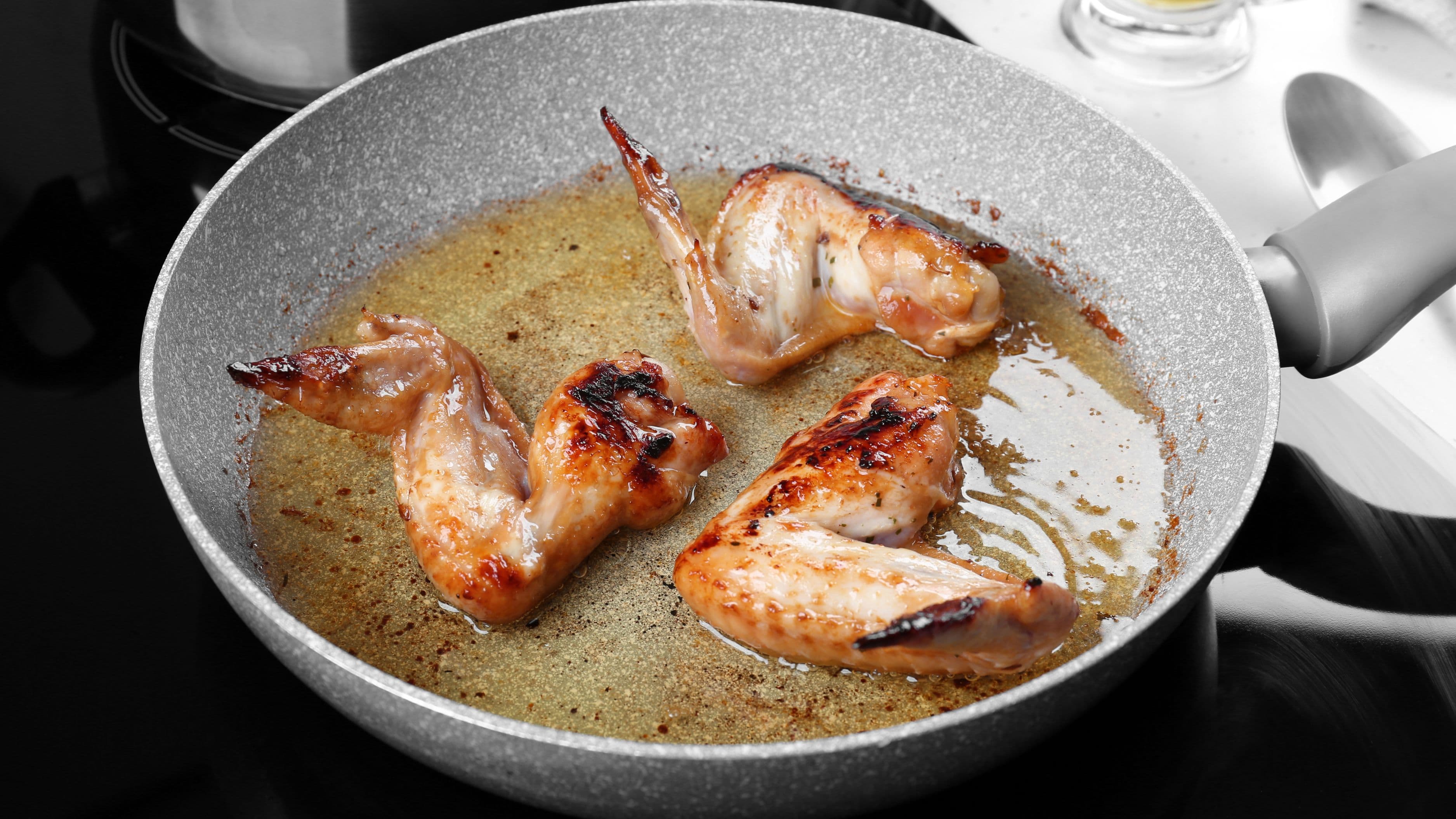
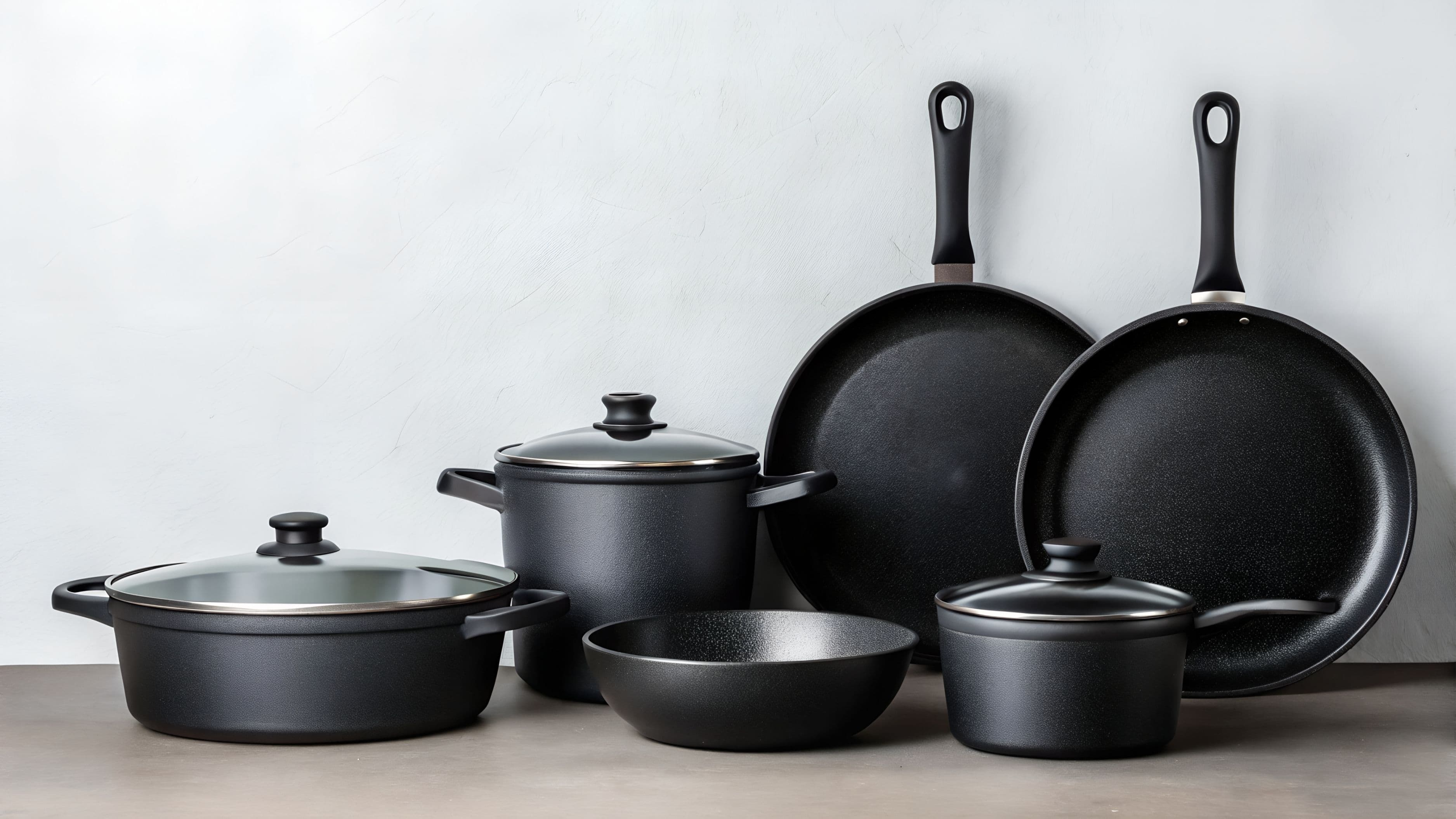
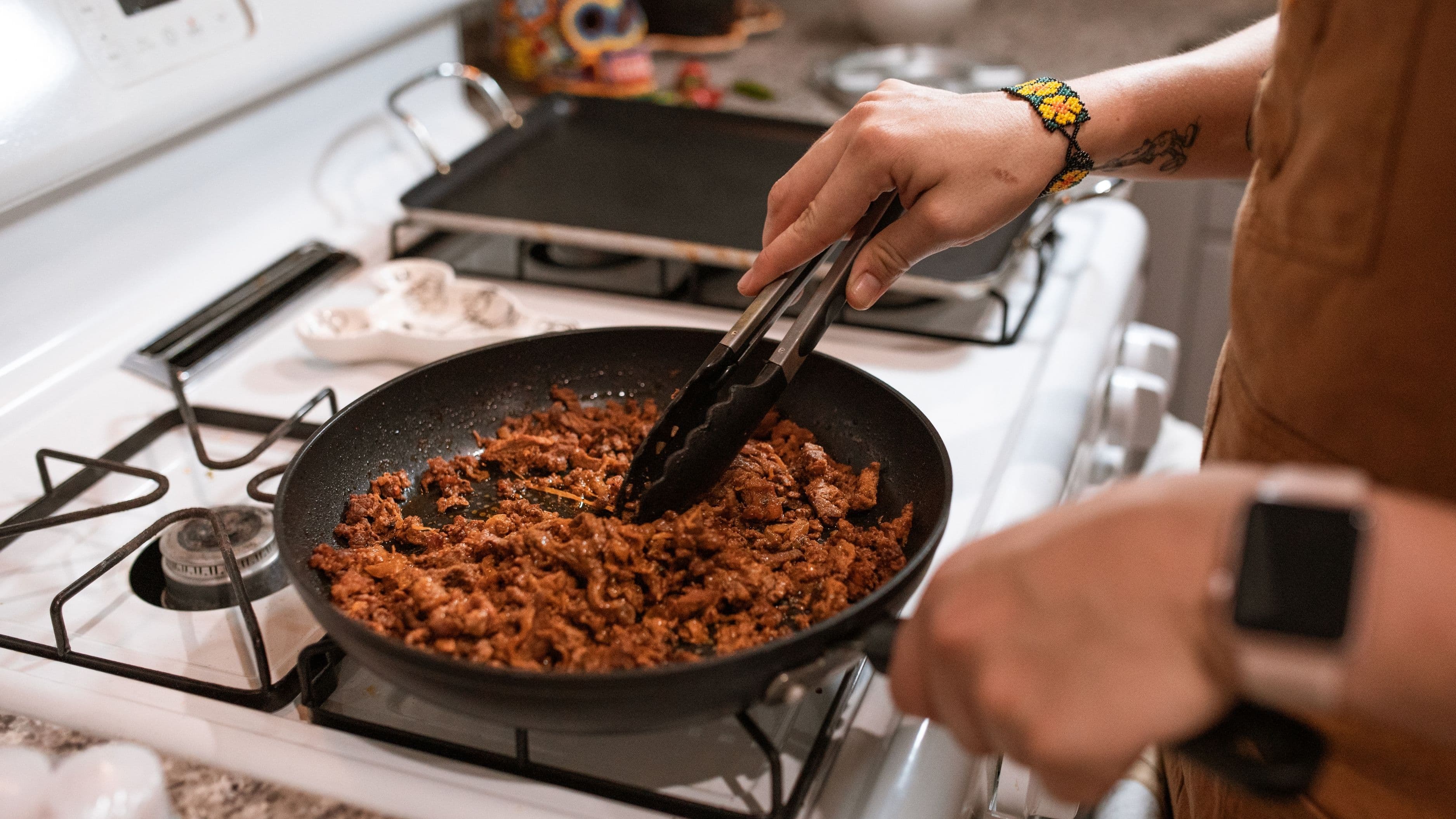
Start with the right pan. A wide, shallow pan or skillet gives liquid more surface area exposed to air, which speeds up evaporation considerably compared to a narrow, deep pot holding the same volume of liquid. If you're working with a recipe that calls for reducing a sauce and you only have a deep saucepan on hand, expect the process to take meaningfully longer.
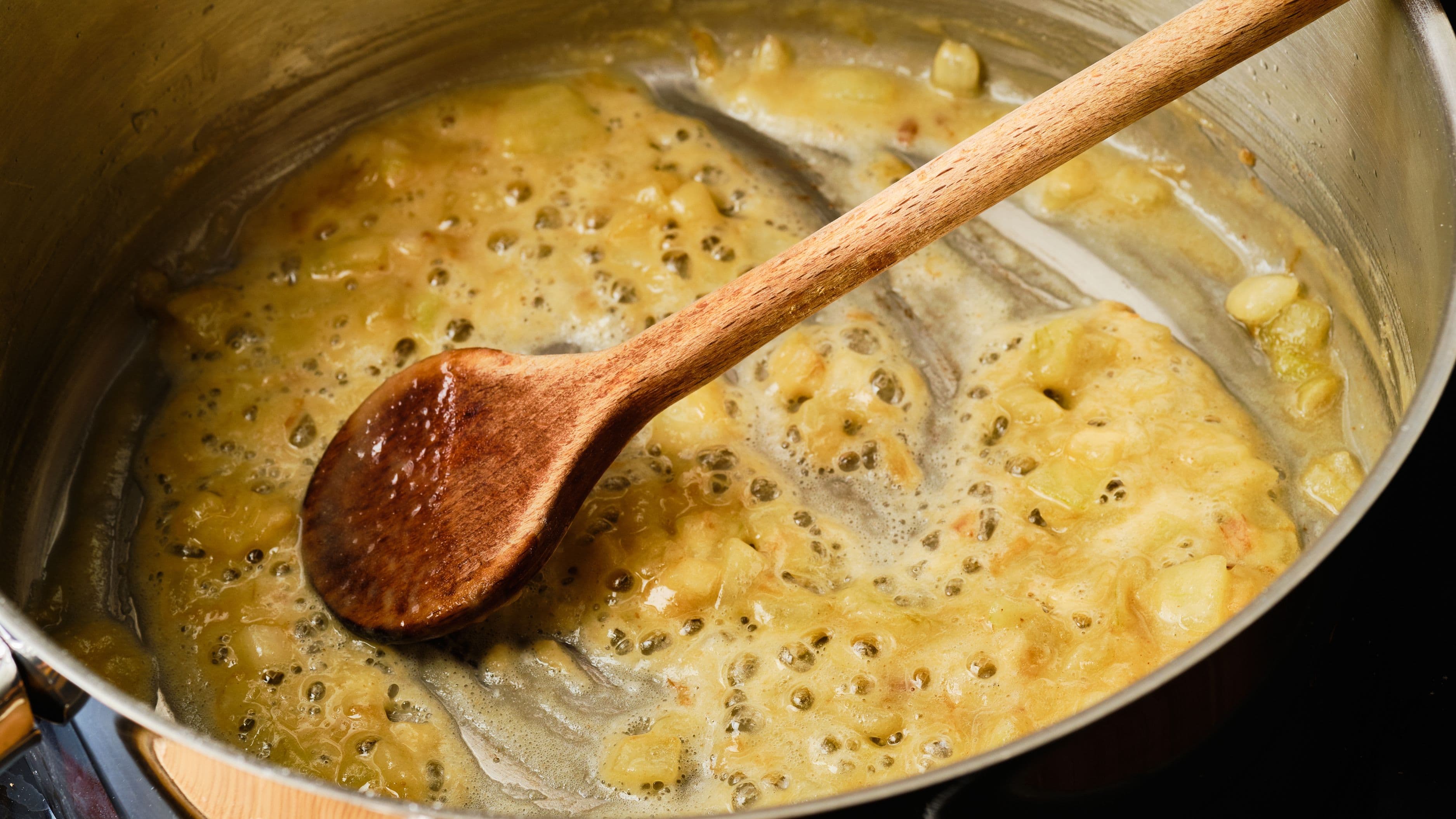
Bring the liquid to a simmer, not a rolling boil. A gentle, steady simmer – small, consistent bubbles rather than a vigorous boil – is generally the right pace for most reductions, since it allows water to evaporate steadily while giving flavors time to concentrate evenly, without violently agitating the liquid or risking scorching at the bottom of the pan. Cream-based sauces in particular need this gentler approach, since a hard boil can cause separation or scorching.
Resist the urge to walk away completely. Reduction requires periodic attention – stirring occasionally, checking consistency, and watching for signs the liquid is reducing faster than expected, particularly as it gets closer to your target thickness. Liquids reduce slowly at first, since there's a lot of volume for the heat to work through, but this speeds up considerably in the final stretch as less liquid remains, meaning the last few minutes are when a reduction is easiest to accidentally overcook.
Test the consistency directly, not just by looking. Dip a spoon into the reducing liquid and run your finger across the back of it; if the line holds cleanly without the liquid rushing back to fill the gap, you've reached what's often called "coats the back of a spoon" consistency, a common visual cue used in recipes for a properly reduced sauce. This tactile test is more reliable than eyeballing the pan from above, since liquid depth in a pan can be deceiving.
Remove from heat as soon as you hit your target. Reductions continue thickening slightly even after being removed from heat, both from residual heat and from cooling, which naturally thickens some sauces further, especially those with dairy or fat content. Pulling the pan slightly before you think it's perfectly done accounts for this natural continued thickening and helps prevent over-reducing.
When to Use This Technique
Reduction is most commonly used for pan sauces after searing meat, where the flavorful browned bits (fond) left in the pan get deglazed with wine, stock, or another liquid, then reduced to concentrate that flavor into a rich sauce. It's also foundational to classic sauce-making techniques like a red wine reduction, a balsamic glaze, or reducing heavy cream into a simple, luxurious sauce base for pasta.
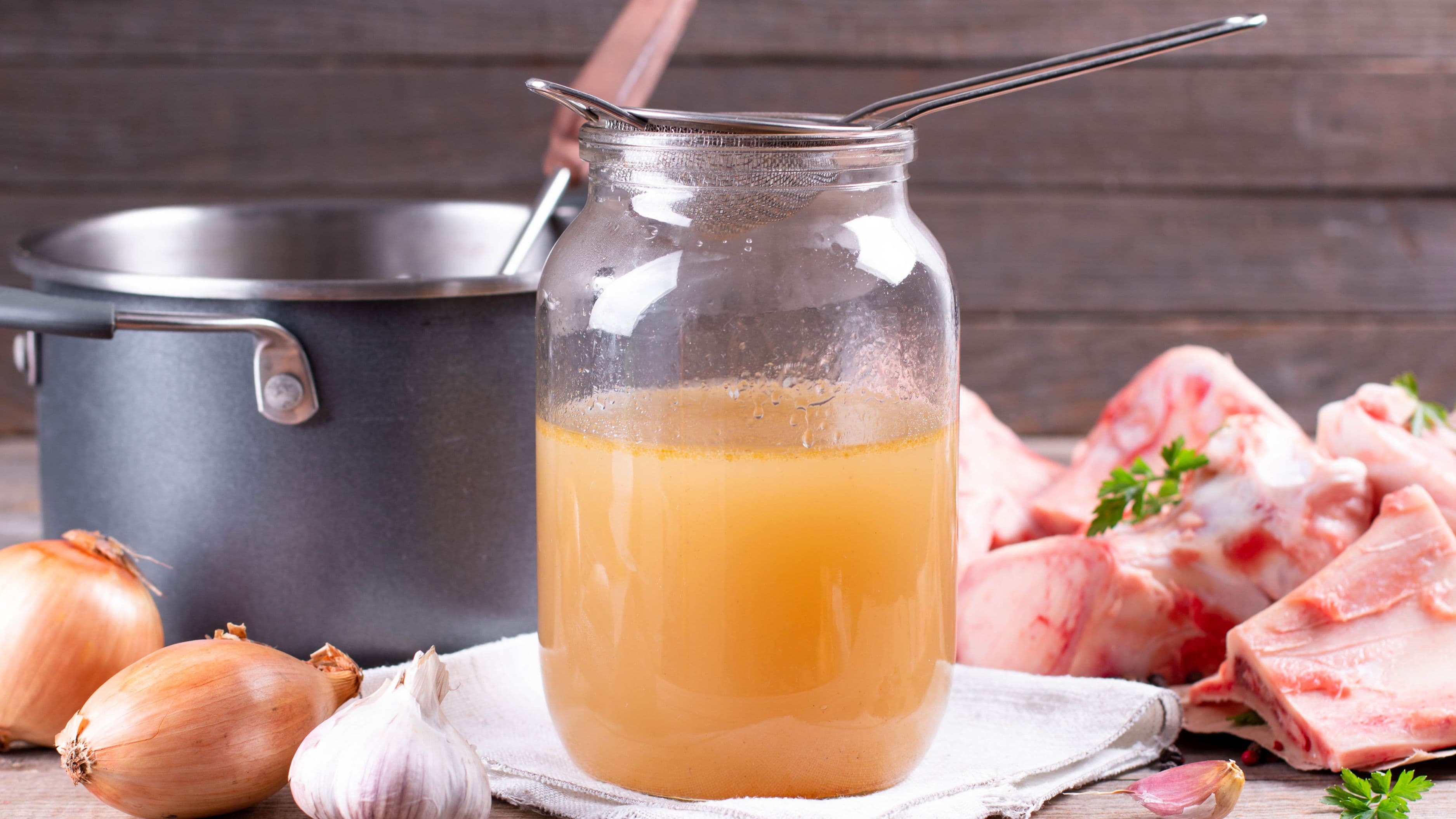
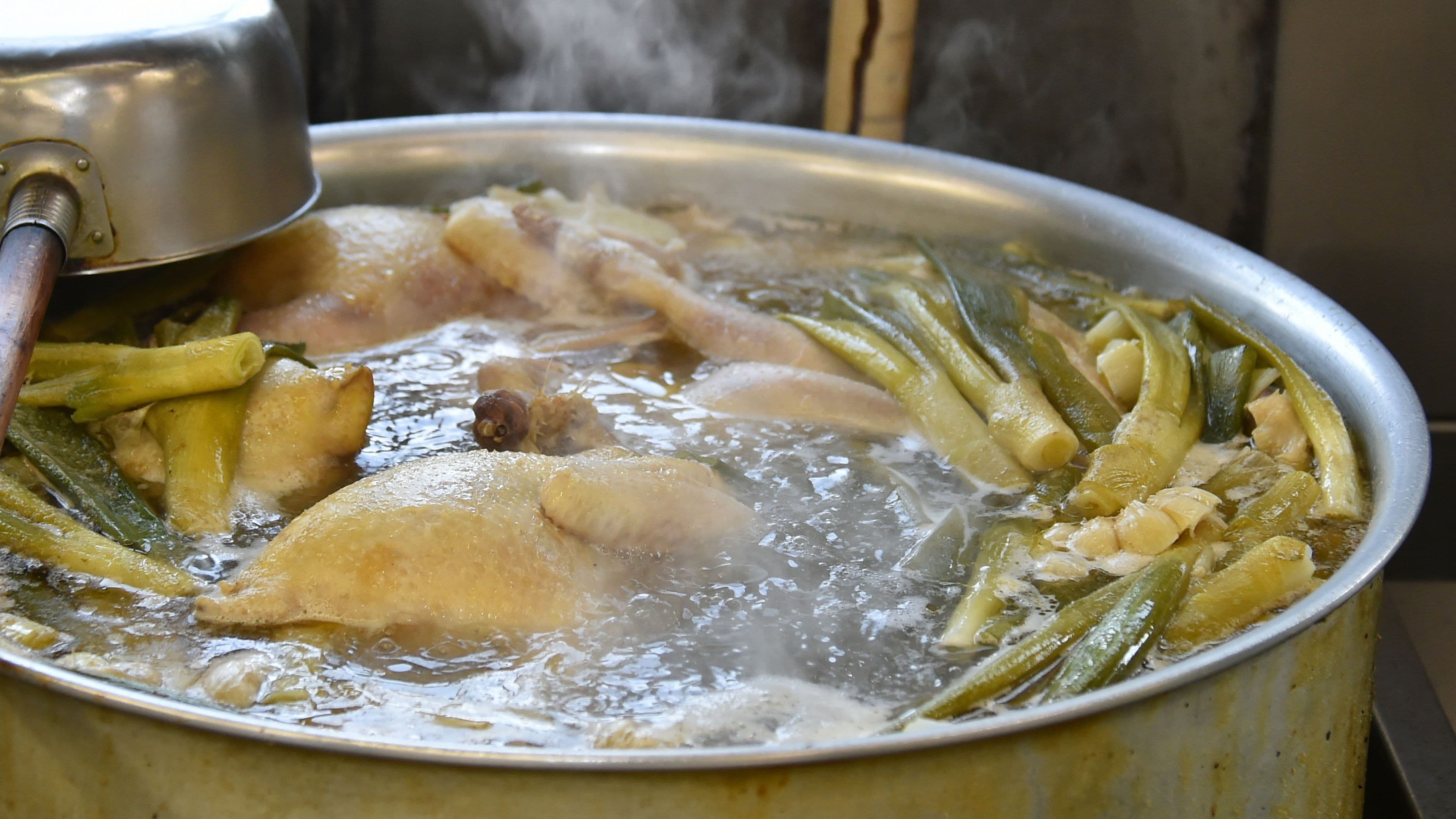
Beyond sauces, reduction shows up in soup and stock making, where simmering stock uncovered for an extended period concentrates flavor before it's used as a base for other dishes. It's also the technique behind simple syrups and glazes, where sugar and liquid are reduced together until syrupy, used for glazing meats or finishing desserts.
Tips for Better Results
Salt your reduction carefully and gradually, tasting as you go, since concentrating a liquid also concentrates any salt already present, meaning a sauce that tasted appropriately seasoned at full volume can become noticeably oversalted once reduced. It's generally safer to under-salt initially and adjust at the end, once you can taste the final concentrated result.
If you're reducing a liquid that contains alcohol, like wine, give it enough time on the heat, since alcohol needs a genuine simmer over several minutes to cook off properly rather than just a quick heat-through, which can leave a harsh, boozy taste in the finished sauce if rushed.
Consider your final dish when deciding how far to reduce. A sauce meant to coat pasta or drizzle over a protein usually wants a looser, spoon-coating consistency, while a glaze meant to cling to grilled or roasted food benefits from a thicker, more syrupy reduction taken further.
Common Mistakes to Avoid
Rushing the process with too high a heat is one of the most common mistakes, since a hard boil can cause uneven reduction, scorching at the pan's edges, or separation in cream and dairy-based sauces specifically. Patience with a gentle simmer produces a more even, better-tasting result than trying to speed things up with high heat.
Walking away for extended periods, especially as the reduction nears completion, is another frequent misstep, since the final stretch of reducing happens considerably faster than the beginning, and a few unattended minutes at that stage can turn a perfect sauce into a broken or overly thick, scorched one. Setting a timer to check back every few minutes during the final phase helps avoid this.
Adding salt too early and too heavily is also a common issue, given how much concentration changes a liquid's overall seasoning level by the time reduction is complete. Tasting incrementally throughout the process, rather than salting once at the start and walking away, gives you much better control over the final result.
FAQ
How do I know if I've reduced a sauce too much? An over-reduced sauce typically becomes too thick, sticky, or overly salty and concentrated in flavor. If this happens, whisking in a small amount of additional stock, water, or cream can help loosen it back toward your desired consistency.
Can I reduce a sauce ahead of time and reheat it later? Yes, most reduced sauces reheat well over gentle, low heat. Keep in mind they may thicken slightly further upon cooling and reheating, so you may need to whisk in a small splash of liquid when reheating to restore the original consistency.
Does reduction work the same way for all liquids? The general principle is consistent, but timing varies significantly based on the liquid's starting water content and fat or sugar content. Cream and wine-based reductions generally move faster than a large pot of stock, simply due to starting volume and composition differences.
Is there a faster way to reduce a sauce if I'm short on time? Using a wider pan to maximize surface area is the most reliable way to speed up reduction without sacrificing quality, since it exposes more liquid to air and heat simultaneously compared to a narrower, deeper pot.