Resting is one of the simplest techniques in cooking and one of the most commonly skipped. If you've ever wondered whether it actually matters or how long you really need to wait, this guide answers both questions clearly.
Why Resting Works: The Science in Plain Terms
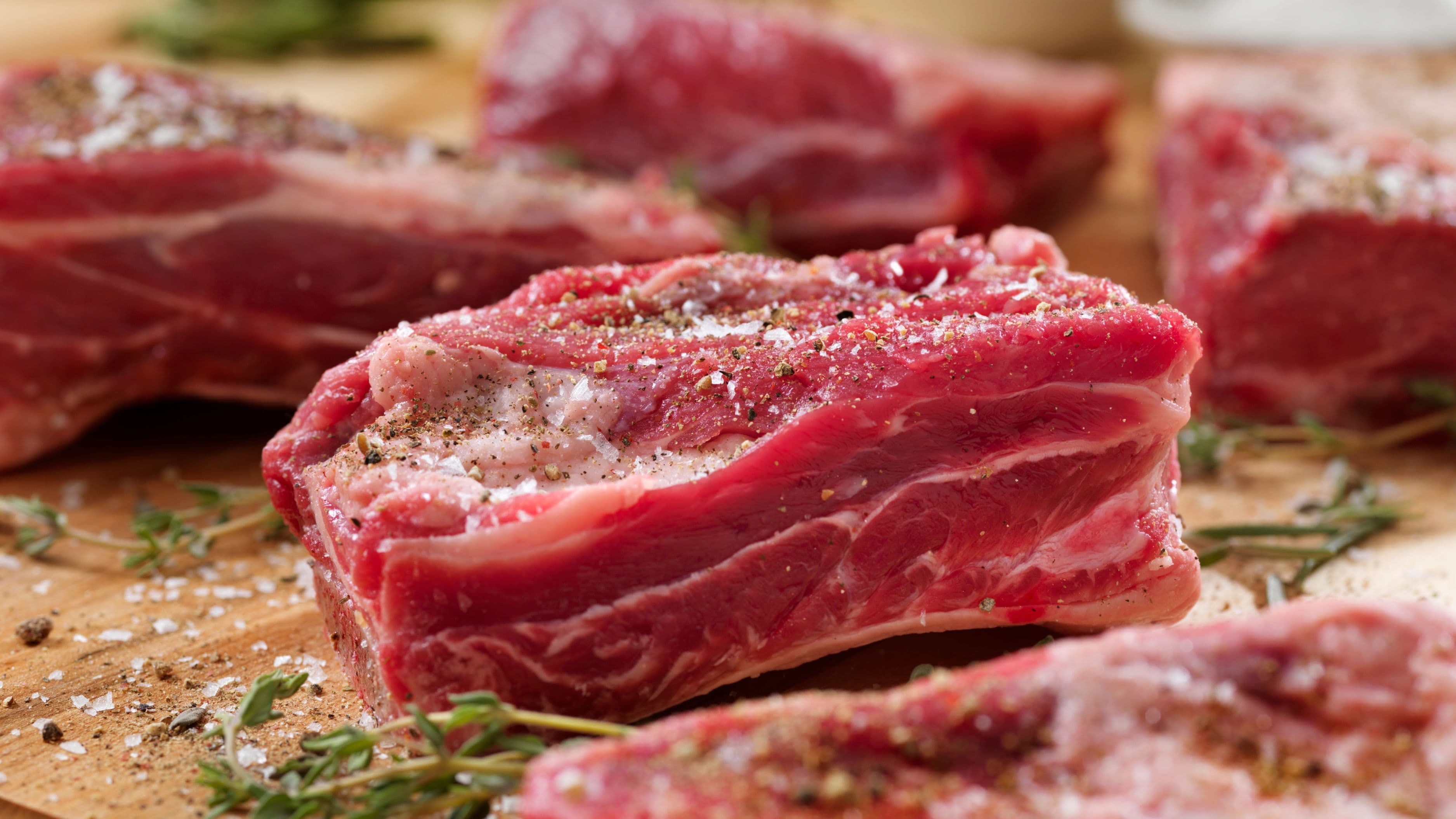
When meat is exposed to high heat, the muscle fibers contract and squeeze moisture toward the center of the cut. If you imagine wringing out a wet cloth, the principle is similar – the outer fibers tighten and push liquid inward, where it pools in the middle of the meat under pressure. The internal temperature at this point can still be rising even after the heat source is removed, a phenomenon called carryover cooking.
When you rest the meat away from heat, two things happen. First, the muscle fibers gradually relax as the temperature equalizes. Second, the pressure differential decreases, allowing the moisture to redistribute outward from the center and be reabsorbed more evenly throughout the cut. This doesn't mean all the liquid stays in the meat no matter what – some will still escape when you cut it – but the difference between rested and unrested meat can be dramatic. Studies have shown that unrested steak can lose up to 40 percent of its moisture when cut, while properly rested steak loses significantly less.
There's also a texture benefit beyond moisture retention. Meat cut immediately after cooking can feel slightly tight and dense because the contracted fibers haven't had time to relax. Rested meat has a more tender, yielding texture throughout, which contributes as much to the eating experience as moisture retention does.
How Long to Rest Different Cuts
Resting time is not one-size-fits-all. It scales with the size and thickness of the meat, because larger cuts take longer for the internal temperatures to equalize and the fibers to fully relax.
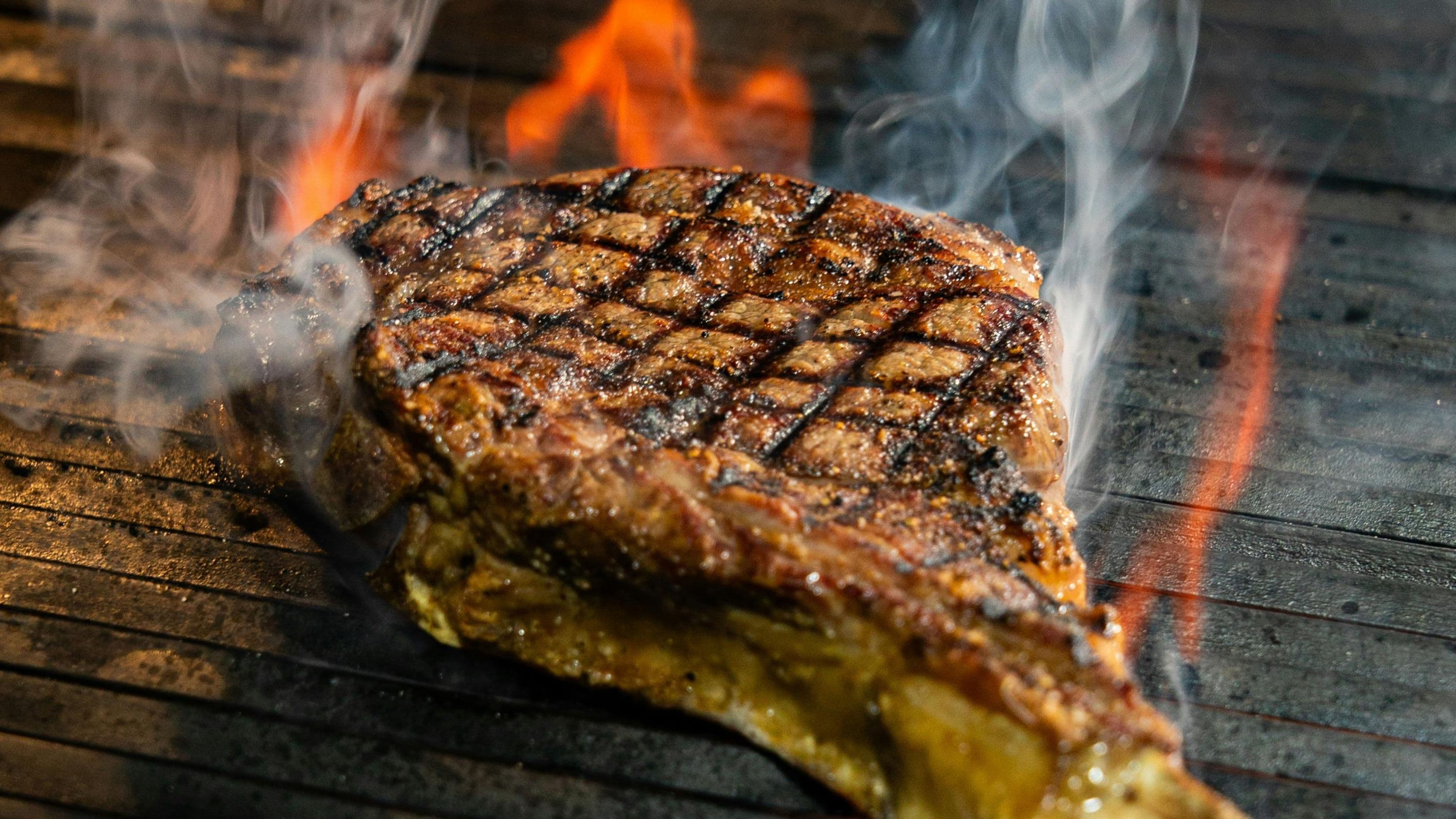
Steaks and chops – A standard steak (2 to 3cm / about an inch thick) needs 5 to 10 minutes of resting. Thicker steaks, around 4 to 5cm, benefit from closer to 10 to 12 minutes. Pork chops of similar thickness follow the same general guideline. These thinner cuts don't need to be tented with foil – just set them on a warm plate or a wooden board and let them sit undisturbed.
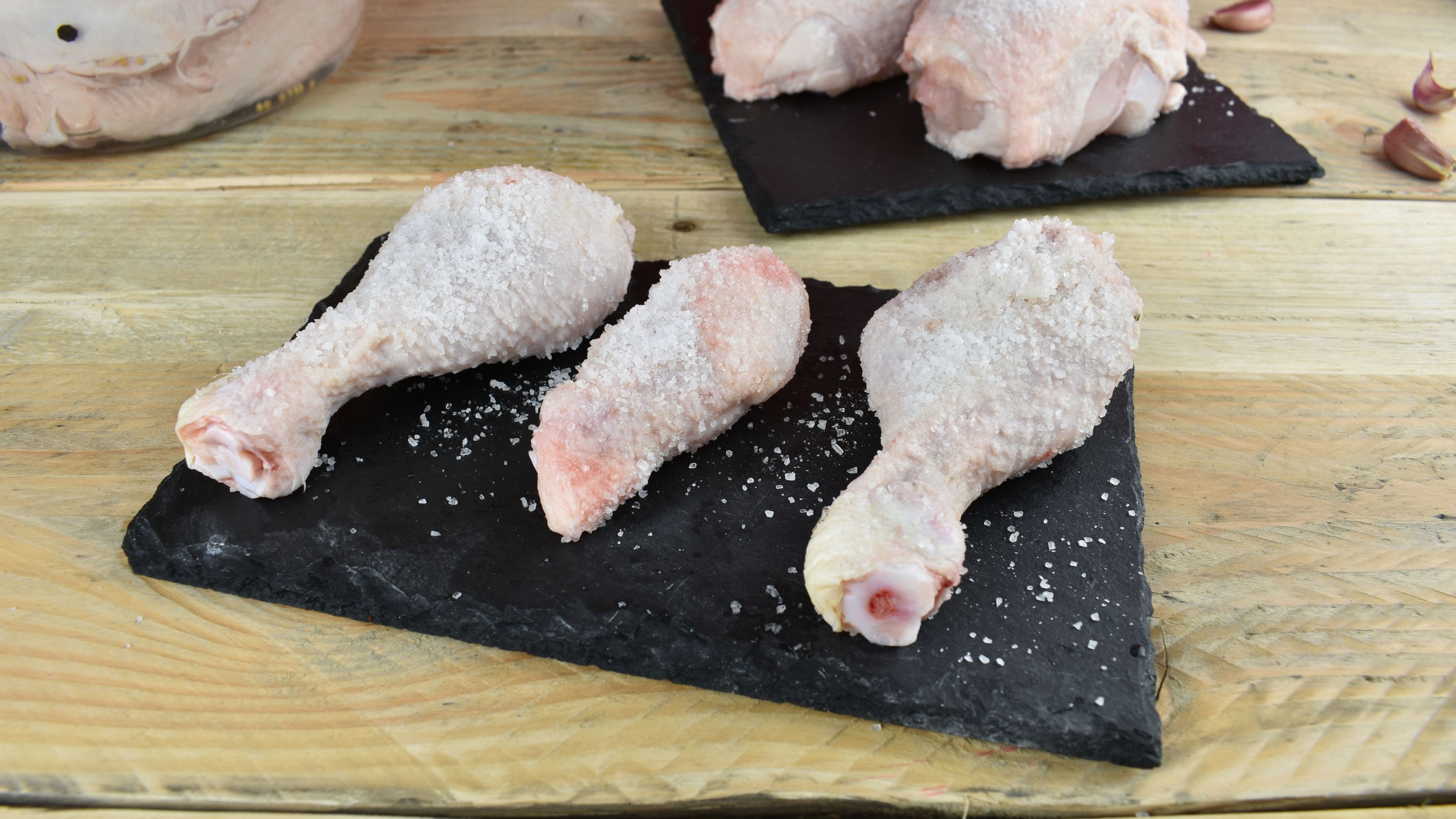
Chicken pieces – Individual chicken pieces like thighs, breasts, or drumsticks benefit from 5 minutes of resting before serving or slicing. This is especially important with breast meat, which is leaner and loses moisture more easily than fattier cuts.
Whole roasted chickens and smaller birds – Rest for 10 to 15 minutes before carving. This is enough time for the juices to redistribute without the bird cooling unpleasantly. Loosely tenting with foil is optional for a whole bird – it helps retain some warmth, but a tight seal can trap steam and soften the skin.
Pork tenderloin and pork loin roasts – These benefit from 10 minutes for tenderloins and 15 to 20 minutes for larger loin roasts. Pork tenderloin in particular goes from juicy to dry very quickly when overcooked, and resting gives it the best chance to stay tender.
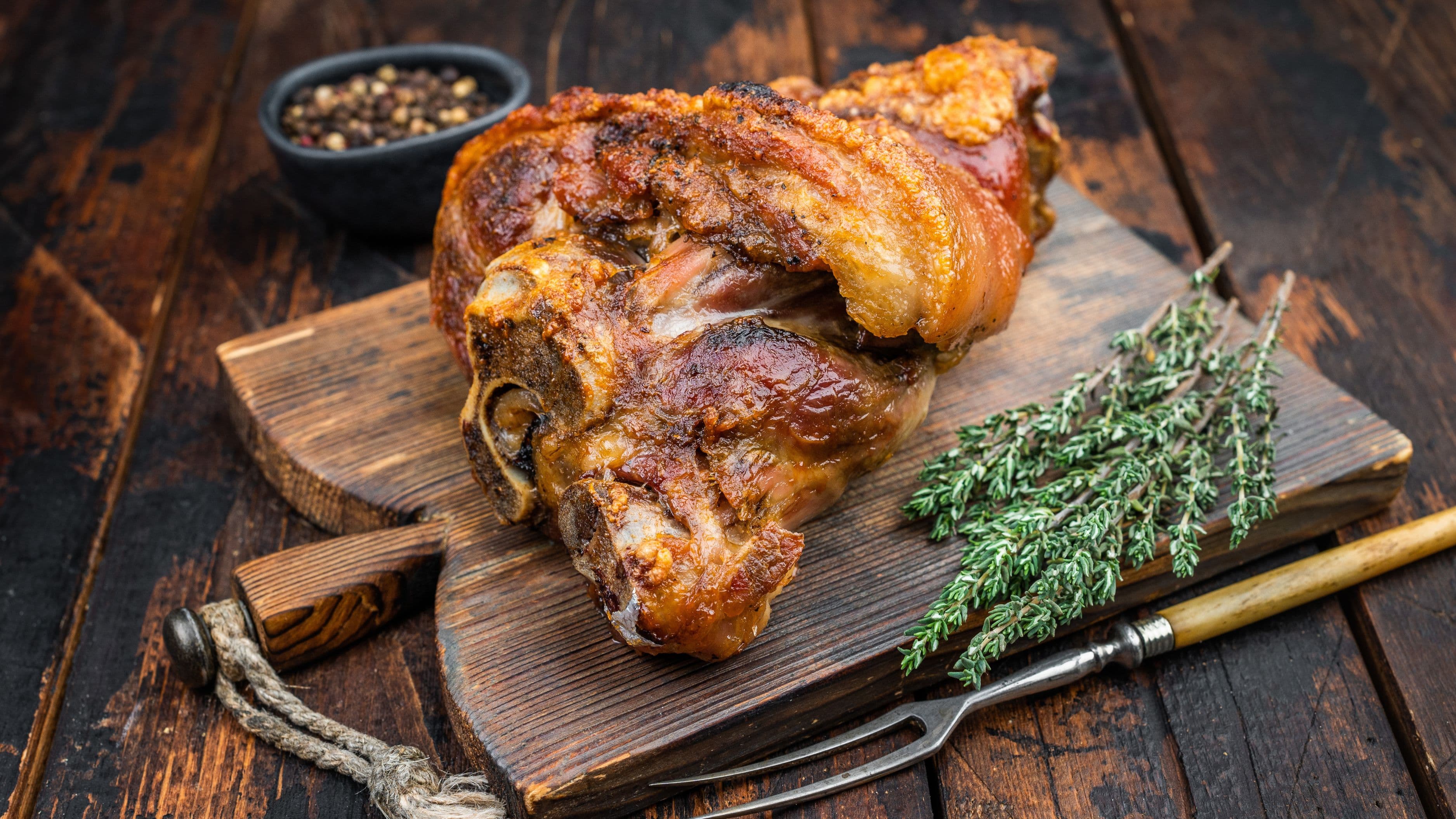
Beef roasts – A medium-sized beef roast (1.5 to 2kg) should rest for 20 to 30 minutes. A large standing rib roast or prime rib benefits from 30 to 45 minutes. The additional resting time for larger cuts is important because the temperature differential between the outer and inner sections is greater, and equalization takes longer.
Whole turkeys and very large roasts – Large turkeys and roasts above 4 to 5kg can rest for 45 minutes to an hour without a significant drop in serving temperature, especially when loosely tented. The sheer thermal mass of a large bird or roast retains heat exceptionally well.
Where to Rest Meat
The resting surface and environment matter more than most people realize. Resting meat directly on a cold plate or in a drafty kitchen will cool it faster than necessary. A few practical approaches work well depending on what you have available.
A wooden cutting board is an excellent resting surface for steaks and smaller cuts – it's slightly insulating and doesn't draw heat away from the meat as quickly as a metal surface or a cold ceramic plate. Warming the board briefly with hot water and drying it before placing the meat on it takes ten seconds and noticeably helps retain serving temperature.
For larger roasts, a warm serving platter or a roasting rack set over a rimmed baking sheet works well. The rack allows air circulation underneath, which prevents the bottom of the roast from steaming and going soft from trapped condensation.
A turned-off oven with the door slightly ajar is a useful resting environment for large roasts, particularly in a cold kitchen. The residual warmth in the oven maintains a gentle ambient temperature without continuing to cook the meat, and it keeps the roast away from drafts.
Should You Tent With Foil?
The foil tenting question comes up constantly, and the honest answer is: it depends on the cut and how much the crust or skin matters to you.
For a roasted chicken or turkey where crispy skin is a priority, foil tenting is usually counterproductive. The steam that accumulates under the foil softens skin that took effort to crisp. These birds rest perfectly well uncovered in a warm spot.
For a large beef roast, a rack of ribs, or a thick steak where skin isn't a concern, a loose tent of foil helps retain surface warmth during longer resting periods without any downside. Loose is the key word – a tight seal traps too much steam and can affect texture. The foil should be draped over the meat with space to breathe, not pressed down around it.
For steaks resting 5 to 10 minutes, foil is generally unnecessary. The cut is small enough that it retains heat adequately on its own for that duration, and the concern about a cold steak is often overstated. A steak served at 55°C internal temperature is more pleasant to eat than one served at a temperature that has dropped further from overcautious temperature management.
Carryover Cooking and Why It Matters for Timing
Carryover cooking is the continued rise in internal temperature that occurs after meat is removed from heat, caused by the residual thermal energy in the outer layers conducting inward. The amount of carryover depends on the cooking temperature and the size of the cut.
A thin steak cooked in a very hot pan might gain only 1 to 2°C during resting. A large standing rib roast cooked in a moderate oven might gain 5 to 8°C. This means if you want a large roast to reach 57°C (medium-rare), you should pull it from the oven when its internal temperature reads 50 to 52°C and allow carryover cooking to finish the job during resting.
This principle applies to all meat but matters most for large roasts where the temperature differential between the cooking environment and the meat's interior is substantial, and where even a few degrees of overcooking at the center makes the difference between medium-rare and medium throughout. Learning to pull meat a few degrees before your target, and trusting that resting will finish the work, is one of the habits that most reliably improves results.
A good instant-read thermometer makes this straightforward. Taking the guesswork out of internal temperature lets you focus entirely on the resting phase without anxiety about whether the meat is done.
What to Do With the Resting Juices
The liquid that collects on the cutting board or resting plate during resting is concentrated, flavorful, and completely worth using rather than discarding. For steaks and roasted meats, these resting juices can be added directly to a pan sauce to enrich it, poured over sliced meat before serving, or stirred into a simple compound butter for an impromptu finishing sauce.
For a roasted bird or large roast, the resting juices can be added to the pan drippings to build a quick jus or gravy. The concentrated flavor in those juices adds depth that plain drippings alone don't have.
Getting in the habit of collecting and using the resting juices rather than leaving them on the board adds a small but meaningful layer of flavor to any meat dish without any additional effort.
Common Mistakes to Avoid
Cutting too soon is the obvious one, but a specific version of it is worth naming: cutting to check whether the meat is done. Probing with a thermometer is far more reliable than cutting and looking, and a thermometer doesn't release juices. If you're unsure whether the meat is cooked through, use a thermometer rather than slicing open the cut to look.
Resting uncovered in a cold draft is a less obvious mistake. A resting steak on a cutting board next to an open window in winter will cool significantly faster than one resting in a warm kitchen. This doesn't affect the juices-redistribution process much, but it does mean the meat arrives at the table unpleasantly cool. Moving the resting meat away from cold air makes a practical difference in how the finished dish is received.
Over-tenting with foil that's sealed too tightly is worth mentioning again. Steam accumulates under a tightly sealed foil tent, which softens any crust or bark on the exterior – the seasoned, browned surface that took careful cooking to develop. A loose drape of foil, or no foil at all for shorter resting periods, preserves that textural contrast.
Resting for too long is also possible, particularly for thin cuts. A thin chicken breast resting for 20 minutes will be lukewarm at best. Matching the resting time to the size of the cut keeps the meat warm enough to serve without sacrificing the temperature of the final dish.
FAQ
Does resting work for fish and seafood?
Fish and seafood are different from red meat and poultry in this context. Because fish is more delicate and cooks very quickly, a brief 1 to 2 minute rest for a thick fish fillet is helpful, but the redistribution effect is much less pronounced than in mammalian muscle tissue. For shellfish and delicate seafood, resting isn't typically relevant. The focus for fish is not overcooking it in the first place.
Does resting affect food safety?
For properly cooked meat at safe internal temperatures, resting does not create food safety concerns. The USDA guidelines recommend resting times for specific meats – 3 minutes for ground beef, pork chops, and steaks; 3 minutes for poultry pieces after reaching safe temperature. These recommendations support both safety and quality. Meat that has reached safe cooking temperatures and is resting on a warm surface for 5 to 30 minutes is not entering the temperature danger zone for food safety purposes.
Should I rest meat in the refrigerator?
No. Resting should happen at room temperature in a warm spot, not in the refrigerator. Refrigerating meat immediately after cooking stops the redistribution process prematurely and cools the meat too quickly for serving. Leftover meat that won't be served within a reasonable window should be cooled and refrigerated, but the initial resting period should always happen out of the refrigerator.
What if I'm cooking for a group and everything needs to come out at once?
Large roasts rest well for longer periods than most people expect, particularly when loosely tented in a warm, draft-free spot. A large beef roast can rest for 30 to 45 minutes and still be served warm. This actually works in your favor for large gatherings – pulling the roast well before everything else is ready gives you time to finish sides and get the table ready without the roast suffering from it.
Does resting apply to ground meat, like burgers?
Yes, though the effect is less dramatic than with whole muscle cuts because ground meat has a more open structure. A burger benefits from 2 to 3 minutes of resting – enough for the juices to stabilize and the bun to catch up in temperature if it's been toasted – but it doesn't require the extended resting that a steak does.
Resting meat is one of those techniques that sounds like optional advice until you understand why it works, at which point skipping it feels like leaving something on the table every single time. The investment is nothing more than a few minutes of patience, and the return is meat that's noticeably juicier, more tender, and better to eat. It's one of the simplest ways to get more out of food you've already taken care to cook well.
📚 Sources
Harold McGee – On Food and Cooking: The Science and Lore of the Kitchen – Scribner, 2004 – https://www.simonandschuster.com/books/On-Food-and-Cooking/Harold-McGee/9780684800011
USDA Food Safety and Inspection Service – Safe minimum internal temperatures – https://www.fsis.usda.gov/food-safety/safe-food-handling-and-preparation/food-safety-basics/safe-temperature-chart
Serious Eats – The food lab guide to resting steak – https://www.seriouseats.com/the-importance-of-resting-meat
America's Test Kitchen – Resting meat and carryover cooking – https://www.americastestkitchen.com/articles/carryover-cooking