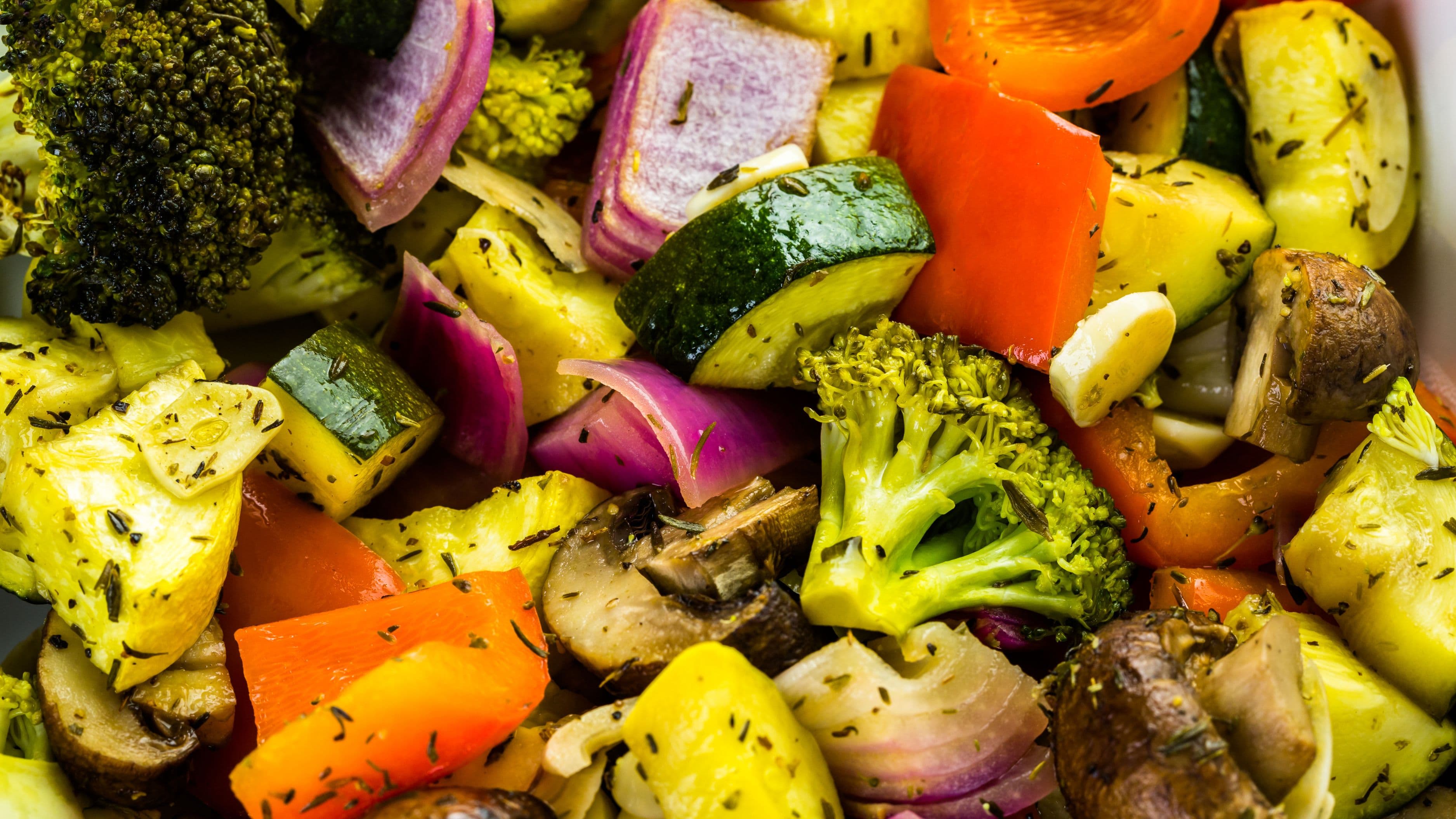
What You'll Learn
This guide teaches you the universal method for roasting vegetables – the same core technique that works on everything from asparagus to zucchini. You'll also learn how to adjust for different vegetables, what actually goes wrong when roasted vegetables turn out soggy or bland, and how to build variations so roasting becomes a go-to part of how you cook.
Skill level: Beginner
Active time: 10 minutes
Oven time: 20–45 minutes depending on the vegetable
Equipment: Sheet pan, oven
The Universal Method
The Formula
Every great batch of roasted vegetables comes down to four things: the right cut, enough oil, enough space, and enough heat. Get those four right and the technique does the rest.
Step 1 – Preheat the Oven to 425°F (220°C)
High heat is non-negotiable for roasting. Many people roast vegetables at 350°F or 375°F and wonder why they come out soft and wan rather than golden and caramelized. What you're after is the Maillard reaction – the browning process that creates flavor on the surface of food – and that only happens efficiently at higher temperatures. 425°F is the sweet spot for most vegetables. It's hot enough to caramelize the natural sugars without burning them before the inside cooks through.
For very delicate vegetables (asparagus, cherry tomatoes, thin-sliced zucchini), 400°F works slightly better. For dense root vegetables you want deeply caramelized (sweet potatoes, beets, parsnips), 425°F–450°F is ideal. But if you just pick one temperature and use it for everything, 425°F is the right default.
Preheat the oven fully before the vegetables go in. Sliding a pan into a partially warmed oven means the vegetables start steaming rather than roasting, which affects the final texture.
Step 2 – Cut to a Consistent Size
This is the step most home cooks rush, and it's where a lot of roasted vegetable batches go wrong. If the pieces are different sizes, the small ones overcook and burn while the large ones are still raw in the middle. Aim for pieces that are roughly the same size so everything finishes at the same time.
For most vegetables, pieces in the 1 to 1½ inch range work well. For long, thin vegetables like asparagus or green beans, leave them whole or halve them lengthwise. For large, dense vegetables like butternut squash or sweet potato, aim for ¾ to 1 inch cubes – smaller than you might expect – so they cook through before the surface burns.
Cut flat sides where you can. A flat surface makes direct contact with the hot pan, which is where the best browning happens. Halved Brussels sprouts with their cut face down, halved cherry tomatoes, carrots cut on an angle – all of these create more surface area for browning than rounded or irregular cuts.
Step 3 – Dry the Vegetables Before Oiling
If the vegetables are wet, they'll steam rather than roast. Wash them if needed, but then dry them thoroughly – either let them air dry for a few minutes after washing, or pat them with a kitchen towel. This matters more for watery vegetables like zucchini and mushrooms than for root vegetables, but it's a good habit for everything.
Step 4 – Toss with Oil and Season Well
Transfer the vegetables to a large bowl and drizzle with enough olive oil to coat every piece lightly. Toss well. The oil serves two functions: it conducts heat to the surface of the vegetable (encouraging browning) and it carries and distributes any seasoning you add. Underseasoning is one of the most common reasons roasted vegetables taste flat – be generous with salt.
As a rough guide: for a full sheet pan of vegetables (around 1 lb / 450g), use 2–3 tablespoons of olive oil and ½ to ¾ teaspoon of salt. Add freshly ground black pepper. That's all you need as a base – everything else is optional and can be added depending on what flavor direction you want to go.
If you're adding garlic, add it whole (unpeeled cloves roast beautifully and can be squeezed out soft) or as thin slices. Minced garlic burns easily at high heat and should be added in the last 10 minutes of cooking if you want roasted garlic flavor without bitterness.
Step 5 – Spread in a Single Layer with Space Between Pieces
Lay the vegetables out in a single layer on your sheet pan. Don't pile them on top of each other, and don't crowd them too close together. When vegetables are packed tightly, they trap steam, which makes them soft and pale rather than browned and caramelized. Each piece needs space around it to let moisture evaporate. A good rule: if pieces are touching, they're too crowded. Use two sheet pans if you need to.
Sheet pan size matters. A half-sheet pan (18×13 inches) is the standard size for home ovens and handles about 1–1.5 lbs of vegetables comfortably. If you're roasting more than that, split it across two pans and rotate them halfway through cooking.
Step 6 – Roast, Then Flip Once
Put the pan in the oven and don't touch it for the first half of the cooking time. The vegetables need uninterrupted contact with the hot pan to build that browned crust on the bottom. After roughly half the cooking time has passed, flip or stir the vegetables once so the other side gets color too, then leave them alone again until done.
You're looking for deep golden-brown color on at least one side, slightly crispy edges, and a tender inside when pierced with a fork. That combination is what you're going for. Pale and soft means the pan wasn't hot enough or the vegetables were too crowded.
Timing Guide by Vegetable
Different vegetables have different densities and water contents, which affects cooking time. Here's a practical guide at 425°F:
10–15 minutes: Cherry tomatoes, asparagus tips, thin-sliced zucchini, snap peas, baby spinach (tossed quickly at the end)
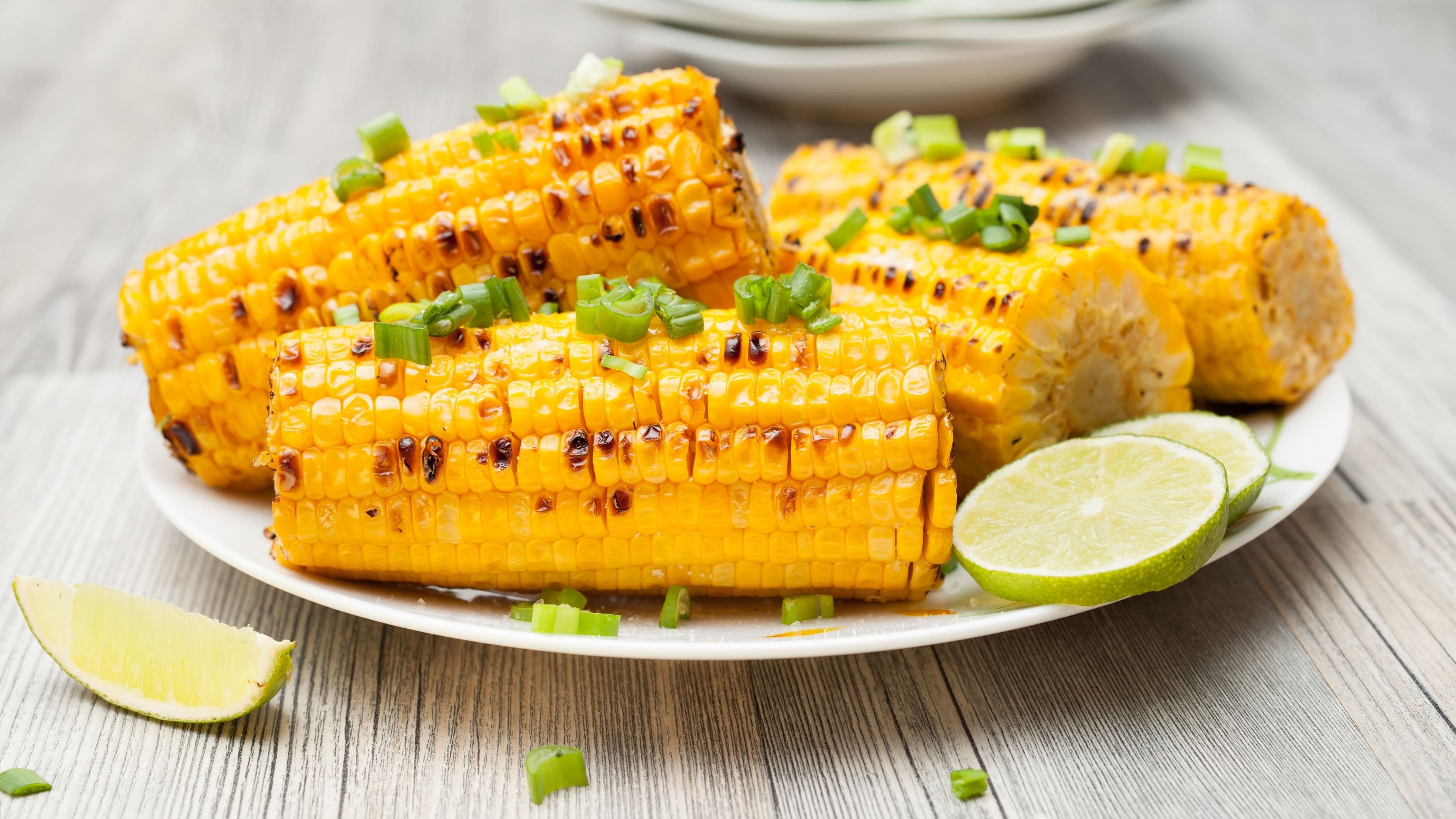
15–20 minutes: Asparagus (whole spears), green beans, corn cut from the cob, thin-sliced bell pepper, sliced mushrooms
20–25 minutes: Broccoli florets, cauliflower florets, Brussels sprouts (halved), sliced zucchini, eggplant cubes, sliced fennel, leeks
25–35 minutes: Carrots (coins or sticks), sweet potato cubes, parsnips, turnips, diced winter squash, whole garlic cloves
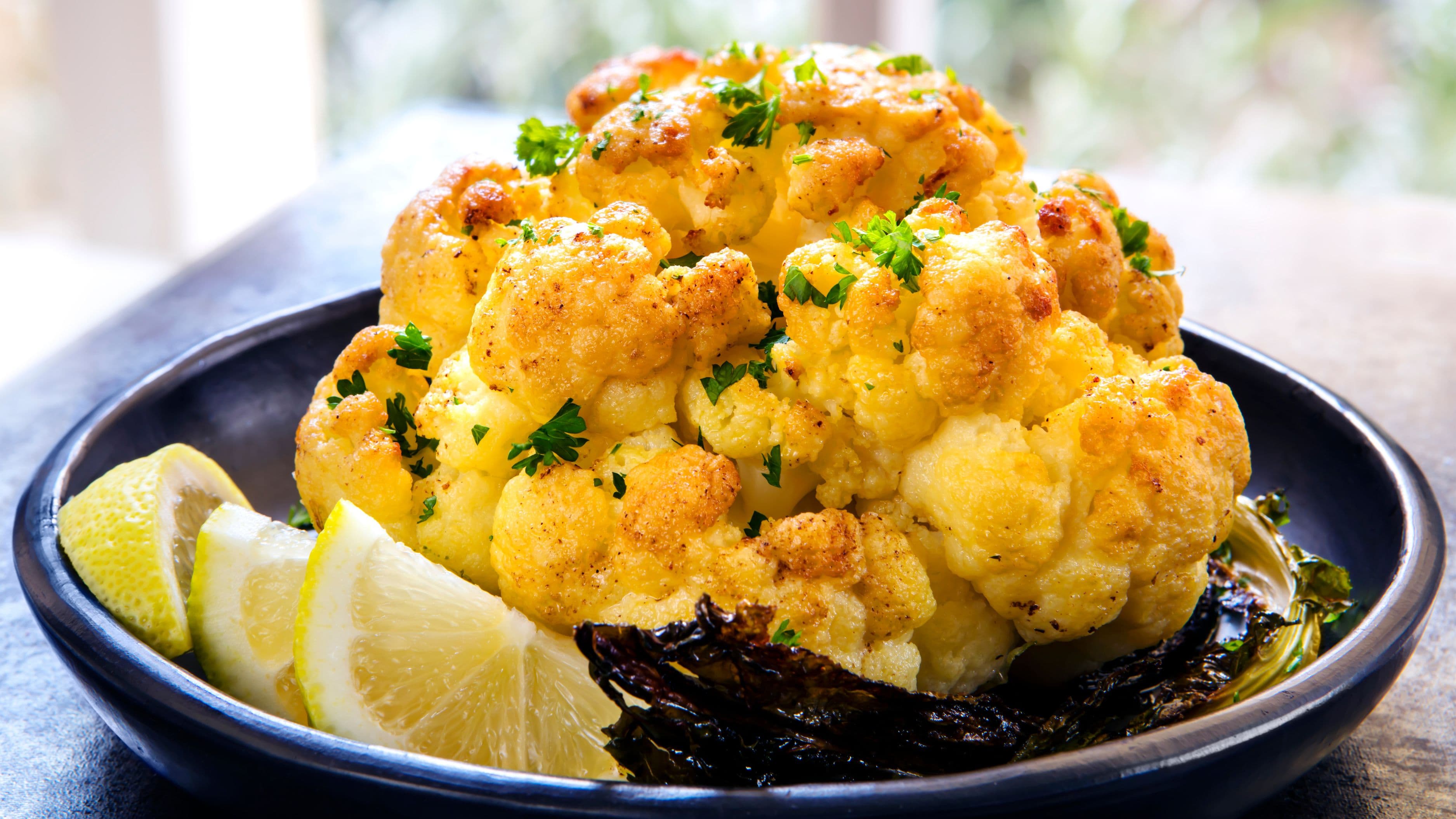
35–45 minutes: Beets (quartered), whole potatoes, large sweet potato wedges, whole heads of cauliflower roasted with steam then opened
When in doubt, check earlier rather than later and add more time if needed. You can always cook longer; you can't uncook.
When to Use This Technique
Roasting is at its best when you want depth of flavor and texture – caramelized edges, sweet concentration, a bit of chew. It's the right choice when you have time to let the oven do its work and you're not trying to preserve the bright green color or crisp raw texture of a vegetable.
It's less suited for vegetables you want to keep raw and crunchy (salads), or when you need a finished dish in under 15 minutes and don't have time to preheat the oven. In those cases, sautéeing in a hot pan is a faster option with some similar browning results.
Roasting works best as a batch technique. One sheet pan of vegetables takes no more effort than half a pan, so roasting a large quantity at once and storing the leftovers makes it a genuinely efficient cooking method during a meal prep session.
Flavor Variations
The base method – oil, salt, pepper – works for everything. These variations take it further without adding much complexity.
Garlic and herbs: Add whole unpeeled garlic cloves and fresh thyme or rosemary sprigs to the pan. The herbs perfume the vegetables as they roast and the garlic turns into a soft, sweet paste you can spread on bread or stir into the vegetables themselves.
Balsamic glaze: Drizzle a tablespoon of balsamic vinegar over root vegetables (carrots, beets, parsnips) in the last five minutes of roasting. It concentrates into a sticky glaze that adds sweetness and acidity.
Chili and lemon: Add a pinch of dried chili flakes to the oil toss and squeeze fresh lemon juice over the vegetables immediately after they come out of the oven. Works particularly well with broccoli, cauliflower, and asparagus.
Parmesan finish: Scatter finely grated Parmesan over the vegetables in the last three to five minutes of roasting. It forms a savory, slightly crispy crust on the vegetables beneath it. Excellent with broccoli, zucchini, or asparagus.
Honey and mustard: Whisk a teaspoon of Dijon mustard and a teaspoon of honey into the oil before tossing with root vegetables. Sweet, tangy, and particularly good with carrots and parsnips.
Common Mistakes to Avoid
The oven isn't hot enough. This is the single most common reason roasted vegetables turn out soft and colorless instead of browned and flavorful. Don't roast below 400°F for most vegetables. High heat is the point.
Too much oil. More oil does not mean more browning – it means greasy vegetables. You want a light, even coat. If oil is pooling on the pan, you've used too much.
Overcrowding the pan. If the pieces are touching, moisture can't escape, and you'll end up steaming the vegetables instead of roasting them. Give everything space or use a second pan.
Adding delicate aromatics at the start. Minced garlic, fresh herbs that aren't woody, and anything small burns at high heat over long roasting times. Either use whole unpeeled garlic, add tender herbs in the last five minutes, or toss with fresh herbs after the vegetables come out of the oven.
Not checking for doneness. Ovens vary in accuracy, vegetables vary in water content, and pan placement affects results. Start checking five minutes before the expected end of cooking time rather than assuming the timer is the final word.
FAQ
Do I need to use a sheet pan specifically? A sheet pan (also called a baking sheet or half-sheet pan) is the best tool because it's large, flat, and allows good airflow. A roasting pan with sides works but traps more steam, which reduces browning. A cast iron skillet works well for smaller quantities. Avoid glass baking dishes for roasting – they heat unevenly and don't produce as much browning.
Can I roast frozen vegetables? Yes, but expect more moisture and less browning. Frozen vegetables release a lot of water as they thaw in the oven. Spread them extra wide, use higher heat (450°F), and don't expect the same caramelization as fresh. Fresh is better for roasting; frozen works but requires adjustment.
How do I keep roasted vegetables from sticking to the pan? Make sure the pan is well-oiled (coat the pan lightly with oil before adding the vegetables, or use parchment paper). Don't try to flip the vegetables too early – if they resist being moved, they're not ready to flip yet. They'll release naturally when a proper crust has formed on the bottom.
Can I roast different vegetables at the same time? Yes, as long as you account for different cooking times. Either cut faster-cooking vegetables larger (to slow them down) or add them to the pan partway through cooking after the slower vegetables have had a head start. Don't mix very different densities on the same pan at the same time if you can avoid it.
What's the best way to store and reheat leftover roasted vegetables? Store in an airtight container in the refrigerator for up to four days. Reheat in the oven or a dry skillet over medium-high heat rather than the microwave – the microwave softens them further, while the oven or skillet refreshes some of the original texture. They're also excellent cold in grain bowls, salads, or folded into eggs.
Once roasting becomes a habit, it changes how you approach vegetables entirely. A bag of broccoli or a bunch of carrots in the fridge stops being something you have to figure out what to do with, and starts being a quick side dish that's ready in 25 minutes with almost no active work. That's the kind of technique that makes everyday cooking actually easier.
📚 Sources
Serious Eats – The basics of roasting vegetables: https://www.seriouseats.com/how-to-roast-any-vegetable
The Kitchn – How to roast vegetables: a step-by-step guide: https://www.thekitchn.com/how-to-roast-any-vegetable-233916
BBC Good Food – How to roast vegetables: https://www.bbcgoodfood.com/howto/guide/how-to-roast-vegetables
🔍 Explore Related Topics
Roasted cauliflower recipe with parmesan