What You'll Need
One large head of cauliflower, olive oil, salt, pepper, and a handful of pantry staples for the sauce: tahini, lemon juice, garlic, and a little water to thin it to the right consistency. A large sheet pan and a small mixing bowl for the sauce round out the equipment needed.
Why Roasting Works So Well Here
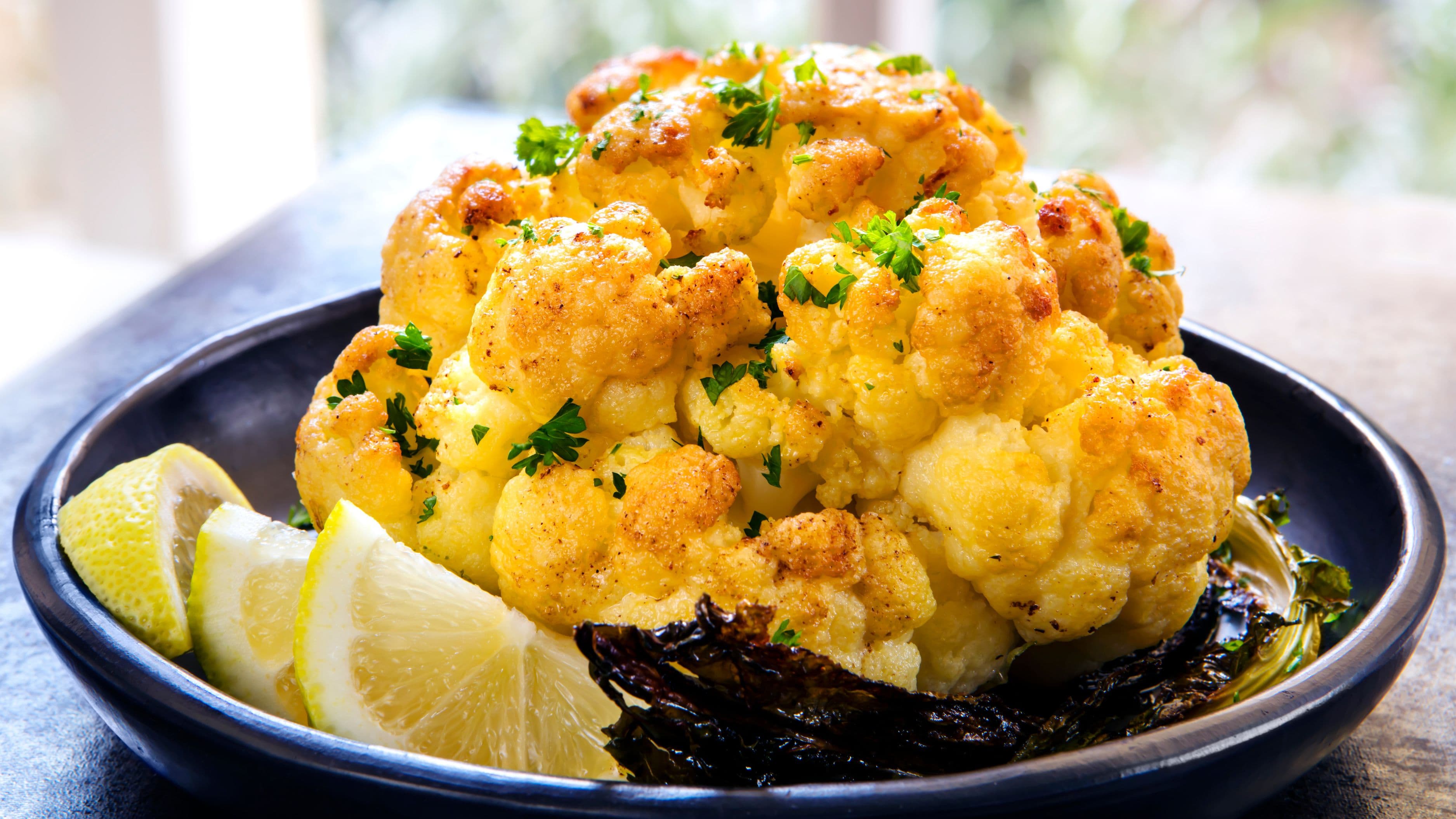
High, dry heat is what transforms cauliflower from a bland, watery vegetable into something genuinely craveable, since roasting caramelizes the natural sugars in the florets and creates crisp, browned edges that add both flavor and texture. The key to getting this right at home comes down to two things: giving the cauliflower enough space on the pan so it roasts instead of steams, and resisting the urge to stir it too frequently, which prevents the deep browning that makes this dish work.
Step-by-Step Instructions
Start by preheating your oven to 425 degrees Fahrenheit, which is hot enough to properly caramelize the cauliflower without needing an excessively long cooking time. While the oven heats, cut your cauliflower into evenly sized florets, roughly bite-sized, since uneven pieces will cook at different rates and some will finish before others.
Toss the florets in a generous amount of olive oil, along with salt and pepper, making sure each piece is lightly coated rather than swimming in oil. Spread them in a single layer on a large sheet pan, giving each floret some breathing room rather than crowding them together, since overcrowding traps steam and prevents the browning that gives this dish its character.
Roast for 25 to 30 minutes, flipping the florets once about halfway through to encourage even browning on multiple sides. You're looking for deep golden-brown edges and a tender, easily pierced center by the time it's done.
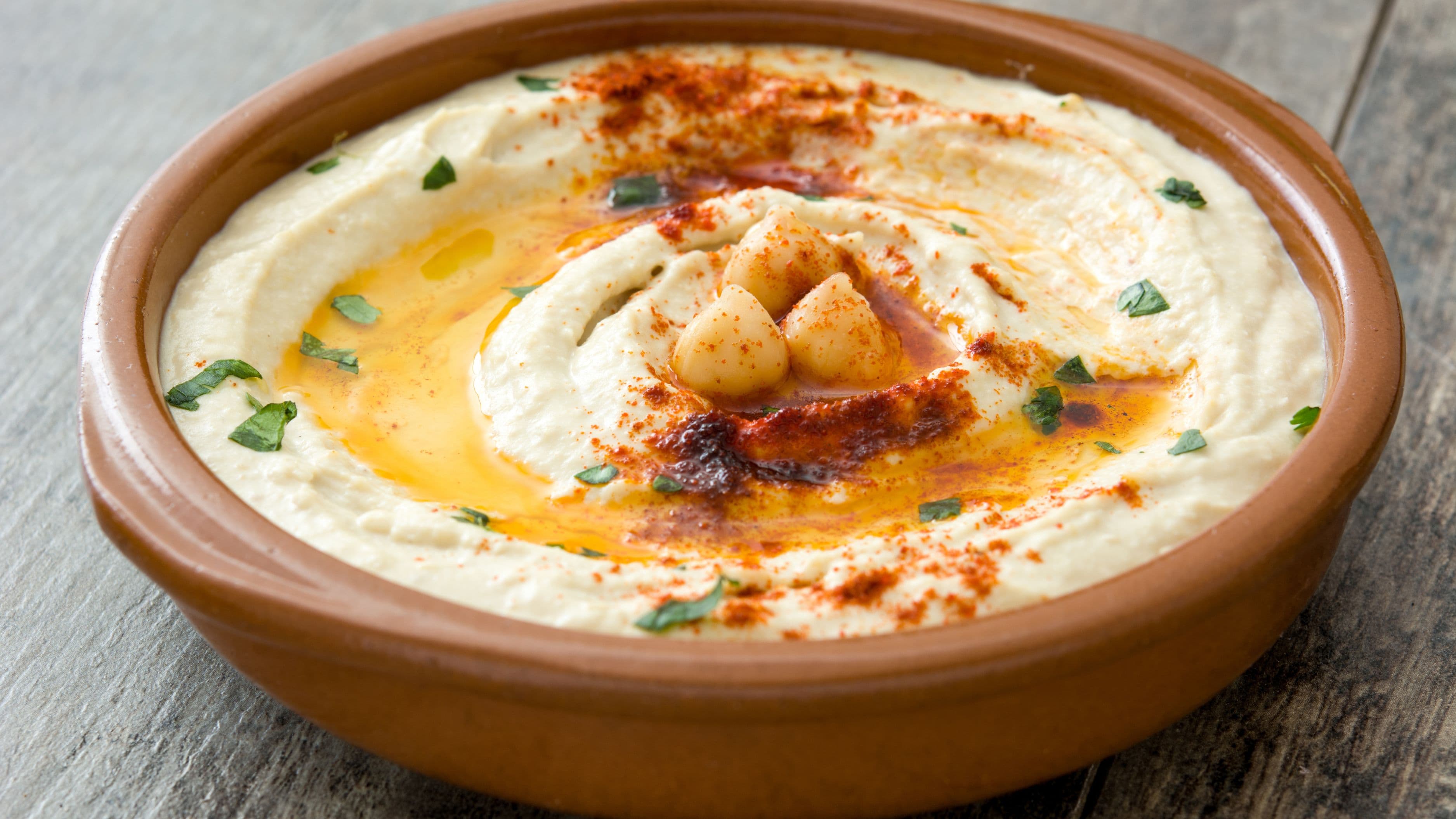
While the cauliflower roasts, whisk together your tahini sauce: combine tahini, fresh lemon juice, a small clove of minced garlic, a pinch of salt, and enough water to thin the mixture to a pourable but still creamy consistency, whisking continuously as you add water since tahini can seize up and turn clumpy if water is added too quickly.
Once the cauliflower is done roasting, transfer it to a serving platter and drizzle generously with the lemon-tahini sauce, finishing with a sprinkle of fresh herbs like parsley if you have them on hand.
Tips for Best Results
Don't skip the flip halfway through roasting, since this single step is what ensures even browning across the florets rather than one side being deeply caramelized while the other stays pale. If your tahini sauce seizes up and becomes thick and clumpy when you add lemon juice, that's normal; keep whisking and add water gradually, and it will smooth back out into a pourable consistency.
Cut your florets to a consistent, moderate size, since pieces that are too small will overcook and dry out before the larger pieces finish roasting, while pieces that are too large will take considerably longer and may not caramelize as well on the exterior relative to their interior doneness.
Variations
For a warmer, more complex flavor, toss the cauliflower with a teaspoon of ground cumin or smoked paprika before roasting, which pairs particularly well with the tahini sauce's nutty richness. Adding a handful of toasted pine nuts or slivered almonds on top just before serving introduces a pleasant textural contrast to the tender roasted florets.
For a heartier, more complete dish, serve the roasted cauliflower over a bed of cooked quinoa or alongside warm pita, letting the tahini sauce tie both components together into a more filling meal rather than a side dish alone.
What to Avoid
Avoid overcrowding your sheet pan, since cauliflower packed too closely together will steam rather than roast, resulting in soft, pale florets instead of the caramelized edges that make this dish worthwhile. Avoid skipping the oil, since cauliflower needs enough fat to properly brown in the oven rather than simply drying out. And avoid adding the lemon-tahini sauce too far in advance of serving if you're planning leftovers, since the sauce will soften the cauliflower's crisp edges the longer it sits.
FAQ
Can I make this dish ahead of time? The cauliflower is best roasted just before serving to preserve its crisp texture, though you can prepare the tahini sauce a day in advance and store it in the refrigerator, whisking in a little extra water to loosen it back up before serving.
What can I substitute if I don't have tahini? A well-stirred smooth almond butter or cashew butter can work as a substitute in a pinch, though the flavor will be noticeably different from the distinctly nutty, slightly bitter taste of tahini.
Can I use frozen cauliflower for this recipe? Fresh cauliflower roasts significantly better than frozen, since frozen cauliflower holds excess moisture that makes proper caramelization difficult to achieve, resulting in a softer, less crisp final texture.
📚 Sources
USDA FoodData Central, "Cauliflower, raw" – https://fdc.nal.usda.gov/
The Mediterranean Dish, "How to Make Tahini Sauce" – https://www.themediterraneandish.com/