This is the kind of recipe that earns a permanent spot in your weekly rotation – reliable enough for a Tuesday night, easy enough that you can throw it together without looking at the recipe after the first time.
Why This Recipe Works
Chicken thighs are more forgiving than breasts because of their higher fat content. That fat keeps the meat moist even if you cook them a little longer than planned, and it's what renders into the skin and helps it crisp up properly in a hot oven. Starting with bone-in, skin-on thighs gives you the best outcome – the bone adds flavour during roasting and helps the meat cook evenly, while the skin crisps into something genuinely satisfying.
The garlic and herb combination here is intentionally simple: fresh garlic, olive oil, thyme, and rosemary. These are flavours that work with chicken without competing with it. A good squeeze of lemon at the end lifts everything and cuts through the richness of the drippings.
Ingredients
(Serves 4)
4 bone-in, skin-on chicken thighs (approximately 200–250g / 7–9 oz each)
4 garlic cloves, minced or finely grated
2 tablespoons olive oil
1 teaspoon fresh thyme leaves (or ½ teaspoon dried)
1 teaspoon fresh rosemary, finely chopped (or ½ teaspoon dried)
1 teaspoon kosher or flaky salt
½ teaspoon black pepper
½ teaspoon smoked paprika (optional, adds colour and subtle depth)
1 lemon, halved
Equipment
You don't need anything specialist. A large oven-safe skillet (cast iron works best) or a roasting pan is all you need. Cast iron retains heat well and gives you a slightly crispier result on the underside of the thighs, but a standard roasting pan or rimmed baking sheet also works fine.
Instructions
Step 1: Preheat and Prepare (5 minutes)
Preheat your oven to 220°C / 425°F. This high temperature is intentional – it's what gives you crispy skin. While the oven heats up, pat the chicken thighs completely dry with paper towels. This step matters more than it might seem. Any surface moisture will steam the skin rather than crisping it, so take a moment to dry each thigh thoroughly, including underneath.
Step 2: Season the Chicken (5 minutes)
In a small bowl, combine the olive oil, minced garlic, thyme, rosemary, salt, pepper, and smoked paprika if using. Mix it into a rough paste. Rub this mixture over every surface of the chicken thighs – under the skin where possible (gently loosen the skin with your fingers and push some of the garlic and herb mixture directly underneath), over the top of the skin, and on the underside. Getting the seasoning under the skin puts the flavour directly on the meat rather than just sitting on the surface.
Step 3: Arrange and Roast (35–40 minutes)
Place the thighs skin-side up in your skillet or roasting pan, spaced apart so they're not touching. Crowding the pan traps steam and prevents the skin from crisping properly. If you have a cast iron skillet, you can start it on the stovetop over medium-high heat for 2 minutes before transferring to the oven – this gives the underside a head start on browning.
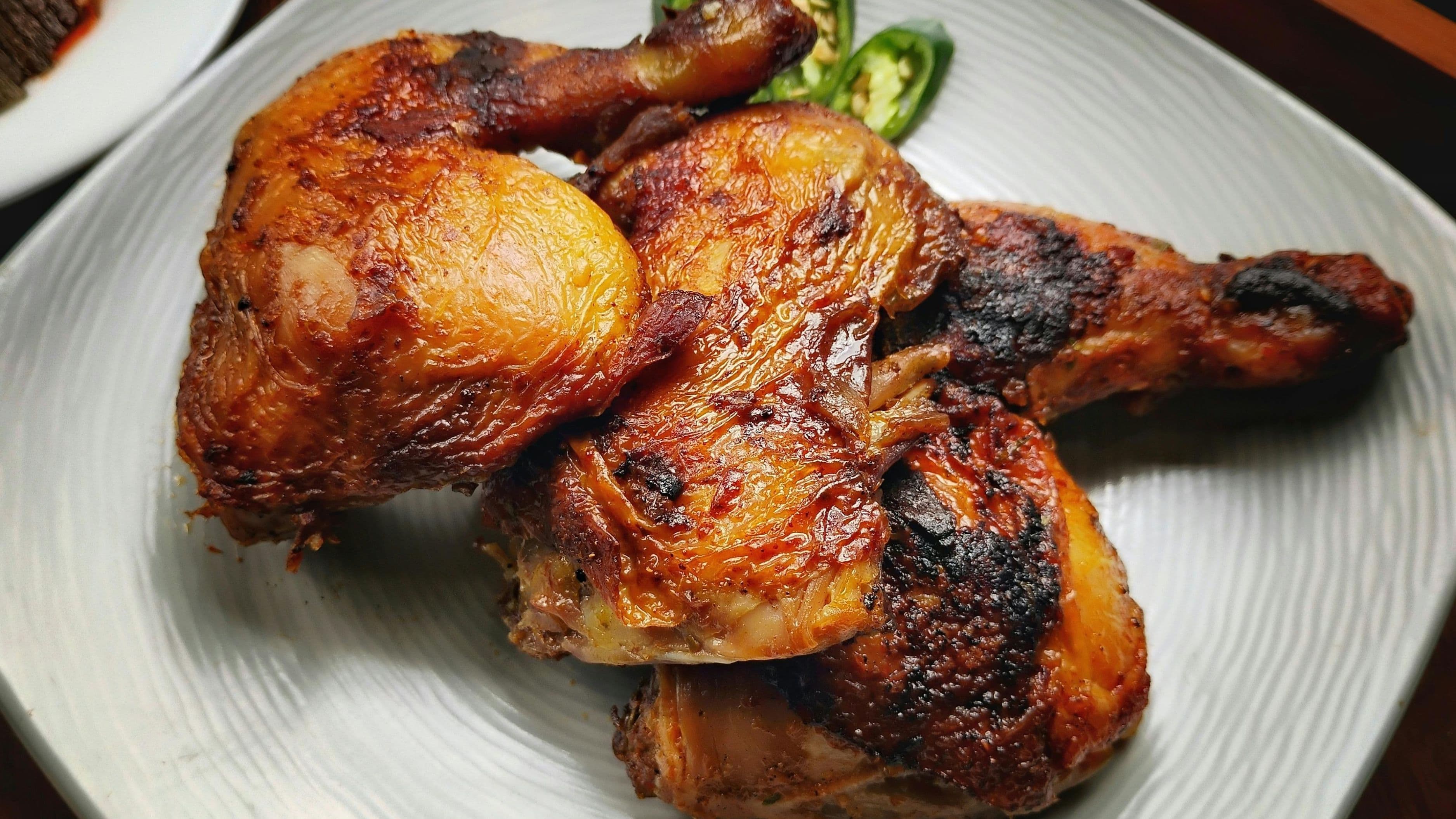
Roast at 220°C / 425°F for 35–40 minutes, without disturbing the chicken. You don't need to baste or flip. The thighs are done when the skin is deeply golden and crispy, and the internal temperature reads 74°C / 165°F at the thickest part of the meat away from the bone. If you don't have a thermometer, pierce the thickest part with a thin knife – the juices should run completely clear with no pink.
Step 4: Rest and Finish (5 minutes)
Remove the pan from the oven and squeeze half the lemon over the chicken immediately. Let the thighs rest for 5 minutes before serving – this allows the juices to redistribute into the meat so they don't run out when you cut into them. Serve with the remaining lemon half cut into wedges on the side.
Tips for the Best Results
Dry the skin thoroughly. If you have time, place the seasoned thighs (or just the unseasoned thighs) uncovered in the fridge for an hour or even overnight. The cold air dries the skin out further and results in noticeably crispier skin after roasting. It's not essential, but it's a worthwhile step if you think ahead.
Don't move the chicken during roasting. It's tempting to check and adjust, but letting the thighs sit undisturbed allows the skin to crisp properly. Opening the oven door repeatedly drops the temperature and extends cooking time.
Use the pan drippings. After removing the chicken to rest, the rendered fat and juices in the pan are genuinely delicious. Spoon them over the chicken before serving, or use them as a base for a simple pan sauce by adding a splash of white wine or stock to the pan on the stovetop over medium heat, scraping up any stuck bits, and reducing for 2–3 minutes.
Let the chicken come to room temperature before roasting if possible. Pulling the thighs from the fridge and roasting immediately from cold means the outside can overcook slightly before the inside is done. 20–30 minutes on the counter before going into the oven makes for more even cooking.
Variations
Lemon and Caper: Add 2 tablespoons of capers and the zest of a lemon to the seasoning mixture. Scatter a few thin lemon slices around the pan during roasting. The capers add a salty, briny contrast that works particularly well.
Spiced Harissa: Replace the thyme and rosemary with 2 tablespoons of harissa paste and a pinch of cumin. The result is a deeply flavoured, slightly spicy version that pairs well with couscous or flatbread.
Honey and Soy: Swap the herb mixture for 1 tablespoon soy sauce, 1 tablespoon honey, 1 teaspoon sesame oil, and 2 minced garlic cloves. This produces a lacquered, caramelised skin and an Asian-inspired flavour profile that works well with steamed rice and cucumber.
White Wine and Shallot: Add two sliced shallots and a splash of white wine to the roasting pan. The liquid steams slightly around the thighs and creates a light, flavourful sauce in the pan drippings.
What to Avoid
Don't use boneless, skinless thighs for this recipe. They cook faster and don't have the fat or skin that makes this technique work. They'll be fine, but they won't have the same crispy skin and flavourful drippings. If boneless is all you have, reduce the cooking time to 20–25 minutes and check early.
Don't roast at a lower temperature hoping for a gentler result. Chicken thighs benefit from high heat. At 180°C / 350°F, the skin stays soft and the rendering takes longer, often resulting in greasy rather than crispy skin. Keep the oven hot.
Don't crowd the pan. Four standard thighs need a pan large enough that they sit comfortably apart. If they're touching, the steam that builds between them prevents crisping and slows cooking. Use two pans or roast in batches rather than crowding.
Don't skip the resting time. Five minutes feels like a long wait when the chicken smells this good, but resting is what keeps the meat juicy. Cut into it too early and the juices run out onto the board instead of staying in the meat where they belong.
What to Serve With It
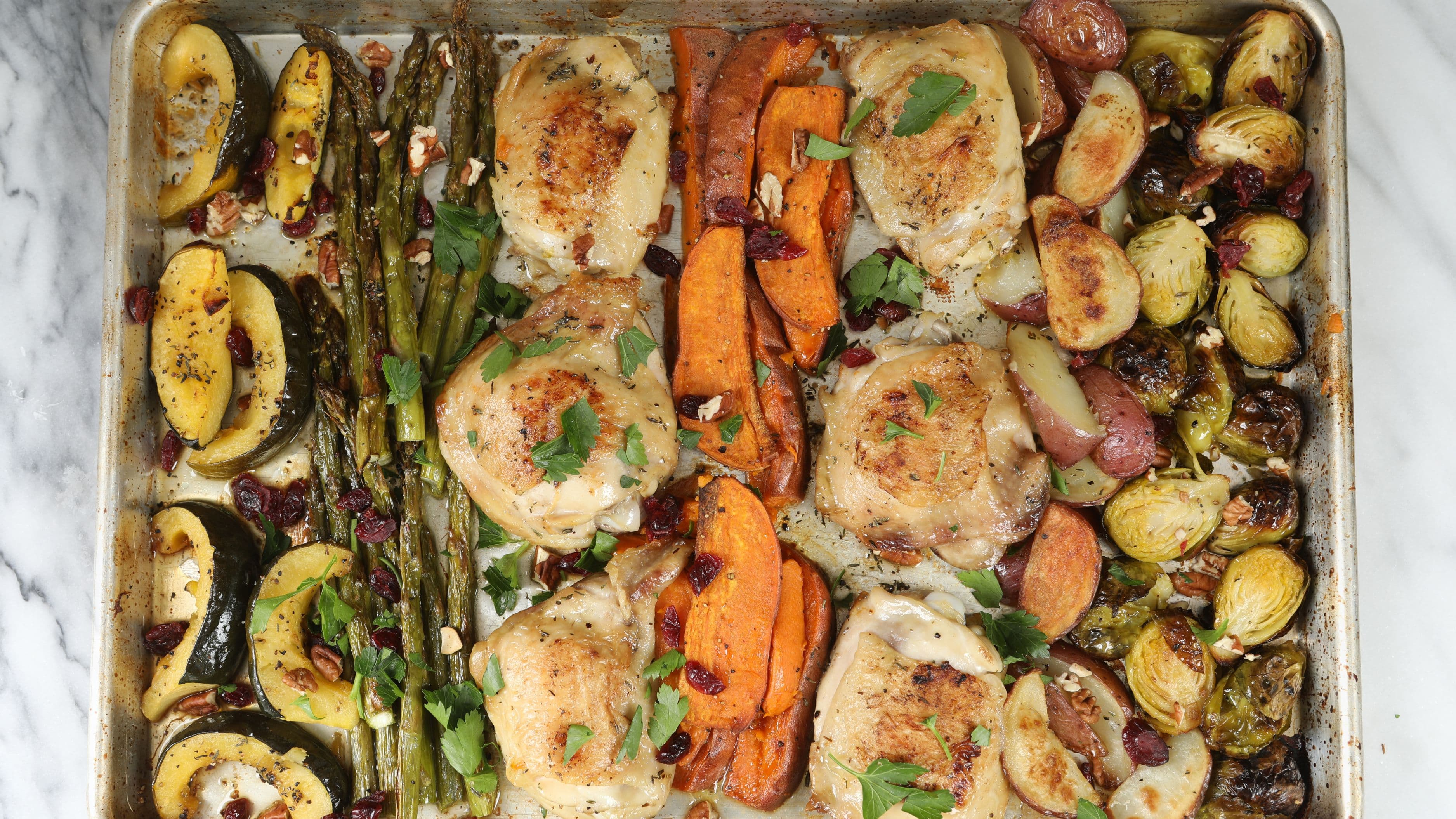
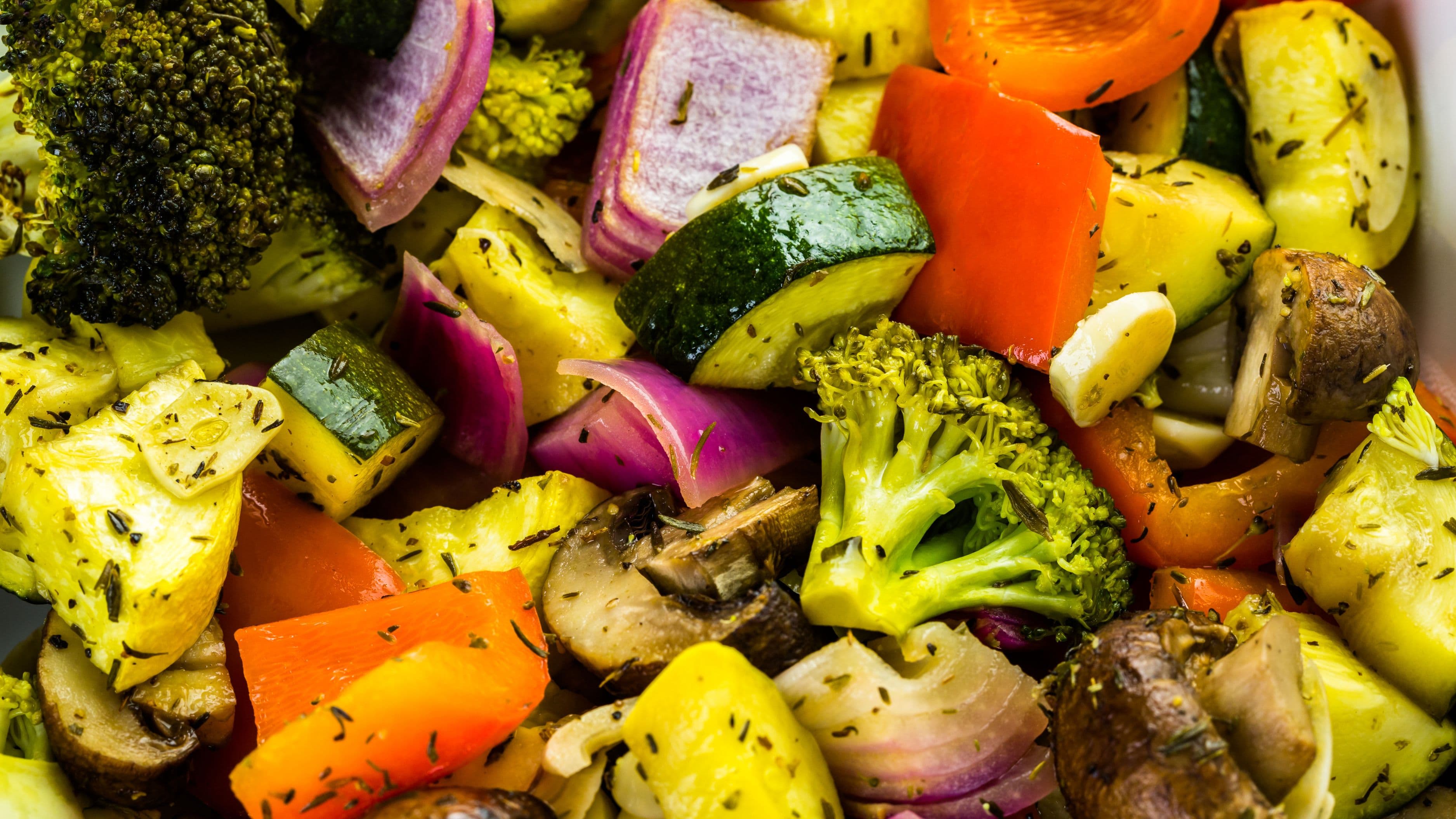
These thighs are happy with almost anything. A simple green salad and crusty bread to catch the drippings is the easy weeknight option. Roasted vegetables – potatoes, cherry tomatoes, courgette, or asparagus – can go in the same pan during the last 20 minutes if cut into pieces small enough to cook through. Mashed potatoes or buttered rice are the comfort food pairing. For something lighter, a salad of bitter greens, shaved fennel, and lemon dressing balances the richness of the chicken nicely.
Storage and Reheating
Leftover chicken thighs keep well in the fridge for 3–4 days in a covered container. To reheat and maintain the crispy skin, place them skin-side up in an oven at 180°C / 350°F for 10–15 minutes rather than microwaving. The microwave reheats the meat fine but turns the skin soft. Alternatively, the leftover chicken is excellent cold, flaked into a salad or shredded into a grain bowl.
FAQ
Can I use chicken drumsticks instead of thighs? Yes. Drumsticks work well with this recipe and cook at a similar rate. Bone-in, skin-on drumsticks at similar weight will typically be done in 35–40 minutes at the same temperature. Check the internal temperature the same way.
Do I need to cover the pan with foil? No. This recipe is designed to be roasted uncovered the entire time. Covering with foil traps steam and prevents the skin from crisping. The high heat handles the cooking without drying the meat out.
My oven runs hot – should I adjust the temperature? If your oven tends to run 15–20°C hotter than the dial says (something you can check with a cheap oven thermometer), reduce the temperature to 200°C / 400°F and check for doneness at the 30-minute mark. You want the skin deeply golden, not charred.
Can I make this ahead for a dinner party? You can season the thighs the night before and keep them uncovered in the fridge – this actually improves the result. Roast them fresh on the day rather than reheating, as freshly roasted thighs have noticeably better skin texture than reheated ones.
What if the skin isn't getting crispy enough? Most likely the pan is too crowded, the skin wasn't dried thoroughly enough before roasting, or the oven temperature is lower than expected. If the skin is still pale with 10 minutes to go, turn the oven up to 230°C / 450°F for the final stretch and keep a close eye on it.
📚 Sources
Serious Eats – The Food Lab: How to Get Perfect Crispy Chicken Skin: https://www.seriouseats.com/the-best-crispy-skinned-pan-roasted-chicken-thighs
USDA – Safe Minimum Internal Temperature Chart: https://www.fsis.usda.gov/food-safety/safe-food-handling-and-preparation/food-safety-basics/safe-temperature-chart
America's Test Kitchen – Why We Prefer Chicken Thighs: https://www.americastestkitchen.com/articles/3478-why-we-love-chicken-thighs