Why Roasting Makes Such a Difference
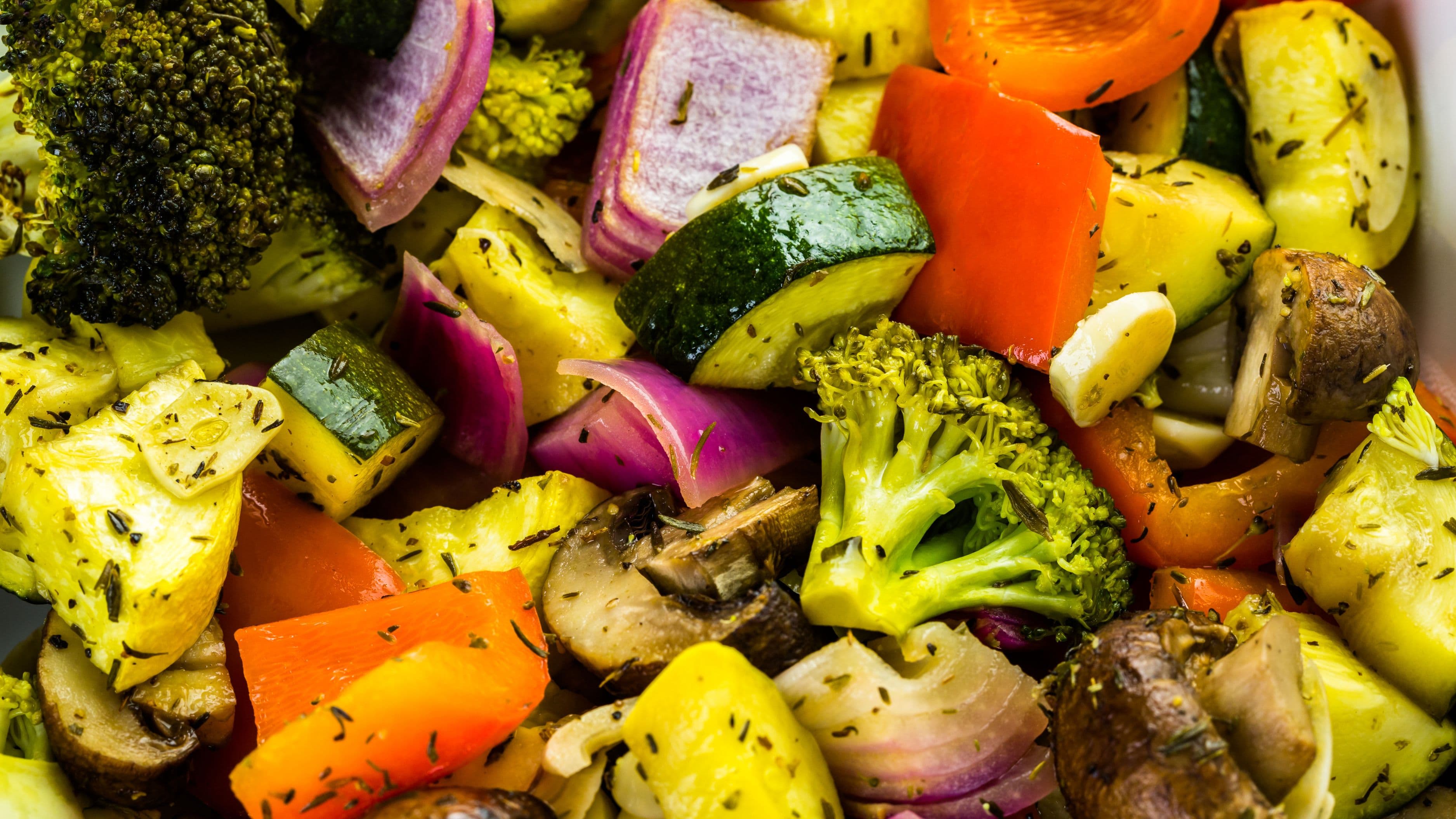
Roasting tomatoes at high heat drives off excess moisture and caramelizes their natural sugars, which deepens the flavor in a way that simply simmering raw tomatoes on the stovetop doesn't replicate. This is the same principle behind why roasted vegetables generally taste richer than boiled ones – concentrated, slightly caramelized flavor versus diluted, watery flavor.
The good news is that roasting requires almost no active effort. Once the tomatoes go into the oven, they need very little attention for about 30 to 35 minutes, which is exactly the window that makes this soup realistic for a weeknight despite sounding more involved than opening a can.
Ingredients
2½ pounds ripe tomatoes, halved
1 medium yellow onion, quartered
4 garlic cloves, unpeeled
3 tablespoons olive oil
1 teaspoon salt, plus more to taste
½ teaspoon black pepper
2 cups vegetable or chicken broth
¼ cup heavy cream (optional)
1 tablespoon fresh basil, chopped, plus extra for garnish
½ teaspoon sugar (if needed, to balance acidity)
Step-by-Step Instructions
1. Roast the vegetables. Preheat the oven to 425°F. Arrange the halved tomatoes, quartered onion, and unpeeled garlic cloves on a large baking sheet, drizzle with olive oil, and season with salt and pepper. Roast for 30 to 35 minutes, until the tomatoes are soft and slightly charred at the edges and the onion has caramelized.
2. Cool slightly and peel the garlic. Let the roasted vegetables cool for about five minutes, just enough to handle safely, then squeeze the softened garlic cloves out of their skins directly into the tray with the tomatoes and onion.
3. Blend the roasted vegetables with broth. Transfer the roasted tomatoes, onion, and garlic, along with any juices from the baking sheet, into a blender or food processor. Add the broth and blend until completely smooth, working in batches if needed depending on your blender's capacity.
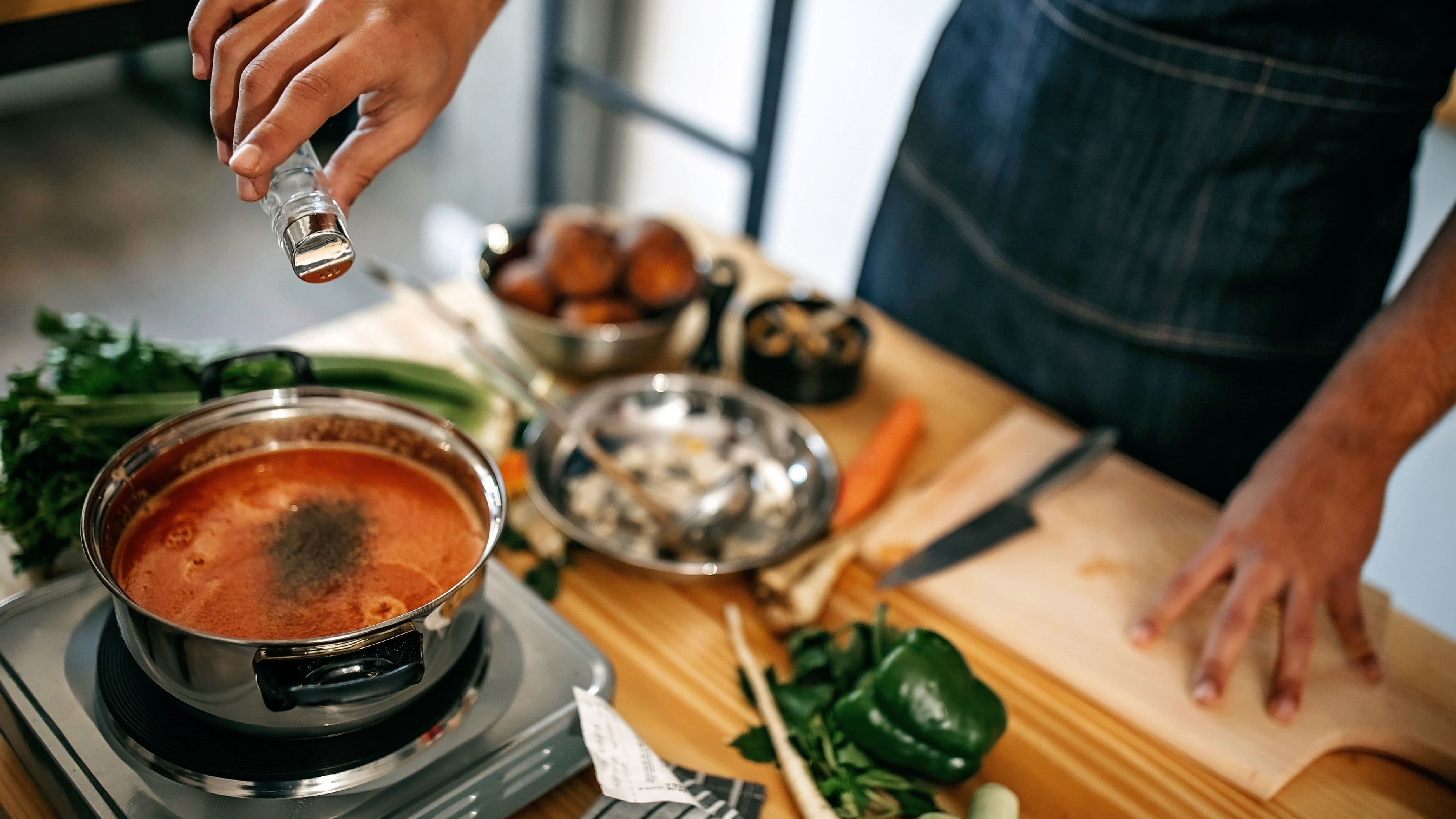
4. Simmer and adjust seasoning. Pour the blended mixture into a pot and bring to a gentle simmer over medium heat for about 10 minutes, allowing the flavors to come together. Taste and adjust salt, and add the sugar only if the soup tastes noticeably acidic, which can vary depending on how ripe your tomatoes were.
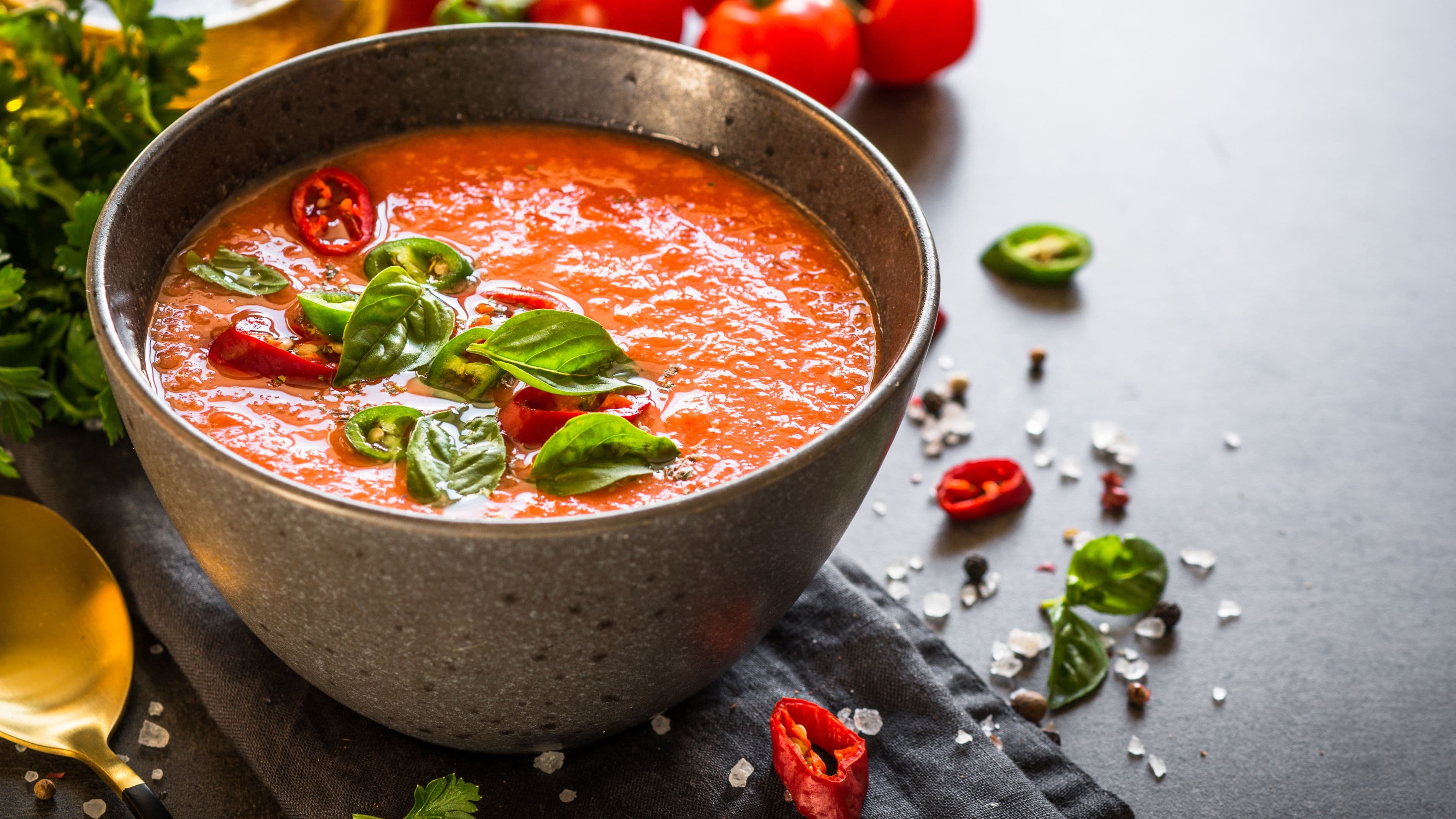
5. Finish with cream and basil. Stir in the heavy cream if using, along with the chopped basil, and simmer for another two to three minutes. If you prefer a fully smooth, restaurant-style texture, pass the finished soup through a fine mesh strainer before serving.
Tips for Best Results
Use the ripest tomatoes you can find, since roasting amplifies whatever flavor is already present in the tomato – underripe or bland tomatoes will still taste noticeably better roasted than raw, but truly ripe, in-season tomatoes make a genuinely dramatic difference in the final result. If good fresh tomatoes aren't in season, canned whole tomatoes can be roasted with similar results, though you'll want to drain excess liquid before roasting to help them caramelize rather than steam.
Roasting the garlic unpeeled protects it from burning during the higher-heat roasting process while still allowing it to soften completely, which makes squeezing it out of the skin afterward both easy and safe.
Variations
For a slightly smoky version, add a pinch of smoked paprika when blending, which pairs particularly well with the caramelized flavor from roasting. For a dairy-free version, simply omit the cream, or replace it with a splash of unsweetened coconut milk for richness without dairy, though this will introduce a subtle coconut flavor worth considering based on your preference.
What to Avoid
Don't skip the roasting step to save time by simmering raw tomatoes instead – this is genuinely the source of most of the soup's flavor, and shortcutting it produces a noticeably blander result closer to a standard stovetop tomato soup. It's also worth avoiding overcrowding the baking sheet, since tomatoes packed too closely together will steam rather than roast properly, missing out on the caramelization that makes this version worthwhile.
Avoid adding cream too early in the cooking process if you plan to use the fine mesh strainer step, since straining a soup with cream already incorporated can be messier and less effective than straining before adding dairy.
Realistic Expectations
This soup takes about 45 to 50 minutes total from start to finish, with roughly 30 minutes of that being mostly hands-off oven time, making it a genuinely realistic weeknight option despite the from-scratch approach. The finished soup keeps well in the refrigerator for three to four days and also freezes well for up to three months, making it a good candidate for a larger batch if you want extra portions on hand.
FAQ
Can I make this soup ahead of time? Yes, it reheats well and the flavor often deepens slightly after a day in the refrigerator, making it a good make-ahead option for busy weeknights.
Do I need a high-powered blender to get a smooth texture? A standard blender works fine for a good result; passing the soup through a fine mesh strainer afterward helps achieve an extra-smooth, restaurant-style texture regardless of blender power.
Can I use canned tomatoes instead of fresh? Yes, particularly outside of tomato season – drain excess liquid from canned whole tomatoes before roasting so they caramelize rather than steam in the oven.