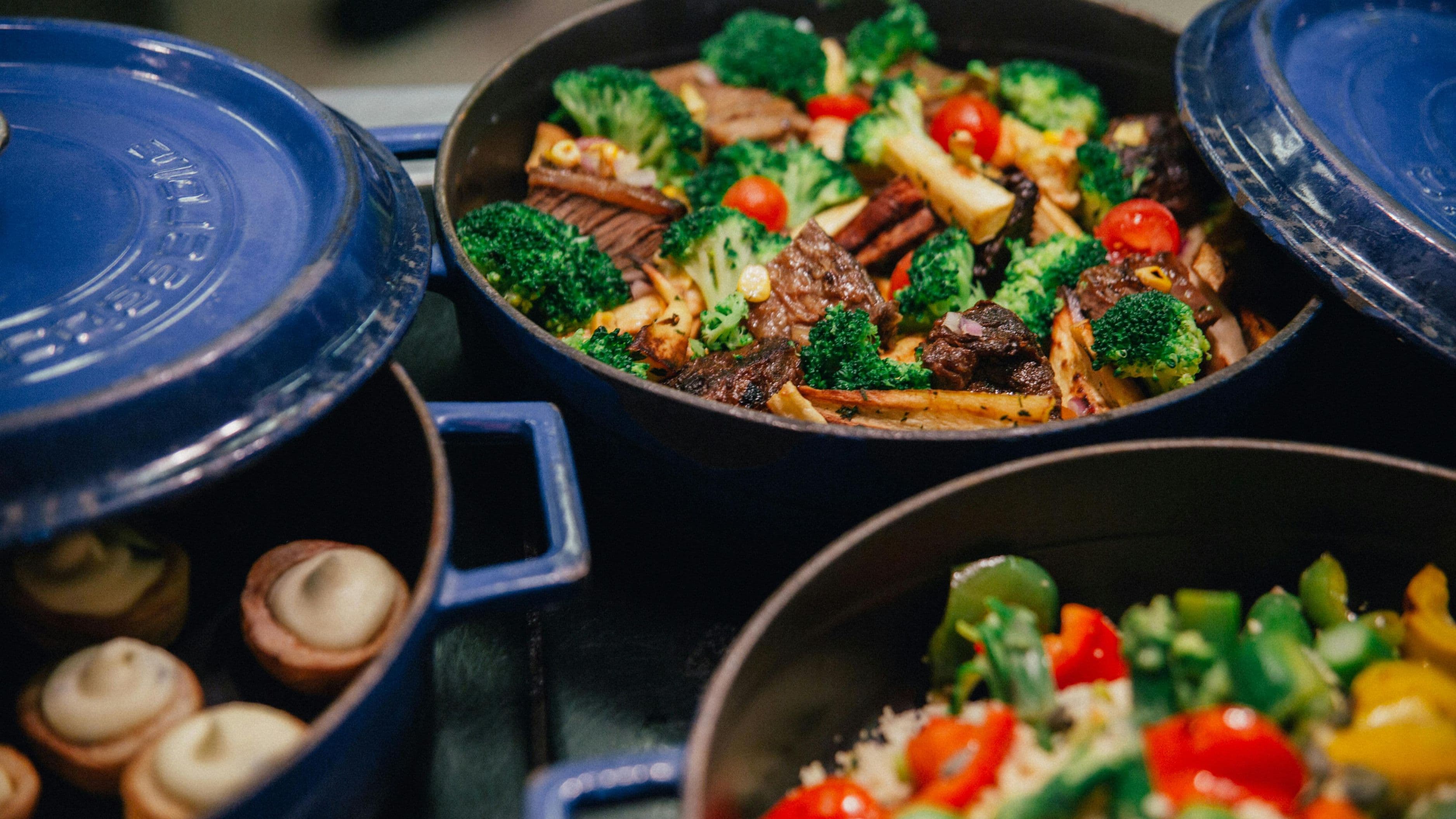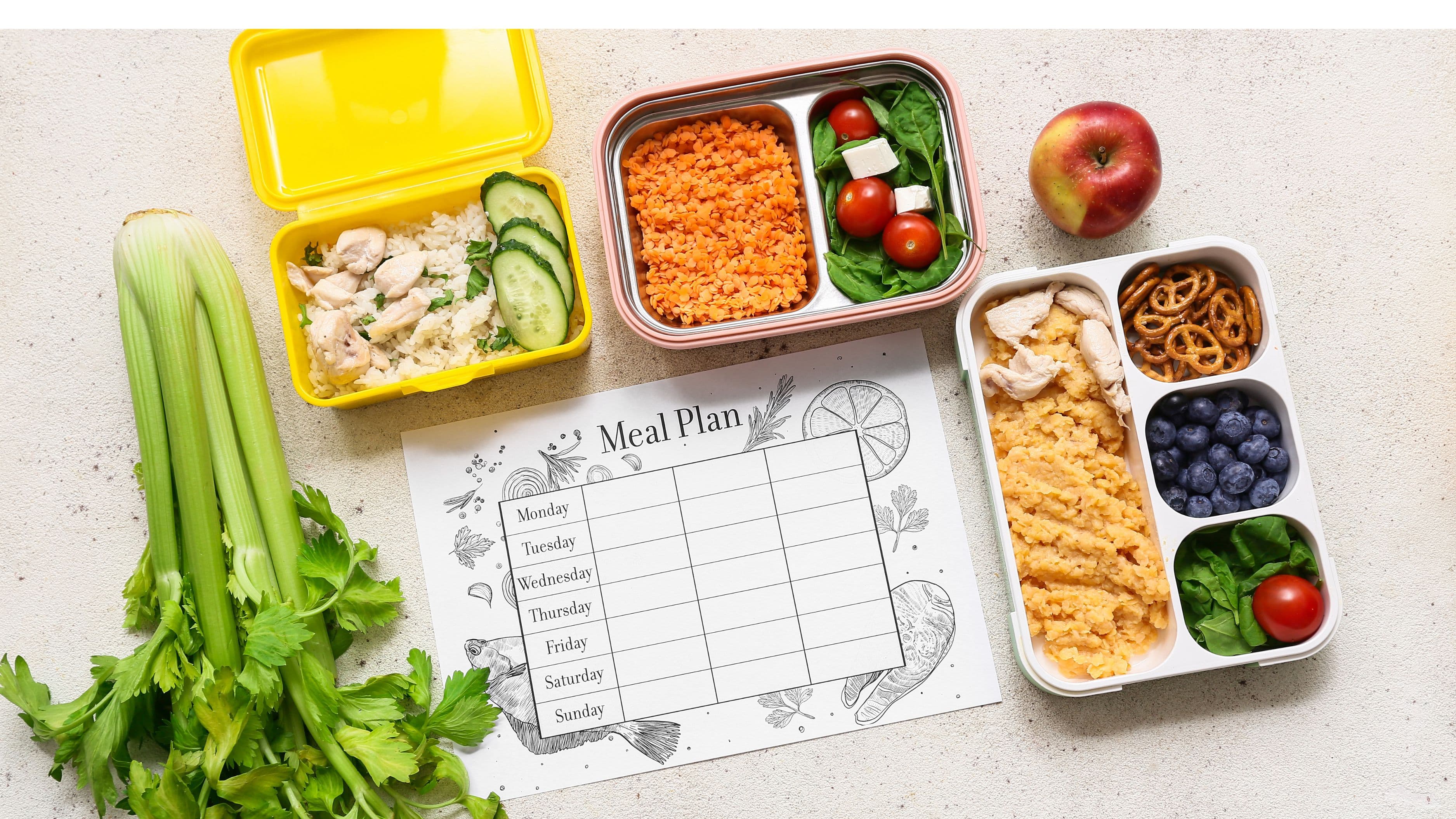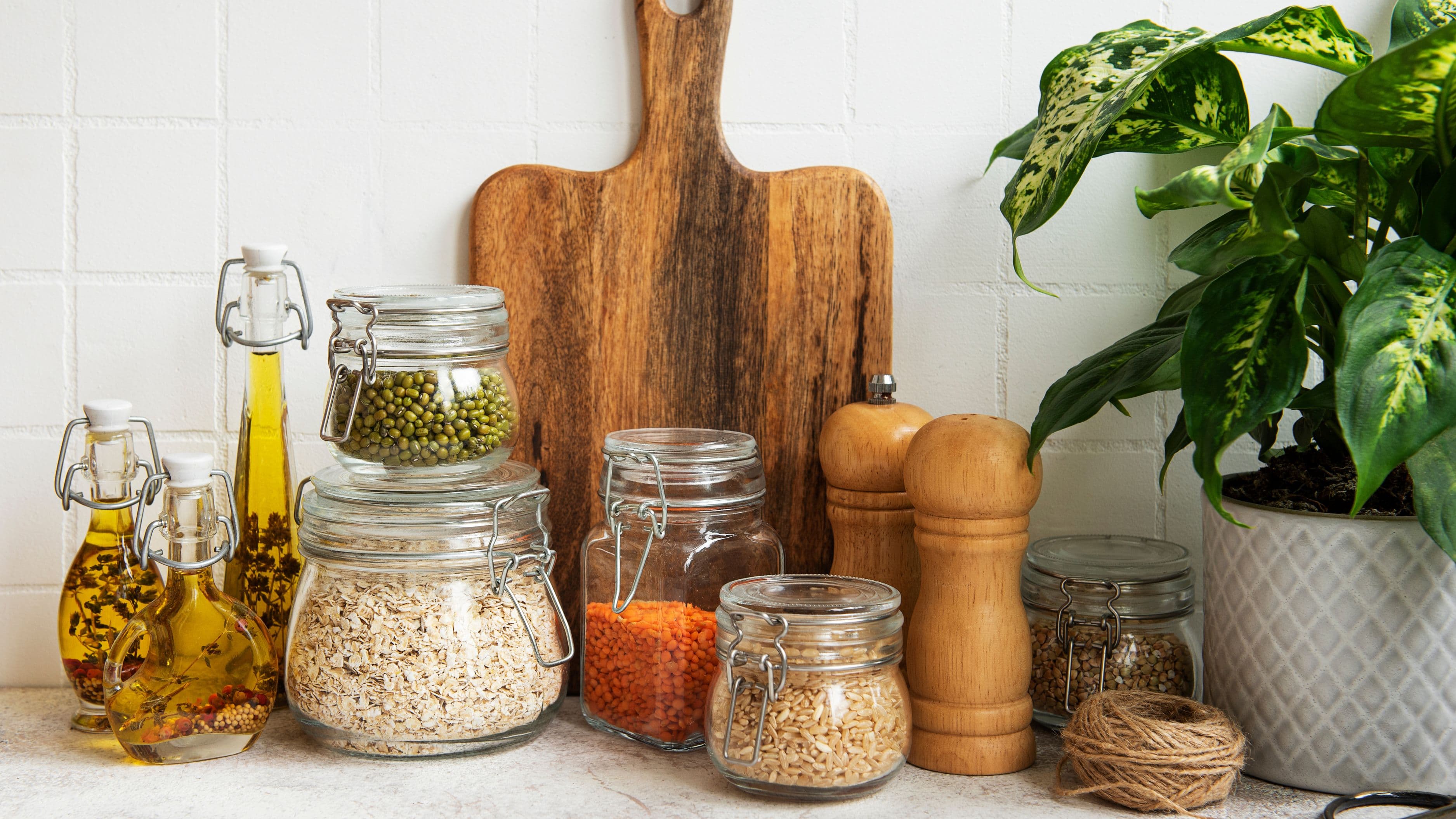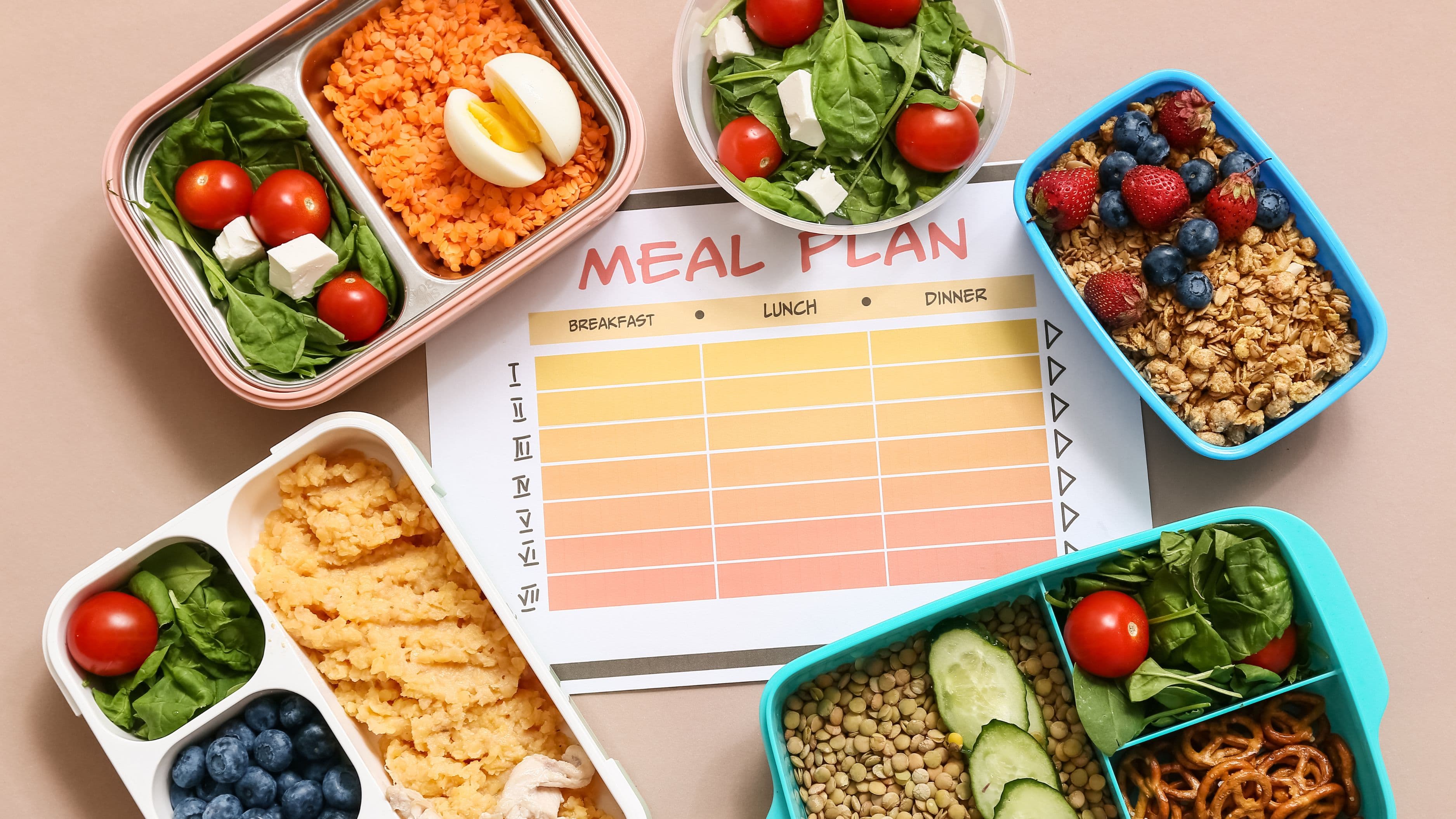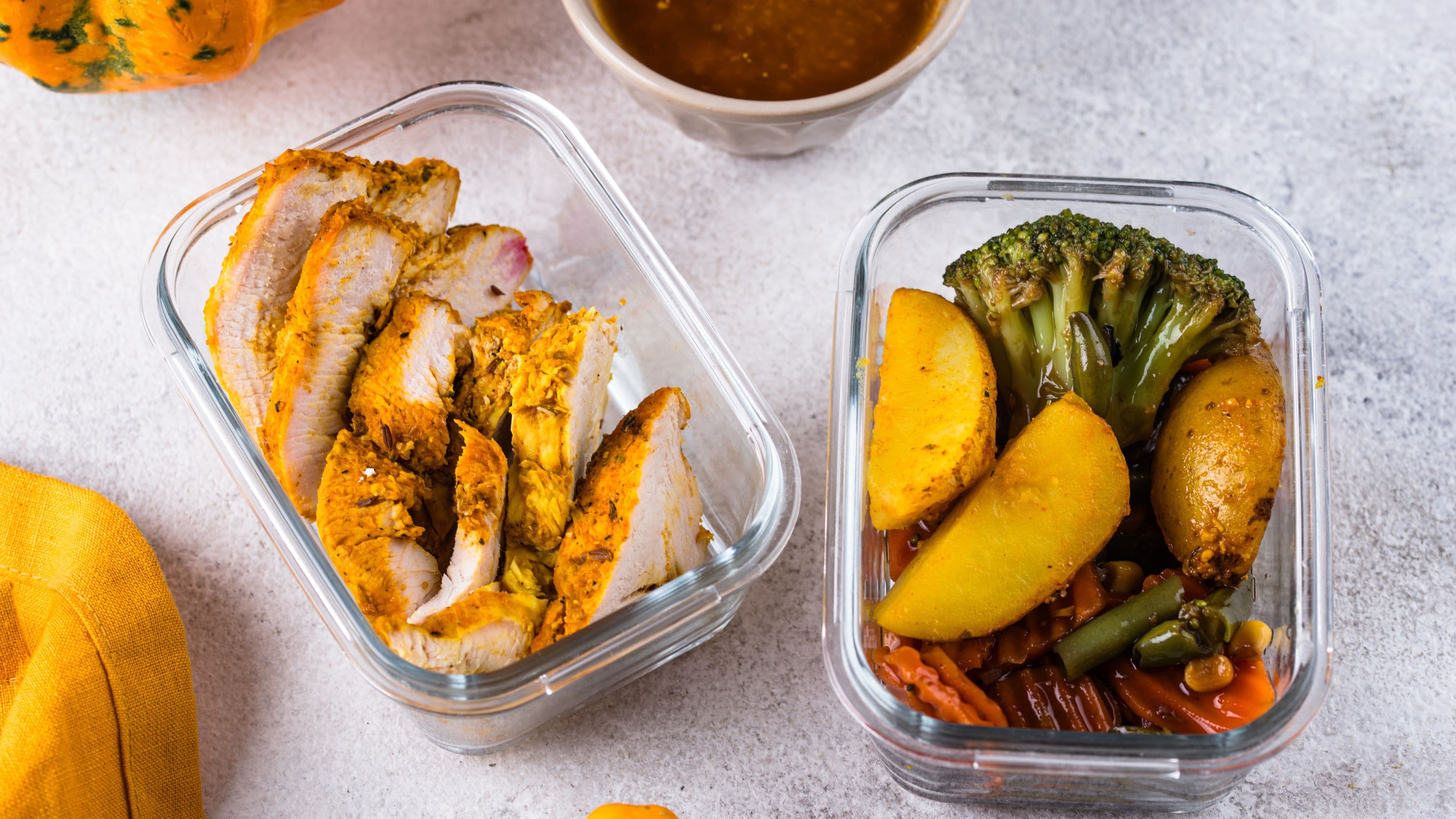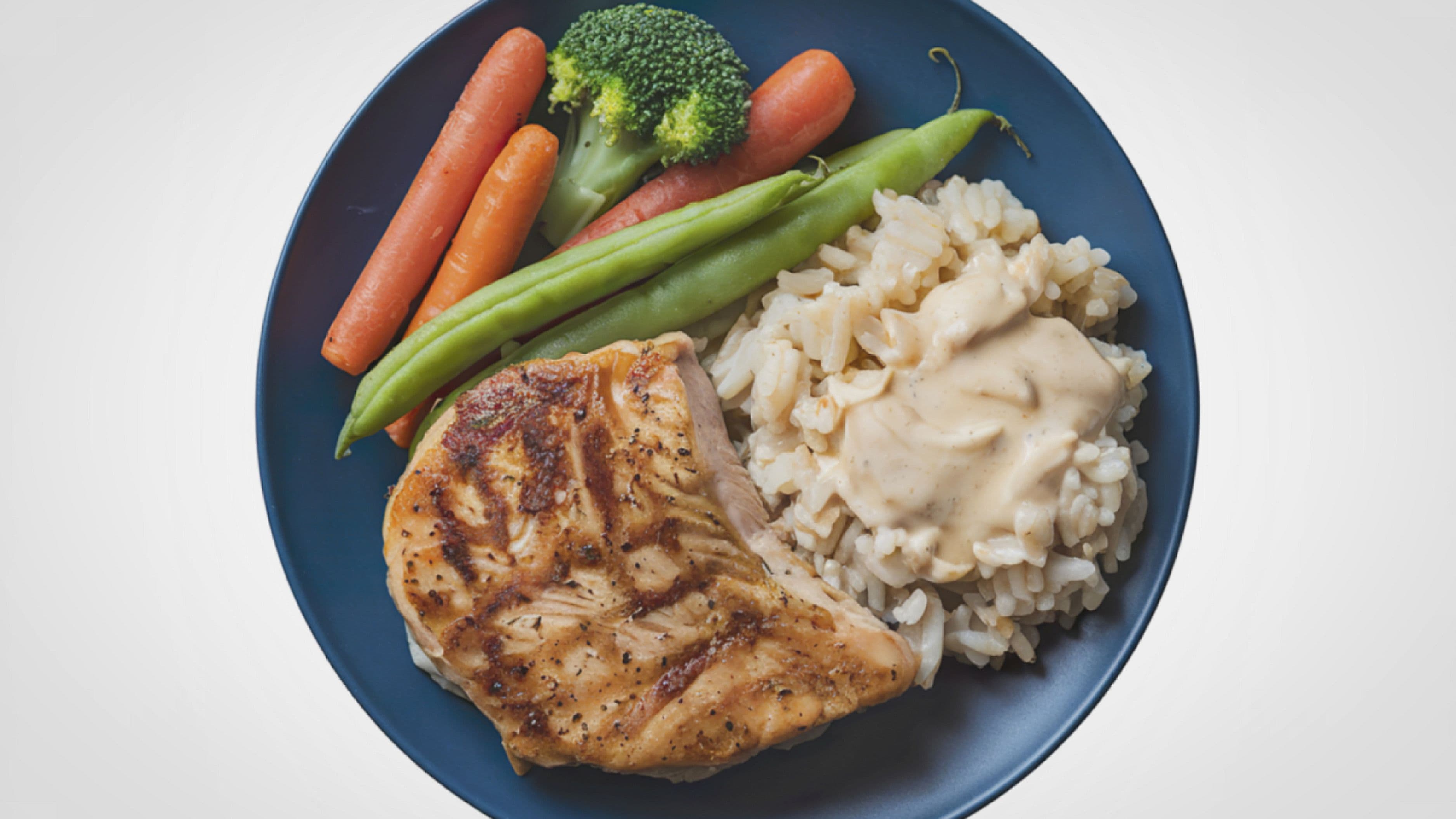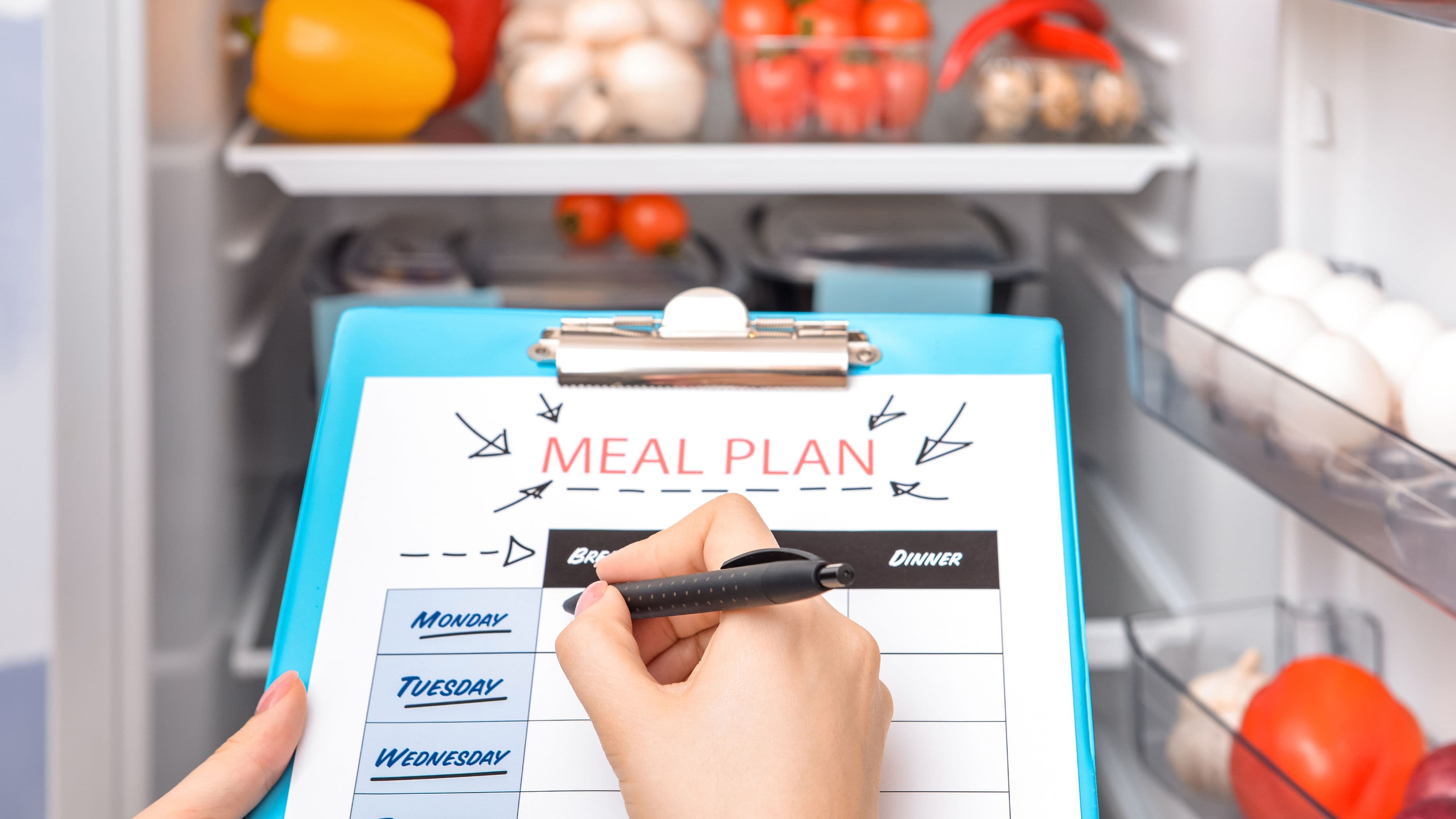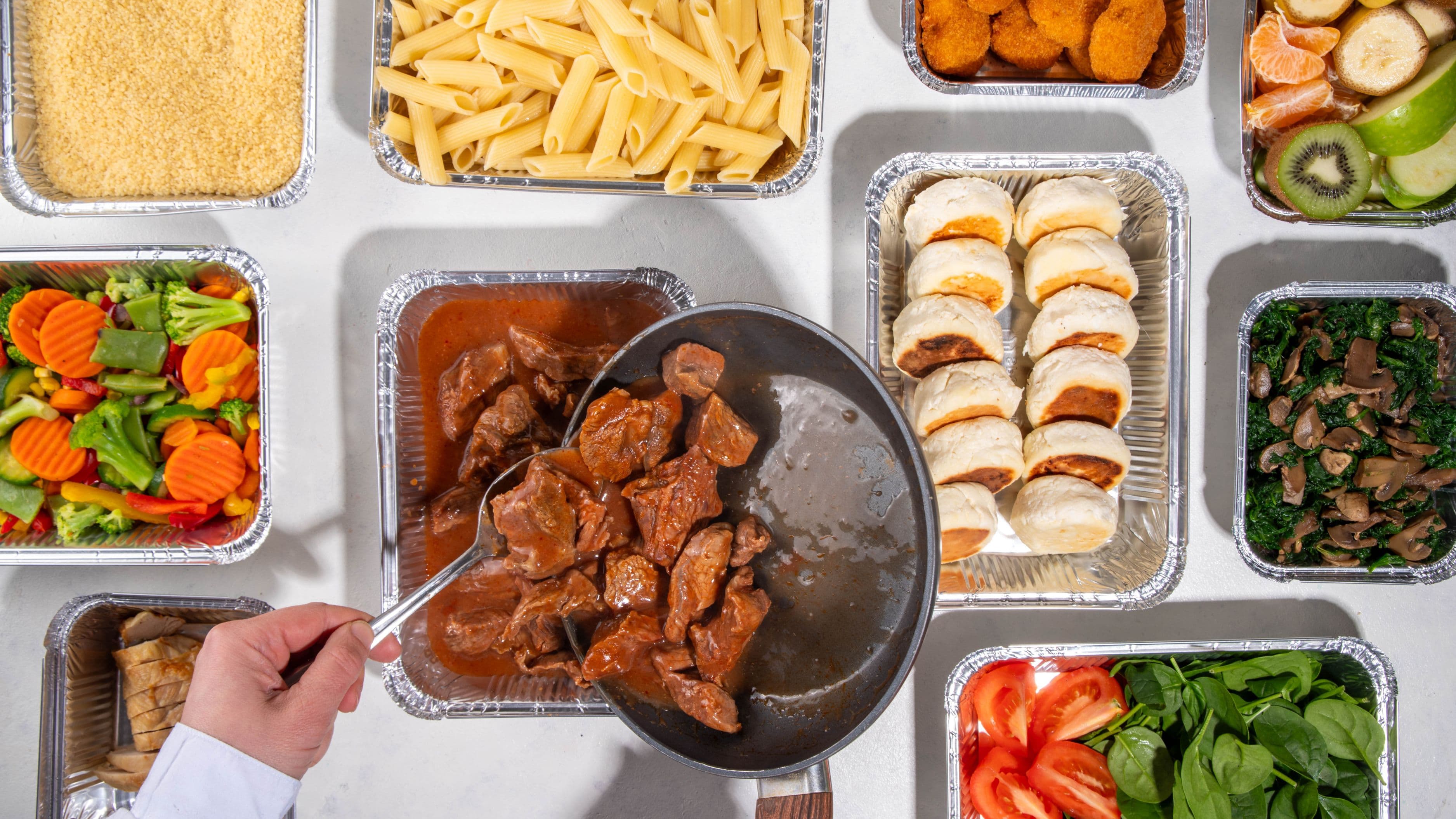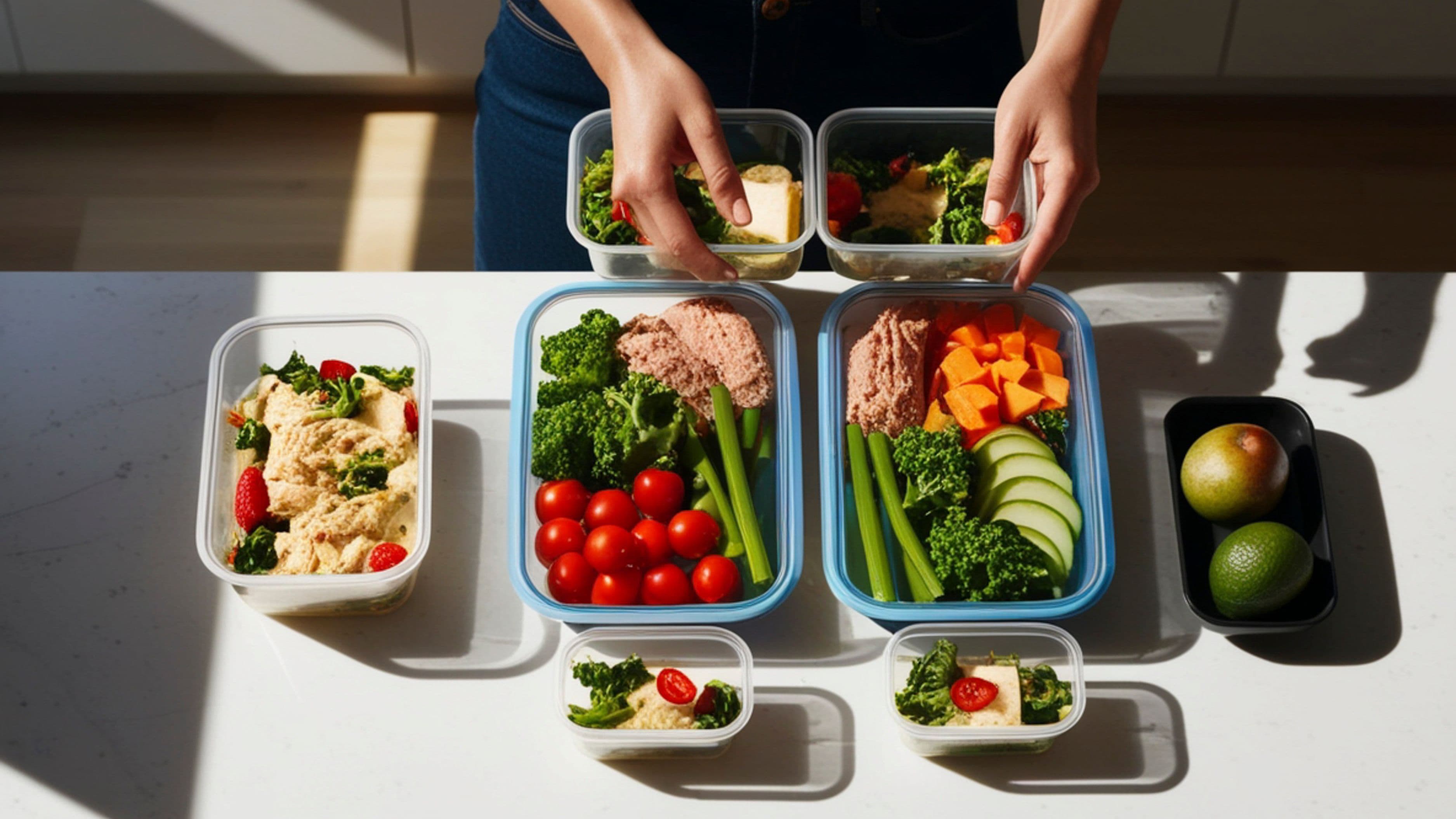
The good news is that a small amount of structure goes a long way here. With the right approach, you can eat well every night, reduce the mental load of deciding what to cook, and actually look forward to what's on the plate.
Why Meal Rotations Get Stale (And How to Fix It)
The most common reason home cooks get bored with their rotation is that they're varying the wrong things. They swap chicken for beef, or switch from pasta to rice – but the flavour profile, the cooking method, and the seasoning logic stay almost identical. The result is meals that feel different on paper but taste like variations on the same theme.
The more effective approach is to vary along dimensions that actually affect how food tastes and feels to eat. That means mixing up cooking methods (roasting vs stir-frying vs braising), varying the cuisine base (a Mexican-inspired dish uses different aromatics and acids than an Italian one), and changing the format of the meal (a bowl, a wrap, a plate with sides, a one-pot dish). When you rotate along these axes instead of just protein or carb, the same basic ingredients can produce meals that genuinely feel different from each other.
The Foundation: Build a Flexible Weekly Framework
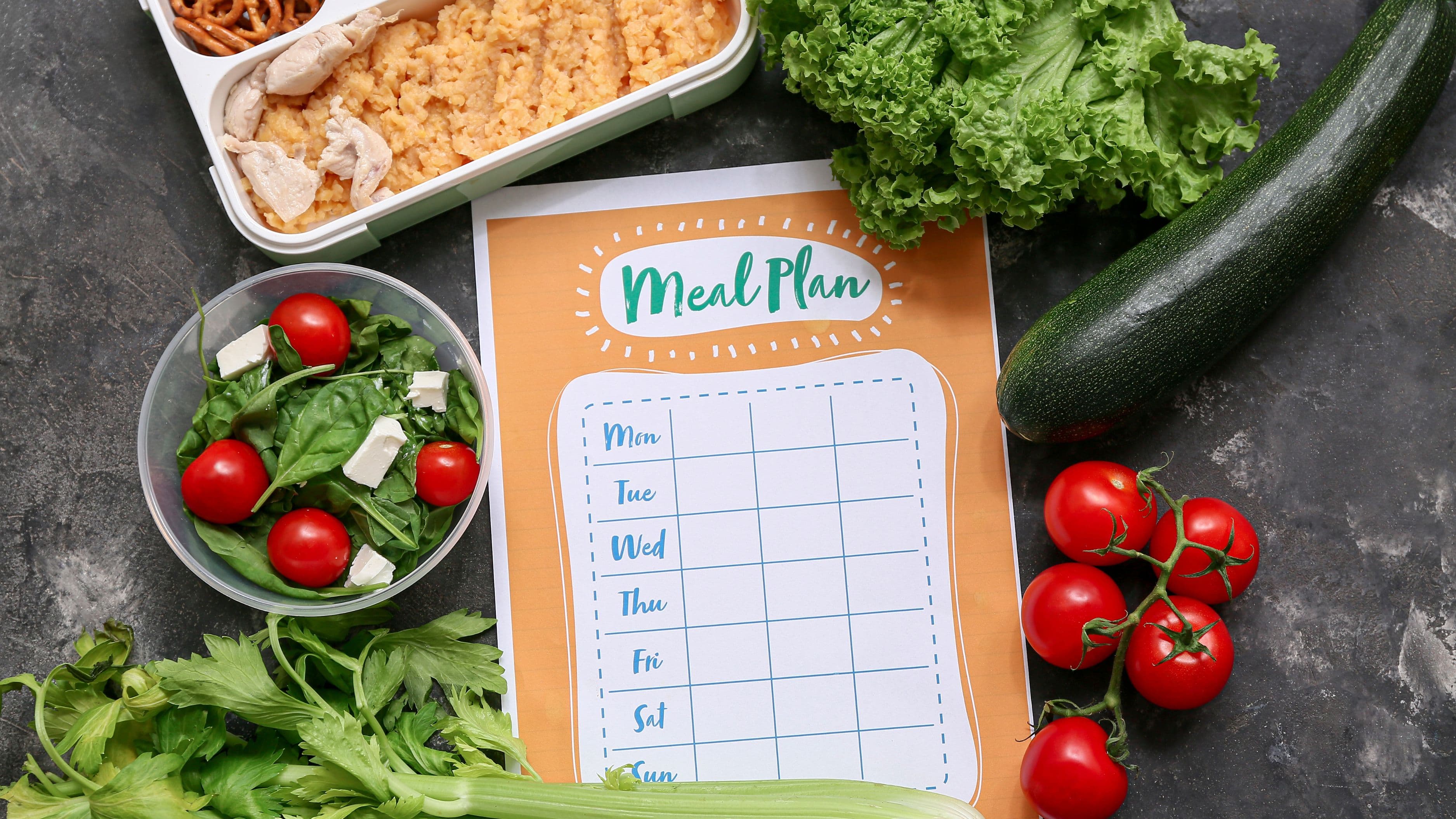
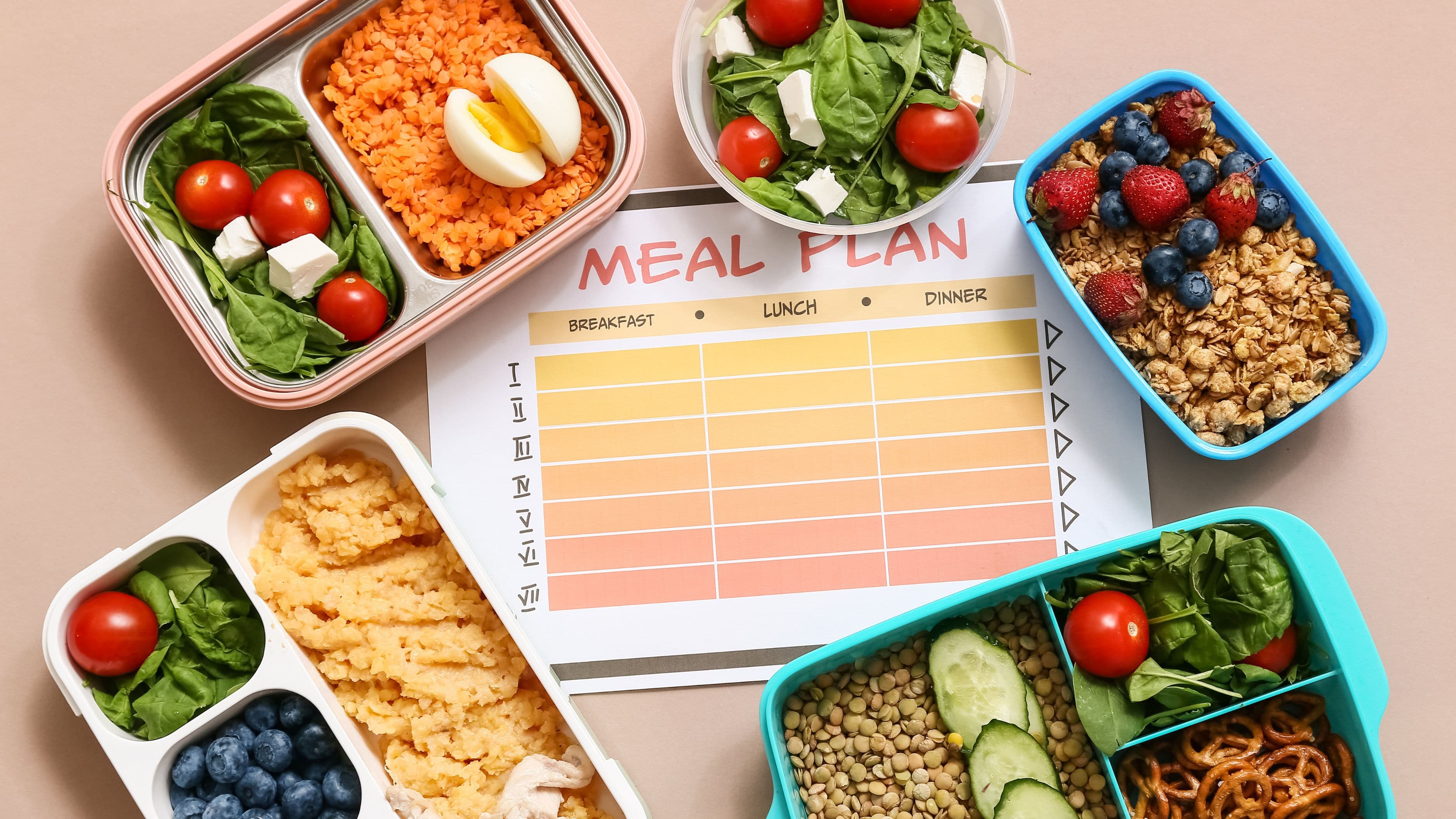
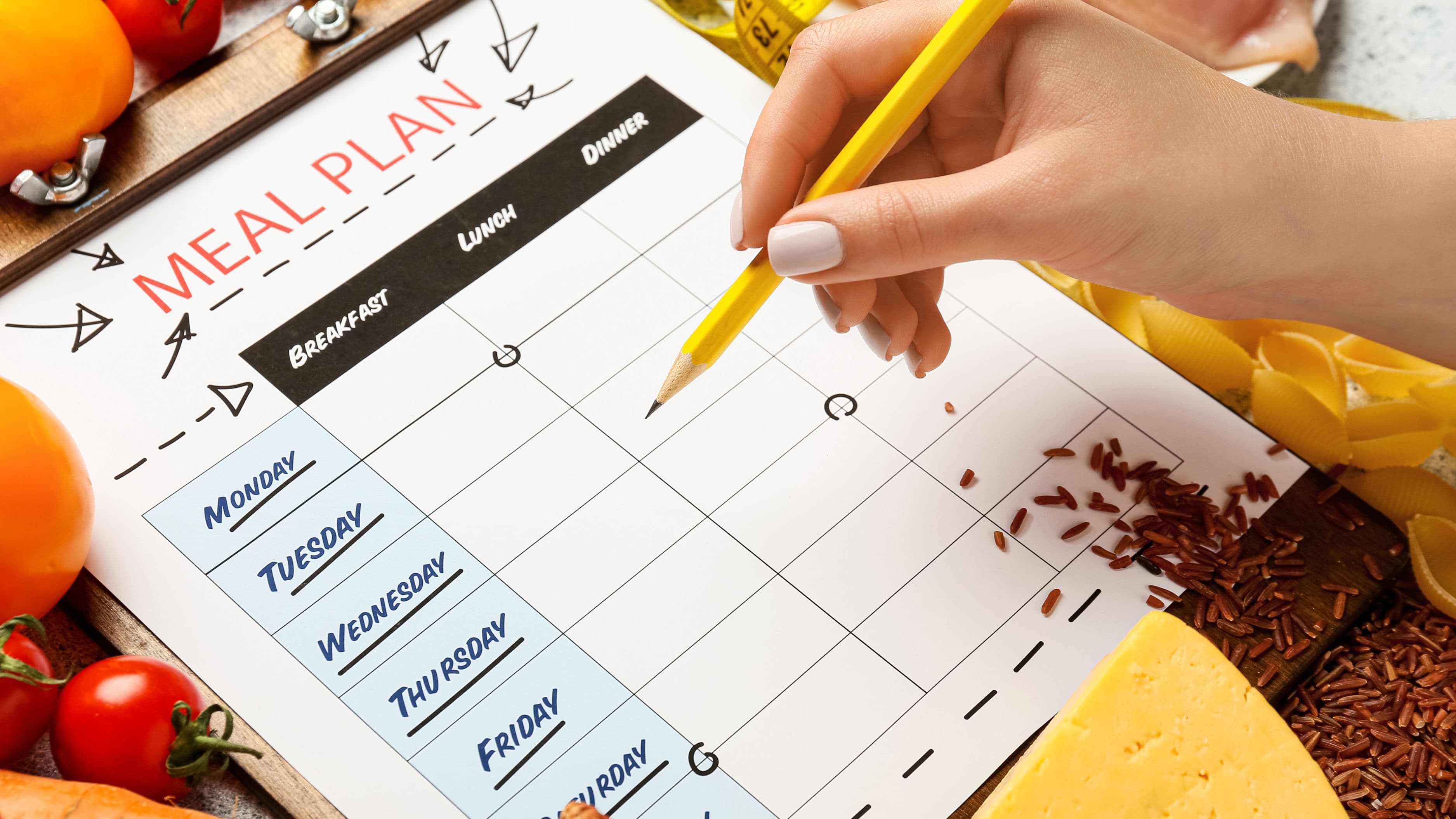
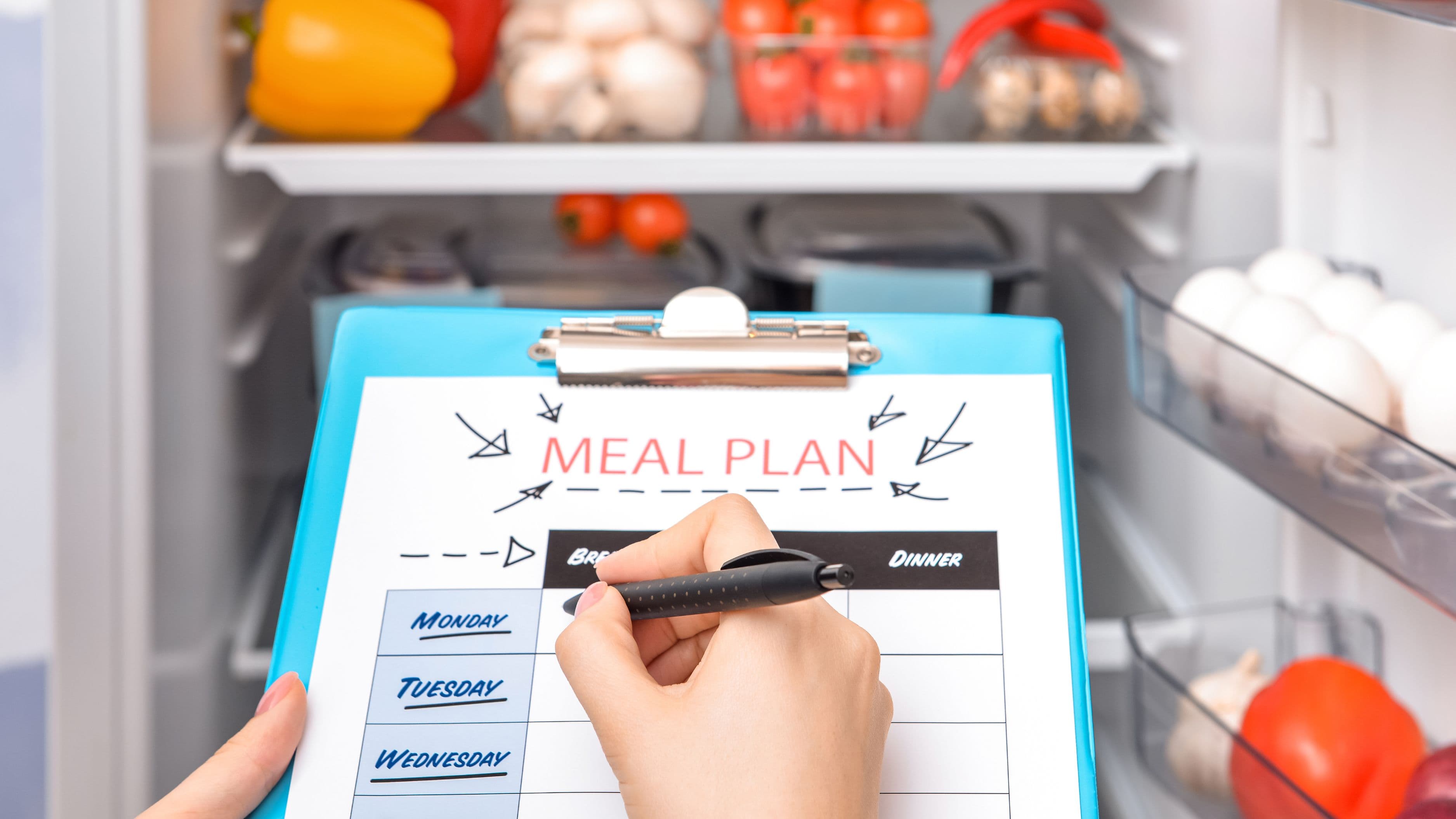
The most practical approach to meal rotation is to assign loose categories to each day of the week rather than specific dishes. This gives you structure without locking you into the same meal on the same day forever.
A simple example framework might look like this: Mondays are for quick pasta or noodle dishes, Tuesdays are for anything with chicken, Wednesdays are a vegetarian night, Thursdays are for a grain bowl or similar assembled meal, Fridays are flexible or takeout, weekends involve something that takes a bit more time or effort. The exact categories matter less than the principle – each day has a lane, and within that lane you rotate which specific dish you make.
This framework reduces decision fatigue significantly. Instead of asking "what should we eat tonight?" you're asking "which pasta dish this week?" – a much easier question that has a shorter answer. Over time, you build a library of two to four options per category, and the rotation handles itself without much thought.
Step 1: Map Out Your Current Repertoire Honestly
Before building any new system, spend five minutes writing down every meal you regularly make. Be honest and specific – not "stir fry" but "garlic beef stir fry with broccoli and rice." Most people discover they have eight to twelve regular dishes, which sounds like variety but often skews heavily toward one or two cooking styles or flavour profiles.
Look at what you've written and identify the patterns. Are most of your meals in the same flavour family – tomato-based, or soy and garlic, or cream sauce? Do you roast or pan-fry almost everything? Are most meals heavy and similar in texture? These patterns are where the monotony comes from, and seeing them clearly tells you exactly where to expand.
Step 2: Identify Two or Three Gaps to Fill
You don't need to overhaul your entire rotation at once. Identify two or three specific gaps – types of cooking you almost never do – and introduce one new dish in each gap. This is targeted and manageable rather than overwhelming.
If you rarely do anything with bright, acidic flavours, try a simple lemon-herb chicken or a Mexican-style bowl with lime and pickled onion. If you never make anything brothy or soupy, a basic weeknight ramen or a chicken and white bean soup fills that gap. If everything you make is assembled quickly, a slow-cooked braise or a roasted tray dinner adds a different texture and depth to the week.
The point isn't to learn difficult techniques. It's to introduce a flavour profile or cooking approach you don't currently have in your rotation. One new dish per gap is enough to meaningfully change how the week tastes.
Step 3: Use the "Same Ingredient, Different Country" Trick
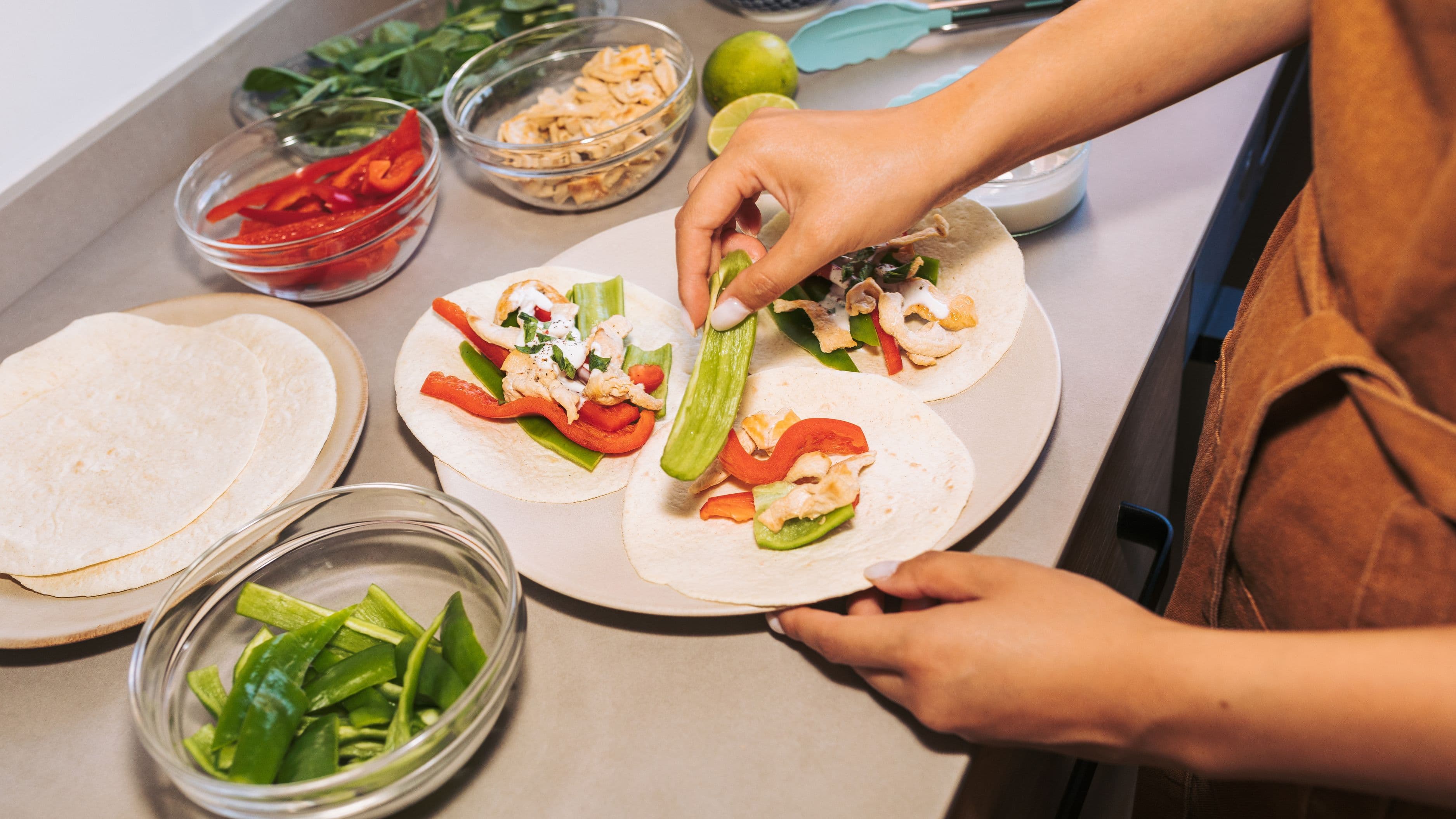
One of the most efficient ways to extend variety without increasing shopping complexity is to cook the same core ingredient in completely different ways based on global flavour logic. Chicken is the clearest example: roasted with garlic and herbs is Italian in character; simmered in coconut milk with ginger is Thai; seasoned with cumin and lime and served in tortillas is Mexican; marinated in soy, mirin, and sesame is Japanese. Same protein, same skill level, completely different eating experience.
This approach works particularly well for proteins, beans, and grains. Once you learn the basic flavour profiles that define a few different cuisine styles – the aromatics they use, the acids, the fats, the finishing flavours – you can apply them to whatever you have in the fridge and produce genuinely varied results. You don't need to master a cuisine to use its logic. You just need to know what makes it taste the way it does.
Step 4: Build a Master List and Rotate Deliberately
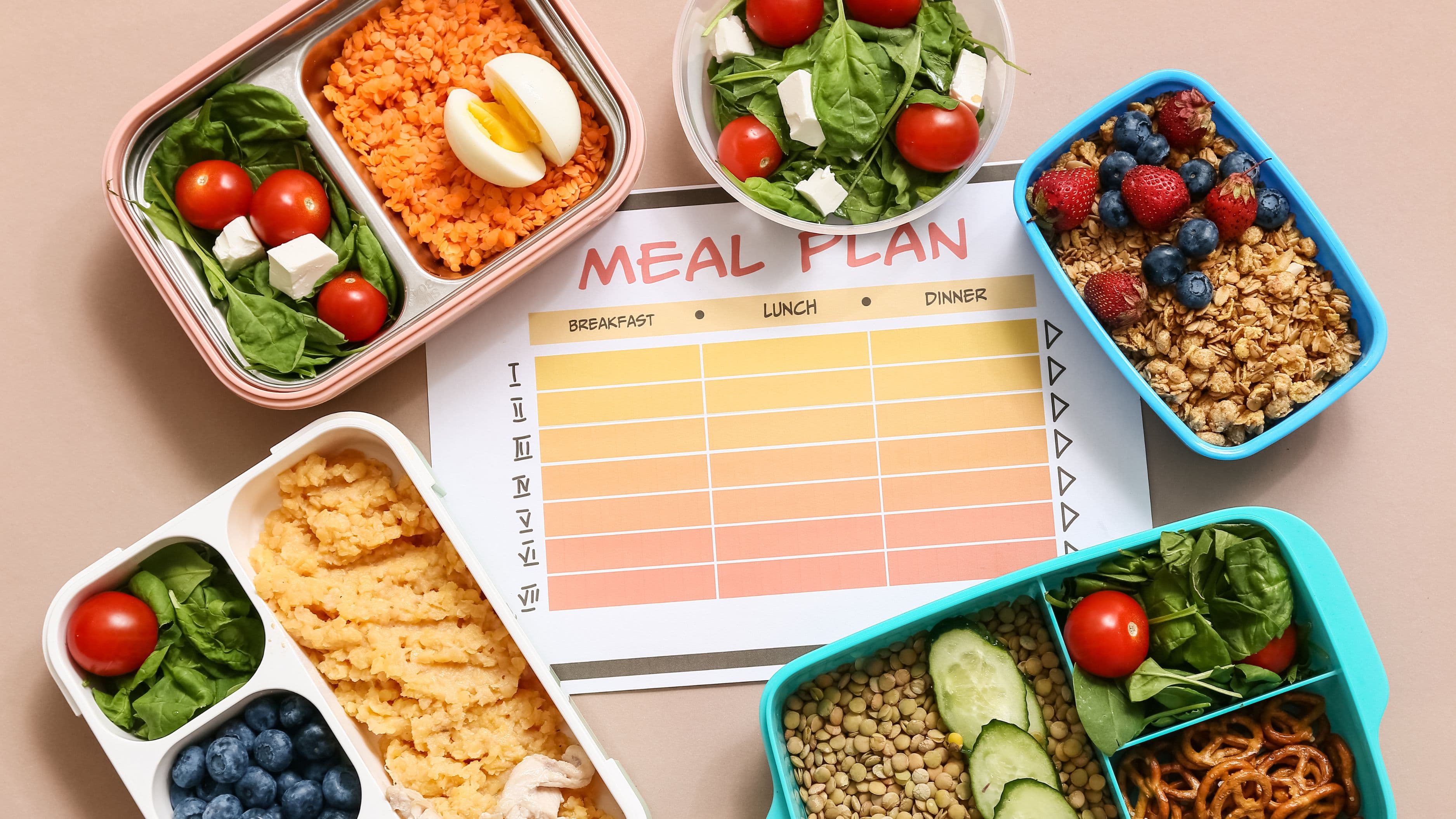
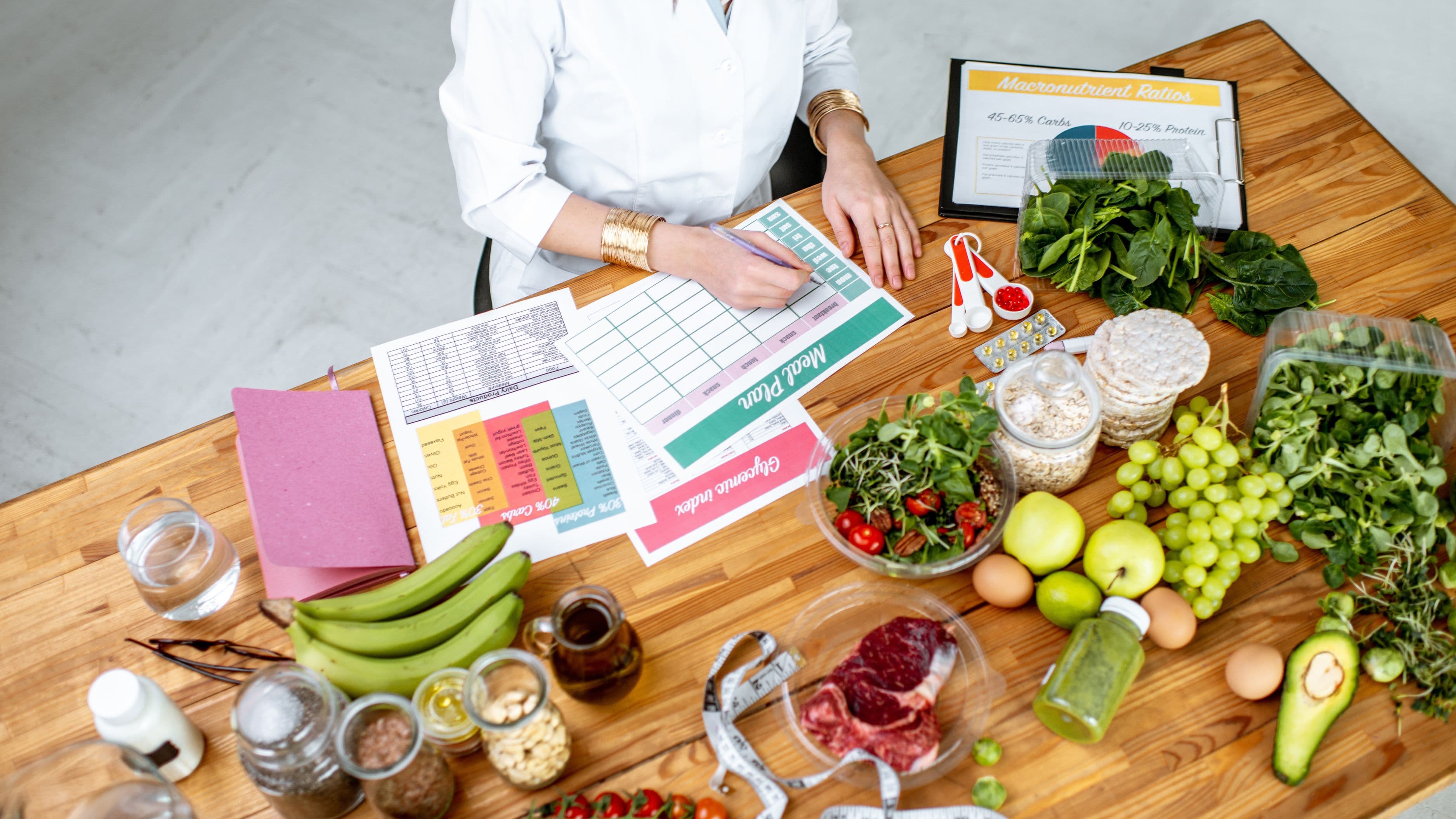
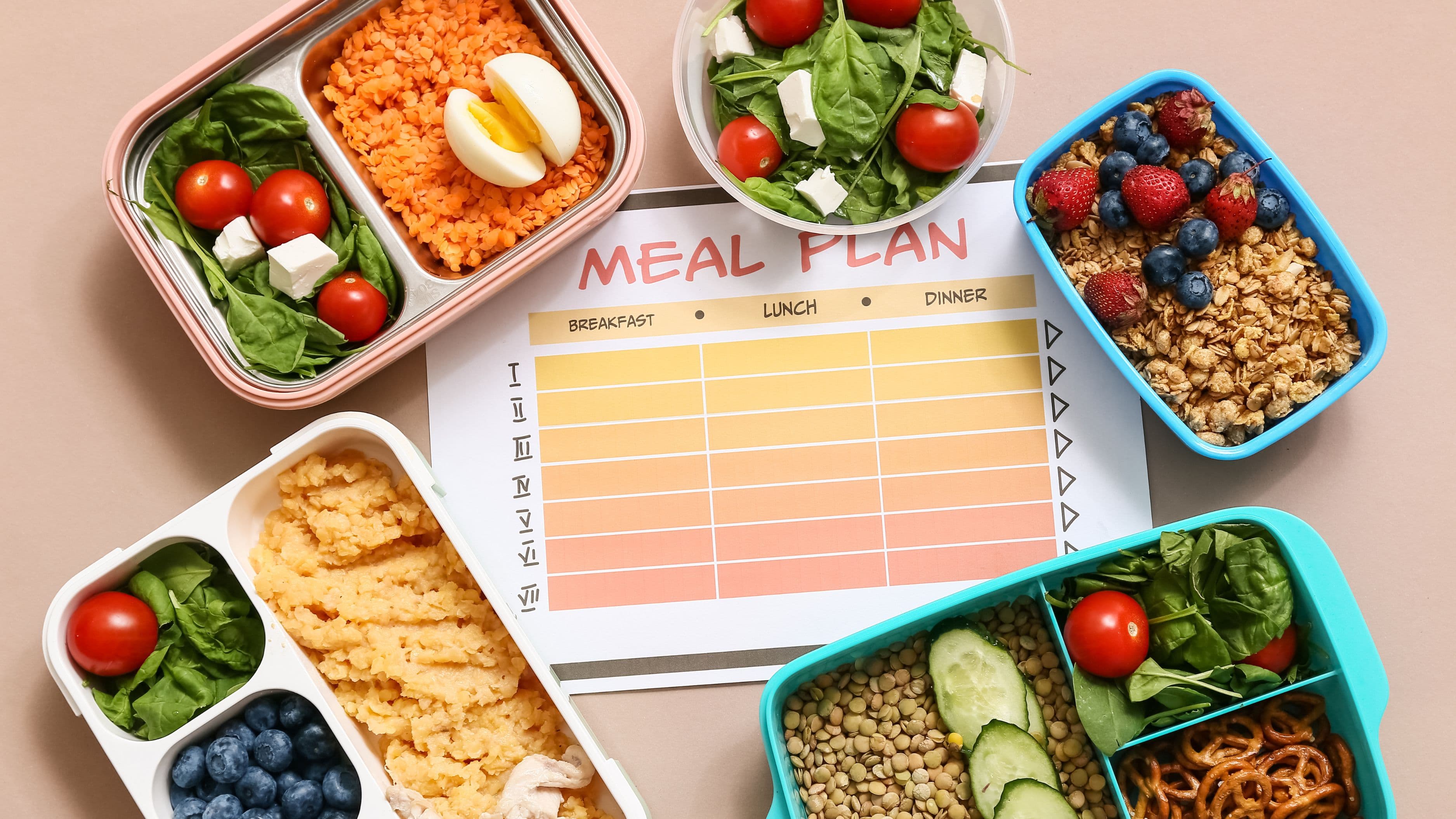
With your framework in place and a few new dishes added, create a simple master list of everything in your rotation – your expanded repertoire. This can be a note on your phone, a whiteboard in the kitchen, or a simple spreadsheet. The format doesn't matter; what matters is having all your options in one visible place.
When you're planning a week's meals, work through your categories and pick from the master list in a way that avoids consecutive repetitions. If you had roast chicken last Thursday, choose something else for Thursday this week. If you've had pasta on Monday three weeks in a row, rotate to noodles or a grain dish. This deliberate rotation is far more effective than trying to remember what you cooked and when – the list does that work for you.
Aim to cycle through your full list over a four to six week period rather than defaulting to the same subset of dishes. The meals you cook less frequently tend to feel more interesting when they do appear, which is part of what keeps a rotation from going stale.
Step 5: Use Leftover Logic to Add a Free Meal
One of the most underused tools in meal planning is deliberate leftover cooking – making a larger batch of something specifically to use as a base for a second meal that tastes different from the first. This isn't just reheating leftovers; it's building in a transformation.
A roast chicken on Sunday becomes chicken tacos or a chicken noodle soup on Monday. A pot of cooked lentils is dinner as a warm salad tonight and tomorrow's base for a vegetable curry. Roasted vegetables that were a side dish one night become a frittata filling the next morning. This extends your rotation without adding a full cooking session, and the second meal often feels more creative and interesting than the first because you're working with flavour that's already developed.
Common Mistakes That Kill Meal Variety
Rotating only the protein. Swapping beef for pork while keeping the same sauce, sides, and cooking method produces meals that feel almost identical regardless of what's in them. Vary the whole dish, not just one component.
Planning meals you don't actually want to eat. A rotation built around "healthy" choices you're lukewarm about falls apart after two weeks because the motivation to cook them isn't there. Build your rotation around food you genuinely like, and health improvements follow naturally from variety and home cooking rather than from restricting to meals you're eating out of obligation.
Introducing too many new dishes at once. Trying to learn four new recipes in a single week creates pressure and usually results in at least one or two disappointing meals, which discourages further experimentation. One new dish per week is a comfortable pace that allows for actual learning without burning you out.
Skipping the planning session. Meal variety requires at least a few minutes of thought at the start of the week. Without it, you default to the same handful of familiar meals not because they're your favourites but because they're what you can think of quickly at 6pm. A 10-minute planning session on Sunday morning prevents a week of autopilot cooking.
A Sample Four-Week Rotation
To make this concrete, here's what a simple, genuinely varied four-week rotation might look like for someone cooking Monday through Friday:
Week 1: Monday – spaghetti with tomato and basil. Tuesday – sheet pan chicken thighs with root vegetables. Wednesday – black bean tacos with pickled red onion. Thursday – miso soup with tofu and rice. Friday – homemade pizza.
Week 2: Monday – pasta e fagioli (pasta and white bean soup). Tuesday – chicken stir fry with bok choy and noodles. Wednesday – shakshuka with crusty bread. Thursday – grain bowl with roasted sweet potato and tahini. Friday – fish and chips (oven-baked).
Week 3: Monday – cacio e pepe. Tuesday – roast chicken with garlic and herbs (planned leftovers for the next day). Wednesday – lentil dal with rice. Thursday – chicken tacos from Sunday's roast. Friday – homemade burgers.
Week 4: Monday – rigatoni with sausage and fennel. Tuesday – Thai green curry with jasmine rice. Wednesday – vegetable frittata. Thursday – ramen with soft-boiled egg and pork belly. Friday – takeout.
Notice the variation: multiple cooking methods (roasting, braising, stir frying, simmering), different cuisine bases each week, a mix of quick and slower meals, and the deliberate leftover on Week 3. This kind of rotation feels varied from the inside because it actually is varied.
FAQ
How many meals should be in a rotation? Fifteen to twenty-five dishes is a practical range for most home cooks. Fewer than fifteen and you cycle through too quickly; more than twenty-five and you're spending more time managing the list than cooking from it. Build to the lower end first and add dishes gradually as you become confident with them.
Is it okay to repeat a favourite meal more than once in a week? Absolutely. A reliable favourite that appears twice in a week is better than a new dish that doesn't work. The goal is a rotation that keeps you interested on balance, not a rule against repetition.
How do I keep variety up when I'm short on time? Keep a handful of genuinely fast meals – ones that take 20 minutes or less – in each of your categories. Quick meals and involved meals can coexist in the same rotation. The key is knowing which is which so you match meal choice to available time rather than defaulting to the same two or three fast options every week.
What if my household has different food preferences? Build around a shared protein or base and vary the elements that allow personalisation. A grain bowl where each person assembles their own toppings, tacos where fillings are served separately, or a stir fry where vegetables are served alongside rather than cooked in are formats that accommodate different preferences without cooking two separate meals.
How do I add global variety without buying lots of specialty ingredients? Start with a small set of pantry staples that open up multiple cuisines: soy sauce, fish sauce, coconut milk, tahini, dried chipotle or ancho chillies, and a few whole spices. These ingredients are available in most large supermarkets and collectively unlock a large range of flavour profiles without requiring a special shopping trip for every new dish.
📚 Sources
Bon Appétit – How to meal plan without losing your mind: https://www.bonappetit.com/story/how-to-meal-plan
Serious Eats – The philosophy of weeknight cooking: https://www.seriouseats.com/weeknight-cooking
America's Test Kitchen – Understanding global flavor profiles: https://www.americastestkitchen.com/guides/cook-it-in-cast-iron/flavors-of-the-world
The Kitchn – A beginner's guide to meal planning: https://www.thekitchn.com/meal-planning-for-beginners-261047
Food52 – How to use leftovers creatively: https://food52.com/blog/13093-how-to-cook-once-and-eat-all-week