What You'll Learn
By the end of this guide, you'll understand exactly why roux turns lumpy, how to prevent it at each stage, and how to rescue a roux that's already started clumping before it ruins your dish.
What a Roux Actually Is
A roux is simply equal parts fat and flour cooked together, forming the base for countless sauces, gravies, and soups by thickening liquid smoothly once it's incorporated. The fat coats the flour's starch granules, which is actually the key to preventing lumps in the first place, since properly coated starch disperses evenly into liquid rather than clumping together when it hits moisture.
Why Lumps Actually Happen
Lumps form when flour's starch granules clump together and their outer layer gelatinizes before the inside has a chance to hydrate evenly, essentially sealing in dry flour inside a cooked outer shell. This most commonly happens when flour is added too quickly to hot fat, when the liquid is added too fast once the roux is made, or when the mixture isn't whisked continuously during these transition points.
Step-by-Step: Building a Smooth Roux
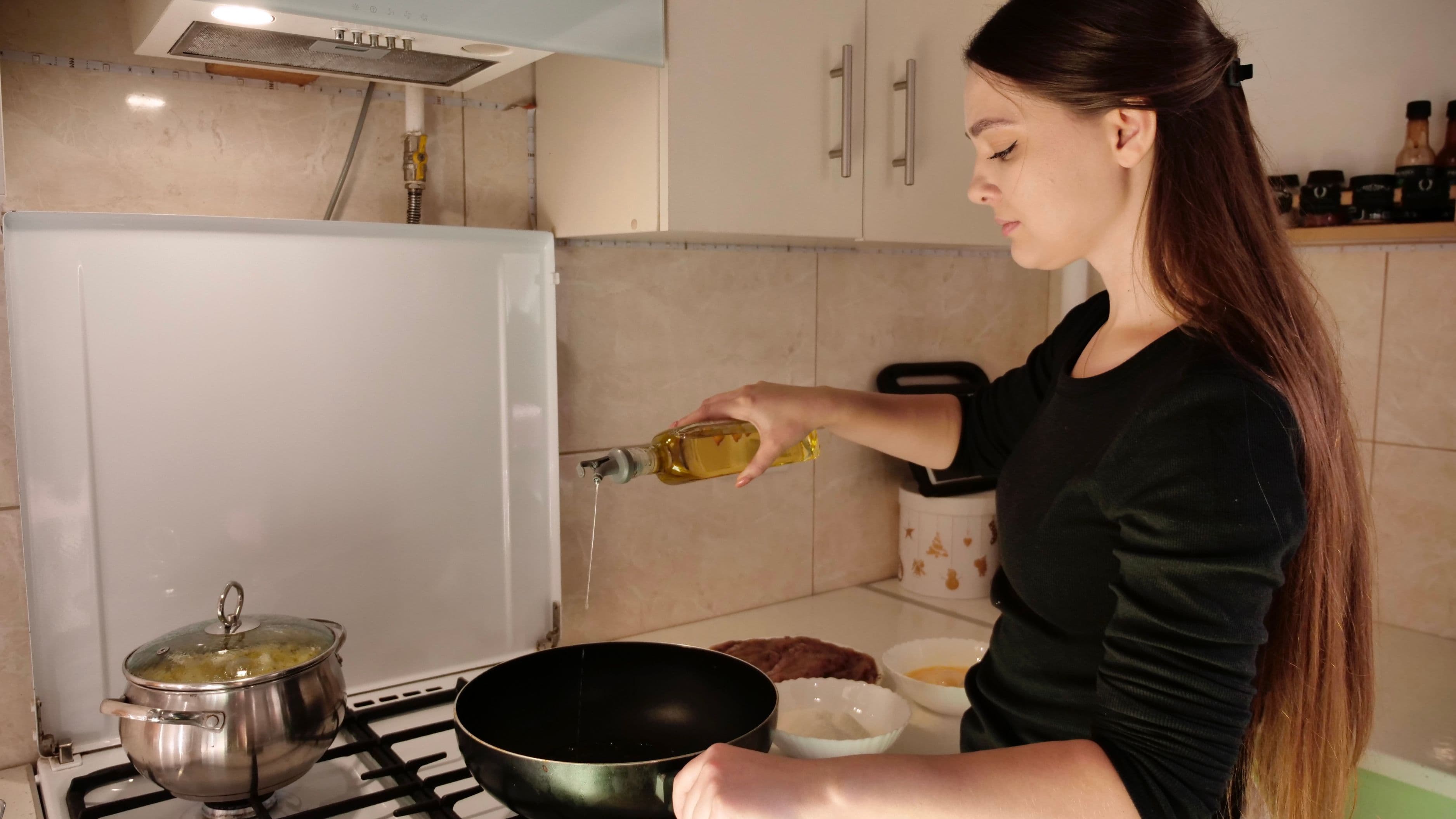
Start by melting your fat, butter, oil, or rendered drippings, in a heavy-bottomed pan over medium heat, giving it time to melt fully and reach an even temperature before adding any flour. Add the flour gradually, a portion at a time rather than all at once, whisking continuously as you go so each addition fully incorporates before the next goes in.
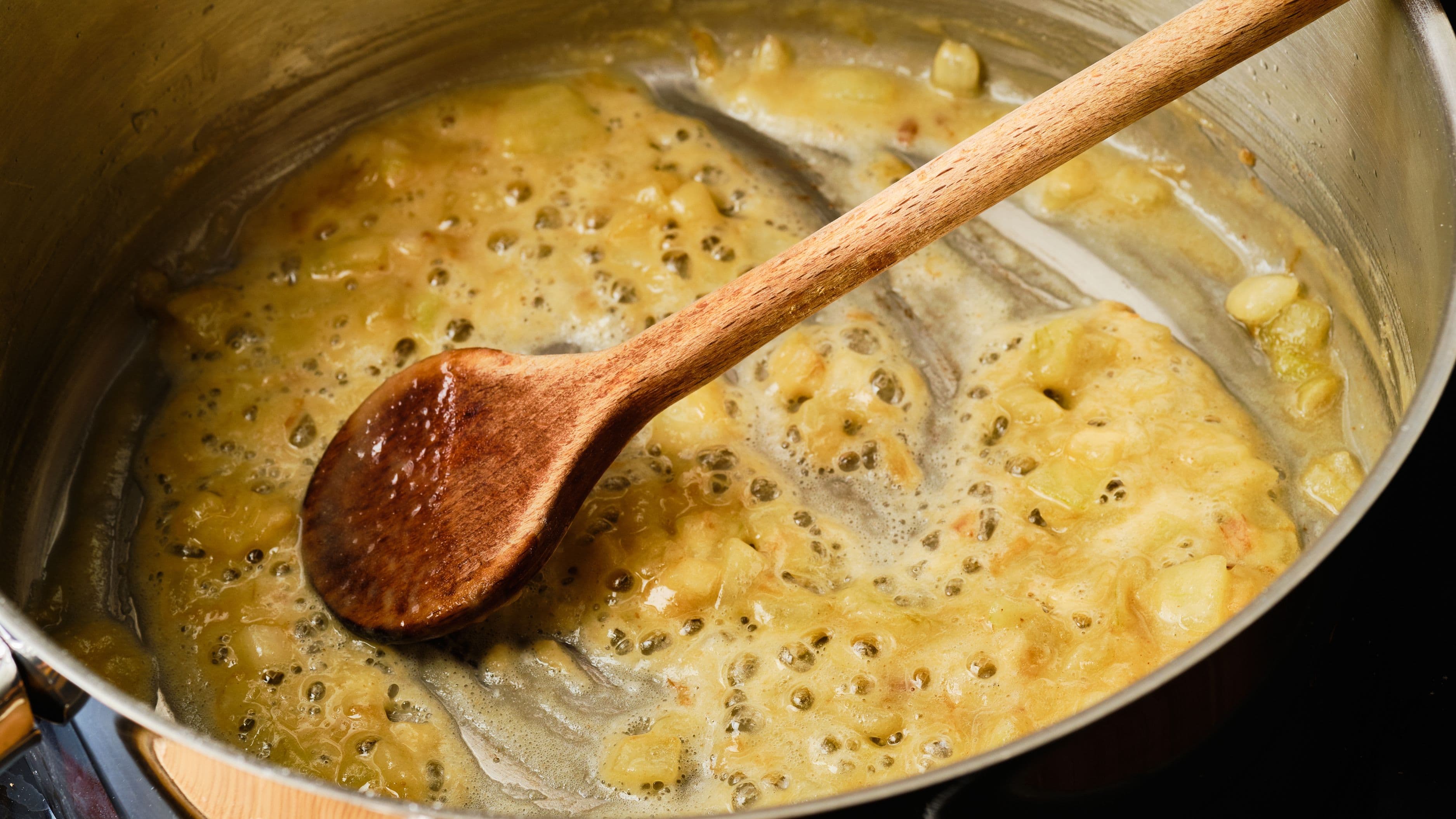
Continue whisking steadily as the mixture cooks, adjusting the heat down slightly if you notice it browning faster than intended, since the color development stage, from white to blond to darker brown depending on your recipe, needs consistent attention to avoid scorching, which can also introduce a gritty texture that mimics lumps.
Once your roux has reached the color and consistency your recipe calls for, this is the most critical lump-prevention moment: add your liquid slowly, in small increments, whisking vigorously between each addition rather than pouring it all in at once. This gradual incorporation gives the starch time to hydrate evenly rather than seizing into clumps from a sudden temperature and moisture shock.
Tips for Best Results
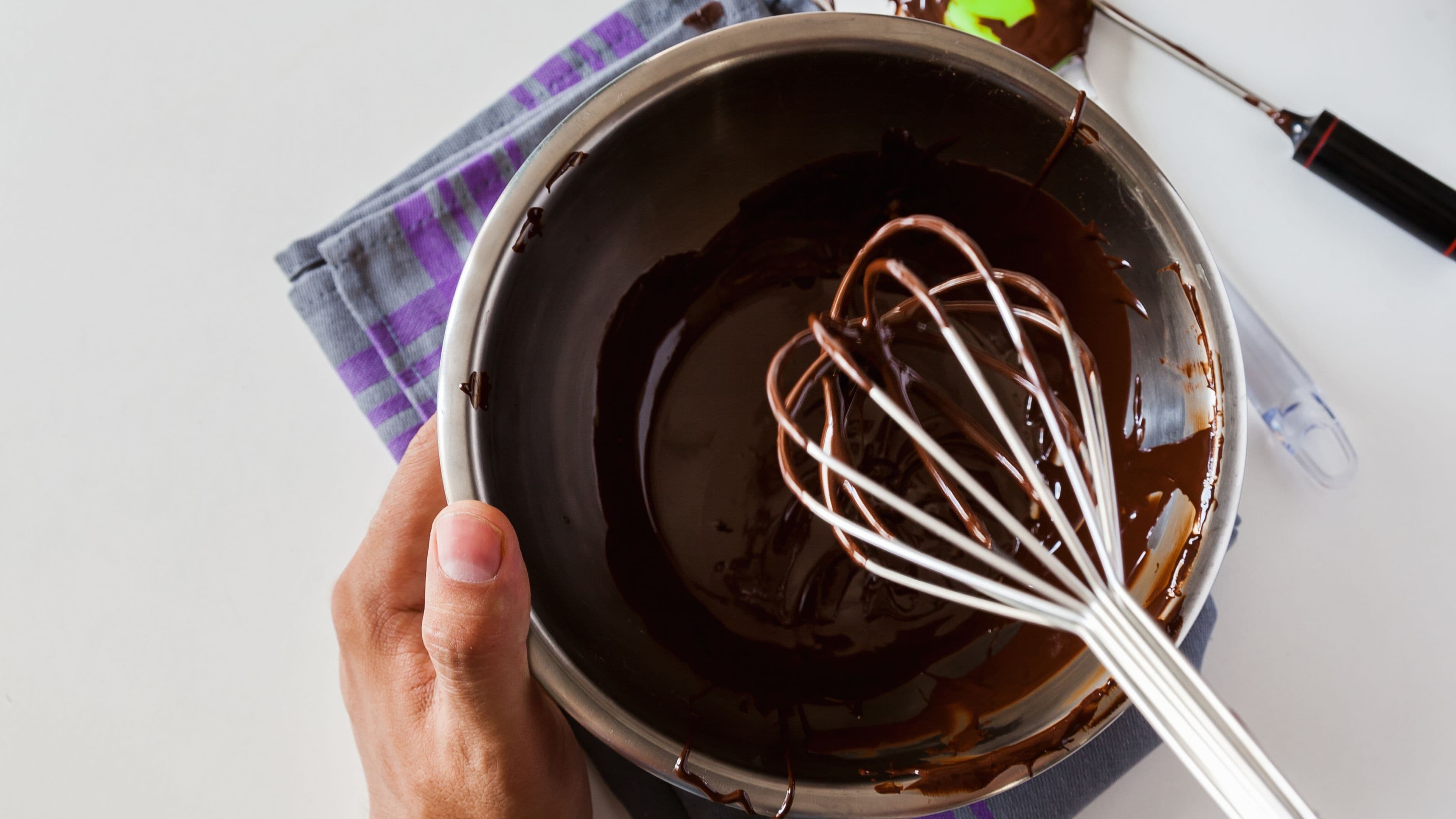
Using a whisk rather than a spoon makes a meaningful difference, since a whisk breaks up any small clumps as they start forming far more effectively than stirring with a flat utensil. Keeping your liquid warm, rather than adding it cold straight from the refrigerator, also reduces the temperature shock that tends to trigger clumping, since a warm liquid blends more smoothly into the hot roux. If you're making a large batch, working in a wider, heavy-bottomed pan gives you more surface area to whisk effectively rather than fighting a deep, narrow pot.
Common Mistakes to Avoid
Dumping all the flour in at once is one of the most common causes of lumps, since the fat can't coat every particle evenly when overwhelmed by a large amount at once. Adding cold liquid too quickly to a hot roux creates a similar problem, shocking the mixture and causing clumps to form before you can whisk them out. And walking away from the pan, even briefly, during the flour-cooking or liquid-adding stages is a common way lumps sneak in, since roux needs continuous attention during these specific transition points, even if the rest of the process is relatively low-maintenance.
How to Rescue a Lumpy Roux
If you notice lumps forming, don't panic, whisking vigorously and continuously often breaks them up before they set permanently, especially if caught early. For a roux that's already fully lumped and cooled, straining the finished sauce through a fine mesh sieve removes the lumps entirely from the final dish, an easy fix that rescues the meal even if the process wasn't perfectly smooth. In more stubborn cases, an immersion blender briefly run through the sauce can fully smooth out lumps that a whisk alone couldn't resolve.
Variations Worth Knowing
A white roux, cooked only briefly, works best for delicate sauces like béchamel, while a blond roux, cooked slightly longer to a light tan color, suits many gravies well. A dark roux, cooked considerably longer to a deep brown, is traditional in dishes like gumbo, and requires the most attentive whisking of all three, since the extended cooking time increases the risk of both scorching and clumping if left unattended.
FAQ
Can I make a roux ahead of time and use it later? Yes, a finished roux can be cooled and refrigerated for later use, though you'll want to gently reheat it before whisking in liquid, since a cold roux can behave similarly to cold liquid added too quickly and increase the risk of lumps.
Does the type of flour I use matter for avoiding lumps? Standard all-purpose flour works reliably for most roux applications, gluten-free flour blends can behave somewhat differently and may require slightly more careful, gradual liquid incorporation to avoid clumping.
Why does my roux look smooth but the finished sauce still has lumps? This usually points to the liquid being added too quickly during the thickening stage rather than a problem with the roux itself, slow down that step and whisk continuously through each addition.
📚 Sources
USDA Food Safety and Inspection Service – Basic Sauce Preparation Guidance: https://www.fsis.usda.gov/food-safety/safe-food-handling-and-preparation
The Culinary Institute of America – Mother Sauces and Roux Fundamentals: https://www.ciachef.edu/