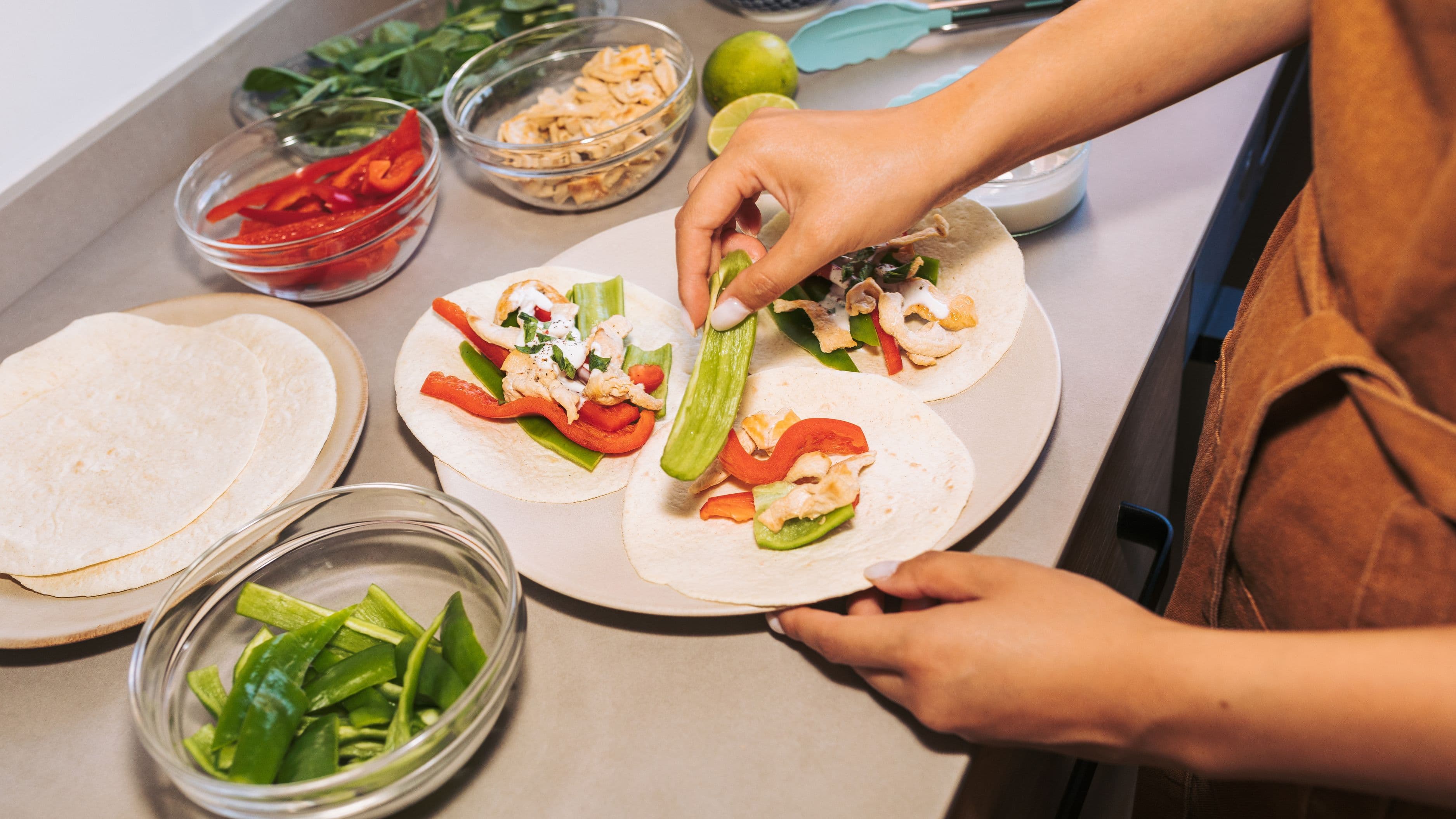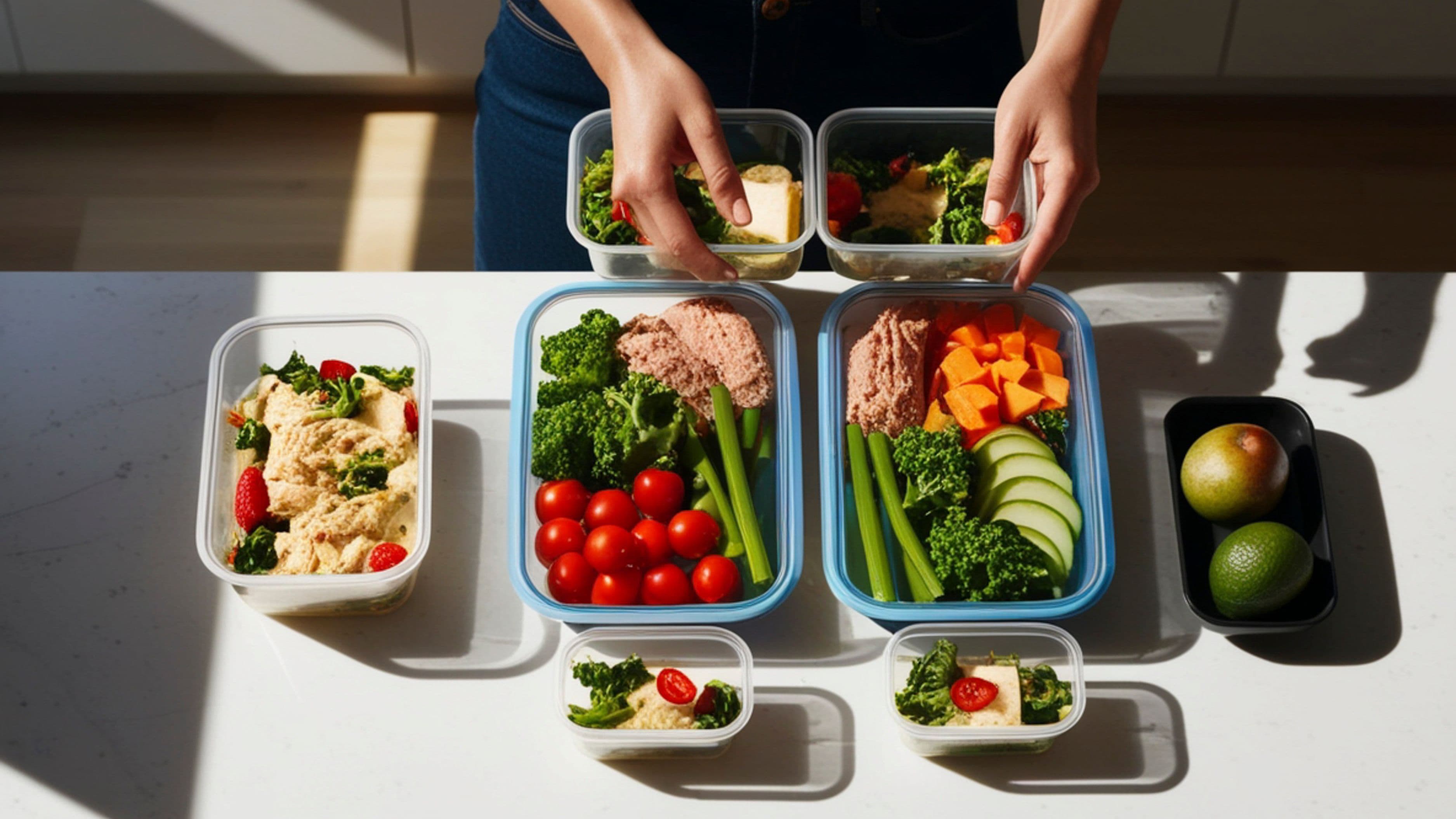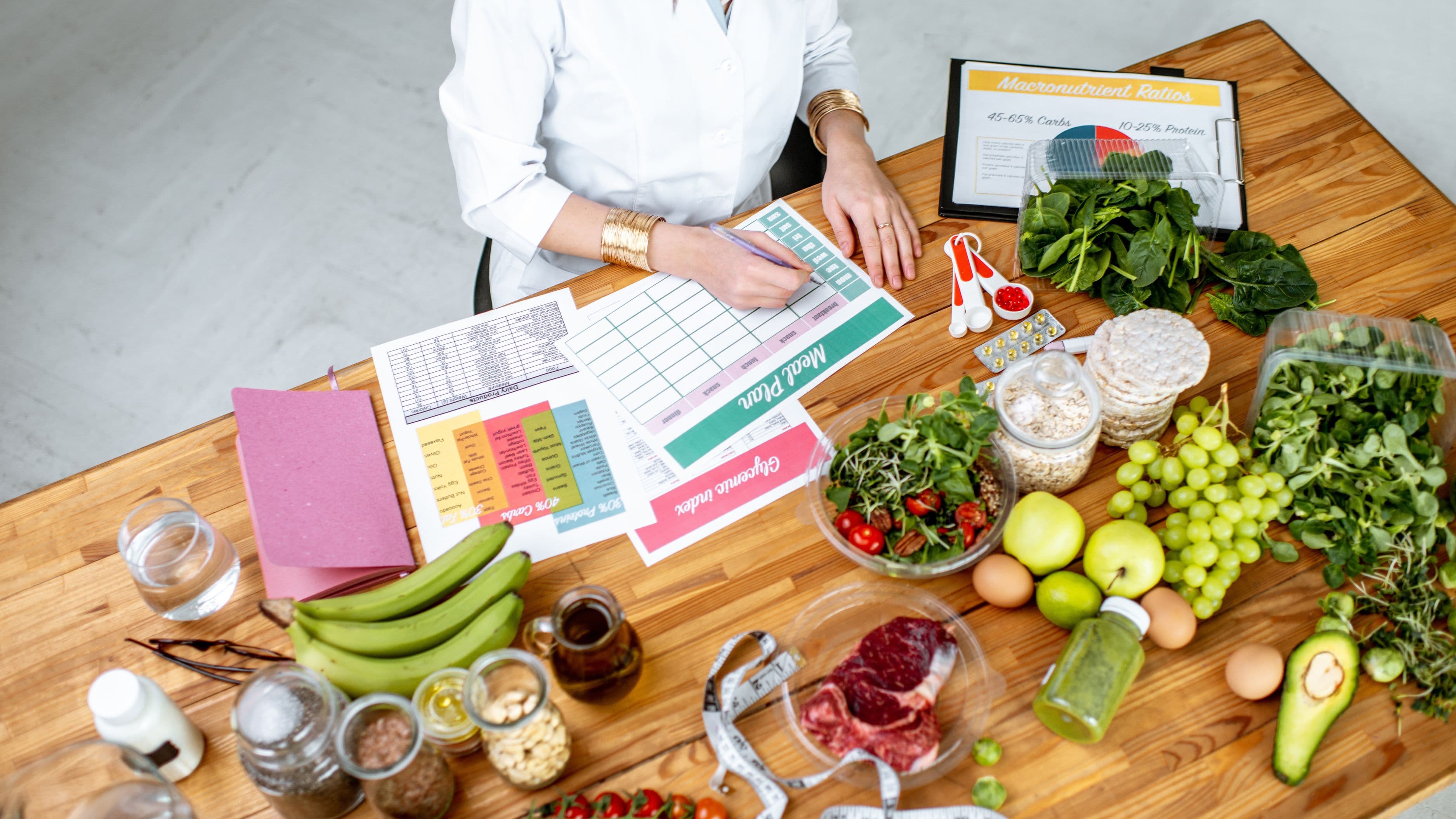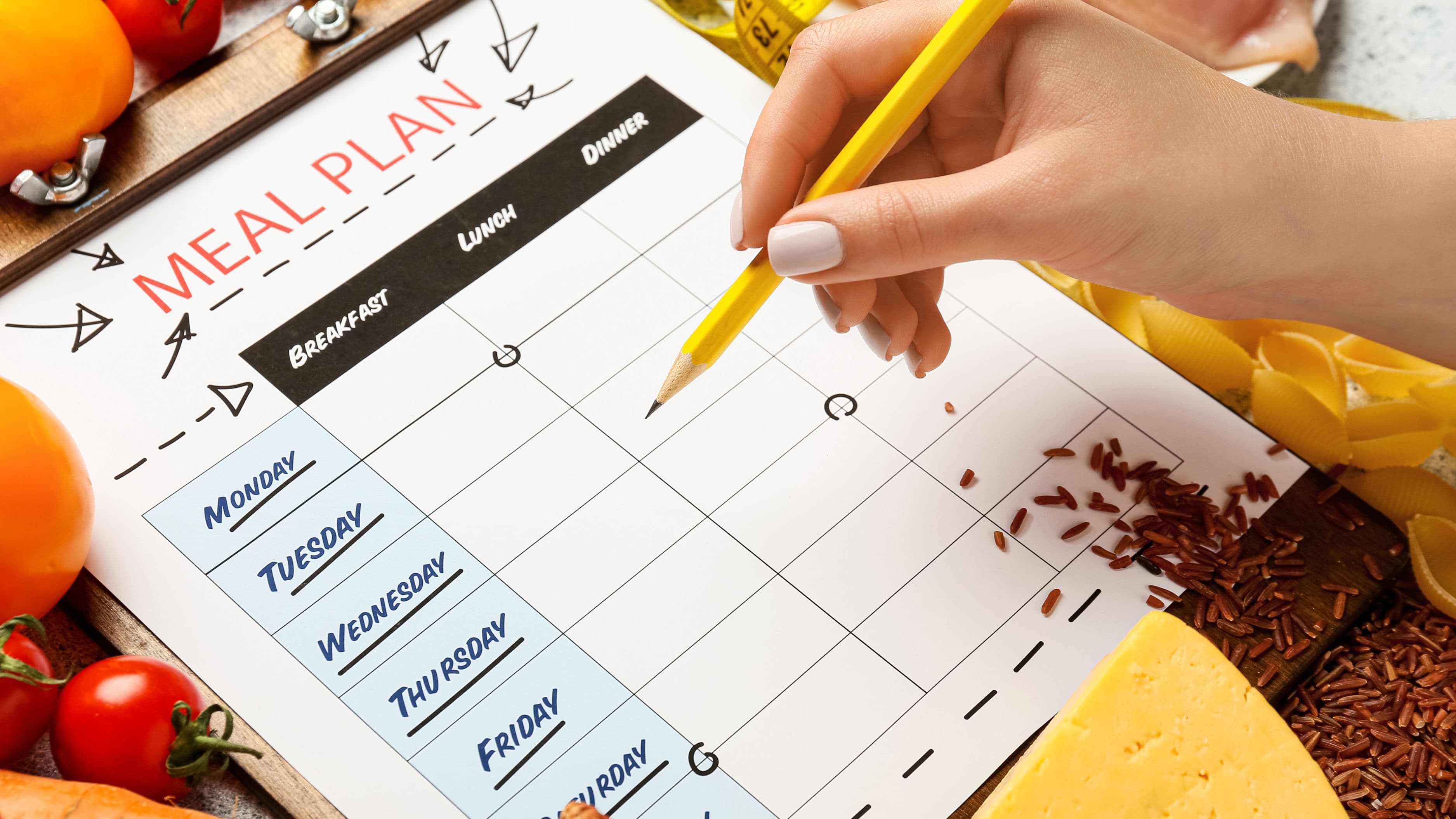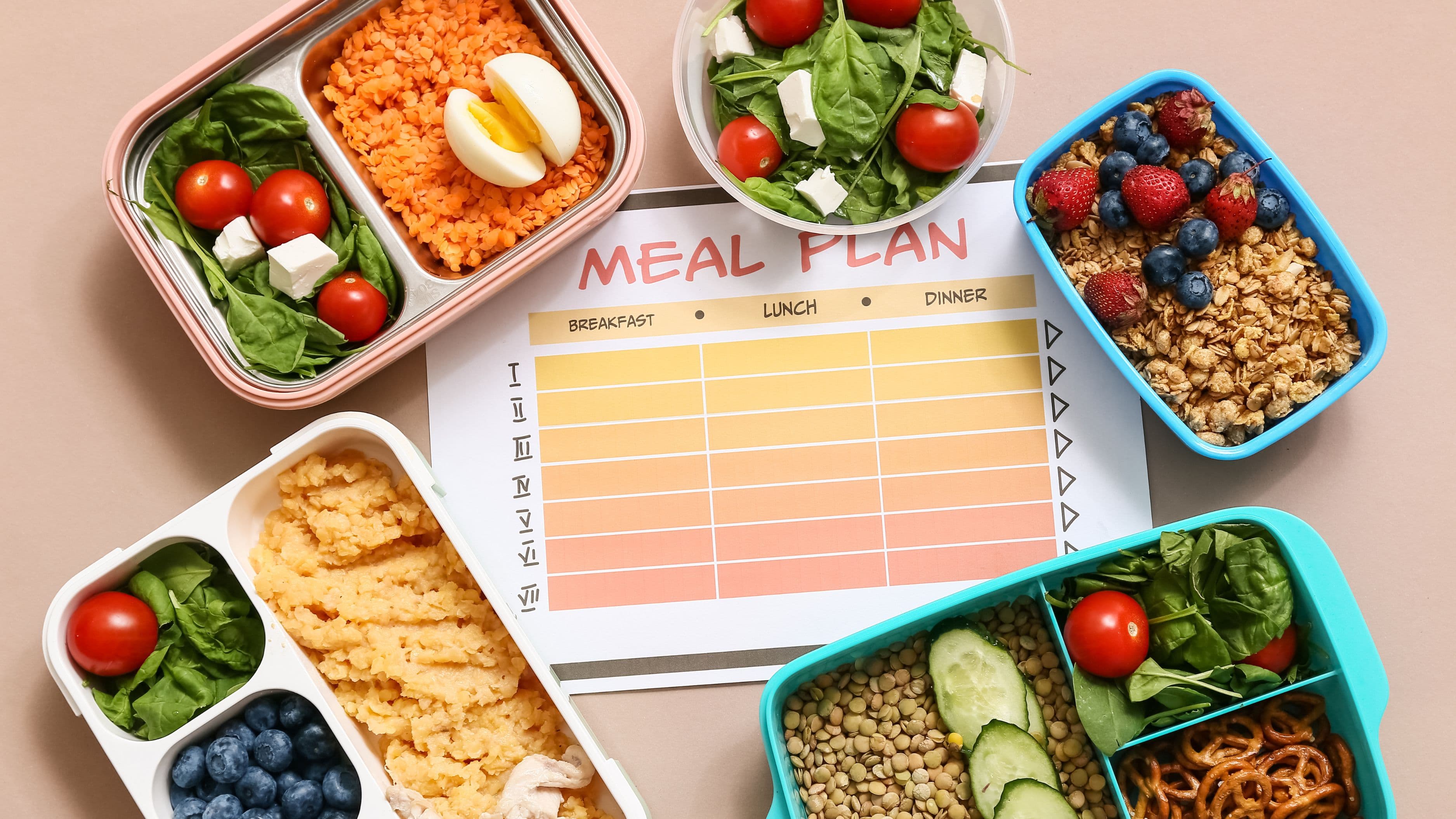

The good news is that variety doesn't come from more ingredients. It comes from doing different things with the ones you have. With a simple planning approach and a few reliable tricks, you can lean into what's in season and keep your meals genuinely interesting all month long. Here's how to do it without boring yourself.
Why Plan Around Seasonal Produce at All
Quick context before the how, because it explains why this is worth the small effort. Produce that's in season is usually cheaper (because it's abundant), fresher (because it hasn't traveled as far or sat as long), and simply tastes better – a summer tomato versus a pale winter one makes the case instantly. Planning around it means better flavor for less money, which is a rare win-win in the kitchen.
The catch is the one this article solves: when you commit to what's in season, you naturally end up with a lot of the same few items at once. That abundance is the source of both the savings and the boredom. The whole skill is turning "I have way too much of this" into "I have lots of options," and that's entirely learnable. What this means for you: a little planning converts a glut into variety instead of monotony.
Step 1: Find Out What's Actually in Season Near You
You can't plan around the seasons if you don't know what they are where you live, and it changes by region. The easiest starting point is to simply notice what's plentiful and cheap at your grocery store or, even better, a local farmers market – abundance and low prices are nature's way of telling you something's in season.
For a more reliable guide, seasonal produce charts (many are available from agricultural and nutrition organizations, often searchable by your state or region) tell you what's at its peak each month. You don't need to memorize anything; just glance at what's in season before you plan your week. Over time you'll start to know it instinctively. What this means for you: spend two minutes identifying the season's stars before you shop, and the rest of the planning gets easier and cheaper.
Step 2: Pick a Few "Hero" Ingredients, Not Just One
Here's the first anti-boredom move. Instead of building your week around a single seasonal item (the fast track to zucchini fatigue), choose three or four seasonal heroes to rotate through. This gives you built-in variety from the start while still keeping you firmly in season.
For example, a summer week might lean on tomatoes, zucchini, corn, and peppers rather than just one of them. A fall week might feature squash, apples, Brussels sprouts, and mushrooms. Rotating among a small handful means no single ingredient appears so often that you get sick of it, and it lets you mix and match them into different combinations across the week. What this means for you: variety starts at the shopping stage – pick a small seasonal lineup, not a single star, and boredom gets much harder to fall into.
Step 3: Change the Cooking Method, Not Just the Recipe
This is the most powerful trick in seasonal cooking, and it's the one most people miss. The same vegetable tastes like a completely different food depending on how you cook it. So instead of hunting for a brand-new recipe every night, change the technique and let one ingredient feel like several.
Take zucchini. Roasted, it turns sweet and caramelized. Sautéed quickly, it's bright and tender. Grilled, it picks up smoky char. Spiralized raw, it's fresh and crunchy in a salad. Shredded into fritters or a quick bread, it disappears into something entirely new. That's five distinct experiences from one vegetable, with no exotic shopping required. The same logic applies to nearly everything: roasting, sautéing, grilling, steaming, raw, and blending each give a different result. What this means for you: when you feel stuck, don't ask "what other ingredient?" – ask "what other method?" It's faster and keeps you in season.
Step 4: Travel With Your Flavors
The second big variety lever is seasoning and global flavor. The same in-season vegetable can taste Italian one night, Mexican the next, and Asian-inspired the night after, just by switching up the spices, herbs, sauces, and aromatics. This is how you get genuine variety without changing your core ingredient at all.
That pile of summer tomatoes can become a basil-and-olive-oil bruschetta, a cumin-spiced salsa, or a ginger-and-soy stir-fry base.
Roasted squash can lean warm and sweet with cinnamon, savory with garlic and sage, or bold with chili and lime. You're cooking the same seasonal produce, but each dish lands in a different place entirely. What this means for you: keep a few flavor "directions" in mind (Mediterranean, Mexican, Indian-inspired, East Asian, and so on), and you can take one ingredient on a world tour across a single week.
Step 5: Build a Simple Weekly Plan (With Built-In Flexibility)
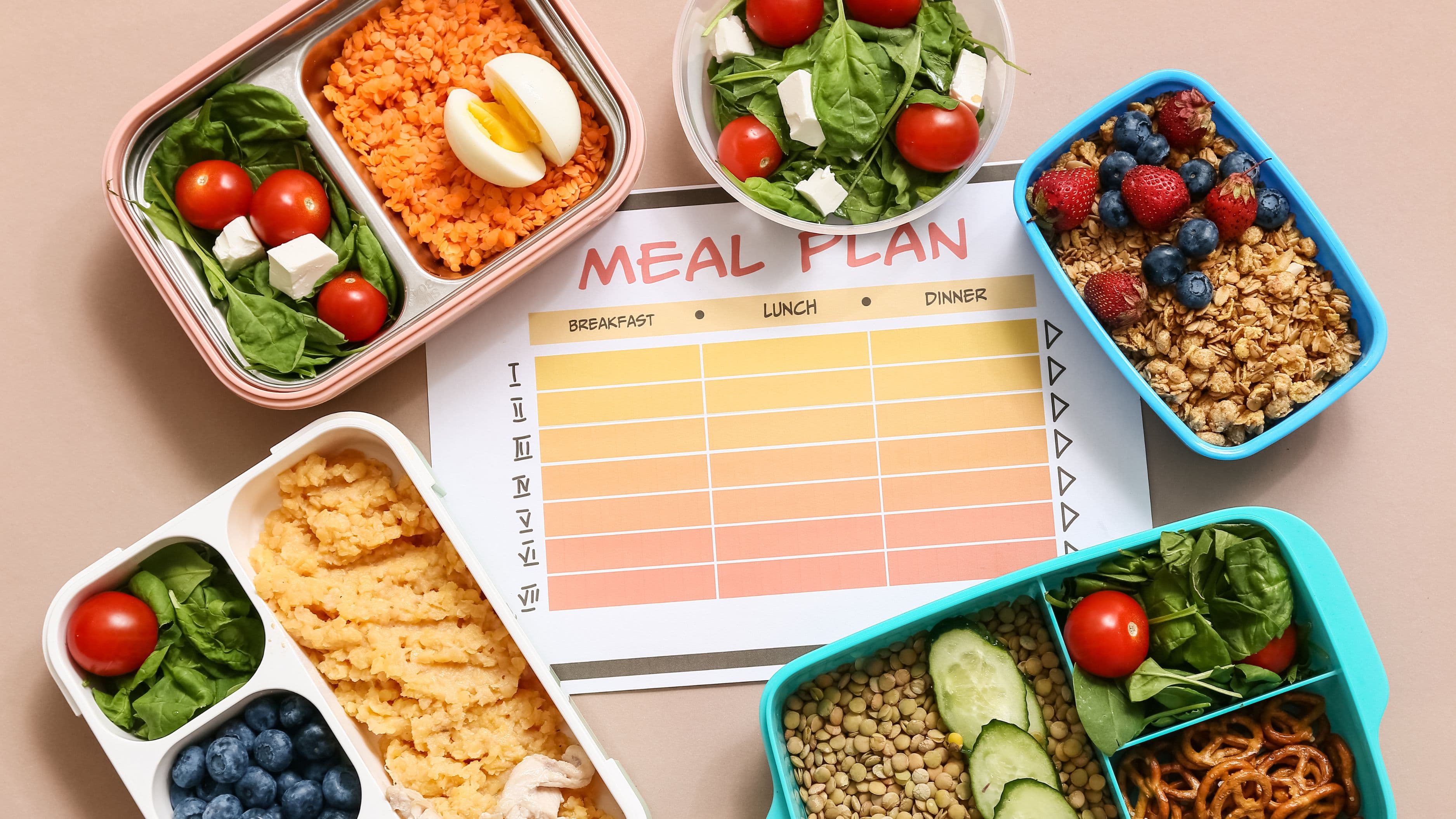
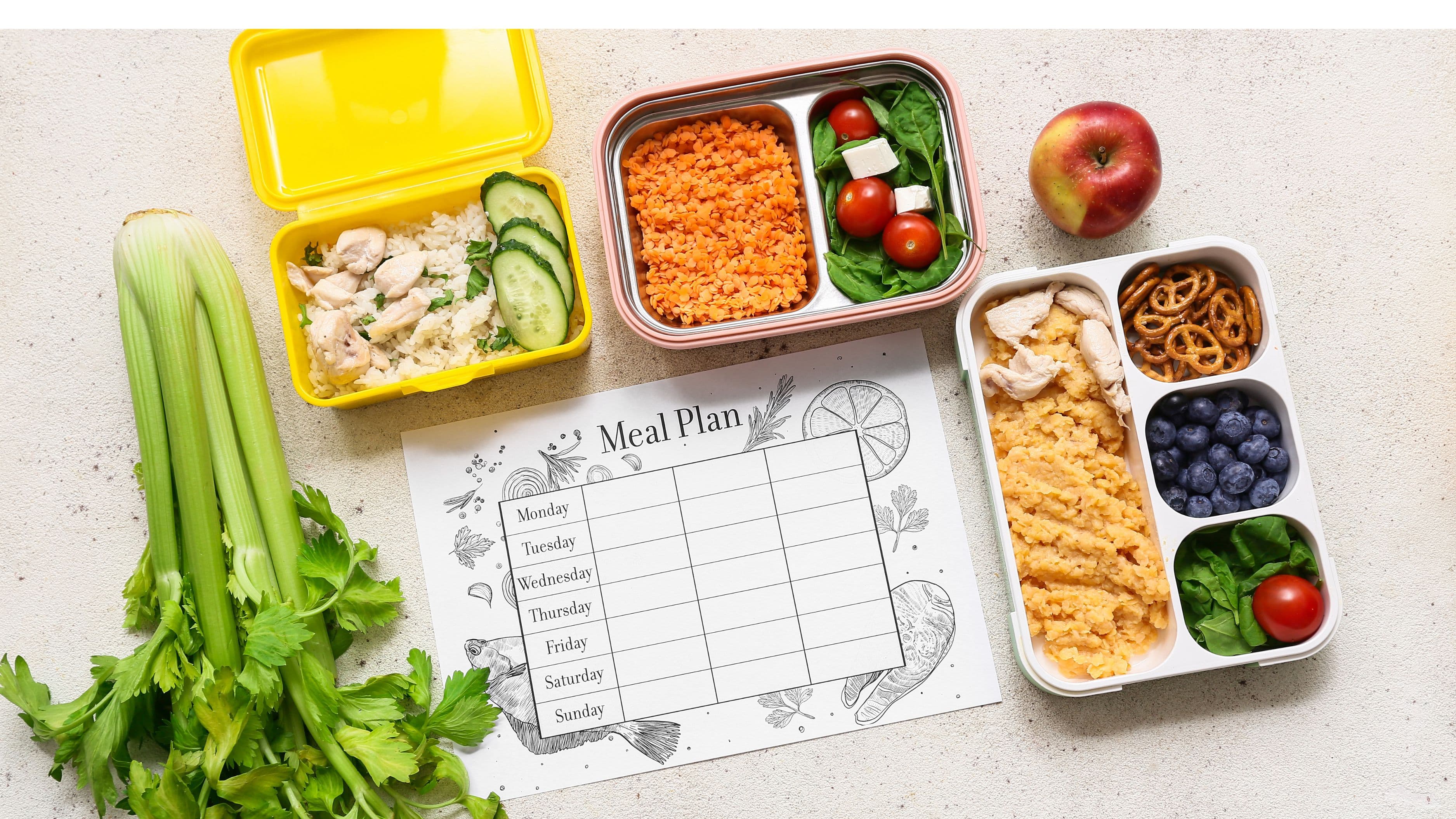
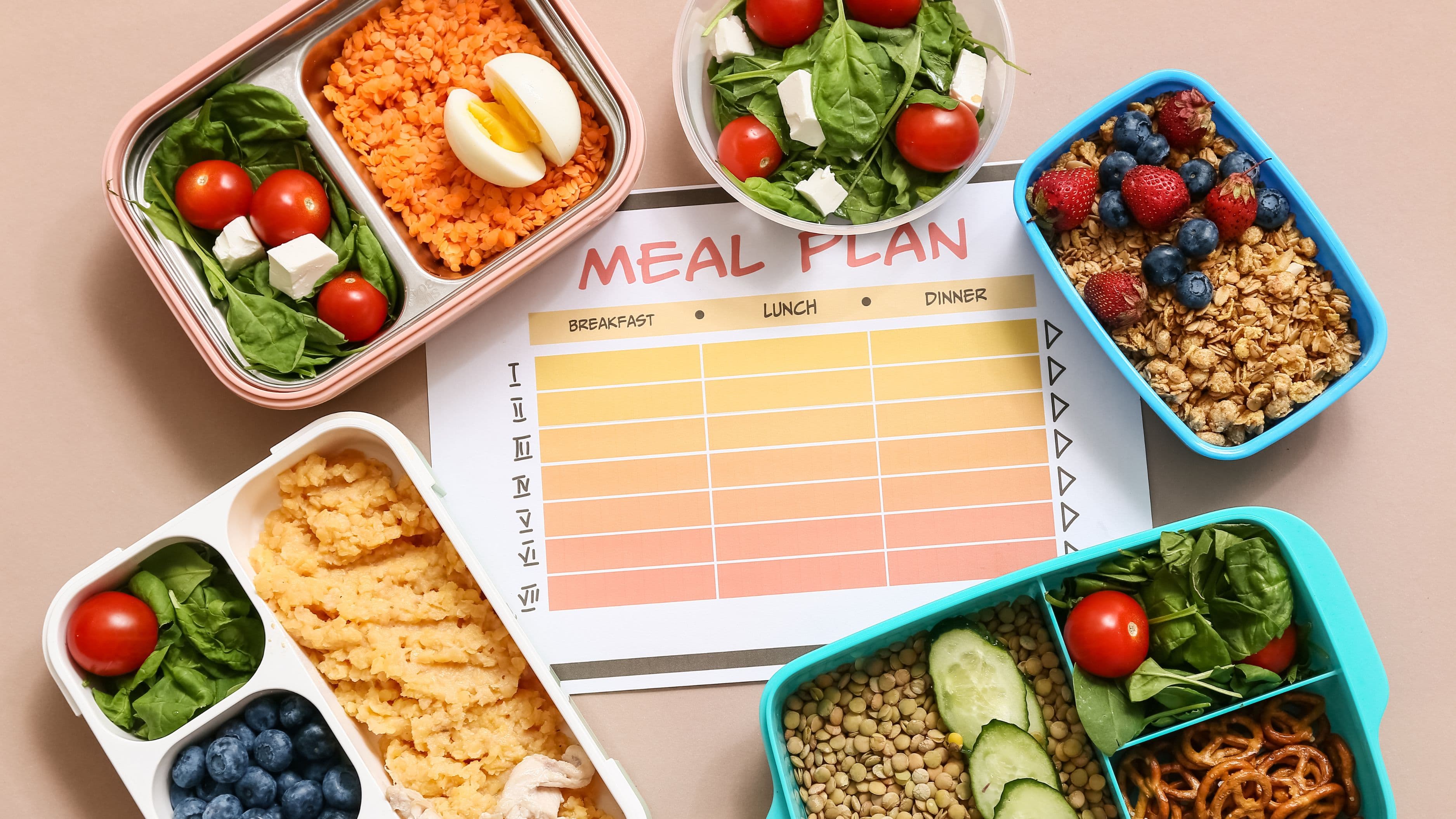
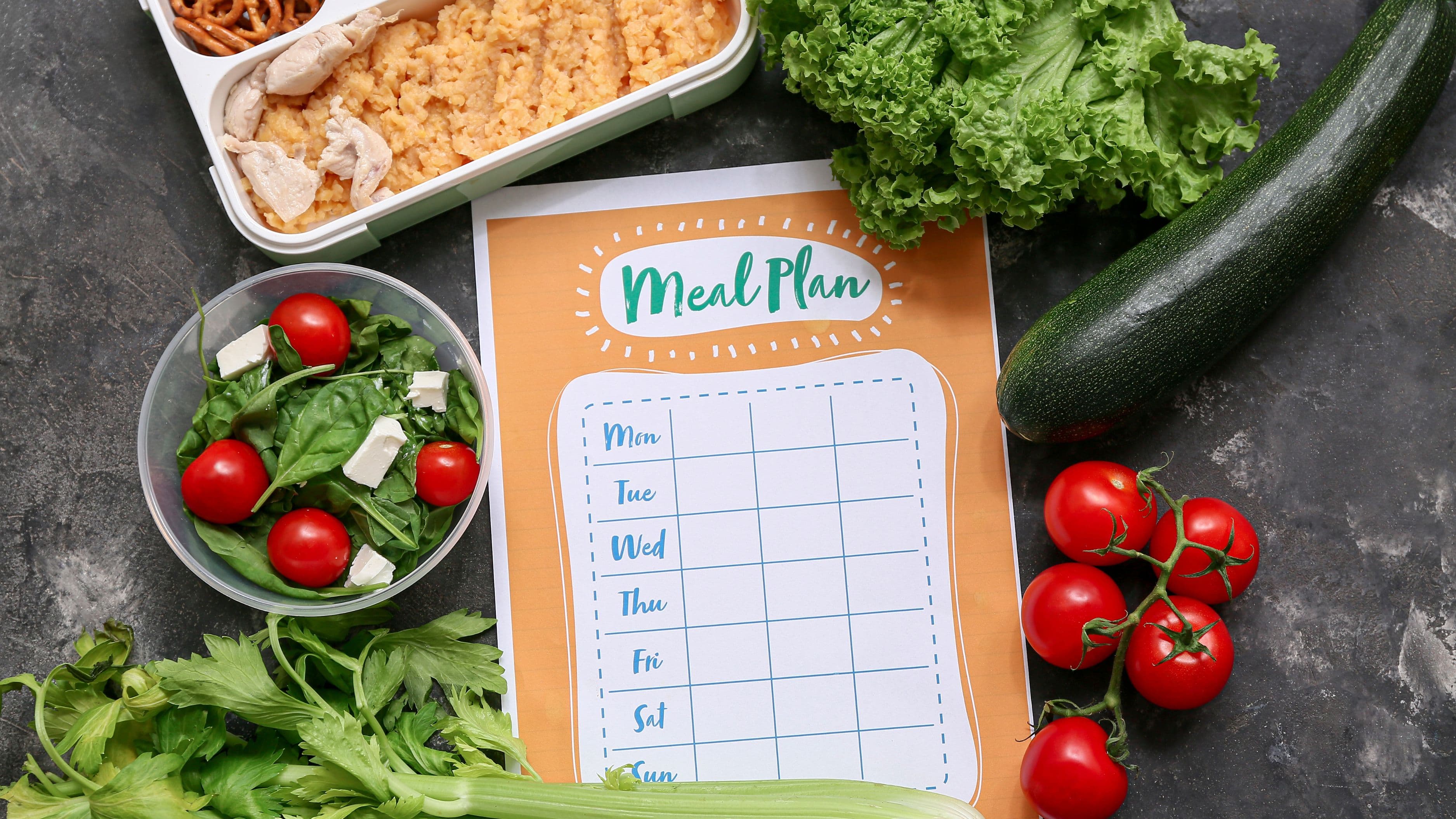
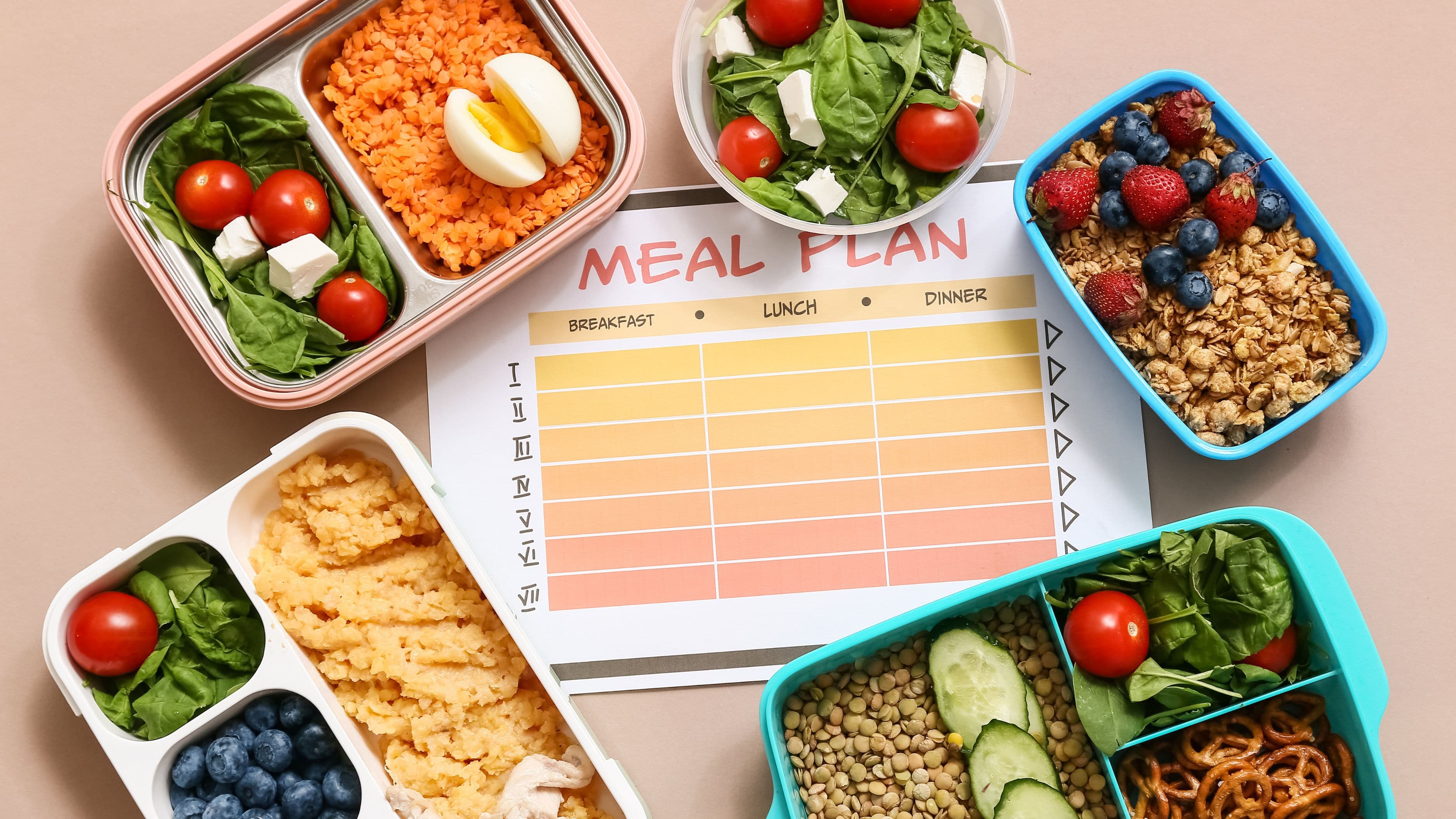
Now put it together into a light system you'll actually use. The goal isn't a rigid schedule – it's a loose framework that guarantees variety while staying easy. A practical approach for one week looks like this.
Start with your three or four seasonal heroes from Step 2. Then plan to use them across different formats over the week – say, one big roasted dish, one fresh/raw dish like a salad, one soup or stew, one stir-fry or sauté, and one "anything goes" night for leftovers or improvising. Assign your heroes into those formats, varying the cooking method (Step 3) and flavor direction (Step 4) as you go. That structure alone produces a week where the same ingredients never feel repetitive.
Keep one or two flexible nights so you're not locked in if plans change or you're simply not in the mood, which keeps the system sustainable rather than stressful. Realistic expectations: this kind of planning takes maybe 15–20 minutes a week once you get the hang of it, and it's beginner-friendly – no special skills required. What this means for you: a five-slot framework filled with rotating heroes, methods, and flavors gives you structure and variety at the same time.
Step 6: Cook Once, Eat Differently (Smart Leftovers)
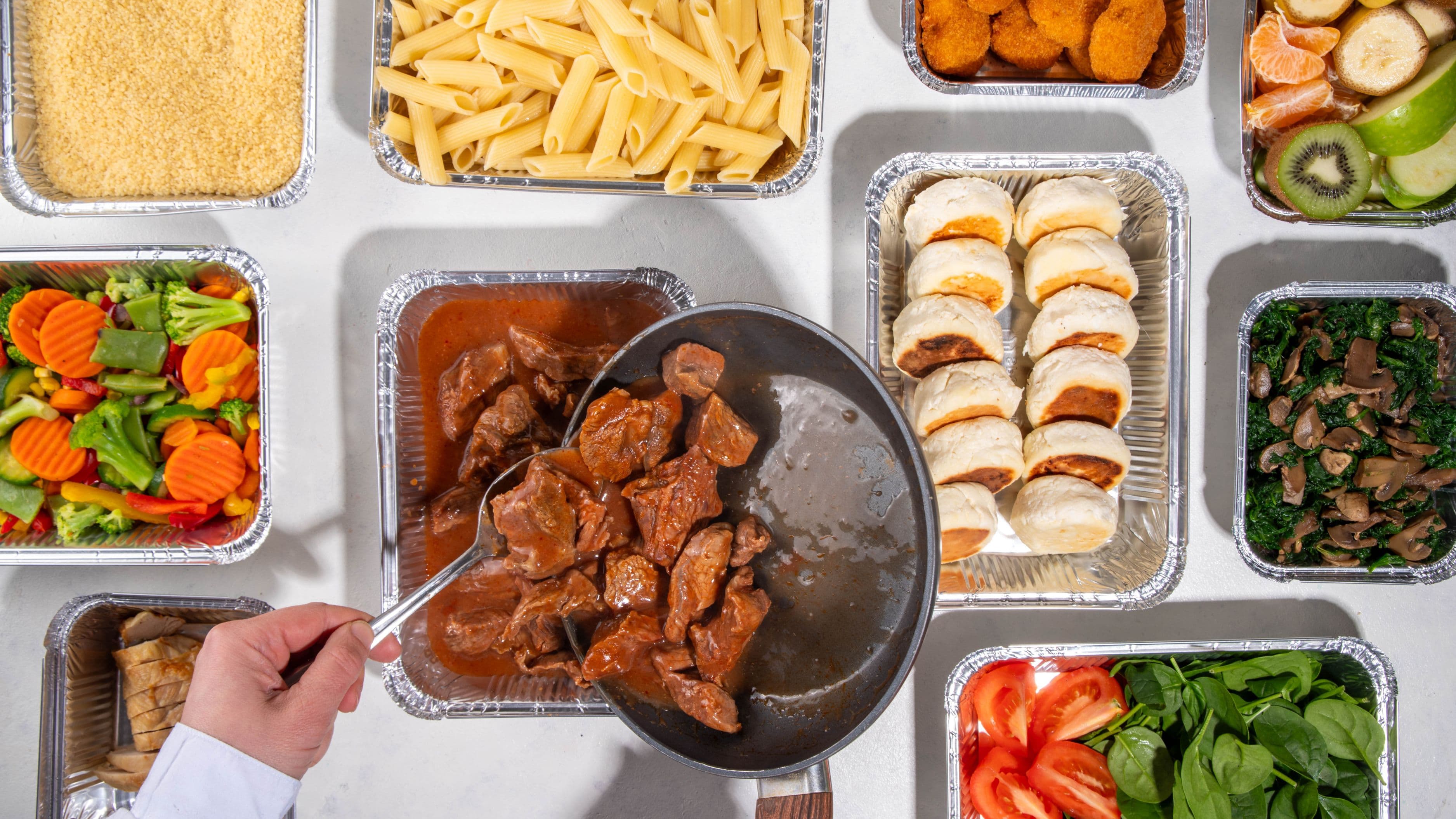
A final time-saver that also fights boredom: prep some seasonal produce in a neutral way, then take it different directions through the week. This is the secret to variety without cooking from scratch every single night.
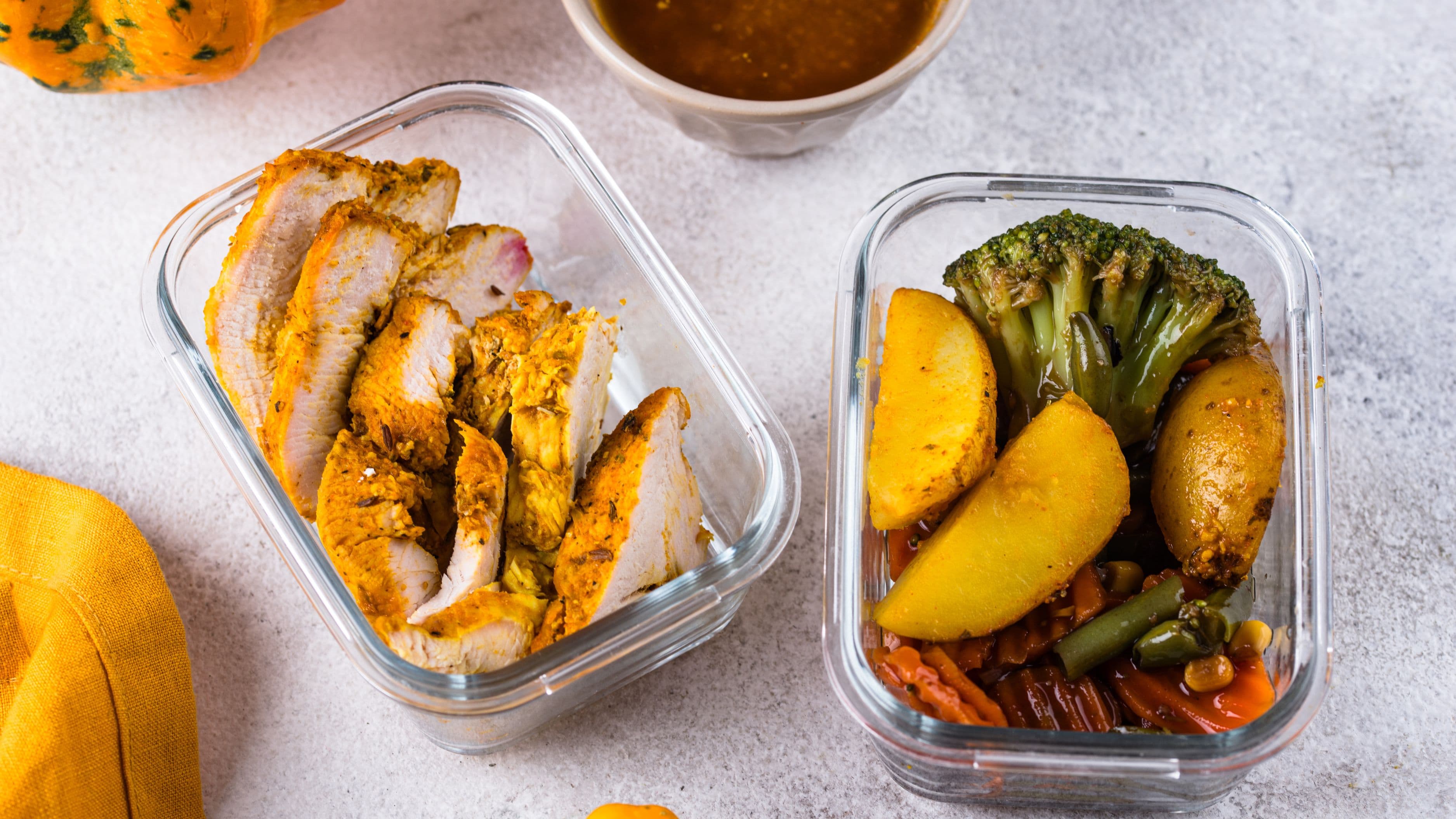
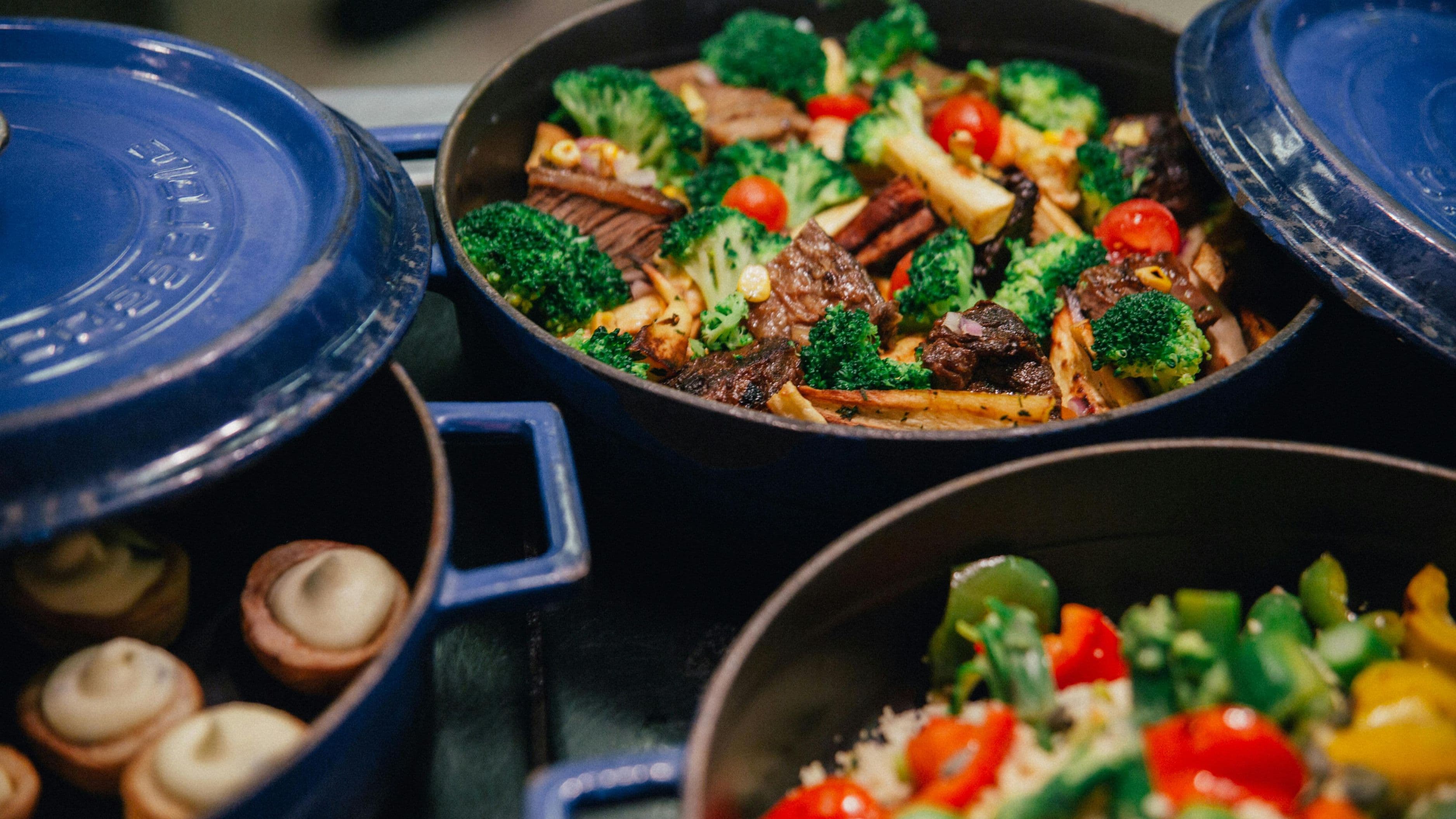
For instance, roast a big tray of mixed seasonal vegetables at the start of the week. Then eat them as a simple side one night, fold them into a grain bowl another, blend some into a soup, tuck them into a wrap or omelet, or toss them with pasta. Same base prep, several different meals, each feeling distinct. The trick is to prep the produce plainly (just olive oil, salt, and pepper) so it's a blank canvas you can flavor differently each time, rather than committing it to one seasoning up front. What this means for you: batch-prep your seasonal produce neutrally, then dress it up differently as the week goes – less cooking, more variety.
What to Avoid
A few common mistakes turn seasonal cooking into the rut you're trying to escape. The biggest is buying too much of one thing because it's cheap and in season, then feeling obligated to eat it the same way until it's gone – buy a varied seasonal mix instead, and you'll never be stuck with a single vegetable. Another is repeating the exact same recipe whenever you have an ingredient; the method-and-flavor tricks above exist precisely to prevent that.
Be careful about overbuying perishable produce you can't use in time, which leads to waste and pressure to eat it all fast – buy what your week's plan actually calls for. And don't fall into making your plan so rigid that any change feels like failure; the flexible nights are there for real life. Finally, avoid ignoring simple preservation – if you do end up with extra, freezing, quick-pickling, or roasting and storing it keeps it useful later instead of forcing it onto tonight's plate.
FAQ
How do I know what's in season where I live? The simplest signs are price and abundance at your store or farmers market – cheap and plentiful usually means in season. For a clearer guide, look up a seasonal produce chart for your region (agricultural and nutrition organizations publish them), and check it quickly before planning your week. You'll learn your local seasons naturally over time.
What if I can only find a few seasonal items I like? That's fine – the method-and-flavor approach is built for exactly this. Even two or three seasonal ingredients can carry a whole varied week if you change how you cook them and how you season them. You don't need a long list; you need different techniques and flavor directions applied to a short one.
Isn't seasonal meal planning a lot of extra work? Not once you have a simple system. Identifying the season's items takes a couple of minutes, and a loose five-slot weekly framework takes around 15–20 minutes to plan. The cooking itself isn't extra work – it's the cooking you'd do anyway, just organized to use fresher, cheaper produce in more varied ways.
How do I keep seasonal produce from going bad before I use it? Buy roughly what your week's plan calls for rather than overbuying because something's cheap. Store produce properly (many vegetables last longer in the fridge crisper, while some like tomatoes prefer the counter), and if you have extra, batch-roast it, freeze it, or quick-pickle it so it stays useful instead of spoiling.
Can beginners really do this, or is it for experienced cooks? It's genuinely beginner-friendly. The whole approach relies on basic methods – roasting, sautéing, making a simple soup or salad – and easy flavor swaps, not advanced skills. If you can roast a tray of vegetables and follow a simple recipe, you can plan varied seasonal meals with confidence.
The Bottom Line
Eating with the seasons gives you fresher, cheaper, better-tasting food – and it only gets boring if you let one ingredient run your whole week the same way every time. The fix is variety from how you cook, not just what you buy: pick a few seasonal heroes instead of one, change the cooking method to make a single vegetable feel like several, travel with your flavors to take it around the world, and use a loose weekly framework with smart, neutral batch-prep to tie it together. None of it requires special skills or much time. Start with whatever's in season near you this week, rotate your methods and flavors, and seasonal cooking becomes the opposite of monotonous – it becomes the most interesting way to cook.
📚 Sources
U.S. Department of Agriculture (SNAP-Ed Connection) – Seasonal produce guide: https://snaped.fns.usda.gov/resources/nutrition-education-materials/seasonal-produce-guide
USDA MyPlate – Tips for adding more vegetables to your meals: https://www.myplate.gov/eat-healthy/vegetables
Harvard T.H. Chan School of Public Health – Vegetables and fruits in a healthy diet: https://www.hsph.harvard.edu/nutritionsource/what-should-you-eat/vegetables-and-fruits/
U.S. FDA – Safe handling and storage of fresh produce: https://www.fda.gov/food/buy-store-serve-safe-food/selecting-and-serving-produce-safely
USDA – Freezing and food storage basics to reduce waste: https://www.fsis.usda.gov/food-safety/safe-food-handling-and-preparation/food-safety-basics/freezing-and-food-safety