Why Seasonality Actually Matters in Your Cooking
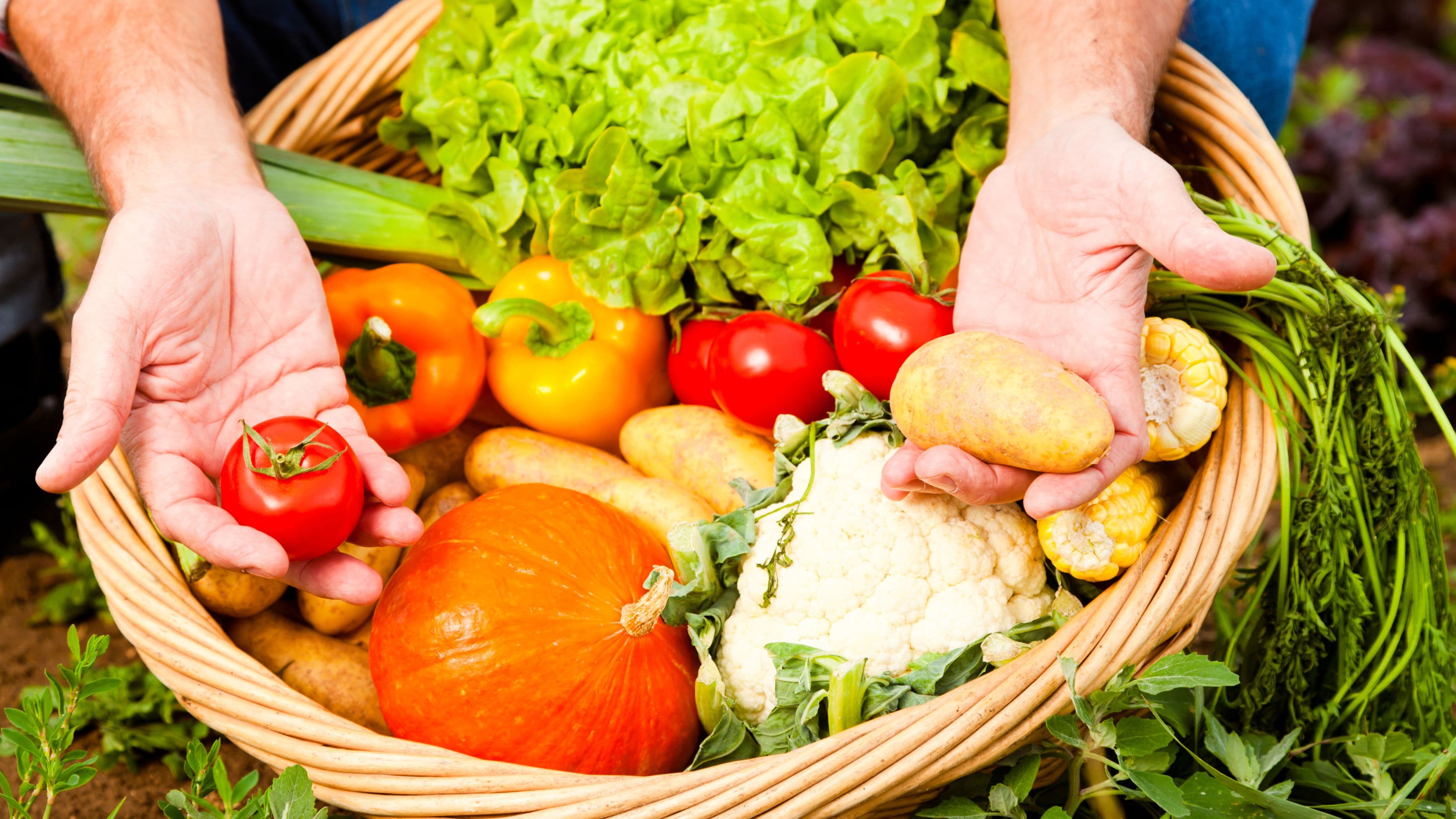
Produce grown and sold in season is picked closer to peak ripeness and typically travels a shorter distance to reach your kitchen, which translates directly into better flavor, texture, and nutritional quality. Out-of-season produce, by contrast, is often picked early and shipped long distances, which is exactly why a winter tomato tastes watery and pale compared to one picked at the height of summer. Understanding this isn't about being a purist – it's about knowing when to substitute so your dishes taste as good as they can, regardless of the calendar.
Summer to Winter Swaps
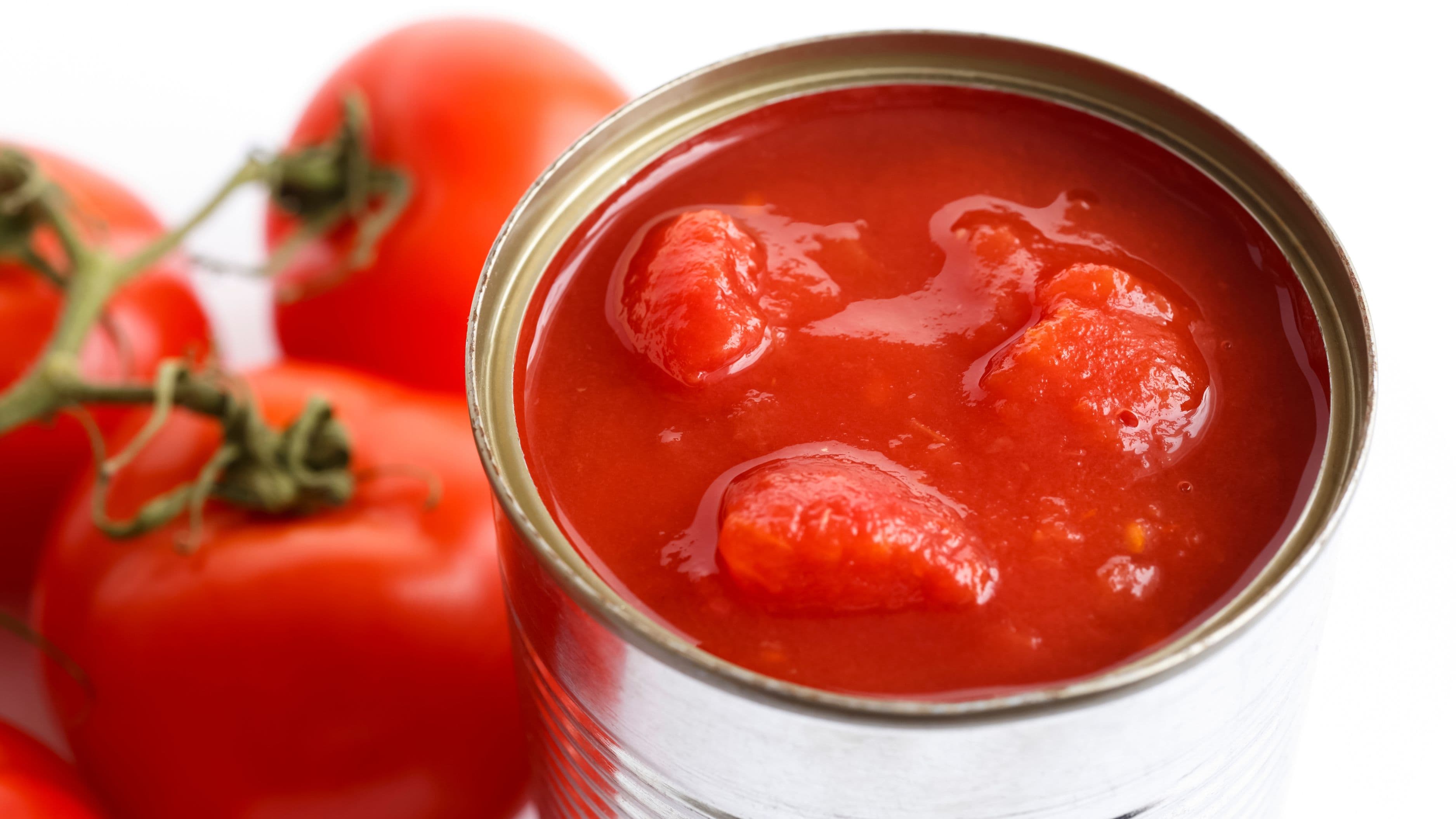
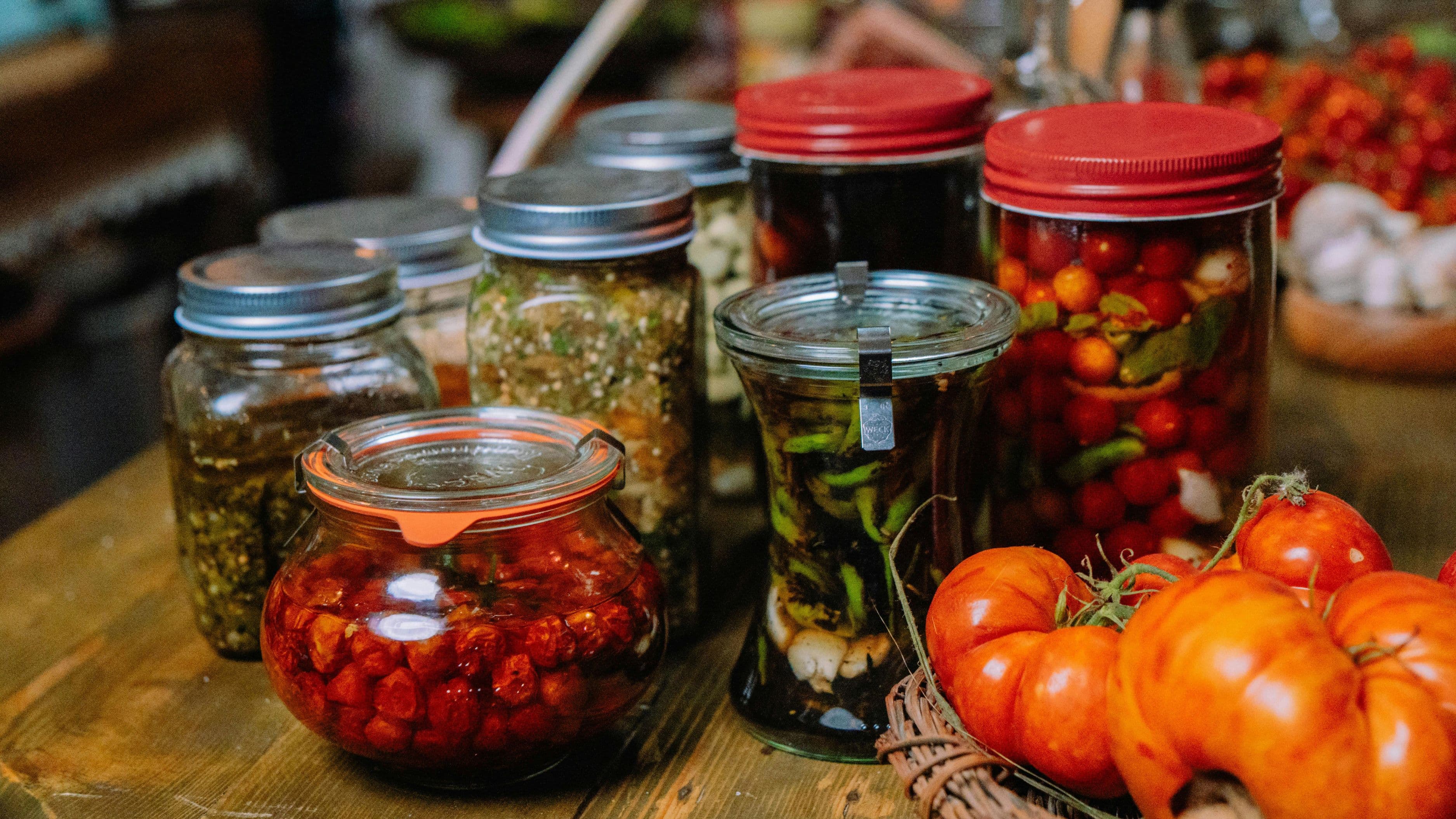
Tomatoes → Roasted red peppers or sun-dried tomatoes. When fresh tomatoes lose their sweetness and acidity in colder months, roasted red peppers bring a similar sweetness and body to sauces, while sun-dried tomatoes concentrate that tomato flavor in a way fresh winter tomatoes simply can't match.
Fresh corn → Frozen corn. Corn is one of the few vegetables where frozen genuinely rivals fresh, since it's typically flash-frozen at peak ripeness within hours of harvest. Reach for frozen corn in winter rather than settling for bland fresh corn shipped from far away.
Zucchini and summer squash → Winter squash (butternut, acorn, delicata). These aren't interchangeable in every recipe, but for roasting, soups, and gratins, winter squash brings the same comforting, mild sweetness that summer squash offers in warmer months.
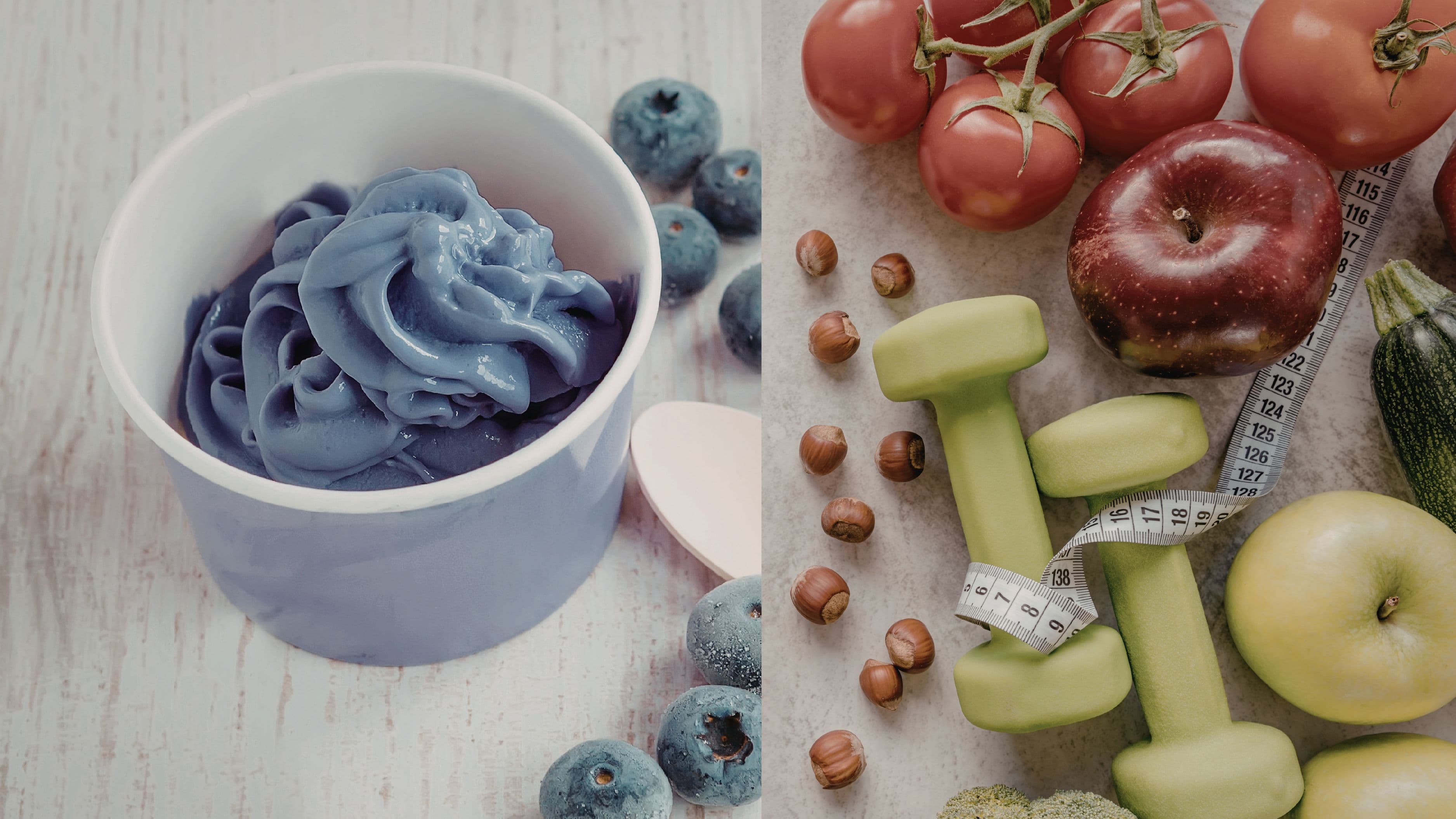
Fresh berries → Frozen berries. Like corn, berries are typically frozen at peak ripeness, making them a genuinely strong substitute for baking, smoothies, and sauces when fresh berries are out of season and flavorless.
Winter to Summer Swaps
Root vegetables (parsnips, turnips) → Summer squash or green beans. When a winter stew or roast calls for hearty root vegetables and it's the height of summer, lighter summer vegetables can bring a similar textural role to a dish without requiring the long cook times root vegetables need.
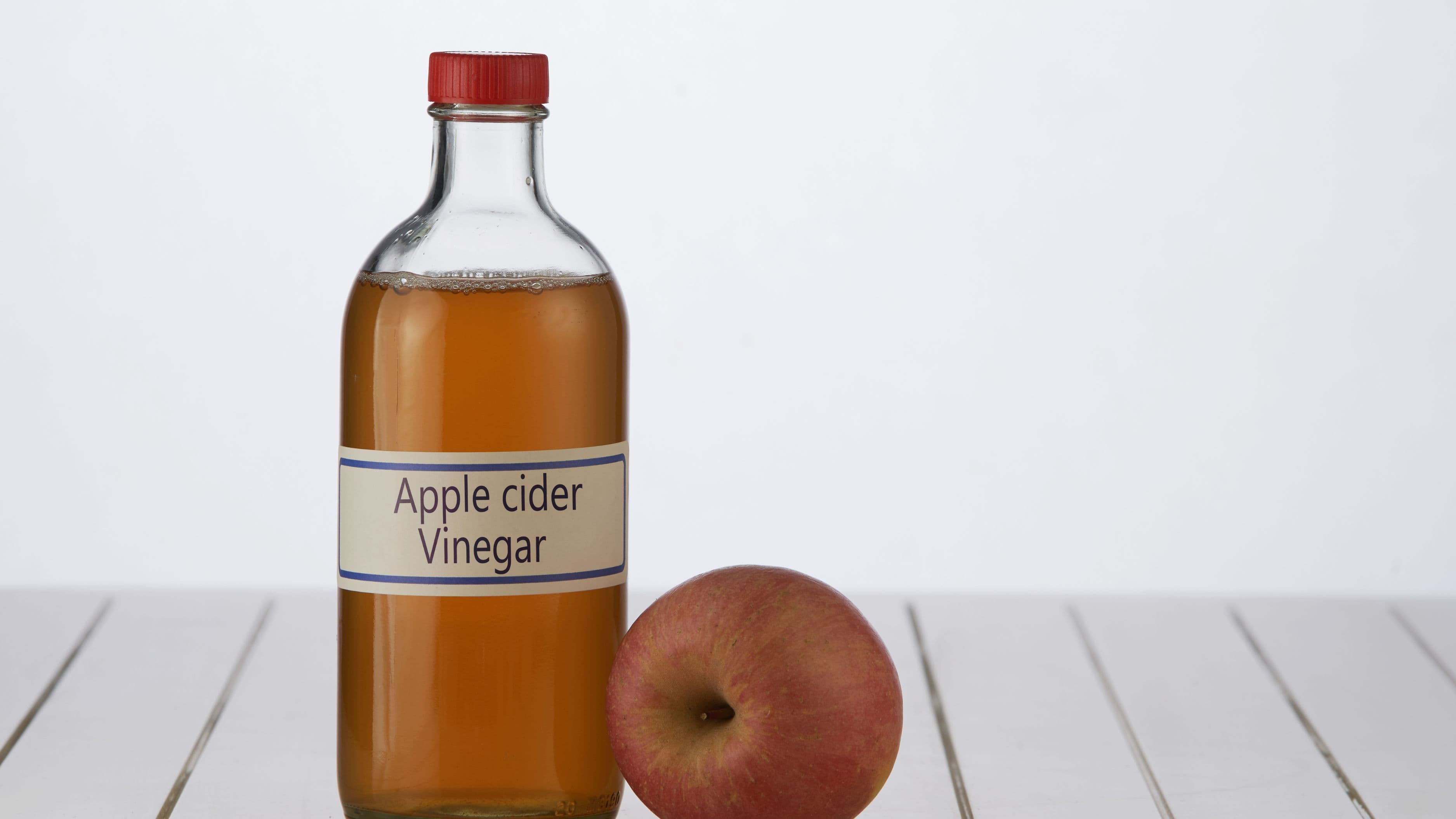
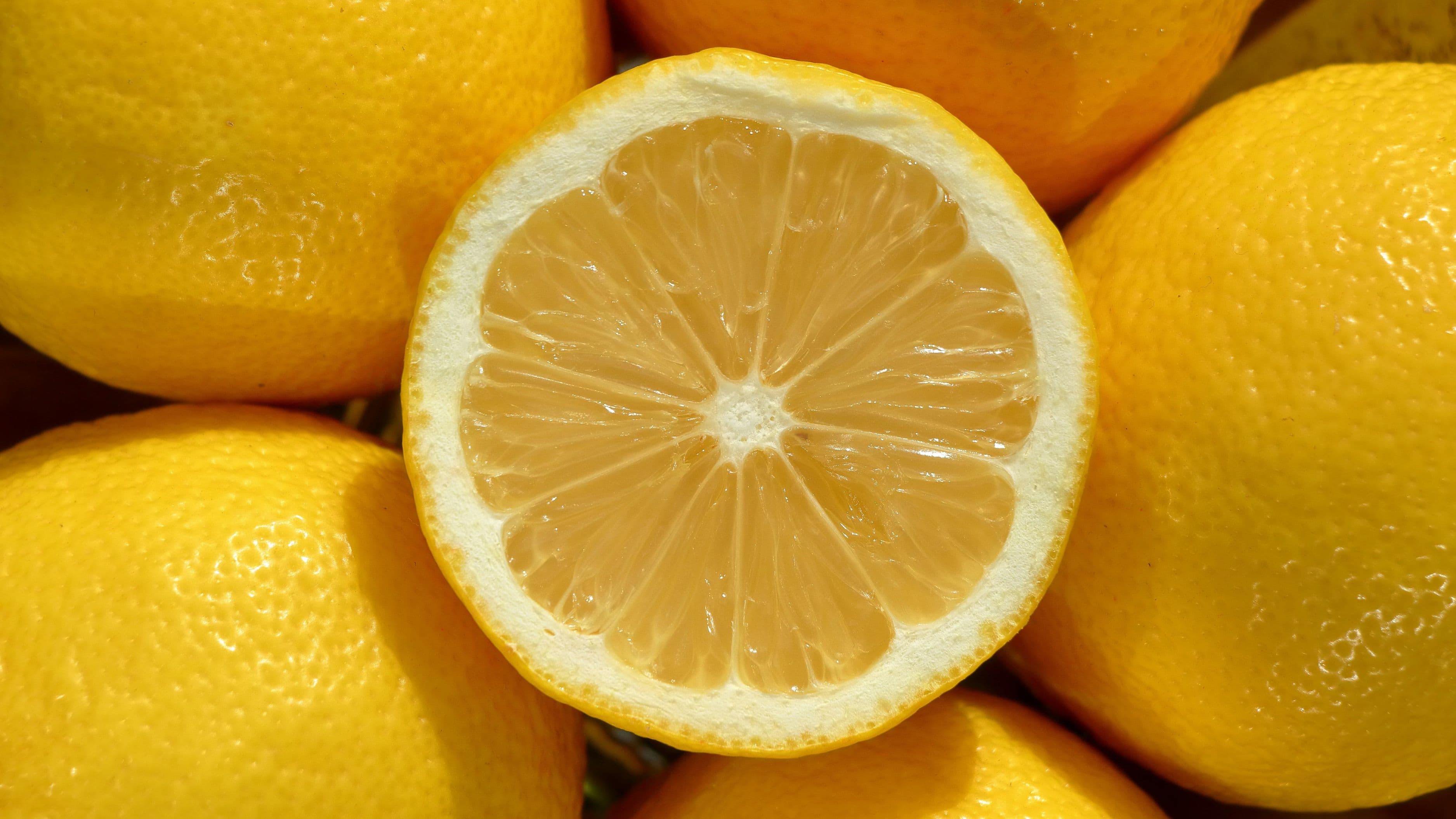
Citrus (used for winter brightness) → Fresh herbs and vinegar. Winter citrus like oranges and grapefruit bring acidity and brightness to heavier winter dishes; in summer, a splash of good vinegar or a handful of fresh herbs like mint or basil can achieve a similar brightening effect.
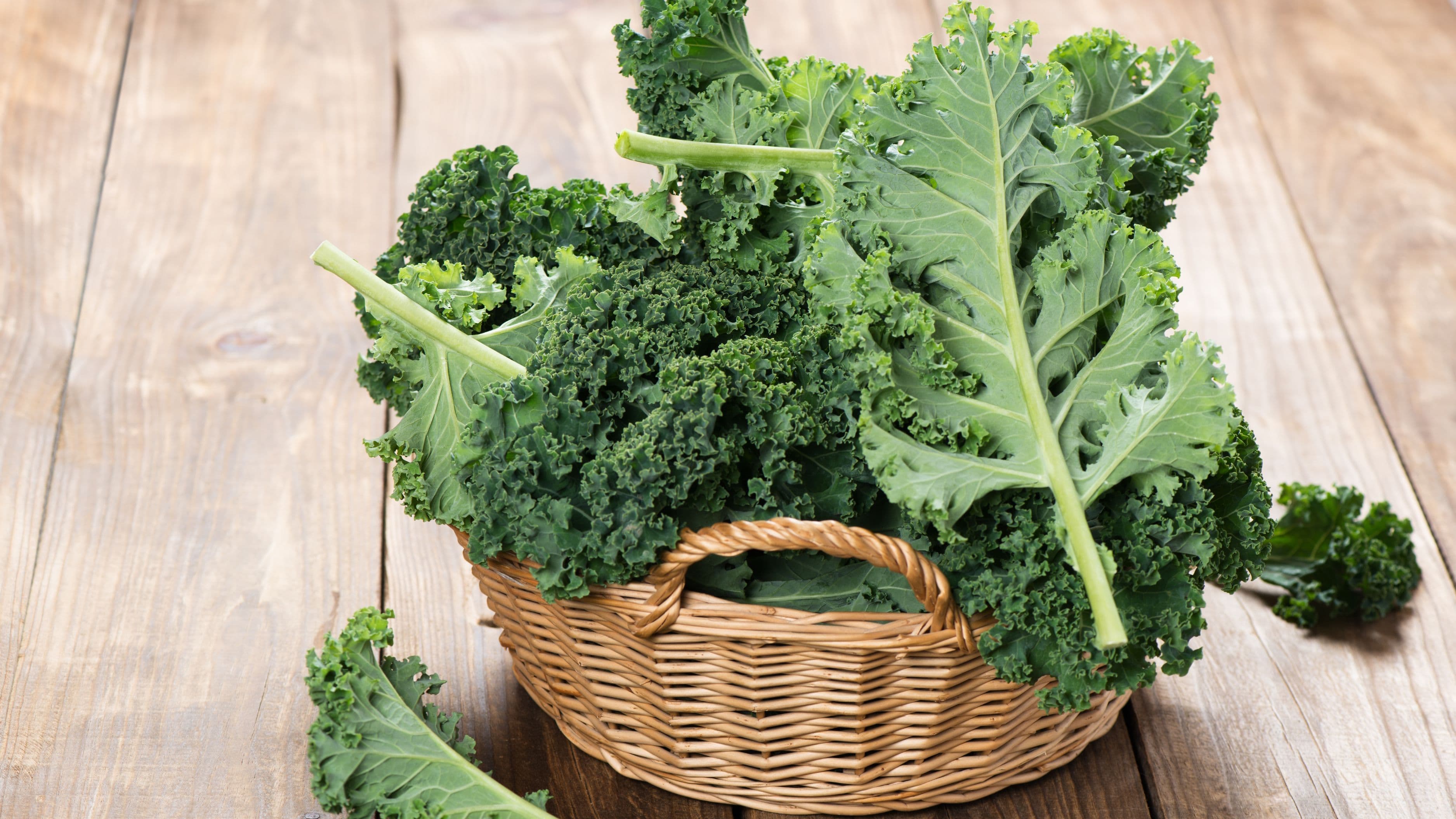
Braised greens (kale, collards) → Quick-cooked greens (spinach, chard). Hearty winter greens that hold up to long braising can feel heavy in summer cooking – lighter greens that wilt quickly bring a similar nutritional profile without the same heaviness.
Building a Mental Substitution Framework
Rather than memorizing every specific swap, it helps to think in terms of function rather than exact ingredient. Ask what role the ingredient is actually playing in the dish:
Is it providing acidity or brightness? Citrus, vinegar, and fresh herbs can often stand in for each other depending on the season.
Is it providing sweetness and body? Roasted vegetables, winter squash, and caramelized alliums can often substitute for each other across seasons.
Is it providing bulk and texture? Root vegetables, hearty greens, and squash can frequently swap roles depending on what's actually in season.
Once you identify the function an ingredient serves rather than fixating on the specific item listed in a recipe, seasonal substitution becomes far more intuitive and far less limiting.
When Frozen Beats "Fresh"
It's worth normalizing something home cooks often feel embarrassed about: frozen produce is frequently the better choice when the fresh alternative is out of season, not a compromise. Corn, peas, spinach, and most berries are typically flash-frozen within hours of harvest at peak ripeness, which often makes them nutritionally and flavor-wise superior to a "fresh" version that's been shipped long distances and sat in a store for days.
What to Avoid
Don't force a direct one-to-one substitution when the ingredient's role in the dish is primarily about a unique flavor rather than a general function – some ingredients, like a specific type of citrus in a delicate dessert, genuinely don't have a good substitute, and it's better to choose a different recipe than force an awkward swap. Avoid assuming all frozen produce is equally good – frozen leafy greens can turn watery when thawed and work better in cooked dishes than raw ones. And don't overlook that seasonal availability varies by region – what's "in season" changes considerably depending on where you live, so use local farmers market availability as your most reliable guide rather than a generic national calendar.
FAQ
How do I know what's actually in season in my area? Checking your local farmers market's current offerings is the most reliable, location-specific guide, since national seasonal calendars don't account for regional growing differences.
Is frozen produce always a fine substitute for fresh? For cooked applications like soups, sauces, and baking, frozen often works excellently. For raw applications like salads, fresh (in-season) produce generally holds a textural advantage that frozen can't replicate.
Do these swaps work for all types of recipes, including baking? Savory cooking generally allows for more substitution flexibility than baking, where precise moisture and sugar content matter more – be more cautious swapping produce in baked goods than in soups, sautés, or roasts.
📚 Sources
🔍 Explore Related Topics
How produce seasonality affects flavor and nutrition