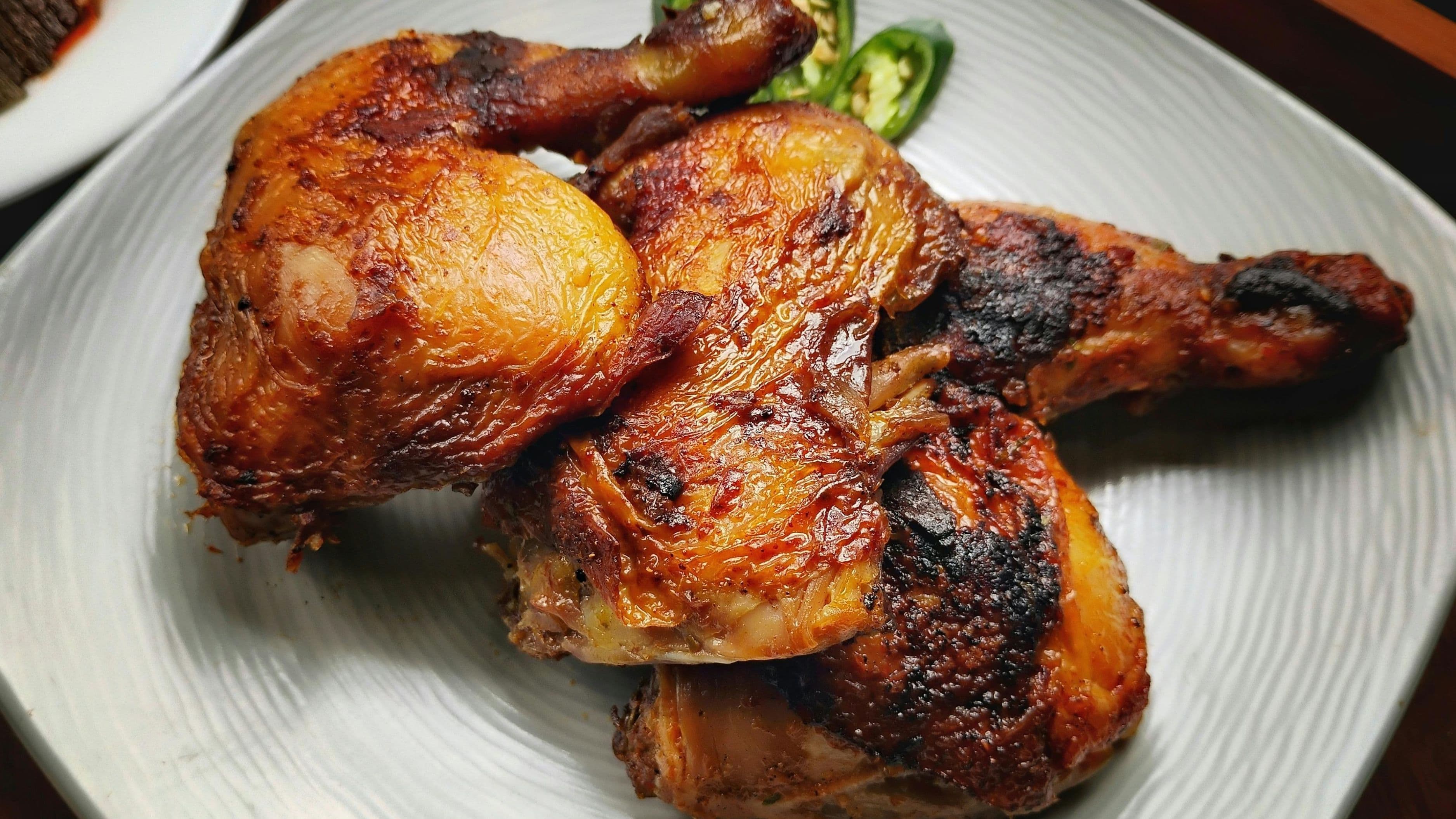
Sheet pan dinners work because the oven does the actual cooking while you do something else. No stirring, no checking, no babysitting. You season, you roast, you eat.
Why This Works Every Time
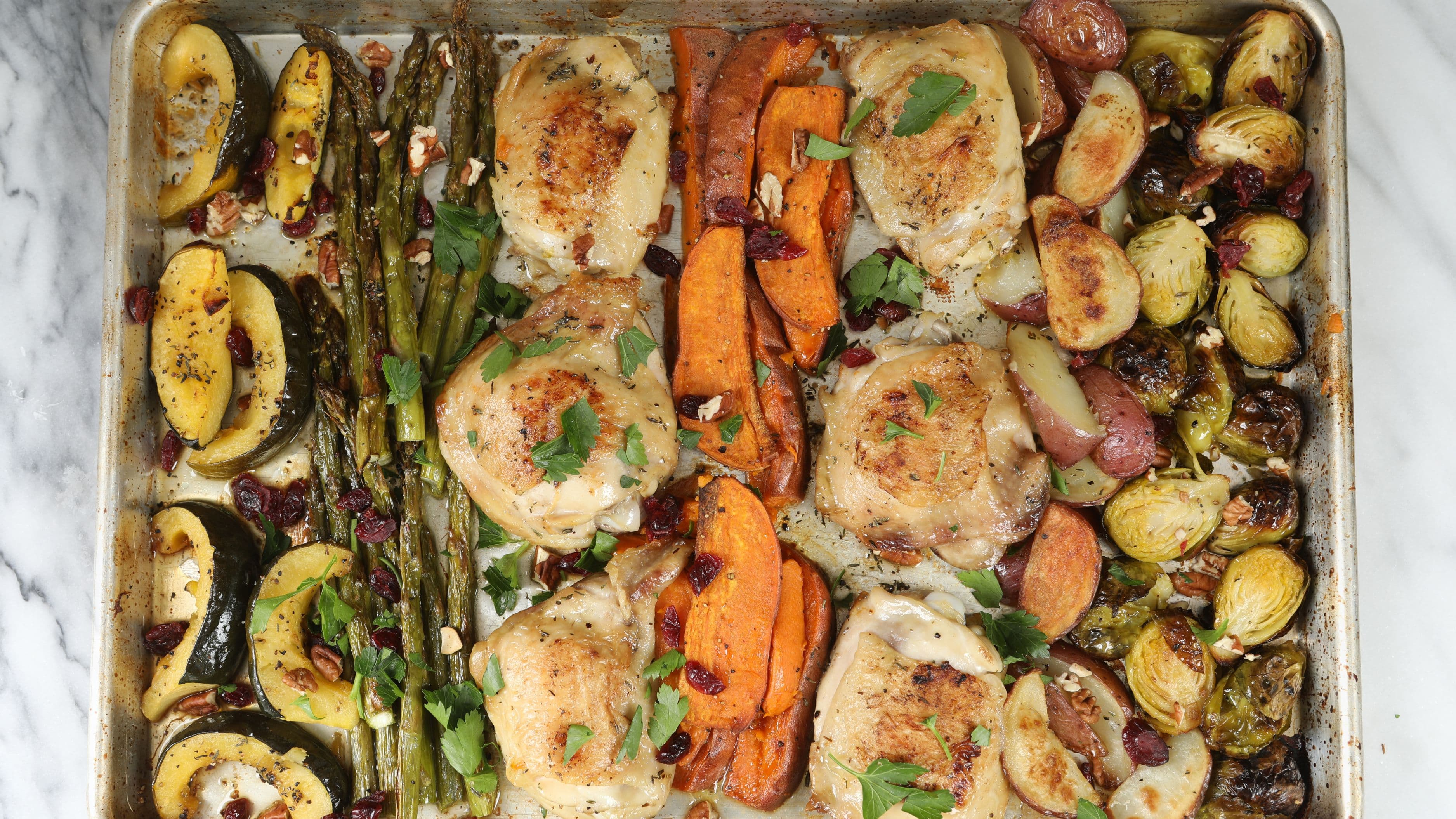
The formula is simple: a protein on one side of the pan, vegetables on the other, everything seasoned with oil, salt, and whatever spice you feel like, cooked at high heat until done. That's it. The oven caramelizes the vegetables and finishes the protein at the same time, and because everything is on one pan, cleaning up is one round of washing.
The main thing that makes sheet pan dinners fail is crowding. If the pan is packed too tightly, the ingredients steam instead of roast and you get soft, watery vegetables instead of the slightly crisp, browned edges you're looking for. Use a large sheet pan – the standard half-sheet (46 x 33 cm or 18 x 13 inches) – and if you're feeding more than two people, use two pans rather than one.
The Base Recipe: Chicken Thighs and Roasted Vegetables
This combination works reliably for most households because chicken thighs are forgiving (they don't dry out the way breasts do), they take about 25–30 minutes at high heat, and most vegetables roast in a similar window. You don't need to follow this exactly – the substitutions section below covers the main swaps.
Serves 2–3 | Prep: 10 minutes | Cook: 28–32 minutes
Ingredients
For the chicken:
4 bone-in, skin-on chicken thighs
1½ tablespoons olive oil
1 teaspoon garlic powder
1 teaspoon smoked paprika
½ teaspoon salt
¼ teaspoon black pepper
For the vegetables:
1 medium courgette, cut into half-moons about 1.5 cm thick
1 red pepper, cut into strips
1 medium red onion, cut into wedges
200g cherry tomatoes, left whole
1½ tablespoons olive oil
½ teaspoon salt
¼ teaspoon black pepper
Optional: ½ teaspoon dried oregano or Italian seasoning
Instructions
Step 1: Preheat the oven. Set it to 220°C (200°C fan / 425°F). High heat is what gets you the browning and caramelisation that makes roasted vegetables taste good. Don't try to rush this in a moderate oven – the results won't be the same.
Step 2: Prepare the chicken. Pat the chicken thighs dry with kitchen paper. This step matters more than it sounds – moisture on the skin prevents browning. Mix the olive oil, garlic powder, smoked paprika, salt, and pepper in a small bowl, then rub it all over the chicken thighs, coating both sides. Place them skin-side up on one side of the pan.
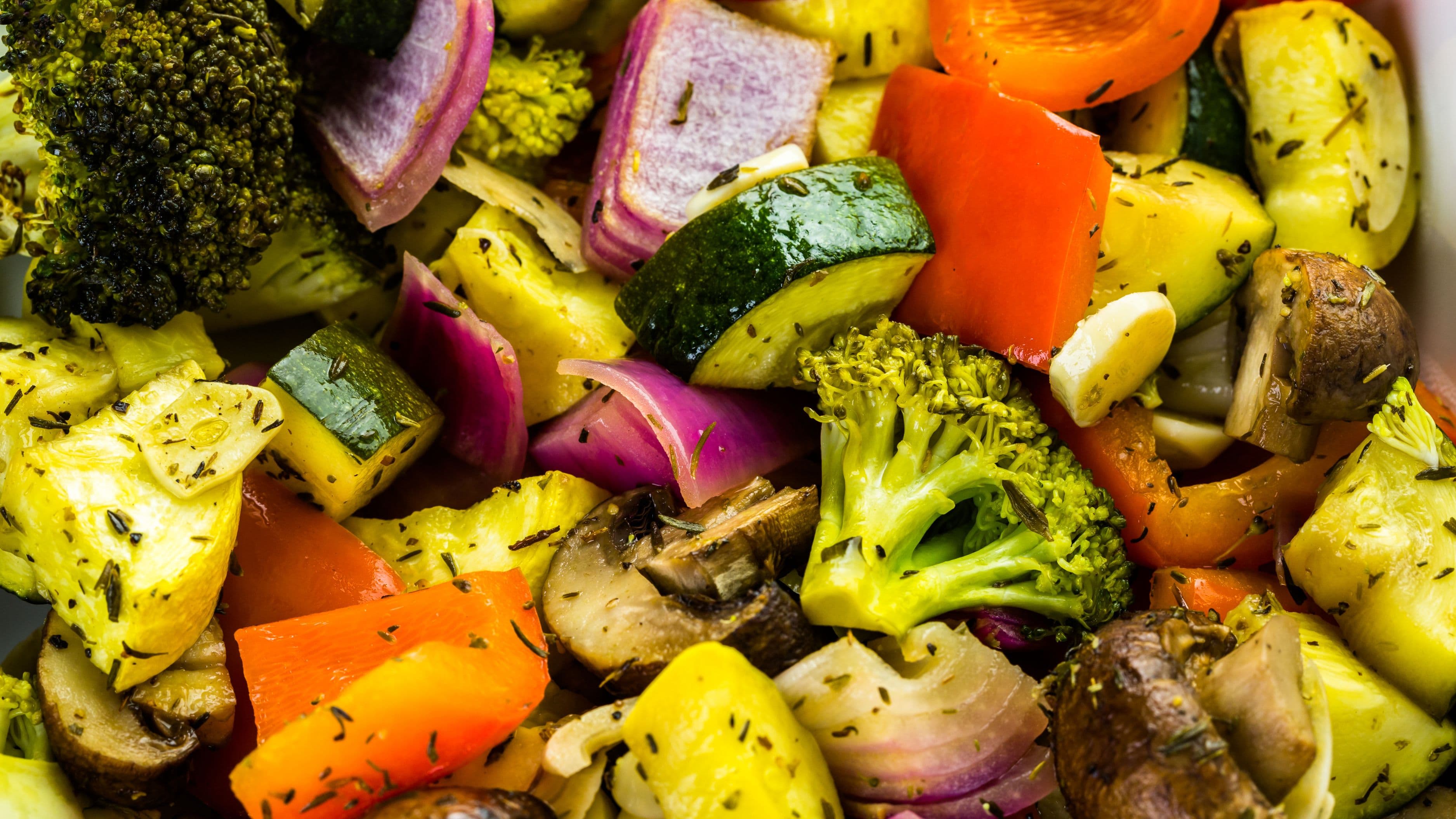
Step 3: Prepare the vegetables. Add all the cut vegetables to the other side of the pan. Drizzle with olive oil, sprinkle over the salt, pepper, and any dried herbs, then toss them with your hands or a spoon until everything is lightly coated. Spread them into a single layer – don't pile them on top of each other.
Step 4: Roast. Put the pan in the oven and set a timer for 25 minutes. After 25 minutes, check whether the chicken skin is golden and the juices run clear when you pierce the thickest part. If not, give it another 5 minutes. The vegetables should be tender with some golden-brown edges by this point. If they look like they need more colour, you can return them to the oven for a few extra minutes while the chicken rests.
Step 5: Rest and serve. Let the chicken rest for 5 minutes before serving. This keeps the juices in the meat rather than running out when you cut into it. Serve directly from the pan.
Getting the Timing Right
Chicken thighs at high heat take 28–35 minutes depending on their size. Bone-in, skin-on thighs take longer than boneless – if you're using boneless thighs, start checking around the 22-minute mark. The internal temperature should reach 74°C (165°F) at the thickest part if you're using a meat thermometer.
Vegetables at the same temperature take 20–30 minutes depending on what they are and how they're cut. Dense vegetables like sweet potato, carrot, or broccoli florets need to be cut smaller (about 2 cm) to finish in time with the chicken. Softer vegetables like courgette, cherry tomatoes, and peppers need less time and can be cut slightly larger.
If you're mixing dense and soft vegetables on the same pan, give the denser ones a 10-minute head start – roast them alone first, then add the softer ones alongside the chicken.
Variations to Try
Sausage and root vegetables: Swap the chicken for Italian pork sausages and use roughly diced parsnip, carrot, and potato as the base. Season with a little fennel seed and some whole garlic cloves left in their skins. The garlic will be soft enough to squeeze out as a spread when it's done. Roast at the same temperature for 30–35 minutes, turning the sausages once halfway through.
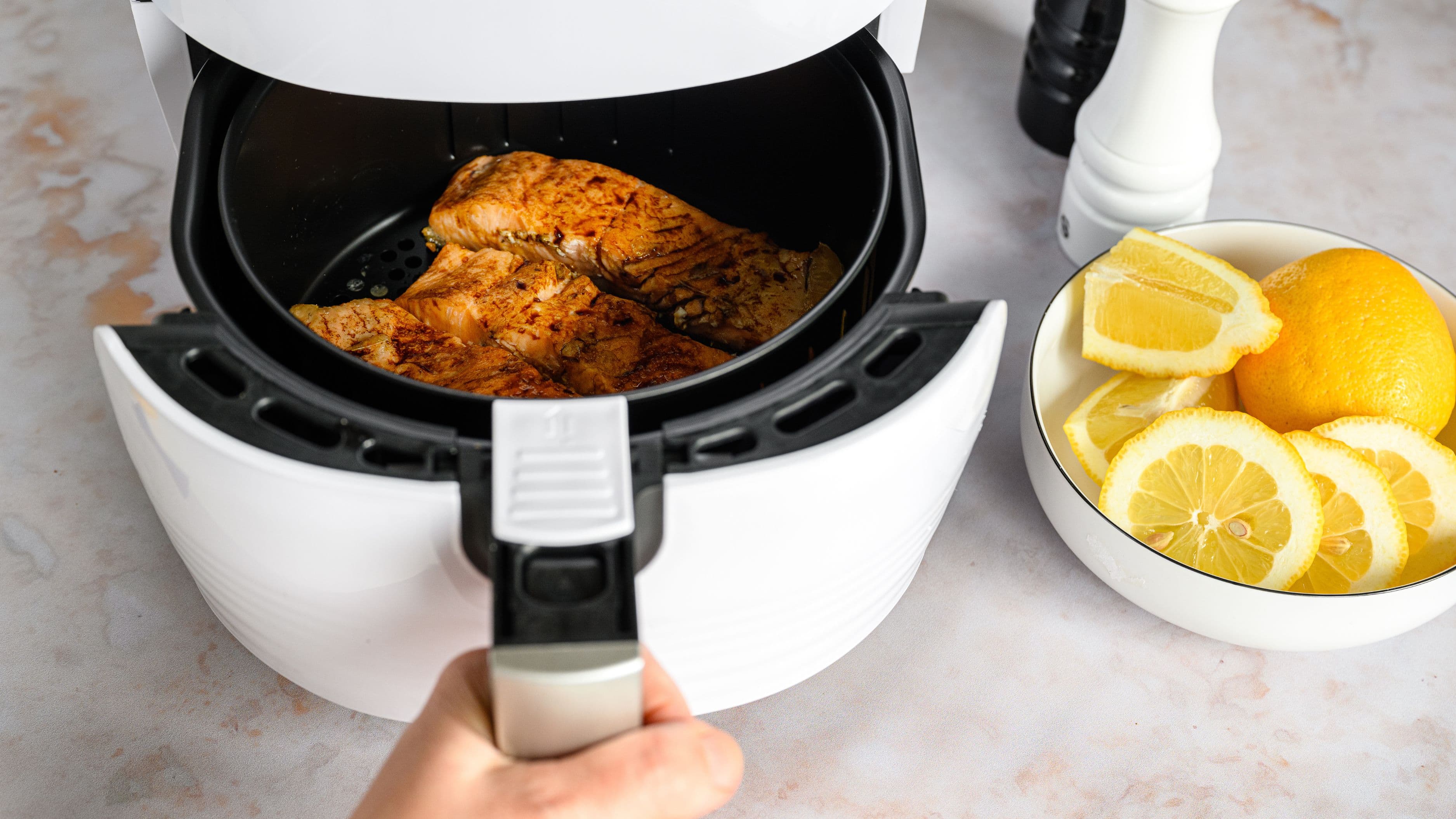
Salmon with asparagus and lemon: Place two salmon fillets skin-side down and surround them with a bunch of trimmed asparagus spears. Season everything with olive oil, salt, pepper, and the zest of half a lemon. Salmon cooks much faster than chicken – check it at 12 to 15 minutes. The flesh should flake easily and look opaque through to the centre.
Halloumi and chickpeas (vegetarian): Drain a tin of chickpeas and toss with olive oil, cumin, smoked paprika, and a pinch of chilli flakes. Spread them on the pan with diced courgette and peppers, then lay thick slices of halloumi on top. Roast at 220°C for 20–22 minutes until the halloumi is golden and the chickpeas are slightly crunchy.
Pork tenderloin with sweet potato and red onion: Pork tenderloin is lean, quick-cooking, and very forgiving on a sheet pan. Rub it with a mixture of olive oil, honey, Dijon mustard, and thyme. Surround it with cubed sweet potato (around 2 cm) and red onion wedges. The tenderloin takes about 20–25 minutes; the sweet potato should be done in the same time if cut small.
Seasoning Ideas Beyond the Basics
Once you're comfortable with the basic formula, the seasoning is where you can make it feel different every time without actually thinking very hard.
Mediterranean: dried oregano, lemon zest, garlic powder, olive oil. Serve with a spoonful of tzatziki or a squeeze of lemon.
Smoky BBQ-style: smoked paprika, garlic powder, a little brown sugar, black pepper. The sugar caramelises on the skin.
Indian-inspired: ground cumin, ground coriander, garam masala, turmeric. Serve with flatbread and plain yoghurt.
Honey and soy: a tablespoon of soy sauce and a tablespoon of honey mixed into the olive oil before rubbing onto the chicken. Adds a glazy, savoury-sweet finish.
Herby and simple: dried thyme, rosemary, garlic powder, olive oil. Works especially well with root vegetables.
What to Avoid
Skipping the preheating step is one of the most common reasons sheet pan dinners underperform. Putting food into a cold or warm-but-not-hot oven means the first 10 to 15 minutes are spent heating up rather than roasting. The oven should be at full temperature before the pan goes in.
Not patting the chicken dry before seasoning means you won't get crispy skin. Moisture is the enemy of browning. A few seconds with kitchen paper makes a real difference.
Cutting vegetables into uneven sizes means some will be overcooked and mushy by the time the rest are done. Try to keep them roughly the same thickness and size so everything finishes together.
Using too much olive oil causes the vegetables to go greasy rather than roast properly. A light coating – enough to see a sheen on each piece but not pooling at the bottom of the pan – is the right amount.
Serving Suggestions
Sheet pan dinners are a meal on their own, but if you want to stretch it or make it feel more substantial, a few sides work well without adding much effort.
A bowl of steamed rice or some crusty bread to soak up the pan juices takes about the same time as the oven. A simple green salad dressed with olive oil and lemon makes a fresh contrast to the roasted flavours. If you have a tin of white beans in the cupboard, toss them with olive oil, garlic powder, and salt and scatter them on the pan in the last 10 minutes – they crisp up slightly and add protein without any extra cooking.
Common Questions
Can I prepare this ahead of time? You can season the chicken and cut the vegetables up to a day ahead and store them separately in the fridge. When you're ready to cook, it all goes straight onto the pan. This makes weeknight cooking genuinely effortless – the prep is done, the oven does the work.
What if I only have boneless, skinless chicken breasts? They work, but they're less forgiving than thighs. Reduce the temperature slightly to 200°C (180°C fan) and check for doneness at the 20-minute mark. They dry out quickly when overcooked, so pull them as soon as the internal temperature hits 74°C.
Do I need to line the pan? Lining with foil or parchment paper makes cleanup significantly easier and is worth doing if you have it. If you're using parchment, make sure it's rated for high-heat cooking. Unlined pans produce slightly better caramelisation on vegetables because the pan surface gets hotter, but either works.
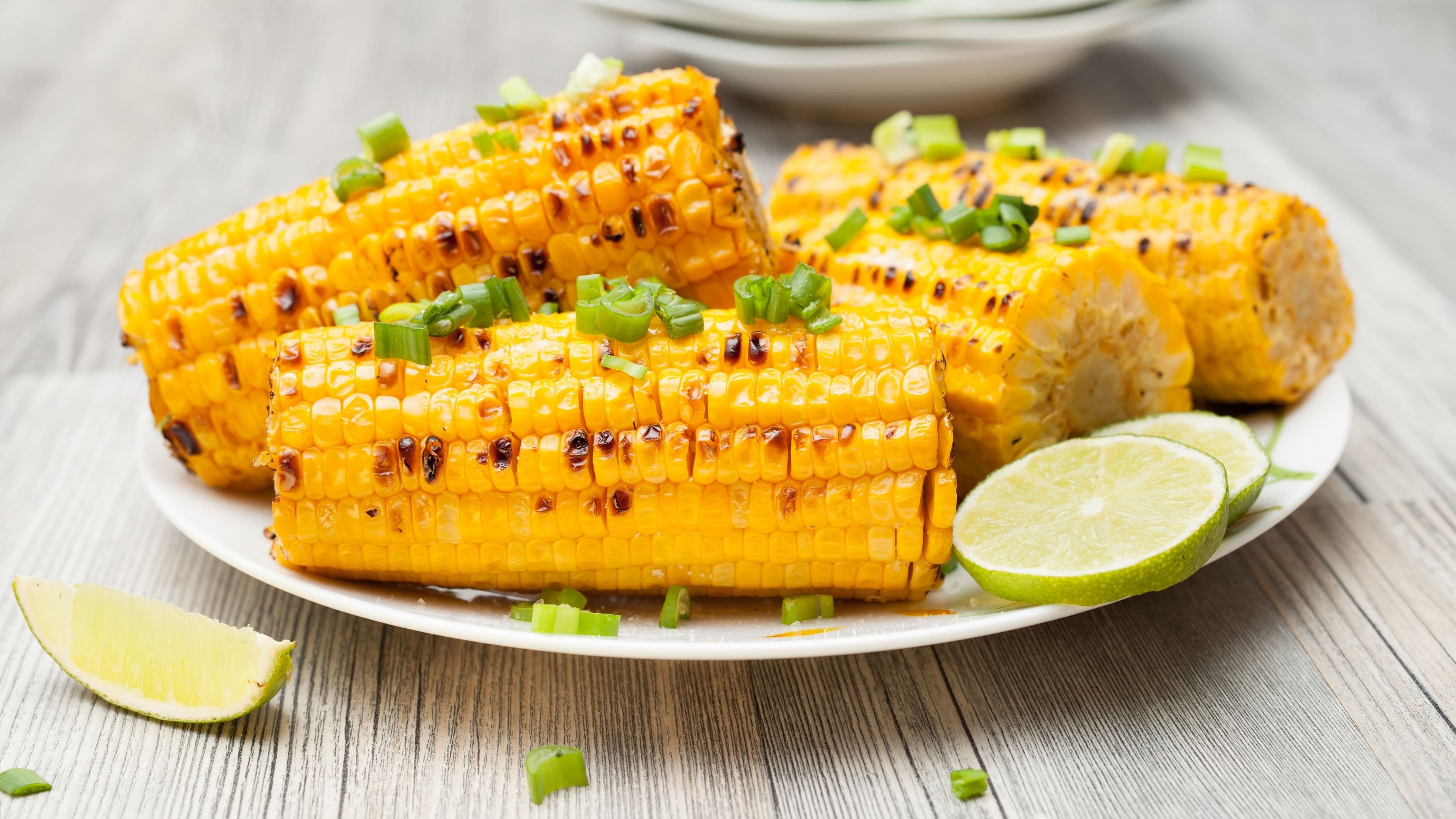
What if I don't have all the vegetables listed? Use whatever you have. Almost any vegetable roasts well at this temperature. Broccoli, cauliflower, mushrooms, green beans, corn on the cob cut into rounds, fennel wedges – all work. Leafy greens like spinach don't work on a sheet pan at this heat. Root vegetables (potato, sweet potato, carrot, parsnip) need to be cut smaller and given a head start.
Can I use frozen vegetables? Partially. Frozen vegetables release a lot of moisture as they thaw during cooking, which can lead to steaming instead of roasting. If you want to use them, thaw and pat them dry first, or use them only for the last 10 minutes of cooking once the pan is already hot.
📚 Sources
Serious Eats – The Sheet Pan Dinner Formula: https://www.seriouseats.com/sheet-pan-dinners-formula-guide
BBC Good Food – Sheet Pan Chicken and Vegetables: https://www.bbcgoodfood.com/recipes/sheet-pan-chicken
The Kitchn – How to Make Sheet Pan Dinners: https://www.thekitchn.com/how-to-make-a-sheet-pan-dinner-256218