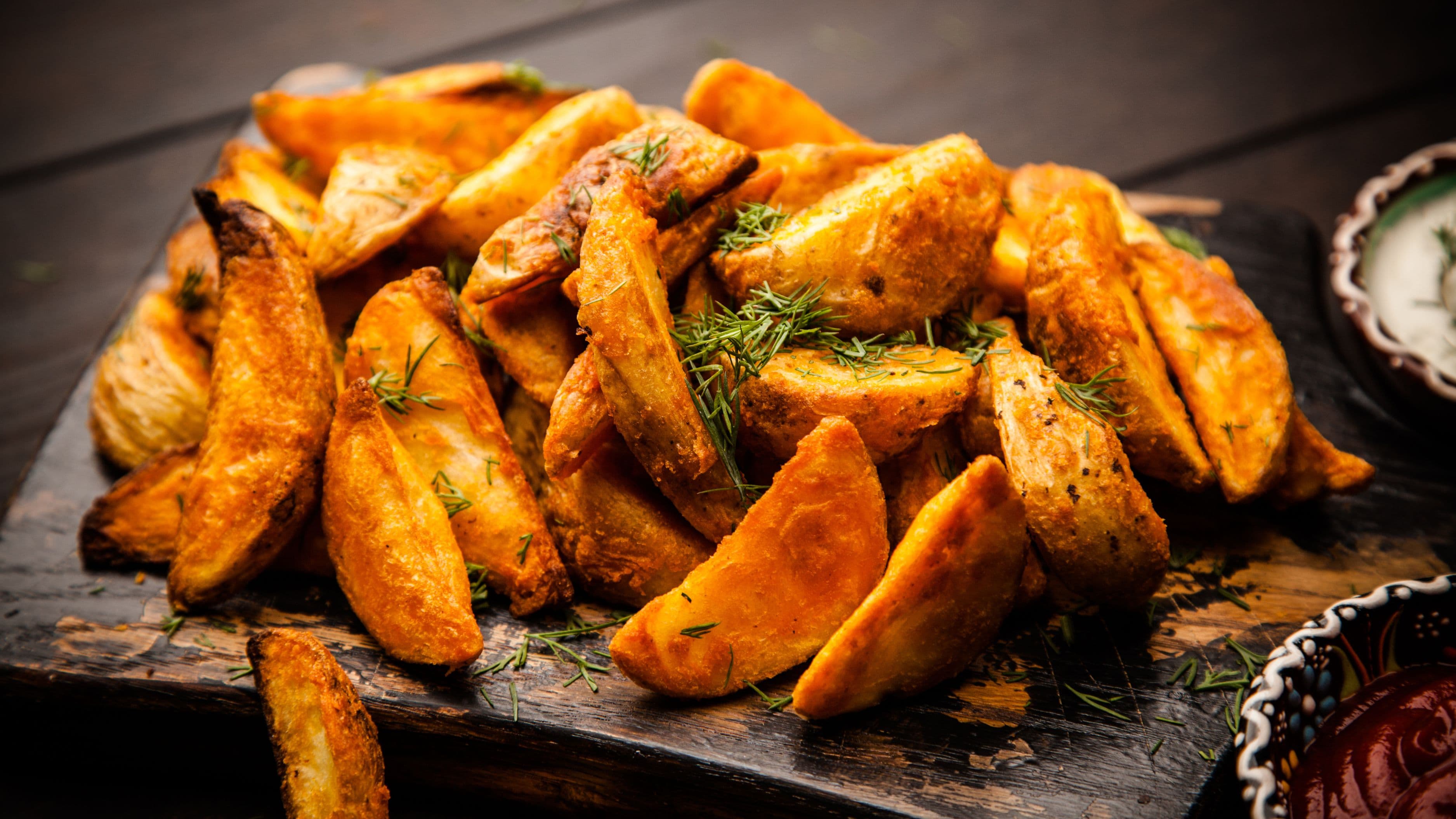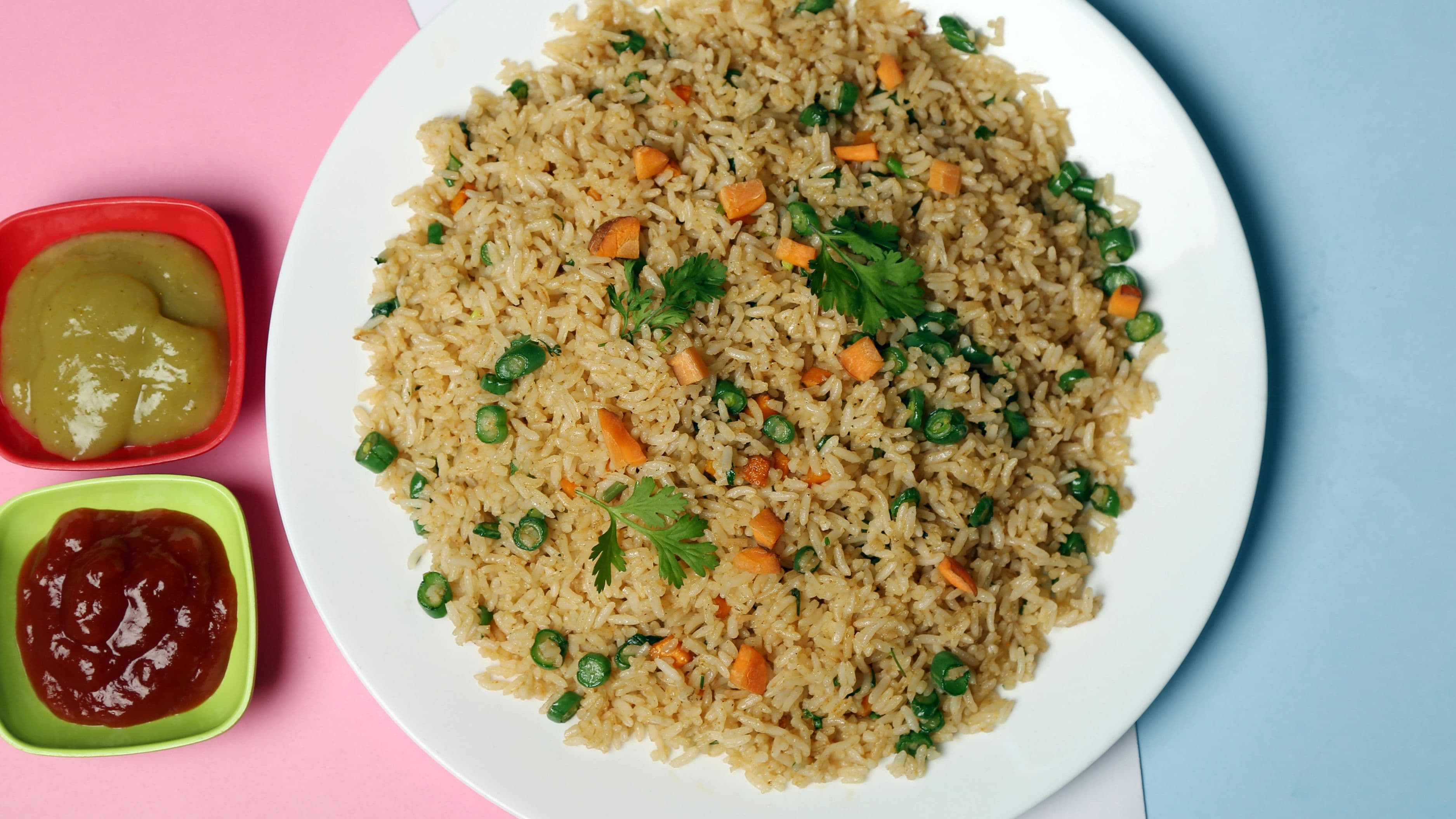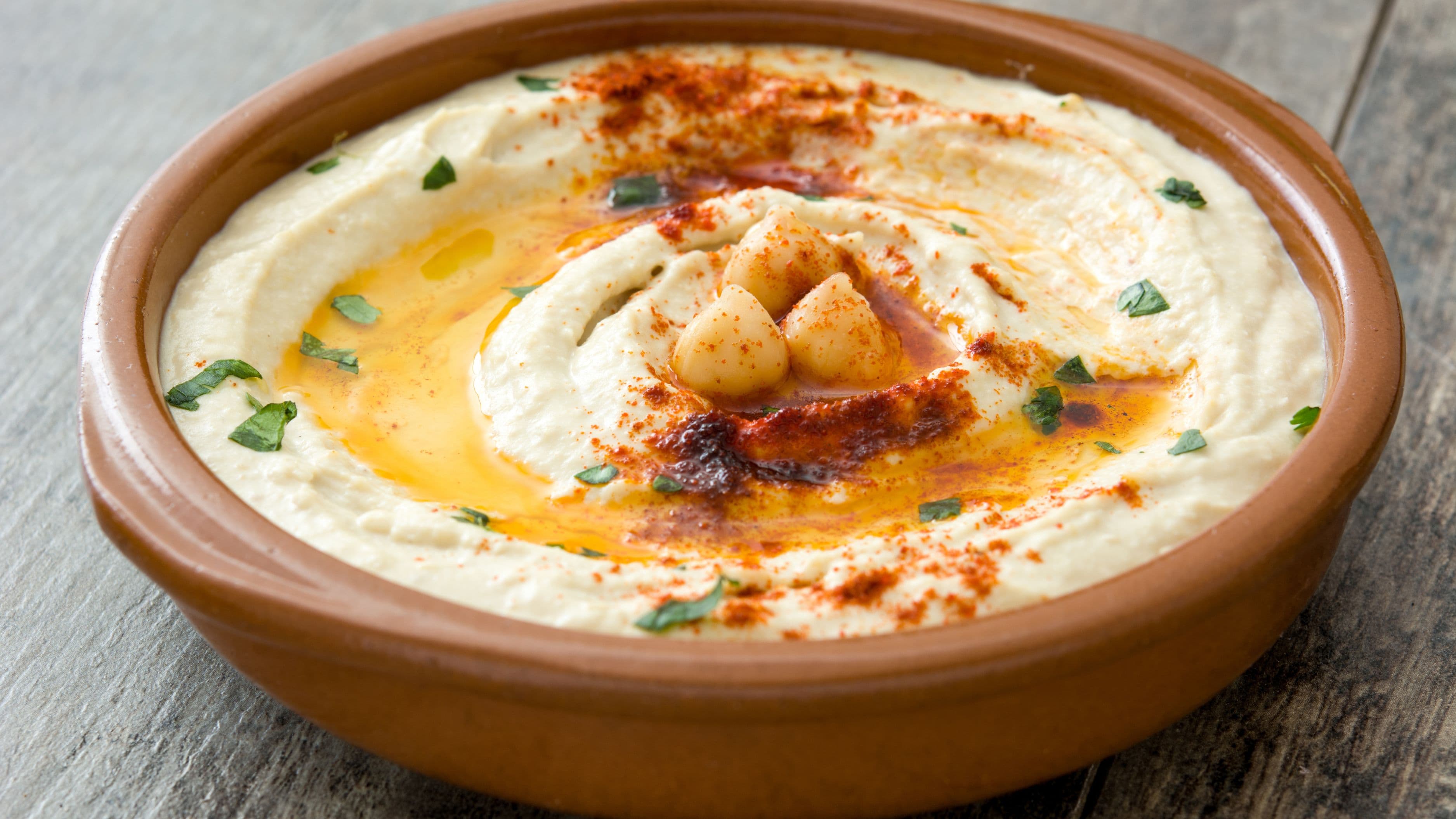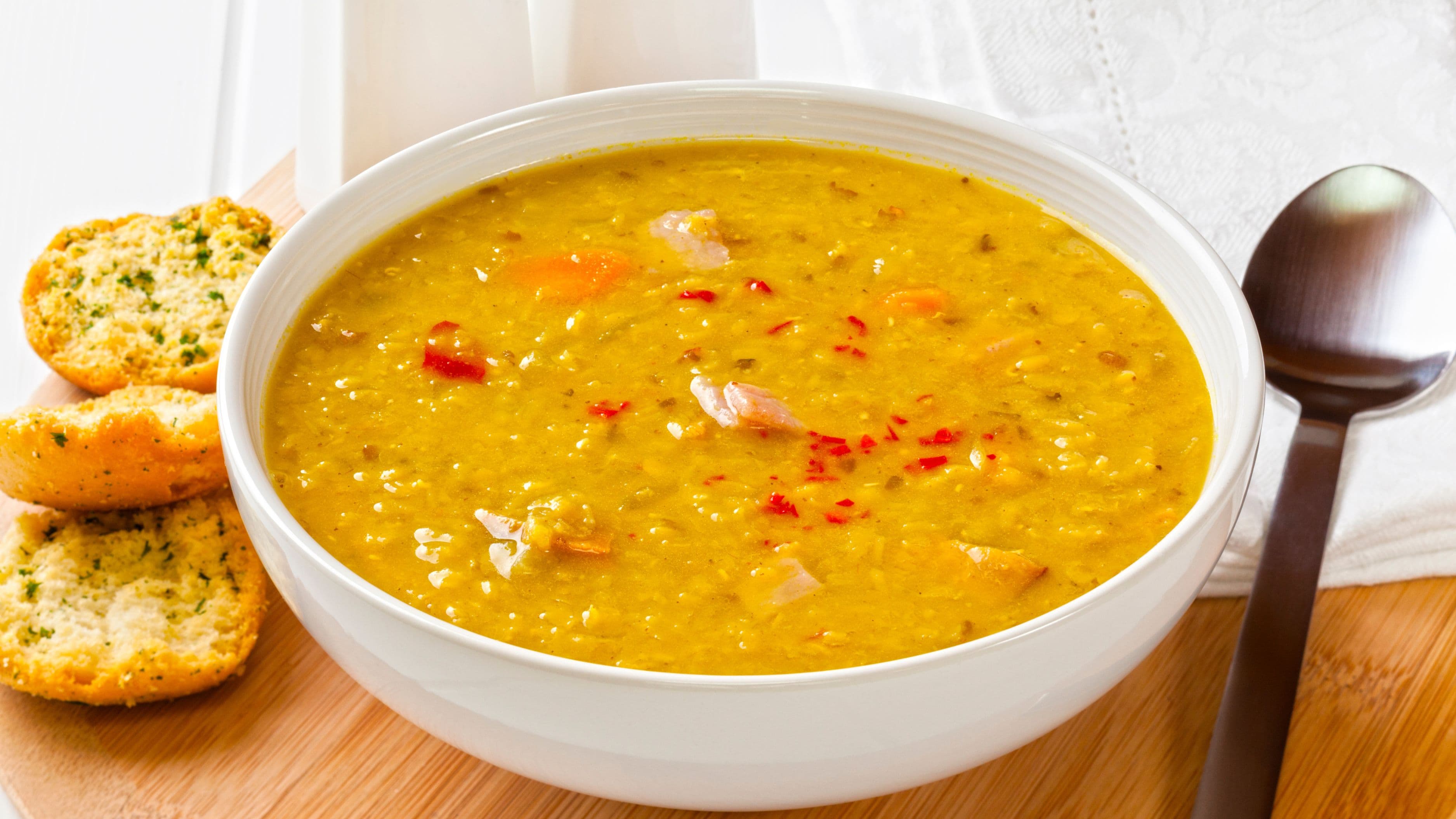
This phenomenon puzzles home cooks everywhere. We've been conditioned to believe that cooking prowess equals elaborate techniques and endless ingredient lists. Yet the most memorable meals often come from the simplest preparations. Let's explore why stripping away the unnecessary often reveals something more delicious.
1. Ingredients Actually Get to Shine
When you're working with just a handful of components, each one matters intensely. That heirloom tomato doesn't have to compete with fifteen other flavors for your attention. The basil can actually taste like basil. Your olive oil's peppery notes come through loud and clear instead of disappearing into a cacophony of competing elements.
Think about it: Italian cuisine built its reputation on this principle. A classic Margherita pizza uses tomatoes, mozzarella, basil, and dough—that's it. Each ingredient is chosen for quality, not quantity. When you bite into that pizza, you taste each component distinctly while they harmonize beautifully. There's nowhere for mediocre ingredients to hide in simple cooking, which actually makes you a better, more thoughtful shopper.
This focus creates what chefs call "ingredient integrity." You develop a relationship with your food when you can actually taste it. That connection transforms cooking from following instructions to understanding flavor at a fundamental level.
2. Your Palate Doesn't Get Overwhelmed
Human taste buds can only process so much information at once. When you layer flavor upon flavor, adding spice after spice, sauce after sauce, something curious happens: everything starts tasting the same. It's like listening to an orchestra where every instrument plays fortissimo simultaneously—you get noise, not music.
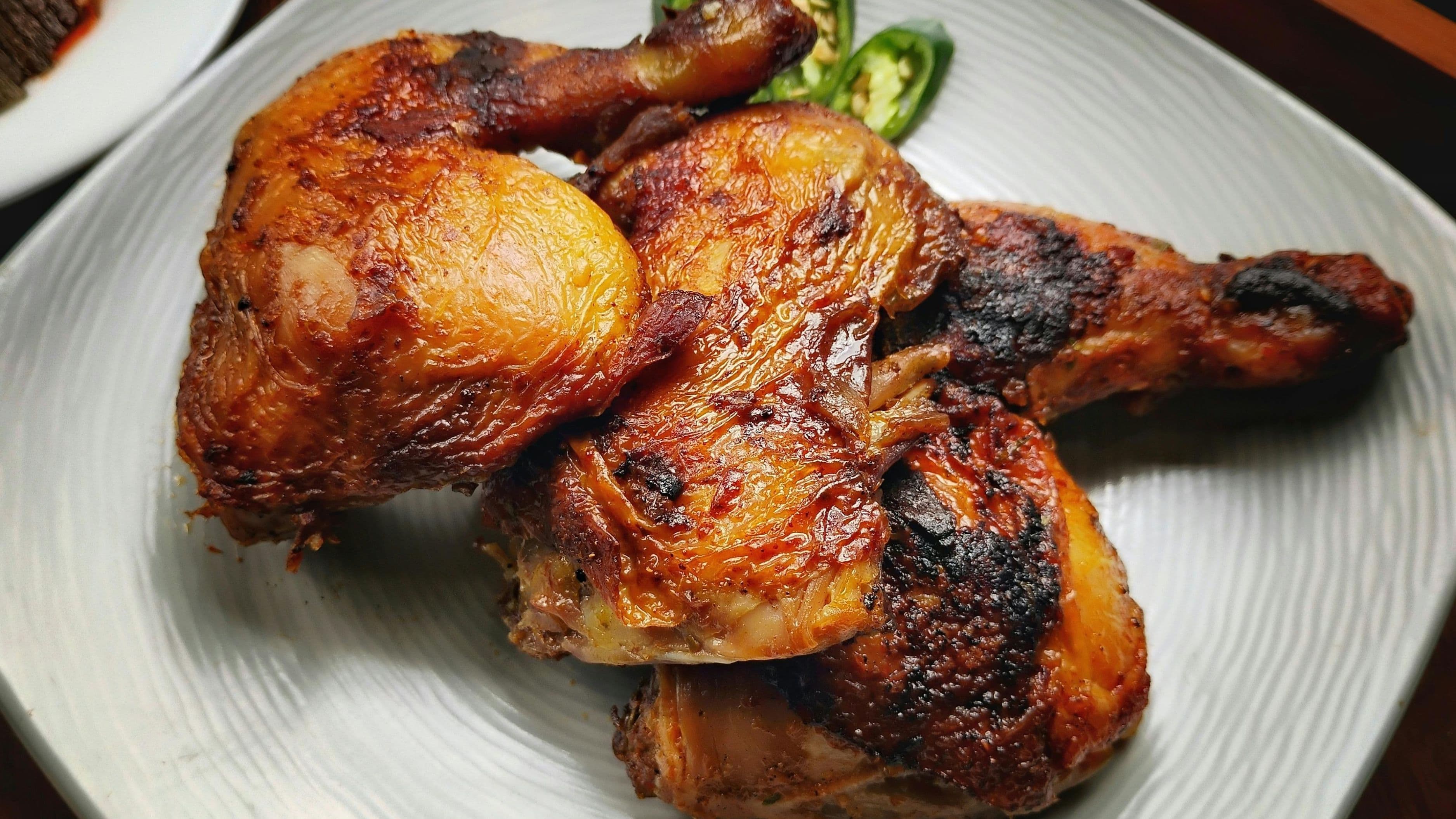
Simple recipes respect your palate's limitations. A perfectly seasoned roast chicken with lemon and herbs gives your taste buds clear messages to interpret. Salt enhances the chicken's natural savoriness. Lemon provides brightness. Herbs add aromatic complexity. Your brain can process these distinct flavors, creating a satisfying eating experience rather than sensory confusion.
Research in sensory science shows that flavor perception actually decreases when too many tastes compete simultaneously. We're evolutionarily wired to appreciate clear, identifiable flavors—it's how our ancestors determined which foods were safe and nutritious. Modern cooking that honors this biology tends to feel more intuitively "right" to us.
3. Timing and Technique Become Easier to Master
Here's something they don't tell you in cooking shows: complex recipes aren't just challenging because of ingredient lists. They're hard because they require juggling multiple cooking techniques simultaneously, each with different timing requirements. You're reducing a sauce while searing meat while blanching vegetables while checking that soufflé—and something always suffers.
Simple recipes let you focus your attention where it matters most. When you're making pasta aglio e olio—just garlic, olive oil, pasta, and chili flakes—you can concentrate on getting that garlic perfectly golden, not burnt. You notice when the pasta water is at the right starchy consistency. These details make the difference between good and extraordinary, but you'll only catch them when you're not frantically managing twelve different cooking processes.
Mastery comes from repetition and attention, not complexity. A home cook who nails a simple roast chicken has learned more valuable skills than someone who stumbles through an elaborate recipe once. Those foundational techniques—proper seasoning, understanding heat, knowing when something's done—transfer to everything you cook.
4. Fresh Ingredients Don't Need Much Help
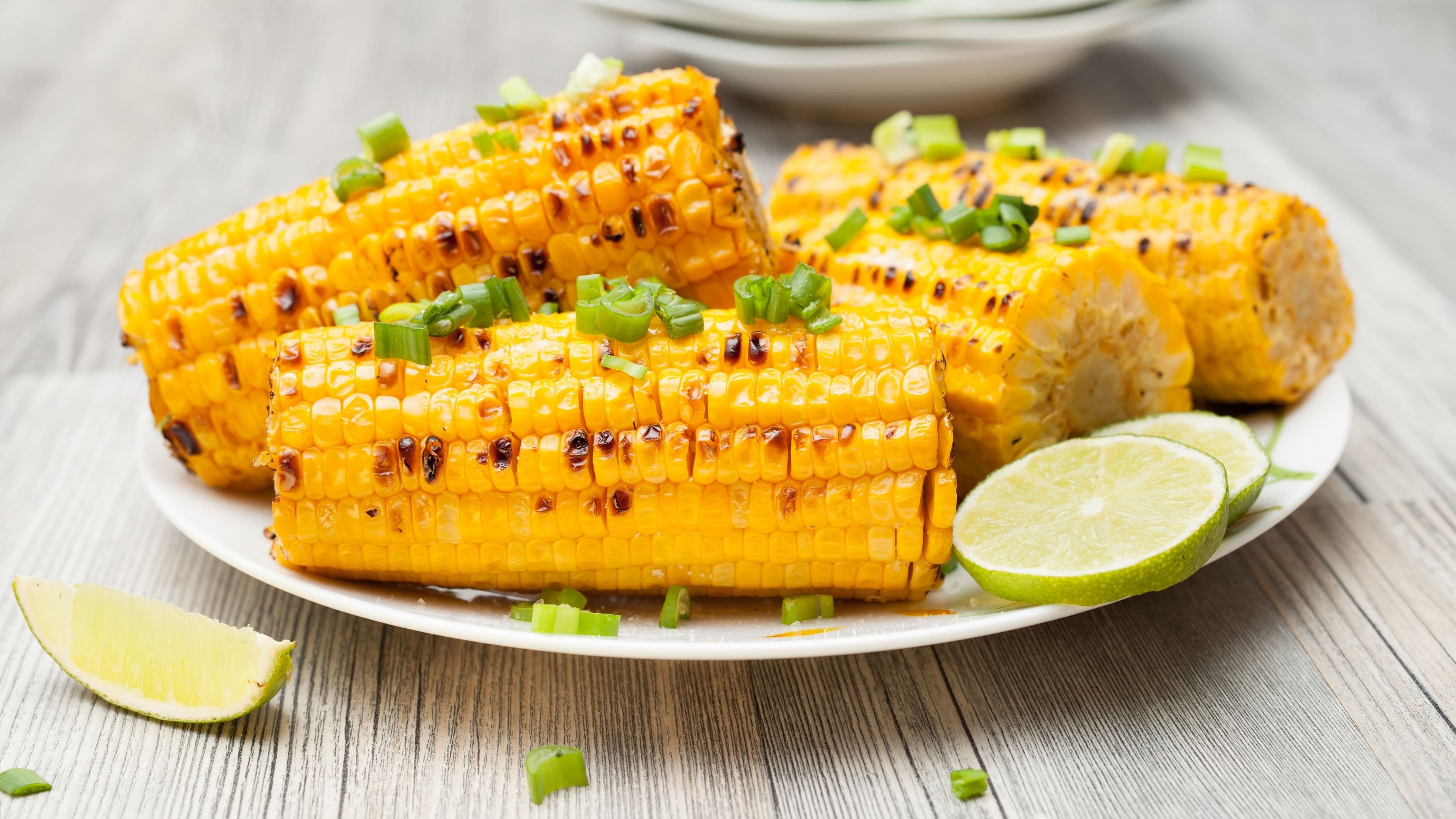
There's a reason farmers' market cooking tends toward simplicity. When you start with a sun-ripened peach or just-picked corn, culinary restraint becomes wisdom rather than laziness. These ingredients spent months developing their flavors naturally; your job is to showcase, not mask them.
Complex recipes often developed historically as ways to preserve food, stretch ingredients, or disguise less-than-fresh components. Medieval European cuisine layered heavy spices partly because they needed to cover the taste of aging meat. Modern home cooking doesn't face those challenges. Your produce is fresher, your meat is safer, your pantry is better stocked. Why cook like you're solving problems you don't have?
The best simple cooking acts as a frame for great ingredients, not a disguise. Grilled asparagus with flaky salt. Heirloom tomatoes with good balsamic. Wild-caught fish with butter and capers. These preparations whisper rather than shout, letting the ingredients tell their own stories.
5. Emotional Connection Runs Deeper
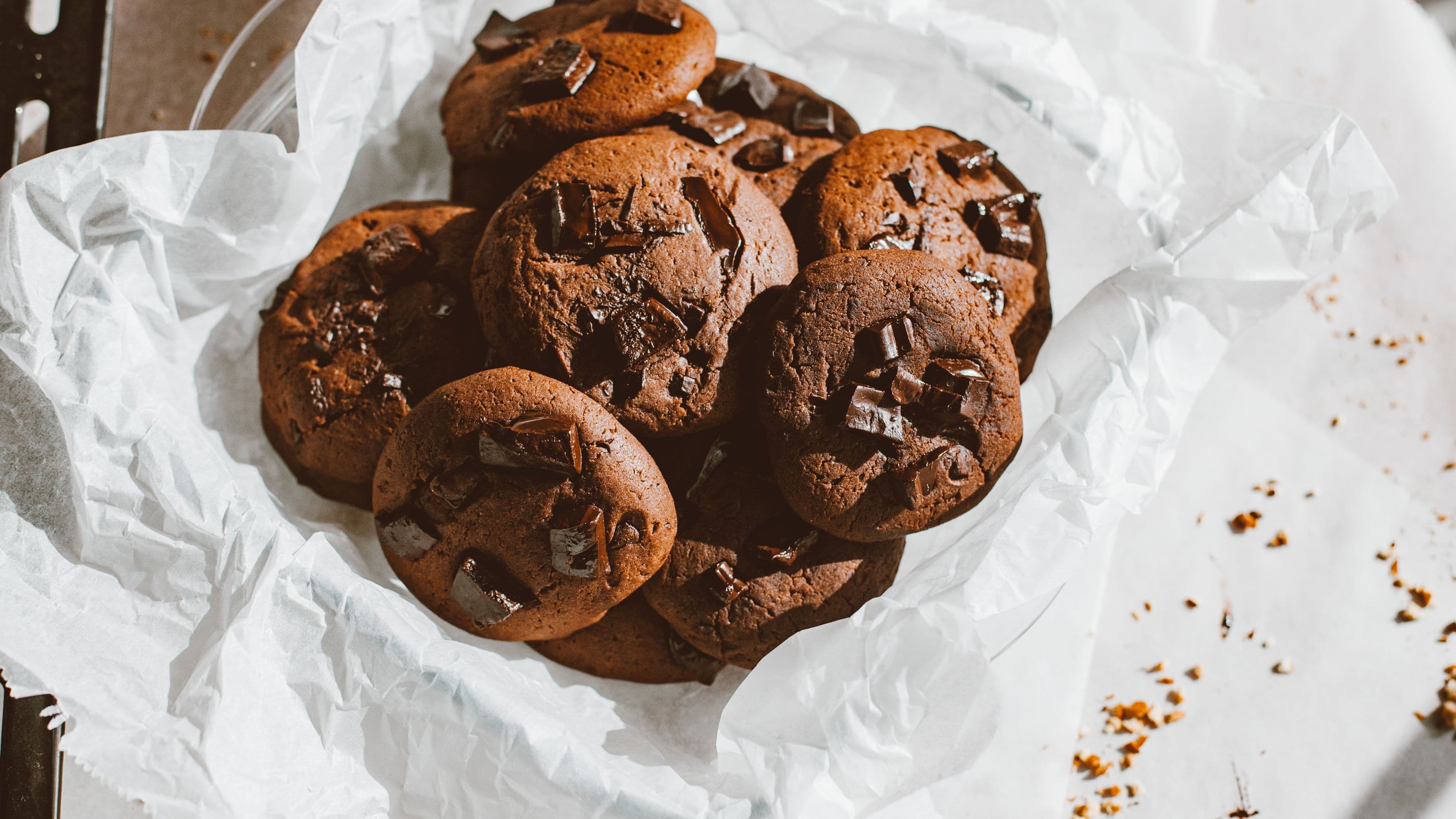
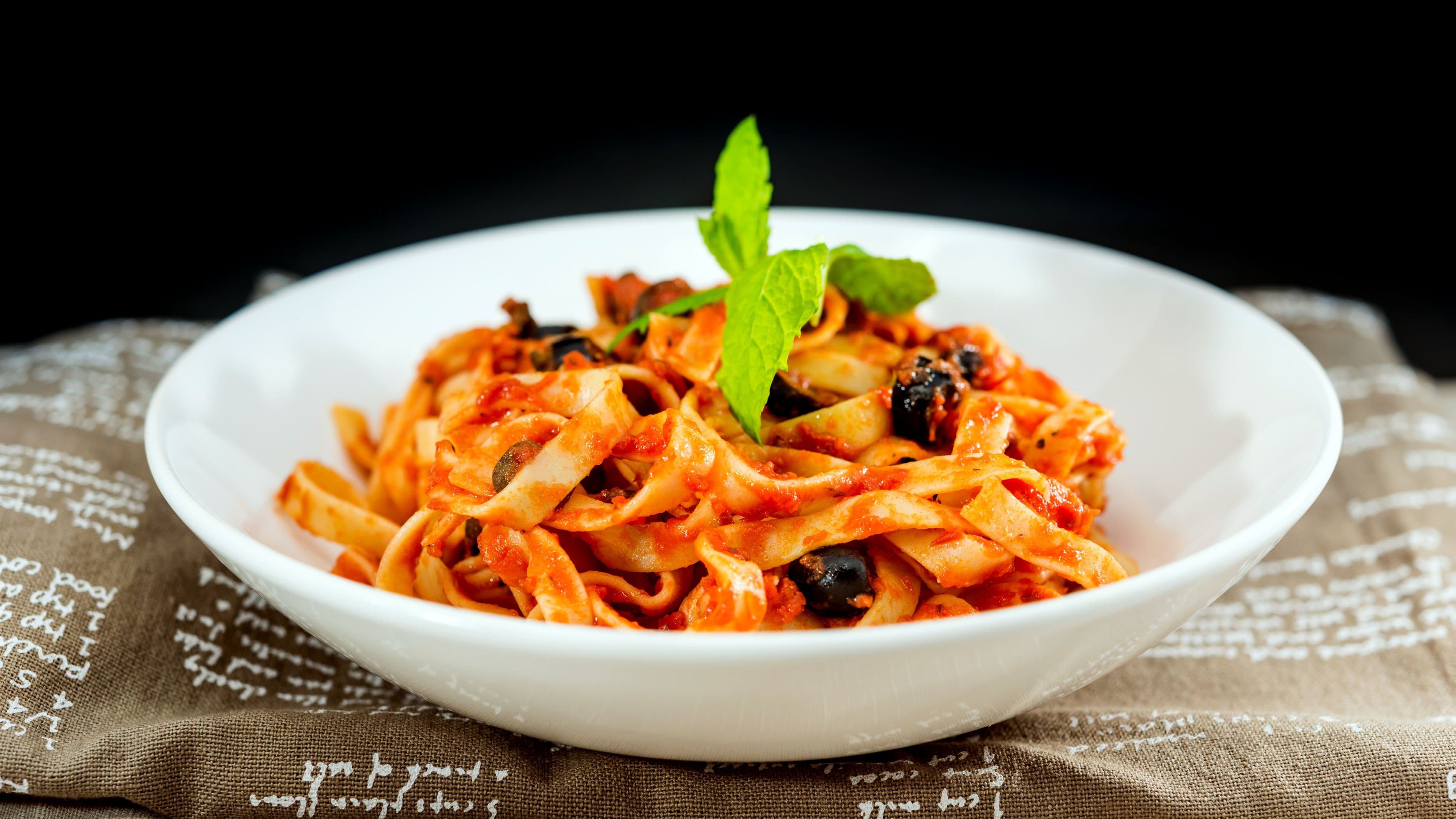
Simple recipes often carry memories and meaning that complicated dishes can't quite capture. Your mom's spaghetti with marinara sauce tastes like childhood. Grilled cheese reminds you of snow days. Chocolate chip cookies smell like your best friend's kitchen. These dishes don't need architectural plating or exotic ingredients because they're already rich with context and emotion.
Food psychology research demonstrates that emotional connection significantly influences taste perception. When you eat something tied to positive memories, your brain literally perceives it as tasting better. Simple, familiar preparations tap into these neural pathways more effectively than novel, complex dishes. There's comfort in recognition, in tasting something that feels like coming home.
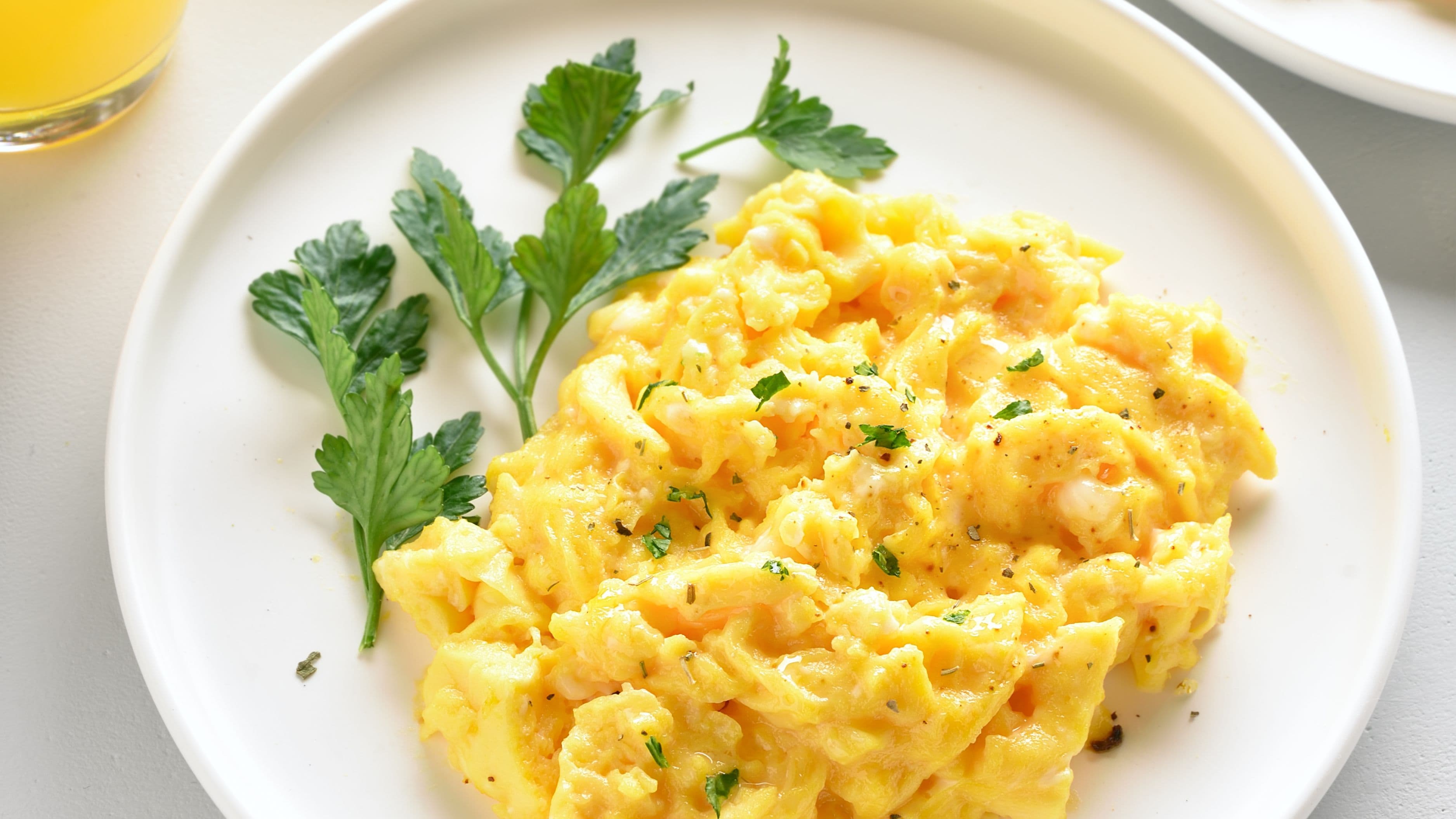
This emotional dimension explains why restaurant chefs often cook differently at home than at work. After spending all day creating intricate tasting menus, they go home and scramble eggs or make pasta with whatever's around. They're seeking that uncomplicated satisfaction that simple food provides—something that nourishes beyond just nutrients and calories.
6. Mistakes Are Harder to Make (and Hide)
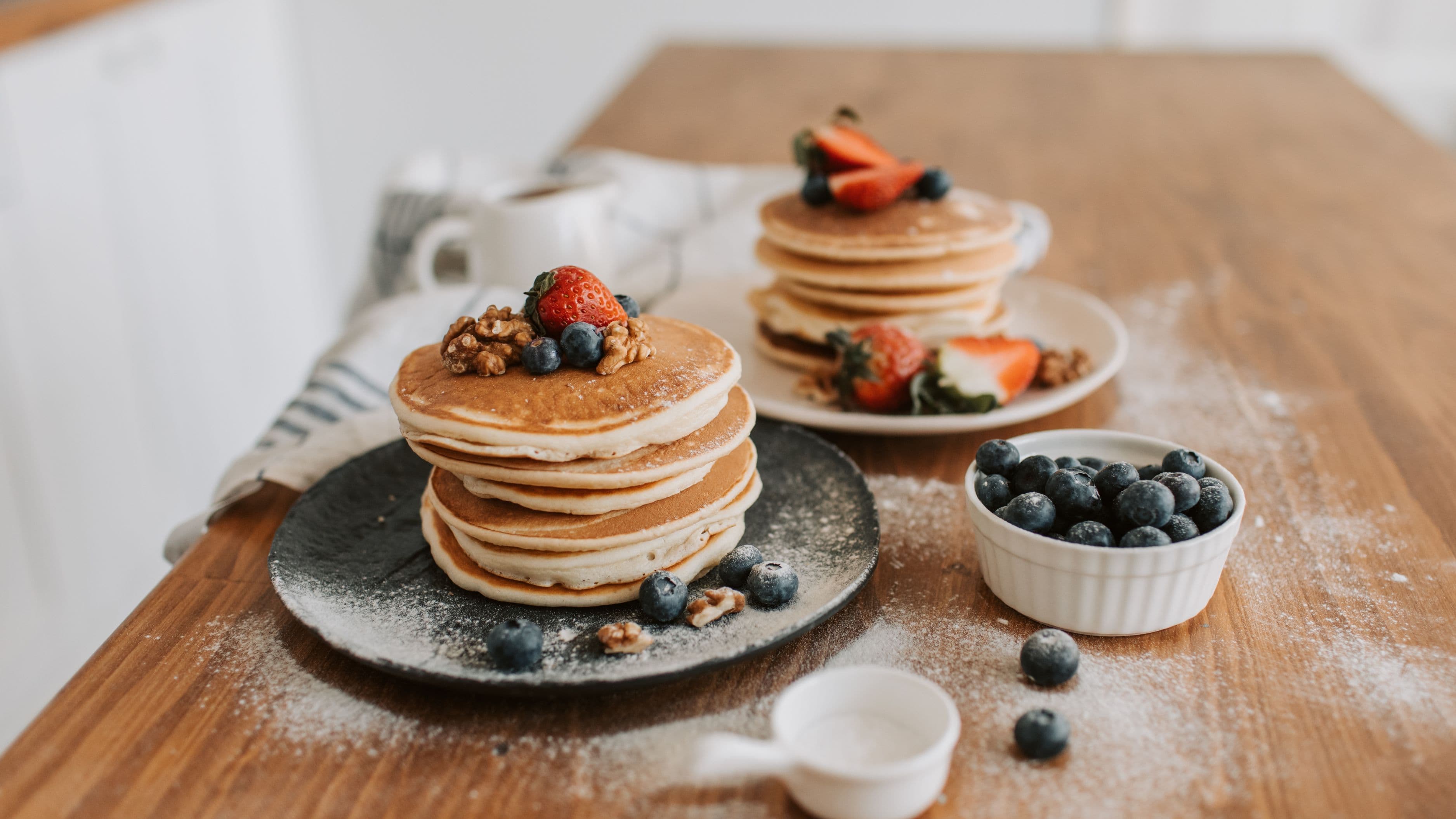
Complex recipes offer countless opportunities for things to go wrong. Forget one ingredient, misjudge one timing, and the whole dish collapses. Simple recipes are more forgiving. If your three-ingredient pancakes don't turn out perfectly the first time, you'll understand exactly what went wrong because there are only three variables to consider.
This simplicity accelerates learning. When you repeat a simple recipe, you develop intuition about how those specific ingredients behave. You notice that your garlic burns quickly, that your olive oil has a lower smoke point, that your oven runs hot. These observations build the foundation for all future cooking, but they're impossible to detect when you're drowning in complexity.
Paradoxically, simple recipes also make mistakes more obvious, which forces you to cook better. There's no elaborate sauce to hide behind, no garnish to distract from undercooked chicken. This transparency makes you more accountable, more attentive, and ultimately more skilled.
7. Balance Happens Naturally
Achieving perfect balance in cooking—the interplay of salt, fat, acid, and heat—becomes exponentially harder with each added ingredient. Simple recipes have fewer elements to balance, making harmony easier to achieve and maintain. A salad with just lettuce, lemon, olive oil, and salt finds its equilibrium quickly because there aren't many variables to adjust.
Think of it like mixing paint. Creating the perfect shade with two colors is straightforward. Add ten colors, and you're more likely to end up with murky brown than your intended hue. Flavor works similarly. Each new ingredient shifts the balance, requiring adjustments to everything else. More ingredients don't necessarily mean more flavor—often they mean muddy, indistinct flavor.
Classical French cooking, despite its reputation for complexity, actually teaches this principle. The mother sauces—béchamel, velouté, hollandaise—use just a few ingredients each. Their genius lies not in complexity but in perfect balance, in understanding how butter, flour, and milk can transform into something greater than their parts.
8. Cooking Becomes Sustainable and Joyful
Let's be honest: if every meal requires two hours, fifteen ingredients, and three specialty appliances, you're going to order takeout. Simple recipes make cooking sustainable for real life, for weeknights, for those moments when you're tired but still want something nourishing and delicious. This sustainability matters because cooking regularly—not occasionally creating showpieces—is what actually improves your skills and health.
There's profound joy in realizing you can create something delicious without stress, without a grocery store scavenger hunt, without complicated equipment. When cooking feels accessible rather than intimidating, you do it more often. You experiment more freely. You invite friends over without anxiety. This ease transforms cooking from a chore into a pleasure, from something you must do into something you want to do.
Simple cooking also tends to be more affordable and less wasteful. You're not buying single-use ingredients that sit in your pantry for years. You're learning to work creatively with what you have. This resourcefulness is its own skill, perhaps more valuable than knowing how to make a perfect consommé.
The beauty of simple cooking lies not in limitation but in liberation. When you stop trying to impress and start trying to nourish and satisfy, something shifts. You begin noticing the sweetness of properly caramelized onions, the way salt makes everything taste more like itself, how a squeeze of lemon can brighten an entire dish. These revelations don't come from complexity—they come from attention, from care, from the willingness to let good ingredients speak for themselves.
Perhaps the question isn't really why simple recipes taste better. Maybe it's why we ever believed the opposite. In a world that constantly demands more—more productivity, more possessions, more stimulation—simple cooking offers a quiet rebellion. It suggests that enough is enough, that quality trumps quantity, that sometimes the most profound experiences come from the most straightforward paths.
What might change in your kitchen if you embraced simplicity not as a shortcut, but as a philosophy?
📚 Sources
1. Spence, C., & Piqueras-Fiszman, B. (2014). The Perfect Meal: The Multisensory Science of Food and Dining. Wiley-Blackwell.
2. Chamberlain, A. (2018). "Ingredient Complexity and Consumer Preference in Home Cooking." Journal of Culinary Science & Technology, 16(3), 245-262.
3. Rozin, P. (2006). "The Integration of Biological, Social, Cultural and Psychological Influences on Food Choice." Frontiers in Nutritional Science, 3, 19-29.