Where the Difference Actually Comes From
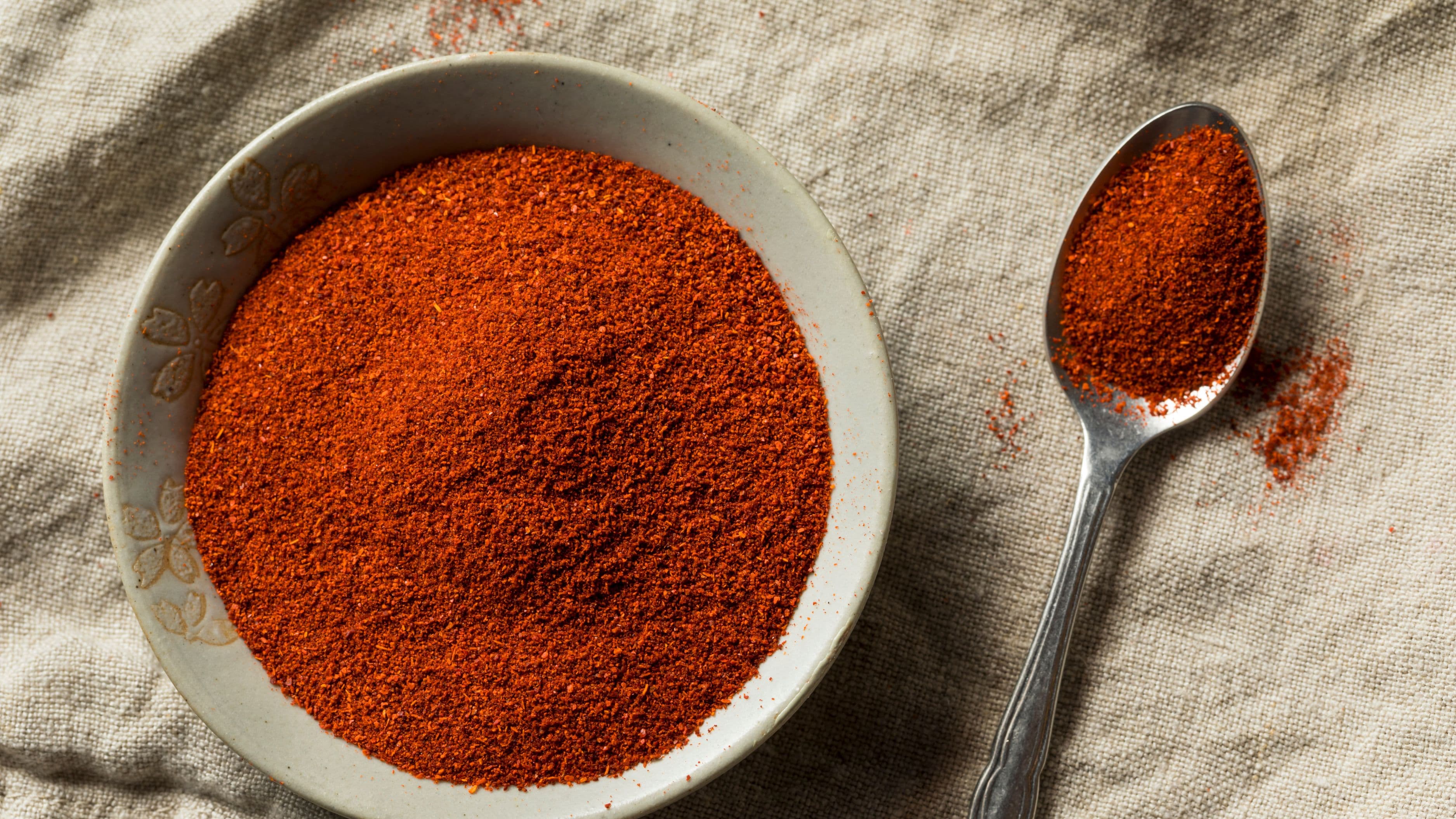
Both regular and smoked paprika start from the same basic source – dried, ground sweet or mild peppers. The difference happens entirely in how those peppers are dried before grinding. Regular paprika is made from peppers dried using conventional methods, typically hot air drying, which preserves a relatively clean, straightforward pepper flavor with mild sweetness and a subtle earthiness.
Smoked paprika, most notably the Spanish version called pimentón, is made from peppers that are slow-dried over smoldering oak wood fires, often over the course of one to two weeks. This extended smoking process doesn't just add smoke flavor on the surface – it fundamentally changes the character of the pepper itself, infusing genuine wood-smoke compounds throughout as the peppers slowly dry, which is why the resulting flavor is so much deeper and more complex than simply adding smoke flavoring afterward would produce.
What Smoked Paprika Actually Brings to a Dish
The most obvious difference is the smoky flavor itself, but what's worth understanding is how substantial and specific that smokiness is compared to what you might expect from a spice. Smoked paprika delivers a genuine wood-fire depth, similar in character to something slow-cooked over an actual fire, which is why it's so often used to add complexity to dishes that haven't actually been smoked or grilled at all.
Beyond the smoke itself, this drying process also tends to concentrate and deepen the pepper's natural sweetness, giving smoked paprika a slightly richer, more rounded flavor compared to the brighter, more straightforward taste of regular paprika. This combination of smoke and concentrated sweetness is why smoked paprika can single-handedly make a dish taste like it's had far more cooking time and complexity than it actually has.
Where Each One Actually Belongs
Regular paprika works well as a background flavor and color enhancer, adding mild warmth and a reddish hue without dominating a dish, which makes it a natural fit for dishes like deviled eggs, potato salad, or as a finishing garnish where you want color and a hint of flavor without introducing a strong new taste element.
Smoked paprika earns its place specifically in dishes where you want that deeper, fire-kissed complexity front and center: bean dishes, stews, rubs for roasted or grilled meats, and dishes like paella where its smoky depth is actually central to the dish's identity, not just a background note. It's also become a popular way to add smoky depth to vegetarian dishes specifically, since it can mimic some of the complexity that bacon or grilled meat would otherwise contribute, without needing either.
How to Substitute Between Them If Needed
If a recipe calls for smoked paprika and you only have regular on hand, you'll get a reasonable color match but will genuinely miss the smoky depth the recipe is likely relying on, so consider adding a small amount of another smoky element, like a pinch of chipotle powder, to partially compensate if the smoke flavor matters significantly to the finished dish.
If a recipe calls for regular paprika and you only have smoked, using it in a much smaller quantity than called for is worth trying first, since even a modest amount of smoked paprika can noticeably shift a dish's overall flavor profile in a way regular paprika wouldn't. This substitution works better in heartier dishes that can support some smokiness as a background note than in delicate dishes where an unexpected smoky flavor would feel out of place.
Common Mistakes to Avoid
Using smoked paprika in the same quantity a recipe calls for with regular paprika is one of the most common mistakes, since smoked paprika's flavor intensity is considerably stronger, and a direct one-to-one swap can easily overwhelm a dish that wasn't actually designed around that level of smoky depth. Starting with about half the called-for amount and adjusting from there is a safer approach when substituting smoked for regular.
It's also worth checking whether your smoked paprika is labeled sweet, bittersweet, or hot, since these varieties differ meaningfully in heat level, and using a hot smoked paprika in a dish expecting the mild, sweet version can introduce more spiciness than intended.
FAQ
Is smoked paprika spicier than regular paprika? Not inherently – both come in sweet and hot varieties. The smoking process affects flavor complexity and depth, not heat level directly, so checking the specific label for sweet versus hot designation matters more than assuming smoked automatically means spicier.
Does smoked paprika lose its smokiness over time in storage? Yes, like most ground spices, smoked paprika's flavor intensity gradually diminishes over time, typically within 1-2 years of opening, so it's worth replacing periodically rather than assuming an older jar delivers the same flavor impact as a fresh one.
Can I make my own smoked paprika at home? This is genuinely difficult to replicate authentically without the specific slow wood-smoking process traditional Spanish pimentón uses, though some home cooks approximate a milder version using a smoker or grill to slowly dry peppers before grinding, with noticeably different results than the traditional product.
Is Hungarian paprika the same as Spanish smoked paprika? No – Hungarian paprika is typically the non-smoked variety, known for a wide range of heat levels and flavor intensities depending on the specific grade, while smoked paprika (pimentón) is specifically associated with Spanish production methods using the wood-smoking process.