This guide covers those things. Not a single recipe, but the principles behind every good soup. Once you understand them, you can make almost any soup from scratch and have it actually taste the way you hoped.
The First Problem: Skipping the Foundation
Good soup doesn't start when you add the stock. It starts earlier – with the aromatics you build flavour from before any liquid enters the pot. Onion, celery, carrot, leek, garlic – whichever combination makes sense for what you're making – need to cook properly in fat before anything else happens.
This process is called sweating or softening the aromatics, and it's doing real work. As the onion and other vegetables cook in oil or butter over medium heat, their cell walls break down, their sugars release, and the compounds responsible for flavour transform from sharp and raw into something sweet, rounded, and complex. This takes longer than most people give it. Ten to fifteen minutes, not two or three. The aromatics should be completely soft, translucent in the case of onion, and beginning to smell noticeably good before you add anything else.
If you rush this step – throwing aromatics into the pot, giving them a brief stir, then pouring in liquid almost immediately – the soup will taste of raw onion underneath everything else, or more often, of very little at all. The foundation hasn't been built.
The Second Problem: Stock Matters More Than You Think
Water-based soup can work, but it requires excellent ingredients and a long simmer to develop flavour on its own. Most home cooks don't have time for that. Stock is the practical answer – it brings background depth that water simply can't provide.
The honest truth about stock is that good shop-bought stock is genuinely fine. You don't need to make it from scratch every time. What you need is a stock that tastes good on its own. Before adding it to your soup, taste it from a spoon. If it tastes thin, salty in a one-dimensional way, or simply not very good, that flavour problem will only amplify as it becomes the backbone of your dish. Look for liquid stock over stock cubes where possible – the flavour profile is usually rounder and less aggressively salty. Low-sodium versions give you more control over seasoning as the soup reduces.
If you're using stock cubes, dissolve them in slightly less water than the packet suggests and taste before adding. Adding more water is easy; fixing an over-salted soup is harder.
For certain soups – a good chicken noodle, a clean vegetable broth, a proper ramen – the stock really does make the difference between ordinary and exceptional. If you have bones, vegetable scraps, or the carcass from a roasted chicken sitting in your freezer, an hour of simmering them in water produces something stock cubes can't replicate.
The Third Problem: Not Seasoning in Layers
Seasoning at the end of cooking – the moment before you serve – is one step, not the only step. Soup that's only seasoned at the end often tastes oddly flat despite having the right amount of salt, because the seasoning hasn't had a chance to integrate with the other flavours.
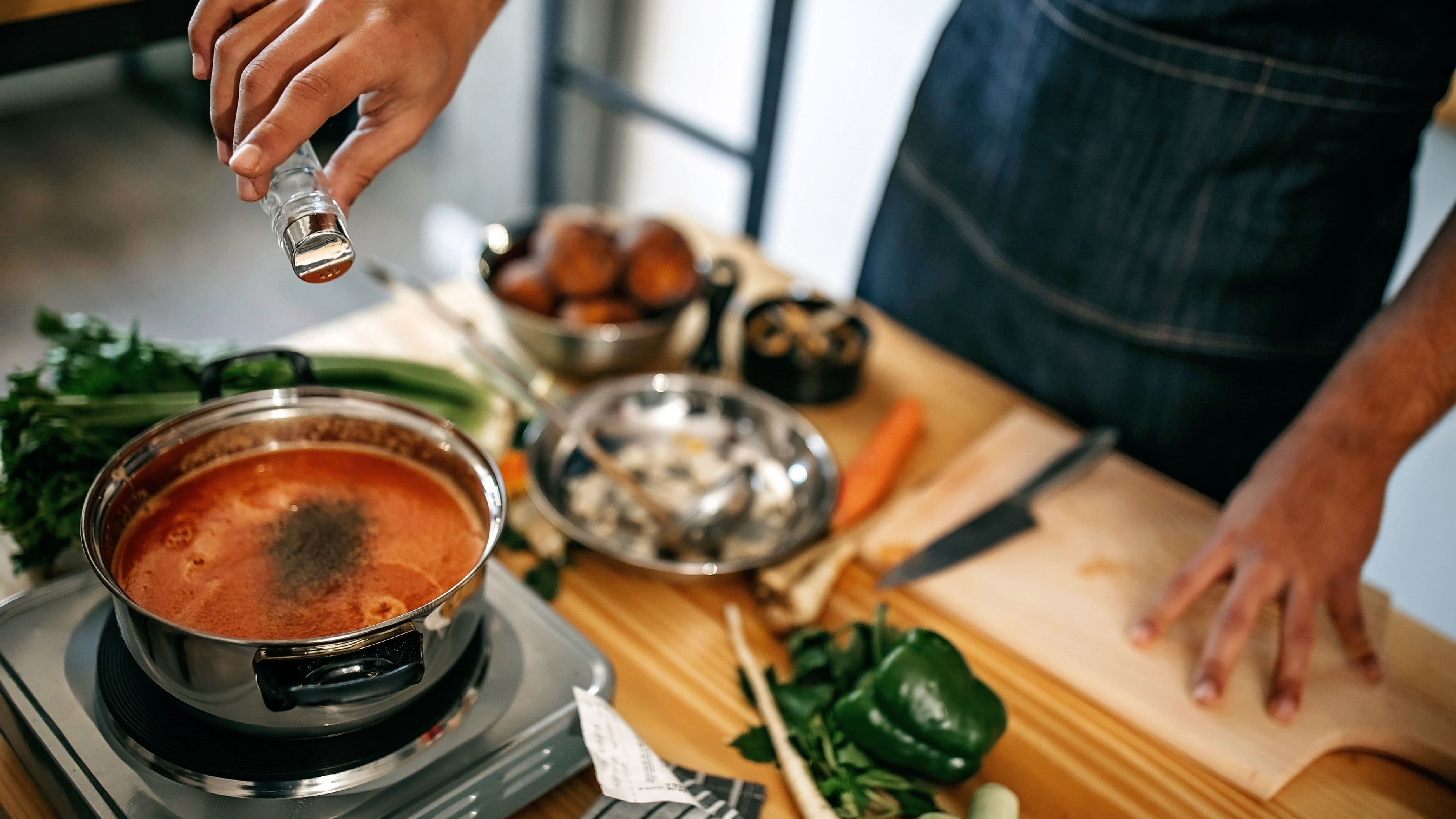
Season at the aromatics stage with a pinch of salt. It helps them release moisture and cook down properly. Season when you add the main vegetables or protein. Season when you add the stock. And yes, season again at the end, tasting carefully and adjusting. Each round of seasoning is doing something different – early salt shapes how ingredients cook; late salt sharpens and defines the finished flavour.
Pepper follows the same logic. Adding black pepper early in cooking produces a warmer, more integrated heat. Adding it at the end gives you a more assertive, sharper note. Both have their place depending on what you're making.
The Fourth Problem: Nothing to Brighten It
Even a well-built soup with excellent stock and properly seasoned aromatics can land flat if it's missing brightness – acidity or freshness that lifts the other flavours and makes the soup feel complete.
A squeeze of lemon juice, a splash of white wine vinegar, or a small dash of something fermented (a spoonful of miso stirred in at the end, a teaspoon of fish sauce quietly added, a drizzle of good balsamic for a tomato-based soup) can transform a technically correct but somehow disappointing soup into one that makes you go back for a second bowl. This isn't about making the soup taste sour – you're adding just enough acid to activate the flavours already there. Start conservatively, taste as you go, and stop when the soup tastes like itself but more so.
Fresh herbs added at the end do something similar. Parsley, coriander, chives, basil, tarragon, dill – these are finishing ingredients, not cooking ingredients. Their flavour is volatile and disappears with heat. Add them in the last minute or stir them into individual bowls rather than into the pot, and they add a freshness that cooked herbs simply can't provide.
How to Build Flavour When You Have Limited Ingredients
Not every soup starts with the ideal combination of quality stock, fresh aromatics, and good produce. Sometimes you're making soup from what's in the fridge, and the ingredients are modest. There are a few techniques that do disproportionate work in these situations.
Toasting dry spices. If your soup includes cumin, coriander, smoked paprika, turmeric, or any other ground spice, add them to the dry or lightly oiled pan before the aromatics and let them cook for 30–60 seconds over medium heat. This activates fat-soluble flavour compounds that don't fully express in liquid. The difference between spices added dry to the pot early versus spices added straight to wet soup is noticeable.
Browning something. Colour equals flavour. If your soup includes meat, brown it properly before adding liquid – not a light grey steam, but actual browning on the outside in hot fat, with some caramelisation developing. Same for mushrooms, which should be cooked in a dry hot pan or with minimal oil until they release their moisture and start to take on colour. If you're making a pureed vegetable soup, roasting the vegetables in the oven before blending them into stock gives a depth that steaming or simmering the same vegetables directly in liquid simply doesn't.
Parmesan rinds. If you have a rind from a block of Parmesan or Pecorino, drop it into the pot while the soup simmers. It adds a savoury umami quality and a subtle richness that builds background flavour in a way that's hard to put your finger on but obvious in the result. Remove it before serving.
A small amount of fat to finish. A drizzle of good olive oil over the surface of a finished soup, a small knob of butter stirred in at the end, or a spoonful of cream in the right context rounds out the texture and carries flavour in a way that a lean, water-forward soup can't achieve. Fat isn't just about richness – it's a flavour carrier that makes everything else taste more of itself.
The Specific Problem With Pureed Soups
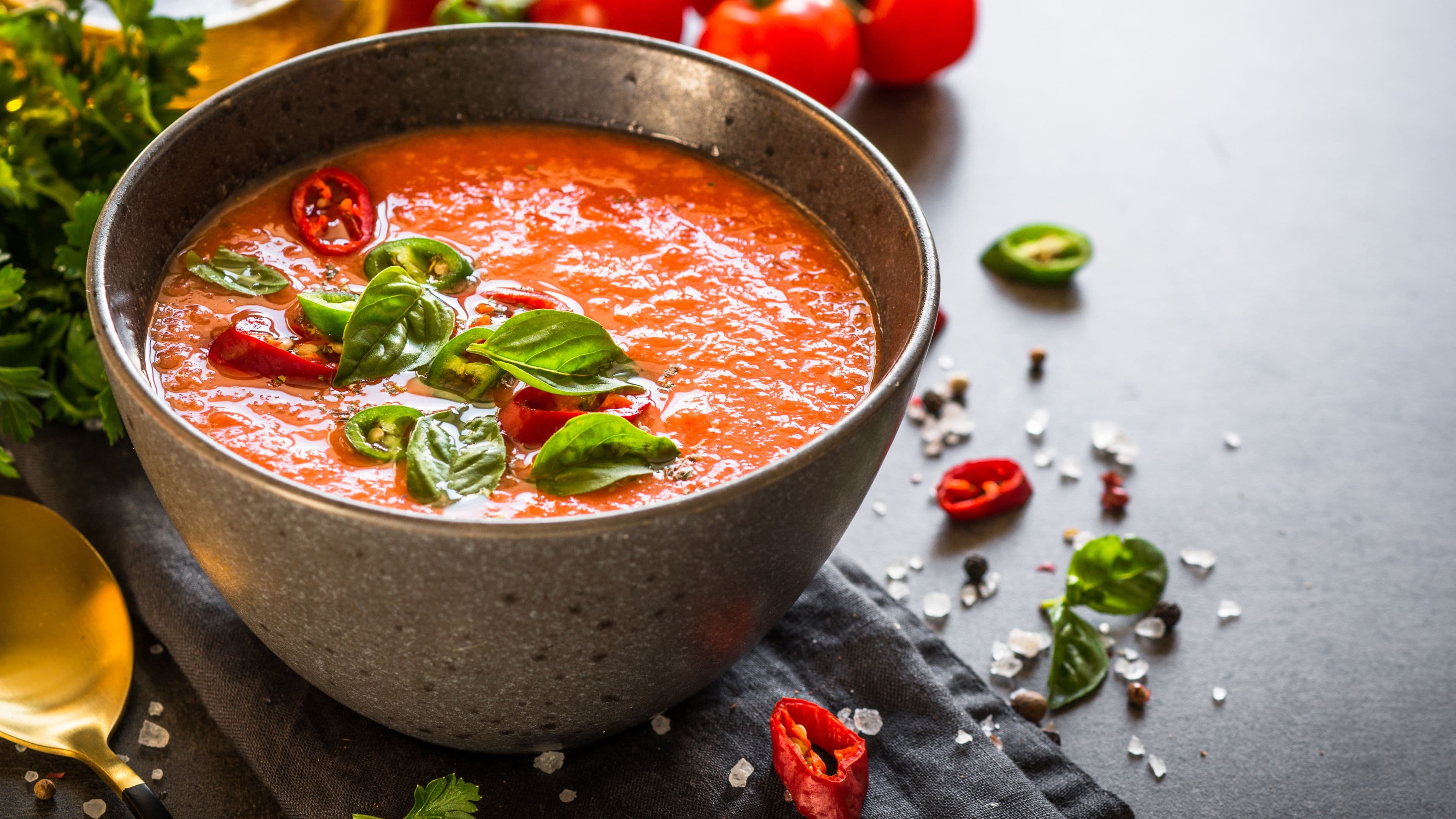
Blended soups – carrot, butternut squash, broccoli, tomato – have an additional challenge: once everything is pureed, the texture is doing a lot of the work, and if the base flavour isn't there, there's nowhere to hide.
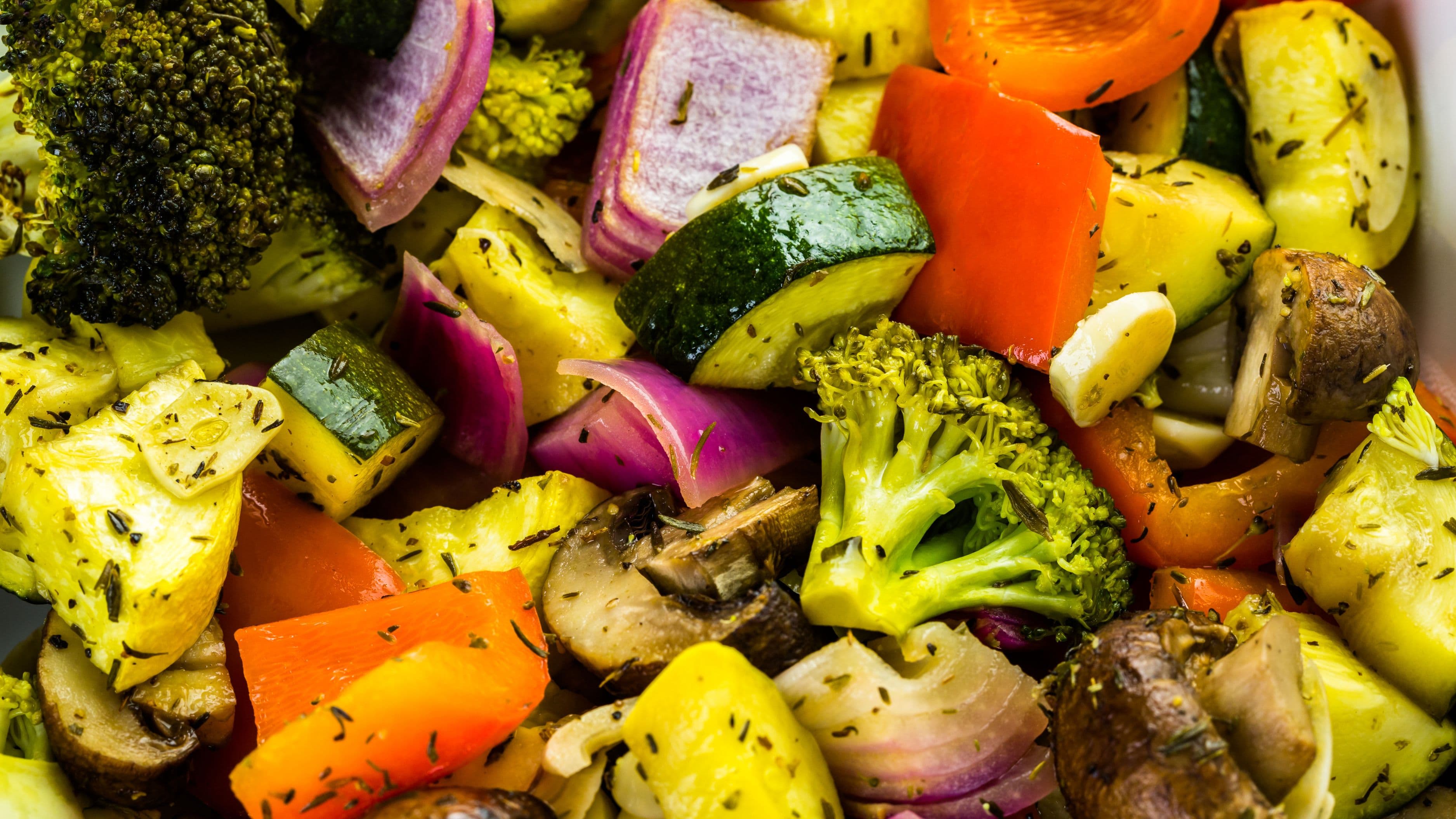
The most reliable fix is to roast rather than boil the main vegetable. A butternut squash that's been halved, oiled, and roasted cut-side down at 200°C / 400°F for 40–45 minutes develops caramelised edges and concentrated flavour that a squash cubed and simmered in stock for 20 minutes simply doesn't have. The extra time is worth it.
When blending, blend longer than you think you need to. A truly smooth, silky pureed soup takes 60–90 seconds of blending per batch in a good blender, not 15 seconds. Under-blended soup has a slightly grainy texture that reads as cheap even if the flavour is good.
Always taste the pureed soup before serving and adjust seasoning at this stage, not before blending. The texture change affects how flavours land on your palate – what tasted right before blending often needs more salt and brightness afterwards.
Texture: The Forgotten Component
A soup that tastes good but has no textural variety can still feel incomplete. A garnish, a topping, or a contrast element makes eating the bowl an experience rather than just consumption.
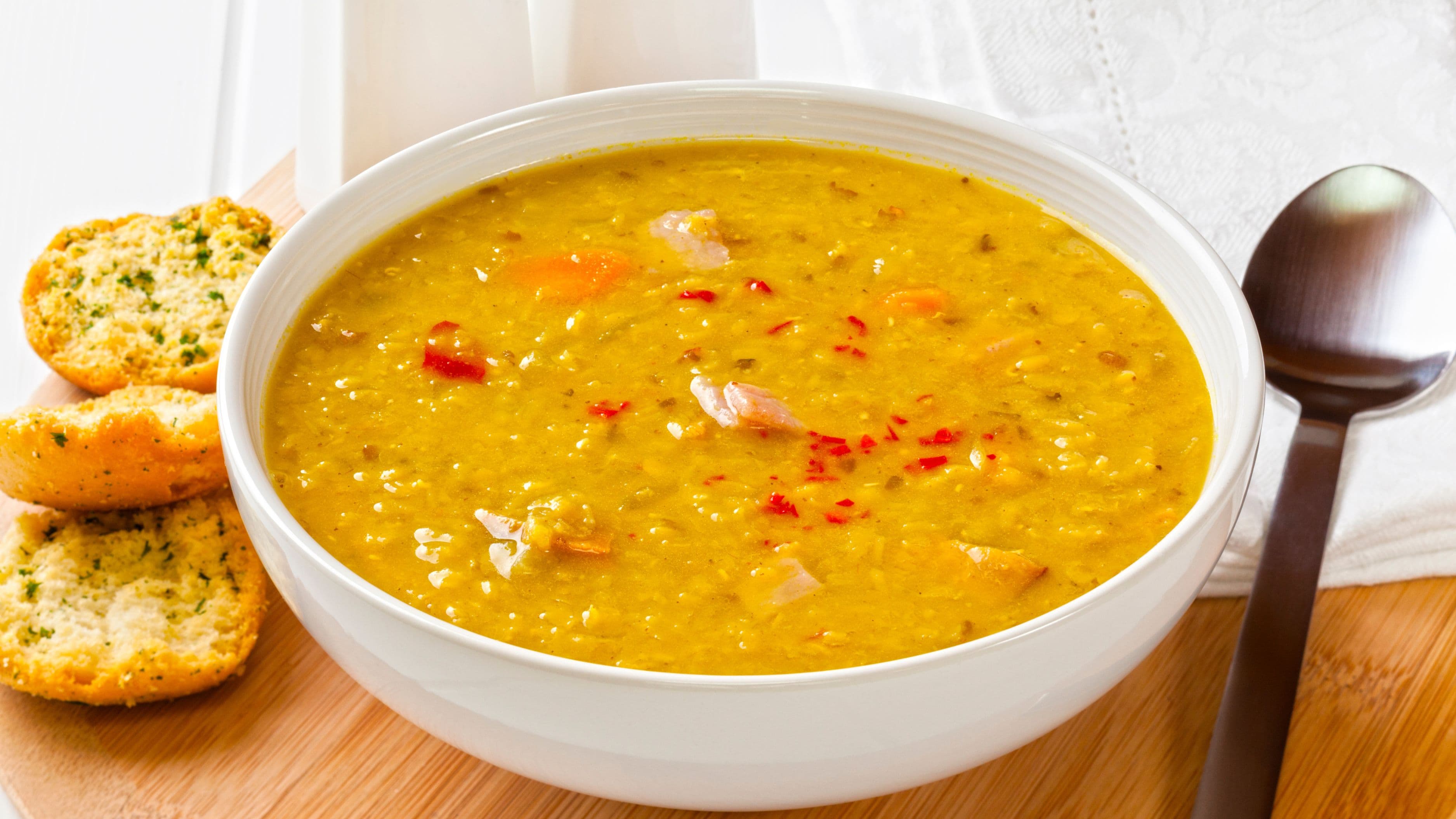
Croutons, toasted seeds, a swirl of cream, crispy fried shallots, a handful of fresh herbs, a drizzle of chilli oil, a dollop of crème fraîche – these aren't decoration. They add textural contrast, temperature variation, and secondary flavour that elevates the bowl. Even a good piece of bread alongside or served underneath changes how the soup is experienced. Pick one thing and make it count rather than trying to add five different garnishes to the surface.
A Simple Framework for Any Soup
Whatever you're making, this sequence gives you the best starting point.
Start by building aromatics in fat over medium heat until completely soft and fragrant. Add any dry spices and toast briefly. Add your main vegetables, protein, or other core ingredients and give them a few minutes in the pot. Add your stock and bring to a simmer. Cook until everything is done – soft for a pureed soup, tender for a chunky one. Season in stages throughout, not just at the end. Brighten with acid at the finish. Add fresh herbs and a finishing fat if appropriate. Taste one final time and adjust.
That sequence won't guarantee a great soup on its own – your ingredients and your taste throughout the process are what make it great. But it will prevent the most common failures that turn soup into the culinary equivalent of a wet Tuesday afternoon.
What to Avoid
Don't add stock before your aromatics are properly cooked. Adding cold liquid to barely-cooked aromatics stops the softening process and produces a noticeably raw-tasting base.
Don't over-salt early and under-taste late. Early seasoning shapes the cooking; you still need to taste and adjust at the end every time. The amount of salt a soup needs when it's finished is different from what it needed at the start.
Don't boil the soup aggressively once the stock is in. A gentle simmer extracts flavour and allows it to develop; a hard boil pushes fat and scum into the liquid, makes the broth cloudy, and can turn vegetables to mush faster than you expect. Low and slow is right for soup once the liquid is in.
Don't skip the rest. Most soups taste better after sitting for 10–15 minutes off the heat. Flavours settle and integrate in a way they don't at a full simmer. If you have time, make the soup 20 minutes before you want to eat it.
FAQ
Why does my soup taste fine but somehow thin? Thinness in taste usually means underdeveloped aromatics, weak stock, or insufficient seasoning – often all three together. Try building the aromatics longer next time, using better stock, and seasoning more assertively in layers. A small amount of finishing fat (olive oil or butter) also adds perceived body.
My soup is over-salted. Can I fix it? Adding more liquid dilutes the saltiness but also dilutes flavour. A better fix is adding something starchy – a potato or two simmered in the soup and then removed or blended absorbs some salt. A squeeze of lemon juice can reduce the perception of saltiness at the edges of the flavour. Prevention is easier: season cautiously until near the end, especially if your stock is already well-seasoned.
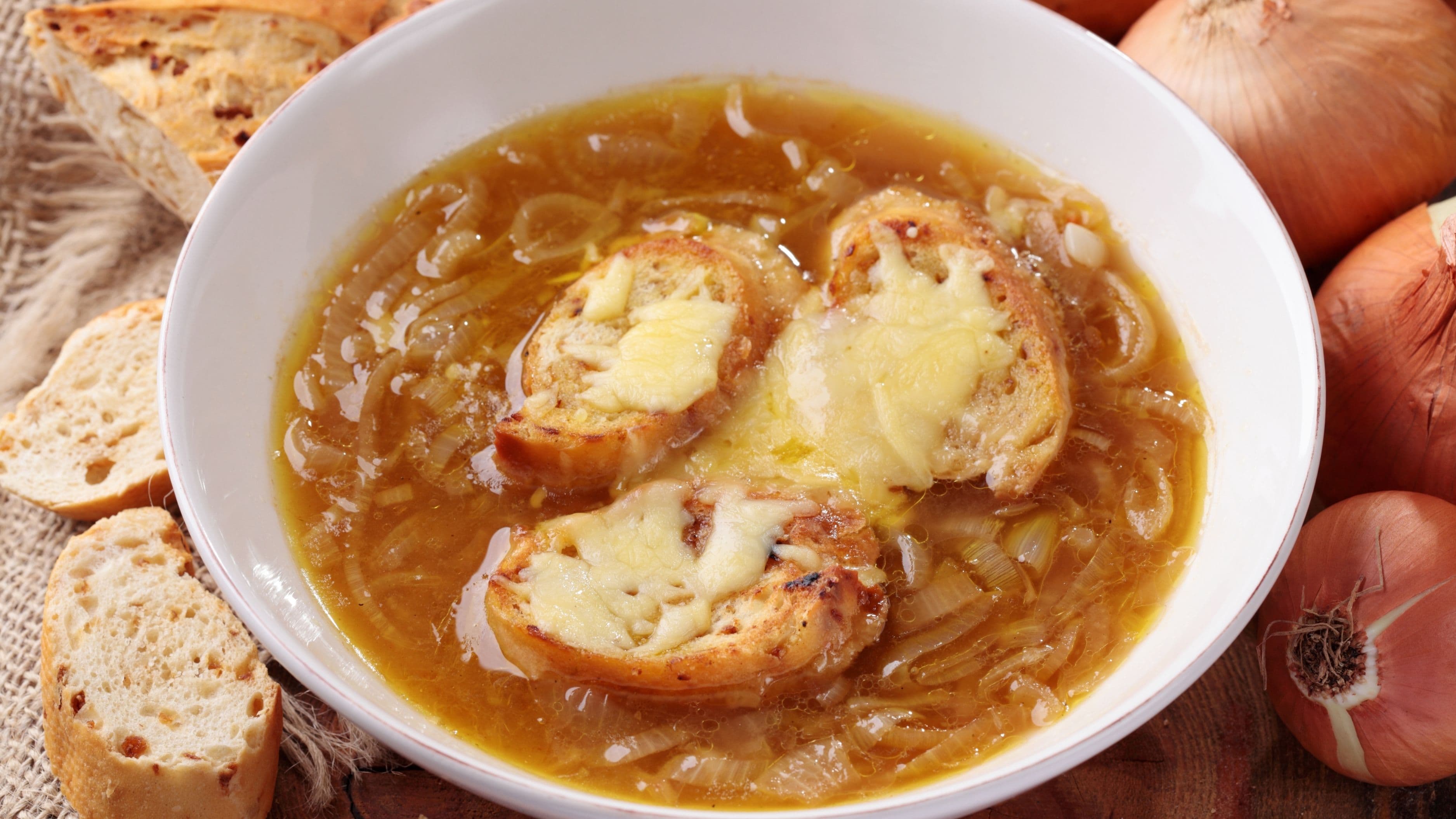
Can I make a good soup without any stock? Yes, if you build enough flavour otherwise. A deeply caramelised onion soup base, a miso-enriched broth, or a long-simmered bean soup can work without traditional stock. The longer cook time and stronger aromatics compensate for the absence of stock-based depth.
When should I add cream to a soup? At the end, off the heat or on very low heat. Adding cream to a vigorously simmering soup can cause it to split or become grainy. Stir it in at the very end, heat gently if needed, and don't let it boil.
How do I know when a chunky soup is properly seasoned? Taste a piece of the main ingredient on its own, not just the broth. If the vegetable or meat tastes underseasoned on its own, the soup needs more salt. The broth being flavourful while the solids taste bland is a sign that seasoning was added too late in the process.
📚 Sources
Serious Eats – The Importance of Aromatics in Soup: https://www.seriouseats.com/how-to-make-great-soup
America's Test Kitchen – Building Flavour in Soups and Stews: https://www.americastestkitchen.com/articles/3299-how-to-build-flavor-in-soups
The Food Lab (J. Kenji López-Alt) – Understanding Stock and Broth: https://www.seriouseats.com/what-is-the-difference-between-stock-and-broth
Salt, Fat, Acid, Heat (Samin Nosrat) – On Seasoning in Layers: https://www.simonandschuster.com/books/Salt-Fat-Acid-Heat/Samin-Nosrat/9781476753836
BBC Good Food – How to Make Perfect Soup: https://www.bbcgoodfood.com/howto/guide/how-make-perfect-soup