If you've wanted to try cooking a spread of Spanish tapas at home but didn't know where to start, this guide covers the essentials – what to make, how to approach it, and how to pull a cohesive spread together without spending your entire day in the kitchen.
What Tapas Actually Are
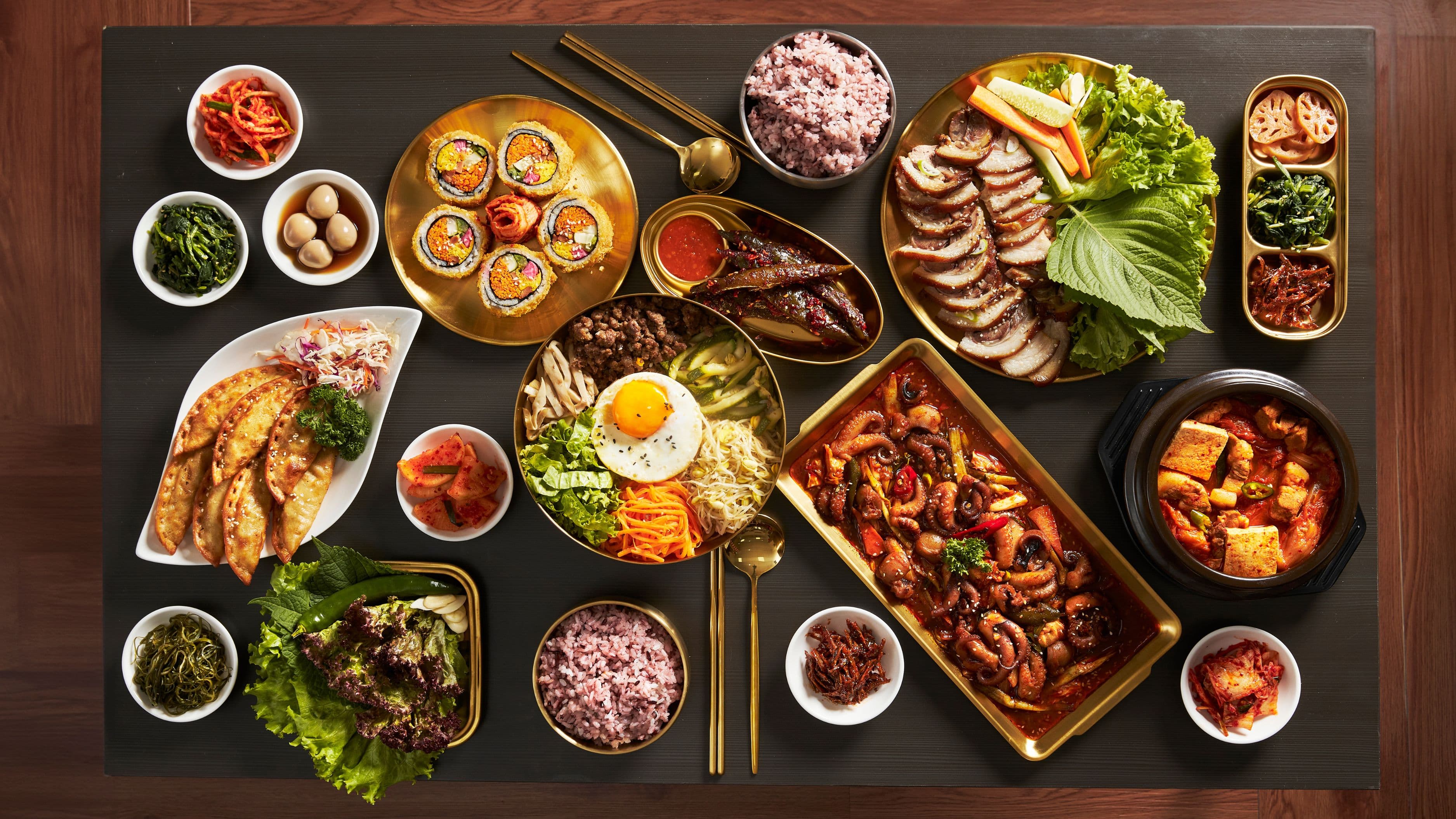
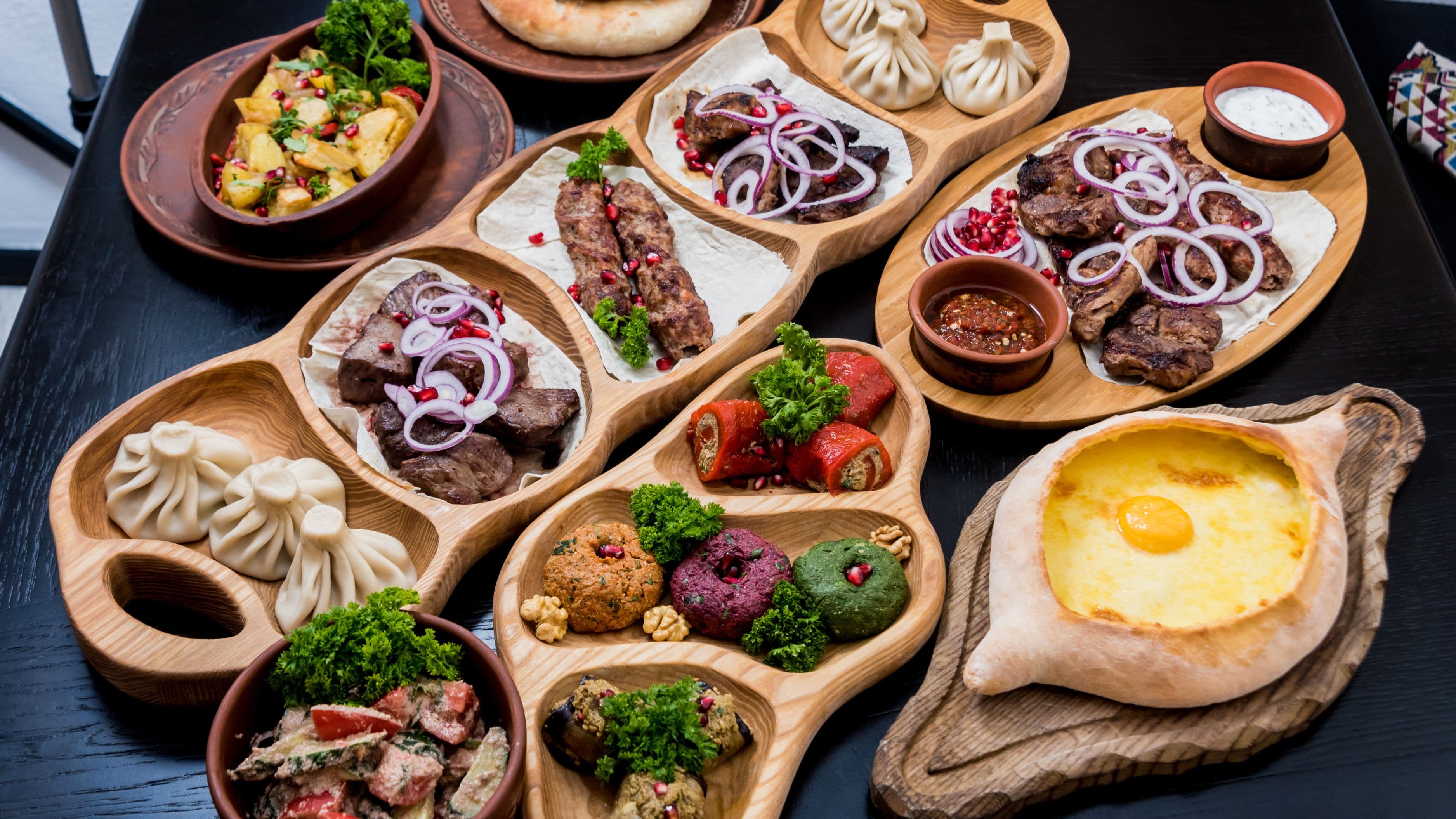
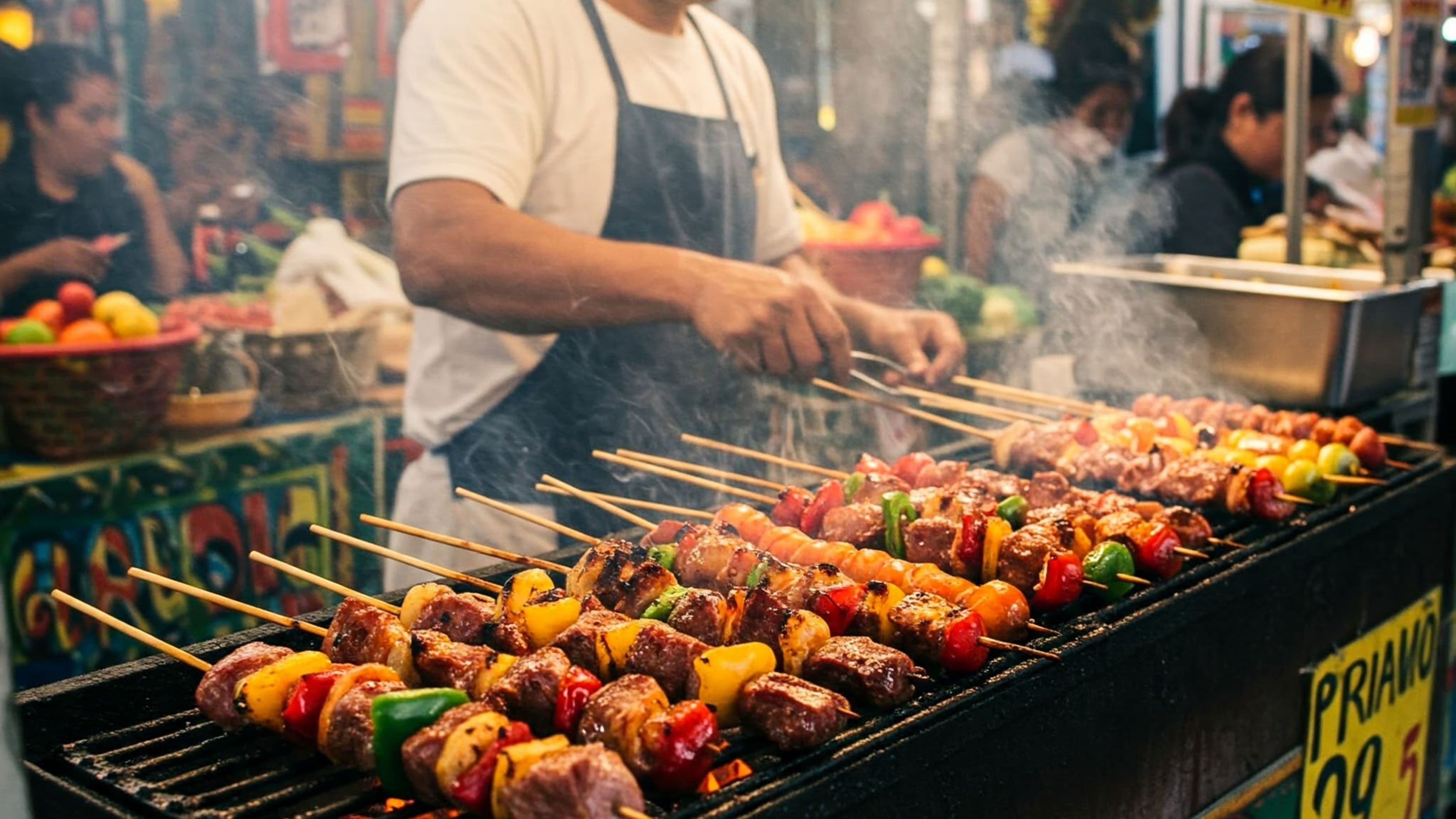
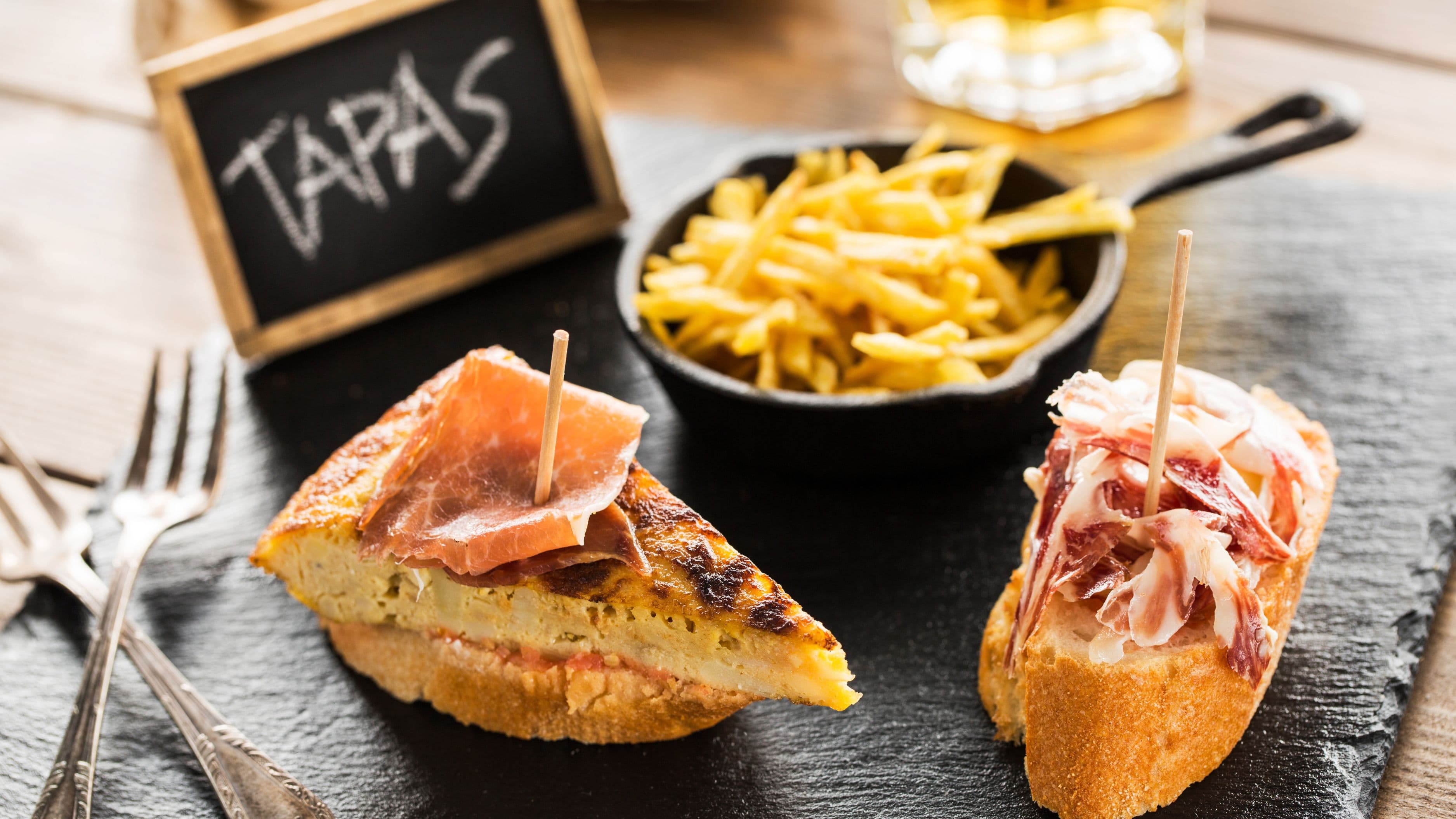
The word "tapas" doesn't refer to a specific dish – it refers to a style of eating. Small portions of food, many different things on the table at once, meant to be shared over a long, leisurely meal rather than eaten quickly through a fixed sequence of courses. In Spain, tapas are typically eaten standing at a bar with a cold drink, or spread across a table with friends before or instead of a formal dinner.
At home, that translates to: make five or six things, put them all on the table at once, and let people graze. Some dishes will be hot, some cold, some room temperature. Some take ten minutes, some take an hour. The variety is the point. You're not cooking a meal with a beginning and an end – you're building a spread.
The Pantry Staples That Make Tapas Work
Before getting into specific dishes, it helps to understand the handful of ingredients that appear over and over in Spanish tapas cooking. These are the building blocks. Once you have them on hand regularly, most tapas recipes become very approachable.
Olive oil is used generously in almost every dish – for sautéing, drizzling, preserving, and finishing. Use a good quality extra virgin olive oil rather than a light or "cooking" olive oil. The flavor is a genuine component in Spanish cooking, not just a medium for heat.
Smoked paprika (pimentón) is the spice that gives many Spanish dishes their distinctive warm, smoky depth. It comes in sweet (dulce) and hot (picante) varieties – sweet is the more versatile starting point. A small tin lasts a long time and transforms dishes like patatas bravas and chorizo in a way that regular paprika can't replicate.
Garlic appears in almost everything – raw, sliced and fried, whole and roasted, minced into sauces. Don't substitute garlic powder; fresh garlic is worth the extra minute.
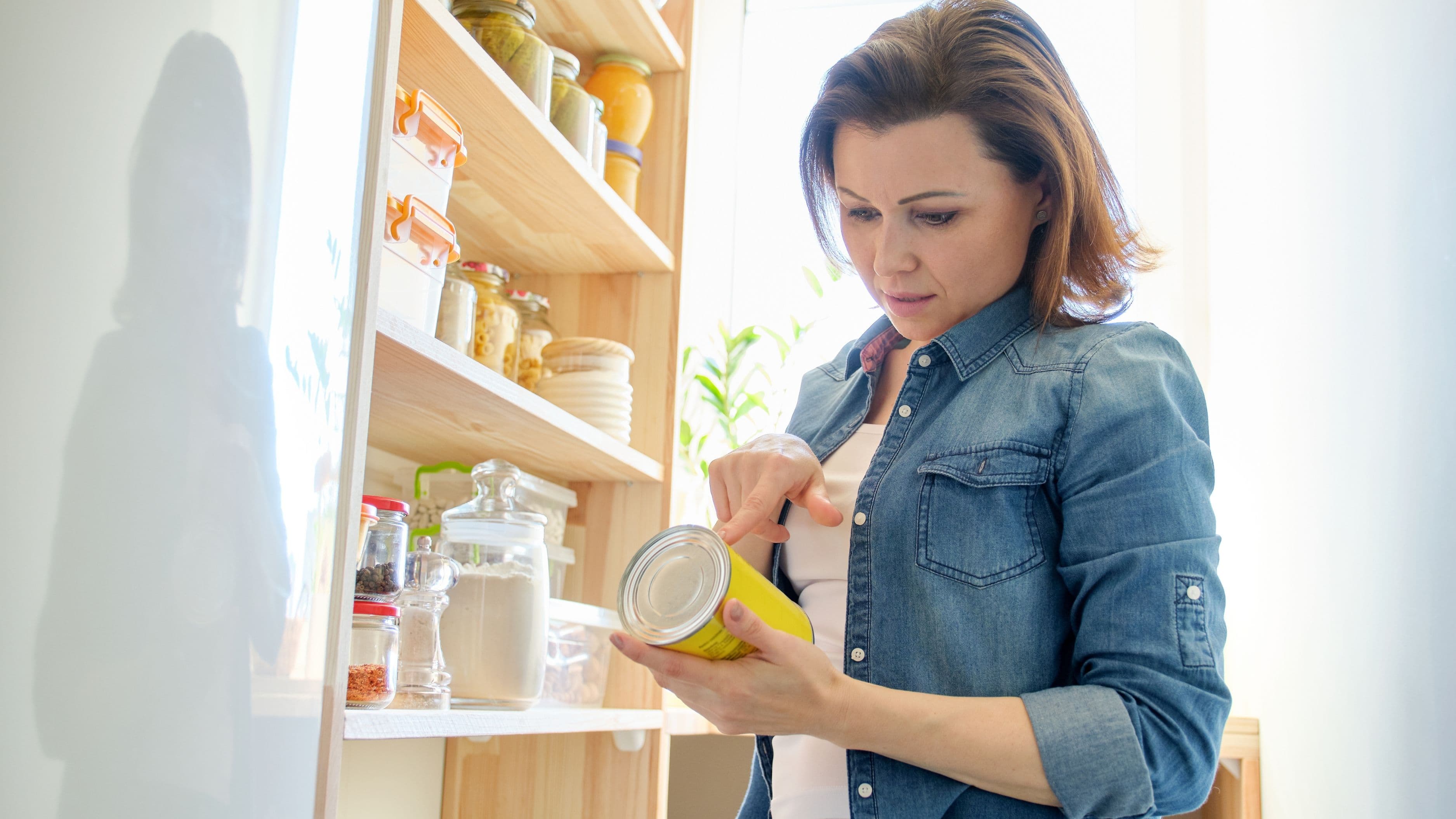
Good canned or jarred goods are not a shortcut in Spanish cooking – they're standard. Piquillo peppers (sweet, fire-roasted red peppers), white beans, chickpeas, anchovies, and good-quality canned tuna are all legitimate tapas ingredients used routinely in Spanish kitchens without apology.
Manchego cheese and jamón serrano (or jamón ibérico if budget allows) are the simplest possible tapas – slice and serve. You don't need to cook them. A board with good cheese and cured ham, some bread, and a drizzle of olive oil is a legitimate and authentic part of any tapas spread.
Five Tapas to Start With
These five dishes cover a range of effort levels, temperatures, and flavor profiles. Together they make a complete spread that serves four to six people easily.
Patatas Bravas
Patatas bravas – crispy fried potatoes with a smoky, slightly spicy sauce – are one of the most popular tapas in Spain and one of the most satisfying to make at home. The potatoes are either deep-fried or, more practically for a home cook, roasted in the oven with plenty of olive oil until crispy and golden.
For the brava sauce, warm a few tablespoons of olive oil in a small saucepan, add a teaspoon of sweet smoked paprika (plus a pinch of hot paprika if you want heat), a small clove of minced garlic, and a tablespoon of tomato paste. Stir for about 30 seconds, then add a splash of sherry vinegar and a few tablespoons of water to loosen it. Season with salt and let it simmer for two to three minutes. It should be thick, deeply colored, and intensely smoky. Spoon it over the hot potatoes and serve immediately.
Gambas al Ajillo (Garlic Shrimp)
This is probably the fastest tapa you can make – five ingredients, ten minutes, and it disappears almost immediately. You need shrimp (peeled and deveined, fresh or thawed frozen), garlic (sliced thin, not minced), dried chili flakes, olive oil, and a little fresh parsley to finish.
Heat a heavy pan or small earthenware dish over medium-high heat until hot. Add enough olive oil to generously coat the bottom – more than you think – and add the garlic slices. They should sizzle immediately. After about 30 seconds, add a pinch of chili flakes, then add the shrimp in a single layer. Cook for about 90 seconds per side until just pink and cooked through. Scatter with parsley and serve directly in the pan with bread to soak up the oil. The oil is as important as the shrimp.
Tortilla Española (Spanish Omelette)
Tortilla española – a thick, layered omelette of potato and egg – is the backbone of Spanish home cooking and one of the most iconic tapas. It can be served warm, room temperature, or cold, which makes it ideal for a spread because you can make it an hour ahead and it holds beautifully.
The technique takes a little practice but is straightforward once you've done it once. Thinly slice two medium potatoes and half an onion. Cook them gently in generous olive oil over low to medium heat for about 15–20 minutes until completely soft – this is confit-cooking, not frying, so the oil should be warm and bubbling gently, not aggressively hot. Drain the potato mixture and mix it into six beaten eggs with salt. Heat a 20–22cm non-stick pan with a little oil, pour in the egg mixture, and cook on medium-low until the edges are set and the centre is still slightly wobbly – about 5–7 minutes. Then comes the flip: place a plate or flat lid over the pan, flip the tortilla onto it, then slide it back into the pan to cook the other side for two to three minutes. The centre should be just barely set – slightly creamy inside is correct for Spanish tortilla. Let it rest for at least 10 minutes before cutting into wedges.
Pan con Tomate (Bread with Tomato)
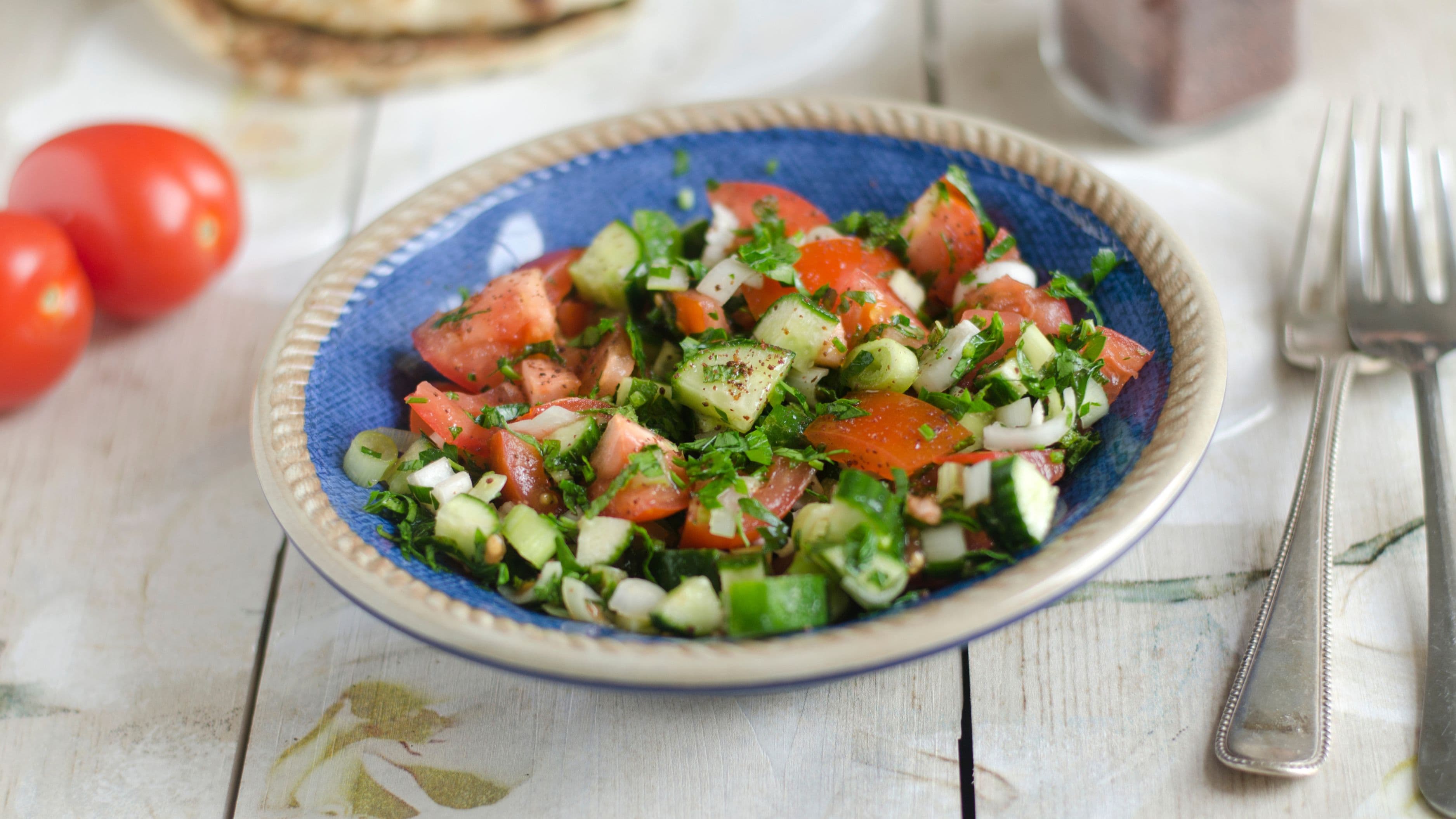
This is probably the simplest thing on this list and also one of the most satisfying when made correctly. Toast thick slices of rustic bread – a sourdough or a sturdy white bread works well. While still warm, rub the surface firmly with a cut garlic clove (the toasted bread acts like a grater and takes up just a little garlic flavor without being overpowering). Then take a ripe tomato, cut it in half, and rub the cut face firmly over the bread so the juice and pulp smear across the surface, leaving the skin behind. Season generously with flaky salt and a good drizzle of olive oil. That's it. The quality of the tomato and the olive oil matters here more than it does in a cooked dish – use the best ripe tomato you have.
Chorizo al Vino (Chorizo in Red Wine)
Sliced Spanish chorizo cooked briefly in red wine is one of those tapas that looks and tastes like it required more effort than it actually did. Slice one chorizo into rounds about half a centimeter thick. Add them to a pan over medium heat with no added fat – the chorizo will render its own oil quickly. After two to three minutes, add a small glass of red wine (about 100ml) and let it simmer and reduce until syrupy and clinging to the chorizo, about five minutes. Transfer to a small dish with a little of the reduced sauce. Serve with bread.
How to Build the Spread
The key to a tapas spread feeling effortless is sequencing the cooking so everything lands on the table around the same time without you scrambling. Here's a practical order for the five dishes above:
Start with the tortilla española about 90 minutes before you want to eat – it takes the most time and can rest at room temperature. While the potato-onion mixture is cooking for the tortilla, prepare everything else so it's ready to go. Make the brava sauce and set it aside. Prep the shrimp, slice the chorizo, cut the tomatoes and garlic for the pan con tomate. Slice the cheese and ham and arrange them on a board. Toast the bread for pan con tomate and do those while the tortilla is setting.
In the last 20 minutes, put the potatoes in the oven for the patatas bravas, cook the chorizo al vino, and start the gambas al ajillo last – they take five minutes and need to be served immediately while the oil is hot. Everything else is already on the table by the time the shrimp are done.
What to Avoid
Using sweet paprika instead of smoked paprika in recipes that call for pimentón. Sweet paprika won't give you the same smoky depth – it tastes flat by comparison. Smoked paprika (labeled pimentón de la Vera if you can find the Spanish version) is the right ingredient.
Overcooking the tortilla. A fully set, firm tortilla is a common beginner mistake. The inside should be slightly creamy and just barely set – that's the correct texture, not an undercooked accident. If it jiggles a little in the center when you flip it, that's right.
Using small, watery tomatoes for pan con tomate. You need a ripe, fleshy tomato – a large beef tomato or a ripe vine tomato. Cherry tomatoes don't work well for this. Out of season, this dish is not worth making – wait until tomatoes are genuinely ripe.
Rushing the gambas. The garlic should be sliced, not minced, so it cooks evenly without burning. And the pan and oil need to be genuinely hot before the shrimp go in, otherwise they steam instead of sear.
FAQ
Can I make these tapas ahead of time? Several of them, yes. Tortilla española is actually better after resting and can be made up to a day ahead and refrigerated. Chorizo al vino reheats well. Brava sauce can be made days ahead. The gambas al ajillo and pan con tomate must be made just before serving.
Where do I find Spanish chorizo? Spanish chorizo (cured, sliced-style) is different from fresh Mexican chorizo (loose, raw). Most well-stocked supermarkets carry it in the deli or charcuterie section, sometimes labeled simply as "cured chorizo." It's the firm, sliceable type with red coloring from paprika. If your supermarket doesn't carry it, a good deli or online specialty retailer will.
What wine goes with a tapas spread? Dry Spanish wines work best – a young Rioja or Garnacha for reds, an Albariño or Verdejo for whites. Cava (Spanish sparkling wine) is also excellent with a tapas spread and pairs particularly well with the seafood dishes. Avoid very tannic or very sweet wines, which compete with the olive oil and paprika flavors.
How many tapas do I need per person? For a tapas dinner (rather than a pre-dinner snack), plan for five to six different dishes for four people. Each dish doesn't need to be large – two to three bites per person of each dish is typically right. The variety matters more than the quantity of any individual dish.
Is it necessary to have all five dishes, or can I just make two or three? Two or three tapas plus a board of cheese, ham, and bread is a perfectly satisfying spread. The goal is variety, not volume. Even a simple board with manchego, jamón serrano, pan con tomate, and gambas al ajillo gives you hot, cold, and room-temperature elements and covers the full range of flavors.
📚 Sources
BBC Good Food – Spanish tapas recipes and technique: https://www.bbcgoodfood.com/recipes/collection/tapas-recipes
Serious Eats – Tortilla española technique and tips: https://www.seriouseats.com/tortilla-espanola-spanish-potato-omelette
Food52 – Patatas bravas with brava sauce: https://food52.com/recipes/patatas-bravas
The Spruce Eats – Spanish gambas al ajillo: https://www.thespruceeats.com/gambas-al-ajillo-garlic-shrimp-3083291
Bon Appétit – Guide to Spanish pantry staples: https://www.bonappetit.com/story/spanish-pantry-essentials