This guide walks through what makes Sri Lankan curry different, the technique home cooks actually use, and a straightforward recipe to get you started.
What Makes Sri Lankan Curry Distinct
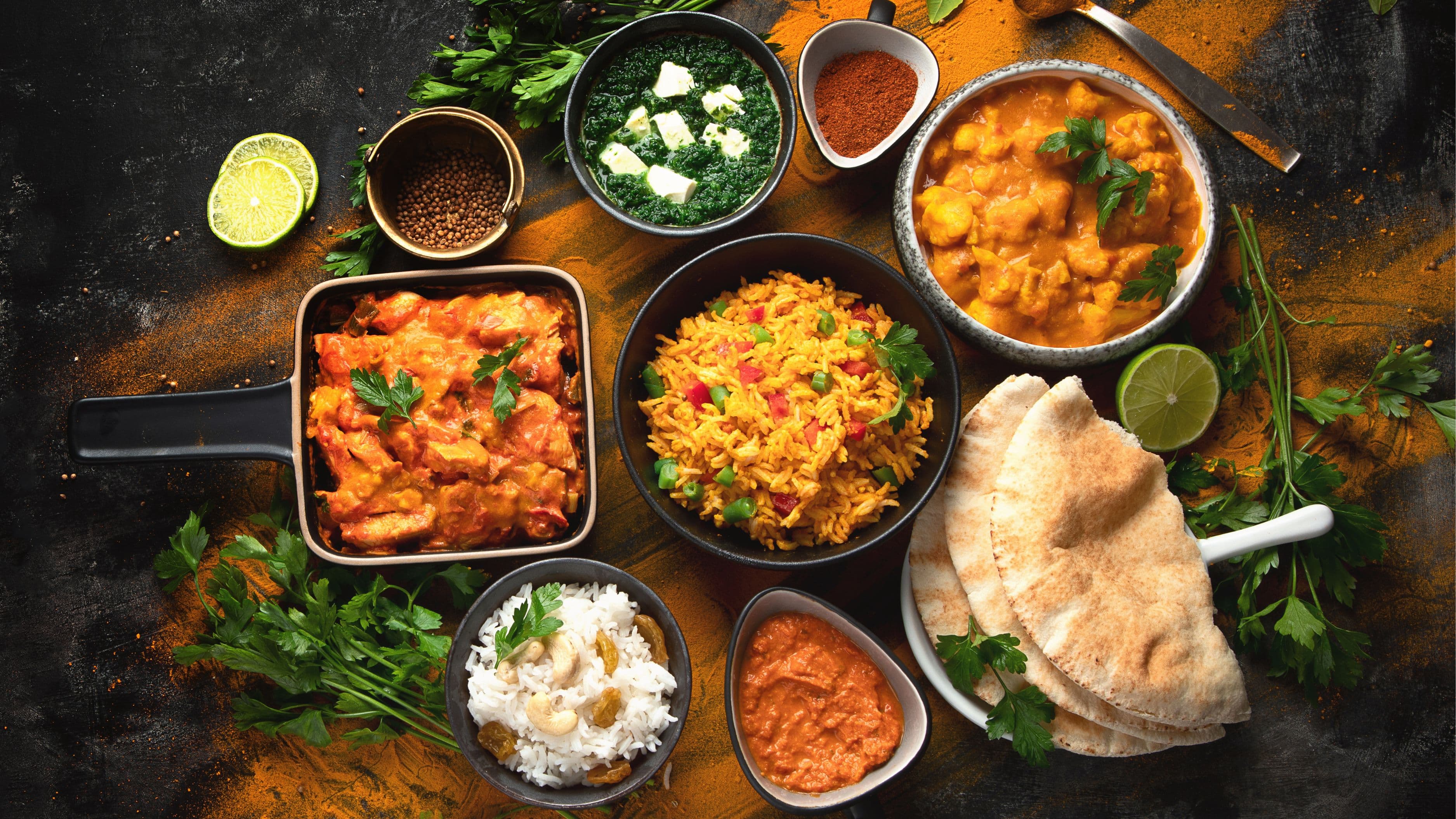
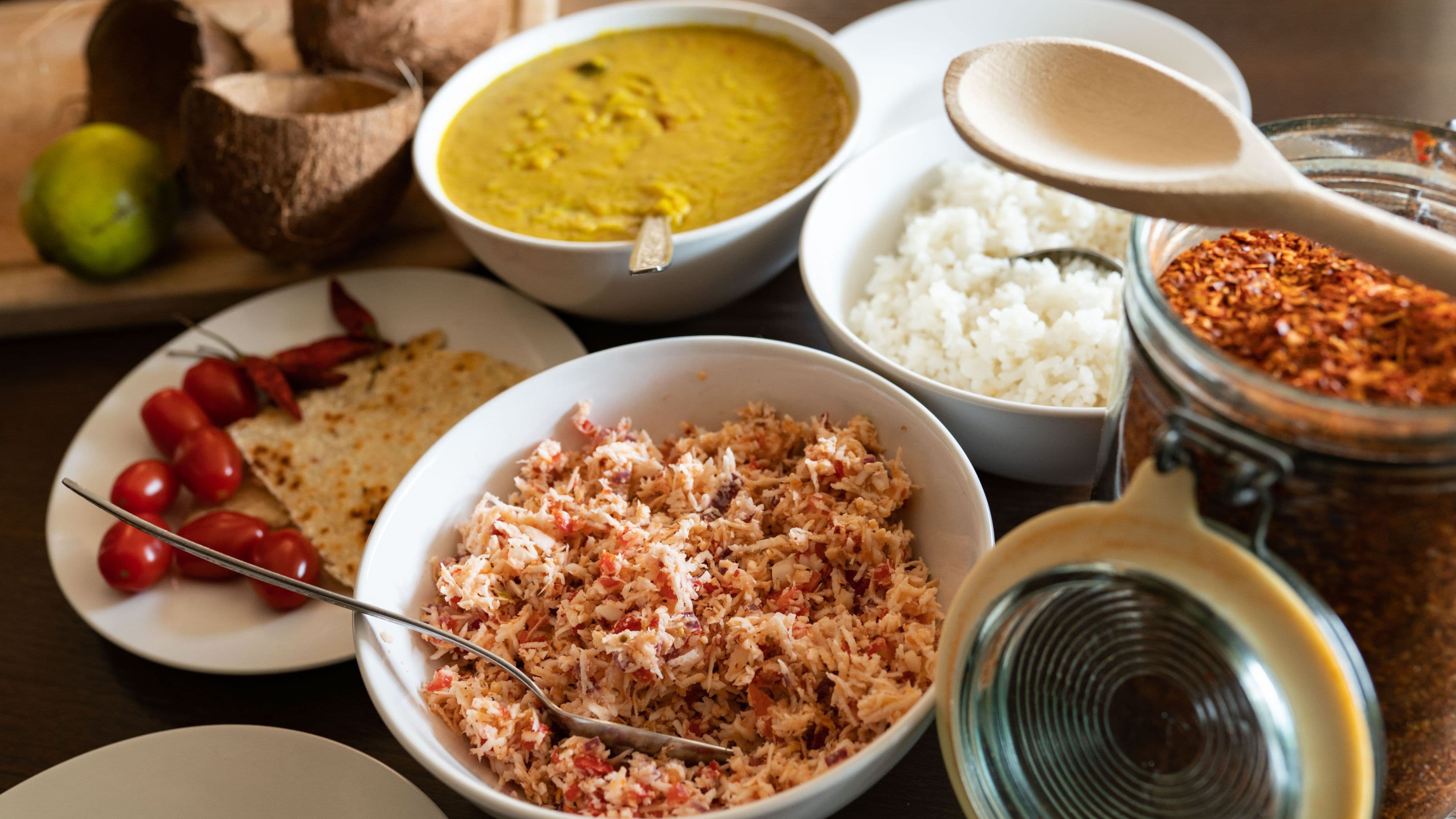
The defining feature of Sri Lankan curry is roasted curry powder, a spice blend that's toasted in a dry pan before grinding, unlike the untoasted curry powders more common elsewhere. This roasting process caramelizes the natural oils in the spices, producing a darker color and a deeper, more complex flavor than raw spice blends typically achieve. Coconut milk is another near-universal ingredient, lending a rich creaminess that balances the intensity of the roasted spices.
Curry leaves, pandan leaves, and Maldive fish flakes (a dried, fermented fish product used similarly to how anchovies add depth in other cuisines) also show up frequently in traditional preparations, though home cooks outside Sri Lanka can absolutely make a delicious version without tracking down every specialty ingredient.
Key Ingredients to Have on Hand
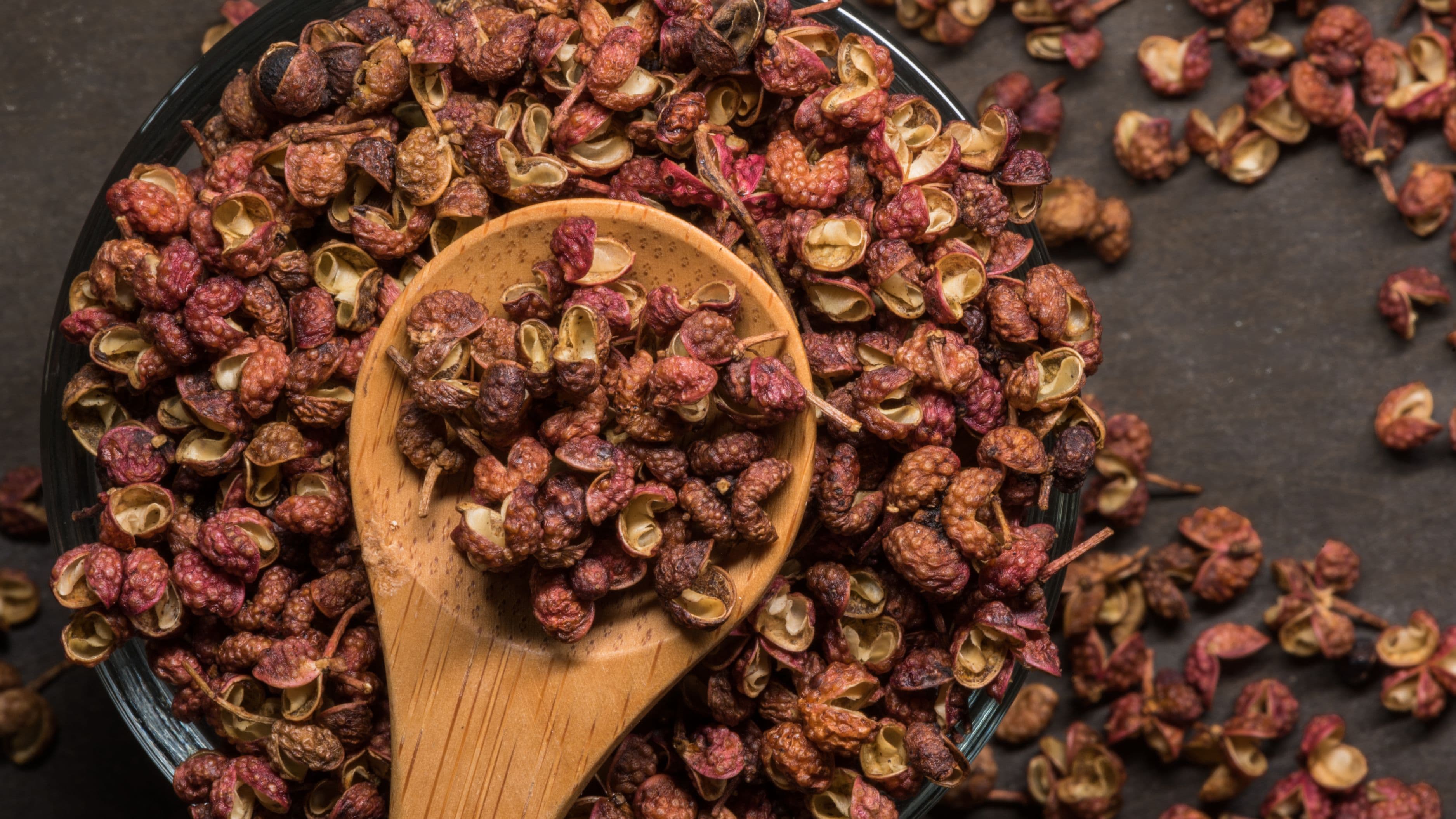
Building a Sri Lankan curry at home starts with a handful of ingredients worth keeping stocked if you plan to cook this style regularly. Coriander seeds, cumin seeds, fennel seeds, and dried red chilies form the base of a roasted curry powder, while cinnamon, cardamom, and cloves add warmth without overwhelming the dish. Fresh curry leaves, when available, add a distinctive aroma that dried leaves simply can't replicate, so it's worth seeking them out at a South or Southeast Asian grocery store if you have access to one.
Coconut milk, both the thicker first-press variety and thinner subsequent presses, plays a structural role in traditional recipes, with thinner coconut milk used earlier in cooking and thicker milk added toward the end to enrich the final dish without overcooking the fat and separating it.
The Technique Home Cooks Rely On
Start by dry-roasting your whole spices in a pan over medium-low heat, stirring frequently, until they turn a shade or two darker and release a distinctly toasty aroma, generally three to five minutes depending on your stove and pan. This step requires attention since the spices can go from perfectly roasted to burnt quickly, so keep the heat moderate and your eyes on the pan rather than stepping away.
Once cooled slightly, grind the roasted spices into a fine powder using a spice grinder or a mortar and pestle if you're going for a more traditional, textured result. This roasted curry powder becomes your flavor base, typically bloomed briefly in oil along with onions, garlic, and ginger before your main protein or vegetables go into the pot.
Coconut milk gets added in stages, thinner milk earlier to create the simmering liquid the curry cooks in, and thicker milk toward the end of cooking to finish the dish with richness without breaking the sauce through prolonged high heat.
A Simple Sri Lankan Chicken Curry to Start With
The recipe below uses accessible ingredients you can find at most well-stocked grocery stores, with curry leaves as an optional but recommended addition if you can find them.
Tips for Best Results
Take the dry-roasting step seriously, since it's genuinely the biggest factor separating a Sri Lankan curry from a generic curry using pre-made powder straight from the jar. If you're short on time, a good-quality store-bought roasted curry powder, sometimes labeled specifically as Sri Lankan or Ceylon curry powder, is a reasonable shortcut, though the flavor won't be quite as vivid as freshly roasted and ground spices.
Let the curry rest for ten to fifteen minutes off the heat before serving if you have the time, since the flavors continue to meld and deepen slightly as it sits, similar to how many stews and braises improve after resting.
Common Mistakes to Avoid
Avoid rushing the spice roasting step by using high heat, since this tends to burn the outer layer of spices before the interior has a chance to toast evenly, resulting in a bitter rather than deeply flavorful base. Also avoid boiling the curry vigorously once thick coconut milk has been added, since high heat can cause the coconut fat to separate and give the dish an oily, broken texture rather than a smooth, creamy consistency.
Don't skip tasting and adjusting salt and acidity toward the end of cooking, since a small splash of lime juice or tamarind at the finish often brightens the dish in a way that's hard to achieve by adjusting spices alone partway through cooking.
Frequently Asked Questions
Can I make this curry vegetarian? Yes, this technique works well with vegetables like potatoes, pumpkin, or eggplant, or with chickpeas as a protein substitute, adjusting cooking time based on how quickly your chosen vegetable cooks through.
What can I substitute if I can't find curry leaves? While curry leaves have a distinctive flavor that's hard to fully replicate, the curry will still taste good without them. Some cooks substitute a bay leaf for a different but complementary aromatic note, understanding it won't taste identical.
How spicy is traditional Sri Lankan curry? It varies by region and household, but many traditional versions are quite spicy. Feel free to adjust the amount of dried chili in your roasted curry powder to match your own heat preference without compromising the core technique.
Sri Lankan curry rewards a little extra attention at the spice-roasting stage more than almost any other step, and once that technique clicks, you'll find yourself reaching for it well beyond this one recipe.
📚 Sources
Serious Eats, Understanding Sri Lankan Curry Powder – https://www.seriouseats.com
BBC Good Food, South Asian Curry Techniques – https://www.bbcgoodfood.com