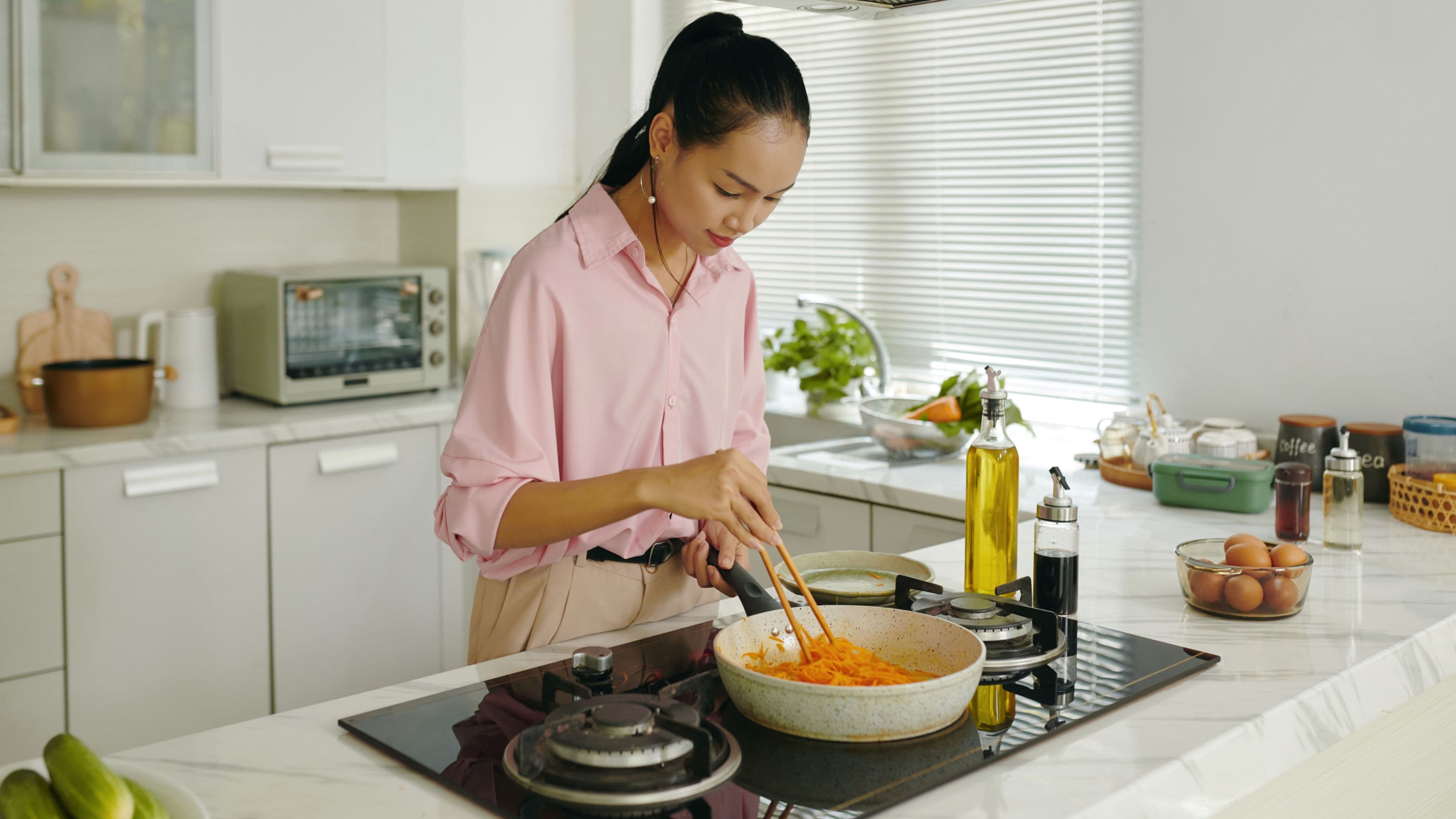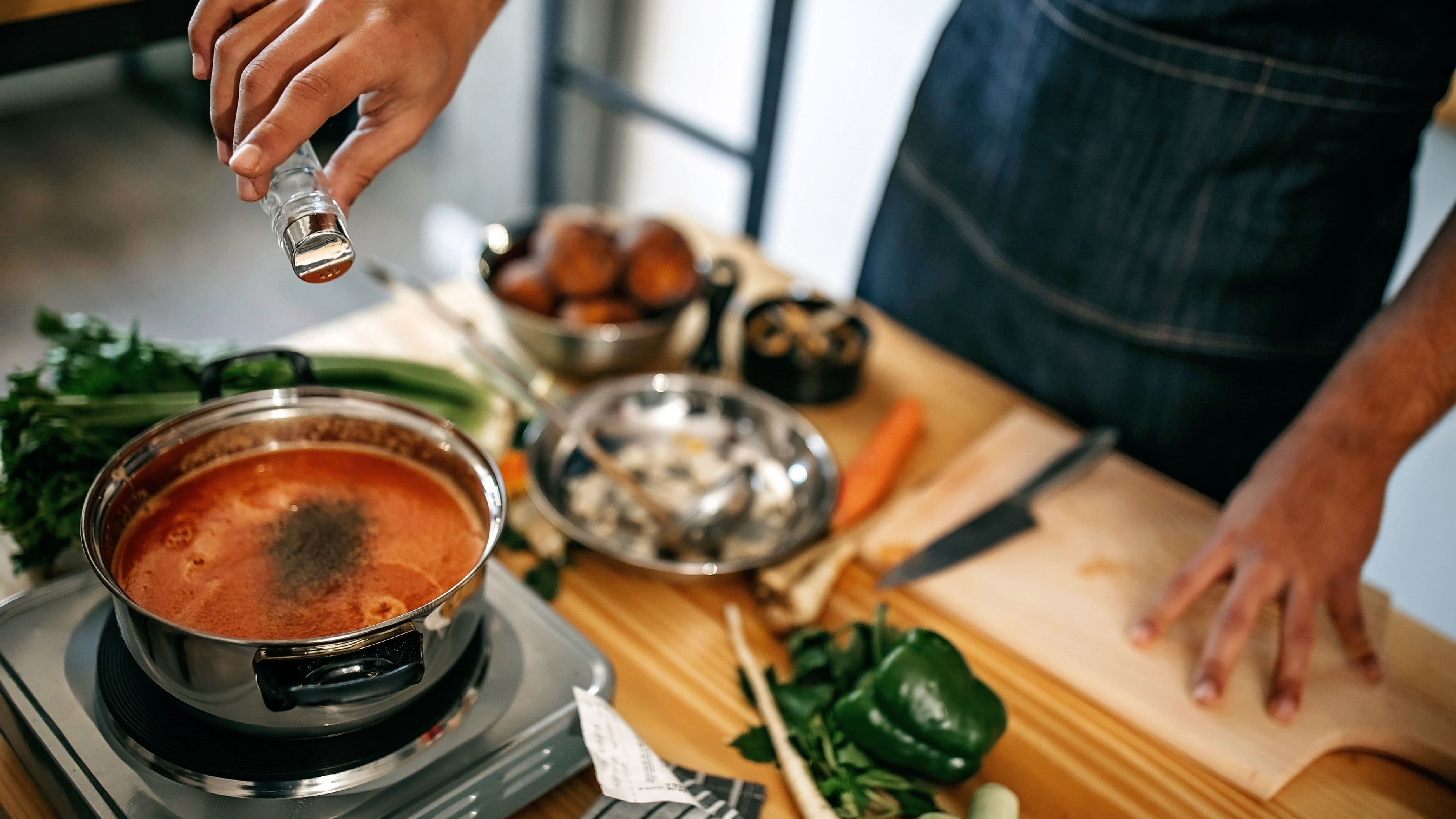
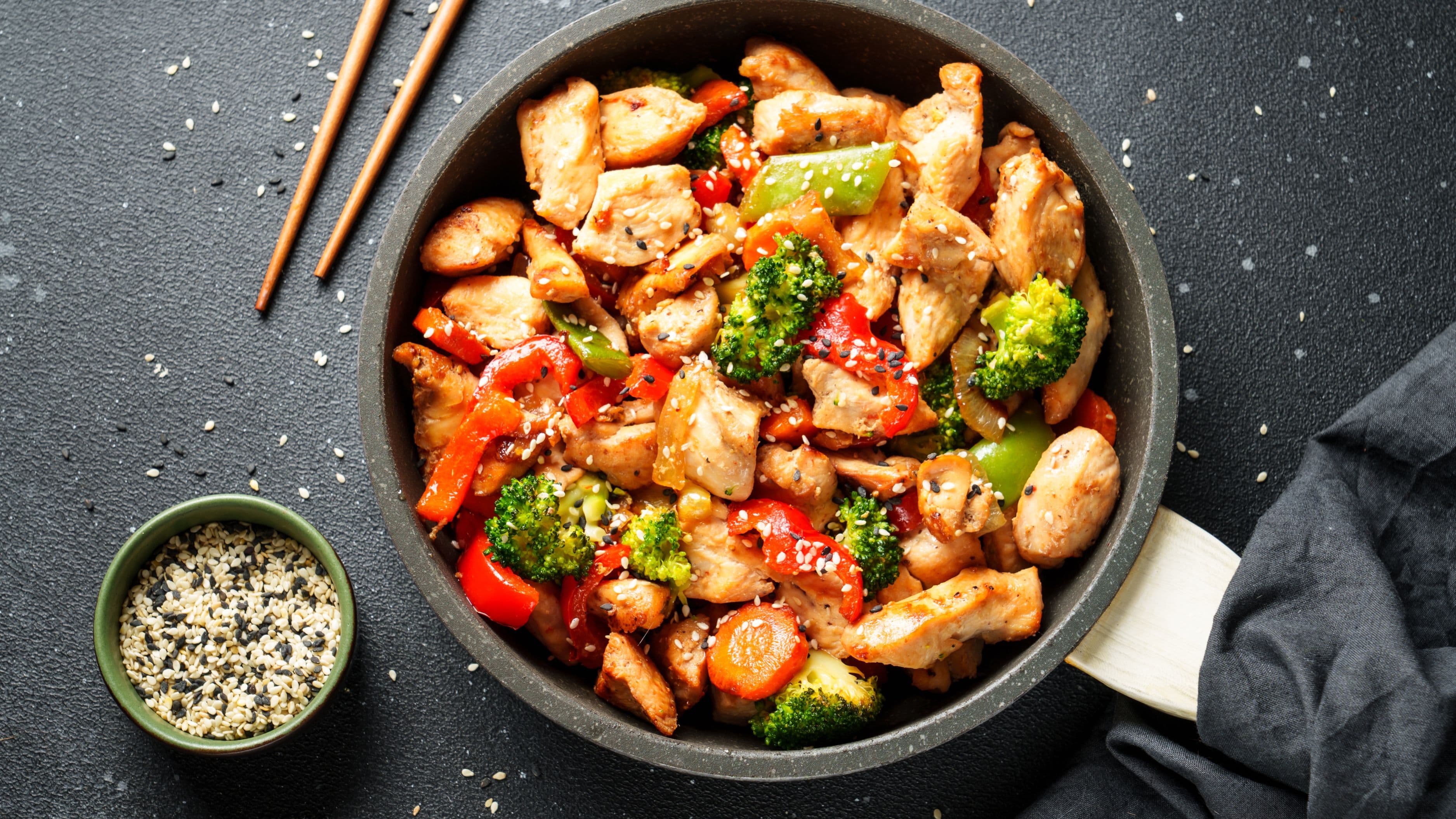
By the end of this guide, you'll understand exactly why stir-fries go wrong and how to make one that comes out with real wok char, crisp vegetables, and properly cooked protein every time – without needing a professional wok burner or any special equipment.
Why Home Stir-Fries Go Soggy
Before getting into technique, it helps to understand what's actually happening when stir-fry goes wrong. Vegetables are mostly water. When they're cooked at high heat quickly, that water evaporates and you get caramelization, char, and flavor. When they're cooked at low-to-medium heat, or crowded in the pan, the water releases but can't evaporate fast enough. It pools in the pan, and instead of searing, your vegetables steam in their own liquid. The result is gray, soft vegetables in a watery sauce. That's the entire soggy stir-fry problem in a nutshell.
The solution is to cook fast, cook hot, and give everything room to breathe. Every technique below traces back to one of those three principles.
Step 1: Get Your Prep Done Before You Turn on the Heat
Stir-frying moves fast – once the pan is hot, everything happens in minutes. That means you need to have everything cut, measured, and ready to go before you cook anything. This isn't optional. If you're stopping to slice vegetables while your protein is in the pan, you'll overcook something, add cold ingredients to a pan that's losing heat, and lose the timing that makes a stir-fry work.
Cut your vegetables into similar-sized pieces so they cook evenly. Aim for pieces that are roughly bite-sized – not too thick, not paper thin. Aromatics like garlic and ginger should be minced or finely sliced so they cook in seconds rather than minutes. Mix your sauce ingredients in a small bowl. If you're using a cornstarch slurry to thicken (which you likely are), mix it separately so you can add it at the right moment. Pat your protein dry with paper towels – more on why that matters shortly. Group ingredients by how long they take to cook: hard vegetables like broccoli and carrots go in early, leafy greens and bean sprouts go in late, aromatics go in last before the sauce.
Step 2: Dry Your Protein Before It Hits the Pan
Moisture on the surface of your chicken, beef, shrimp, or tofu is one of the most direct causes of steam and sogginess. When wet protein hits a hot pan, it steams instead of searing. You lose the brown crust, you drop the pan temperature, and water starts pooling immediately.
Pat your protein thoroughly dry with paper towels right before cooking. If you've marinated it, shake off as much marinade as possible before it goes in the pan and keep the marinade separate to add with your sauce later. For tofu specifically, press it for at least fifteen minutes before cooking to remove as much water as possible – a firm tofu that's been properly pressed will get genuinely crispy; one that hasn't been pressed will fall apart and release water through the whole cook.
Step 3: Get the Pan Properly Hot Before Anything Goes In
This is the step most home cooks rush. A properly heated pan is the difference between a sear and a steam. You want the pan to be visibly smoking before you add oil. Not warm, not hot – smoking. That sounds extreme, but that's the temperature needed to quickly cook the surface of ingredients before they release significant moisture.
A carbon steel pan or cast iron skillet is your best option at home since they handle high heat well and retain it when you add ingredients. A regular non-stick pan is not ideal for stir-frying – the coating isn't designed for the temperatures you need, and most non-stick pans will degrade at high heat. A stainless steel pan works if you get it properly hot. If you have a wok, use it – the sloped sides mean you can push cooked ingredients up the side and out of the hot center zone, which is exactly the technique you want.
Heat the pan over high heat for at least two to three minutes before adding any oil. Then add oil with a high smoke point – vegetable oil, peanut oil, avocado oil, or refined coconut oil all work. Swirl it to coat, and add your ingredients within about thirty seconds of the oil going in.
Step 4: Cook in Small Batches
This is probably the most important single piece of advice in this guide, and the one people resist most because it adds a step. When you add too much food to the pan at once, the temperature drops dramatically and everything starts releasing moisture faster than it can evaporate. The result is the steaming problem described earlier.
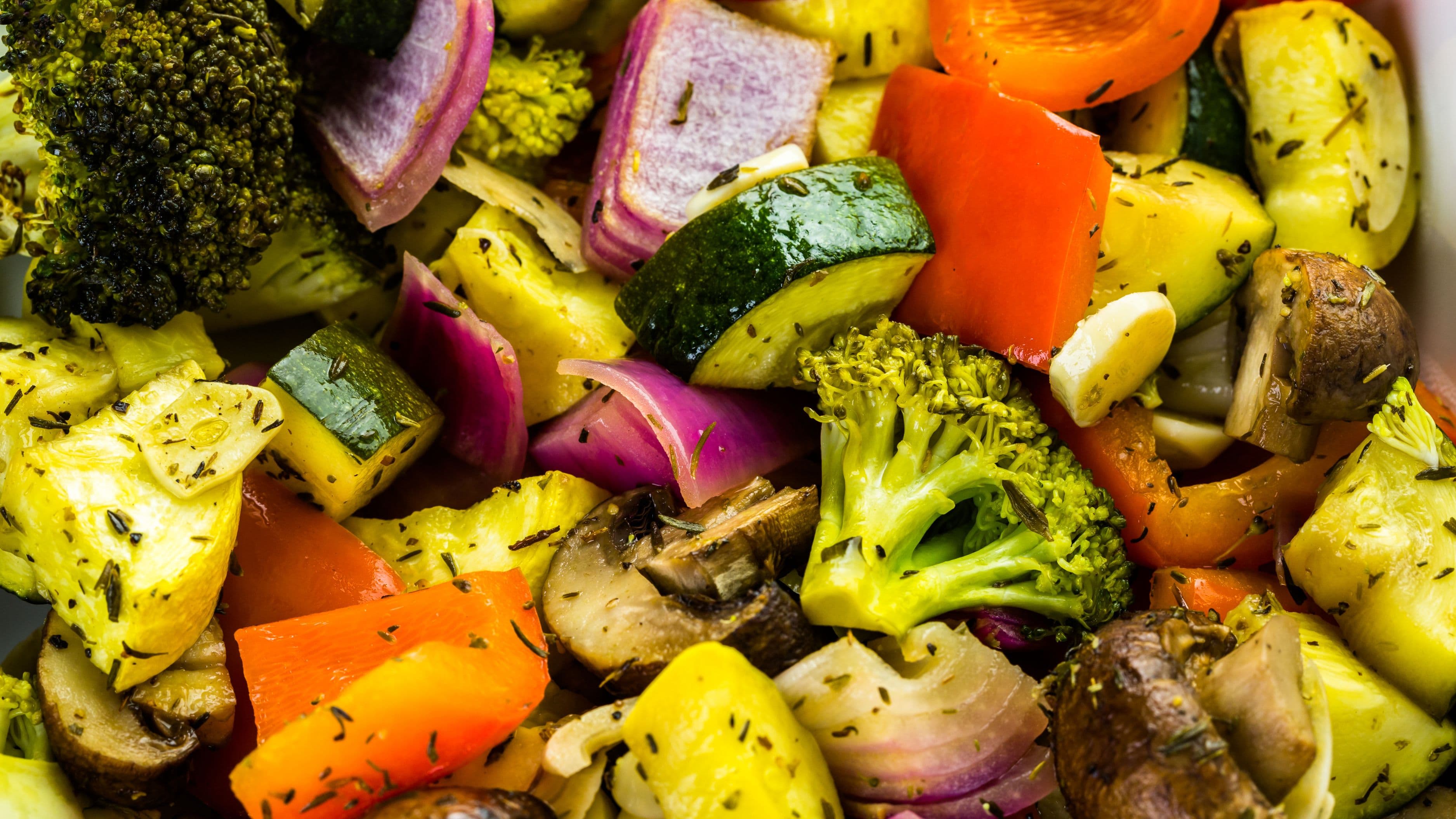
Cook your protein in a single layer with space between pieces. If you have enough chicken for four servings, cook it in two batches rather than one. Remove it from the pan and set it aside once it's cooked through. Then cook your vegetables in batches too, starting with the ones that take longest: carrots, broccoli, snap peas. Let them sit untouched for thirty to forty seconds before stirring so they get actual contact time with the hot surface. Add softer vegetables like zucchini, peppers, or mushrooms next. Add leafy greens and bean sprouts last – they need only a minute or two.
The batching approach adds maybe five extra minutes to your total cook time but completely changes the texture of the result. Trying to do it all at once is the main reason home stir-fries disappoint.
Step 5: Keep the Heat High and Keep It Moving
Once your ingredients are in the pan, keep the heat on high and keep things moving. Stir-frying isn't the same as sautéing – the ingredients should be in constant or near-constant motion, ensuring that everything gets time on the hot surface without sitting long enough to release a pool of liquid. Use a wide spatula or a wok spatula to toss and turn ingredients rather than stirring in circles. You want to flip and fold, not stir, so pieces are continuously getting fresh contact with the pan surface.
Don't add your sauce too early. Add it once your protein and vegetables are mostly cooked through, then toss everything quickly to coat. If your sauce contains cornstarch, it will thicken almost immediately on contact with the hot pan – which is what you want. A sauce that thickens clings to the ingredients rather than pooling at the bottom. Give it thirty to sixty seconds of high-heat tossing once the sauce goes in and you're done.
Step 6: Serve Immediately
Stir-fry does not hold well. Even a perfectly executed stir-fry will start releasing moisture and softening within five to ten minutes of coming off the heat. If you're cooking for multiple people, plan to get everyone to the table before you start the final cook, not after. Stir-fry is one of those dishes where the cook eats last if they're not organized about timing – something worth communicating to whoever is waiting for the meal.
If you need to keep it warm briefly, remove it from the pan and spread it on a warm plate or baking sheet rather than leaving it in the pan, where residual heat will continue cooking and steaming it.
Common Mistakes to Avoid
Adding the sauce while vegetables are still wet is one of the most common errors. If there's any visible moisture in the pan when you add your sauce, it dilutes immediately and you lose the coating, clinging texture you're going for. Make sure the pan is looking dry and hot before the sauce goes in.
Crowding fresh vegetables with previously cooked protein reintroduces the temperature problem. Add the protein back in only at the very end, after the vegetables are cooked, and just before the sauce.
Using cold ingredients straight from the fridge drops pan temperature significantly. Ideally, let protein sit at room temperature for fifteen to twenty minutes before cooking. It doesn't need to be warm – just not fridge-cold.
Cutting vegetables unevenly means smaller pieces overcook and release moisture while larger pieces are still underdone. Consistent sizing is worth the extra minute of prep.
Adding aromatics like garlic too early causes them to burn. Add garlic, ginger, and chili in the last thirty seconds before the sauce goes in – they'll cook and bloom in the heat of the sauce rather than sitting on a dry pan surface.
Tips for the Best Results
A small splash of Shaoxing rice wine or dry sherry added with the aromatics just before the sauce adds a depth that's hard to replicate. It's not essential, but it makes a noticeable difference.
Velveting your protein – a technique where you marinate it in a mixture of baking soda, soy sauce, and a little cornstarch for fifteen to thirty minutes before cooking – makes it noticeably more tender. The baking soda raises the pH and prevents the proteins from tightening up too much. It's a restaurant trick that works just as well at home.
Letting your wok or pan smoke before adding oil is a habit that's worth building. It should feel slightly extreme – that's the point. If you're adding ingredients and the pan doesn't sizzle loudly on contact, it's not hot enough.
A light coating of oil on vegetables before they go in the pan (toss them in a bowl with a teaspoon of oil before adding them) helps them sear instead of sticking or steaming.
FAQ
What's the best oil for stir-frying? Any oil with a high smoke point: vegetable oil, peanut oil, avocado oil, or refined coconut oil. Avoid extra virgin olive oil or butter – both have low smoke points and will burn at stir-fry temperatures.
Can I use a non-stick pan? You can, but most non-stick coatings aren't designed for the high heat stir-frying requires. You'll get better results and more color with a carbon steel pan, cast iron, or stainless steel. If non-stick is all you have, keep the heat at medium-high rather than full high to protect the coating.
Why are my vegetables still raw in the middle when the outside is browning? Usually a cutting issue – pieces that are too thick. Keep vegetable pieces to about half an inch thick or thinner. For dense vegetables like broccoli and carrots, you can also blanch them briefly in boiling water and drain them fully before stir-frying to give them a head start.
Can I make stir-fry ahead of time? The short answer is no, not without sacrificing texture. The sauce and the prep (sliced vegetables, marinated protein) can all be done ahead, but the actual cook should happen right before serving. Reheated stir-fry is edible but softer and less vibrant than fresh.
What should the sauce taste like before I add it? Bold and slightly too intense. The sauce will dilute a little when it hits the hot pan and coats the ingredients, so it should taste saltier, more savory, and more concentrated than you want the finished dish to taste. If it tastes perfectly balanced in the bowl, it will taste flat once it's tossed through the stir-fry.
A good stir-fry comes down to heat, space, and timing. Get those three things right and the results will surprise you with how different they are from what you've been making. It's one of those techniques where a few adjustments produce results that feel disproportionately better – and once you've made a properly seared, not-at-all-soggy stir-fry, the previous version will be hard to go back to.
📚 Sources
Serious Eats – The Food Lab: How to Make Better Stir-Fries at Home – https://www.seriouseats.com/how-to-make-better-stir-fries
America's Test Kitchen – Secrets to Stir-Fry Success – https://www.americastestkitchen.com/articles/secrets-to-better-stir-fry
Serious Eats – Velveting: The Chinese Cooking Technique You Should Know – https://www.seriouseats.com/velveting-meat-chinese-cooking-technique
The Woks of Life – How to Use a Wok at Home – https://thewoksoflife.com/how-to-use-a-wok/
Harold McGee – On Food and Cooking (2004), Scribner – https://www.simonandschuster.com/books/On-Food-and-Cooking/Harold-McGee/9780684800011