Stock: The Cook's Workhorse
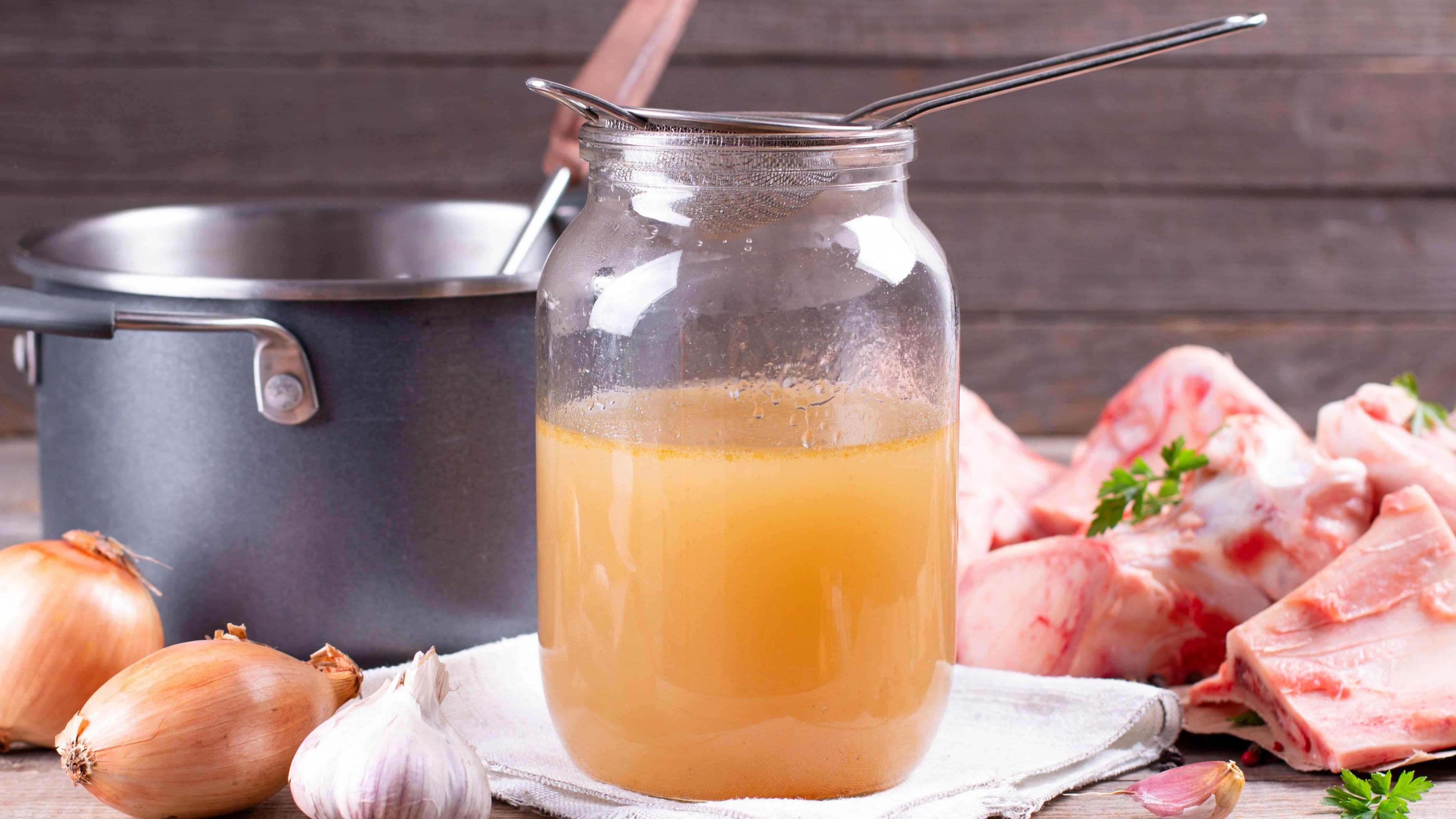
Stock is made primarily from bones – chicken carcasses, beef bones, fish frames – simmered in water for an extended period. The key word is bones, and specifically what happens to them during a long simmer: collagen breaks down into gelatin, which gives stock its body, its silky texture, and its ability to thicken sauces naturally as it reduces. A well-made stock, when chilled, should jiggle like loose Jell-O. That gelatin is the whole point.
Stock is typically unseasoned or very lightly seasoned. The idea is that it's a building block – an ingredient you cook with rather than something you'd drink on its own. When you're making a pan sauce, a braise, or a risotto, stock is what you reach for because it adds depth, richness, and body without overwhelming the dish with salt. If you added heavily seasoned liquid to something that reduces for 30 minutes, you'd end up with something far too salty by the end.
Vegetables and aromatics are included in most stocks – onion, carrot, celery, peppercorns, bay leaves, fresh thyme – but they're secondary to the bones. The bones do the heavy lifting on flavor and texture. Chicken stock simmers for roughly three to four hours; beef stock is often roasted first to develop deeper flavor and then simmers for six to eight hours or more.
Broth: Lighter, Seasoned, and Ready to Drink
Broth is made from meat rather than (or in addition to) bones. Because it relies more on muscle meat than on collagen-rich connective tissue, broth has a lighter, cleaner flavor and doesn't gel when chilled the way stock does. It also tends to be seasoned – salted during cooking to taste good on its own – which is why "chicken broth" is what you're usually handed when you're sick and why cartons labeled "broth" on grocery store shelves tend to be saltier than ones labeled "stock."
Broth is the right choice when you want a lighter result: a quick soup where you don't need a thick, rich base, a light poaching liquid, or anywhere the liquid is a supporting element rather than the foundation of a sauce. It's also more pleasant to sip straight, which matters for uses like drinking from a mug or making a simple consommé.
The practical difference in cooking: broth doesn't reduce into a thick, coating sauce the way stock does, because the gelatin isn't there. If you're making a pan sauce and use broth instead of stock, you'll end up with something thin and watery rather than silky. Conversely, using a rich stock in a delicate broth-based soup can make it feel heavier than the dish calls for.
Bone Broth: The Long-Simmered Hybrid
Bone broth is essentially stock taken further – same bones-and-connective-tissue approach, but simmered for a much longer time, often 12 to 24 hours. The extended cooking extracts more gelatin and minerals from the bones, producing a liquid that is even richer, more deeply flavored, and more gelatinous than standard stock. It's also almost always seasoned well enough to drink straight, which bridges the gap between stock (a cooking ingredient) and broth (a drinking liquid).
The name is a bit of a marketing invention – "bone broth" isn't a culinary term with a long history in professional kitchens, where what's being described would simply be called a long-cooked stock. But as a product category, bone broth has earned its place because the longer simmer genuinely does produce a different result: more body, more flavor, and a richer mouthfeel. The health claims around collagen and minerals that you'll see on packaging are more contested than the marketing implies, but the flavor benefits are real.
Bone broth is well-suited for drinking warm, making deeply flavored soups and braises, or using anywhere you want maximum richness from your liquid. Because it's typically well-seasoned and already concentrated, it can be too rich if used where a lighter stock would be more appropriate.
How to Choose the Right One
The simplest guide: if you're making a sauce or braise that reduces, use stock – the gelatin is what gives you body and prevents the sauce from staying watery. If you're making a soup where the liquid is the star and you want something light and seasoned, use broth. If you want maximum depth and richness and you're not worried about adding weight to a dish, bone broth. And if a recipe just says "chicken liquid" without specifying, stock is almost always the intended choice.
For store-bought products, read labels carefully. Many cartons labeled "broth" are actually quite thin and heavily salted – fine for soup but not ideal for reduction-based cooking. Cartons labeled "stock" vary; some are genuinely gelatinous and body-rich while others are essentially broth with a different label. The best indicator is the sodium content (stock should be lower) and whether the liquid is described as unseasoned or lightly seasoned.
If you make your own, the difference is in your hands: more bones, less seasoning, and a shorter to medium simmer time for stock; more meat, seasoning to taste, for broth; and a very long simmer from bones and connective tissue for bone broth.
Making a Simple Chicken Stock at Home
Homemade stock isn't hard – it's mostly hands-off time and the occasional skim. And the difference between homemade and carton stock in a sauce or risotto is noticeable enough to be worth the occasional batch.
What you'll need:
1 chicken carcass (or 2–3 lbs of chicken backs, necks, or wings)
1 medium onion, roughly halved
2 carrots, roughly chopped
2 celery stalks with leaves if possible
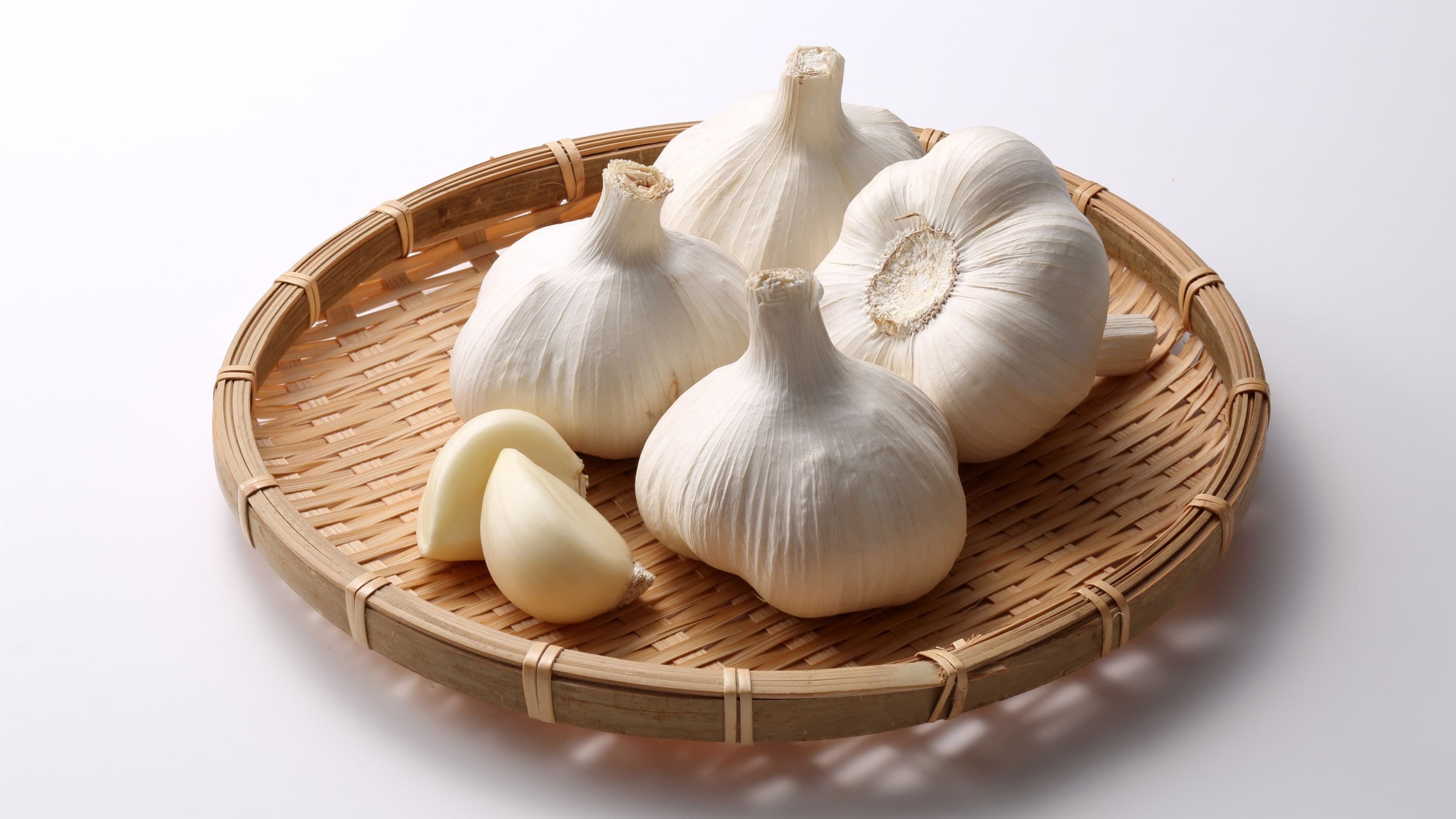
1 head of garlic, halved crosswise
1 tsp whole black peppercorns
2 bay leaves
A few sprigs of fresh thyme or parsley stems
Enough cold water to cover (roughly 10–12 cups)
Instructions:
Put the chicken and vegetables in a large pot and cover with cold water. Starting with cold water helps the liquid stay clear as impurities rise slowly to the surface rather than getting locked in from a hot start. Bring it to a gentle simmer over medium heat – not a rolling boil, which clouds the stock and makes it more difficult to skim.
Once you see foam and gray impurities rising, skim them off with a ladle or a fine-mesh spoon. This takes 10–15 minutes at the beginning and then mostly stops. Once the stock is running fairly clear, add the vegetables and aromatics if you haven't already, reduce the heat to a very low simmer, and let it go for three to four hours. You want small, lazy bubbles – just barely simmering, not boiling.
After three to four hours, strain the stock through a fine-mesh sieve into a large bowl or container. Discard the solids. Let the stock cool to room temperature, then refrigerate. Once cold, a layer of fat will solidify on top – lift it off and discard it if you want a leaner stock, or leave some in for extra richness.
Use within five days from the fridge, or freeze in one-cup portions for up to three months. Freezing in portions makes it easy to pull exactly what a recipe calls for.
What to Avoid
Boiling stock aggressively is the most common mistake. A vigorous boil emulsifies fat into the liquid and makes it cloudy and greasy-tasting. Keep it at the barest simmer throughout.
Adding salt to stock while it cooks defeats its purpose as a building block ingredient. Salt it only when you're using it in a finished dish, after you know how much the stock will reduce. If you salt your stock and then reduce it by half for a sauce, the result will be too salty to serve.
Using only breast meat to make broth produces something thin and flavorless. Chicken thighs, wings, necks, and backs have far more collagen and fat, which means more flavor. For bone broth, chicken feet are among the highest-gelatin additions you can make if you can find them.
Storing stock in the fridge for too long is another easy mistake. It looks fine until it doesn't, and five days is the safe window. Freeze what you won't use within that time.
FAQ
Can I substitute broth for stock in a recipe?
Usually yes, with some adjustment. The result will be lighter and less rich, and if the broth is salted you'll need to reduce or eliminate any added salt in the recipe. For soups and braises where you're not heavily reducing the liquid, it works fine. For pan sauces and risottos where the stock is reduced and concentrated, the difference is more noticeable – the sauce won't have the same body.
Why does homemade stock gel in the fridge but store-bought doesn't?
Because commercial stock is often made quickly and with less bone material than homemade versions, it contains less gelatin. Most carton stocks don't gel when chilled. Some premium brands do – that's generally a sign of higher quality. When you make stock at home with a proper carcass or bony pieces and simmer it long enough, the collagen extraction is much more thorough, which is why yours gels and theirs often doesn't.
Is bone broth actually healthier than regular stock?
The health claims – improved joint health, gut healing, collagen benefits – are more speculative than the confident packaging language suggests. The collagen in bone broth breaks down into amino acids during digestion, and whether those amino acids specifically improve joints or skin in a meaningful way isn't clearly established by research. What is true is that bone broth is nutritious, protein-rich, and genuinely high in gelatin, which is good for cooking. Judge it on flavor and culinary usefulness rather than supplement-style health promises.
What's the best way to freeze stock?
Cool it completely first, then portion it before freezing. Freezing in one-cup and half-cup portions (silicone ice cube trays and zip-lock bags work well) means you can pull exactly what a recipe needs without thawing a whole container. Freeze flat if using bags so they stack compactly. Stock frozen this way keeps well for up to three months with no noticeable quality loss.
Does stock need to be skimmed? It seems fussy.
It helps but isn't strictly necessary. The foam that rises at the beginning is mostly coagulated protein and impurities from the bones, and skimming it off gives you a cleaner-tasting, clearer stock. If you skip it, the stock will be slightly cloudier and may have a faint off-flavor, but it'll still work in most cooking applications. If you're making a clear soup or consommé where appearance matters, skimming is worth the effort. For a stock that's going into a braise or sauce, you can get away with skipping it.
The Simplest Takeaway
Stock is for cooking, broth is for lighter applications and drinking, and bone broth sits between them – richer, more seasoned, and built for depth. Keep unsalted stock in your freezer in small portions and you'll have a foundation for dozens of dishes that transforms what you can make on a weeknight. It's one of those fundamentals that quietly raises the quality of everything you cook with it.
📚 Sources
Serious Eats – Stock vs. broth: what's the difference?: https://www.seriouseats.com/difference-between-stock-and-broth
The Kitchn – How to make chicken stock at home: https://www.thekitchn.com/how-to-make-chicken-stock-cooking-lessons-from-the-kitchn-50199
America's Test Kitchen – Why homemade stock gels and commercial stock doesn't: https://www.americastestkitchen.com/articles/646-ask-the-test-kitchen-chicken-stock
BBC Good Food – Bone broth: is it good for you?: https://www.bbcgoodfood.com/howto/guide/bone-broth
USDA FoodData Central – Chicken broth nutritional data: https://fdc.nal.usda.gov/fdc-app.html#/food-details/171950/nutrients