Here's what garlic actually needs to stay at its best, how to store it at each stage — whole bulb, broken cloves, peeled, and already prepped — and the common mistakes that make it go bad faster than it should.
What Garlic Is and Why It Goes Bad
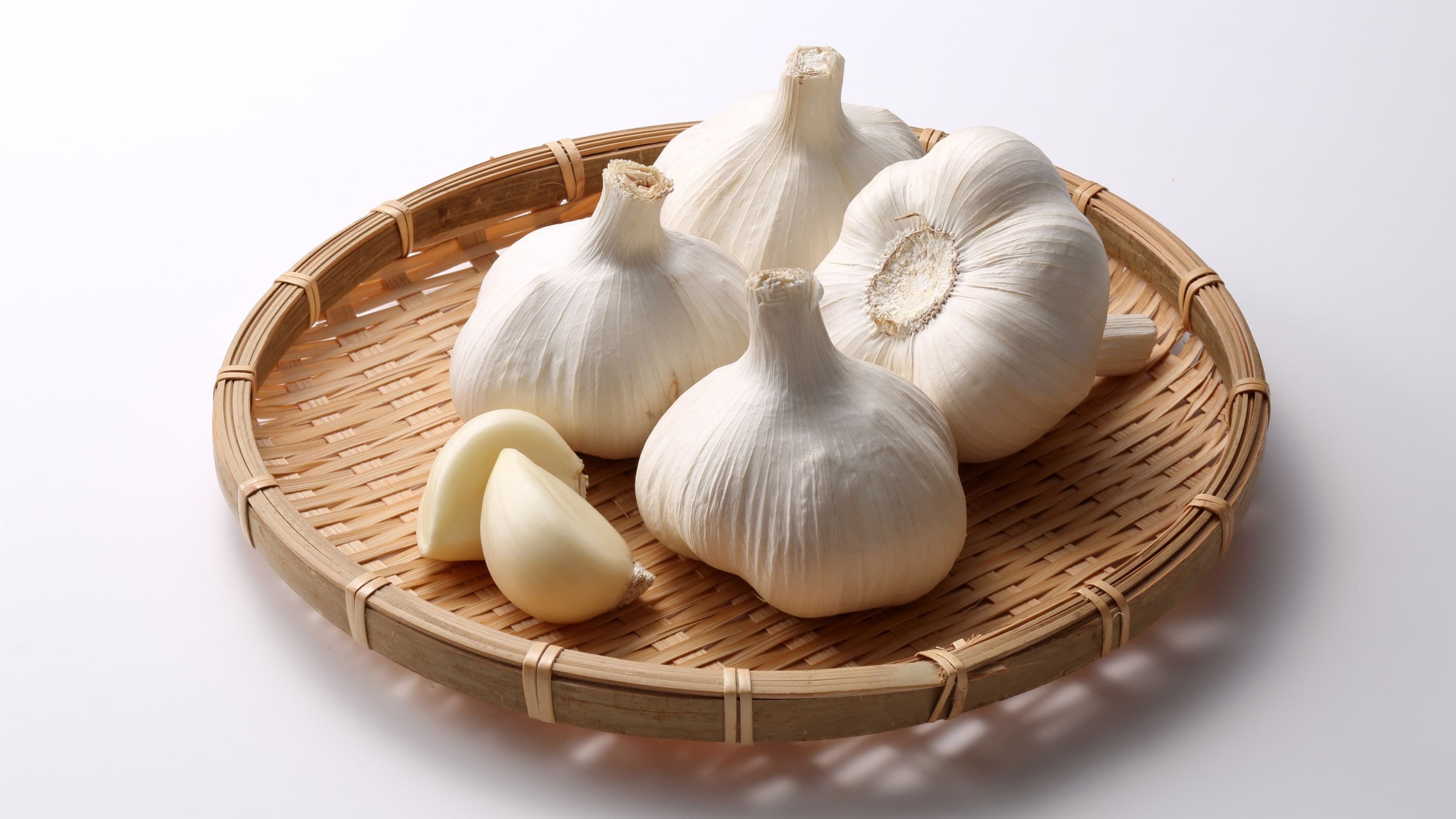
Garlic is a bulb made up of individual cloves wrapped in layers of papery skin. That papery skin is its natural protection — it keeps moisture in and keeps bacteria and mold out. When the skin is intact, the garlic is relatively self-sufficient. When the skin is removed or damaged, that protection disappears and the clock starts ticking much faster.
What typically kills garlic early is moisture and warmth. Both conditions encourage mold growth and bacterial activity. A damp kitchen drawer or a spot near the stove creates exactly the environment that breaks garlic down quickly. The other enemy is light, which can trigger early sprouting and flavor degradation. Sprouted garlic isn't unsafe to eat — but it does taste more bitter, and the sprouted cloves are past their peak.
Understanding these two basic enemies — moisture and warmth — makes every storage decision logical rather than arbitrary.
How to Choose Good Garlic Before You Even Bring It Home
You can store garlic perfectly and still end up with a short shelf life if you start with a bulb that's already compromised. When buying garlic, look for bulbs that feel firm and heavy when you squeeze them gently. The papery outer skin should be dry, tight, and intact — not peeling, soft, or showing any dark spots or mold. Avoid bulbs with any visible sprouting, soft patches, or an excessively strong smell before they're cut open. A fresh bulb has very little aroma until you break the skin.
Locally grown or farmers market garlic typically lasts longer than supermarket garlic, which has often spent weeks in cold storage before hitting the shelf. Hardneck varieties (you'll notice they have a woody stem in the center) tend to have more complex flavor but shorter shelf life — a few months at most. Softneck varieties, which are what you'll find in most grocery stores, are bred for storage and can last considerably longer under the right conditions.
How to Store a Whole, Unbroken Bulb
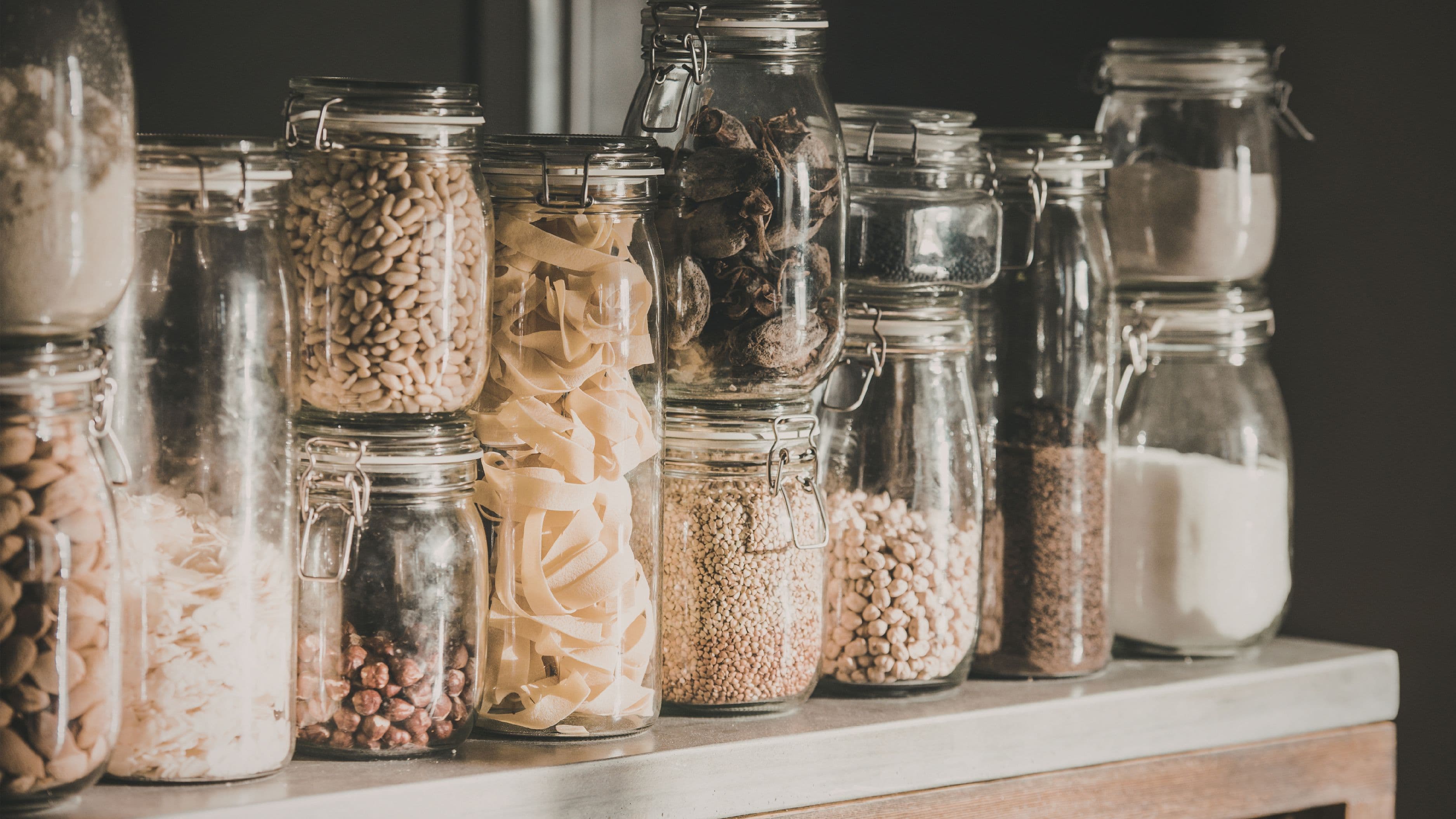
An unbroken bulb of garlic with all its papery skin intact is the easiest to store well. It needs three things: cool temperatures, low humidity, and good airflow. A mesh bag, a small basket, a ceramic garlic keeper with ventilation holes, or simply a spot in an open container on the counter works well — provided the location itself is right.
The ideal storage spot is cool (around 60–65°F / 15–18°C), dry, and away from direct sunlight and heat sources. A pantry, a cupboard away from the stove, or a cool corner of the kitchen all work. What doesn't work is an airtight container at room temperature — garlic needs to breathe, and sealing it in a container traps moisture and accelerates mold growth. The refrigerator is also problematic for whole bulbs, as the moisture and cold can trigger sprouting once the garlic comes back to room temperature.
Stored correctly this way, a whole bulb of garlic will stay fresh and usable for three to five weeks — and sometimes longer for softneck varieties in optimal conditions.
Once You've Broken Into a Bulb
Once you break a bulb and remove a clove or two, the remaining cloves are more exposed. The torn or separated portions of the skin no longer seal as tightly, and the remaining cloves lose moisture more quickly. At this point you have two good options.
The first is to keep the broken bulb in the same cool, dry, well-ventilated spot as before — just expect the remaining cloves to last closer to 10–14 days rather than several weeks. Use them in order of how exposed they are; the cloves with more intact skin will keep a bit longer than those with torn or missing papery covering.
The second option is to keep the broken bulb in a small paper bag or a loose cloth bag in a cool spot. The paper or cloth absorbs small amounts of moisture that might otherwise accumulate around the exposed surfaces, without sealing off the airflow the garlic needs. This is a small but genuinely useful step.
Storing Peeled Cloves
Peeled garlic cloves are more delicate and need refrigeration. Once the skin is off, the clove is fully exposed — there's no barrier between the flesh and the surrounding environment. Left at room temperature, peeled cloves will dry out, develop mold, or start to ferment within a day or two.
In the fridge, peeled cloves stored in an airtight container or resealable bag will last about one week — sometimes up to ten days if the cloves were fresh and dry when you stored them. Make sure the container is fully sealed, because garlic's aroma is strong enough to transfer to other foods in the fridge if left uncovered.
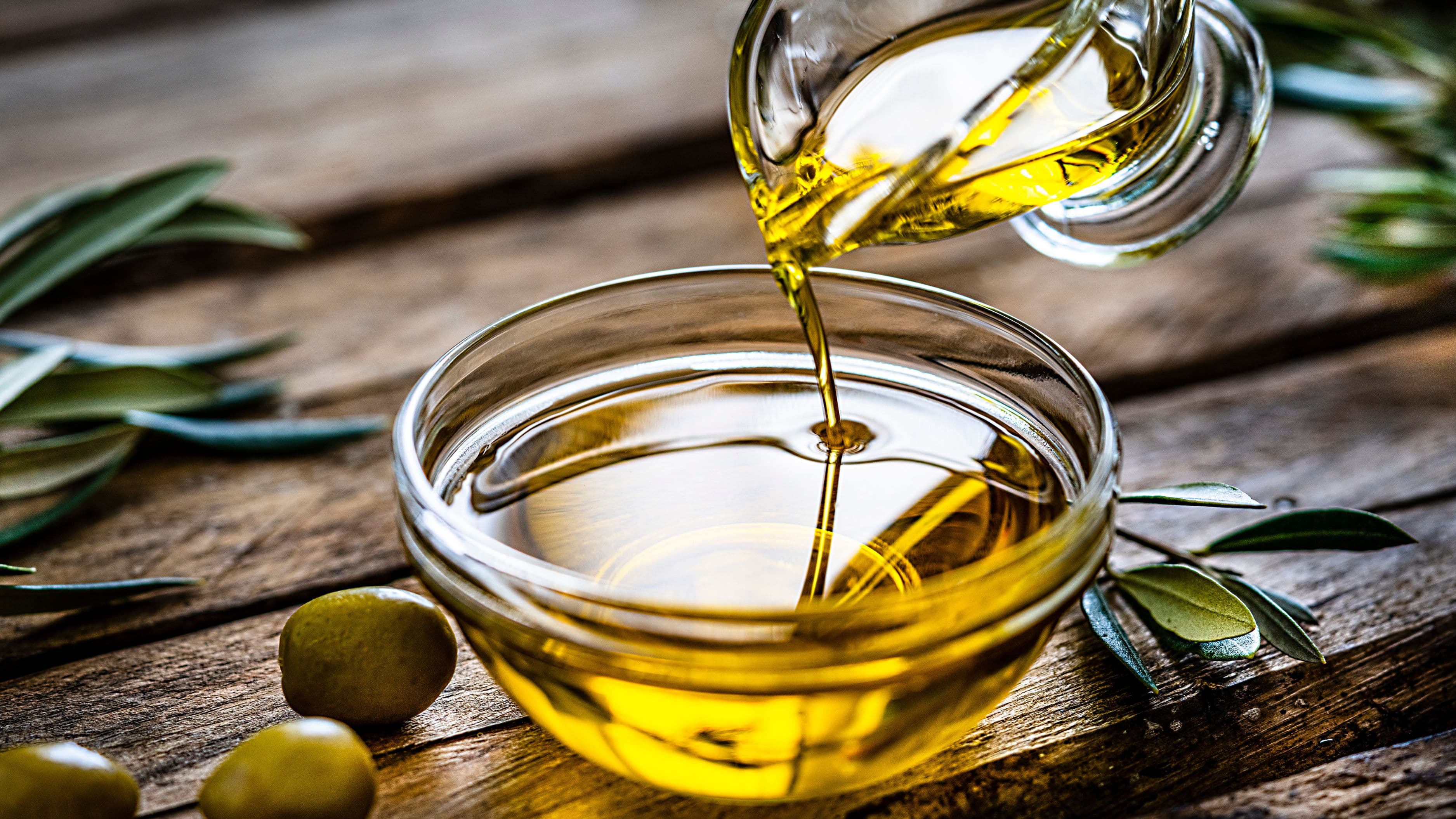
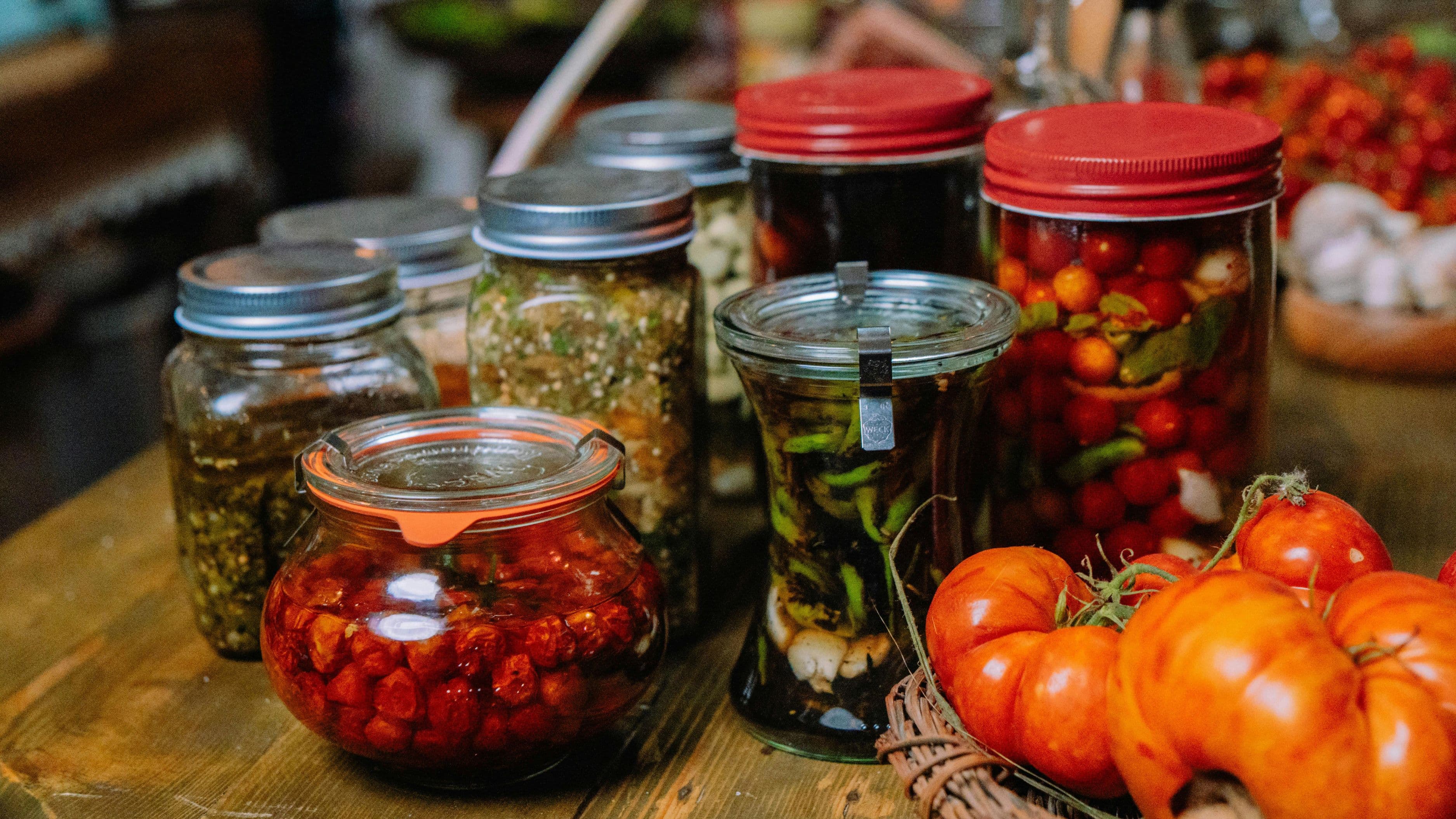
You can also submerge peeled cloves in olive oil in an airtight container in the fridge for up to one week. This keeps the cloves moist and flavorful, and the garlic-infused oil itself becomes a useful cooking ingredient. One important note: garlic stored in oil at room temperature creates conditions where Clostridium botulinum, the bacteria responsible for botulism, can grow. This isn't a risk when refrigerated properly and used within a week, but garlic-in-oil should never be stored at room temperature, regardless of what you may have seen online.
Storing Minced or Chopped Garlic
Minced garlic has the shortest fridge life of any garlic preparation. Once chopped or pressed, the cell walls are broken and the compounds that give garlic its flavor — primarily allicin — begin to degrade. Minced garlic stored in an airtight container in the fridge will stay usable for one to three days, but the flavor will be noticeably less bright by day two.
If you frequently mince garlic in batches, a light coating of olive oil over the top of the stored garlic helps slow oxidation. Use the same refrigeration-only rule as peeled cloves — no room temperature storage once it's been processed.
For longer-term storage of minced garlic, freezing is the better option. Freeze small portions in an ice cube tray, then transfer the frozen cubes to a freezer bag. Frozen minced garlic keeps well for three to four months and can go straight into a hot pan from frozen — no thawing needed.
Freezing Garlic
Freezing is an underused option for extending garlic's life significantly. It works well for whole peeled cloves, roughly chopped garlic, and minced garlic. The texture softens after freezing, which means frozen garlic is best used in cooked dishes rather than eaten raw or used in preparations where texture matters (like slicing for a finishing garnish). For roasting, sautéing, soups, sauces, or stews, frozen garlic performs just as well as fresh.
To freeze: peel and either leave cloves whole, roughly chop, or mince. Spread on a baking sheet in a single layer and freeze until solid (about an hour), then transfer to a labeled freezer bag or container. This prevents the pieces from clumping together into a frozen block that's hard to portion later. Whole cloves can also go straight into a freezer bag without the pre-freeze step since they're unlikely to stick together badly.
Frozen garlic will keep for up to six months with minimal flavor loss.
Common Garlic Storage Mistakes
One of the most common mistakes is storing garlic in an airtight container at room temperature — on the counter in a sealed jar, for example. It looks tidy but the lack of airflow traps moisture and causes mold within days. Garlic needs to breathe at room temperature.
Storing whole garlic bulbs in the fridge is another frequent error. The combination of cold and moisture causes garlic to sprout quickly and can make the cloves rubbery and less flavorful. Whole, unbroken bulbs belong at cool room temperature, not in the crisper drawer.
Buying pre-peeled or pre-minced garlic in jars and expecting it to taste like fresh is also worth managing expectations around. Jarred garlic has been processed and preserved, which dulls the flavor significantly. It's a convenience product — useful when you're in a hurry, but not a substitute for fresh garlic when the flavor actually matters in a dish.
Finally, throwing out sprouted garlic unnecessarily. Cloves with green shoots are past their peak but not spoiled. Slice the clove in half and remove the green sprout (it's bitter), and the remaining garlic flesh is still usable in cooked dishes.
A Quick Reference by Garlic Form
Whole unbroken bulb: cool, dry, ventilated spot at room temperature – lasts 3 to 5 weeks. Broken bulb with remaining cloves: same spot, use within 10 to 14 days. Peeled whole cloves: airtight container in the fridge – up to 1 week; or freeze for up to 6 months. Minced or chopped: airtight container in the fridge – 1 to 3 days; or freeze in portions for up to 4 months. Garlic in olive oil: airtight container in the fridge only – up to 1 week, never at room temperature.
FAQ
Can I store garlic in the refrigerator? Whole, unbroken bulbs are better stored at cool room temperature than in the fridge — the fridge's moisture and cold temperature can cause sprouting and changes in texture. However, once garlic is peeled, chopped, or minced, the fridge is the right place for it. The rule is: intact skin, room temperature; no skin, refrigerate.
Why does my garlic sprout so quickly? Sprouting typically happens when garlic is stored somewhere too warm, too bright, or too moist. It can also happen when garlic was already starting to sprout at the store before you bought it. Look for firm, tight bulbs when buying, and keep them in a cool, dark, ventilated spot at home to slow the process.
Is sprouted garlic safe to eat? Yes — it's safe, just milder in some ways and more bitter in others. The green sprout inside the clove is edible but tastes noticeably bitter on its own. For cooked dishes, remove the sprout and use the rest of the clove normally. For raw applications, the flavor difference is more noticeable, so fresh cloves are preferable.
What's the best container for storing garlic at room temperature? Something that allows airflow. A small ceramic garlic keeper with holes, a mesh produce bag, an open basket, or a small paper bag with the top loosely folded works well. Avoid sealed jars, plastic containers, or plastic bags — all of them trap moisture and accelerate deterioration.
Can I freeze garlic in oil? Yes — as long as it goes into the freezer immediately and not into the fridge or at room temperature. Garlic frozen in oil is safe because the freezing prevents bacterial growth. Use within three months and thaw in the fridge when ready to use.
Good garlic storage is mostly about understanding two things: intact skin means room temperature, no skin means cold. Build those habits and you'll waste far less garlic, always have fresh flavor available when you need it, and never reach for a bulb only to find it's already gone to waste.
📚 Sources
USDA – Storage Recommendations for Fresh Produce: https://www.nal.usda.gov/farms-and-agricultural-production-systems/food-and-nutrition/foodsafety/fruits-and-vegetables
University of California Cooperative Extension – Garlic Production and Storage: https://ucanr.edu/sites/tnc/files/272019.pdf
FDA – Food Safety for Garlic-in-Oil Preparations: https://www.fda.gov/food/buy-store-serve-safe-food/safe-food-handling
Serious Eats – How to Store Garlic: https://www.seriouseats.com/how-to-store-garlic
The Kitchn – The Best Way to Store Garlic: https://www.thekitchn.com/the-best-way-to-store-garlic-224878
CDC – Botulism and Home Food Safety: https://www.cdc.gov/botulism/prevention/index.html