
Why Most Meal Prep Advice Sets People Up to Quit
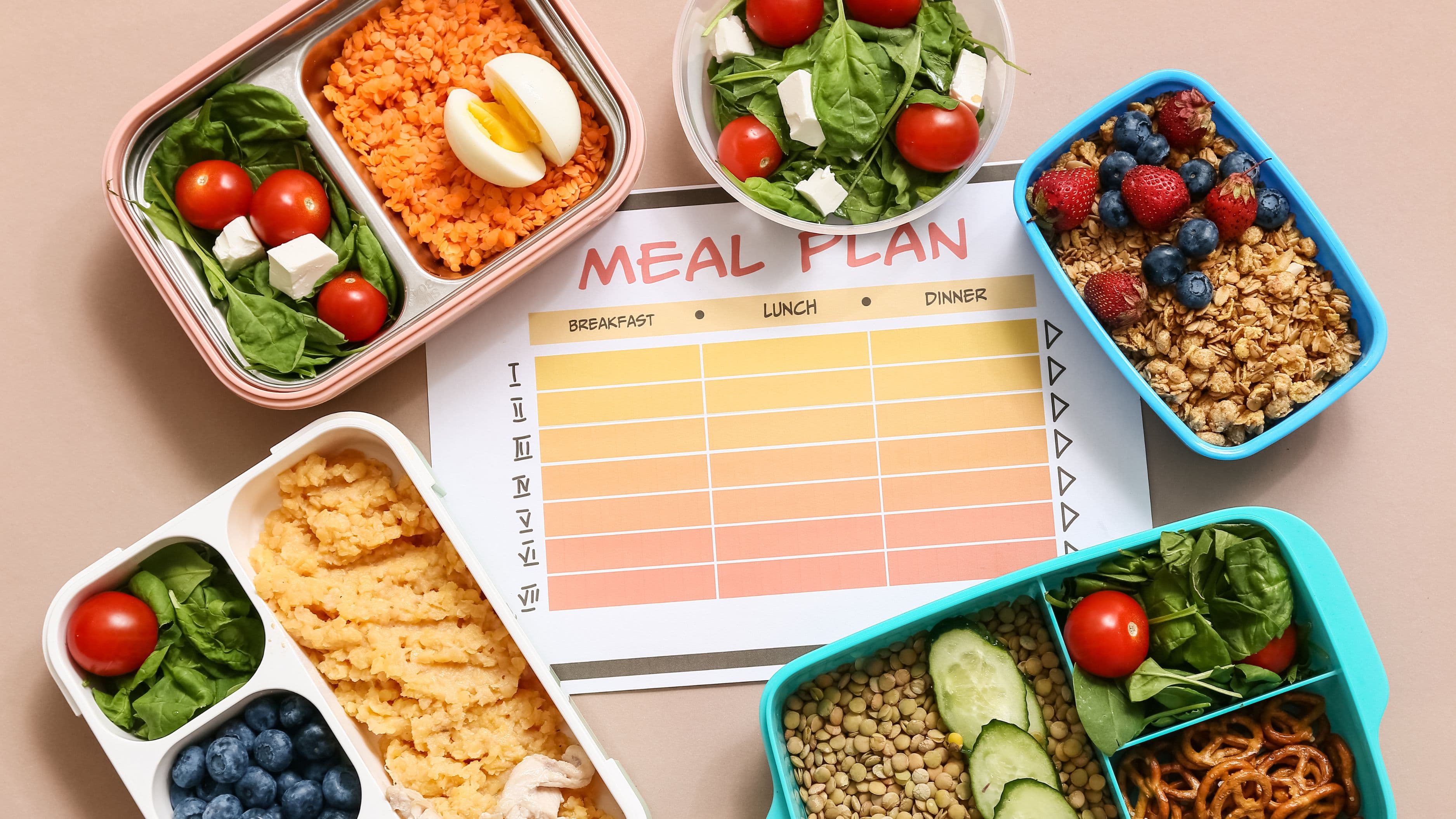
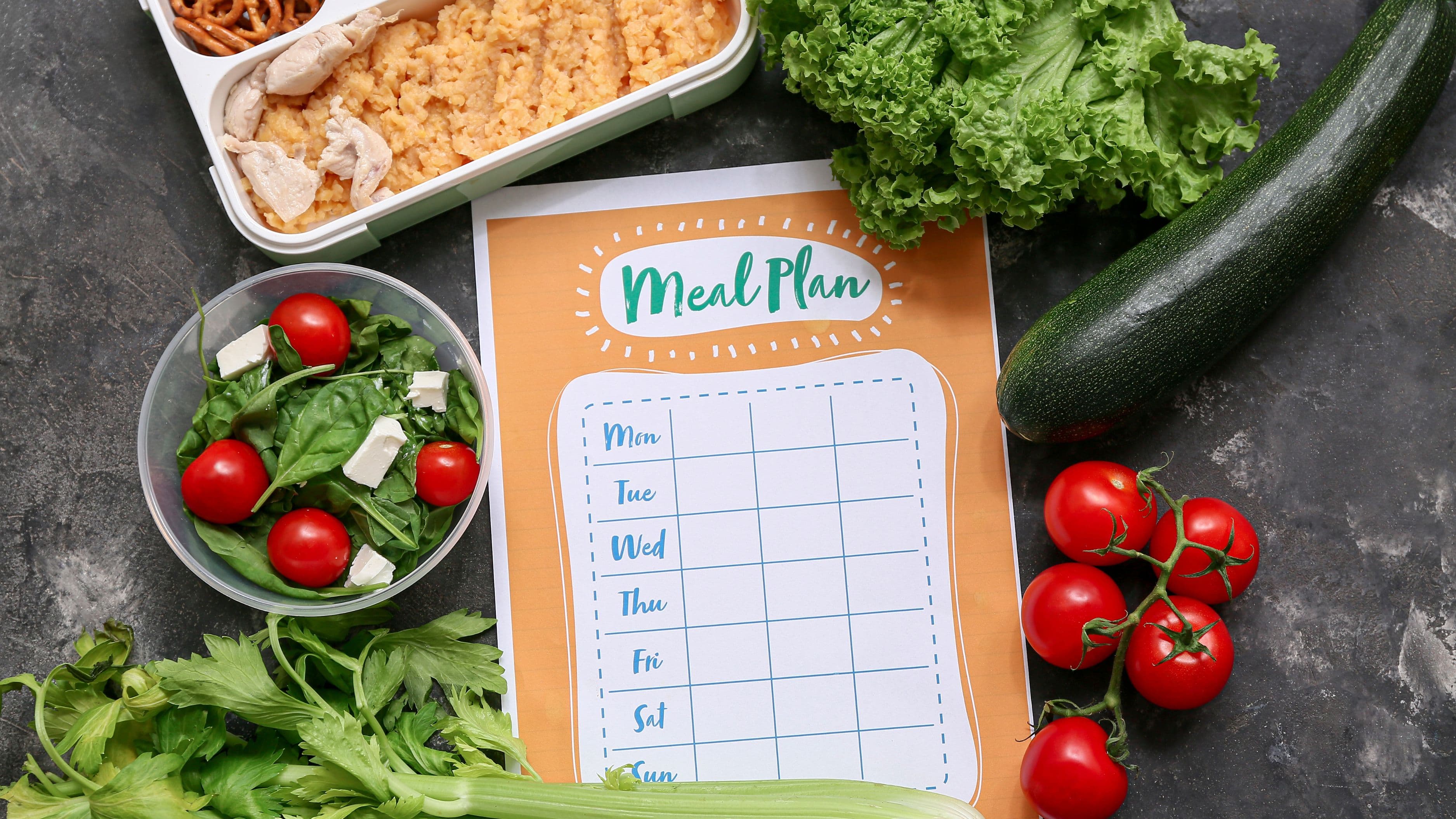
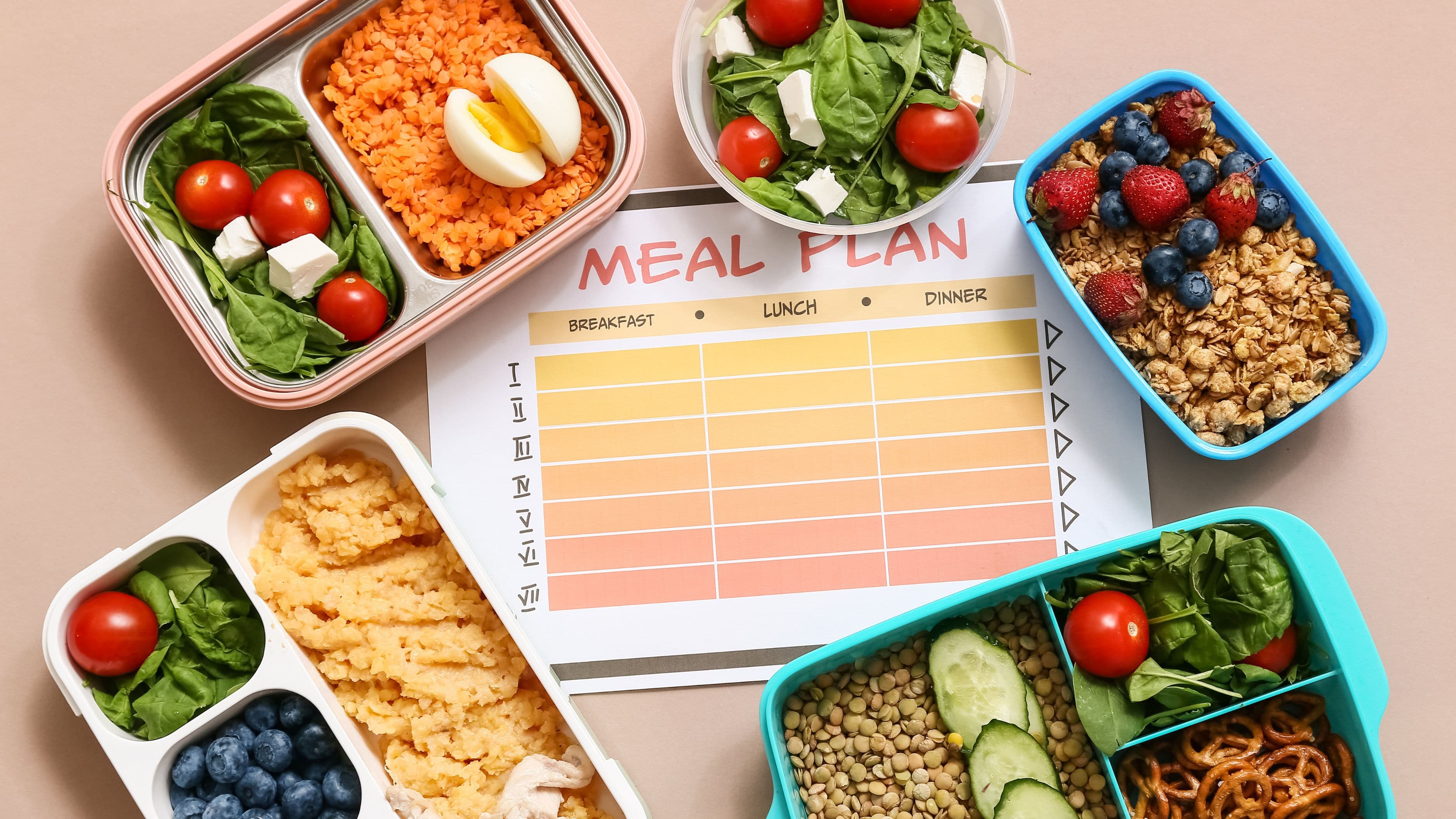
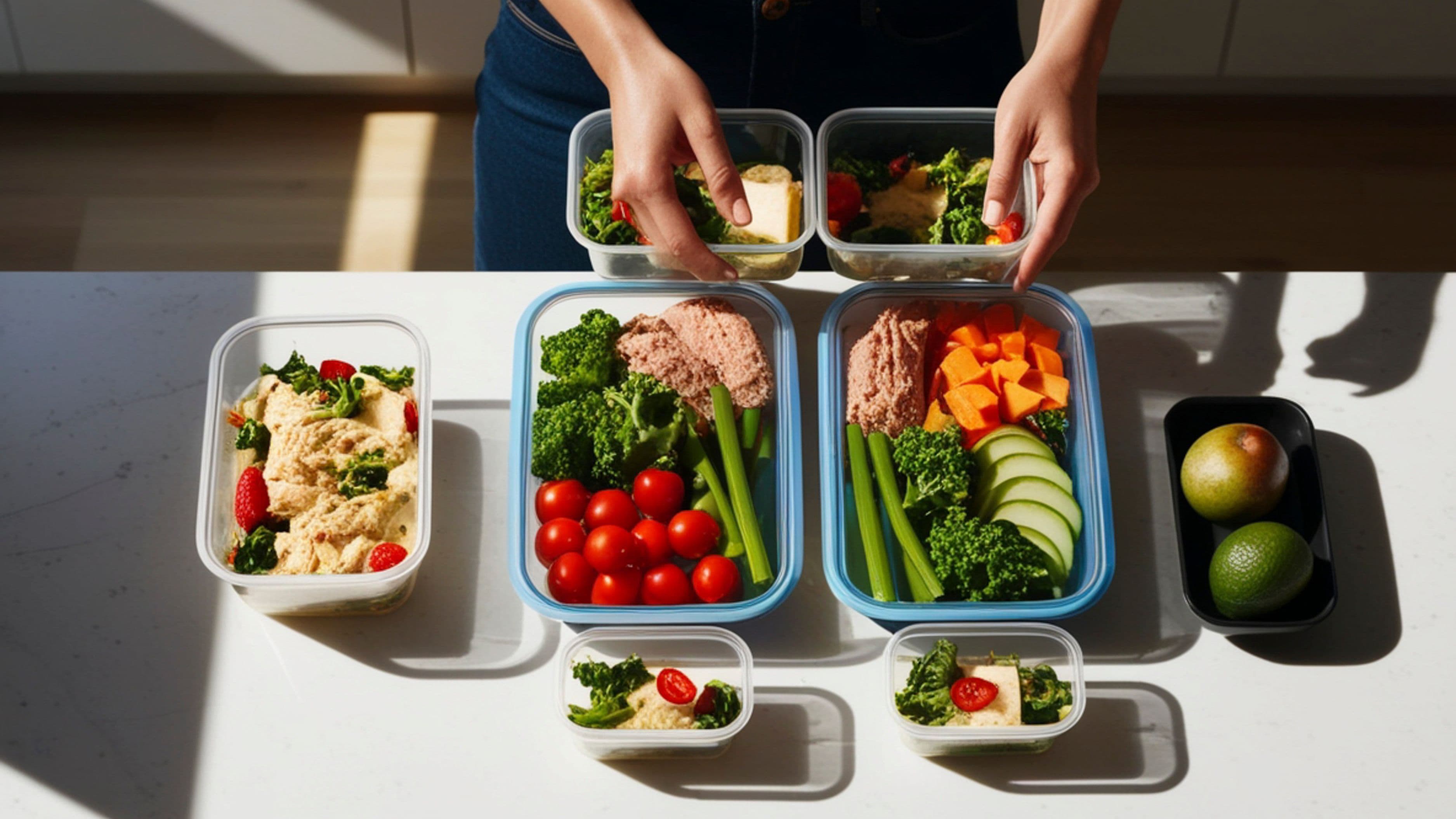
A lot of meal prep content is built around doing everything at once: every meal for the week, fully assembled, portioned into matching containers, in a single Sunday session. This works for some people, but for a lot of home cooks, it creates a genuinely stressful, multi-hour task that feels more like a chore to dread than a system that makes the week easier.
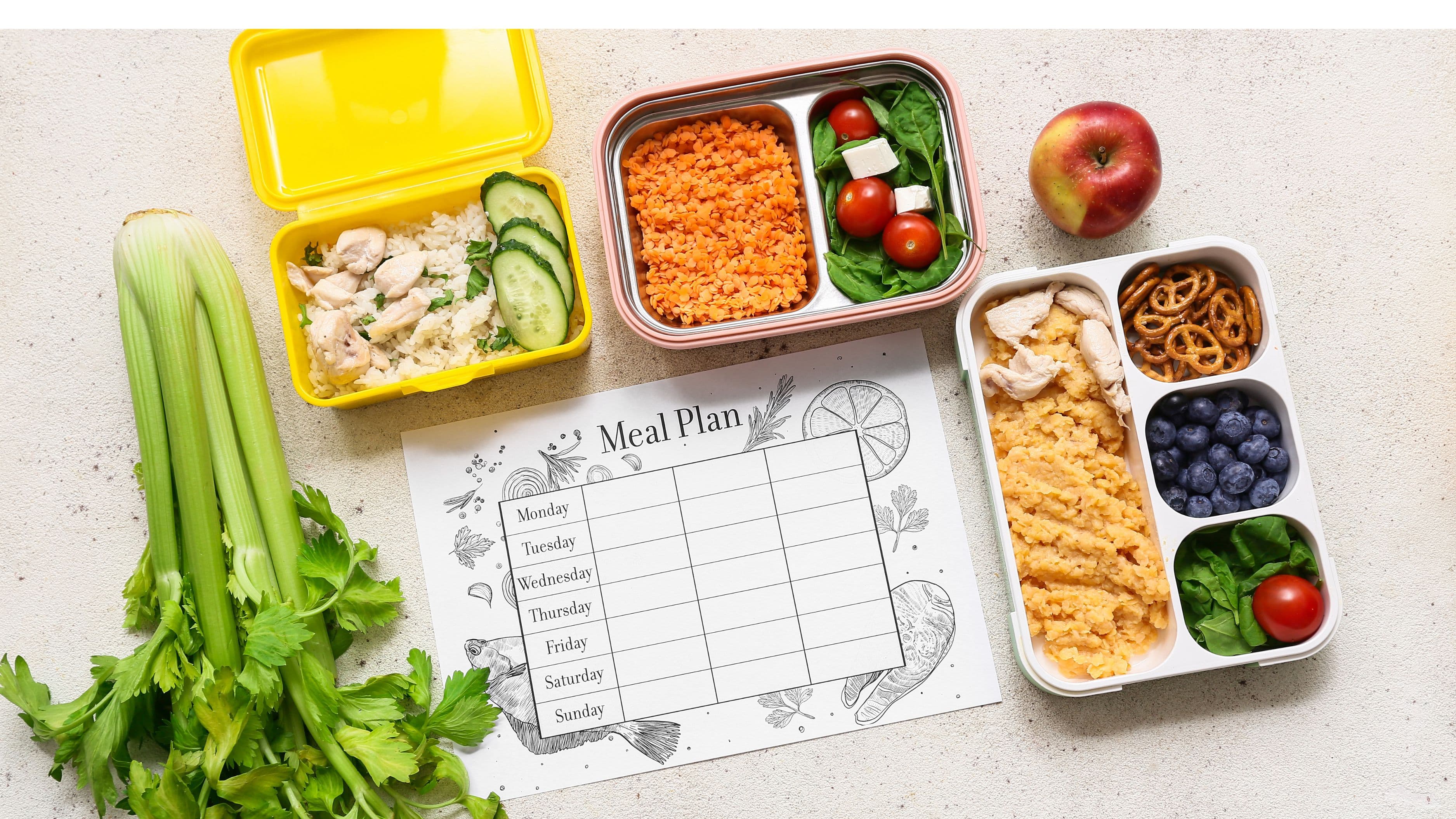
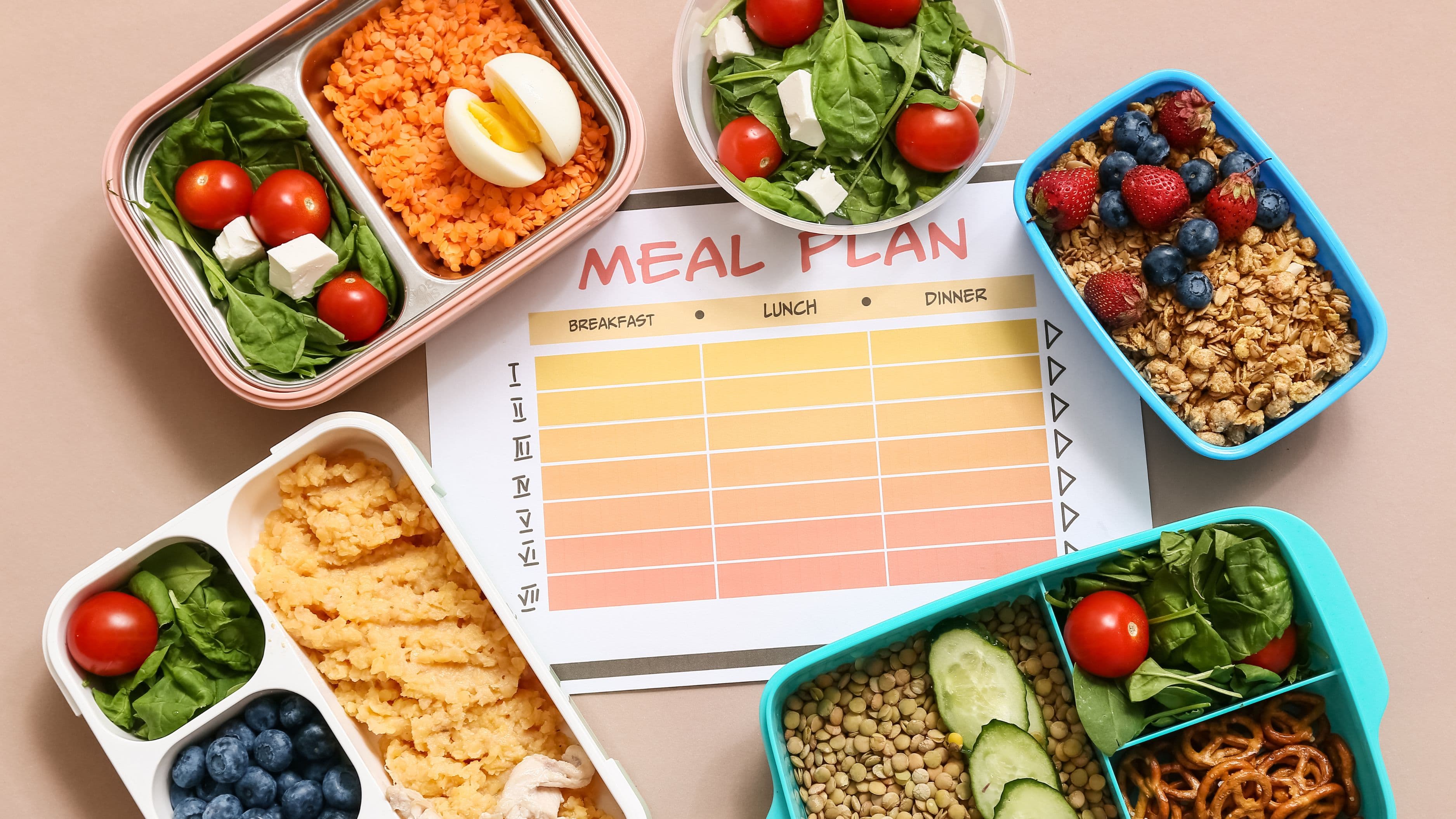
A more sustainable version of Sunday prep focuses on flexible building blocks rather than fully assembled meals, which takes less time overall, leaves more room for adjusting your actual meals during the week, and doesn't require getting everything perfect in a single sitting.
The Core Idea: Prep Components, Not Complete Meals
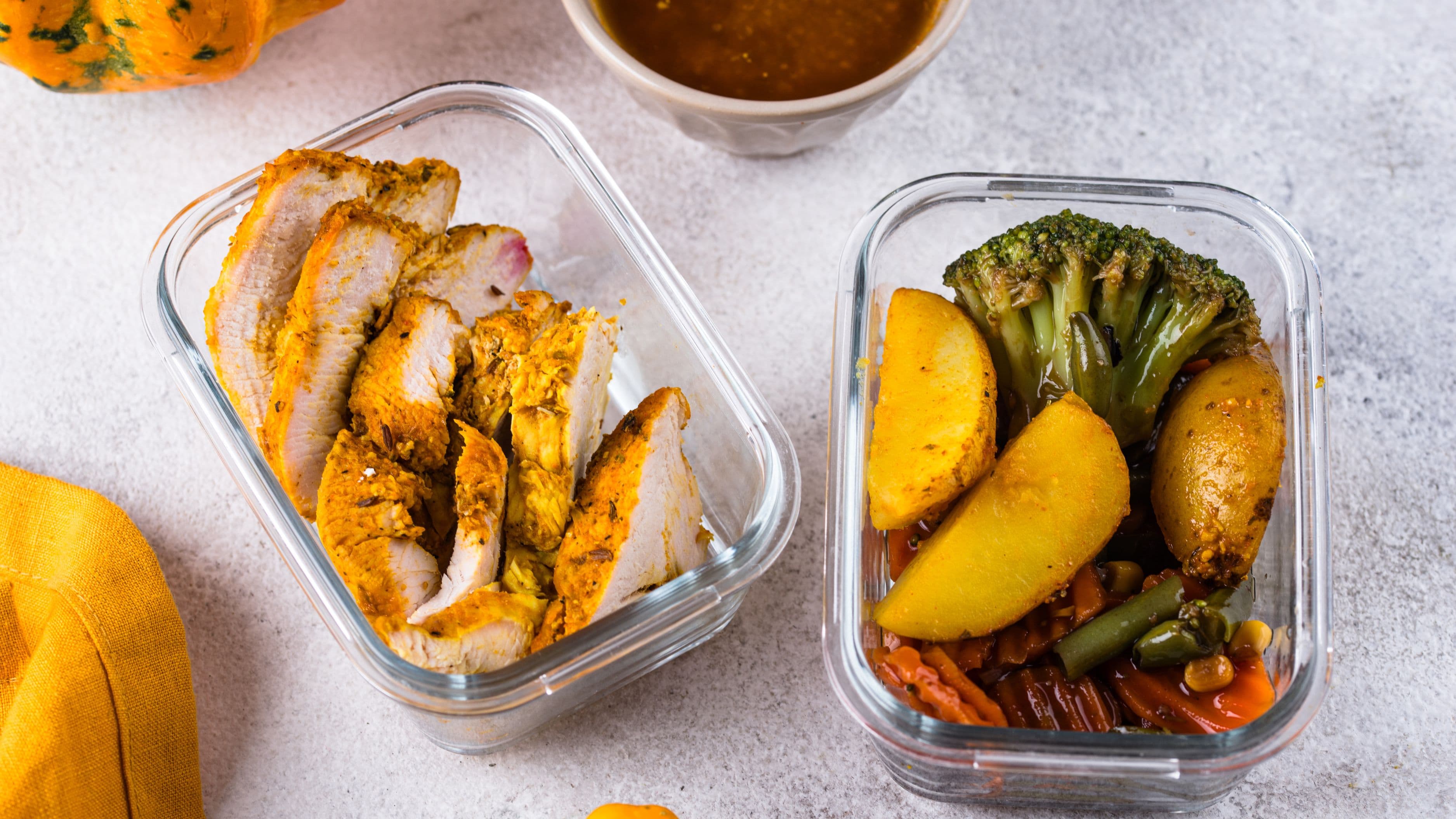
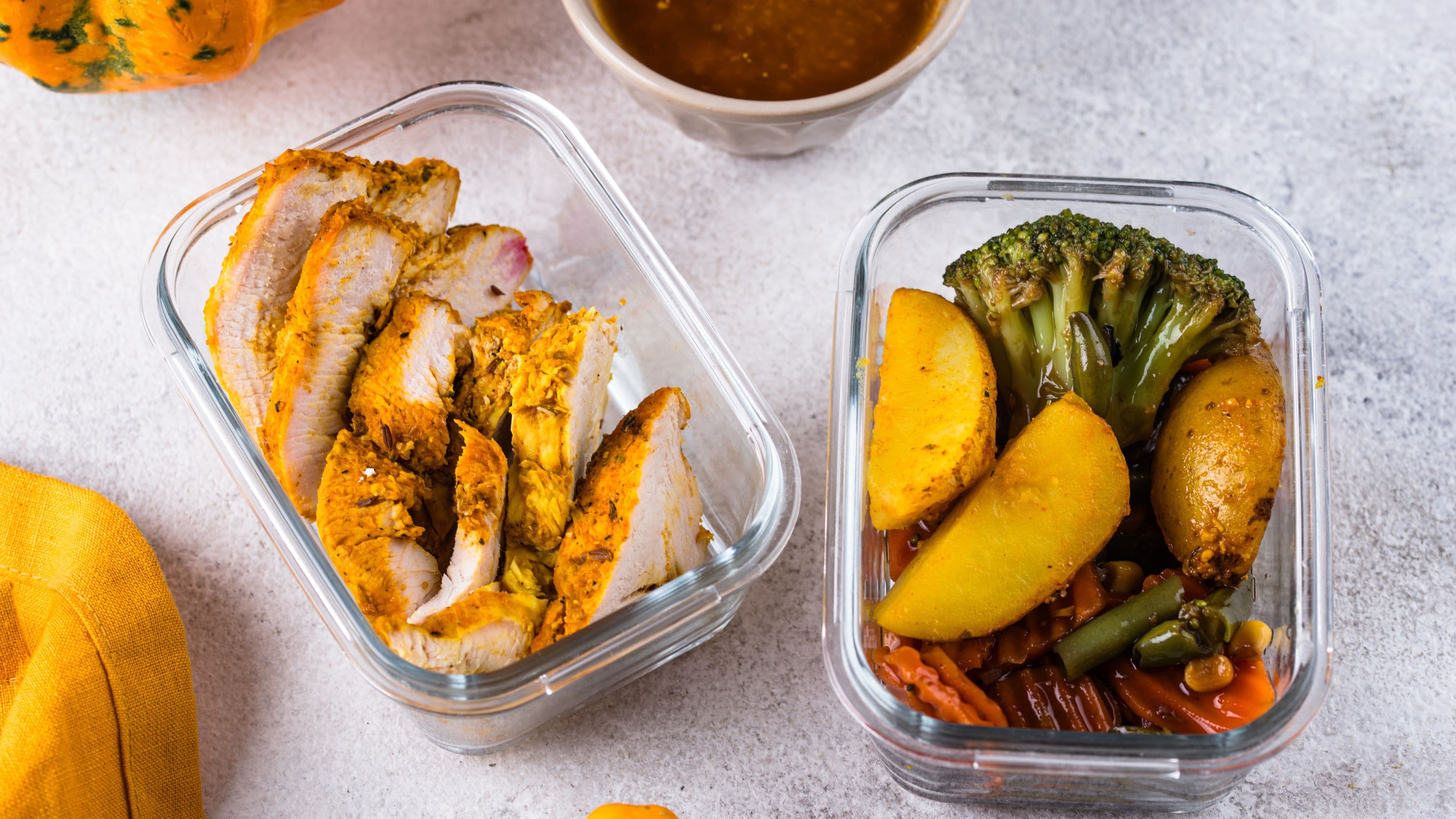
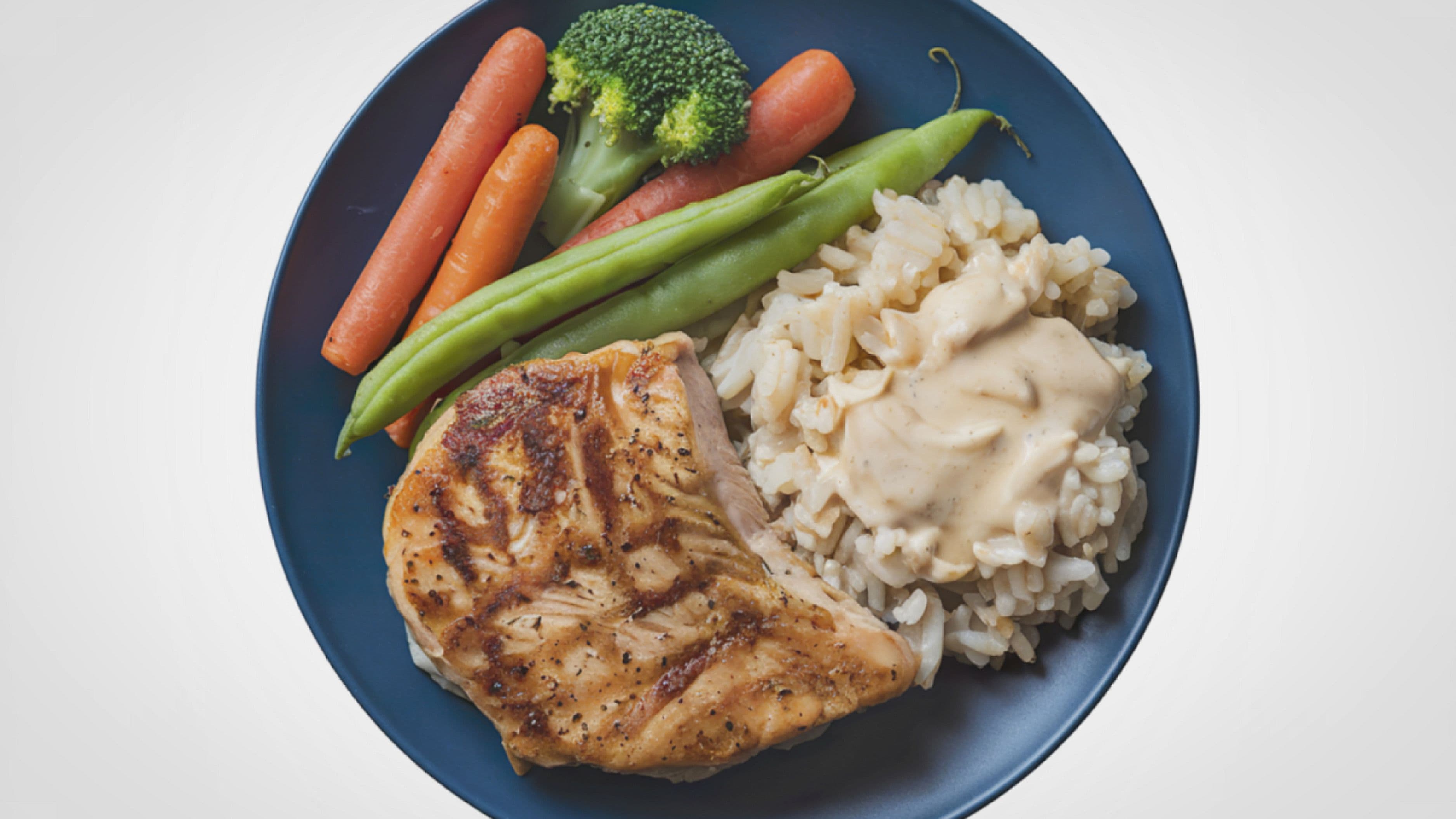
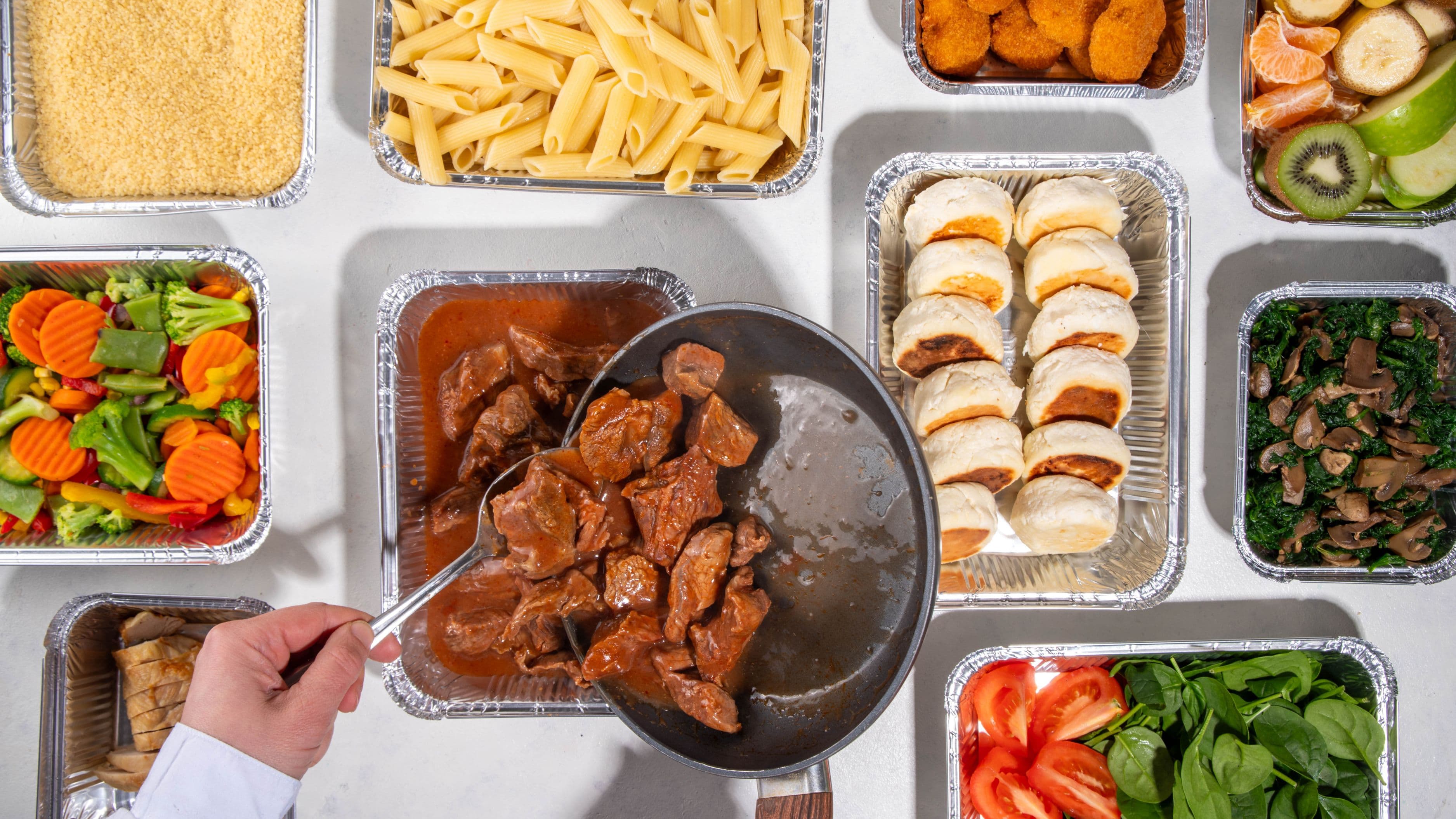
Instead of prepping five identical lunches, a stress-free approach preps a handful of versatile components that can be mixed and matched throughout the week. A batch of roasted vegetables, a cooked grain like rice or quinoa, and a protein like shredded chicken or baked tofu can become an entirely different meal each day depending on the sauce, seasoning, or other ingredients you pair them with.
This approach solves the biggest complaint people have about traditional meal prep, that eating the exact same meal five days in a row gets old fast, while still capturing most of the time-saving benefit of doing some cooking in advance.
Step 1: Choose Two to Three Proteins
Rather than prepping a different protein for every single meal, pick two or three proteins that reheat well and can work across multiple dishes. A roasted whole chicken or a batch of shredded chicken thighs, a pot of seasoned black beans, and a dozen hard-boiled eggs cover breakfast, lunch, and dinner options without requiring a different cooking process for each meal.
Cooking proteins in bulk, whether roasting a large tray of chicken thighs or simmering a big pot of beans, doesn't take meaningfully longer than cooking a smaller portion, which is part of what makes this step such an efficient use of prep time.
Time: 45–60 minutes for two to three proteins cooked simultaneously
Step 2: Roast One Big Tray of Vegetables
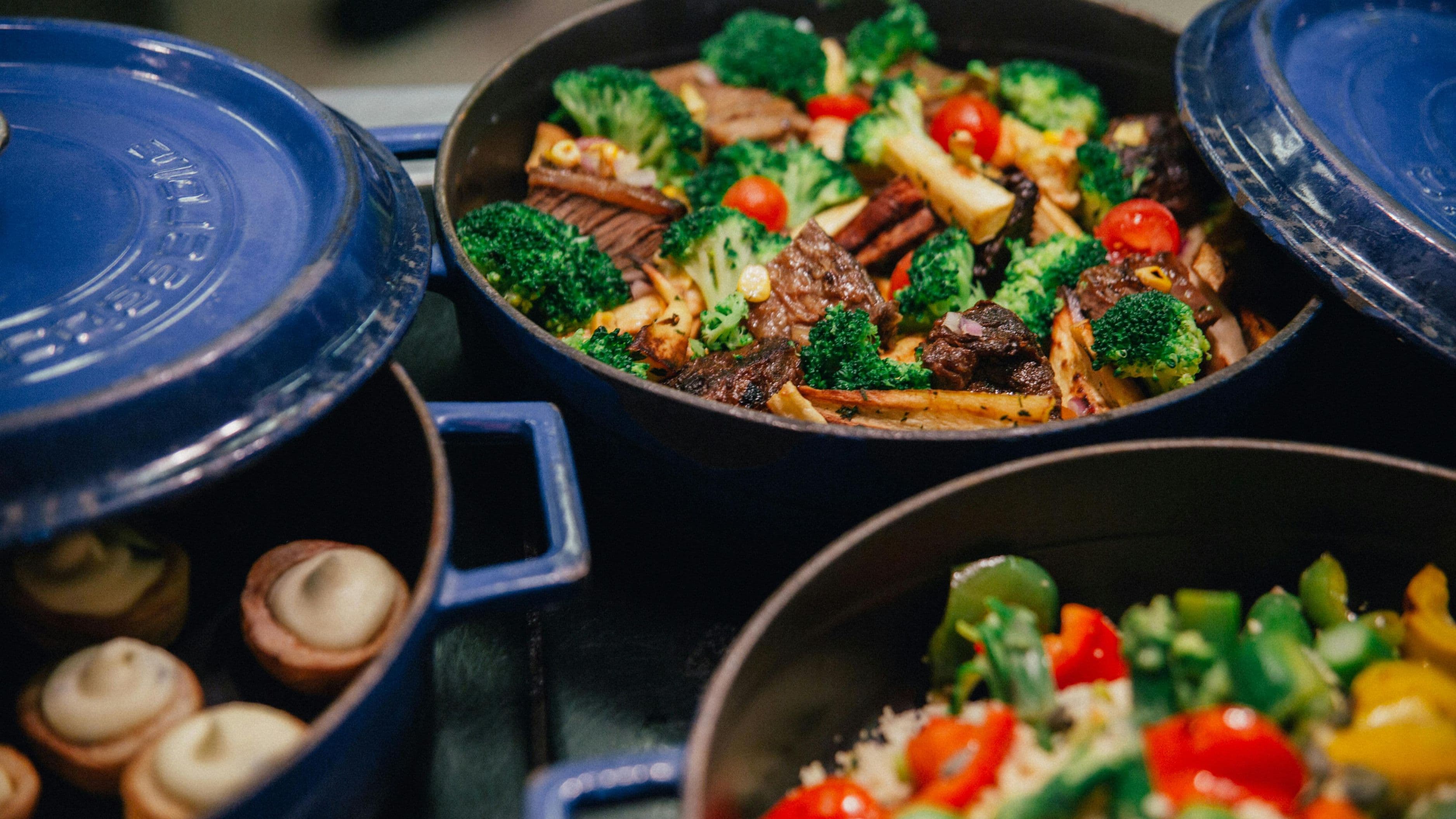
A single large tray of roasted vegetables, using whatever combination is in season or on sale, provides a flexible side or base for multiple meals throughout the week. Root vegetables, broccoli, and bell peppers all hold up reasonably well when reheated, making this a practical choice for advance prep compared to more delicate vegetables that wilt or lose texture after a few days.
Keeping the seasoning relatively simple, just salt, pepper, and a neutral oil, during the initial roast allows you to adjust the flavor profile later in the week depending on what meal you're building, whether that's adding a squeeze of lemon for a Mediterranean-style bowl or a drizzle of soy sauce for something more Asian-inspired.
Time: 30–40 minutes, largely hands-off while roasting
Step 3: Cook One Versatile Grain
A single pot of rice, quinoa, or another grain provides a flexible base that pairs with nearly any protein and vegetable combination you build throughout the week. Cooking a larger batch than you'd need for a single meal, then portioning it out as needed, is one of the simplest and most time-efficient parts of this entire process.
Time: 20–30 minutes, mostly hands-off while cooking
Step 4: Prep Two or Three Sauces or Dressings
This step is what actually prevents the "eating the same thing all week" fatigue. A simple vinaigrette, a quick yogurt-based sauce, and a basic soy-ginger dressing can each transform the same base ingredients into a noticeably different meal. Sauces typically take only a few minutes to whisk together and can be stored in small jars in the fridge for the week.
Having a few different flavor directions ready to go means Tuesday's bowl can taste completely different from Thursday's, even though both started from the exact same roasted vegetables, grain, and protein prepped on Sunday.
Time: 15–20 minutes total for two to three sauces
Step 5: Wash and Prep Produce That Doesn't Need Cooking
Washing and chopping produce you'll eat raw during the week, like leafy greens for salads or vegetables for snacking, removes a small but meaningful barrier to eating well on busy days. Produce that's already washed and ready to go gets used far more often than produce still sitting whole in the crisper drawer, simply because it removes the extra step that often gets skipped when you're tired.
Time: 15–20 minutes
Putting It All Together: A Realistic Timeline
A full version of this approach, covering proteins, vegetables, a grain, sauces, and washed produce, typically takes about two hours total, but a significant portion of that time is hands-off (roasting, simmering) rather than active hands-on cooking. This is meaningfully less demanding than assembling five to seven fully complete meals from scratch, while still providing enough prepped components to build most of your meals for the week with minimal daily effort.
`
What to Avoid
Avoid prepping components you don't actually enjoy eating just because they're popular in meal prep content you've seen online. A beautifully prepped tray of a vegetable you don't particularly like will sit in the fridge unused regardless of how efficiently it was prepped. It's also worth avoiding an overly ambitious prep list for your first attempt at this system, since starting with two proteins, one vegetable tray, one grain, and two sauces is more sustainable than trying to prep an entire week's worth of variety on your very first Sunday.
Be cautious about prepping delicate ingredients, like leafy greens meant for cooking rather than raw eating, too far in advance, since these tend to lose quality and texture faster than heartier vegetables, grains, and proteins.
Realistic Expectations
This system won't eliminate all cooking during the week, and it's not meant to. The goal is reducing the daily decision-making and active cooking time required for most meals, not eliminating cooking entirely. Expect Sunday prep to meaningfully reduce weeknight stress and cooking time for four to five days, while still leaving room for a fresh, from-scratch meal or a takeout night when it fits your week better.
FAQ
How long do prepped components typically last in the fridge? Most cooked proteins, grains, and roasted vegetables keep well for four to five days when properly stored in airtight containers. Sauces and dressings generally last slightly longer, often up to a week.
Can I freeze any of these components instead? Yes, cooked proteins and grains generally freeze well, which is a useful option if you want to prep a larger batch and stretch it across two weeks instead of one.
What if I don't have two hours on Sunday? This system scales down easily. Even prepping just one protein and one grain provides a meaningful head start for the week, and you can build out the rest of the components in future weeks as the routine becomes more familiar.
📚 Sources
USDA MyPlate – Meal Planning Basics – https://www.myplate.gov/eat-healthy/meal-planning
FoodSafety.gov – Safe Food Storage Guidelines – https://www.foodsafety.gov/food-safety-charts/cold-food-storage-charts