What Sumac Actually Is
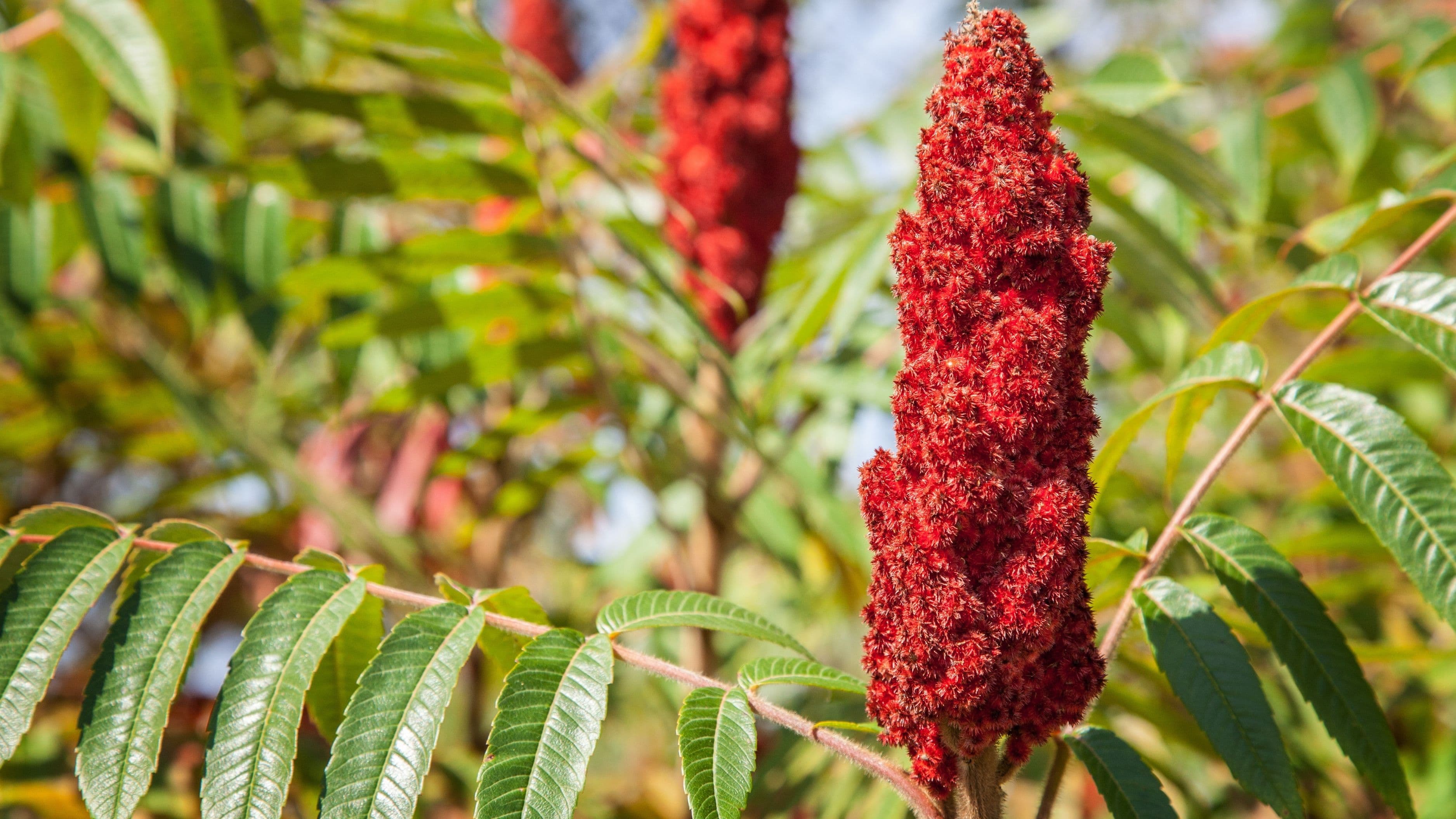
Sumac is a spice made from the dried and ground berries of the sumac shrub, a plant that grows wild across the Mediterranean, the Middle East, and parts of North America. The culinary varieties used in cooking are entirely different from the poisonous sumac species some people associate with skin irritation; the sumac sold as a spice comes from specific edible varieties that have been used in Middle Eastern, Mediterranean, and North African cooking for centuries.
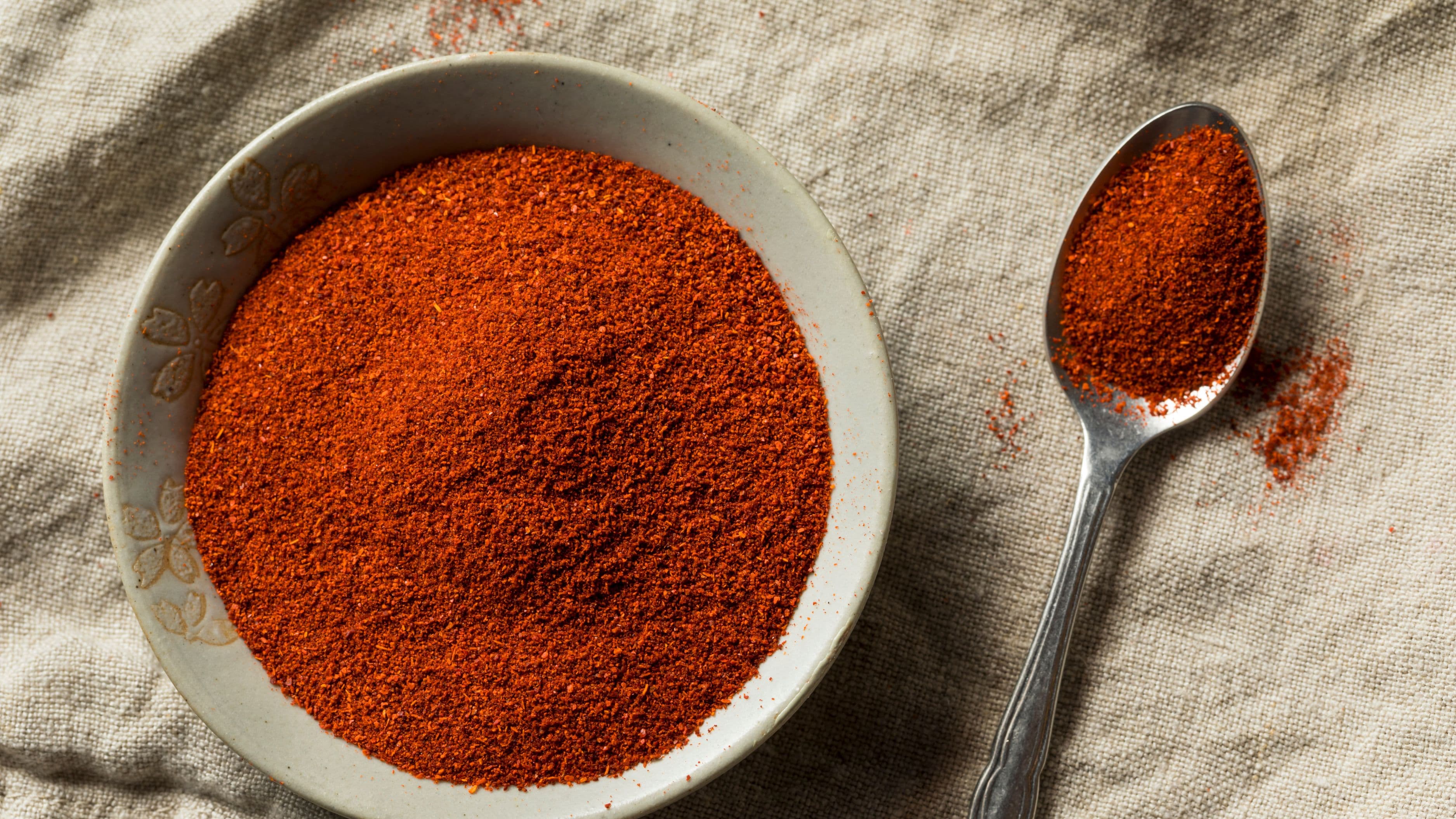
Its flavor is distinctly tart and slightly fruity, often described as similar to lemon but with a deeper, more earthy undertone. The deep red-to-maroon color also makes it a visually striking addition to a dish, adding a pop of color anywhere it's sprinkled that few other spices can match.
How to Choose Good Sumac
Look for sumac with a vibrant, deep red color rather than a dull brownish tone, since color is a reasonably good indicator of freshness and quality. The ground spice should have a fine, slightly coarse texture, similar to a coarse chili flake in consistency, and it should smell noticeably tart and fruity when you open the container rather than flat or dusty.
Buying from a store with good spice turnover, or a dedicated spice shop or Middle Eastern grocery, generally gets you a fresher product than a jar that's been sitting on a supermarket shelf for an extended period. If possible, buying whole dried sumac berries and grinding them yourself preserves the flavor longest, though pre-ground sumac from a reliable source works well for most everyday cooking needs.
How to Store It
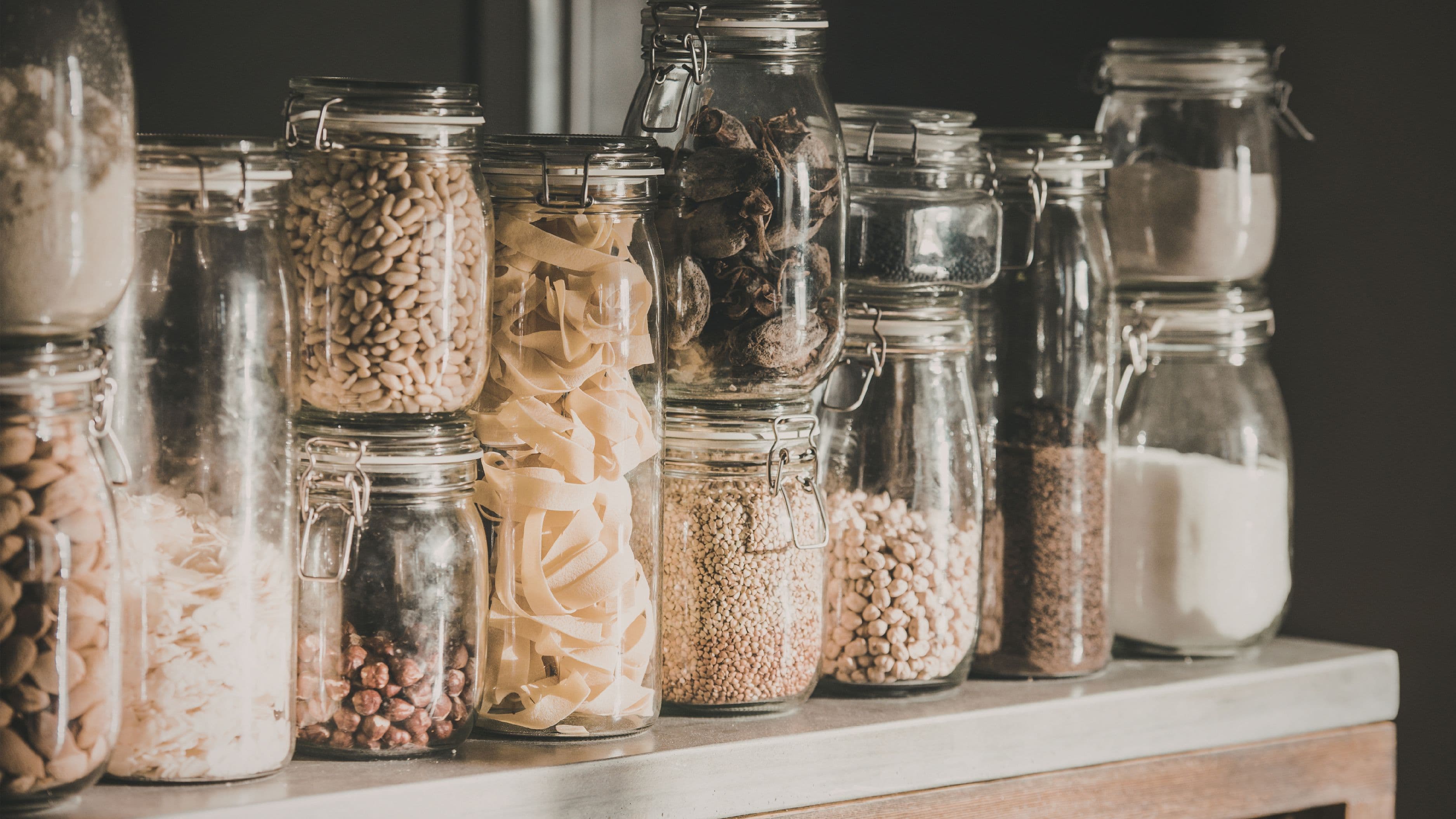
Sumac keeps best in an airtight container, away from direct light and heat, similar to most ground spices. Stored properly in a cool, dark pantry, it typically retains good flavor for around a year, though like most spices, it doesn't spoil in a way that makes it unsafe to use afterward, it simply loses potency and vibrancy over time.
If you bought a large quantity or don't use it frequently, keeping a smaller portion in your everyday spice rack and storing the rest in a sealed container in a cooler, darker spot can help preserve the bulk of it for longer use.
How to Use It
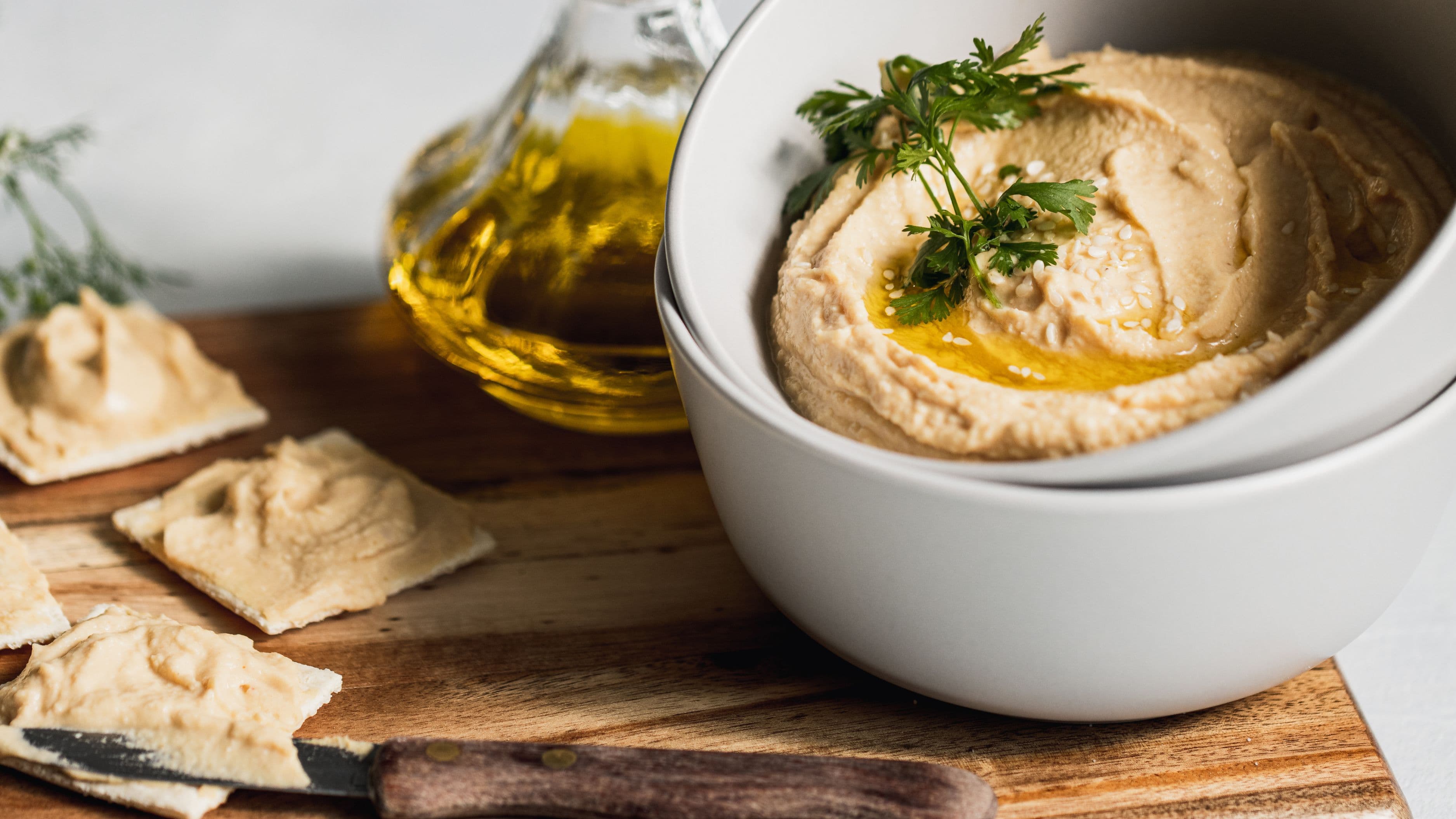
Sumac's most iconic use is as a finishing spice, sprinkled over a dish just before serving rather than cooked into it for an extended time, since its bright, tart flavor is best appreciated fresh rather than mellowed by prolonged heat. A simple sprinkle over hummus, roasted vegetables, or a fresh salad instantly adds both color and a citrusy brightness that can wake up an otherwise plain dish.
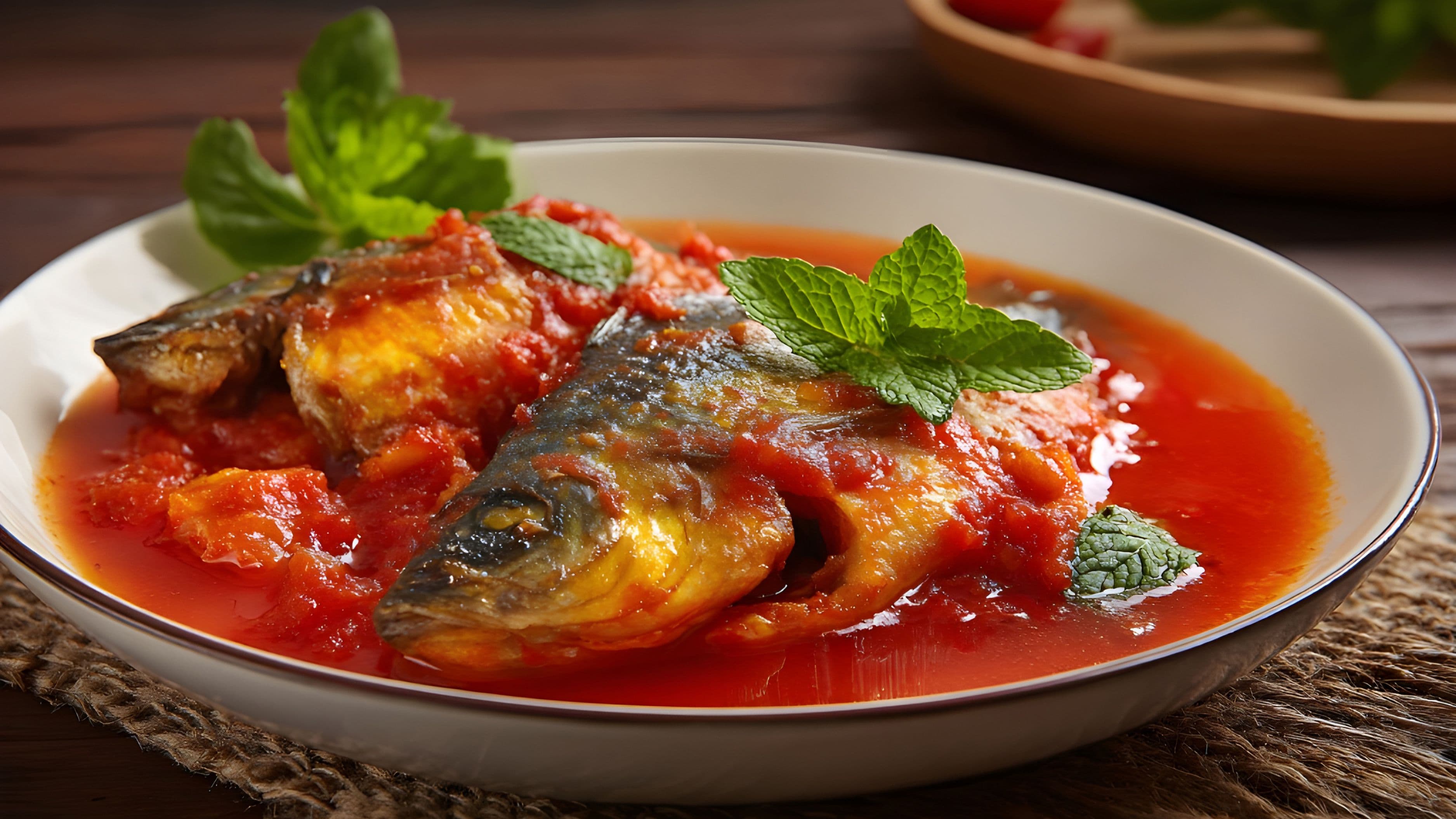
It's a defining ingredient in za'atar, the beloved Middle Eastern spice blend that also includes thyme, sesame seeds, and often oregano, commonly used on flatbreads, roasted meats, and vegetables. Sumac also pairs beautifully with grilled meats and fish, where its tartness cuts through richness in a way similar to how a squeeze of lemon might, but with a more complex, less acidic edge. It shows up prominently in fattoush, a Levantine bread salad where sumac provides much of the dish's signature tang.
Beyond traditional Middle Eastern dishes, sumac works well sprinkled over avocado toast, mixed into a vinaigrette for extra brightness, or added to a marinade for chicken or lamb alongside olive oil and garlic. Its versatility as a finishing touch means it's worth experimenting with in dishes well outside its traditional culinary origins.
Substitutes If You're in a Pinch
If you don't have sumac on hand, a combination of lemon zest and a small pinch of paprika can approximate some of its tartness and color, though it won't fully replicate sumac's distinct fruity depth. A squeeze of fresh lemon juice alone can stand in for the tartness in a recipe, though you'll lose the visual color and some of the earthier complexity sumac brings to a dish.
Neither substitute is a perfect match, and if a recipe leans heavily on sumac as a defining flavor, like a proper za'atar blend or fattoush, it's worth seeking out the real ingredient rather than relying on a substitute for those specific dishes.
What to Avoid
Avoid confusing culinary sumac with the poisonous sumac species found in some parts of North America, which is a different plant entirely and not something you'd find sold as a food product; the sumac available in grocery stores and spice shops is sourced from safe, edible varieties specifically grown or harvested for culinary use. Also avoid cooking sumac at high heat for extended periods if you're hoping to preserve its bright, tart character, since prolonged heat mutes much of what makes it distinctive as a finishing spice.
Be cautious about buying pre-mixed za'atar blends without checking the ingredient list closely, since quality and the ratio of sumac to other ingredients varies significantly between brands, and a low-quality blend can taste flat compared to one made with fresh, good-quality sumac.
FAQ
Is sumac spicy? No, sumac isn't spicy in the way chili-based spices are. Its intensity comes from tartness and a fruity brightness rather than heat.
Can I use sumac in sweet dishes? Yes, though it's less common. Its tart, fruity notes can work well in certain desserts or fruit-based dishes, particularly ones that could use a bit of acidity to balance sweetness.
Where can I buy sumac if my regular grocery store doesn't carry it? Middle Eastern or Mediterranean grocery stores are a reliable source, and many well-stocked spice shops carry it as well, often at a better price and freshness level than a mainstream supermarket's spice aisle.
Once you start using sumac regularly, it's hard to imagine your spice rack without it. Keep a jar on hand for finishing dishes that need a little brightness, and you'll likely find yourself reaching for it far more often than you initially expect.
📚 Sources
The Spruce Eats – What Is Sumac – https://www.thespruceeats.com/what-is-sumac-4685620
Serious Eats – A Guide to Sumac – https://www.seriouseats.com/sumac-guide