The Core Concept: Ma La
The foundation of Szechuan flavor is a specific combination called "ma la," pairing numbing Szechuan peppercorns (the "ma") with the heat of chili peppers (the "la"). This isn't just spicy food – it's spicy food combined with a genuinely unique tingling, numbing sensation on your tongue and lips that Szechuan peppercorns produce, a sensation with no real equivalent in most other global cuisines.
Understanding that these two elements work together, rather than treating "spicy" as a single flavor, is the single most important shift in how to think about Szechuan cooking. The numbing sensation actually changes how you perceive the heat itself, creating a layered sensory experience rather than straightforward, one-dimensional spiciness.
Why Szechuan Peppercorns Are Non-Negotiable
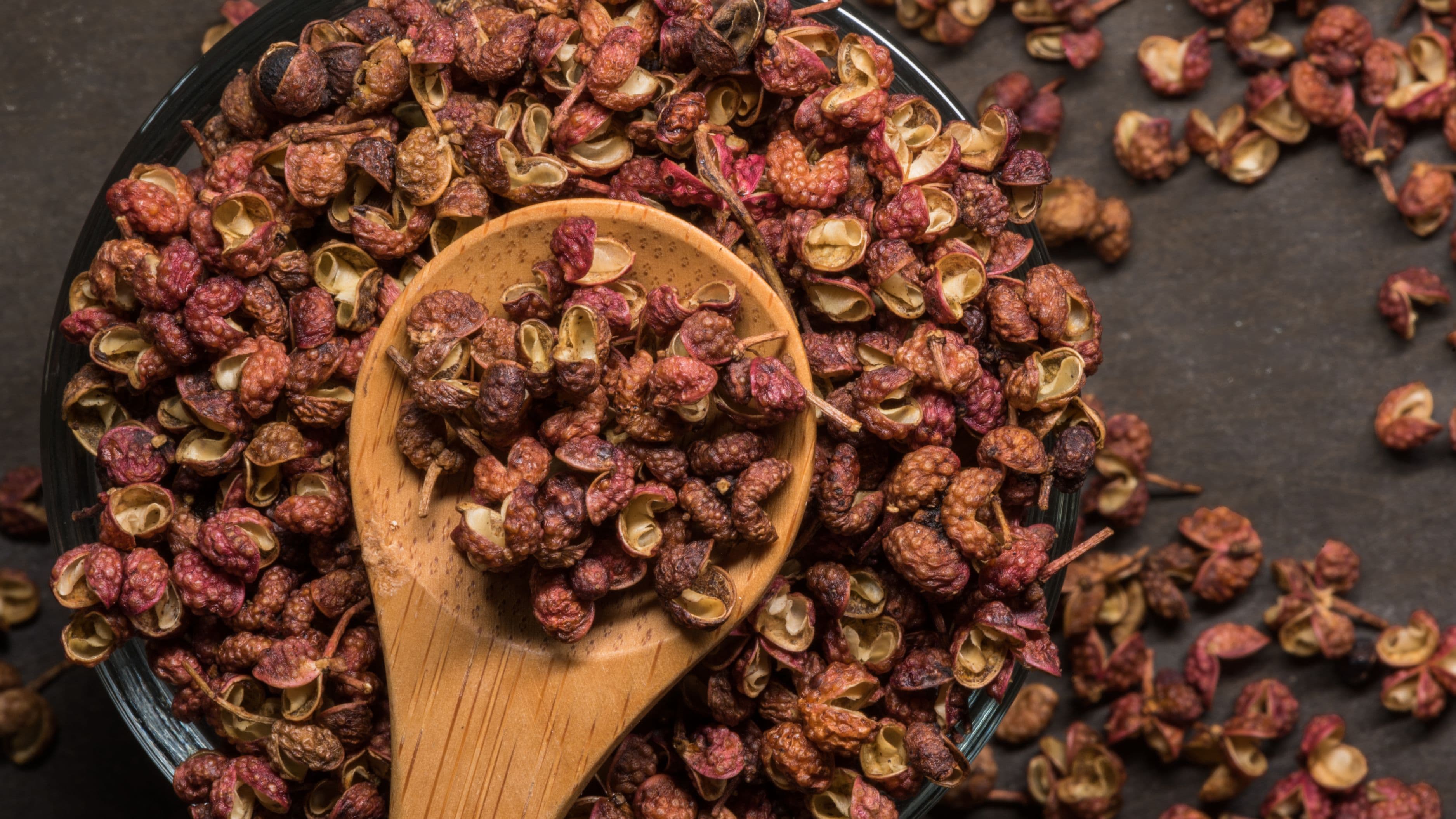
Szechuan peppercorns aren't actually related to black pepper at all – they're the dried husk of a specific citrus family shrub, and their signature numbing effect comes from a specific compound that genuinely can't be replicated by any other spice. Skipping them and relying purely on chili heat produces food that might be spicy, but it's missing the defining characteristic that actually makes a dish recognizably Szechuan rather than just generically spicy.
Practical note: toast whole Szechuan peppercorns briefly in a dry pan before grinding them yourself for the freshest, most potent numbing effect – pre-ground peppercorns lose potency notably faster than whole ones stored properly in a sealed container.
The Broader Flavor Balance Beyond Just Heat and Numbing
While ma la is the defining core, well-executed Szechuan cooking actually balances several flavor dimensions simultaneously – the numbing and heat, but also sourness (often from Chinese black vinegar), sweetness (often a small but deliberate amount of sugar), saltiness (from soy sauce or fermented bean pastes), and umami depth (frequently from fermented broad bean paste, known as doubanjiang, or fermented black beans).
This is genuinely different from cuisines that build primarily around a single dominant flavor note – Szechuan cooking is deliberately layering multiple, sometimes seemingly contradictory flavors into a single dish, and the skill is in balancing them so no single element overwhelms the others entirely, even though the chili heat and peppercorn numbing tend to be the most immediately noticeable on first bite.
Key Ingredients Worth Having on Hand
Doubanjiang (fermented broad bean chili paste) provides a deep, salty, savory, moderately spicy base that underlies many classic Szechuan dishes, functioning similarly to how a good chili paste or fermented condiment might anchor other cuisines' signature flavor profiles.
Szechuan peppercorns, ideally whole and toasted fresh rather than pre-ground, are essential for the authentic numbing sensation central to the cuisine's identity.
Dried Szechuan chilies provide the actual heat component, often used whole in stir-fries rather than as a powder, contributing both spiciness and a distinct toasted aroma when briefly fried in oil at the start of cooking.
Chinese black vinegar (Chinkiang vinegar) adds the sourness component central to balancing the dish's other strong flavors, offering a deeper, less sharp acidity than western vinegars typically provide.
Fermented black beans, used more sparingly, add a distinct salty, funky depth to certain classic dishes, functioning as another layer of umami alongside doubanjiang in more complex preparations.
Dishes That Illustrate the Flavor Logic Well
Mapo Tofu is one of the clearest illustrations of the full ma la balance – doubanjiang and fermented black beans providing savory depth, Szechuan peppercorns delivering the signature numbing sensation, chili oil contributing heat, all balanced against the soft, neutral tofu that lets these strong flavors come through clearly without competing with a similarly assertive main ingredient.
Dan Dan Noodles layer chili oil, Szechuan peppercorn, a touch of vinegar, and often preserved vegetables and ground pork into a dish where the numbing and heat play against the noodles' simplicity, offering a genuinely approachable starting point for understanding the cuisine's core balance in a single, well-known dish.
Kung Pao Chicken, likely the most internationally familiar Szechuan dish, actually incorporates the full flavor balance more subtly than its western adaptations often suggest – proper versions include Szechuan peppercorn's numbing quality alongside the more commonly recognized sweet, savory, and spicy elements western versions tend to emphasize more heavily.
How to Start Cooking Szechuan Food at Home
Begin with Mapo Tofu, since it requires a manageable ingredient list – doubanjiang, Szechuan peppercorn, ground pork or a plant-based substitute, and tofu – while clearly demonstrating the cuisine's core flavor balance in a single dish. Once you're comfortable with how these core ingredients work together, expand toward Dan Dan Noodles or a more properly balanced Kung Pao Chicken, building your pantry of Szechuan staples gradually rather than needing to source everything at once.
Common Mistakes to Avoid
Using pre-ground, older Szechuan peppercorns significantly weakens the numbing effect that's central to the cuisine's identity, so toasting and grinding whole peppercorns fresh, or at minimum sourcing recently ground ones from a reliable source, makes a genuinely noticeable difference. Relying purely on chili heat without incorporating Szechuan peppercorn at all produces a dish that's spicy but missing the defining sensory characteristic that actually makes it recognizably Szechuan.
Overcooking doubanjiang or letting it burn in the pan produces a bitter, acrid flavor rather than the deep savory base it's meant to provide – it typically needs to be fried briefly in oil over moderate heat just until fragrant, not left over high heat for an extended time.
FAQ
Can I make Szechuan food less spicy while keeping the authentic flavor? Yes, reducing the quantity of dried chilies while keeping the Szechuan peppercorn and other flavor components intact preserves much of the dish's characteristic identity while moderating the overall heat level.
Where can I find doubanjiang and Szechuan peppercorns? Asian grocery stores typically carry both, and they're also widely available through online specialty grocers if you don't have local access to a dedicated Asian market.
Is Szechuan peppercorn safe to eat directly, or should it always be strained out? Traditional preparation often leaves whole peppercorns in the dish for diners to eat around or bite into directly, though some home cooks prefer straining them out after infusing their flavor into the cooking oil, which is a matter of personal preference rather than strict tradition.
Understanding that Szechuan cooking is really about balancing numbing, heat, sourness, sweetness, and umami together, rather than treating it as simply "very spicy food," makes the cuisine far more approachable to actually recreate at home. Start with Mapo Tofu to get a feel for this balance, and the rest of the cuisine's logic starts falling into place from there.
📚 Sources
Serious Eats: Understanding Szechuan Cuisine – https://www.seriouseats.com/
The Woks of Life: Szechuan Cooking Fundamentals – https://thewoksoflife.com/
Saveur: The Flavors of Szechuan Cooking – https://www.saveur.com/