Why Tabbouleh Usually Goes Soggy
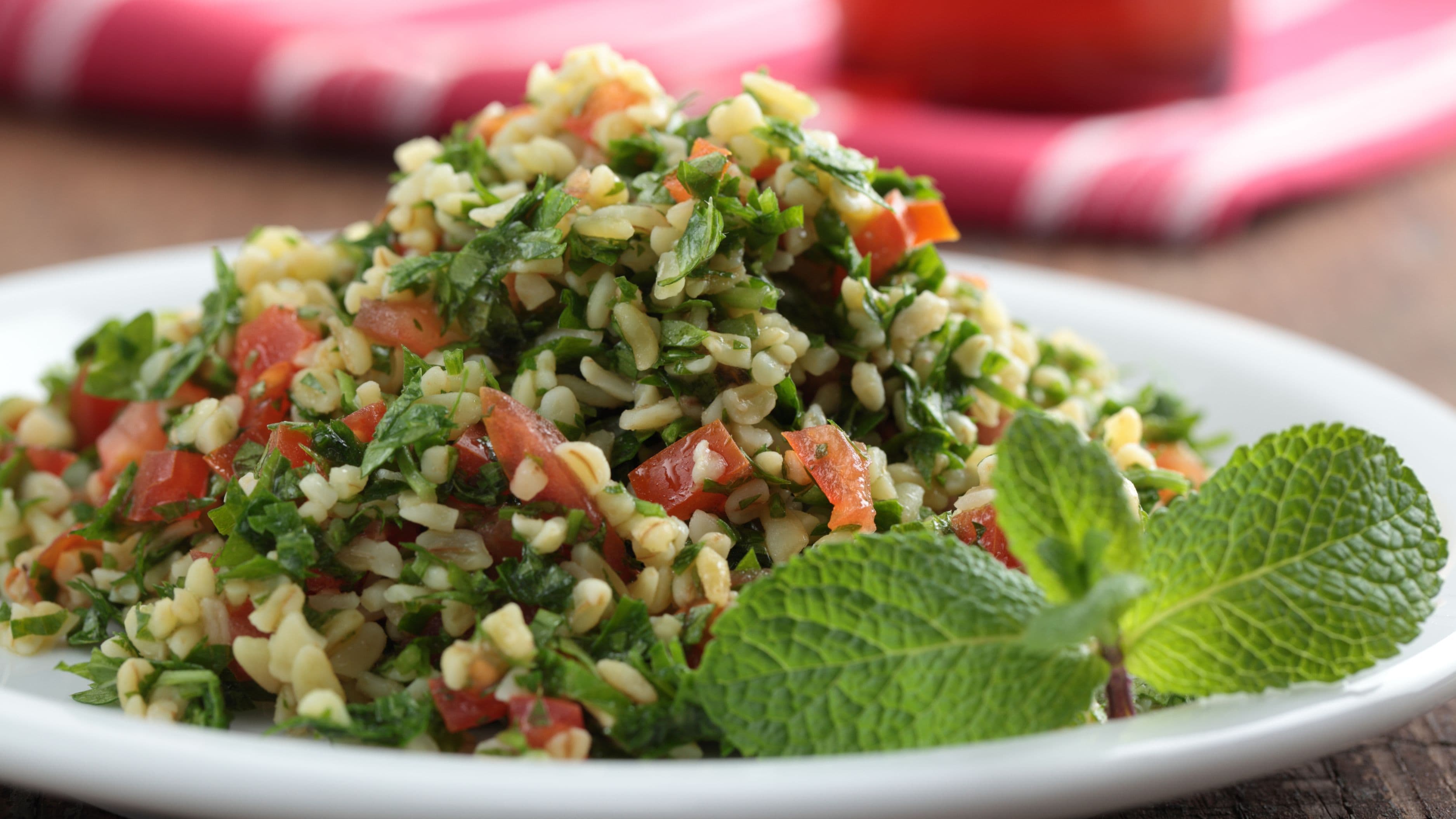
Traditional tabbouleh is a parsley-forward salad with a relatively small amount of bulgur, tomatoes, and a lemon-olive oil dressing, and most of the sogginess problem comes down to excess moisture from tomatoes and under-drained bulgur mixing together over time. Tomatoes release liquid as they sit, and if that liquid isn't managed, it saturates the parsley and bulgur, turning crisp, bright herbs into a wilted, waterlogged texture within a day.
Understanding this mechanism is the key to fixing it – the goal isn't avoiding tomatoes or dressing, it's managing moisture deliberately at each step so the salad holds its texture rather than degrading as it sits.
Ingredients
1 cup fine bulgur wheat
4 cups finely chopped fresh parsley (tightly packed)
¼ cup finely chopped fresh mint
3 medium tomatoes, seeded and finely diced
4 green onions, finely sliced
⅓ cup fresh lemon juice
½ cup extra virgin olive oil
1 teaspoon salt, plus more to taste
½ teaspoon black pepper
Step-by-Step Instructions
1. Soak the bulgur properly, then drain it thoroughly. Rinse the bulgur, then soak it in cold water for about 20 minutes until it softens slightly, rather than fully cooking it, which is traditional for tabbouleh's texture. After soaking, drain it in a fine-mesh strainer and press firmly with the back of a spoon or a clean kitchen towel to remove as much residual water as possible – this step alone prevents much of the sogginess that develops over time.
2. Seed the tomatoes before dicing. Cut the tomatoes in half and scoop out the seeds and surrounding gel with a spoon before dicing the remaining flesh. This single step removes a significant amount of the moisture that would otherwise leach into the salad over the following day or two.
3. Chop the parsley finely and dry it completely. After washing the parsley, dry it thoroughly using a salad spinner or by patting it dry with a clean towel, since any residual water clinging to the leaves adds up across four cups of packed herbs. Chop it finely by hand rather than using a food processor, which tends to bruise the leaves and release moisture prematurely.
4. Combine the dry ingredients first. Toss the drained bulgur, chopped parsley, mint, seeded tomatoes, and green onions together in a large bowl before adding any dressing. Mixing the solids first ensures even distribution and lets you visually confirm the mixture looks appropriately dry before introducing liquid.
5. Dress just before serving, or dress and toss vegetables separately if storing. Whisk together the lemon juice, olive oil, salt, and pepper. If you're serving immediately, toss the dressing through the full salad. If you're making it ahead to store, consider keeping the dressing separate and tossing individual portions just before eating, which meaningfully extends how long the herbs stay crisp.
Tips for Best Results
Using fine bulgur rather than medium or coarse grind is traditional and also helps the tabbouleh hold together better, since fine bulgur absorbs the dressing more evenly without becoming mushy. It's also worth slightly under-salting the initial batch and adjusting to taste after it's rested for about ten minutes, since salt draws out additional moisture from the vegetables as the salad sits.
If you know you're making tabbouleh specifically to store for a few days, consider reducing the tomato quantity slightly and adding it fresh to individual portions rather than mixing the full amount into the entire batch upfront.
How to Store It So It Actually Holds Up
Store tabbouleh in an airtight container in the refrigerator, and if possible, keep the dressing separate until you're ready to eat a portion. If the dressing is already mixed in, tabbouleh will generally hold reasonably well for about two days before the texture noticeably declines, whereas keeping the dressing separate can extend good texture to three or four days.
It's also worth placing a paper towel loosely over the salad before sealing the container, which helps absorb any residual moisture that develops over time without making direct contact with the herbs themselves.
Variations
Some cooks substitute quinoa for bulgur to make a gluten-free version, which holds up similarly well as long as it's cooked properly and cooled completely before mixing to avoid introducing excess steam and moisture into the salad. Others add finely diced cucumber for extra crunch, though cucumber releases even more moisture than tomato, so it's best added fresh to individual portions rather than mixed into a batch meant for storage.
What to Avoid
Don't skip drying the parsley thoroughly after washing – this is one of the most common and easily overlooked sources of excess moisture in a tabbouleh that goes soggy too quickly. Avoid using a food processor to chop the herbs, since it bruises the leaves and releases liquid in a way that hand-chopping doesn't. It's also worth avoiding dressing the entire batch if you know it will sit in the fridge for more than a day – keeping dressing separate and adding it fresh to individual portions genuinely makes a noticeable difference in how the salad holds up over time.
FAQ
How long does tabbouleh actually last in the fridge? Undressed and stored properly with tomatoes seeded and parsley thoroughly dried, tabbouleh can hold well for three to four days. Once fully dressed, it's best eaten within about two days for the best texture.
Can I make tabbouleh ahead of time for a party? Yes, prepare the bulgur, herbs, and vegetables the day before, store them separately from the dressing, and combine everything a few hours before serving for the best texture and flavor.
Why does my tabbouleh always taste watery even when I follow a recipe? This almost always traces back to under-dried parsley or un-seeded tomatoes – both release moisture gradually, and addressing these two steps specifically tends to solve the problem entirely.