What Tahini Actually Is
Tahini is simply sesame seeds ground into a smooth paste, similar in texture to natural peanut butter but with a distinctive earthy, slightly bitter flavor. Most tahini is made from hulled sesame seeds (the outer shell removed), which produces a lighter color and milder taste. Some products use unhulled seeds, which gives a stronger, more bitter flavor and a darker color – these are less common in grocery stores but available at specialty shops.
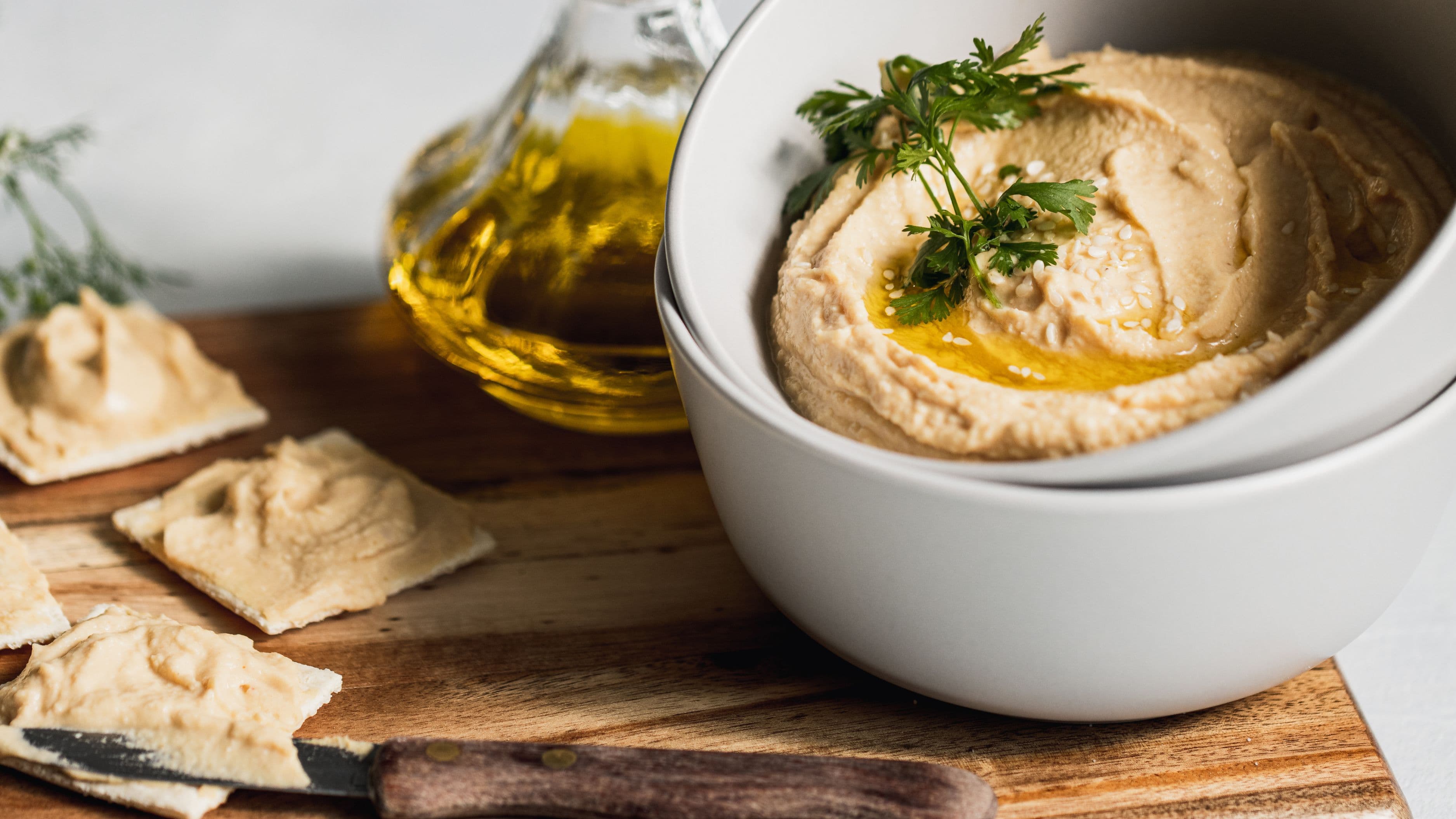
The flavor of tahini is nutty, rich, and faintly bitter, with a depth that's hard to replace with anything else. It's a foundational ingredient in Middle Eastern and North African cooking – used in hummus, baba ganoush, halva, and a wide range of sauces and dressings. But its flavor profile is versatile enough to work across many cuisines, which is why you'll also find it in Japanese-style sesame noodles, Korean-inspired marinades, and even Western baked goods.
How to Choose a Good Tahini
Quality varies significantly between brands, and a poor-quality tahini can be gritty, overly bitter, or so thick it's difficult to work with. When you're choosing a jar, look for one where the ingredients list says nothing more than sesame seeds – no added oils, no stabilizers, no preservatives. Some commercial tahinis add oil to improve texture, but this dilutes the flavor and can make the consistency less pleasant.
Good tahini should pour or spoon fairly easily, especially after stirring. It should smell nutty and fresh, not rancid. A thin layer of sesame oil on top when you open the jar is completely normal and not a sign of spoilage – it's just separation, the same as you'd see with natural peanut butter. Stir it in before using and the texture comes together.
Brands worth looking for include Soom, Seed + Mill, Al Kanater, and Har Bracha – these are widely considered among the best available and are carried by many specialty grocery stores and online retailers. Grocery store tahini (Joyva is the most widely distributed in the US) works fine for most applications, though it tends to be slightly more bitter than premium brands.
How to Store It
An unopened jar of tahini can sit in your pantry for up to a year or longer without issue. Once opened, tahini keeps well at room temperature for up to a month, or in the refrigerator for up to three months. Refrigerating it extends shelf life and reduces oil separation, though it will thicken considerably when cold – take it out 20–30 minutes before using if you need it pourable.
If your tahini develops an off smell, a noticeably rancid taste, or visible mold, it's past its prime and should be discarded. Rancid sesame oil has a distinctly unpleasant smell – sharp and chemical rather than nutty – which makes it easy to identify. When stored properly, though, tahini is a reliable long-keeper that rarely causes problems.
How to Use Tahini
This is where tahini earns its pantry spot. Its uses go well beyond hummus, and once you start experimenting you'll find it fitting naturally into all kinds of meals.
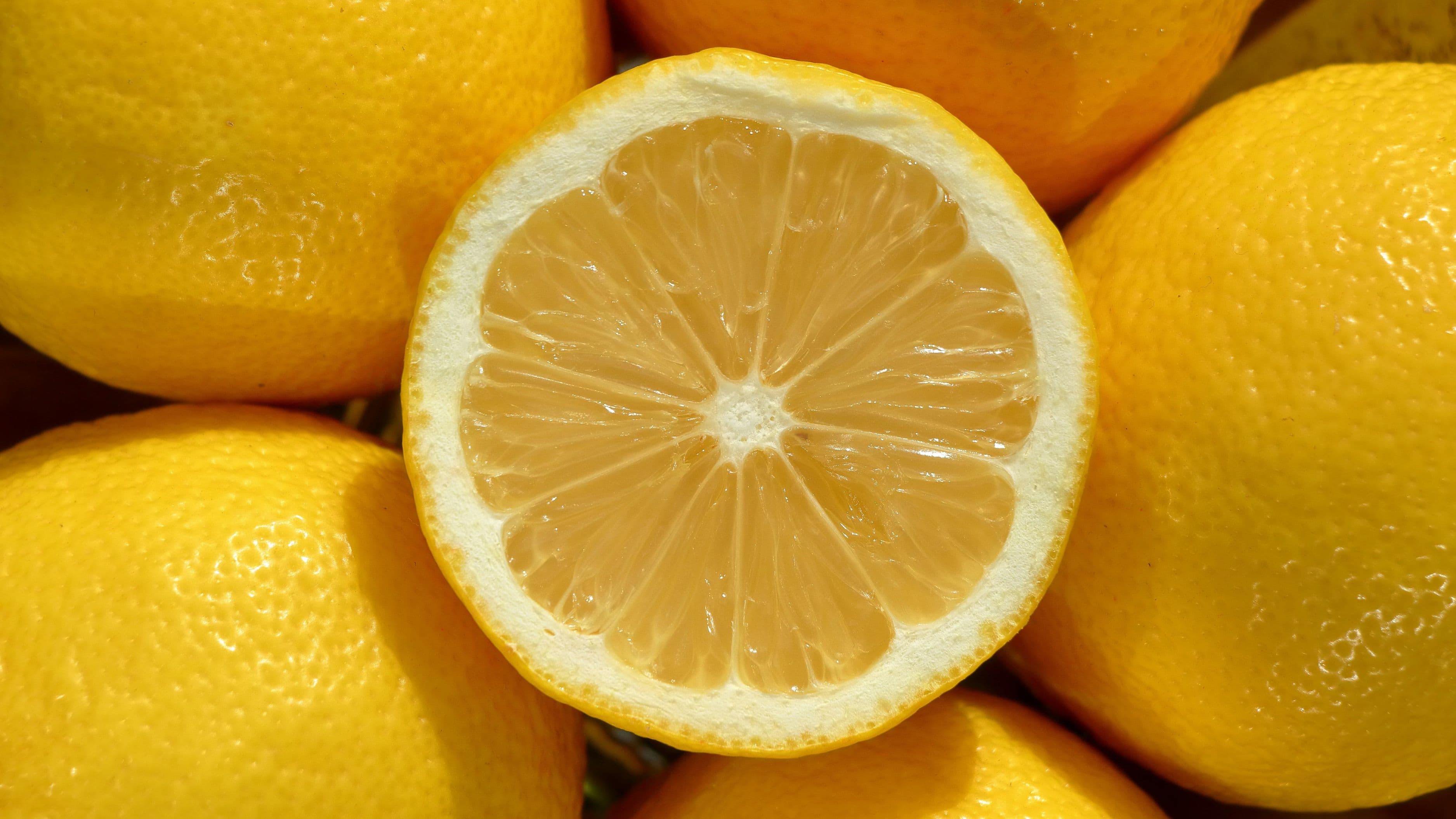
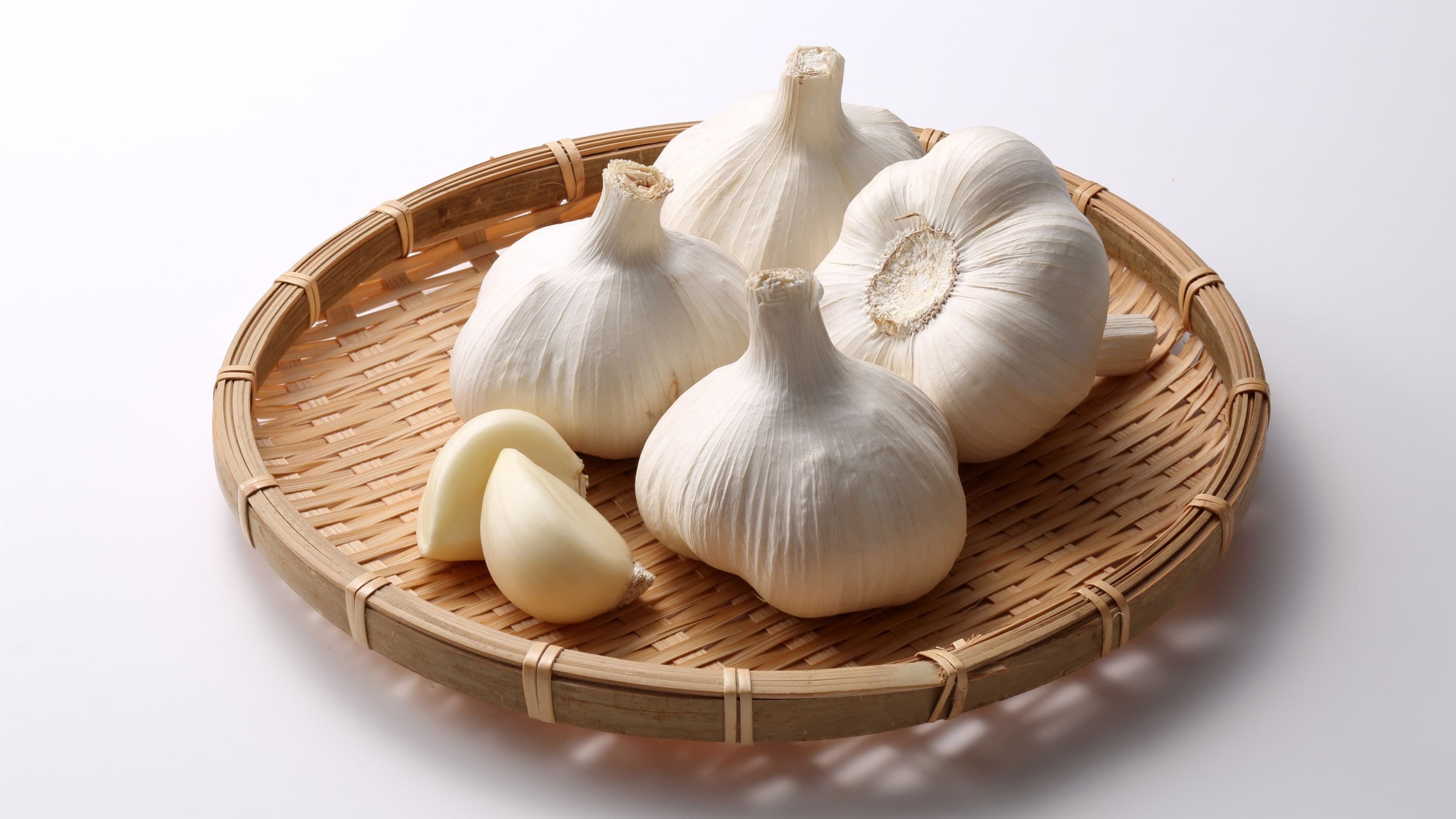
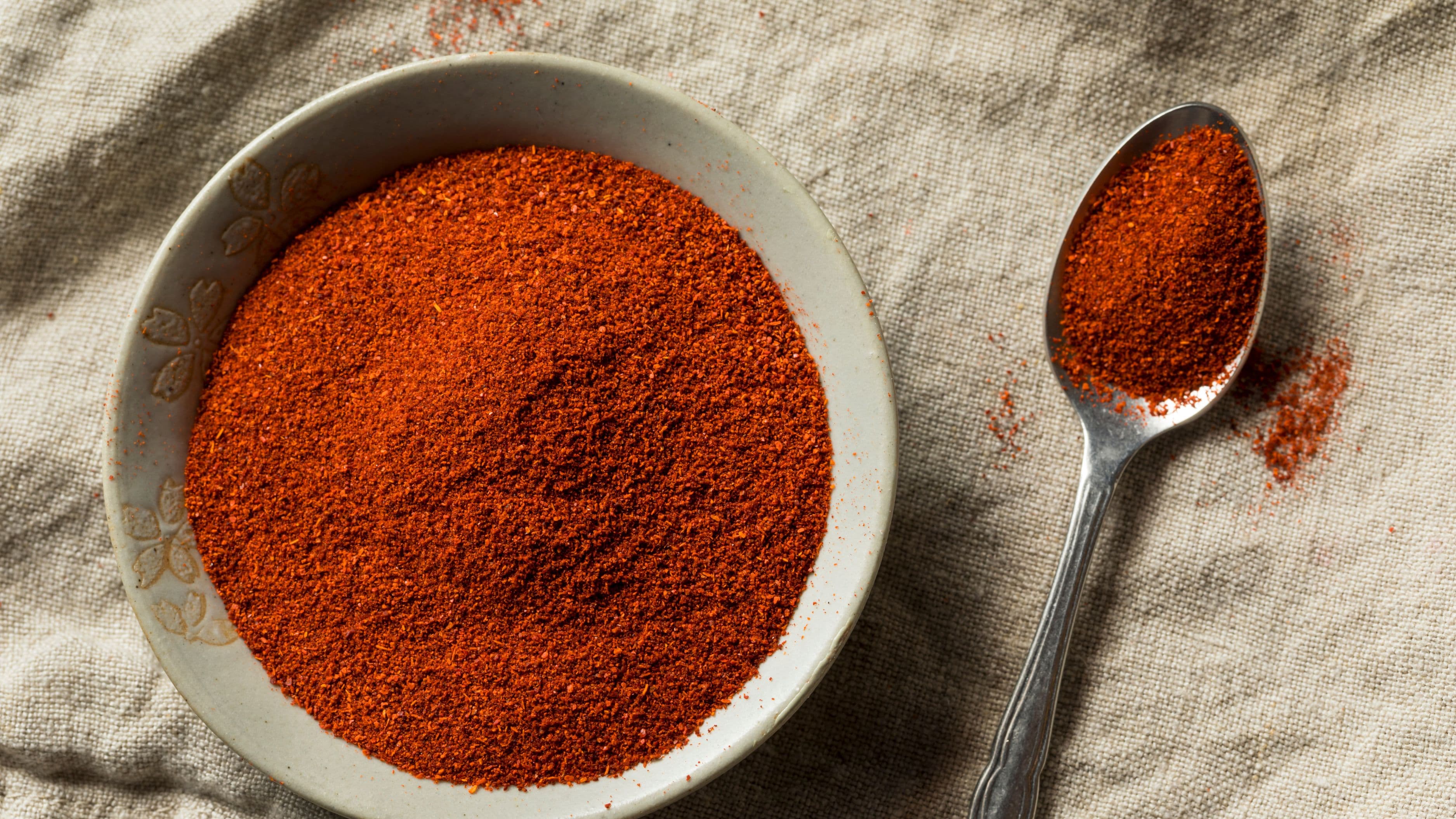
In sauces and dressings: The most versatile application by far. Whisk tahini with lemon juice, garlic, and water and you have a simple sauce that works on falafel, roasted vegetables, grain bowls, and salads. The water is key – tahini seizes up when you first add liquid, but keep stirring (or add the water gradually) and it smooths out into a creamy, pourable consistency. A ratio of 2 tablespoons tahini, 1 tablespoon lemon juice, 1 small garlic clove, and 2–3 tablespoons of water with a pinch of salt is a reliable all-purpose base. From there you can add cumin, smoked paprika, fresh herbs, or chili to take it in different directions.
In marinades: Tahini blends well into marinades for chicken, lamb, or firm tofu. It coats protein evenly and, because of its fat content, helps the marinade stick and creates a pleasant crust when the meat hits heat. Combine it with yogurt, lemon, garlic, and spices for a simple Middle Eastern-style chicken marinade that works for both grilling and roasting.
On noodles: Sesame noodles – whether the Chinese-American takeout style or a simpler weeknight version – are built on tahini or sesame paste. Thin it with soy sauce, rice vinegar, a little sesame oil, ginger, and chili oil for a sauce that coats noodles beautifully. It comes together in the time it takes to boil water, which makes it one of the fastest substantial meals you can make.
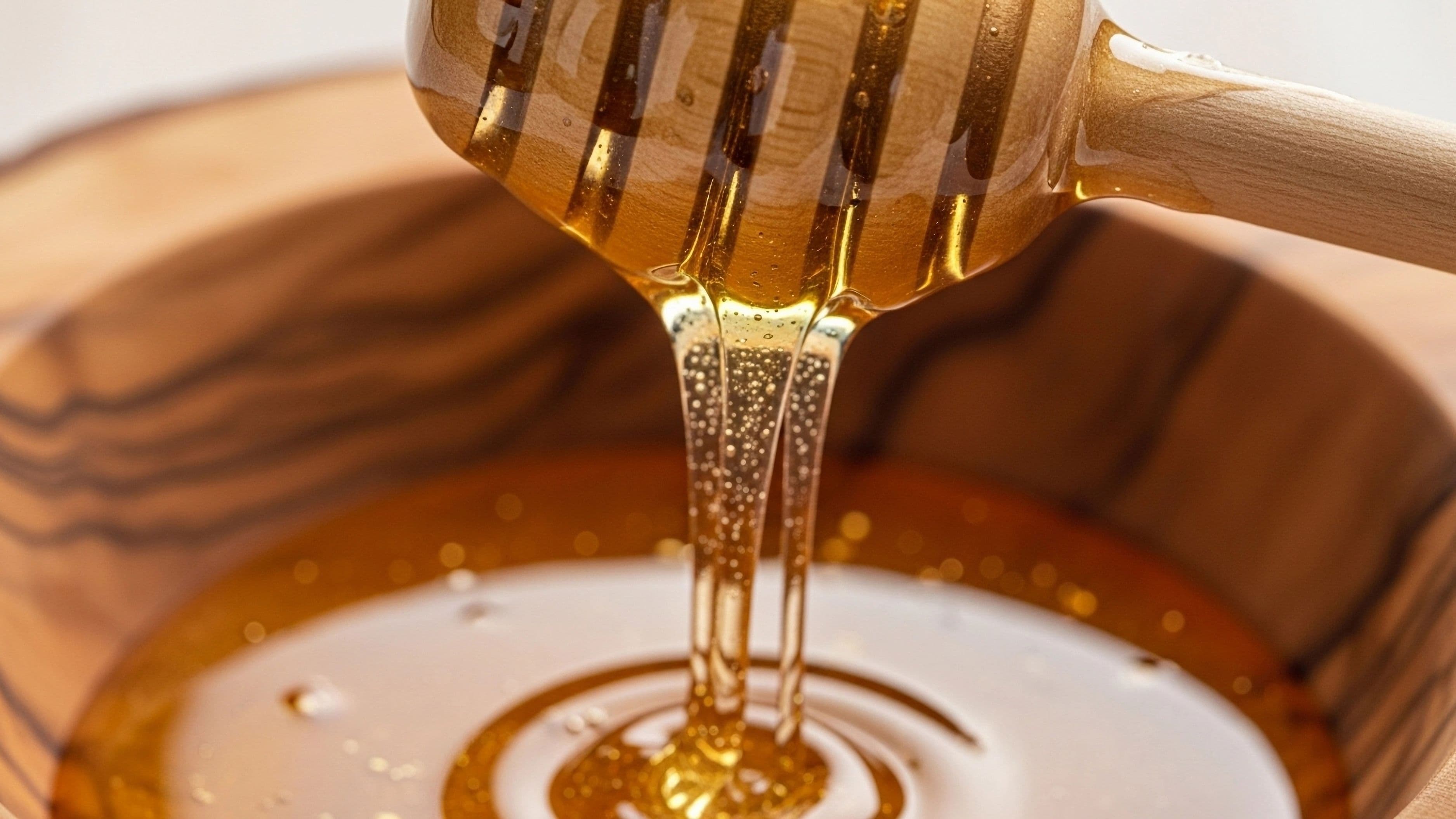
In baked goods and desserts: Tahini has a natural affinity with sweetness – the bitterness plays well against sugar and chocolate in a way that makes desserts more complex and interesting. Swirl it into brownie batter before baking for a nutty, sesame-flavored ripple through the chocolate. Drizzle it over vanilla ice cream with honey. Use it in cookies as a partial substitute for butter. Middle Eastern halva is essentially sesame paste combined with sugar, and the flavor combination it demonstrates translates well into many Western baked goods.
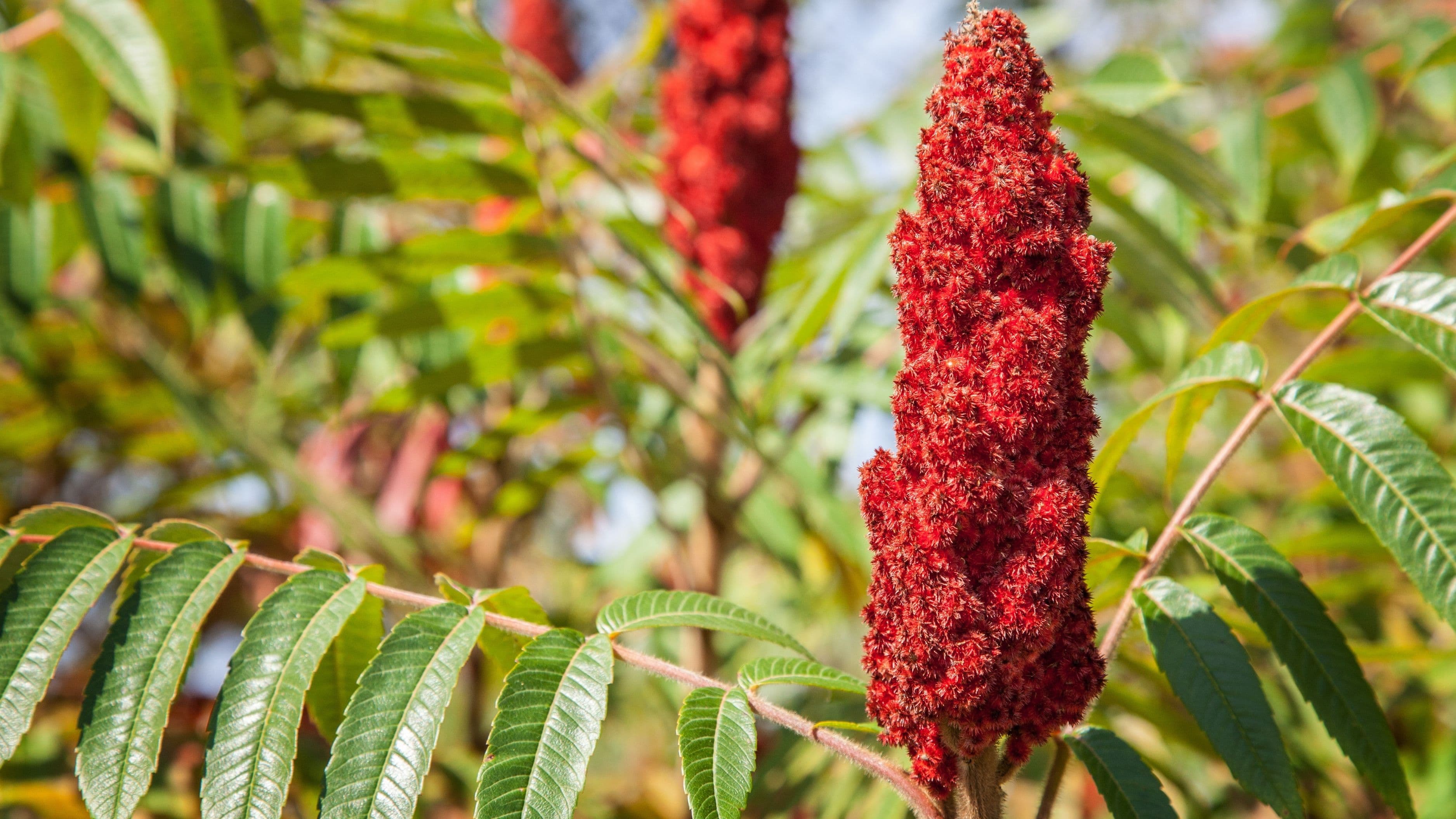
Drizzled over vegetables: Roasted cauliflower, eggplant, sweet potato, or broccoli all improve dramatically with a tahini drizzle just before serving. You don't need a recipe – just loosen the tahini with a little lemon juice and water until it's spoonable, and finish the vegetables with it. A sprinkle of za'atar or sumac on top if you have them, a little fresh parsley, and it's a complete side.
Quick Substitutes When You're Out
If a recipe calls for tahini and you don't have any, the closest substitute is unsweetened natural peanut butter or almond butter thinned slightly with sesame oil (if you have it) or a neutral oil. These won't replicate the exact flavor – tahini has a specific bitterness and nuttiness that other nut butters don't – but they'll work in most sauces and dressings. For hummus specifically, the tahini is important enough that it's worth seeking out rather than substituting if you want an authentic result.
Sunflower seed butter works as a nut-free substitute for people with sesame allergies, though the flavor is quite different. In baked goods where tahini plays a secondary role, cashew butter or even sunflower seed butter can usually stand in without noticeably changing the result.
Common Mistakes to Avoid
Adding cold water to tahini all at once tends to cause it to seize into a thick, unworkable paste. Add liquid gradually – a tablespoon at a time – while stirring, and it will loosen smoothly. Warm water works slightly better than cold for getting a smooth consistency quickly.
Using too much tahini in a dish can make it heavy and bitter rather than nutty and rich. In dressings and sauces, acid (lemon juice or vinegar) balances the bitterness and keeps the flavor from becoming overwhelming. If a sauce tastes flat or too thick, a squeeze of lemon often solves both problems at once.
Not stirring the jar before use means the thick paste at the bottom and the oil on top aren't combined, leading to uneven flavor and texture. This is especially relevant for jars that have been sitting for a while. A quick stir takes 30 seconds and makes a real difference.
FAQ
Why does tahini taste bitter?
Tahini contains natural compounds from sesame seeds that have a slightly bitter edge – this is normal and is actually part of what makes it interesting. The bitterness should be mild and nutty, not harsh. If it tastes strongly bitter or chemically sharp, the tahini may be made from unhulled seeds (which are more bitter by nature), or it may have gone rancid. Premium hulled tahini should taste primarily nutty and rich.
Can I use tahini if I have a nut allergy?
Tahini is made from sesame seeds, not tree nuts, so it's not a concern for people with traditional tree nut allergies. However, sesame is one of the top nine allergens in the US and many other countries, and sesame allergies are distinct from nut allergies. If you have a sesame allergy, avoid tahini entirely.
Does tahini need to be refrigerated?
Not until it's opened, and even then room temperature storage is fine for up to a month. Refrigerating extends shelf life to about three months but thickens the texture considerably. Take it out 20–30 minutes before using if you refrigerate it, or sit the jar in warm water for a few minutes to soften it more quickly.
Why does my tahini sauce turn thick and clumpy when I add lemon?
This is a very common issue and happens because of how the proteins and fats in tahini behave when acid is added suddenly. The solution is to add the lemon gradually, a teaspoon at a time, alternating with water. As you continue adding liquid, the sauce will loosen. If it's already seized up, adding warm water a tablespoon at a time while stirring vigorously will usually bring it back to a smooth consistency.
What's the difference between tahini and sesame oil?
Tahini is ground sesame seeds – a thick paste. Sesame oil is pressed from sesame seeds – a liquid oil, often toasted. They taste different and are used very differently in cooking. Sesame oil adds flavor as a finishing oil or in dressings; tahini is used as a base or main ingredient in sauces, dips, and baked goods. They're not interchangeable.
Tahini Is One of the Most Versatile Things on Your Shelf
Once you move past using tahini only in hummus, it starts showing up everywhere – weeknight noodles, quick marinades, better salad dressings, more interesting desserts. It keeps well, works in a wide range of dishes, and brings a flavor that's genuinely hard to replicate with anything else. If it's been sitting in the back of your cupboard since the last time you made hummus, this is a good reason to bring it forward.
📚 Sources
Serious Eats – The best tahini brands, tested and reviewed: https://www.seriouseats.com/best-tahini-brands
BBC Good Food – What is tahini and how do I use it?: https://www.bbcgoodfood.com/howto/guide/what-tahini
USDA FoodData Central – Tahini nutritional profile: https://fdc.nal.usda.gov/fdc-app.html#/food-details/168591/nutrients
The Kitchn – How to fix broken tahini sauce: https://www.thekitchn.com/how-to-fix-tahini-sauce-23010638
Food Network – Cooking with tahini: tips and uses: https://www.foodnetwork.com/how-to/packages/food-network-essentials/what-is-tahini
🔍 Explore Related Topics
What to do with a jar of tahini