Ways Traditional Foods Preserve History
1. Ingredient Choices Reveal Geography and Trade
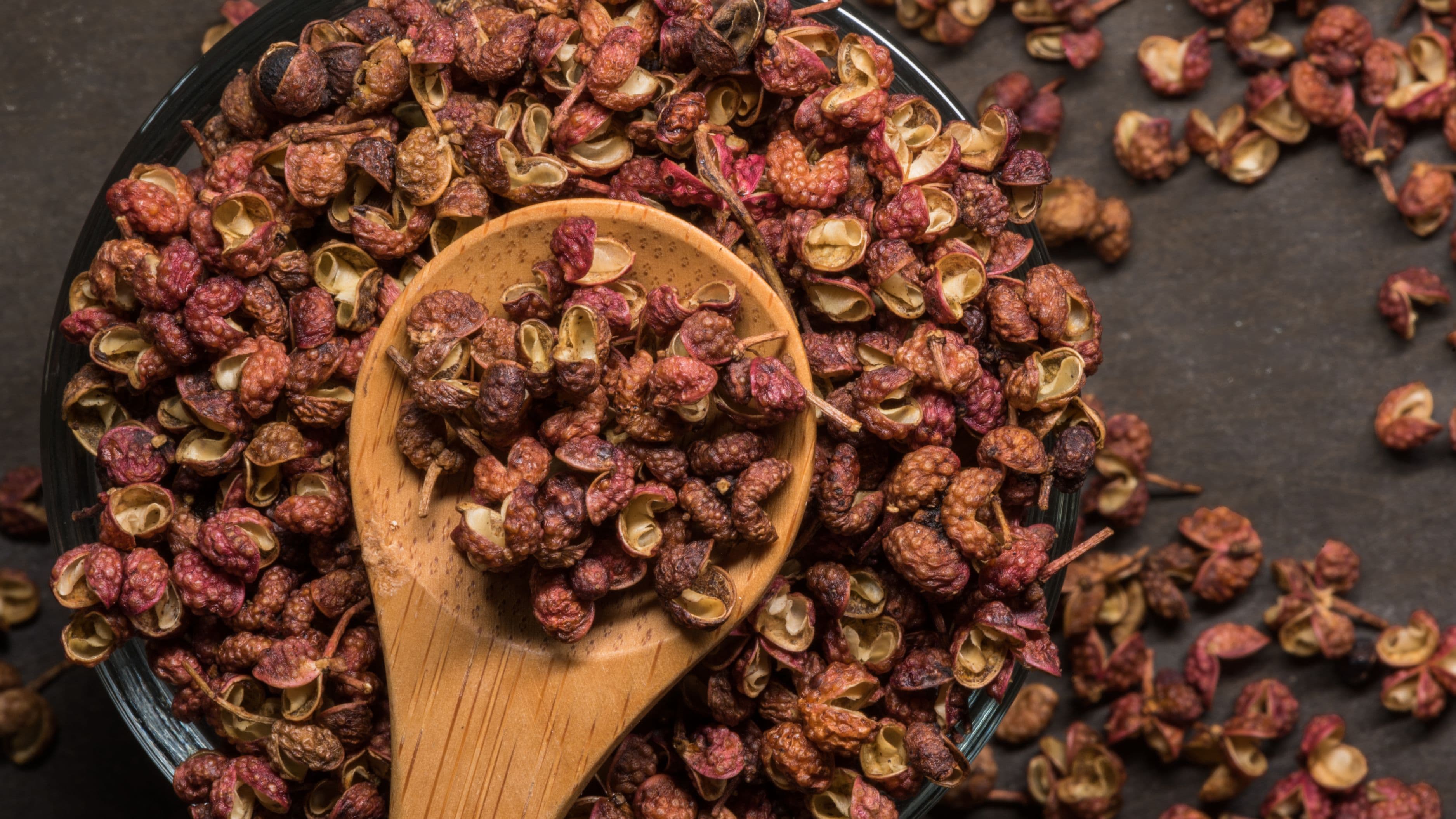
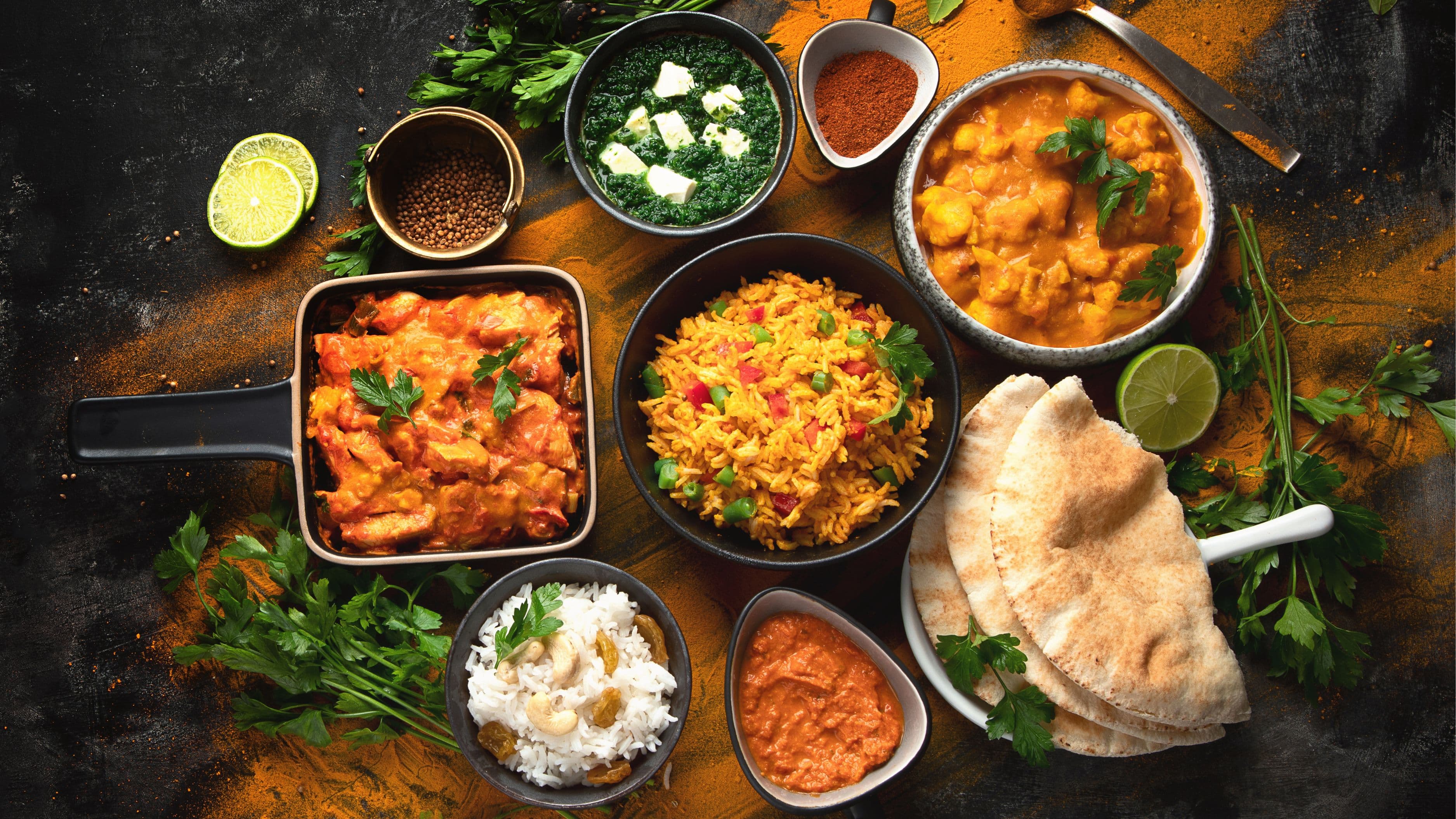
The spices in your curry tell the story of ancient trade routes connecting continents. Tomatoes in Italian sauce mark the post-Columbian exchange that transformed European cooking forever after Columbus reached the Americas.
2. Cooking Methods Reflect Available Technology
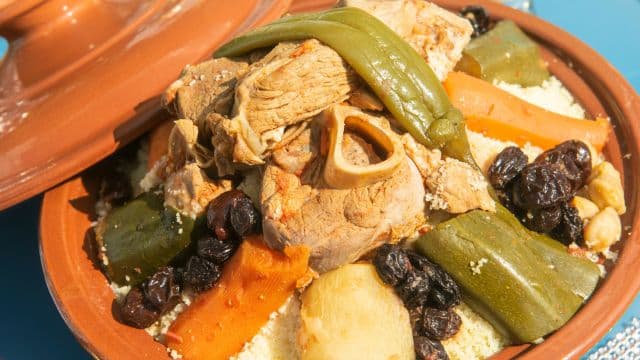
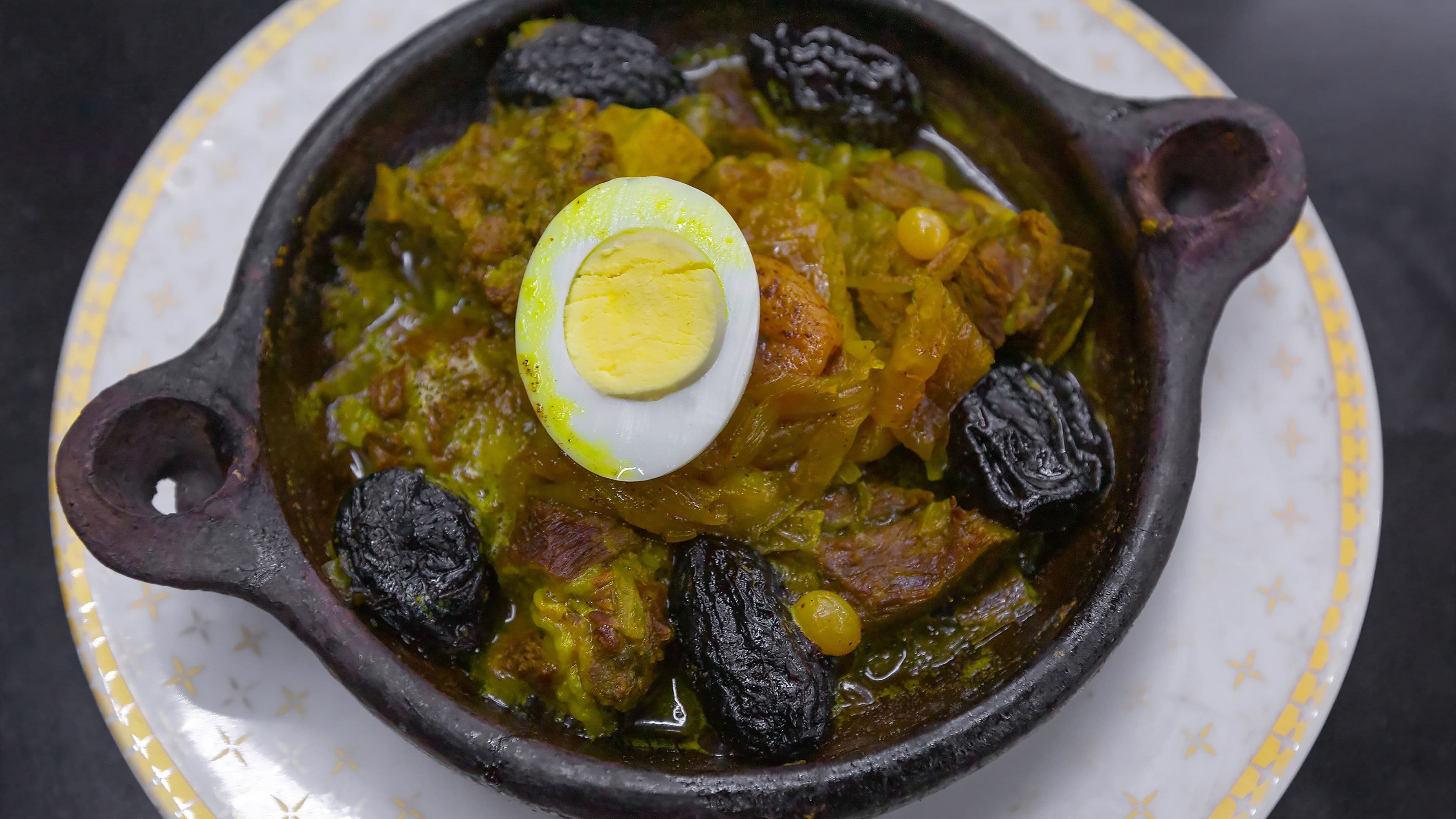
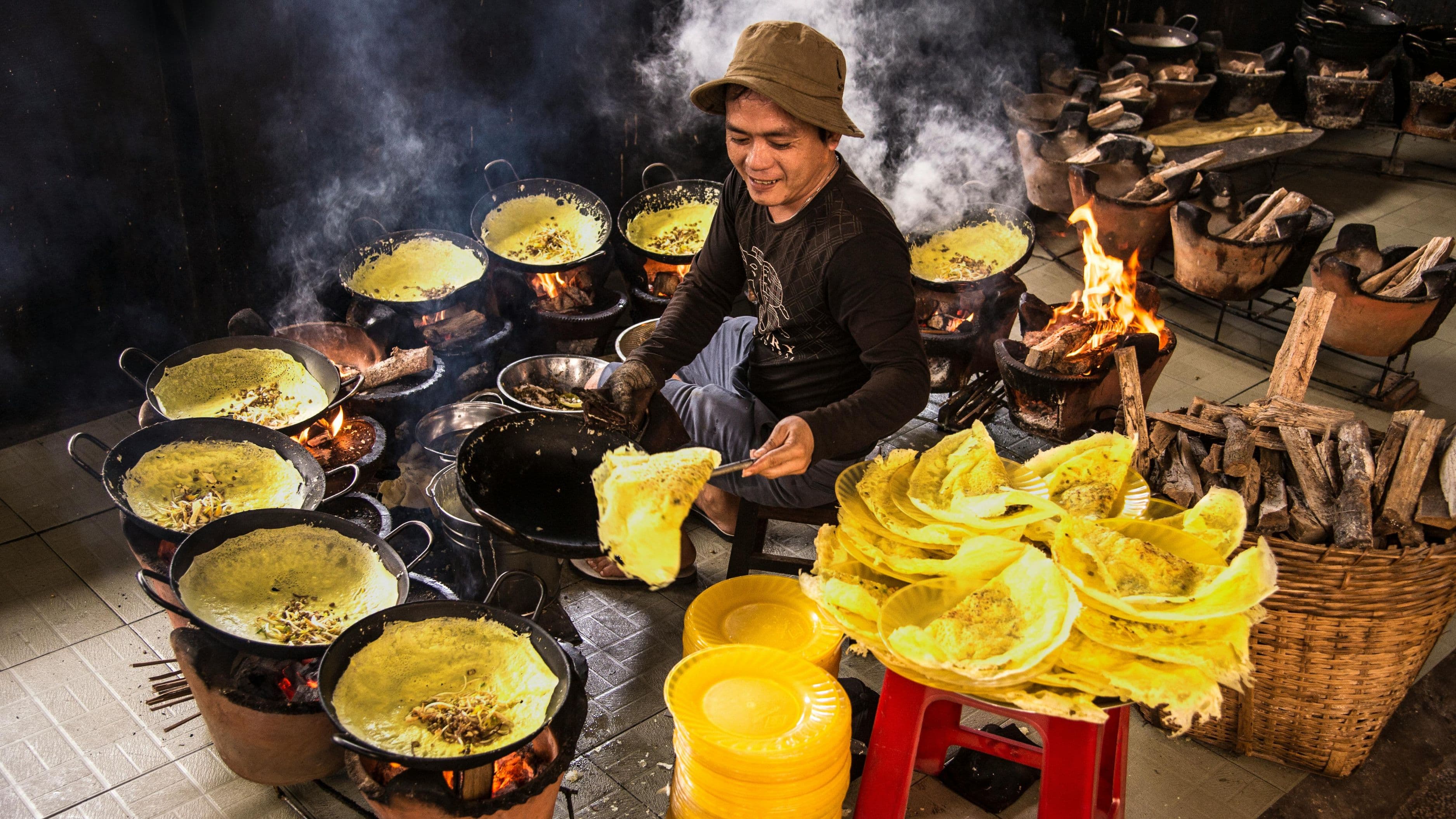
Clay pot cooking in many Asian and African cuisines shows pre-industrial food preparation techniques. Wood-fired ovens in traditional pizza-making preserve methods from when electricity didn't exist and every kitchen centered around fire.
3. Preservation Techniques Show Survival Strategies
Kimchi, pickles, and fermented foods reveal how cultures survived winters without refrigeration. Salt cod and dried meats tell stories of communities preparing for long journeys or harsh seasons when fresh food wasn't available.
4. Festival Foods Mark Cultural Calendars
Mooncakes during Mid-Autumn Festival carry centuries of Chinese tradition and symbolism. Tamales at Christmas in Latin American households connect families to Indigenous and Spanish colonial histories through labor-intensive preparation rituals.
5. Immigrant Dishes Document Adaptation
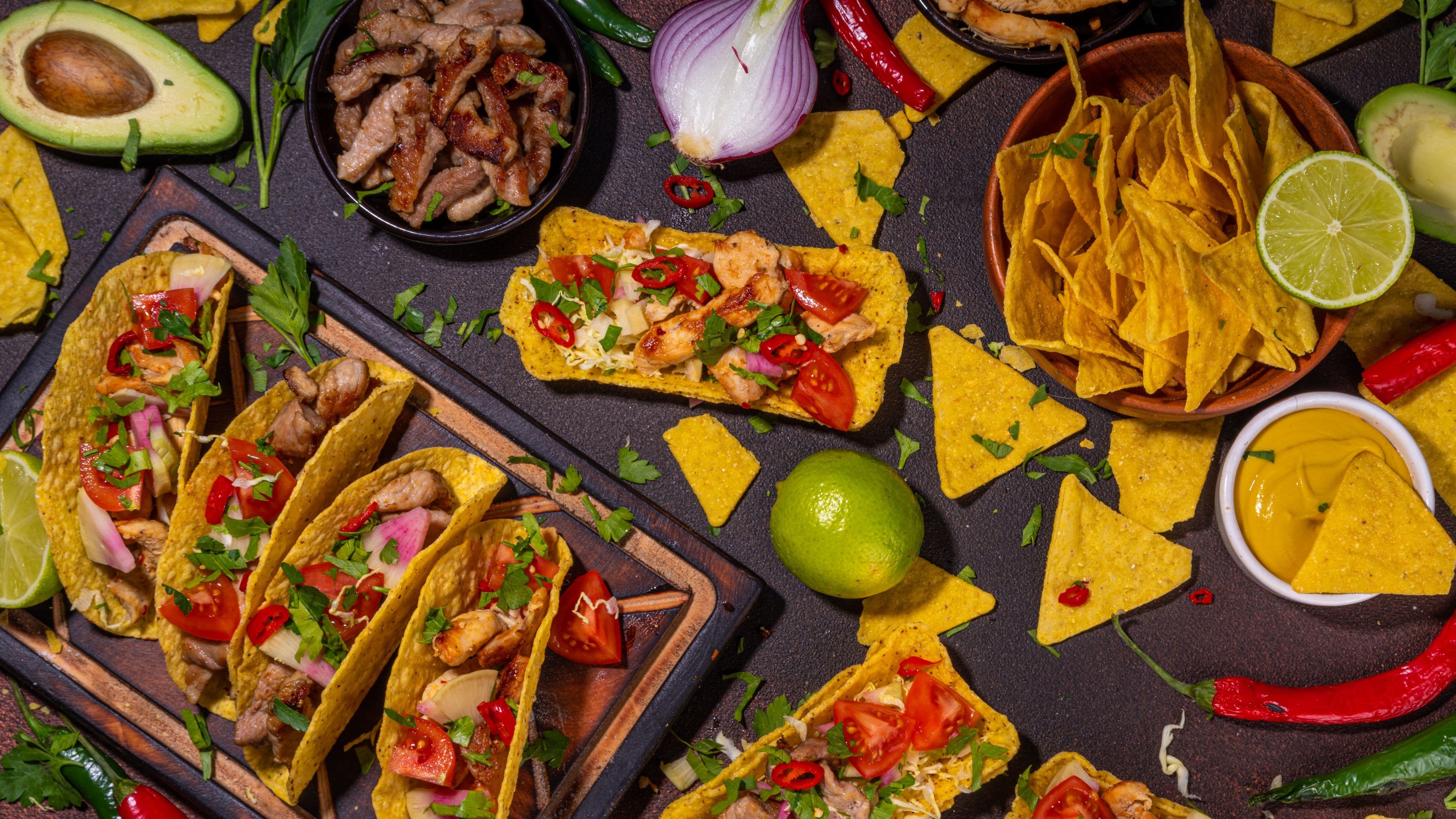
American-Chinese food like General Tso's chicken shows how immigrants adapted recipes to new ingredients and local tastes. Tex-Mex cuisine demonstrates the beautiful fusion that happens when cultures collide and create something entirely new from necessity and creativity.
6. Religious Restrictions Shape Entire Cuisines
Kosher and halal cooking methods preserve ancient dietary laws in every meal. Hindu vegetarian traditions have created some of the world's most sophisticated plant-based cuisines, proving that restrictions often fuel culinary innovation.
7. Colonial Influence Leaves Lasting Marks
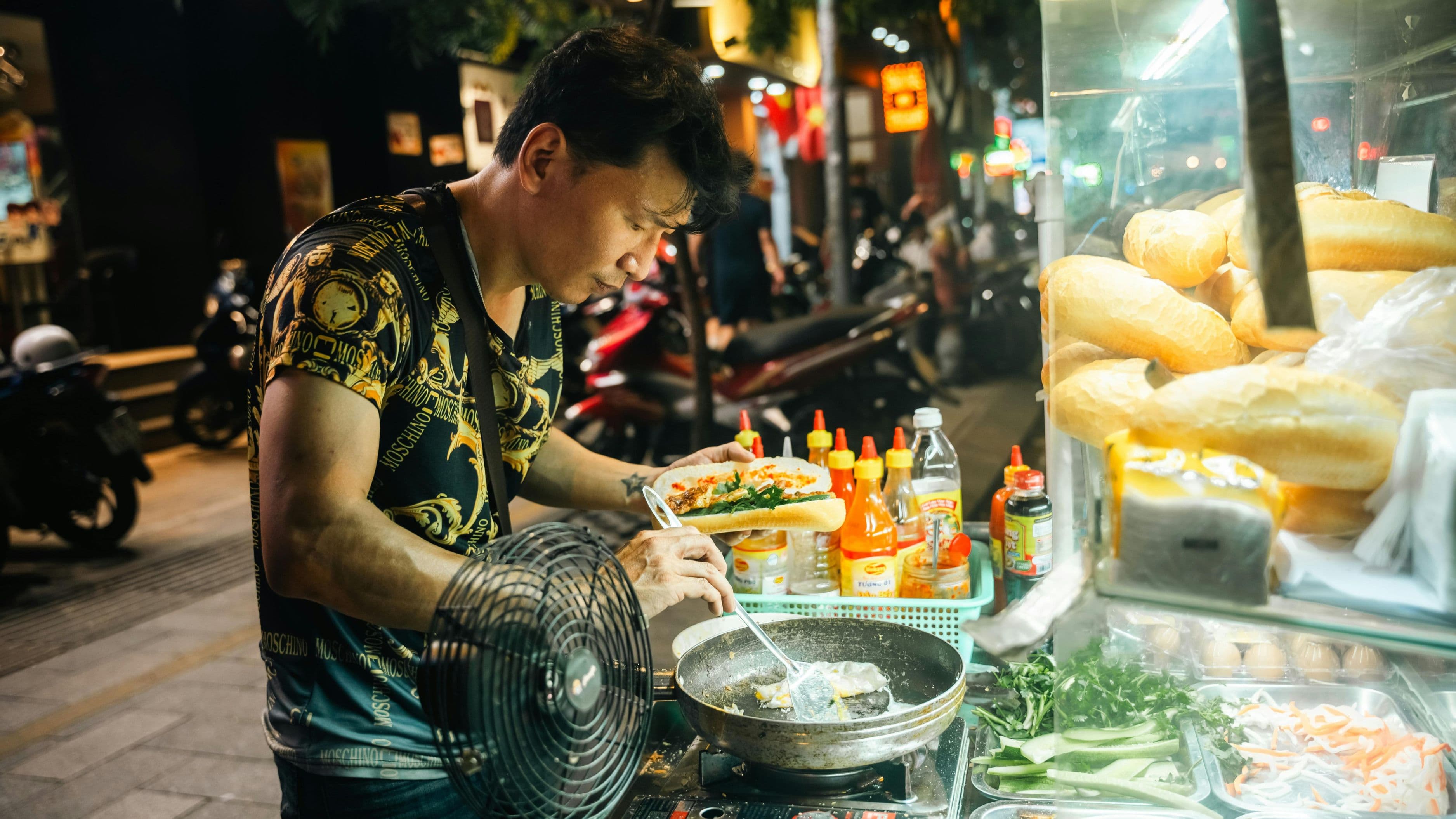
British afternoon tea culture in former colonies like India and Hong Kong shows how colonizers changed local food habits. Vietnamese banh mi sandwiches combine French baguettes with local ingredients, creating something that tells a complex story of occupation and resistance.
8. Scarcity Created Iconic Comfort Foods
Depression-era recipes like water pie and egg drop soup show how people created satisfaction from almost nothing. Soul food transformed cast-off ingredients like pig feet and collard greens into beloved dishes that now define a cuisine.
9. Status Foods Reveal Class Structures
White bread was once a luxury that showed wealth before whole grains became the expensive option. Lobster used to be poor people's food, fed to prisoners and servants before becoming a marker of fine dining.
10. Regional Variations Map Migration Patterns
Different barbecue styles across the American South trace back to specific immigrant groups and their smoking techniques. Pizza styles from New York to Chicago to Detroit show how Italian immigrants adapted their traditions to new environments and available ingredients.
11. Family Recipes Carry Personal Histories
Grandmother's "secret ingredient" often connects to her village's local sourcing or a wartime substitution that stuck. Handwritten recipe cards preserve not just instructions but actual handwriting, making them artifacts of family heritage.
12. Meal Structure Reflects Social Values
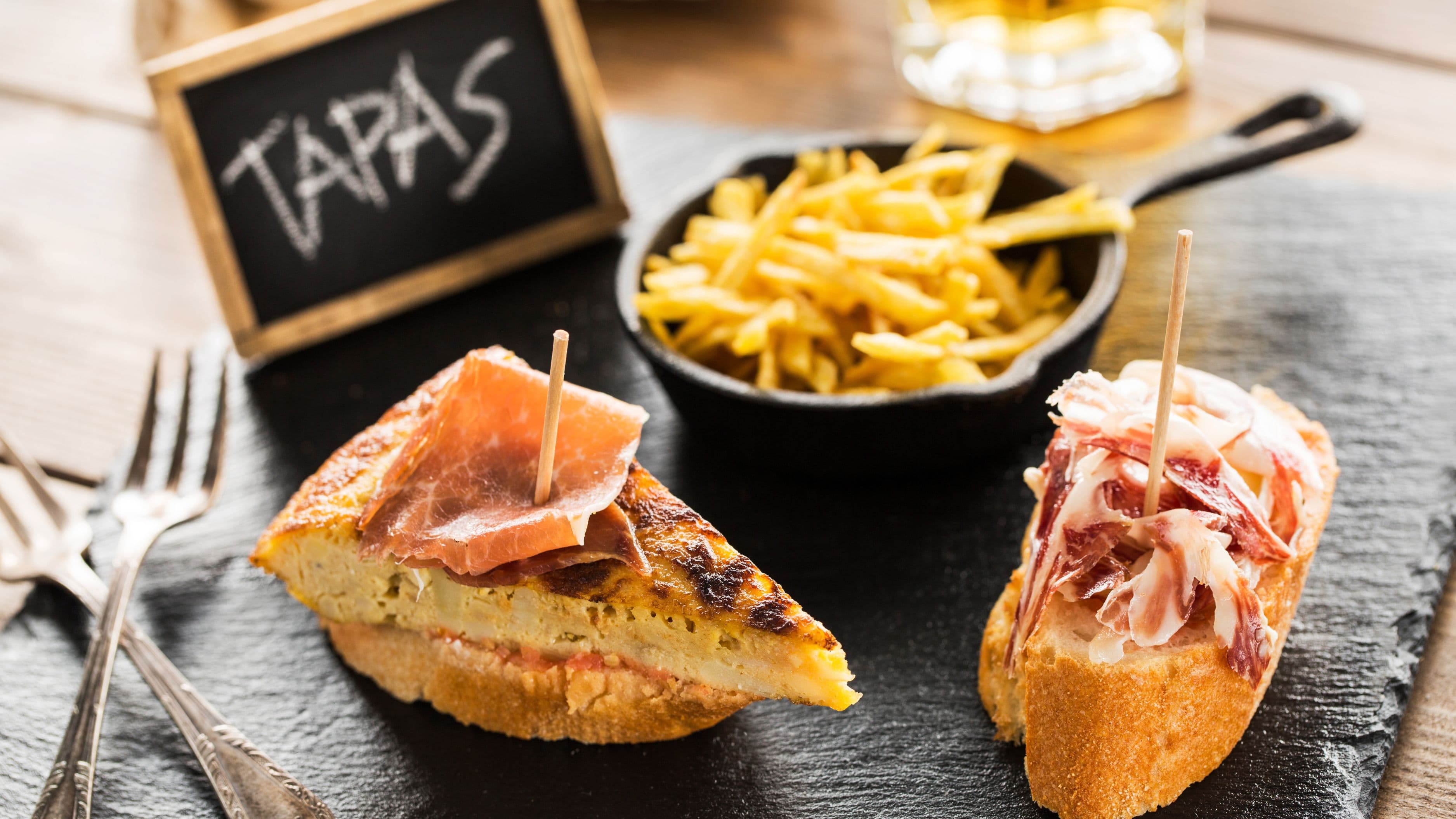
Spanish tapas culture encourages communal eating and extended social time that mirrors cultural priorities. Japanese bento box organization shows aesthetic values and the cultural importance of presentation and balance.
13. Street Food Documents Working Class Innovation
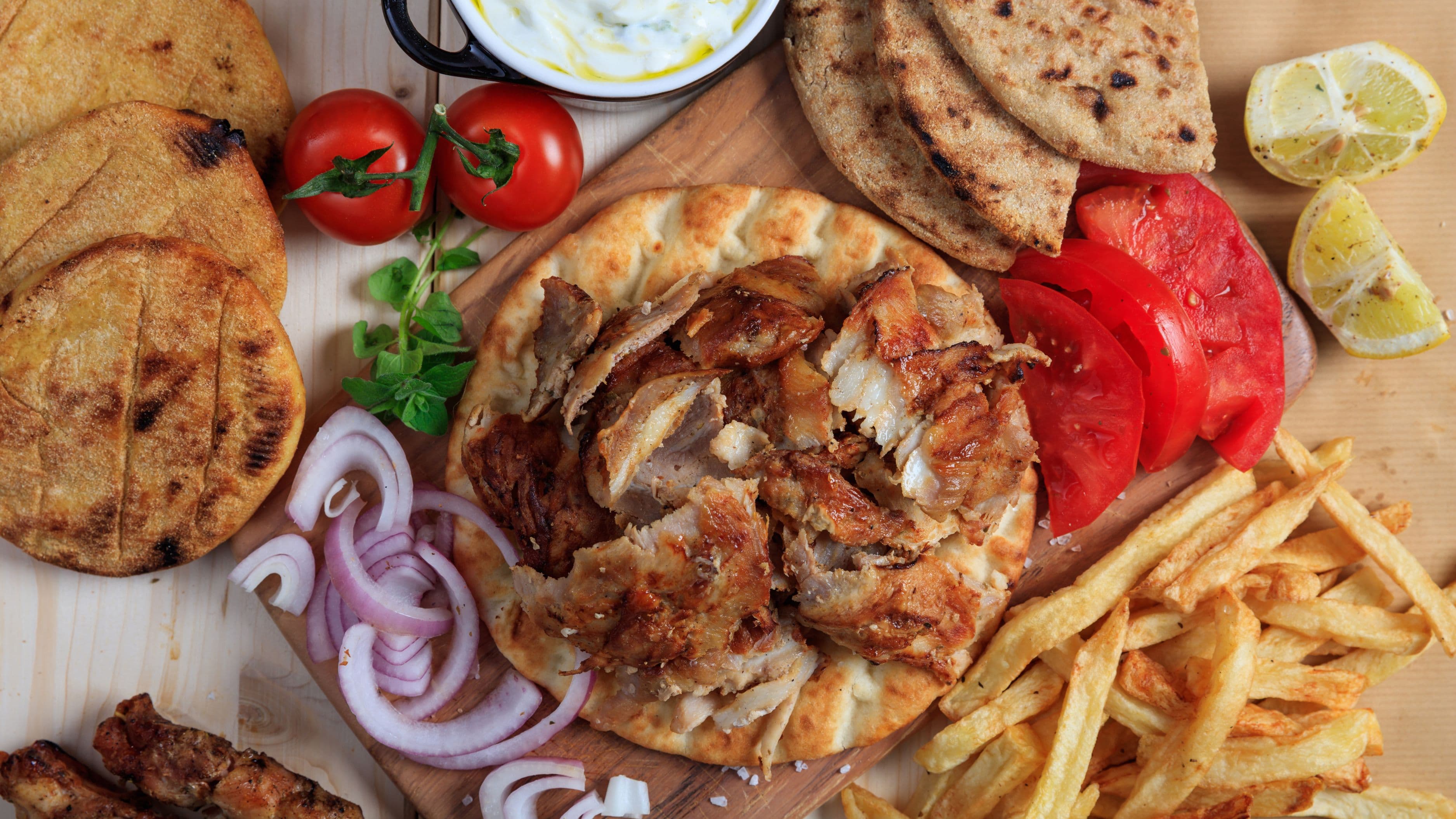
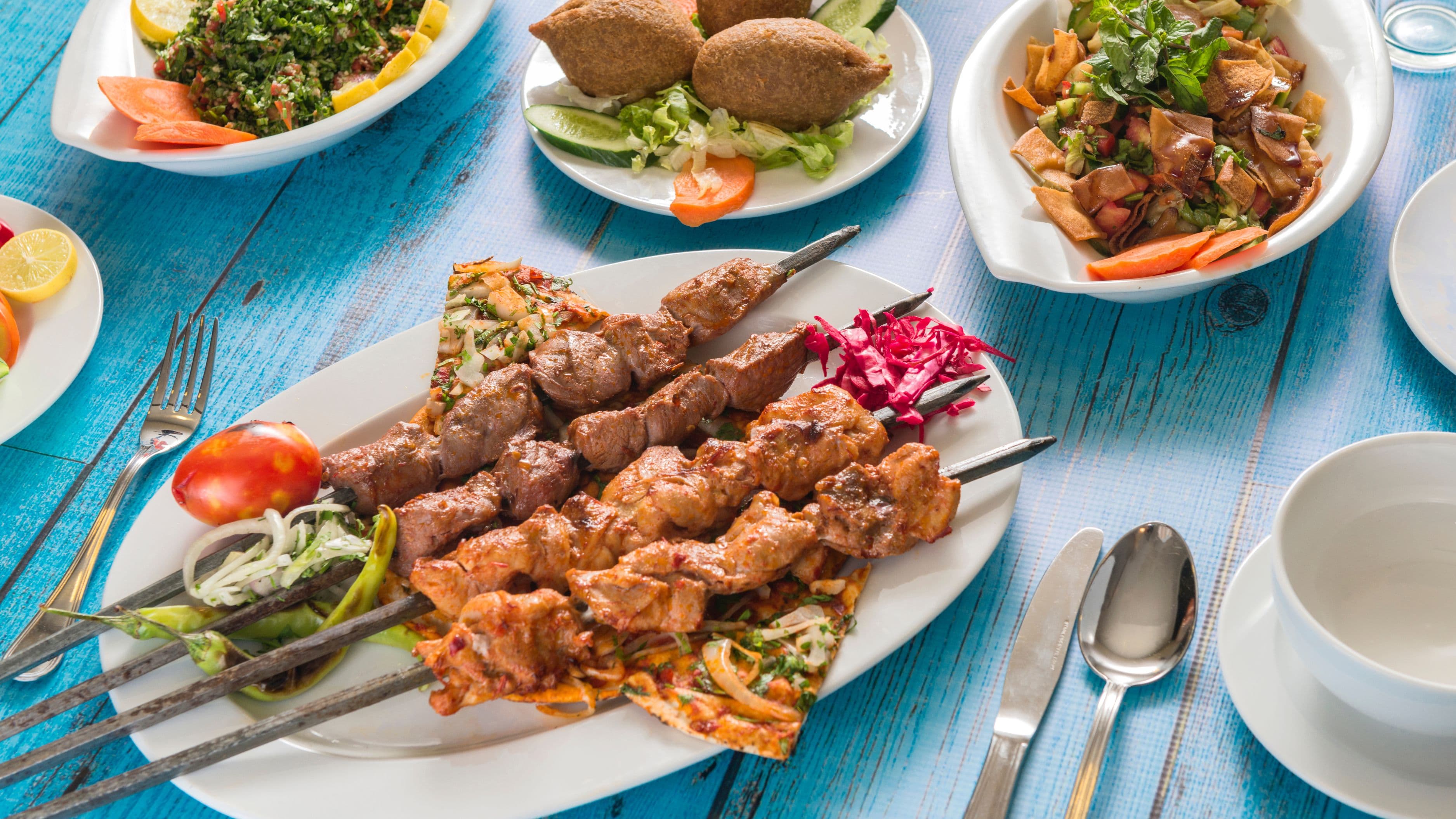
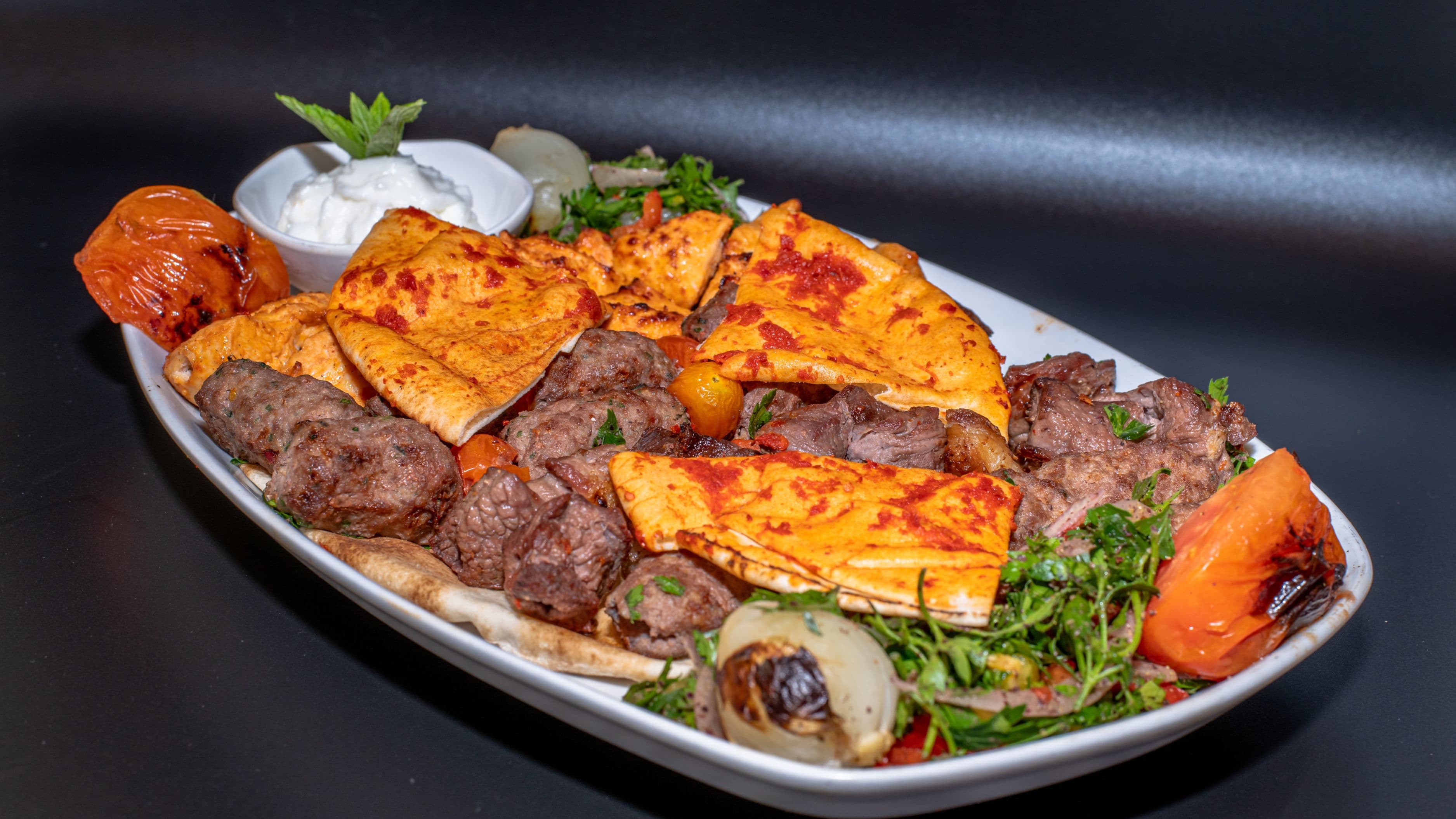
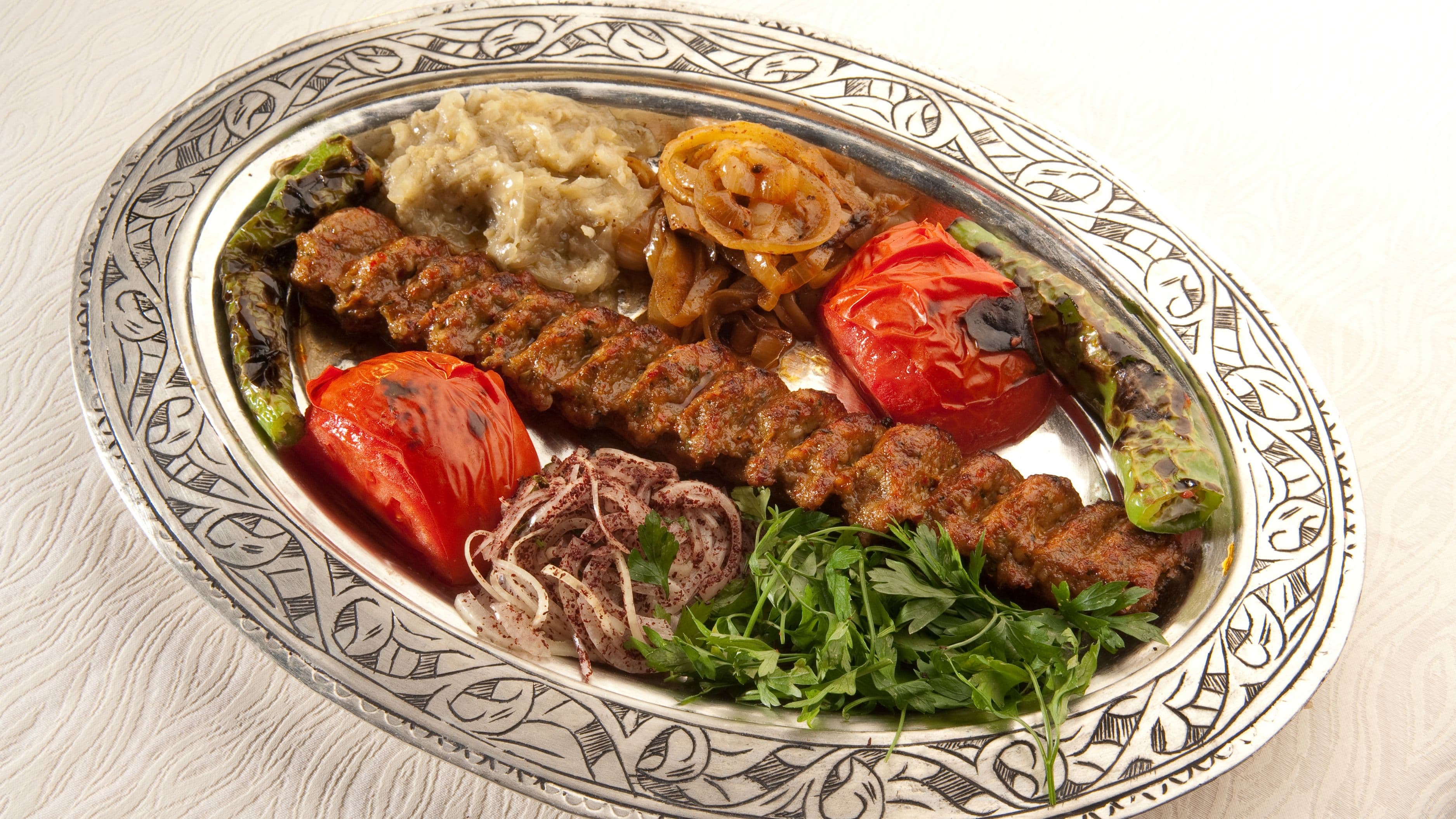
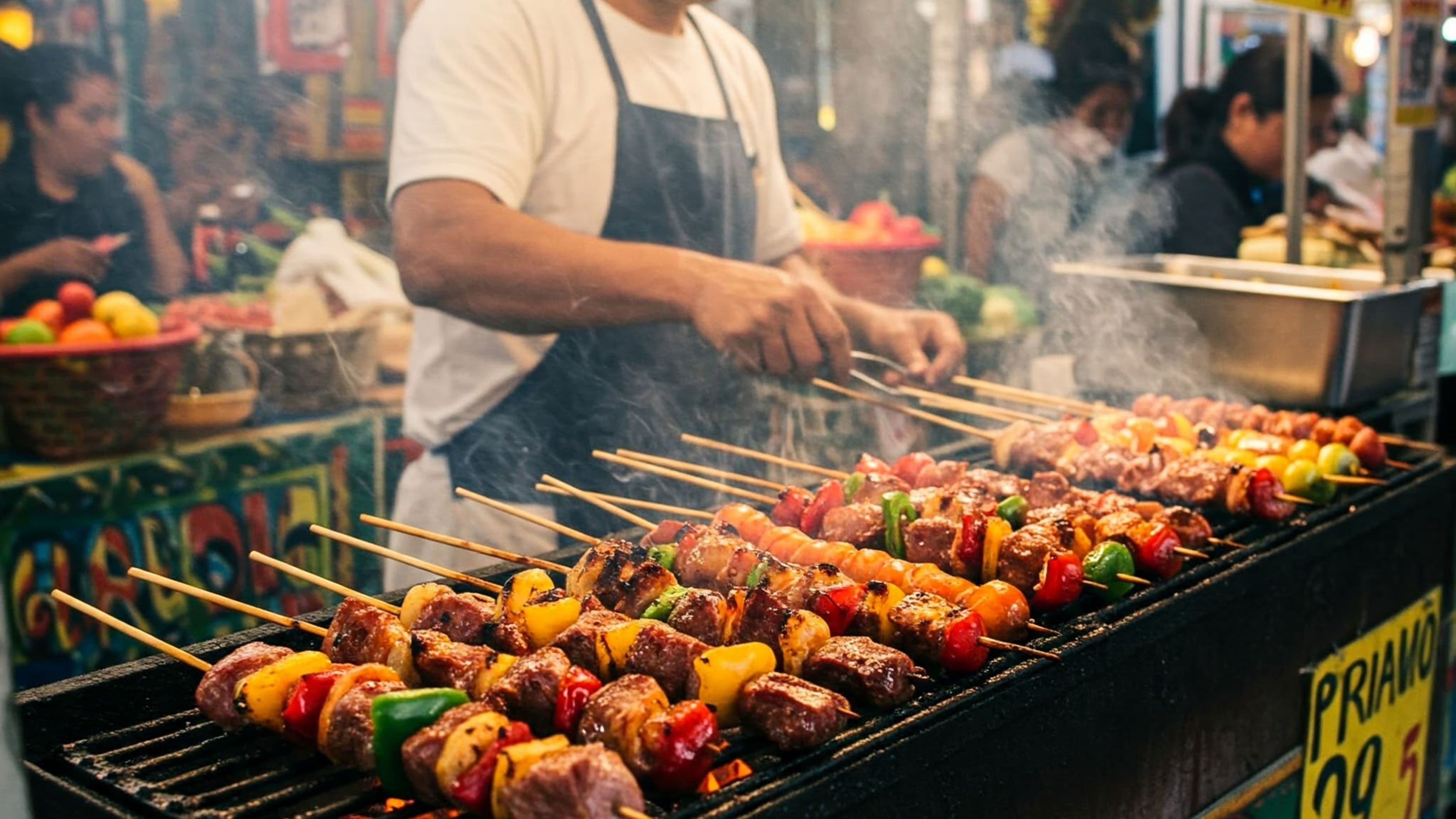
Tacos, hot dogs, and kebabs all started as affordable, portable meals for laborers. These "humble" foods now represent entire cultures and show how working-class necessity often becomes mainstream culinary treasure.
14. Ceremonial Dishes Preserve Ritual Knowledge
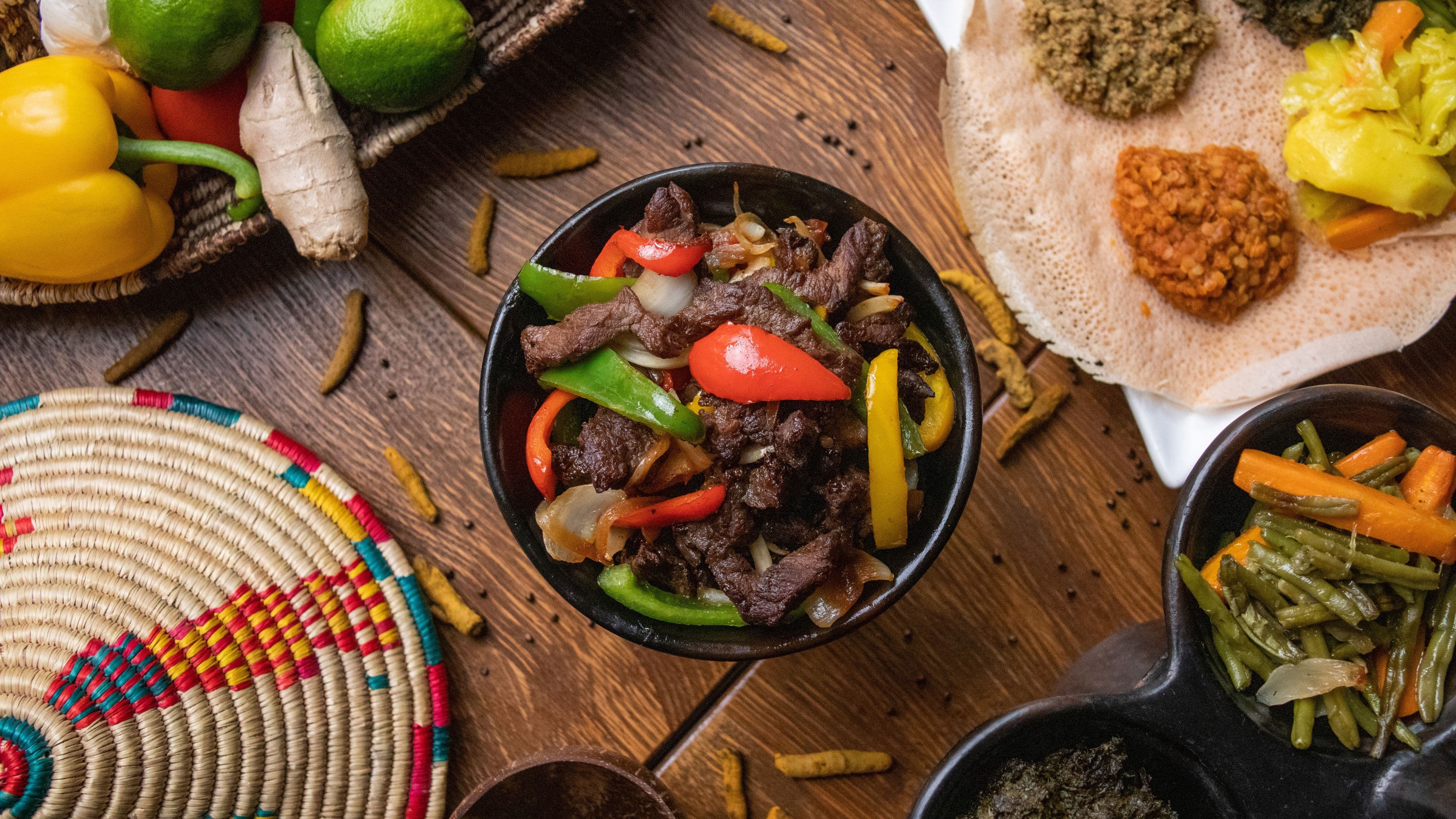
Native American fry bread carries painful history of government commodity rations but has become a symbol of resilience. Ethiopian injera and the communal eating style preserve social bonding rituals that predate modern dining conventions.
15. Lost Dishes Reveal Forgotten Stories
Researching historical cookbooks uncovers dishes that disappeared, showing what ingredients became unavailable or what tastes changed. Food historians work like archaeologists, excavating culinary history from old texts and trying to recreate flavors that once defined an era.
How to Taste History Yourself
Start with One Culture's Food Timeline
Research how a specific cuisine evolved over centuries—what changed after major historical events? Try cooking the same dish using both traditional methods and modern shortcuts to feel the difference yourself.
Learn from Elders and Traditional Cooks
Ask grandparents or community elders about how recipes have changed in their lifetimes. Record these conversations because you're documenting living history that will disappear when these knowledge-keepers pass on.
Visit Ethnic Markets and Ask Questions
Shopkeepers at specialty markets often know the stories behind ingredients and can recommend authentic brands. Supporting these businesses helps preserve food traditions while connecting you to communities maintaining their culinary heritage.
Cook Historical Recipes Exactly as Written
Find period cookbooks and attempt recipes using only the ingredients and methods available at that time. The difficulty you encounter reveals how much easier modern cooking has become and how skilled our ancestors truly were.
Attend Cultural Food Festivals
These events showcase traditional preparation methods you won't see in restaurants, often with community members explaining the significance. You'll taste the difference between commercial versions and authentic preparations made by people who learned from their families.
Study Food in Museum Exhibitions
Many museums now feature culinary history exhibits that contextualize dishes within broader cultural movements. Seeing actual cooking implements and food packaging from different eras makes abstract history suddenly tangible and delicious.
Follow Food Historians on Social Media
Researchers like food anthropologists and culinary historians share fascinating discoveries about food origins and evolution. Their work connects contemporary eating habits to centuries-old practices you've probably never considered.
Take a Culinary Heritage Class
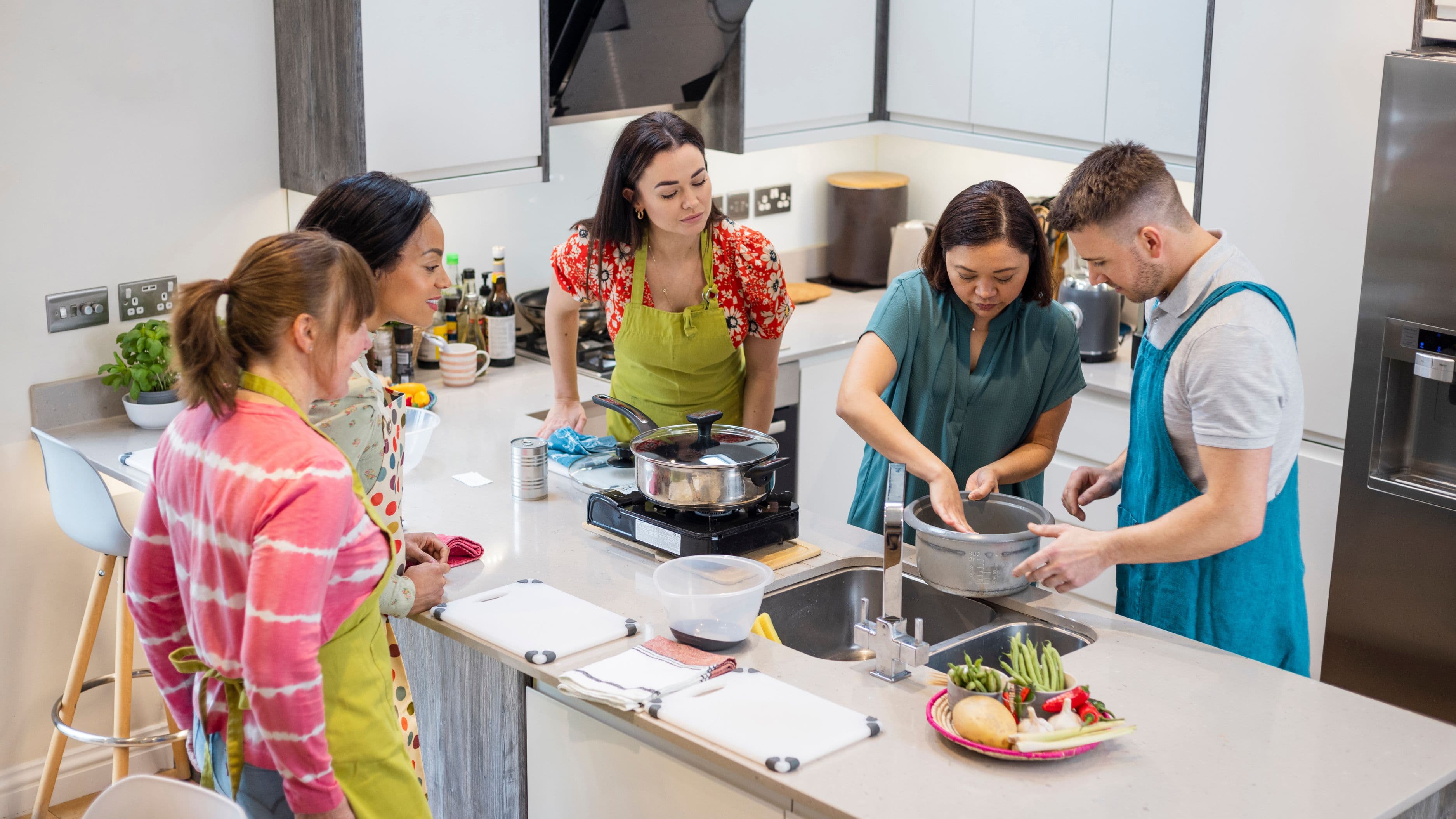
Many communities offer classes teaching traditional cooking methods from specific cultures or time periods. Learning these techniques from knowledgeable instructors provides context that cookbooks and YouTube videos can't fully capture.
Read Memoirs Focused on Food
Books that center on family food traditions offer intimate perspectives on how dishes connect to identity and memory. These personal narratives reveal emotional and cultural dimensions that pure history texts often miss.
Start Documenting Your Own Food Heritage
Interview family members about recipes before that knowledge disappears, writing down not just ingredients but stories and contexts. You're creating primary source material for future generations trying to understand their own culinary history.
History doesn't live only in museums and textbooks—it survives in kitchens, at dinner tables, and in the collective memory of communities who refuse to let their food traditions die. Every time you seek out authentic traditional dishes, learn a heritage recipe, or ask someone about the origins of their family's cooking, you're actively participating in cultural preservation. Pick one action from this list and try it right now. Cook something your grandmother made, visit that ethnic market you've been curious about, or simply ask someone from a different background to share their food story. Momentum starts small, but each bite of history you taste connects you to the vast, delicious tapestry of human experience. Your relationship with food will never be the same once you realize every meal is a time machine.