If you haven't cooked much Turkish food at home, here's why it belongs in your regular rotation and how to start without overthinking it.
What Makes Turkish Cuisine Different
Turkish cuisine sits at the intersection of Central Asian, Middle Eastern, Mediterranean, and Balkan influences, and that breadth shows up in how diverse the cooking actually is. You have rich, slow-cooked meat dishes from the Anatolian interior, fresh and vegetable-driven mezes from the Aegean coast, and the complex pastry traditions of Istanbul sitting alongside simple grilled köfte made with nothing more than ground meat, onion, and a handful of spices.
What gives the cuisine its distinctive character is a combination of things. The use of warm spice in savory dishes – cumin, allspice, dried mint, sumac, Aleppo pepper – is more restrained and more integrated than in cuisines that use spice more aggressively. Turkish food tastes spiced rather than spicy, fragrant rather than pungent. Yogurt appears constantly as a sauce, a marinade, a cooking medium, and a condiment, giving dishes a tangy creaminess that's different from the dairy-heavy richness of French cooking. And olive oil is used with generosity for both cooking and finishing, which gives vegetables in particular a silky, satisfying quality even when the dish is simple.
The result is a cuisine where the components are individually accessible but combine into something that feels more sophisticated than the ingredient list suggests.
Key Ingredients You Probably Already Have
One of Turkish cuisine's practical advantages is that much of the pantry is already standard kitchen territory. Olive oil, garlic, onion, canned tomatoes, ground beef or lamb, rice, yogurt, and dried legumes cover the base of dozens of dishes. The spices you may need to add to your pantry are cumin, allspice, dried mint, and paprika – all available at any grocery store.
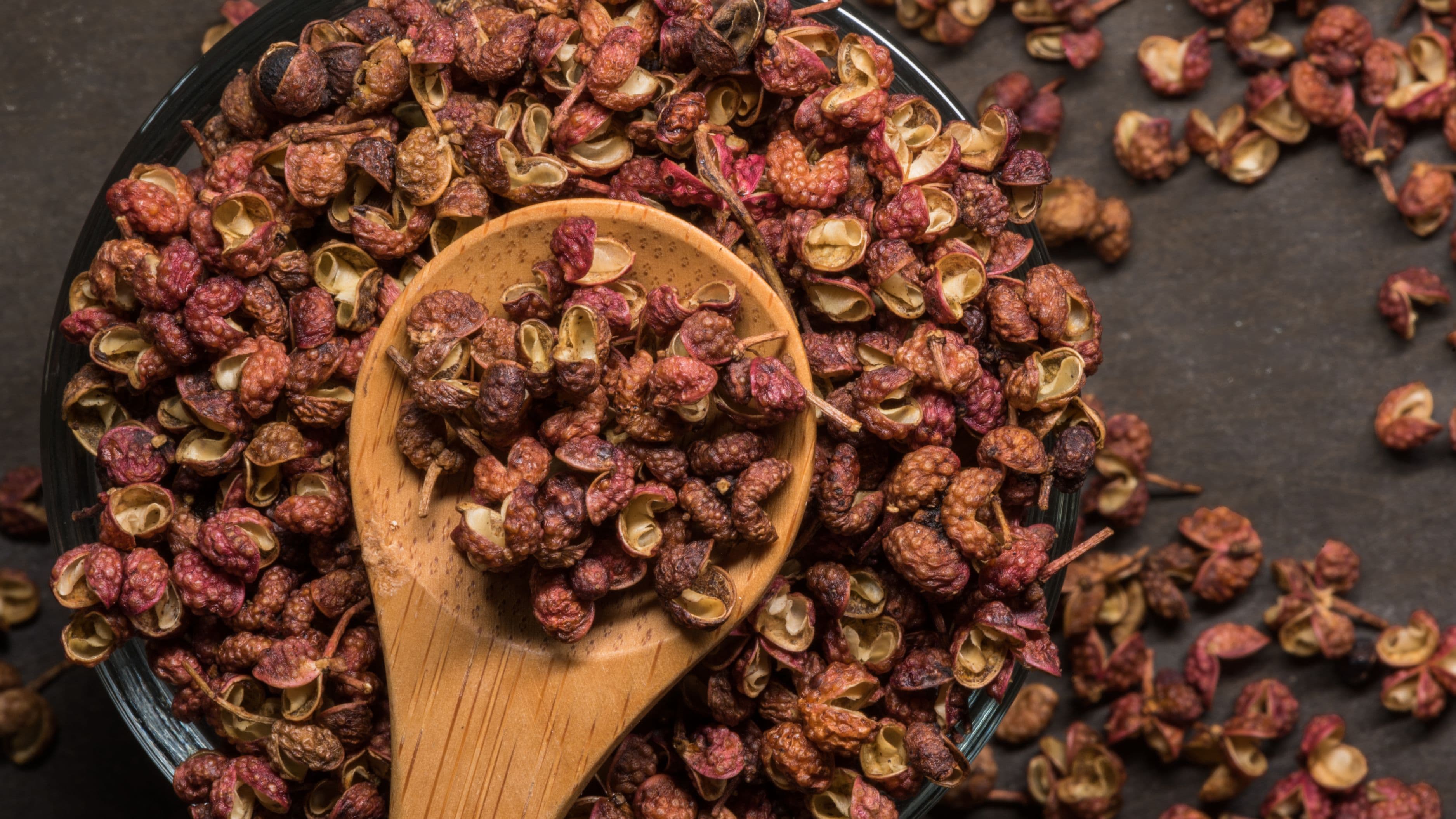
A few ingredients take the cooking deeper and are worth tracking down. Sumac is a sour, brick-red spice ground from dried sumac berries – it has a citrusy tartness that works as a finishing spice over salads, grilled meats, and eggs. It's available in Middle Eastern markets, Whole Foods, and increasingly in the spice aisle of well-stocked grocery stores. Aleppo pepper (also called pul biber or Turkish red pepper flakes) is a mildly hot, slightly oily chili flake with a fruity warmth – a finishing spice that appears on everything from labneh to köfte. It's a better version of the standard red pepper flakes for most purposes and worth keeping in the kitchen permanently once you've tried it.
Pomegranate molasses is a thick, tangy-sweet reduction used in salad dressings, marinades, and vegetable dishes. A small bottle costs a few dollars and lasts months in the refrigerator.
Beyond those, most Turkish cooking uses ingredients you already have. The barrier to starting is genuinely lower than for many world cuisines.
Five Dishes That Show You What Turkish Home Cooking Can Do
Mercimek çorbası (red lentil soup) is the dish that converts people to Turkish cooking. Red lentils cook down completely without soaking, creating a smooth, naturally thick soup that takes about thirty minutes from start to finish. Sauté onion and garlic in olive oil, add red lentils, vegetable or chicken broth, a little cumin and paprika, simmer until the lentils are completely soft, then blend or simply stir until smooth.
Finish with a spoonful of butter swirled in and a drizzle of Aleppo-infused olive oil on top. The result is warming, filling, deeply savory, and made from pantry staples. It also reheats perfectly, which makes it an excellent batch cooking dish.
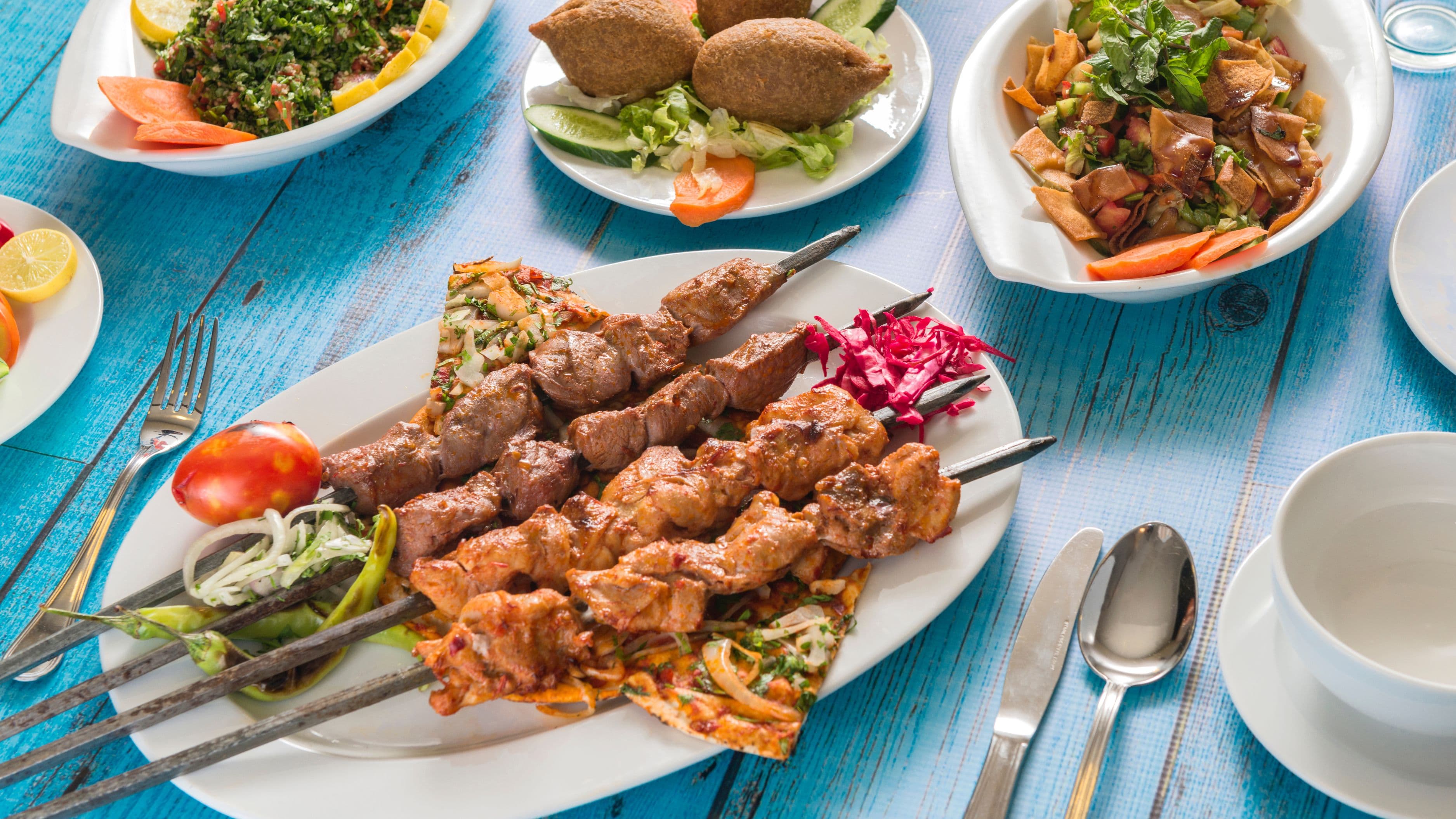
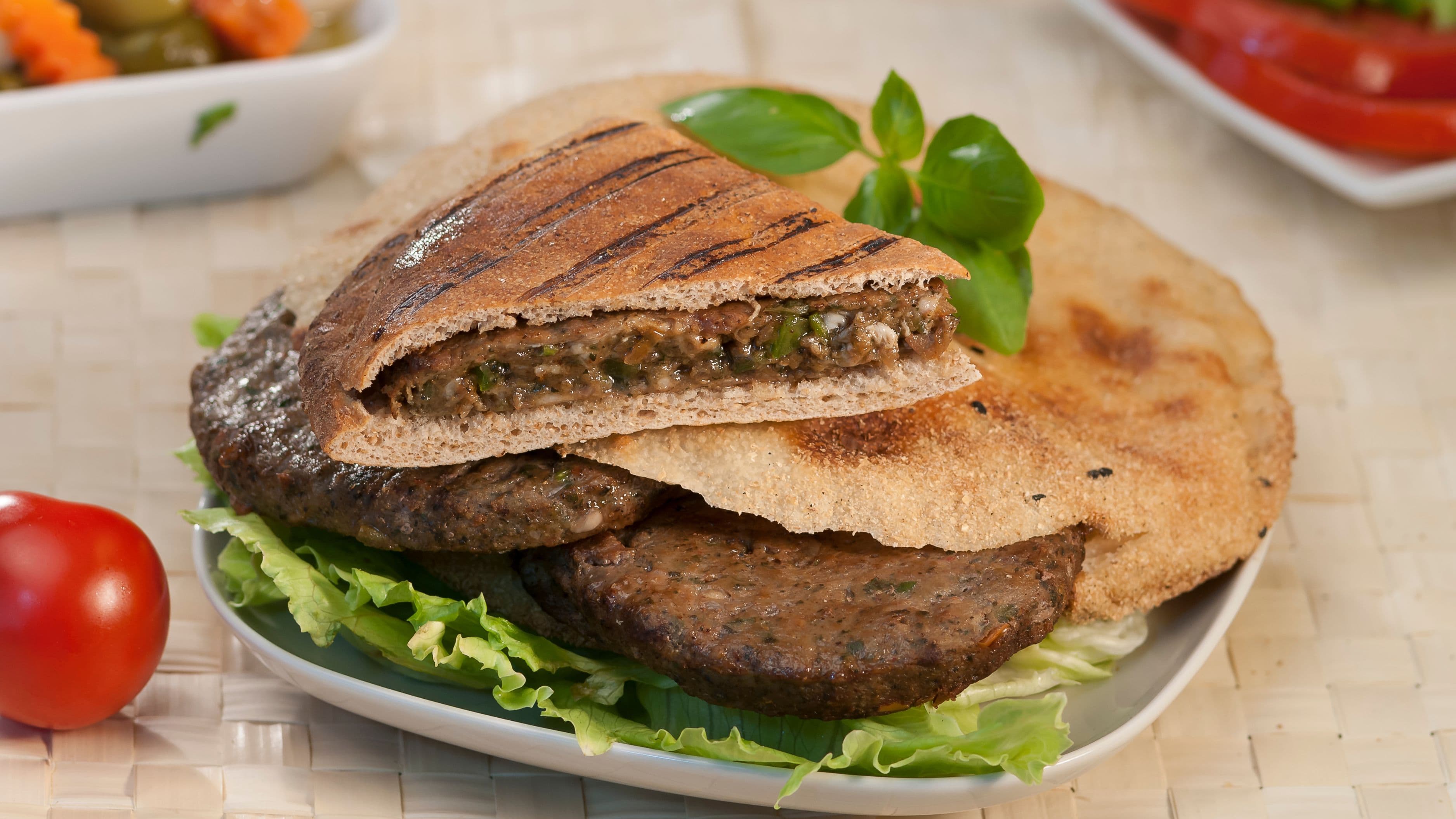
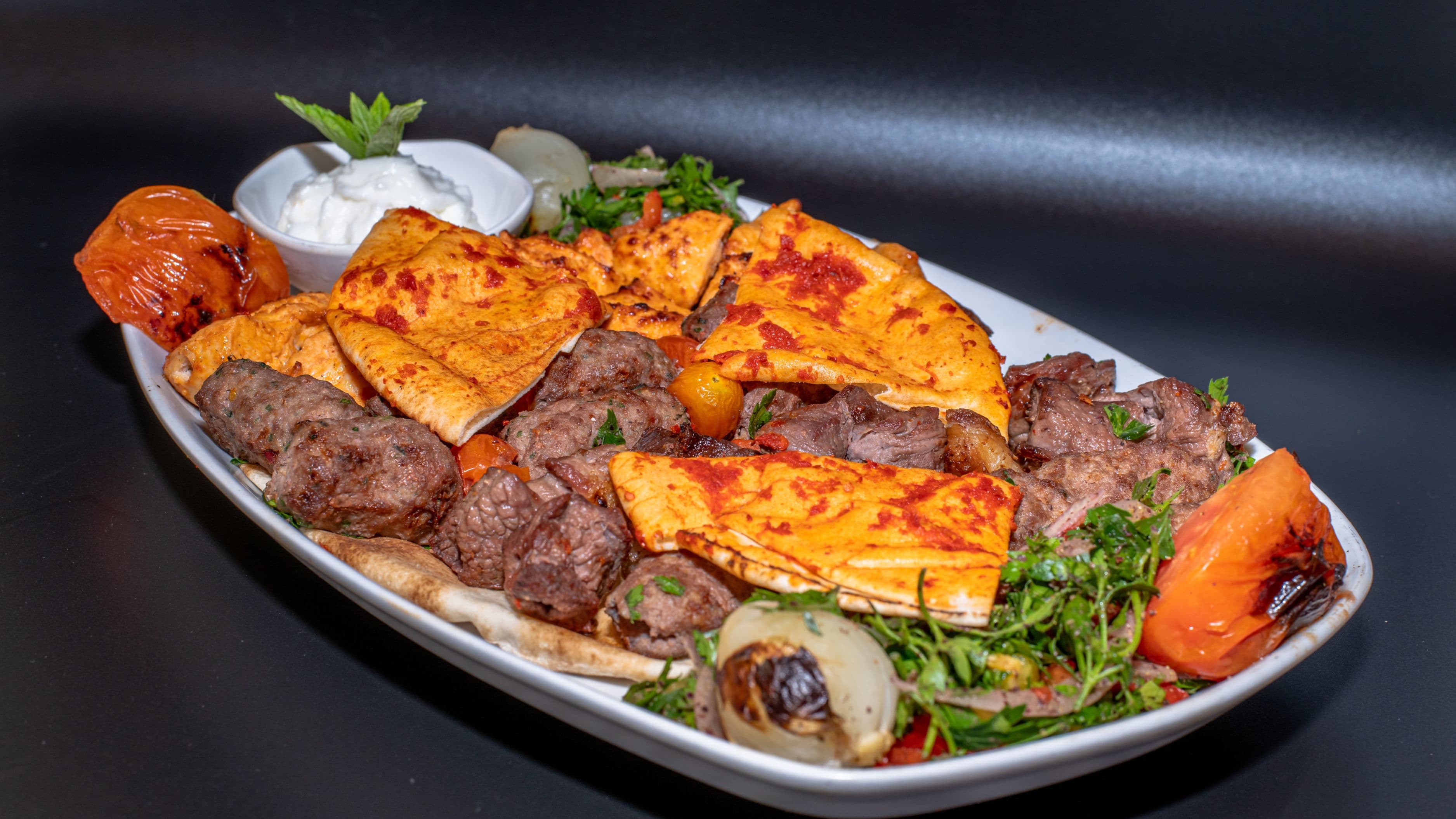
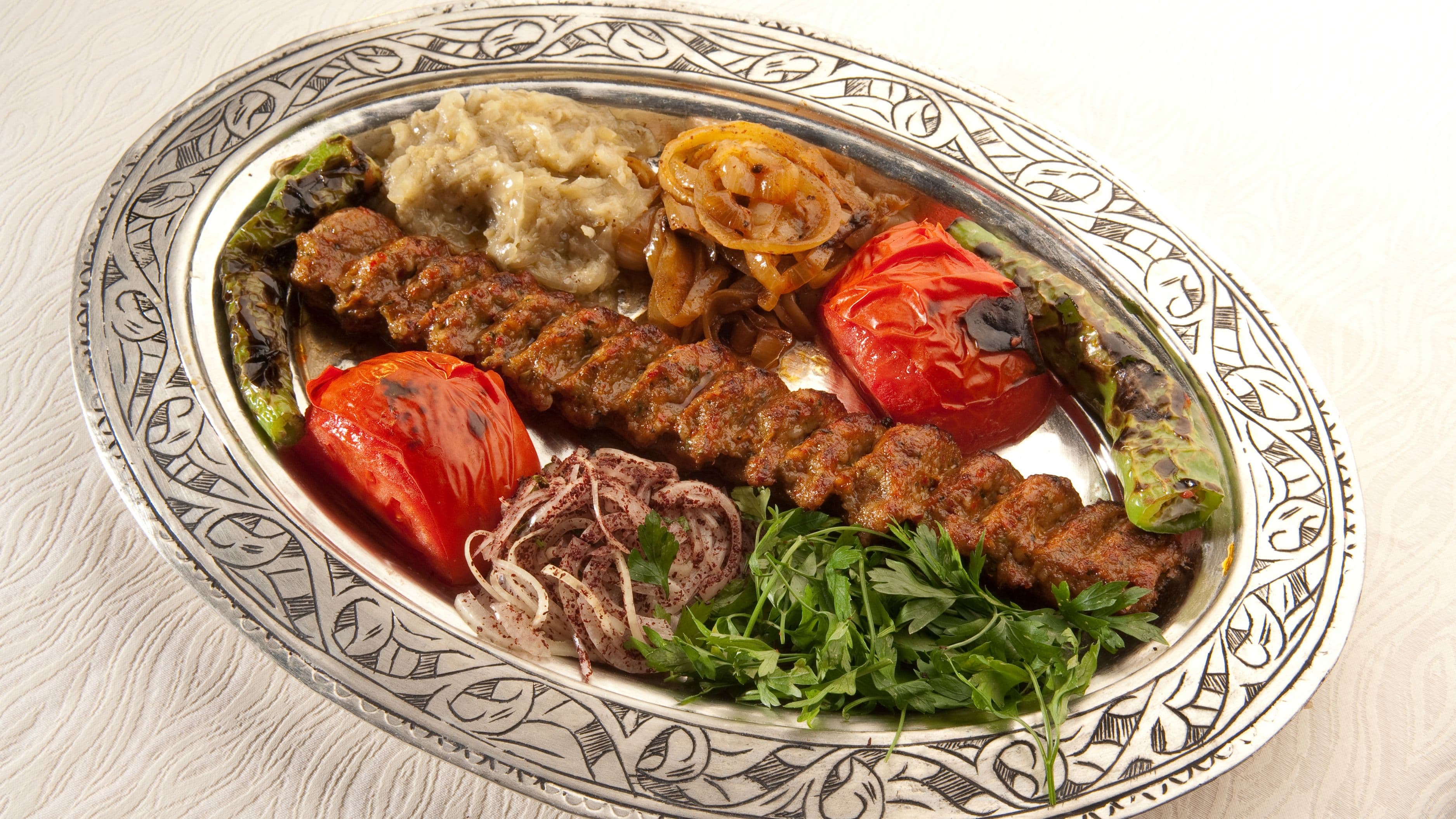
Köfte are ground meat patties – made from beef, lamb, or a mix – seasoned with onion, parsley, cumin, allspice, and a little garlic, then pan-fried, grilled, or baked. The seasoning mix is simple and deeply effective, and the patties cook in under ten minutes. Turkish home cooking serves köfte with rice pilaf, flatbread, or simply with a side of tomatoes, cucumber, and yogurt. They also reheat well and make excellent leftovers in a wrap the next day. Once you have the spice ratio down, köfte becomes one of those reliable weeknight proteins you return to constantly.
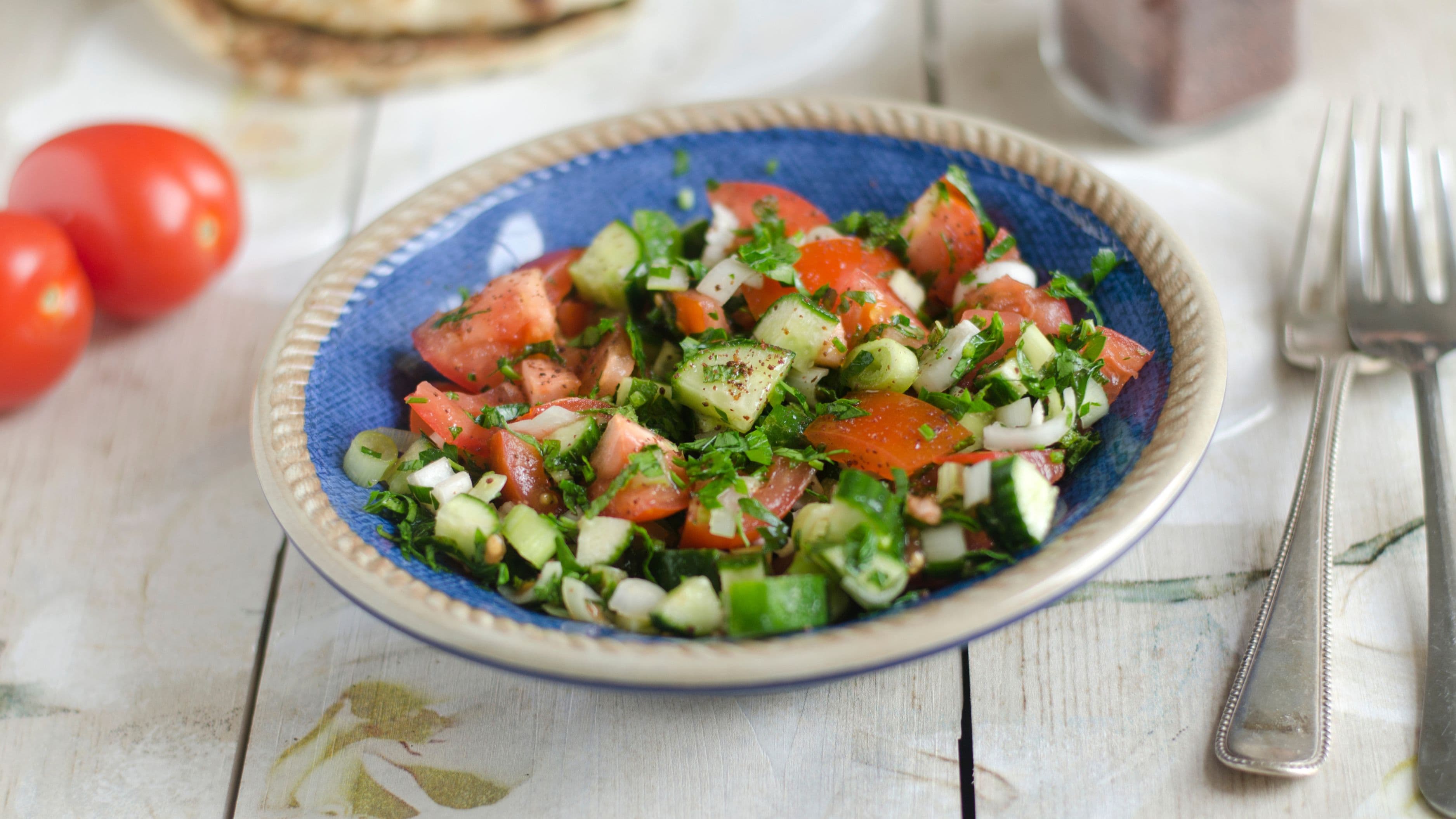
Çoban salatası (shepherd's salad) is a chopped salad of tomato, cucumber, red onion, green pepper, parsley, olive oil, and lemon juice that appears on the table at nearly every Turkish meal. It's not a complicated idea, but the execution – finely diced, dressed just before serving, heavy on the parsley – is fresher and more vibrant than most chopped salads. It's the perfect side for grilled meat, a scoop of food from any stew, or eaten alongside warm flatbread and yogurt as a light meal on its own.
İmam bayıldı (braised eggplant with tomato and onion) is one of the great vegetarian dishes in world cooking and a demonstration of what Turkish cuisine does with vegetables. Eggplants are split, salted to draw out moisture, then slowly braised in olive oil with onion, garlic, and tomatoes until everything collapses into a sweet, silky, concentrated mass. The dish is served at room temperature and improves as it sits. It's genuinely easy to make, requires no special equipment, and produces results that feel restaurant-worthy with very little effort. The name translates to "the imam fainted" – supposedly from the pleasure of eating it, which is a reasonable reaction.
Sütlaç (rice pudding) is a good entry point into Turkish sweets – simpler than baklava, faster to make, and reliable enough to become a regular dessert. It's rice cooked slowly in milk with sugar and a little vanilla or rose water, poured into shallow dishes, and either chilled as-is or finished under the broiler to create a golden, lightly caramelized top. The textured skin that forms in a traditional oven-baked sütlaç is one of those small pleasures that makes cooking feel worthwhile.
The Logic of Turkish Mezze
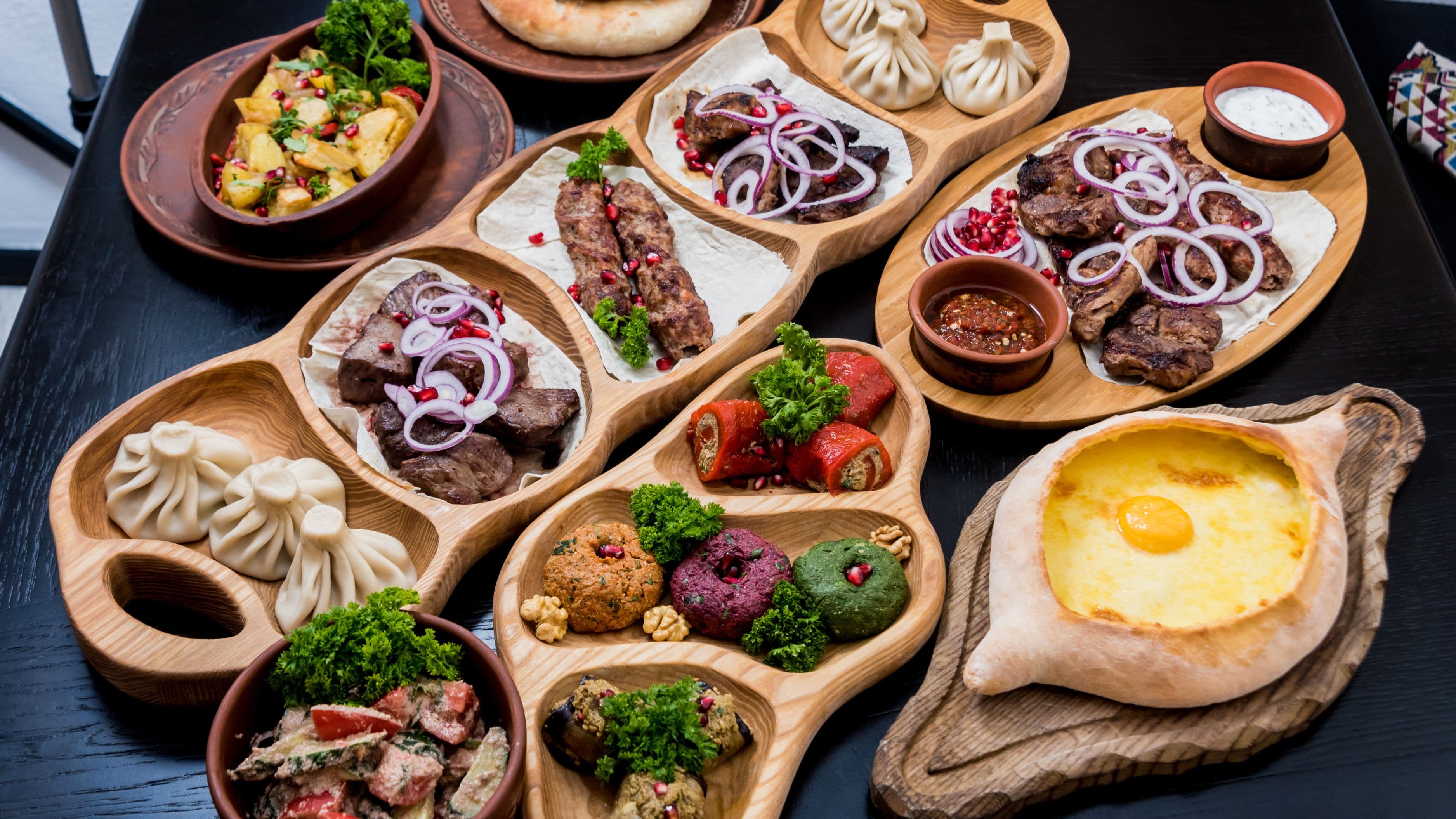
One of the most practical aspects of Turkish cooking for home cooks is the mezze tradition. Rather than a structured three-course meal, Turkish tables often feature a spread of small dishes – dips, salads, grilled items, cold vegetable preparations – that are eaten together with bread. This approach maps well to home cooking because it lets you make several simple things and combine them into a complete meal that feels more generous than any individual dish.
A simple Turkish mezze at home might include hummus (or the Turkish walnut-red pepper dip called muhammara), the shepherd's salad, some store-bought olives, warm flatbread, and a plate of the imam bayıldı from earlier in the week. The components can be prepared over a day or two, most of them keep well, and the spread comes together quickly at serving time. This format – make components ahead, assemble at the last minute – is well-suited to busy home cooks who want interesting food without coordinating multiple things cooking simultaneously.
How to Start Without Buying Everything at Once
The practical path into Turkish cooking is to start with the dishes that use your existing pantry, then fill in the specialty spices as you encounter them in recipes.
Make the red lentil soup first – everything in it is already in most kitchens, and it will give you confidence in how Turkish spicing works. Follow with köfte, which teaches the ground meat seasoning logic that applies across many dishes. After those two, you'll have a feel for the flavor profile and you'll be in a better position to invest in Aleppo pepper, sumac, and pomegranate molasses, because you'll know which dishes you want to make next.
A good Turkish cookbook helps. Claudia Roden's work on Middle Eastern food includes extensive coverage of Turkish cuisine, and Somer Sivrioglu's cookbooks bring a more contemporary Turkish restaurant perspective. Yotam Ottolenghi's books aren't specifically Turkish but draw heavily from the same ingredient palette and are excellent for building intuition around similar flavors.
Tips for Getting Turkish Cooking Right
Yogurt in Turkish cooking is usually full-fat and often used at room temperature. Adding cold yogurt directly to a hot dish can cause it to split. If you're stirring yogurt into a soup or sauce, temper it first by mixing a spoonful of the hot liquid into the yogurt before adding it to the pot. For cold preparations – as a sauce or condiment – yogurt can be used straight from the refrigerator.
Olive oil is used generously. Turkish cooking does not treat olive oil as a condiment to be applied in tiny amounts. Dishes like imam bayıldı and many cold vegetable preparations call for significantly more olive oil than you might instinctively use. This is intentional and contributes meaningfully to the dish. Trust the recipe on this, especially the first time.
Dried mint works differently from fresh. Turkish cooking uses dried mint as a spice, not just as a stand-in for fresh. It has a more concentrated, slightly dusty character that behaves like a warm spice rather than a fresh herb, and it's particularly good in yogurt sauces and red lentil soup. Don't skip it if a recipe calls for it – the contribution is more significant than it looks.
What to Avoid
The main mistake when starting with Turkish cooking is over-spicing. The goal is a balanced warmth and fragrance, not a dish that tastes primarily of cumin. Turkish recipes are usually calibrated, and the ratios given are worth following before adjusting to personal preference.
Rushing eggplant is the other common mistake. Dishes like imam bayıldı and grilled eggplant dip work because the eggplant has had time to fully soften and caramelize. Pulling it early leaves a slightly bitter, spongy result. Give it time, and the payoff is significant.
FAQ
Is Turkish food similar to Greek or Lebanese food? There are clear shared influences, particularly in mezze culture, the use of olive oil and legumes, and some pastry traditions. But Turkish cuisine has its own distinct character – more use of warm spice in savory dishes than Greek cooking, less herb-forward than Lebanese, and with a stronger Central Asian influence in meat preparations. It's worth approaching as its own cuisine rather than as a variation of something you already know.
Can I make Turkish food without a lot of meat? Absolutely. Turkish cuisine has an exceptionally strong vegetable and legume tradition. Many of the most celebrated Turkish dishes – imam bayıldı, stuffed peppers with rice and herbs, red lentil soup, roasted eggplant dip, cold olive oil-braised vegetables called zeytinyağlı dishes – are naturally vegetarian. Meat dishes tend to get more attention internationally, but the meatless cooking is equally worth exploring.
What bread goes with Turkish food? Pide (a soft, slightly flatbread often served alongside stews and dips), lavash (a thin, crisp flatbread), and simit (a sesame-coated ring bread) are the most traditional. At home, any good flatbread works well, and a warm pita is a fine substitute for most purposes. Thick slices of good sourdough are also surprisingly compatible with Turkish dips and salads.
How do I make Turkish tea at home? Turkish tea (çay) is brewed strong in a double-stacked teapot called a çaydanlık – strong tea concentrate in the top pot, boiling water in the bottom to dilute to taste. At home, brew a small pot of black tea very strong using Rize or a similar black tea, then dilute each cup individually with hot water to your preferred strength. It's served in small tulip-shaped glasses with sugar on the side, no milk.
Where can I find Aleppo pepper and sumac? Middle Eastern grocery stores carry both reliably. Whole Foods, specialty food stores, and well-stocked supermarkets increasingly stock them. Both are also available online. If you can only get one first, Aleppo pepper (pul biber) is the more versatile everyday spice and worth prioritizing.
📚 Sources
Oxford Companion to Food – Turkish Cuisine Overview: https://www.oxfordreference.com/display/10.1093/acref/9780198807971.001.0001/acref-9780198807971
Claudia Roden – A New Book of Middle Eastern Food (publisher reference): https://www.penguinrandomhouse.com/books/110741/a-new-book-of-middle-eastern-food-by-claudia-roden/
Serious Eats – Guide to Turkish Pantry Ingredients: https://www.seriouseats.com/turkish-pantry-ingredients
BBC Good Food – Introduction to Turkish Food: https://www.bbcgoodfood.com/howto/guide/ingredient-focus-turkish-food