The Mindset Shift: Leftovers as Ingredients, Not Finished Meals
The most useful shift here is mental rather than technical. Instead of asking "how do I reheat this," ask "what could this become." A roasted chicken from Sunday isn't just dinner leftovers, it's shredded protein ready for tacos, a base for chicken soup, or filling for a quick quesadilla. This single reframe opens up far more possibilities than reheating alone ever could.
Practical Ways to Repurpose Common Leftovers
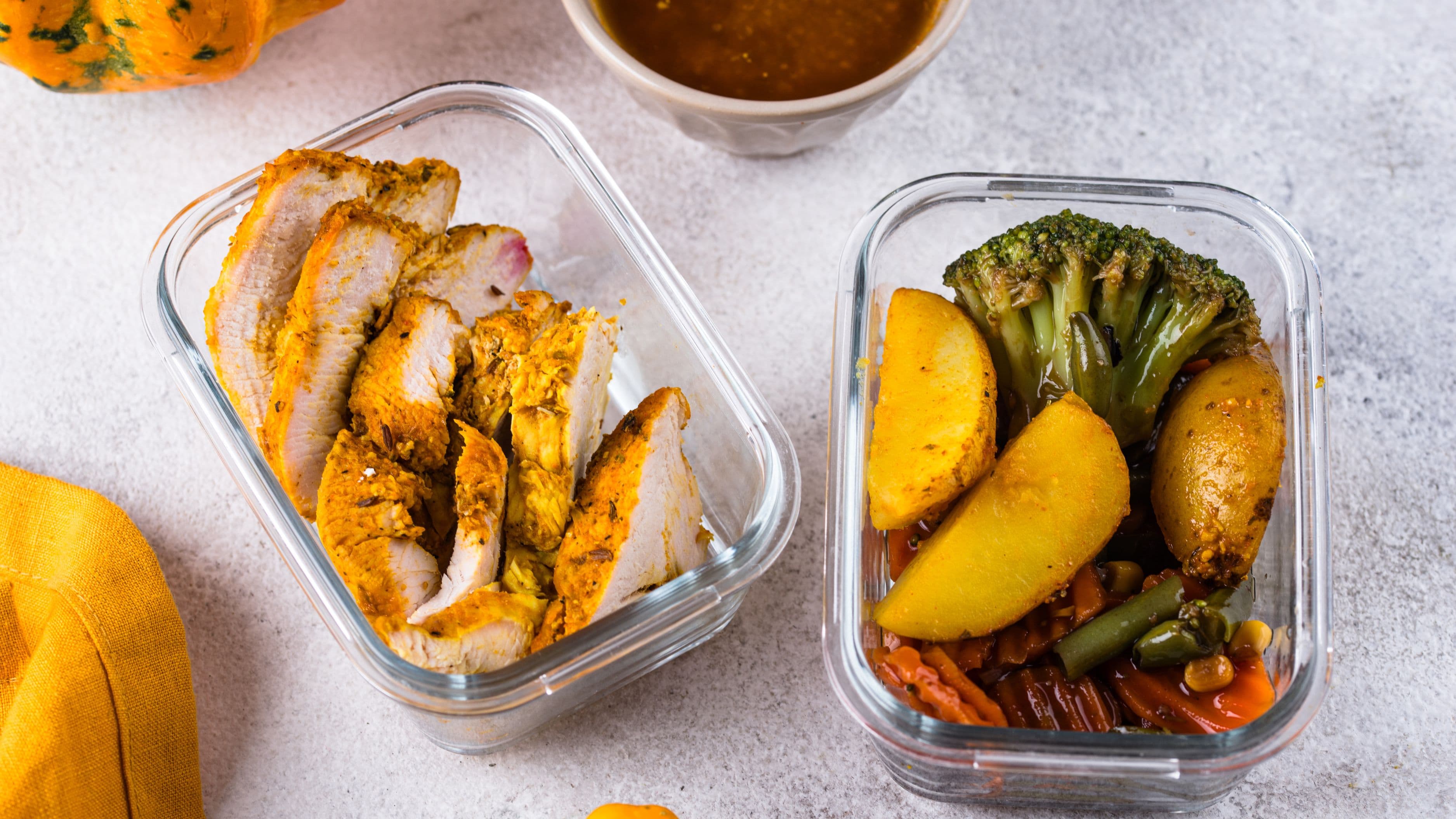
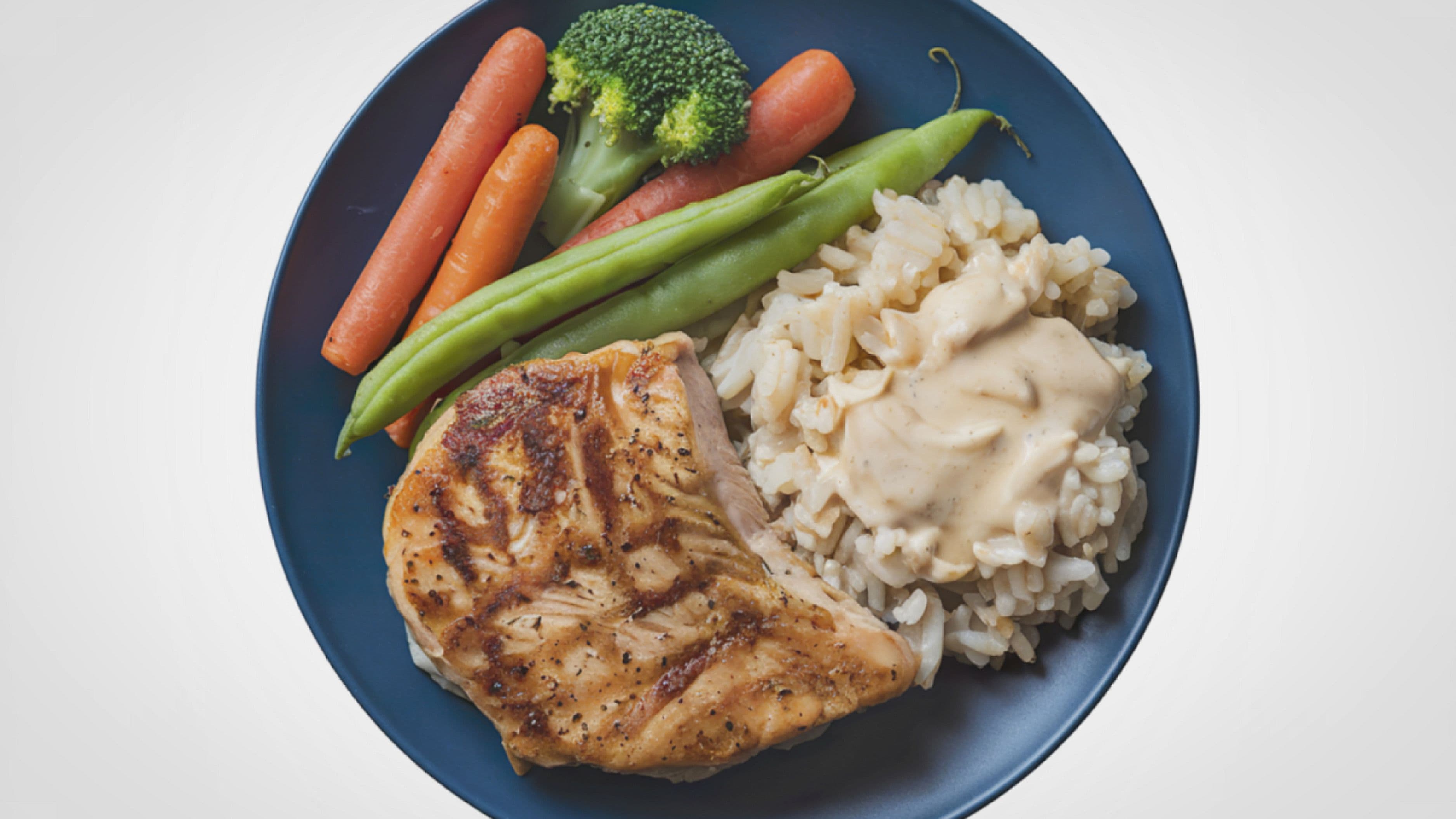
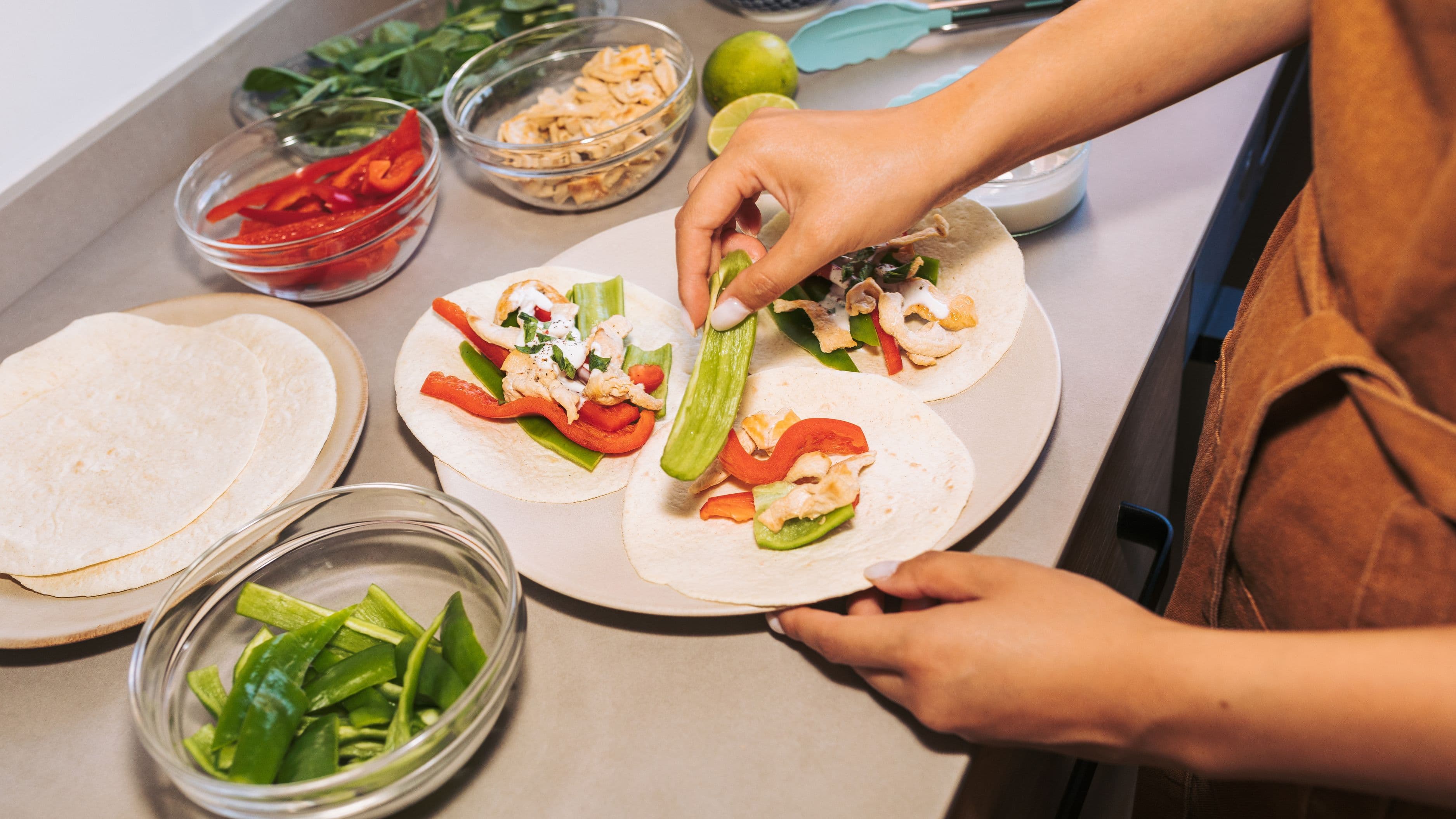
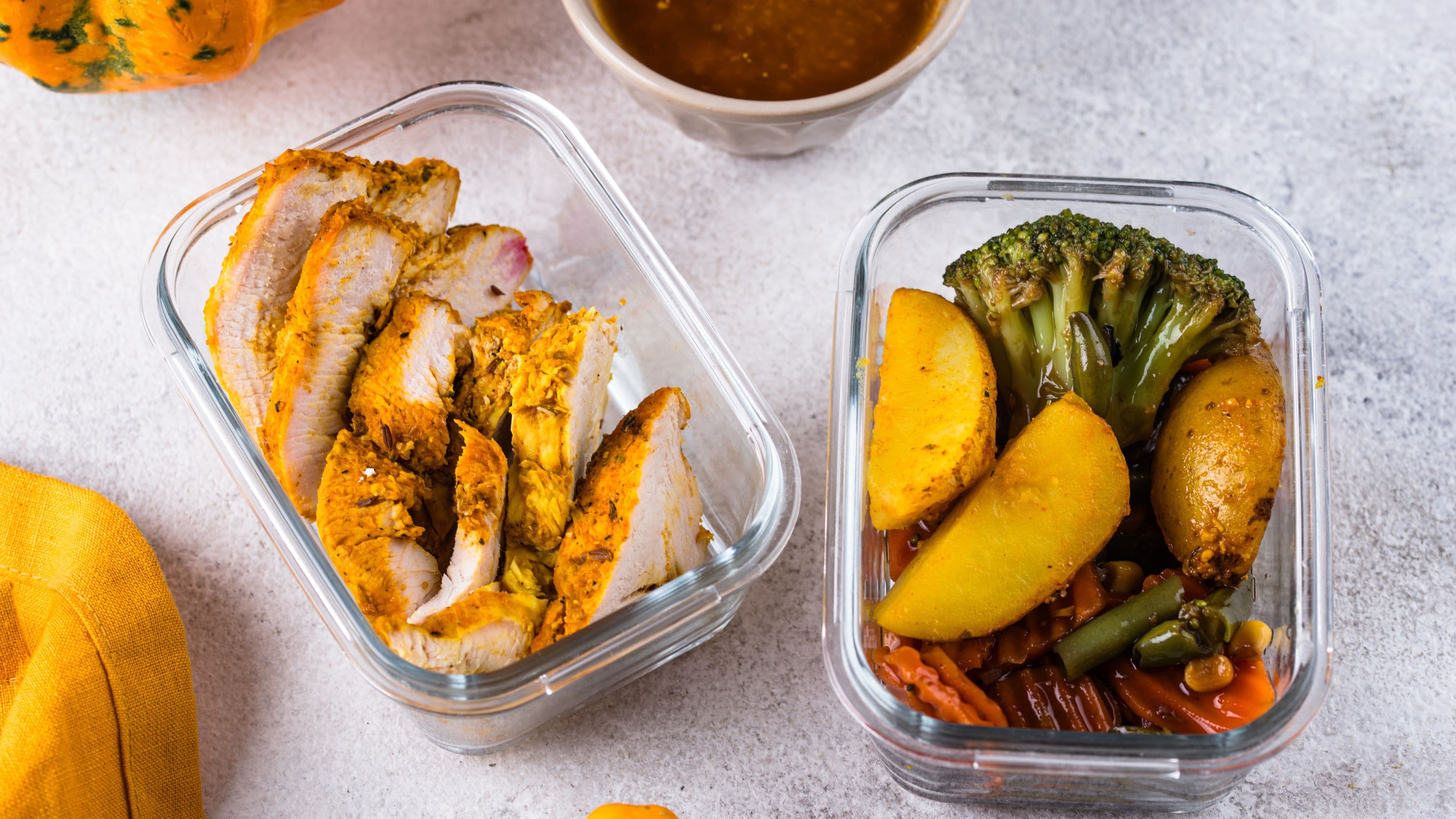
Roasted or grilled proteins. Leftover chicken, steak, or pork rarely tastes as good reheated exactly as originally cooked, since reheating often dries out the protein further. Instead, slice or shred it cold or gently warmed and fold it into a grain bowl, a quick stir-fry, or a sandwich with fresh toppings, where texture differences matter less and the protein gets a completely different context.
Roasted vegetables. Leftover roasted vegetables, often a little softer the second day, work beautifully blended into a soup, tossed into a frittata, or chopped and folded into a grain salad with a fresh vinaigrette, rather than reheated plain where their texture change becomes more noticeable.
Rice and grains. Day-old rice is genuinely better for fried rice than freshly cooked rice, since the slightly dried-out grains fry up without turning mushy. This is one of the clearest examples of a leftover actually improving in a new application rather than just surviving reheating.
Pasta. Leftover pasta with sauce can be transformed into a baked pasta dish with added cheese and a quick broil, giving it a textural contrast, a crisp top layer, that the original dish never had.
Bread nearing its end. Slightly stale bread is ideal for croutons, bread pudding, or a simple panzanella salad, applications where bread's fresher, softer texture would actually work against the dish rather than for it.
Building a Simple System So Leftovers Don't Go to Waste
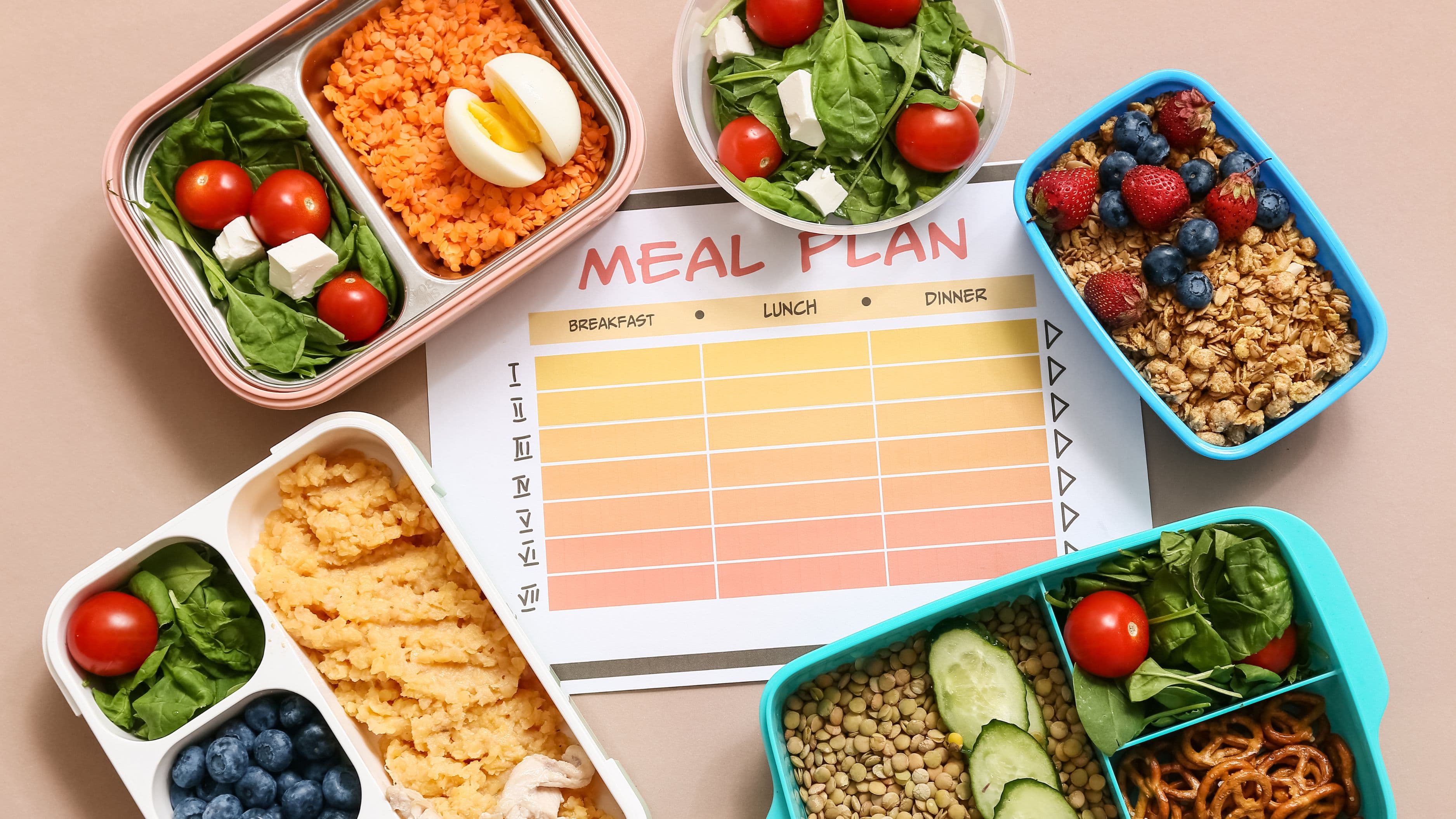
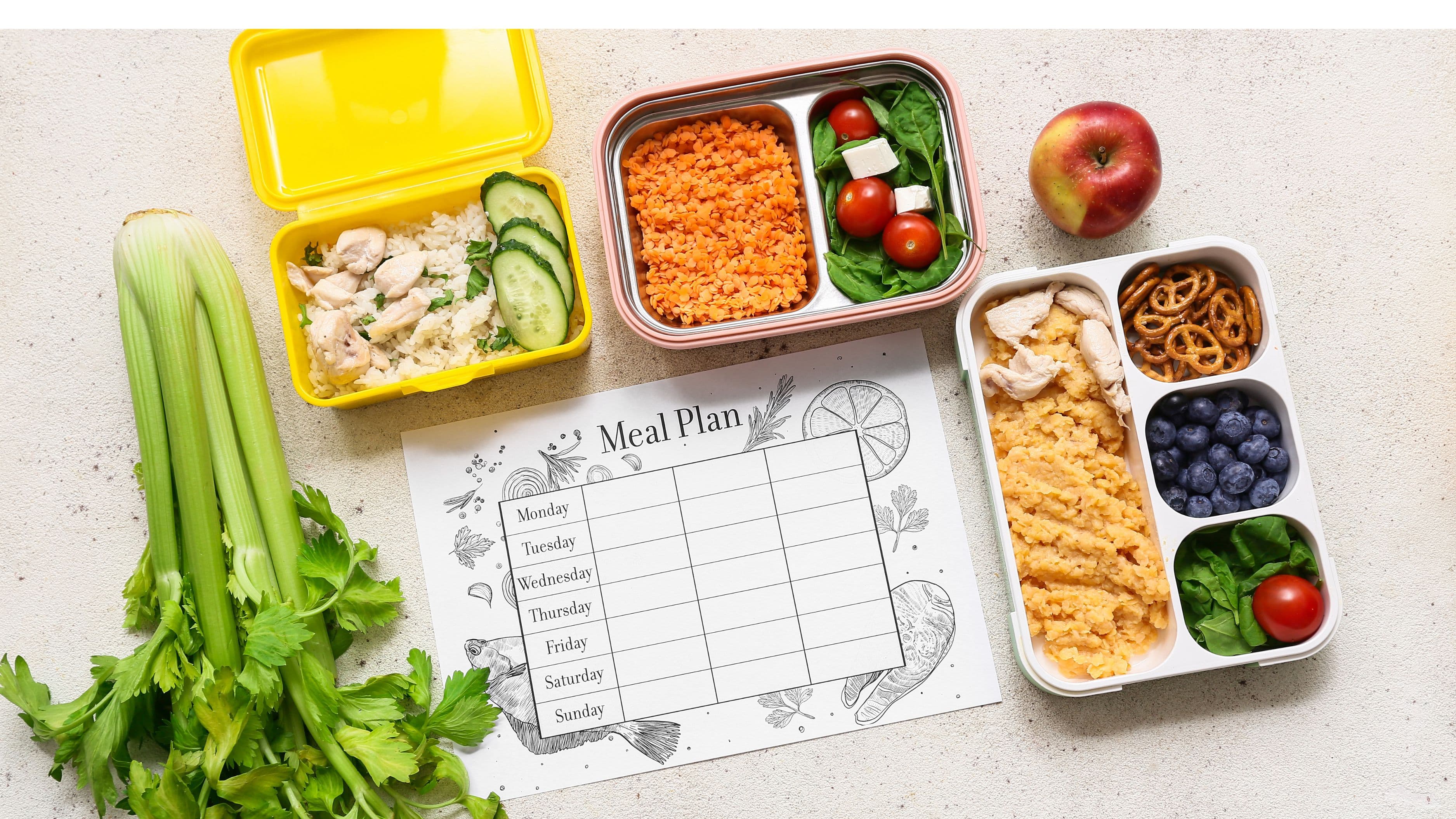
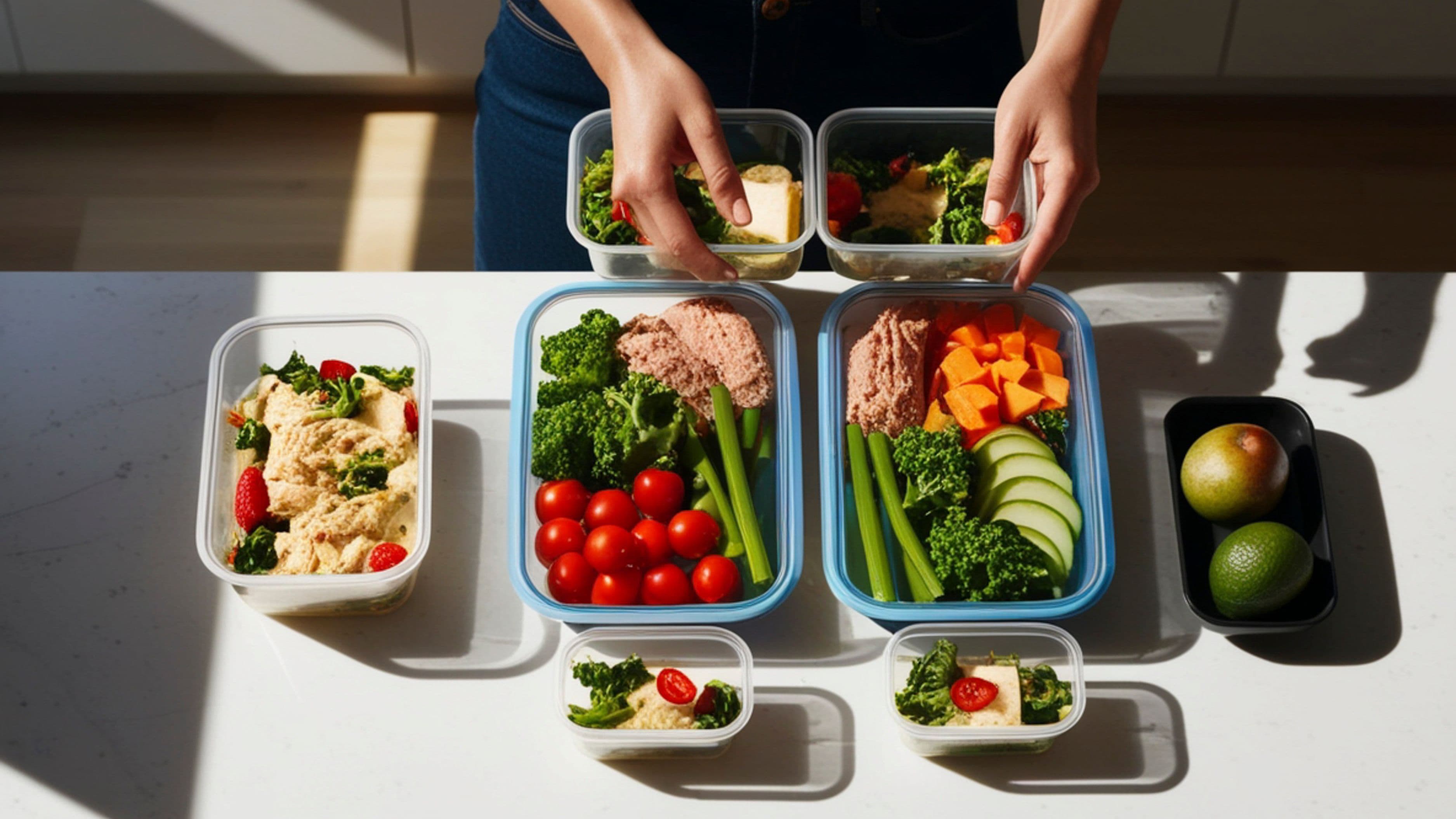
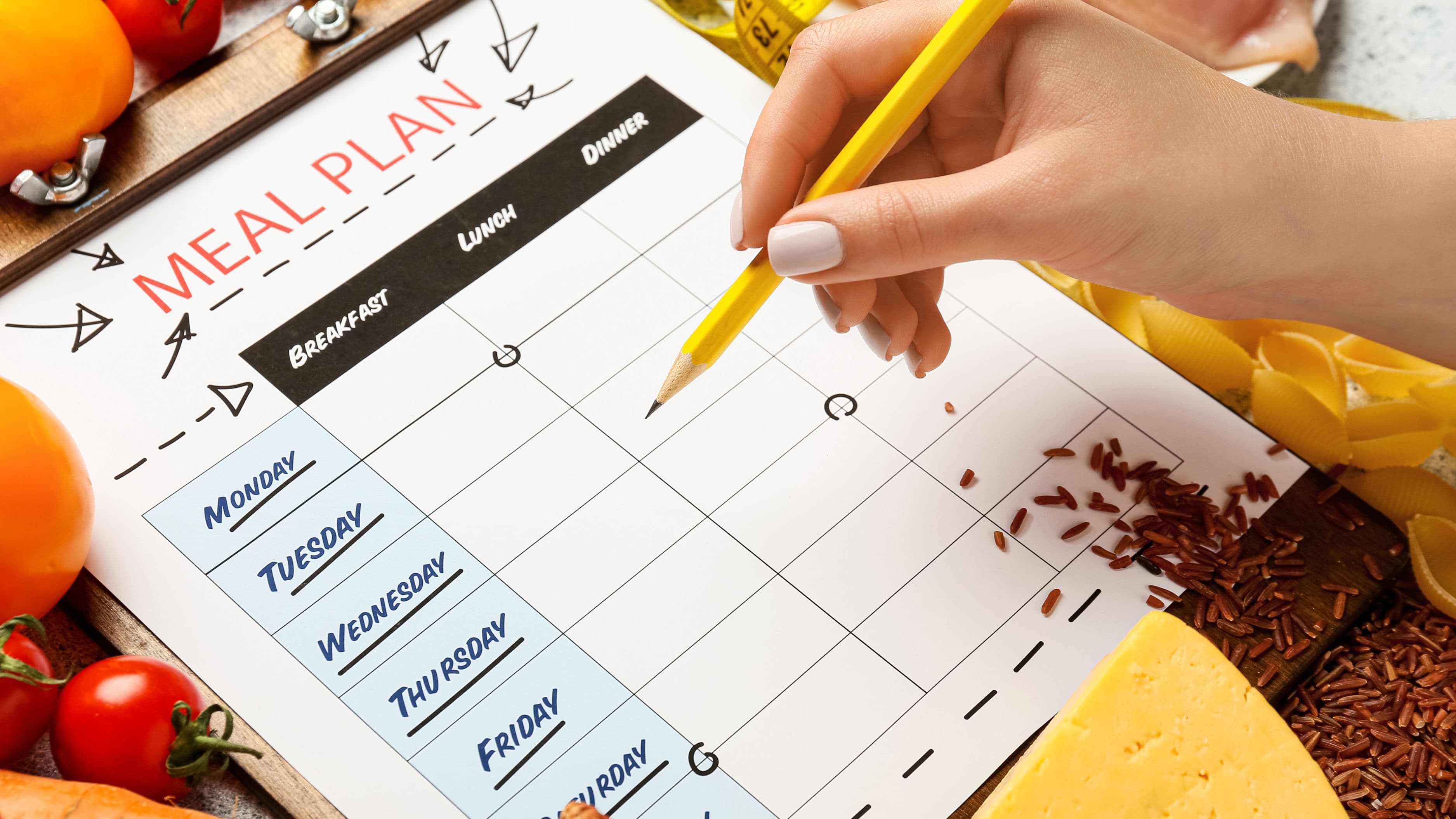
Labeling leftovers with the date they were made, even with basic masking tape and a marker, helps you actually use them within a safe and appetizing window rather than forgetting them until they're no longer good. A loosely planned "leftover night" once or twice a week, where you commit to using up whatever's accumulated in the fridge rather than cooking something entirely new, keeps the system realistic rather than requiring constant vigilance.
Keeping a small mental or written list of "quick transformation" ideas, fried rice, quesadillas, grain bowls, soup, frittata, gives you a fallback anytime you're staring at leftovers without a clear plan, rather than defaulting to plain reheating out of decision fatigue.
Realistic Expectations: Time and Effort
Repurposing leftovers strategically usually takes about the same amount of time as simply reheating them, sometimes even less, since many transformations, fried rice, a quick soup, a grain bowl, come together in 15 to 20 minutes using ingredients you already have on hand. The skill here isn't complicated cooking technique, it's recognizing which leftovers pair naturally with which transformations, a pattern that becomes intuitive with just a little practice.
What to Avoid
Avoid reheating delicate proteins like fish or shellfish using the same method repeatedly, since reheating these directly often results in a rubbery or overcooked texture; incorporating them cold into a salad or sandwich instead usually produces a better result. Don't let leftovers sit in the refrigerator indefinitely waiting for inspiration; a general guideline of using most leftovers within three to four days keeps both food safety and flavor quality in mind. Be cautious about reheating rice repeatedly or leaving it at room temperature for extended periods, since rice carries specific food safety considerations around bacterial growth if not cooled and stored properly after initial cooking.
FAQ
How long can leftovers safely stay in the refrigerator? Most cooked leftovers are safe to eat within three to four days when properly refrigerated, though quality and taste are often best within the first two to three days.
Can I freeze leftovers instead of transforming them right away? Yes, many leftovers freeze well, particularly soups, cooked grains, and proteins, giving you more flexibility to use them later rather than needing to transform them immediately.
What's the easiest leftover transformation for a beginner cook? Fried rice using day-old rice is one of the simplest and most forgiving transformations, since it comes together quickly with basic pantry ingredients and tolerates variation well.
📚 Sources
USDA Food Safety and Inspection Service, "Leftovers and Food Safety" – fsis.usda.gov
America's Test Kitchen, "How to Repurpose Leftovers" – americastestkitchen.com