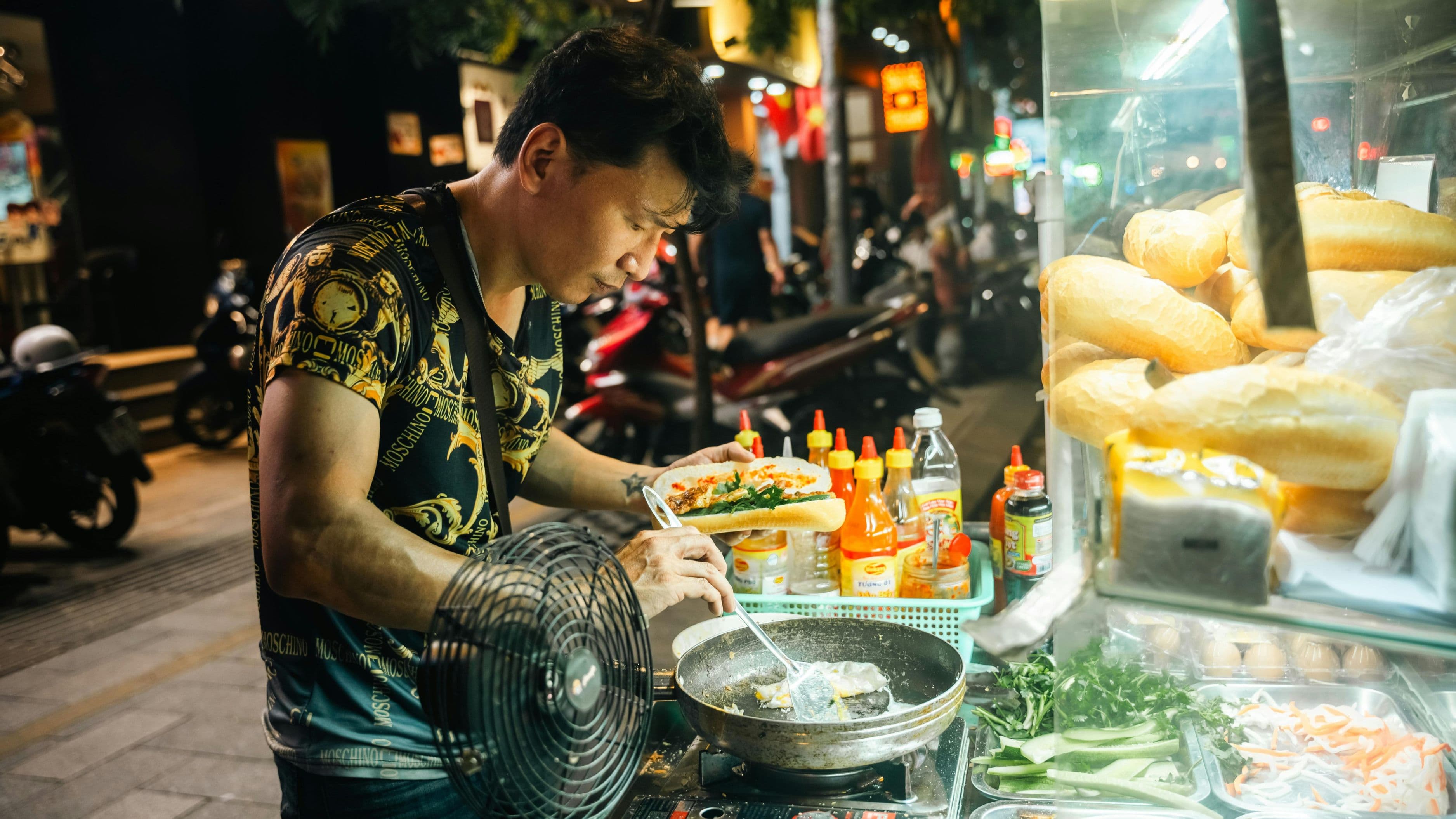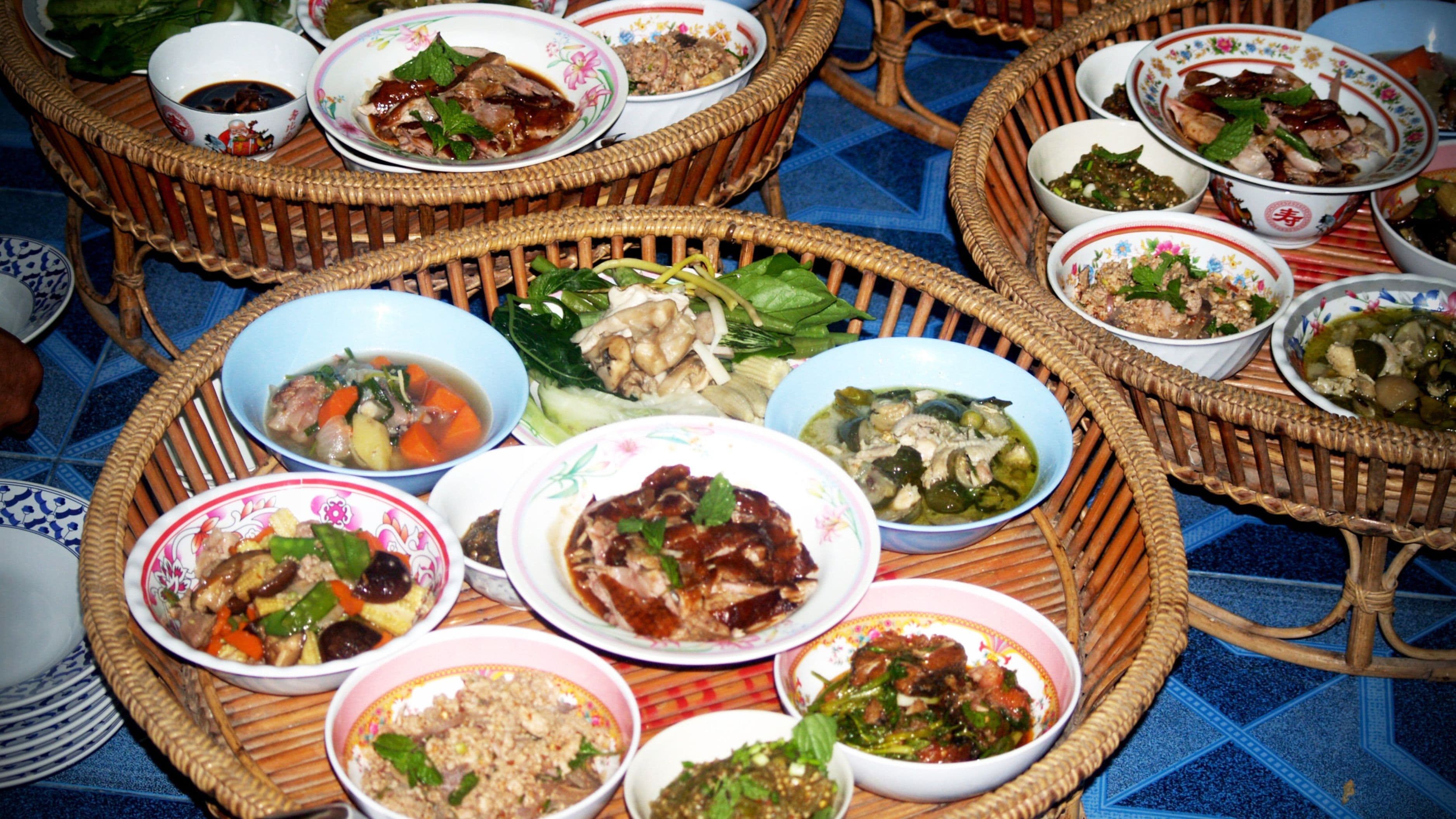
The barrier most home cooks run into isn't the cooking itself – it's not knowing where to start. Vietnamese cuisine spans braised dishes, noodle soups, rice-based meals, grilled meats, and fresh rolls, and each category has its own rhythm. Once you understand the building blocks and know which dishes are genuinely home-cook-friendly, the whole cuisine opens up.
What Makes Vietnamese Food Taste the Way It Does
Before diving into specific dishes, it's worth understanding the flavors that appear across Vietnamese cooking, because these are what you're trying to balance in everything you make.
Vietnamese food works on the principle of balance across five flavor elements: salty, sweet, sour, spicy, and umami. Fish sauce provides the salty-umami base in most dishes and is non-negotiable as a pantry staple. Sugar (usually white sugar or sometimes palm sugar) adds sweetness to balance acidic or fishy notes. Lime juice or rice vinegar provides acidity. Fresh chili or chili paste adds heat where needed. And aromatics – lemongrass, galangal, ginger, garlic, and shallots – provide the fragrant backbone.
Fresh herbs are used more generously in Vietnamese cooking than in almost any other cuisine. Mint, cilantro, Thai basil, and bean sprouts are served alongside cooked dishes so diners can customize each bite. This isn't garnish – it's an integral part of how the dishes taste.
Finding a Vietnamese or Asian grocery for herbs makes a significant difference, though many of these are now stocked in well-equipped Western supermarkets.
The Equipment You Actually Need
The good news is that most Vietnamese cooking translates well to standard Western kitchen equipment.
A large, heavy-bottomed pot or Dutch oven handles pho broth, canh (Vietnamese soups), and braised dishes. The key quality is capacity – pho requires at least 5–6 liters of water, so a standard 5–6 quart pot is the minimum. If you're making broth for four people, an 8-quart pot gives you more comfortable room.
A wide skillet or wok handles stir-fries, grilled meat cooked indoors, and the caramelized braised dishes like thit kho (caramelized pork and eggs). A cast iron skillet actually works very well for caramelizing sugar and building the fond that gives braised dishes their depth. A carbon steel wok is ideal for stir-fries if you have one, but a regular large skillet can substitute for most home cooking purposes.
A fine mesh sieve or strainer is the closest thing to "special equipment" you need. It's used to strain pho broth for clarity and to drain noodles. Most kitchens already have one.
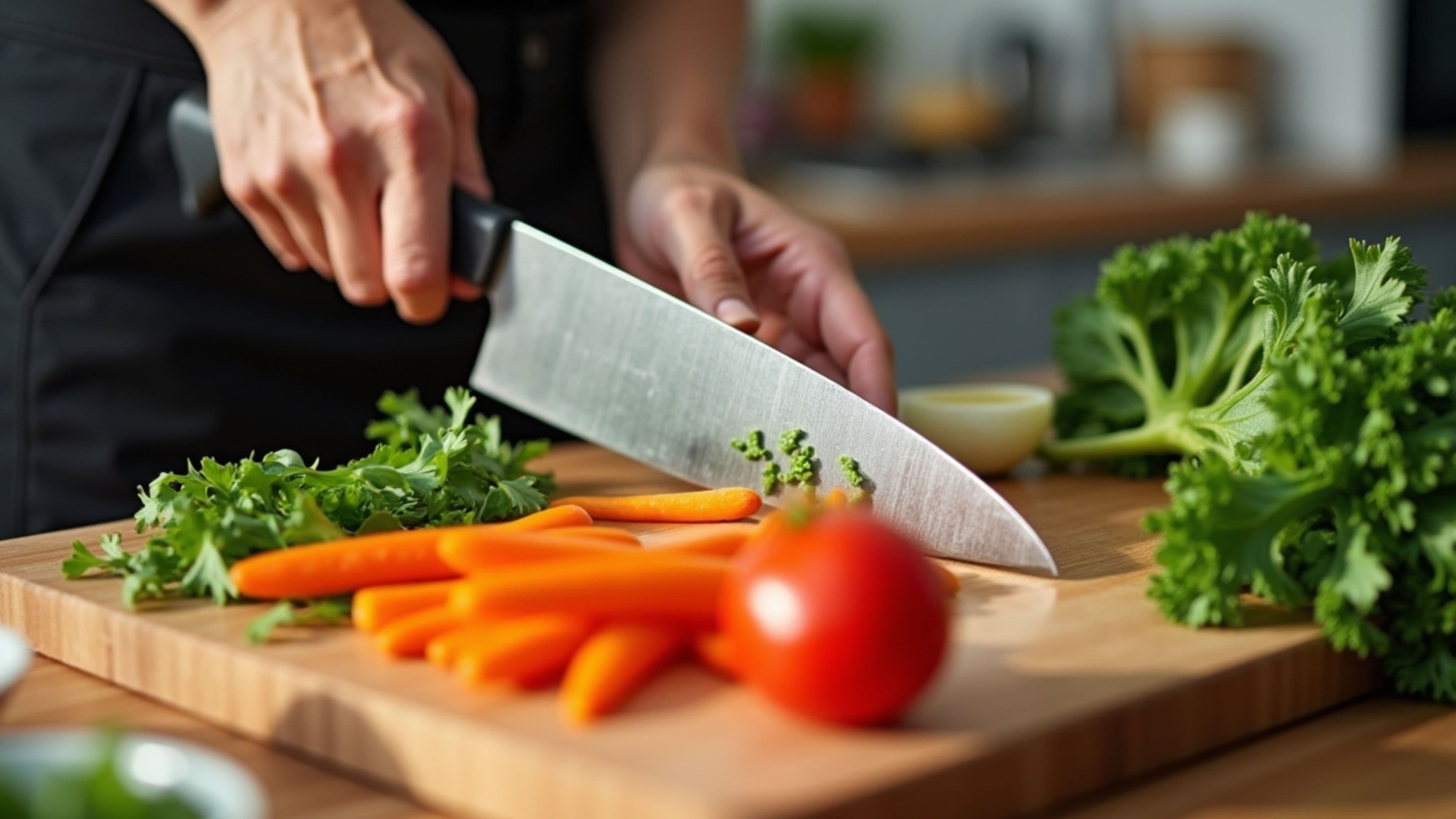
A sharp knife handles the vegetable prep and herb work that Vietnamese cooking requires. Vietnamese cuisine does a lot of finely julienned vegetables – cucumber, carrot, green papaya – and a sharp knife makes the difference between that being pleasant or frustrating.
That's genuinely the core equipment list. A rice cooker is convenient but unnecessary – perfectly cooked Vietnamese rice comes out of a regular saucepan with the right ratio and technique.
Key Pantry Ingredients to Have on Hand
Stocking a basic Vietnamese pantry doesn't require dozens of specialty items. A handful of essentials cover the majority of dishes.
Fish sauce is the foundation. Brands like Three Crabs or Tiparos are widely available and good quality. A bottle lasts a long time and makes an immediate flavor difference in dipping sauces, marinades, and braises. There's no good substitute for fish sauce in Vietnamese cooking – soy sauce is a different flavor entirely.
Rice – specifically long-grain jasmine rice – is the staple starch for most meals. Dried rice noodles in various widths cover pho (flat wide noodles, bánh phở) and bún (thin vermicelli). Both are available in most supermarkets and most Asian grocery stores.
Oyster sauce and soy sauce appear in stir-fries and marinades alongside fish sauce. Sriracha or sambal oelek provides heat. Rice vinegar handles the sour element in dipping sauces and quick pickles. Sesame oil appears occasionally as a finishing flavor. Most of these are probably already in a well-stocked kitchen.
Lemongrass deserves special mention because it appears so often and is sometimes intimidating to prepare. Use only the bottom 6–8 inches of the stalk – the rest is too fibrous. Peel the outer layers, then bruise the stalk with the flat of a knife before slicing or using whole in braises. Frozen pre-cut lemongrass is a reasonable substitute and much easier to prepare.
Dishes That Work Beautifully Without Special Equipment
Pho Bo (Beef Noodle Soup)
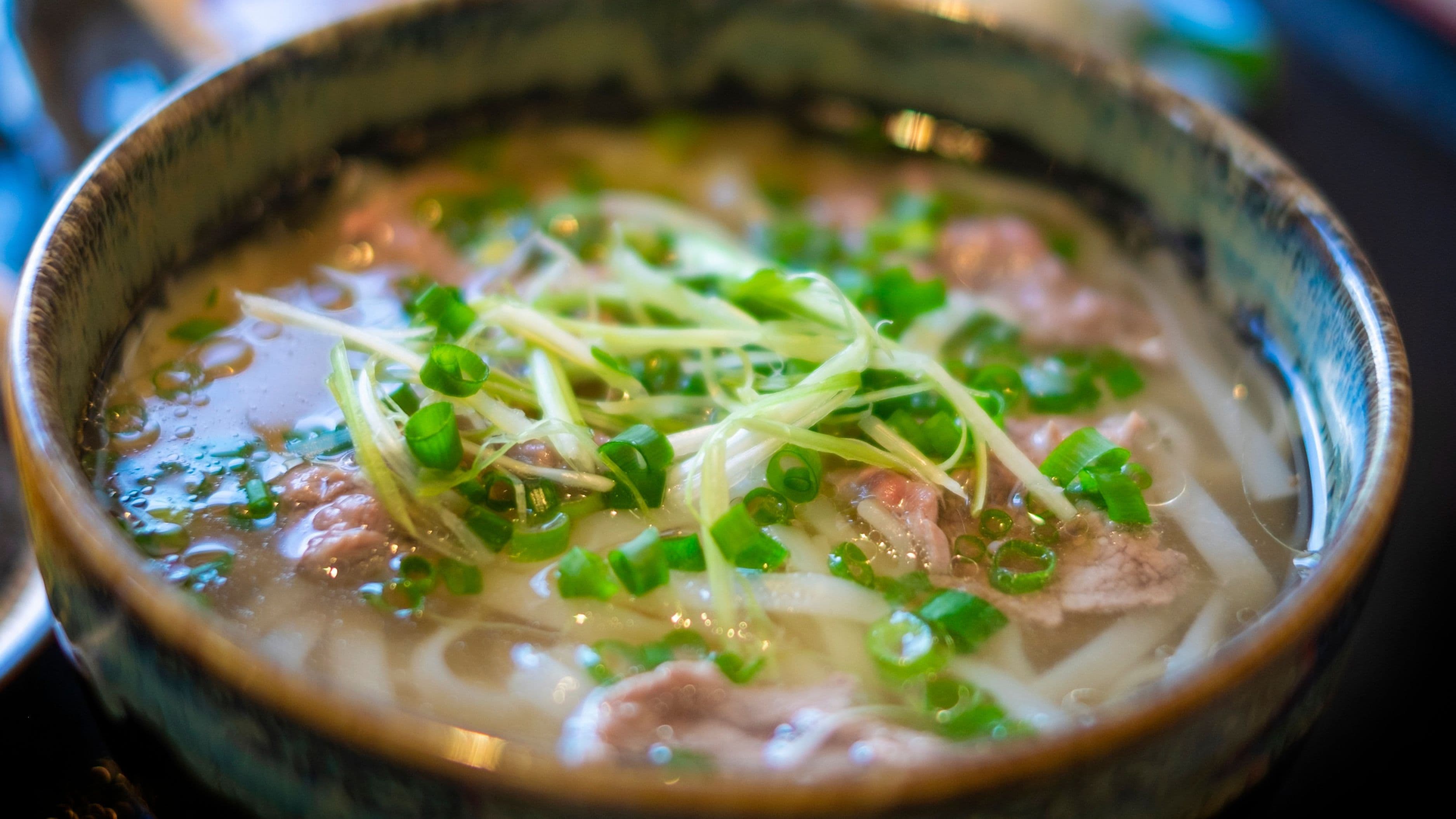
Pho has a reputation for complexity, but the home version is straightforward once you commit to giving the broth time. The key elements are charring aromatics before adding them to the broth (this creates the characteristic sweetness and color), toasting whole spices, and simmering long enough for the flavors to develop.
You char halved onion and ginger directly over a gas flame or under a broiler until blackened on the surface – about 10 minutes – before adding to the pot. The charring is what makes pho taste like pho and not just beef soup. Whole star anise, cloves, cinnamon stick, and cardamom pods are added to the simmering broth. The broth needs at least 3 hours of gentle simmering for a good result; overnight in a slow cooker is even better.
Strain the broth through a fine mesh sieve, season with fish sauce and sugar until it tastes balanced, and serve over blanched flat rice noodles with thinly sliced raw beef (which cooks in the hot broth when poured over). Fresh herbs – Thai basil, bean sprouts, sliced chili, lime wedges – go on the side.
Thit Kho (Caramelized Pork and Eggs)
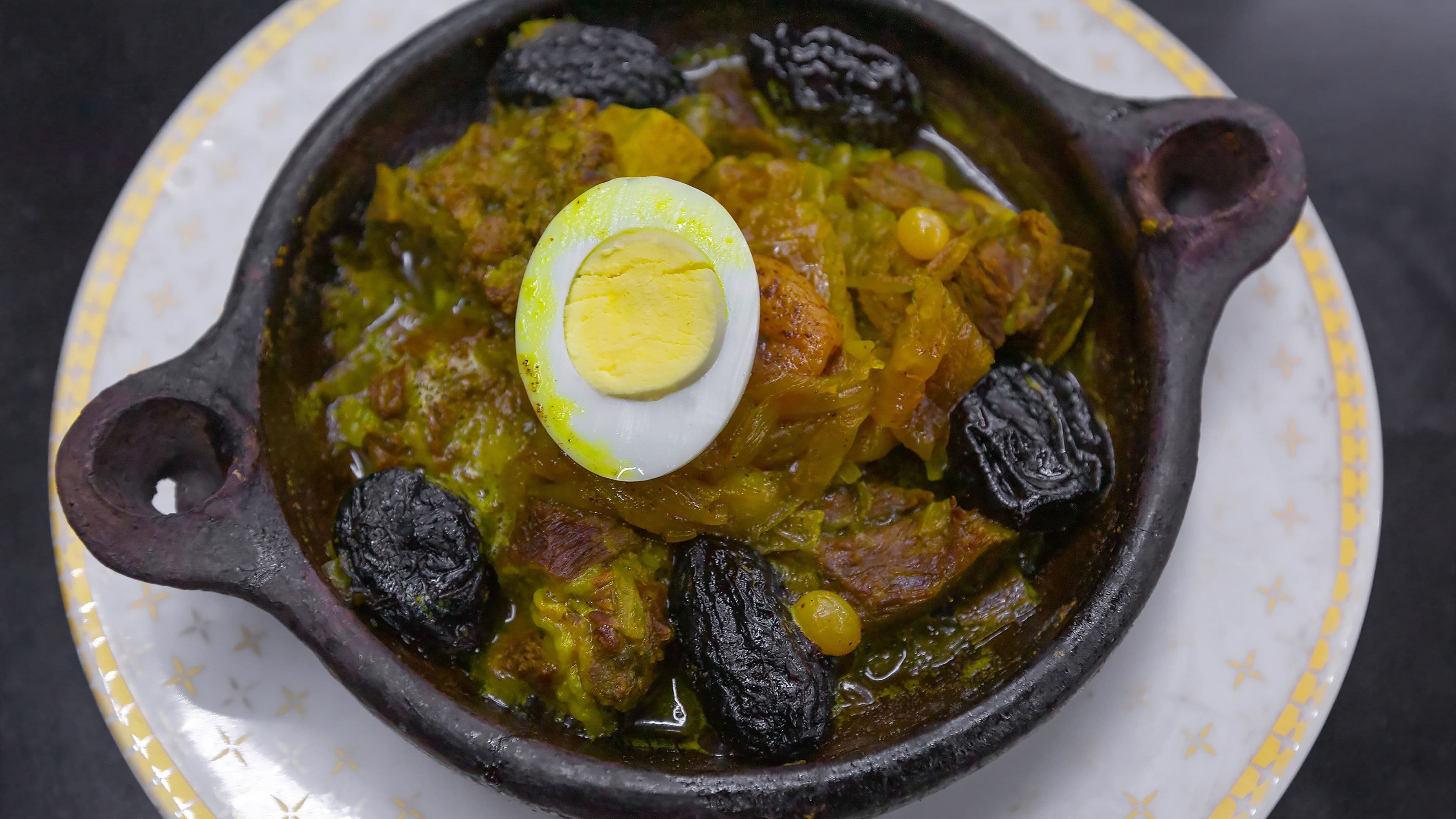
This is one of the most home-cook-friendly Vietnamese dishes, and it's deeply satisfying. Pork belly or pork shoulder is braised in a caramel sauce made from sugar, fish sauce, and coconut water until the meat is tender and the sauce coats everything with a glossy, sweet-salty glaze. Hard-boiled eggs are added near the end and absorb the broth as they sit.
The caramel is made in the braising pot itself – melt sugar until amber, add fish sauce carefully (it will spit), then add coconut water and the pork. The whole thing braises on low heat for 45–60 minutes. Serve over jasmine rice. This dish reheats beautifully and is arguably better the next day.
Bun Ga Nuong (Grilled Chicken with Vermicelli)
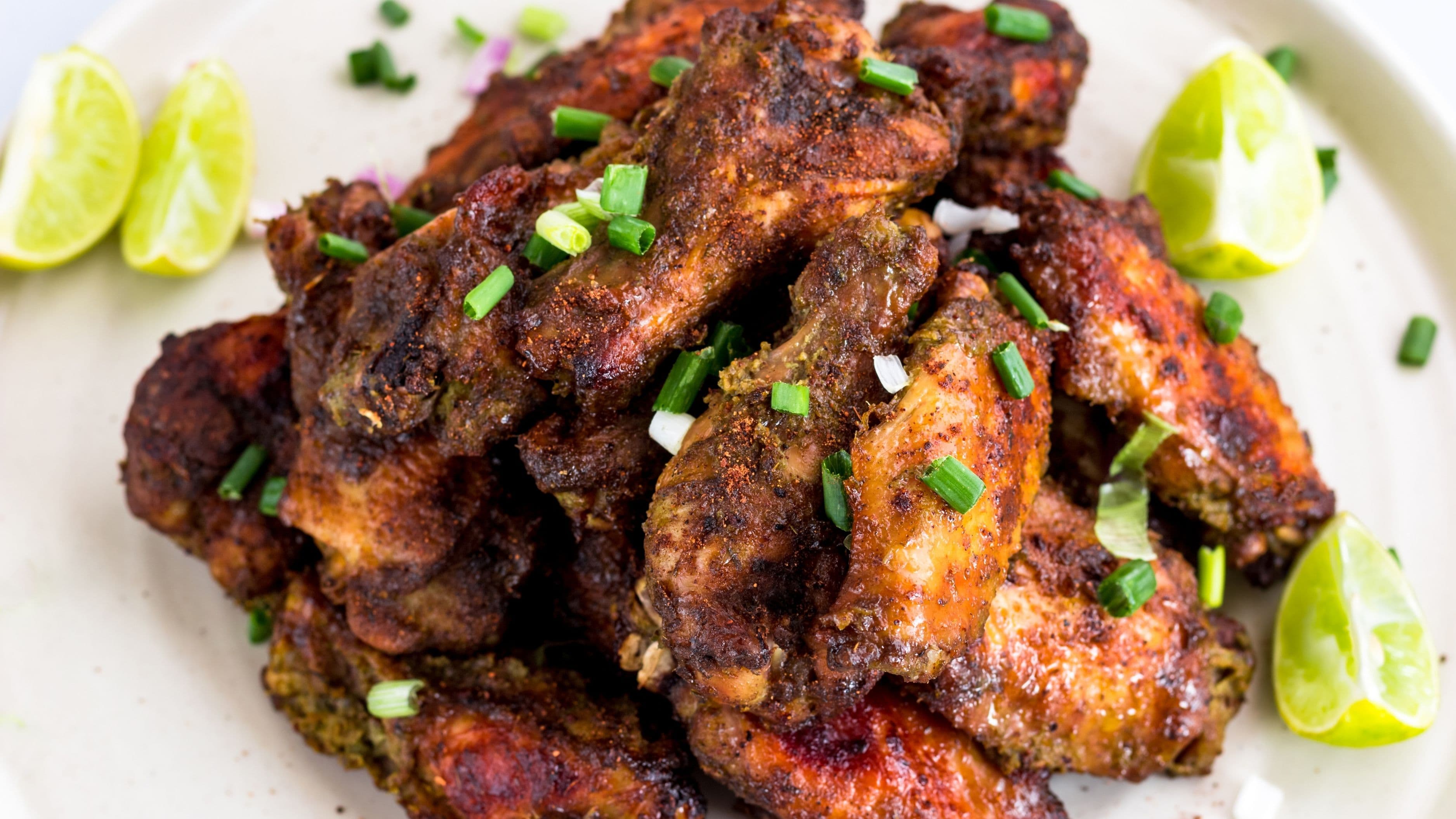
Marinated grilled chicken over a bowl of cold vermicelli noodles with fresh herbs, cucumber, and nuoc cham dipping sauce is one of the most refreshing things you can make in summer. The chicken marinade is simple – lemongrass, fish sauce, garlic, shallot, sugar, and a touch of oil – and benefits from at least an hour of marinating, though overnight is better.
The chicken can be cooked on an outdoor grill, under a broiler, or in a cast iron skillet. The char is important for flavor, so high heat and patience are the keys. Slice over cold noodles with a pile of fresh herbs and drizzle generously with nuoc cham – the sauce made from fish sauce, lime juice, sugar, garlic, and chili that appears everywhere in Vietnamese cuisine.
Goi Cuon (Fresh Spring Rolls)
Fresh spring rolls require no cooking at all beyond blanching shrimp if you're using them. Rice paper wrappers are briefly soaked in warm water until pliable, then filled with cooked shrimp or pork, vermicelli noodles, lettuce, mint, and cilantro before being rolled. The technique takes a few attempts to get right – rice paper tears easily if over-soaked – but once you have the feel for it, the process is fast.
Serve with peanut dipping sauce (hoisin sauce, peanut butter, lime juice, garlic) or nuoc cham. These work well as a starter or a light meal and are a good entry point into Vietnamese cooking because you can taste everything as you go and adjust the filling to what you like.
Canh Chua (Vietnamese Sweet and Sour Soup)
Canh chua is a clear, tangy soup built around tamarind, tomatoes, pineapple, and your choice of protein – fish and shrimp are traditional, but chicken works well too. It's lighter and faster than pho, coming together in about 30 minutes, and uses the same principle of balancing sweet, sour, salty, and fresh flavors.
Tamarind paste (available at most Asian groceries) provides the characteristic sourness. Fish sauce provides salt. A small amount of sugar balances the tang. The soup is finished with bean sprouts and fresh herbs added off the heat so they stay crisp. This is an everyday soup in Vietnam, and once you understand the flavor balance, it's very easy to adapt to whatever fish or vegetables you have available.
Tips for Getting Vietnamese Flavors Right at Home
The nuoc cham ratio matters more than people realize. A properly balanced nuoc cham – the dipping sauce that accompanies most Vietnamese meals – should taste bright, a little sweet, a little salty, and have clear acidity from lime. The standard ratio is 1 part fish sauce, 1 part lime juice, 1 part sugar, and 3–4 parts warm water to dilute, adjusted to taste. Making a batch at the start of a cooking session and tasting as you go is the fastest way to calibrate your palate for Vietnamese flavors generally.
Don't rush the broth. Whether you're making pho or a simple canh, Vietnamese broths are cleaner and more aromatic than Western stocks because they simmer gently rather than boiling aggressively. Boiling clouds the broth and muddies the flavor. Keep the heat low enough that you see occasional bubbles rather than a rolling boil.
Taste constantly and adjust. Vietnamese cooking is calibrated by taste rather than by strict measurement. The fish sauce you're using may be saltier than another brand. Your lime is more tart than the recipe assumes. Tasting and adjusting as you go – adding a touch more sugar if something tastes too sour, more lime if it tastes flat – is how Vietnamese home cooks actually work, and it produces better results than following measurements rigidly.
Common Mistakes to Avoid
Using too little fish sauce because it smells strong before cooking is the most common mistake. Fish sauce loses its pungency and becomes savory and rounded once incorporated into a dish. Using too little leaves food tasting flat. Trust the quantity the recipe calls for until you've developed a feel for it.
Skipping the herb plate is a shortcut that significantly affects the final eating experience. The fresh herbs aren't optional decoration – they change the flavor profile of each bite and provide the freshness that makes Vietnamese food feel light even in rich dishes. Even if you can only find mint and cilantro, that's better than nothing.
Over-soaking rice paper before rolling will give you torn wrappers and frustration. A brief dip – 8 to 10 seconds in warm water – and then immediate rolling (it continues to soften) is the right approach.
FAQ
Where do I find Vietnamese ingredients if I don't have an Asian grocery nearby? Fish sauce, rice noodles, and rice paper are now stocked in most major supermarkets. For lemongrass, galangal, and harder-to-find herbs, Asian grocery stores are worth the trip. Frozen pre-minced lemongrass and frozen kaffir lime leaves are reasonable alternatives that many supermarkets now carry. Online grocery delivery (including specialty Asian grocers) ships most pantry staples.
What's the easiest Vietnamese dish to start with? Thit kho (caramelized pork and eggs) or a simple bun bowl with grilled marinated chicken are both very beginner-friendly. Both use straightforward techniques and widely available ingredients, and both produce impressive results that don't require a long learning curve.
Can I make pho broth in a slow cooker? Yes, and it works well. Add charred aromatics and toasted spices to the slow cooker with the bones and water, cook on low for 8–10 hours, then strain and season. The long, gentle heat produces a clear, deep broth without any active monitoring.
Is there a substitute for fish sauce? For a vegetarian or vegan version, a combination of soy sauce, a small amount of seaweed, and a touch of lime can approximate the umami depth. For anyone not vegetarian, there isn't a true substitute – Worcestershire sauce and soy sauce both taste noticeably different. Fish sauce is worth buying.
How do I prevent my rice noodles from sticking together? After cooking and draining, rinse with cold water immediately to stop cooking and remove excess starch. Toss with a small amount of neutral oil if you're not serving them straight away. Store cooked noodles submerged in cold water if they need to sit for more than a few minutes.
Vietnamese cooking rewards patience with aromatics and generosity with fresh herbs more than it rewards specialized equipment or advanced technique. Start with one dish, cook it a few times until you understand the flavors, then expand from there. The cuisine builds on itself in a way that makes each new dish easier than the last.
📚 Sources
Serious Eats – How to make pho at home: https://www.seriouseats.com/the-best-rich-and-flavorful-beef-pho-recipe
Viet World Kitchen (Andrea Nguyen) – Vietnamese cooking techniques and ingredient guides: https://www.vietworldkitchen.com/blog/vietnamese-cooking-basics
The Spruce Eats – Vietnamese cuisine overview and pantry guide: https://www.thespruceeats.com/vietnamese-food-4162589
Food52 – Guide to Vietnamese herbs and how to use them: https://food52.com/blog/12844-a-guide-to-vietnamese-herbs
Bon Appétit – Nuoc cham recipe and variations: https://www.bonappetit.com/recipe/nuoc-cham