What a Water Bath Actually Is
A water bath, sometimes called a bain-marie, involves placing your baking dish inside a larger pan filled with hot water, then baking the whole setup together in the oven. The water surrounding your baking dish moderates and evens out the heat reaching your batter, creating a gentler, more consistent cooking environment than direct oven heat alone would provide.
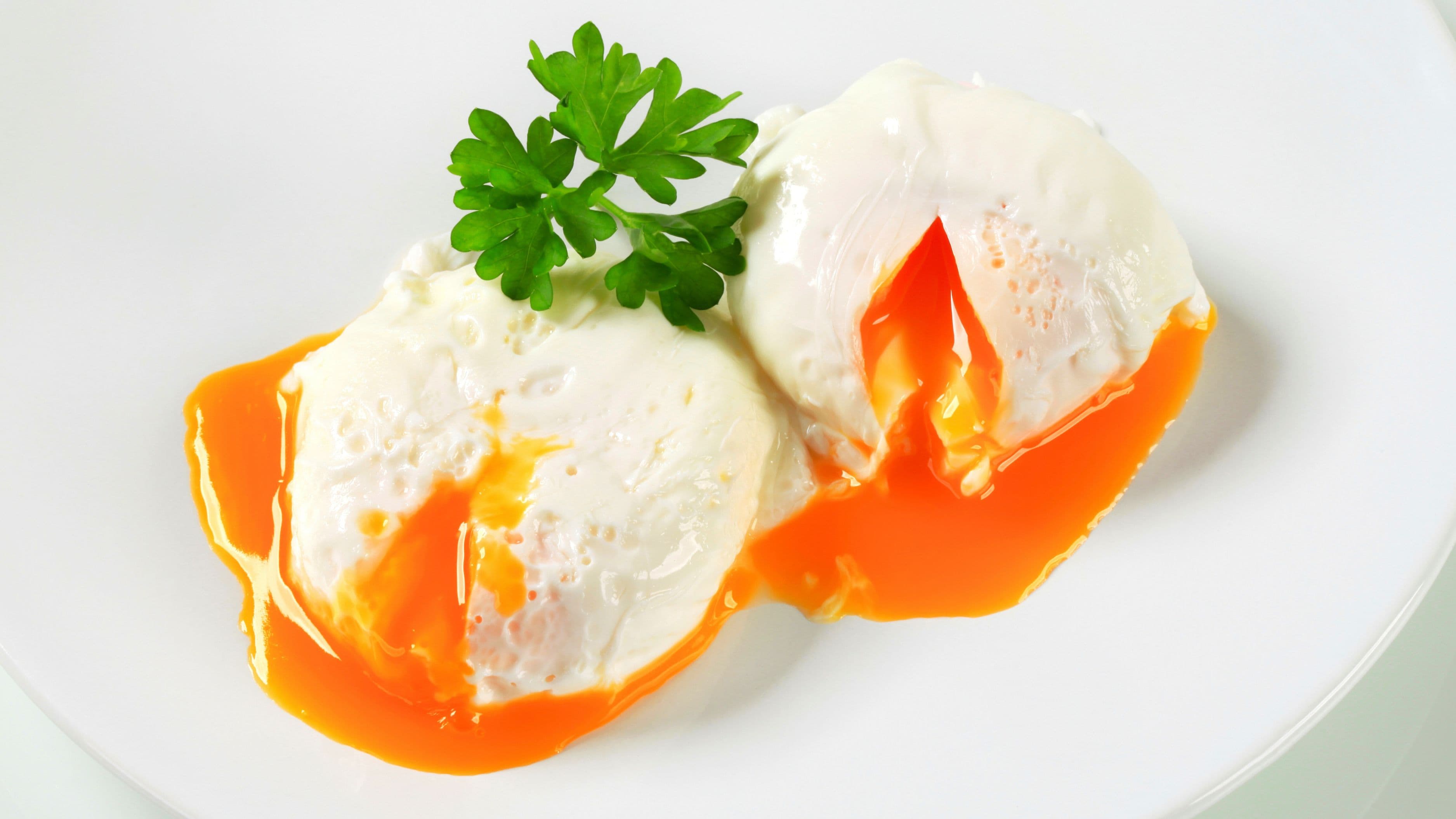
This matters specifically for delicate, custard-based, or egg-heavy baked goods, cheesecakes, custards, flan, bread pudding, where the proteins in eggs are sensitive to heat and can overcook, curdle, or crack if exposed to the more intense, direct heat of a standard oven environment without this buffer.
Why Direct Oven Heat Causes Problems for These Specific Bakes
Egg-based mixtures set through a fairly narrow temperature range. Cook them too quickly or at too high a temperature, and the egg proteins tighten and squeeze out moisture rapidly, resulting in a curdled, grainy texture rather than the smooth, silky consistency you're aiming for. A standard oven's dry, direct heat, especially around the edges of a baking dish where heat penetrates fastest, often overshoots this ideal temperature range before the center of the dish has even finished cooking, creating a texture that's overcooked at the edges while still underdone in the middle.
What the water bath fixes specifically: Water can't exceed 212°F (100°C) at standard atmospheric pressure, meaning the water bath naturally caps how hot the environment surrounding your baking dish can get, regardless of your oven's actual set temperature. This creates a gentler, more gradual cooking environment that allows the egg proteins to set slowly and evenly, dramatically reducing the risk of curdling, cracking, or an uneven, overcooked edge with an underdone center.
How This Plays Out in a Cheesecake Specifically
Cheesecake is probably the most commonly cited example, and for good reason, it's essentially a rich custard in a crust. Without a water bath, a cheesecake's edges often cook considerably faster than its center, leading to the characteristic surface cracking that happens when the outer edges set and contract while the center is still cooking and expanding slightly with residual heat and moisture. A water bath's more even, moderated heat allows the entire cheesecake to set at a more uniform rate, significantly reducing this cracking and producing that smooth, dense, evenly set texture good cheesecake is known for.
Setting Up a Water Bath Correctly
Wrap the exterior of your springform pan (if that's what you're using) tightly in a few layers of aluminum foil, extending well up the sides, to prevent water from seeping in through the pan's seams during baking. Place the wrapped pan inside a larger roasting pan, then pour hot water into the roasting pan until it reaches roughly halfway up the sides of your baking dish, not so much that it risks splashing in, but enough to genuinely provide the moderating effect the technique is built around.
Using hot, not cold, water for this step matters, since starting with hot water means your oven doesn't need to spend the first portion of baking time simply warming up a large volume of cold water, keeping your bake's actual cooking timeline more predictable and aligned with your recipe's stated bake time.
What to Avoid
Avoid skipping the foil wrapping step if you're using a springform pan, since these pans are specifically designed with a removable seal that isn't fully watertight, and skipping this step is one of the most common causes of a soggy, waterlogged crust bottom. Avoid using water that's too shallow to genuinely provide the moderating effect, roughly halfway up the sides of your baking dish is the generally recommended depth for most standard recipes calling for this technique.
It's also worth avoiding removing your bake from the water bath immediately after the oven timer goes off for particularly delicate items like cheesecake; many recipes benefit from turning off the oven and letting the bake sit in the residual warm water and gradually cooling oven for an additional period, which further reduces the risk of the rapid temperature change that often causes surface cracking.
When a Water Bath Isn't Necessary
Not every egg-containing baked good needs this treatment. Standard cakes, cookies, and quick breads, where the egg content is a smaller proportion of the overall batter and structure comes primarily from flour and leavening rather than egg proteins alone, don't require the gentler, moderated heat a water bath provides. This technique is specifically valuable for recipes where eggs and dairy make up the majority of the mixture's structure, custards, cheesecakes, bread puddings, flan, and similar delicate, protein-heavy bakes.
Realistic Expectations
Setting up a proper water bath adds a bit of extra prep time, wrapping the pan, boiling water, carefully transferring the filled roasting pan to the oven, typically an additional 10 to 15 minutes compared to simply placing a dish directly on the oven rack. This modest extra effort is genuinely worth it for the specific category of delicate, custard-based bakes it's designed for, meaningfully reducing the common frustrations, cracked surfaces, curdled texture, uneven cooking, that these recipes are otherwise prone to without it.
FAQ
Can I skip the water bath if I'm short on time? You can, but expect a higher likelihood of surface cracking and a less evenly set texture, particularly for cheesecake and custard-based recipes where this technique specifically addresses those issues.
Does the water bath affect baking time? Generally yes, slightly, since the moderated heat means the bake progresses a bit more gently and gradually. Following your specific recipe's stated time and visual doneness cues remains the most reliable approach.
What if water leaks into my springform pan despite wrapping it in foil? Using a slightly larger pan (like a solid cake pan) as an outer barrier in addition to foil, or opting for a heavy-duty foil wrap with extra layers, generally provides more reliable protection than a single layer of standard foil alone.
📚 Sources
USDA Food Safety and Inspection Service – Safe Baking Practices: https://www.fsis.usda.gov/food-safety
Serious Eats – The Science of Water Baths in Baking: https://www.seriouseats.com/