The Strategy: Reset Before You Restock
The idea behind this routine is simple: instead of grocery shopping first and figuring out meals later, you take a short amount of time – usually 20 to 30 minutes – once a week to look at what you have, clear out what's not going to get used, and get a loose sense of what the week ahead needs. This one step changes everything downstream, because most of the stress in weekday cooking comes from making decisions in the moment, tired, instead of having already made them earlier when you had a clearer head.
This isn't the same as an elaborate Sunday meal-prep session where you're cooking five days of food in one sitting. It's lighter than that – more of a reset and a light head start, not a full production. The goal is reducing friction for the week, not doing all the week's cooking in one afternoon.
Step-by-Step System
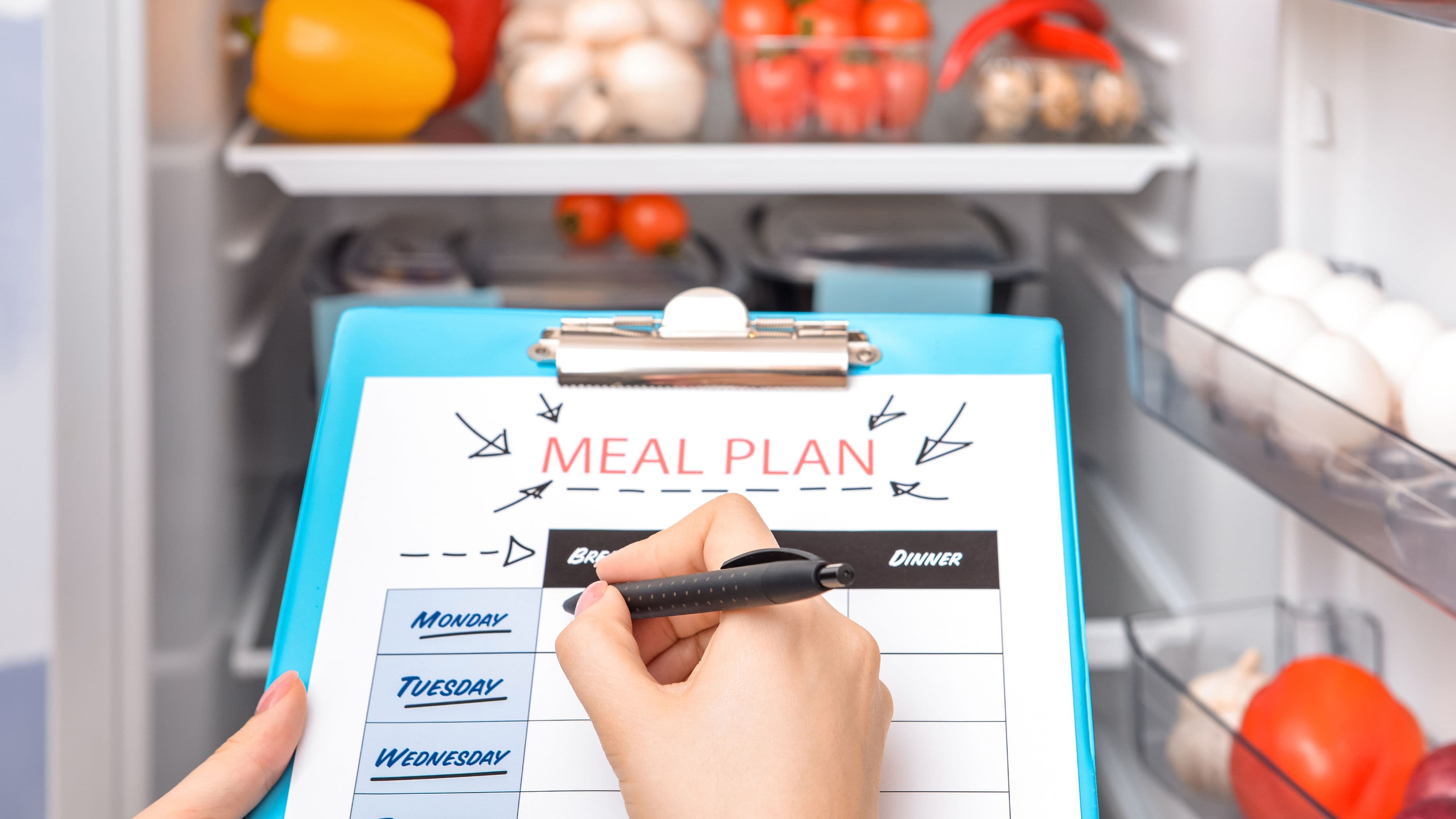
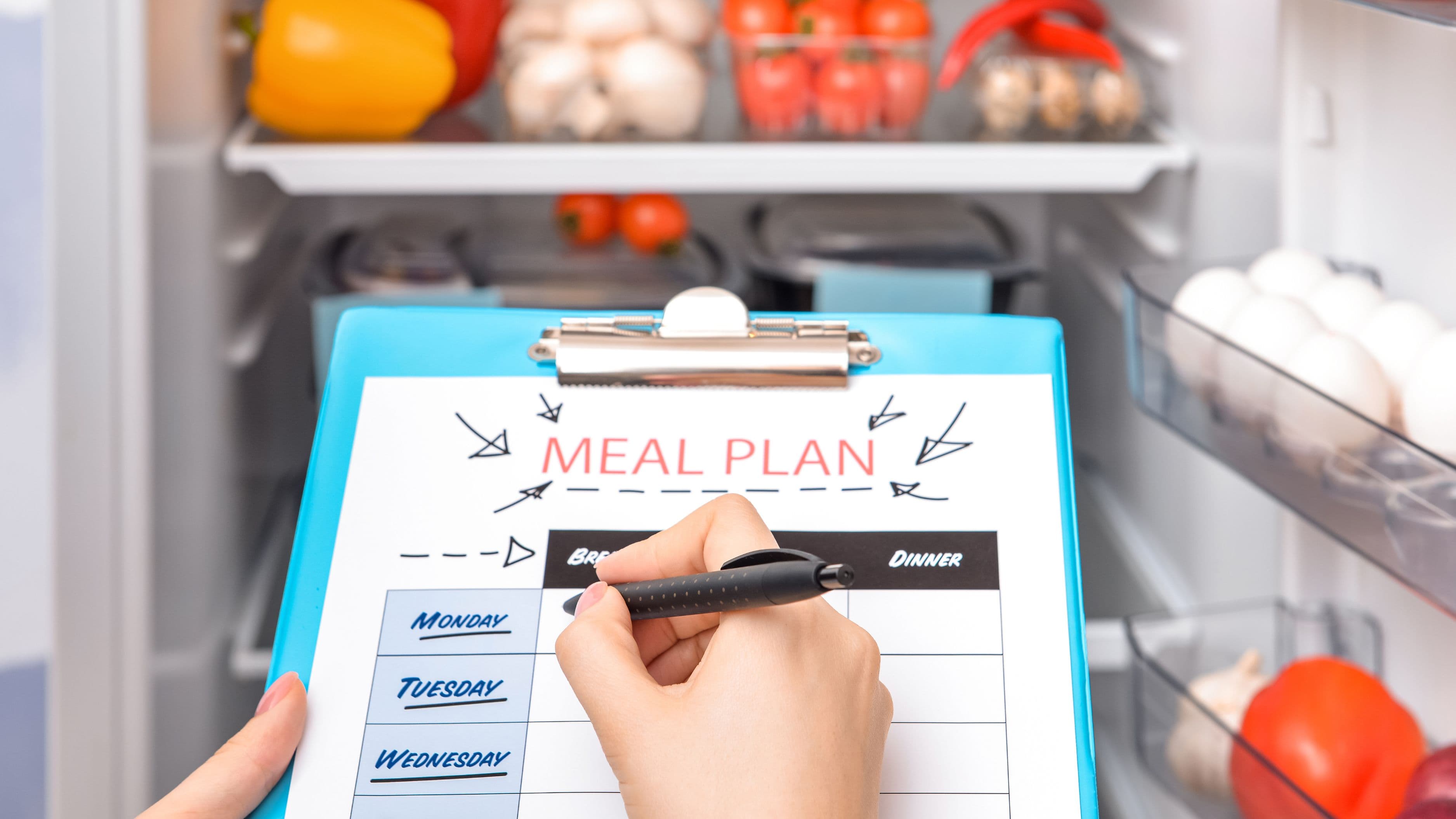
Do a quick fridge and pantry check. Open the fridge and take stock of what's still good, what's on its way out, and what's already gone. This takes a few minutes and immediately tells you two useful things: what needs to be used up soon, and what's actually missing before you make a shopping list. Skipping this step is how good ingredients quietly turn into wasted food at the back of the crisper drawer.
Clear out what's not coming back. Toss anything past its point of being appetizing, and wipe down any shelves that need it. This sounds like a small, obvious step, but a clean, visible fridge makes a genuine difference in how appealing it feels to cook from during the week – a cluttered fridge quietly discourages you from digging through it, even when there's something perfectly good buried in there.
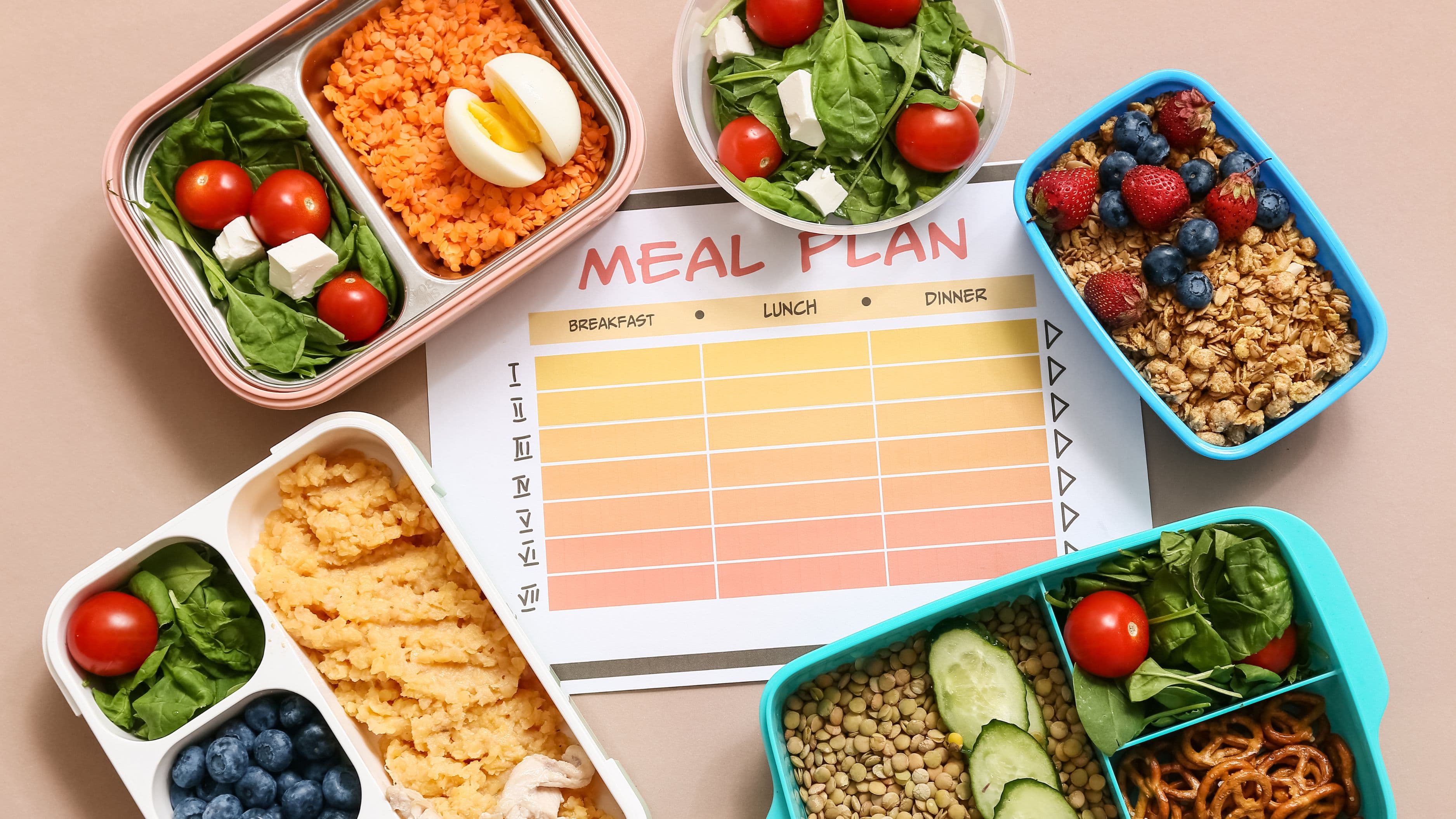
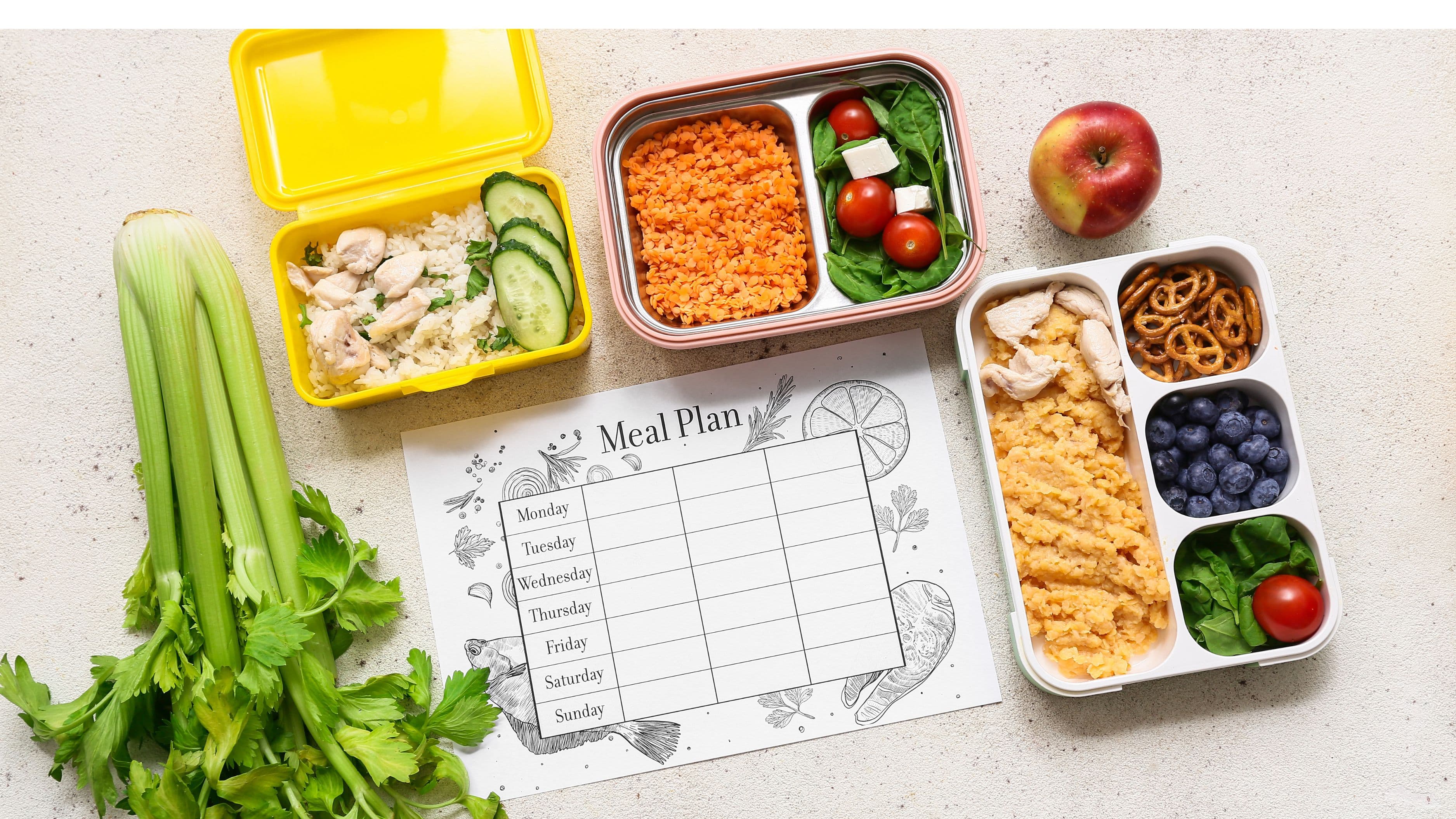
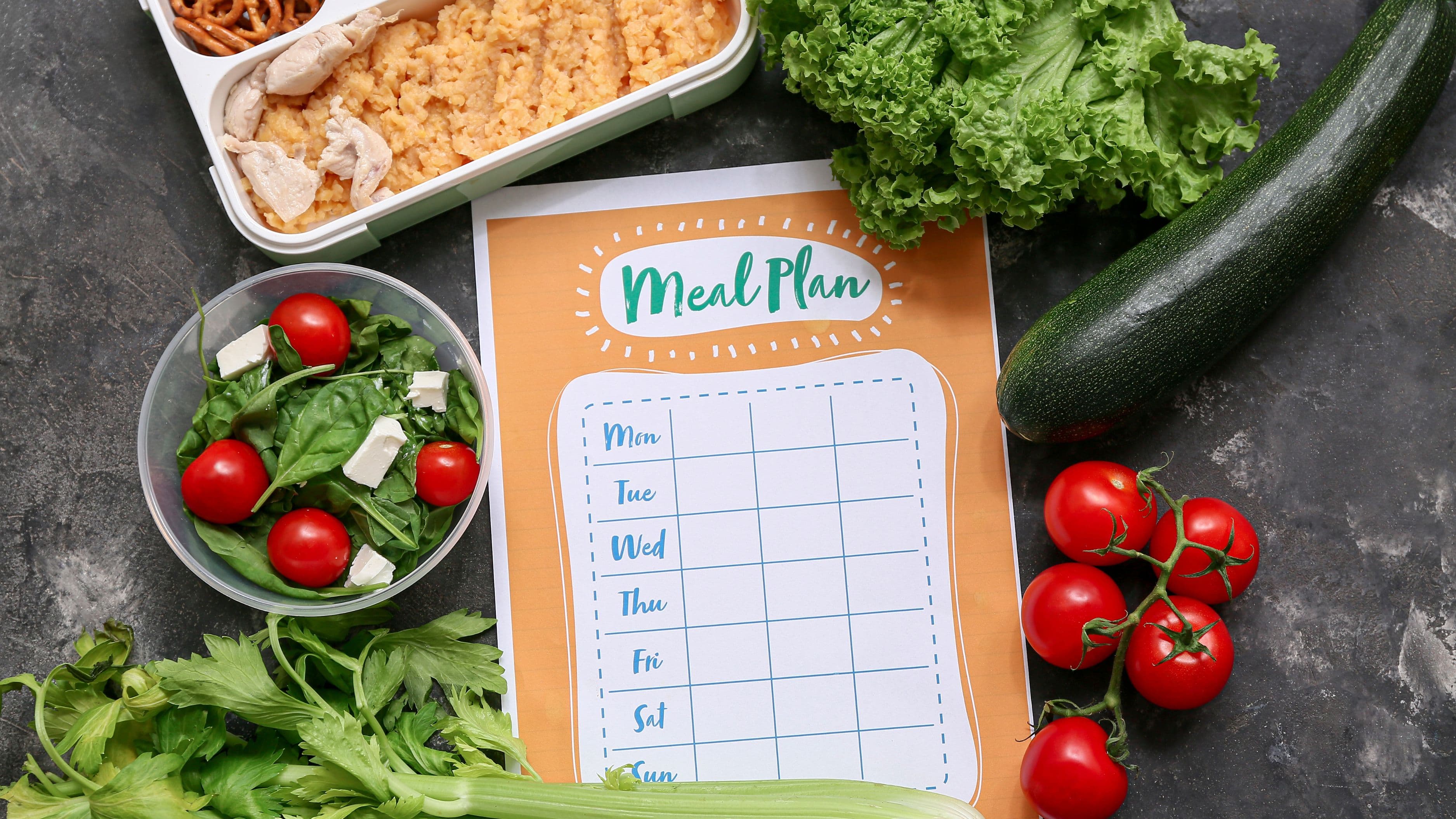
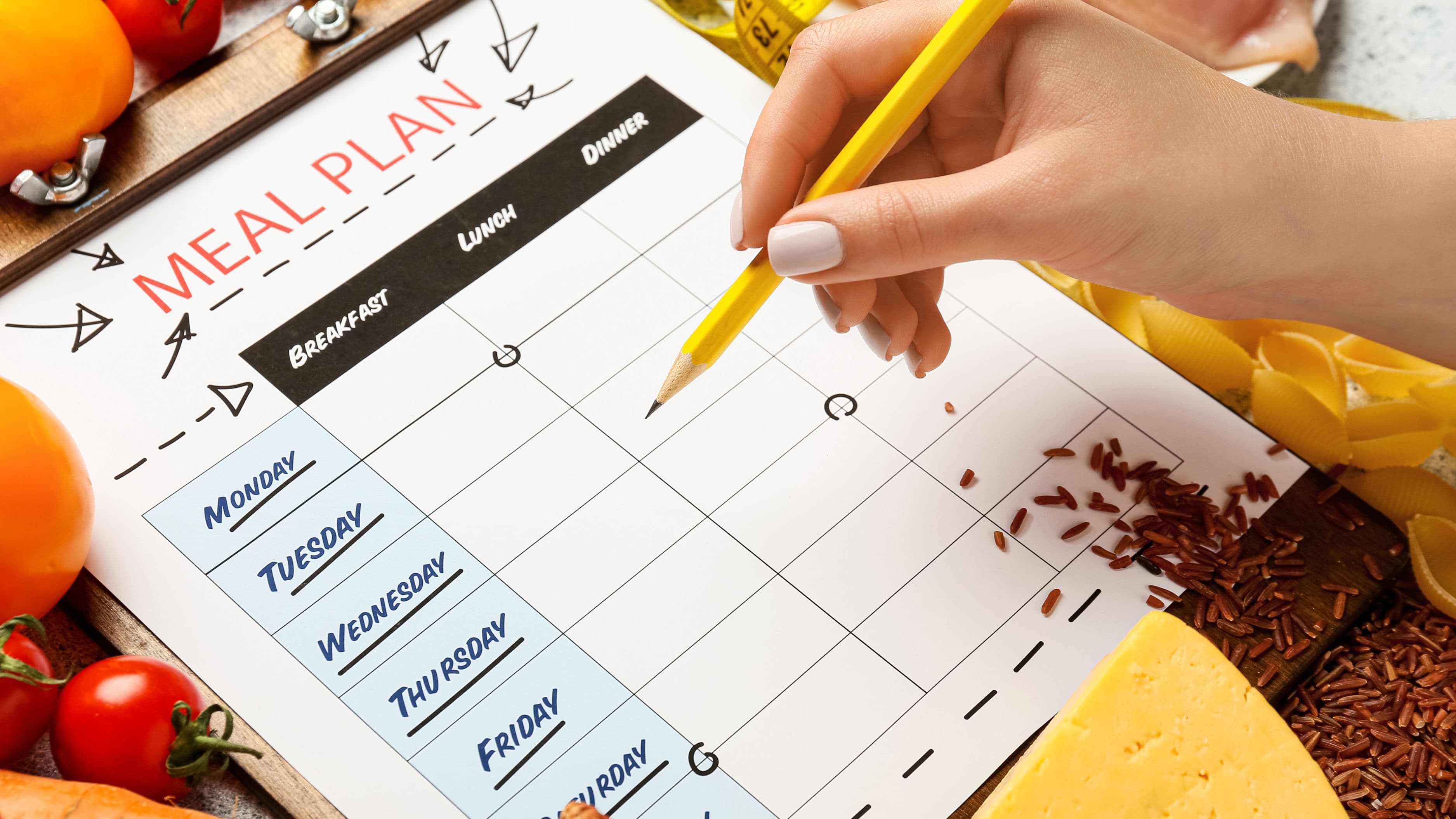
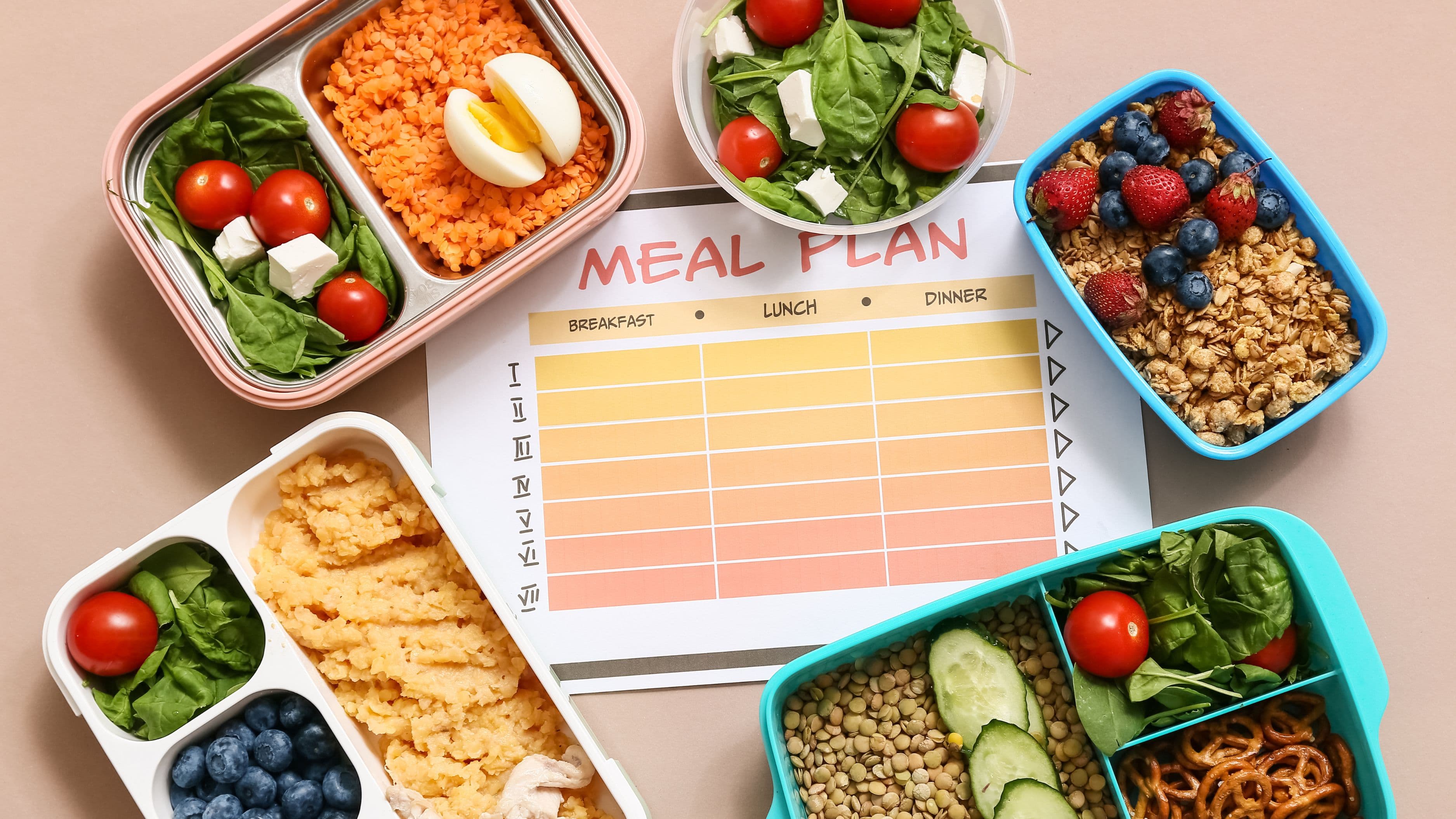
Build a loose plan, not a rigid schedule. Rather than assigning a specific recipe to every single day, think in terms of a small handful of meal "shapes" for the week – maybe one stir-fry night, one sheet-pan dinner, one big salad or grain bowl, one simple pasta night. This gives you enough direction to shop with purpose without locking you into a strict schedule that falls apart the moment one night gets busy or you're just not in the mood for what you planned.
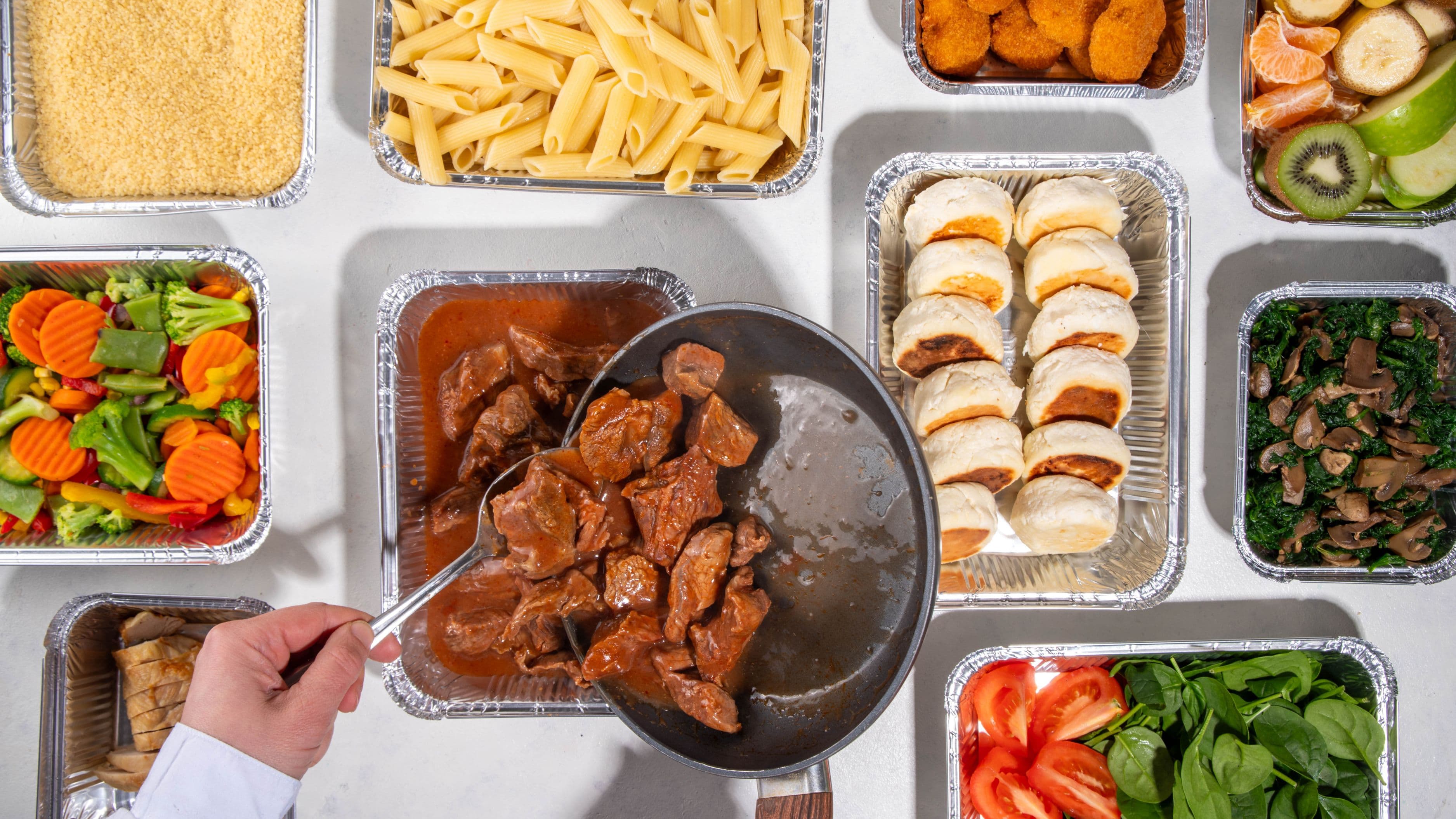
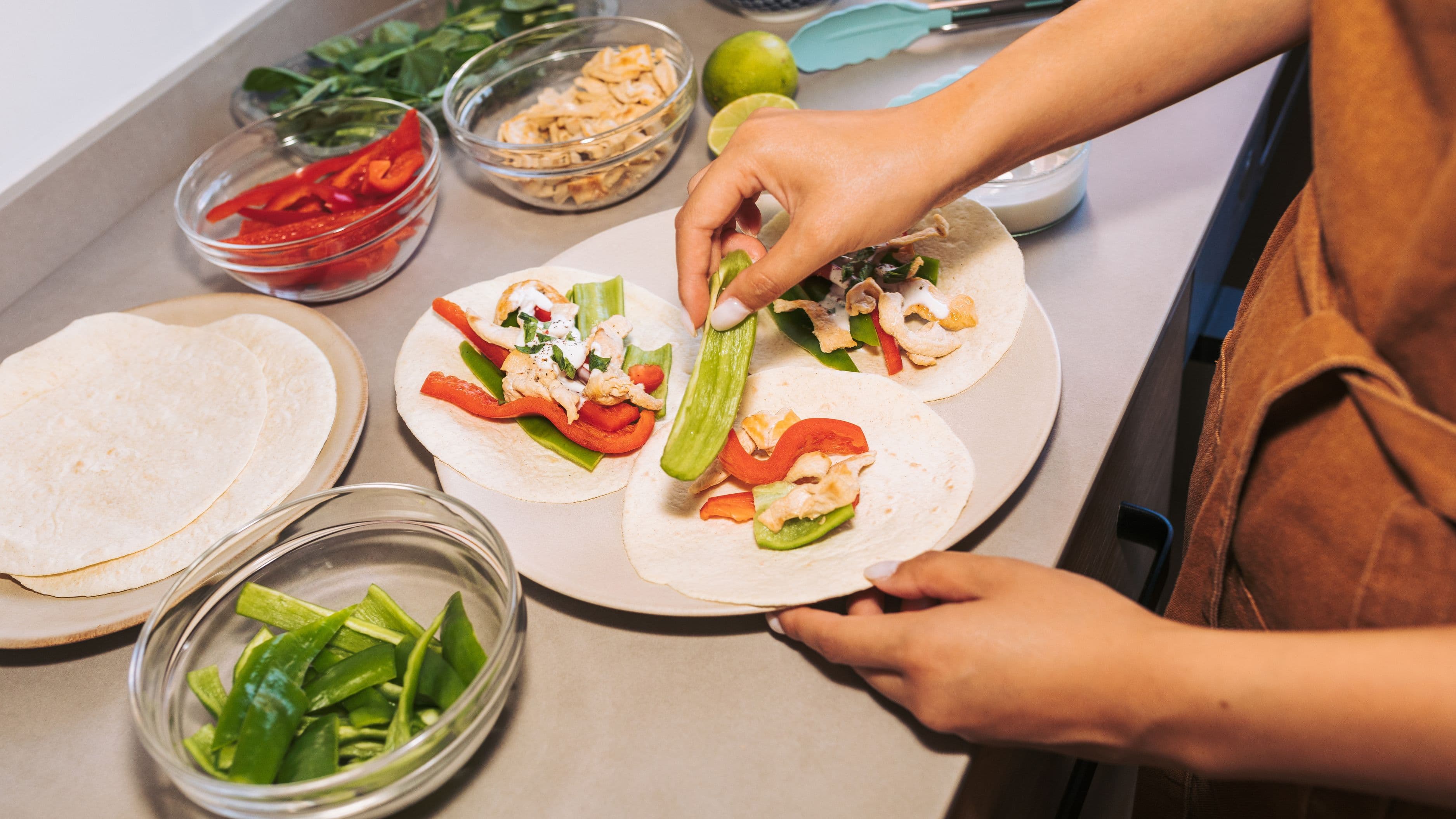
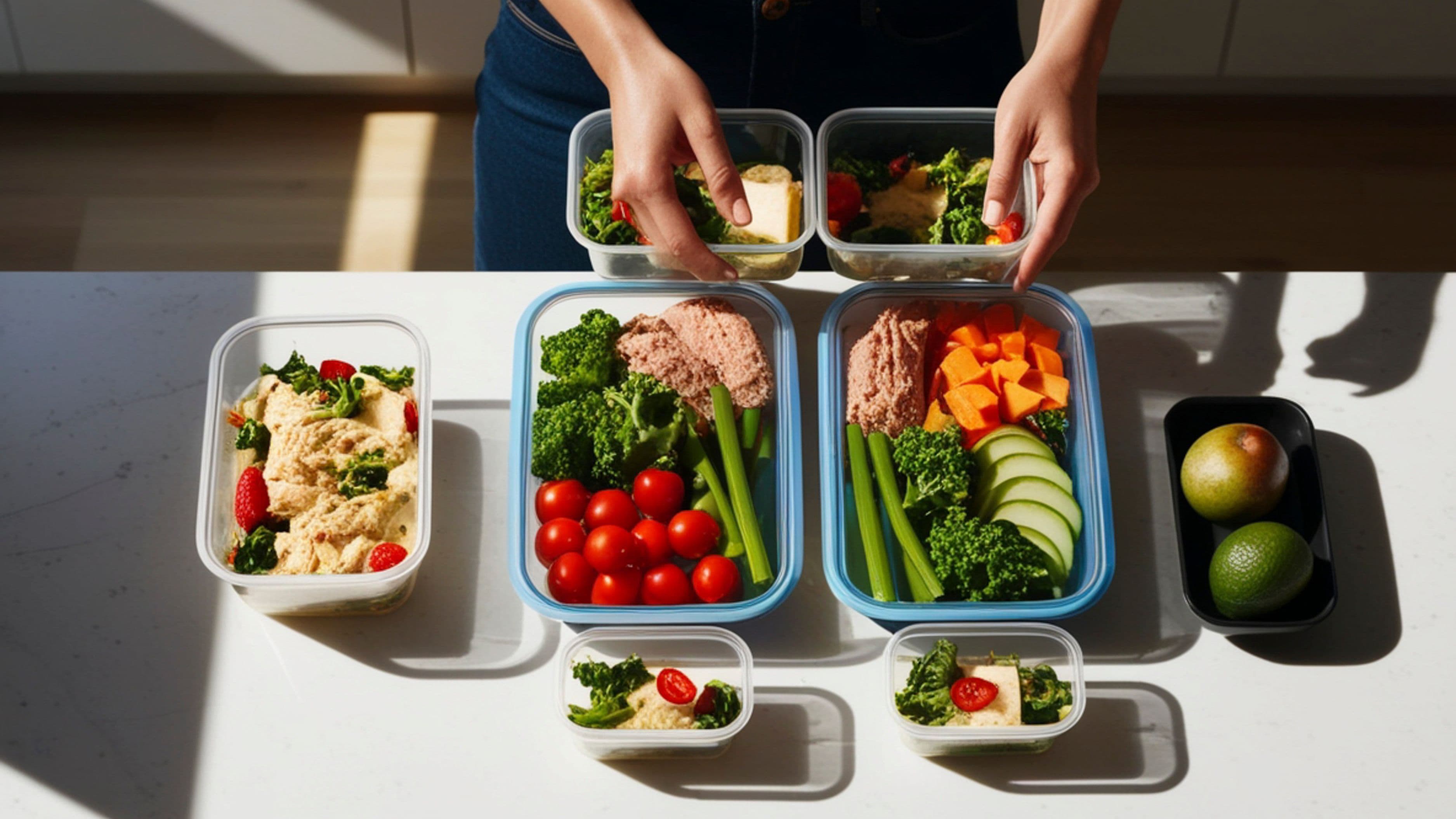
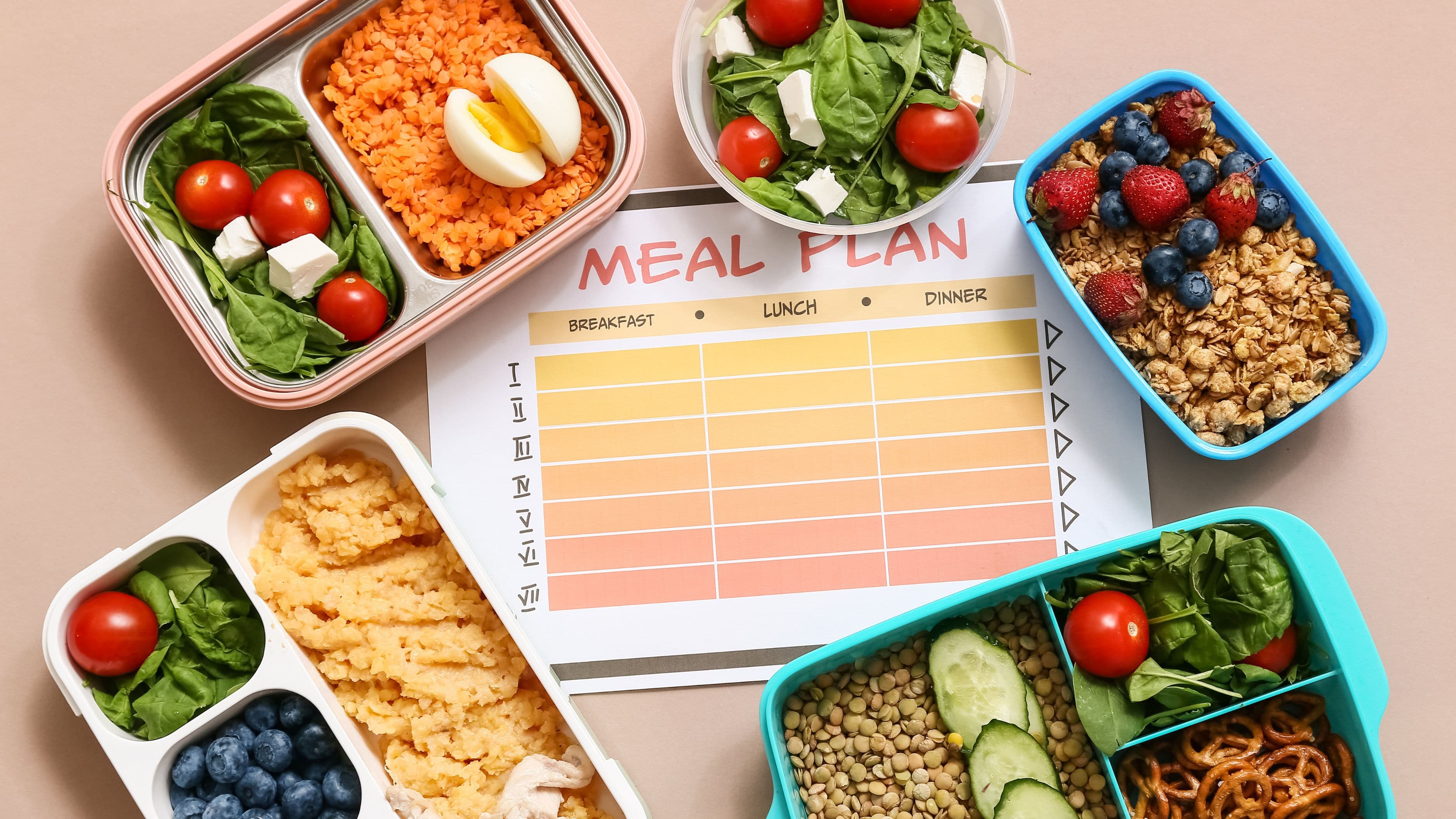
Prep two or three things that make the week easier, not everything. Pick a small number of tasks that'll save you real time later – washing and chopping vegetables you know you'll use, cooking a batch of grains or beans, or marinating a protein. This is the lightest form of meal prep: a few strategic tasks, not an entire week of meals assembled in advance. The goal is removing friction from weeknight cooking, not replacing it entirely.
Make your shopping list from what's actually missing. With your fridge check and loose meal plan already done, your shopping list becomes obvious rather than something you have to think hard about. You're filling real gaps, not guessing at a list from scratch, which also tends to mean less impulse buying and less food that ends up unused by next week's reset.
What This Actually Looks Like
Picture a Sunday afternoon: you spend a few minutes checking the fridge and notice a bag of spinach that needs to be used soon, along with some carrots and half an onion. You decide that's the start of a stir-fry night this week, and a soup could use up the rest. You wash and chop the vegetables you'll need for both, cook a pot of rice to keep on hand, and make your shopping list based on what those two meals plus a couple of easy backups actually require.
That's the whole routine. It's not a rigid, color-coded meal plan – it's a short, repeatable habit that turns "what's for dinner" from a nightly source of stress into something mostly already decided, with just the actual cooking left to do each night.
Time-Saving Tips
Keep your loose meal "shapes" the same most weeks – a stir-fry, a sheet-pan dinner, a big bowl, a pasta night – and just rotate what goes into them based on what's in season or on sale. This removes the mental load of reinventing your weekly structure every single time, while still keeping the actual meals feeling different and interesting.
Do your reset at a consistent time each week, even if it's brief, so it becomes a habit rather than something you have to remember to schedule. A short, repeated routine sticks far better than an occasional, more elaborate one you only get to when you have extra time.
If a week feels too busy for even the light prep step, skip it and just do the fridge check and loose plan – having a plan without the extra prep is still a meaningful improvement over having no plan at all, so don't let an all-or-nothing mindset stop you from doing the parts that fit.
What to Avoid
The most common way this routine falls apart is turning it into a full-blown meal-prep marathon that takes hours and feels like a chore in itself, which defeats the purpose of making the week feel lighter. If your reset routine starts to dread-inducing rather than helpful, it's grown beyond what it's meant to be – scale it back to just the fridge check and loose plan if that's what actually fits your week.
Another mistake is planning every single day too specifically, then feeling like a failure when Tuesday's plan doesn't happen because you're tired or plans changed. Building in a couple of flexible, easy backup options as part of your loose plan – something you can make with almost no thought – protects you from that all-or-nothing feeling when a planned night doesn't go as expected.
It's also worth avoiding shopping before doing your fridge check, since that's the step most likely to lead to buying duplicates of something you already have, or missing something you actually need because you didn't take stock first.
FAQ
How much time does this routine actually take each week? Most of the process – the fridge check, clearing out, and loose planning – takes about 20 to 30 minutes. The optional light prep step adds more time depending on how much you choose to do, but it's meant to stay minimal, not turn into a lengthy production.
Do I need to plan every meal for the whole week? No. The loose "meal shapes" approach is meant to give you general direction, not a rigid schedule for every single day. Leaving room for flexibility is part of what makes this routine sustainable long-term.
What if I don't have time for the reset one week? That's fine – even doing just the fridge check without the full routine still helps reduce food waste and gives you a clearer sense of what you have. Treat it as a flexible habit, not an obligation you need to hit perfectly every week.
📚 Sources
"Reducing Food Waste at Home" – U.S. Environmental Protection Agency, epa.gov
"Meal Planning Basics" – Academy of Nutrition and Dietetics, eatright.org