
This guide covers what makes West African cuisine distinctive, the ingredients that define it, the dishes worth starting with, and a simple recipe to get you cooking today.
What Makes West African Cooking Distinctive
West Africa spans over a dozen countries – Nigeria, Ghana, Senegal, Côte d'Ivoire, Mali, Cameroon, and more – and each has its own regional dishes and traditions. But across the region, a shared cooking philosophy ties it all together.
The first pillar is depth through layering. West African cooking doesn't achieve its flavor in one step. Onions are often blended and cooked until the raw edge is completely gone. Tomatoes are added and fried until the oil separates, which signals the base is ready. Spices go in at specific moments to bloom and develop. This patient, sequential approach is what gives dishes like Egusi Soup or Thieboudienne their characteristic richness – flavors that taste like they've been cooking for hours, because they have.
The second pillar is the role of fat. Palm oil is the defining fat in much of West African cuisine – a deeply orange-red oil made from the fruit of the oil palm tree. It has a distinctive earthy, slightly smoky flavor that is unlike any other cooking fat and is central to the taste of countless dishes. Groundnut oil (peanut oil) is common in Senegalese and Malian cooking, and coconut oil appears in coastal cuisines.
The third pillar is umami-rich seasoning. Fermented and dried ingredients appear throughout the region as flavor amplifiers: crayfish (dried, fermented shrimp ground into powder), locust beans (also called iru or dawadawa, a fermented bean with an intensely savory flavor), and stockfish (dried and salted cod) are all used to add deep, complex savoriness that would otherwise require hours of stock-making. These ingredients are what give authentic West African cooking that irreplaceable depth.
Key Ingredients to Know
You don't need every ingredient in this list to start cooking West African food – but knowing what they are and what they do helps you understand the cuisine and build your pantry gradually.
Palm oil is non-negotiable for many traditional dishes. Look for unrefined red palm oil in African or Caribbean grocery stores or online. It's solid at room temperature and melts into a deep orange liquid when heated. A little goes a long way; even two tablespoons changes the character of a dish.
Scotch bonnet or habanero peppers provide the heat in most West African cooking. They're fruity and hot – significantly spicier than jalapeños. If you're not used to heat, start with a small amount and work up. Many recipes call for blending peppers into a paste with onion and tomato before frying.
Crayfish (dried ground shrimp) is a seasoning powder that adds salty, savory depth. It's sold in small jars or bags at African grocery stores. It doesn't taste overtly fishy when used in small amounts – it functions more like a flavor enhancer.
Egusi is ground melon seeds – white, fatty, and nutty – used in soups and stews throughout Nigeria and Ghana. It thickens a dish and adds a subtly earthy richness. It looks a bit like ground almonds.
Yams in the West African sense refers to white yams (Dioscorea species), which are starchier and more substantial than the orange sweet potatoes sold as "yams" in American grocery stores. They're boiled, pounded into fufu, or fried. Find them at African or Caribbean markets.
Plantains are a staple carbohydrate. Green plantains are starchy and used for boiling or frying. Ripe yellow-black plantains are sweet and caramelize beautifully in a pan with a little oil.
Tomatoes, onions, and peppers form the flavor base – called a tomato sauce or stew base – that underpins countless dishes. The key is cooking this base properly until the oil separates and the raw tomato smell is completely gone.
Dishes Worth Knowing
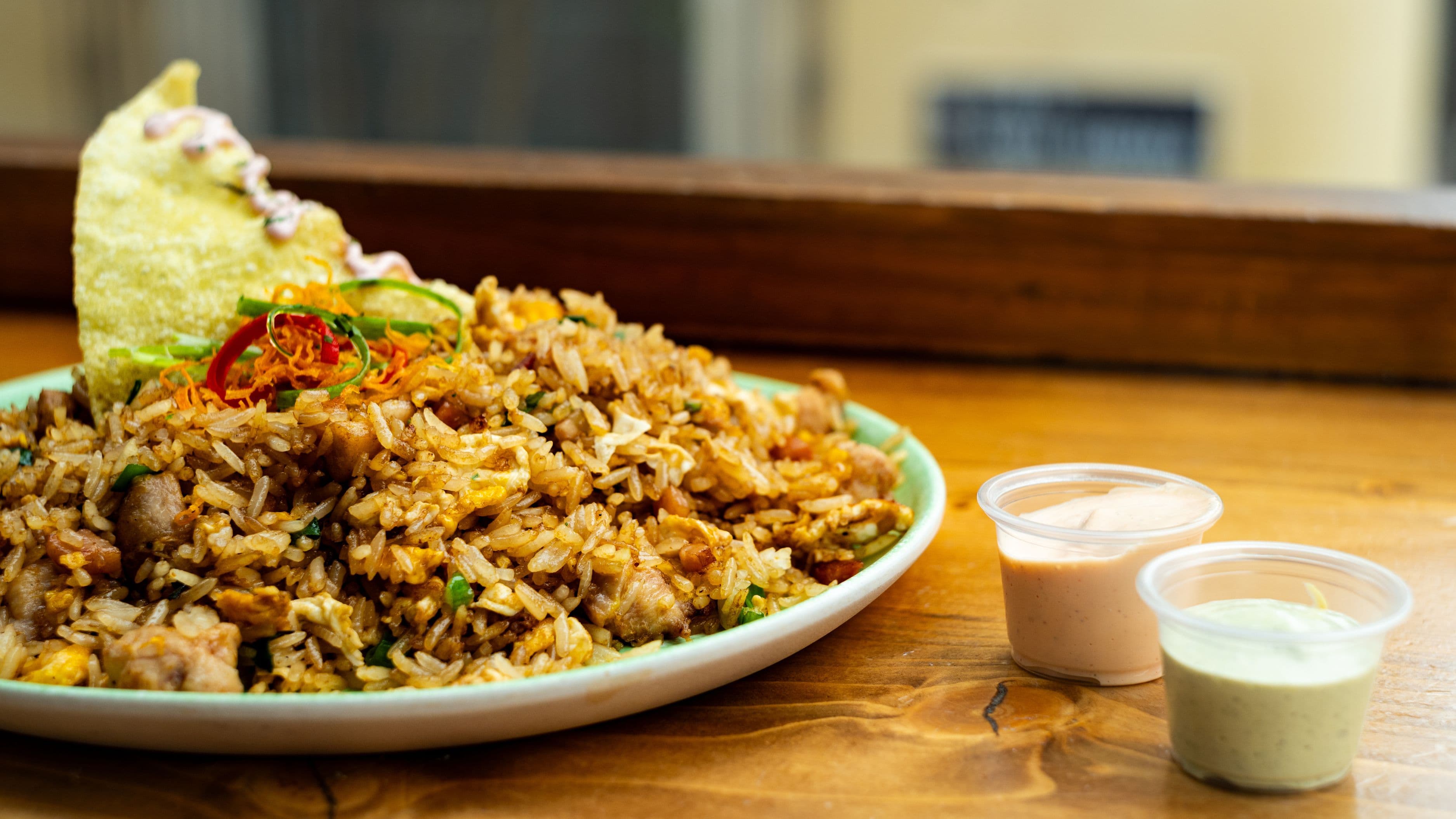
Jollof Rice is the most famous West African dish – a one-pot rice dish cooked in a seasoned tomato and pepper base. Every country claims the best version; Nigeria and Ghana have a famously affectionate rivalry over it. The rice absorbs all the flavor of the base as it cooks, resulting in something far more complex than plain rice alongside a separate sauce. It's a great dish for beginners because the technique is forgiving and the result is deeply satisfying.
Egusi Soup is a thick, rich soup made from ground melon seeds cooked in palm oil with leafy greens, crayfish, meat or fish, and stockfish. It's eaten across Nigeria and Ghana alongside fufu, pounded yam, or eba (made from cassava flour). For a first-timer, it's revelatory – the texture and depth are unlike any soup you've made before.
Peanut (Groundnut) Stew is popular in Senegal, Mali, and Ghana and is one of the most approachable entry points for non-West African cooks. It's a tomato-based stew enriched with peanut butter, seasoned with chili and spices, and simmered with chicken or vegetables. It's warming, slightly sweet, savory, and utterly filling.
Thieboudienne (also spelled thiébou djenné) is Senegal's national dish – a rice and fish dish cooked with vegetables in a tomato and fish-based broth. It's complex and celebratory, the kind of dish that defines a country's table.
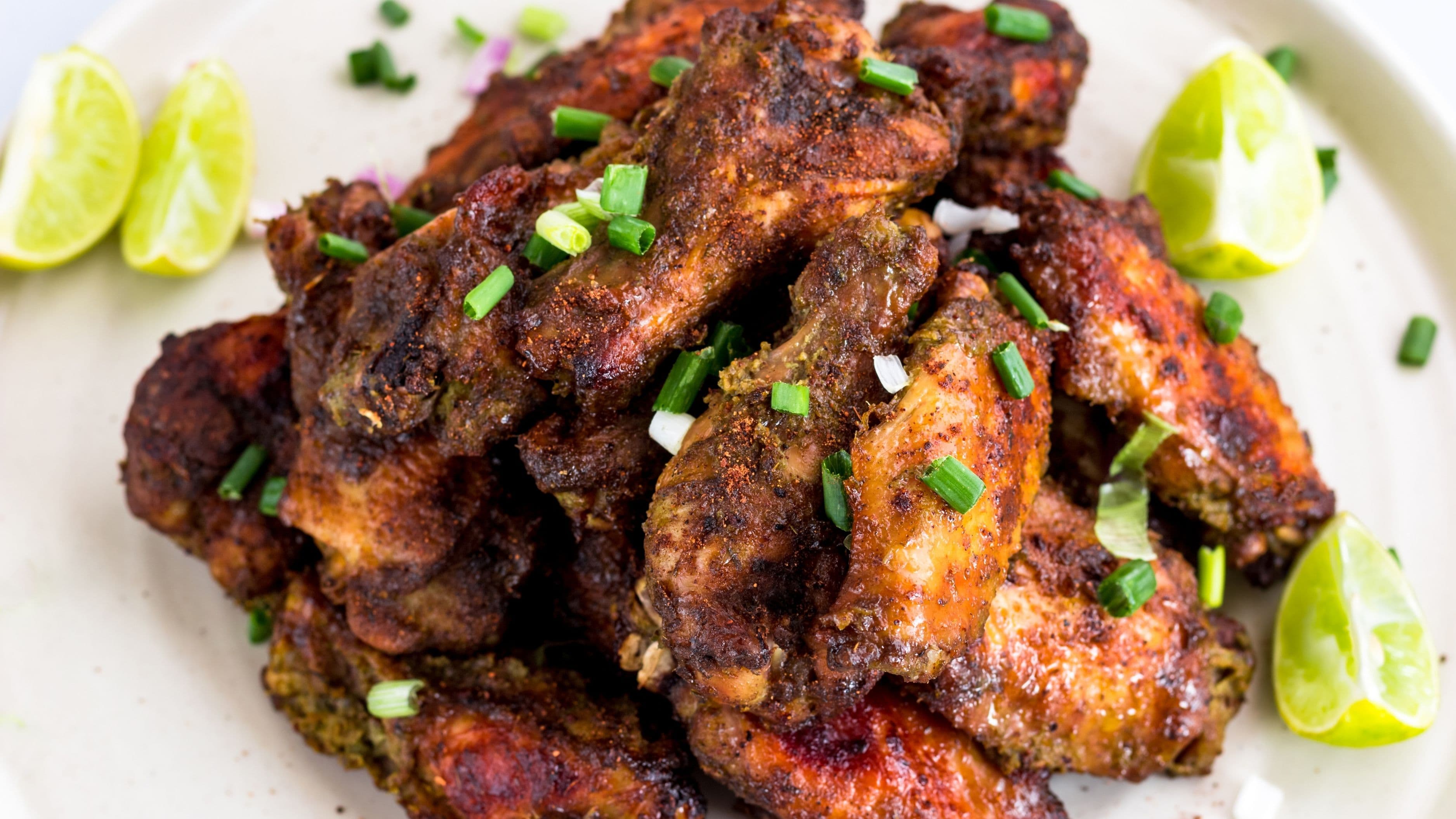
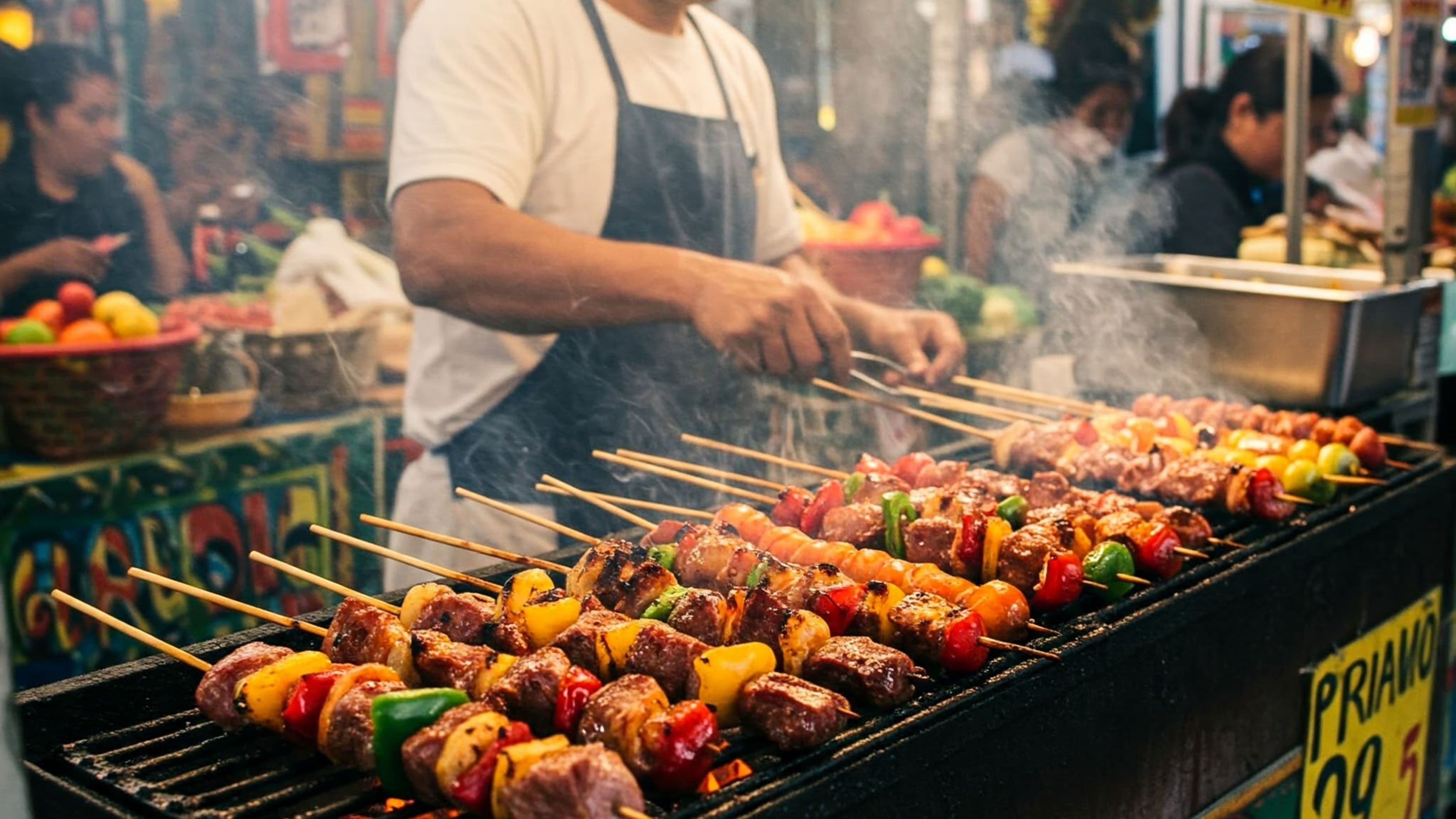
Suya is the West African answer to street food grilling – thin strips of beef rubbed in a spiced peanut powder mixture (ground peanuts, ginger, paprika, garlic) and grilled over open flame. It's one of the easiest West African preparations for a home cook with a grill or grill pan.
Fried Plantains (also called dodo) are sliced ripe plantains fried in oil until golden and caramelized. They're a side dish, snack, or casual accompaniment to almost anything – and one of the fastest, easiest introductions to West African flavors.
How to Start Cooking West African Food at Home
The best way to get comfortable with this cuisine is to start with one ingredient or one technique at a time rather than trying to recreate a complex restaurant dish on day one.
Start with fried plantains. They require one ingredient (ripe plantains), a pan, and some oil. Slice the plantain into diagonal rounds about half an inch thick, fry them in hot oil on both sides until deep golden, and eat them immediately. This is your first lesson in West African flavor: simple, honest, and deeply satisfying.
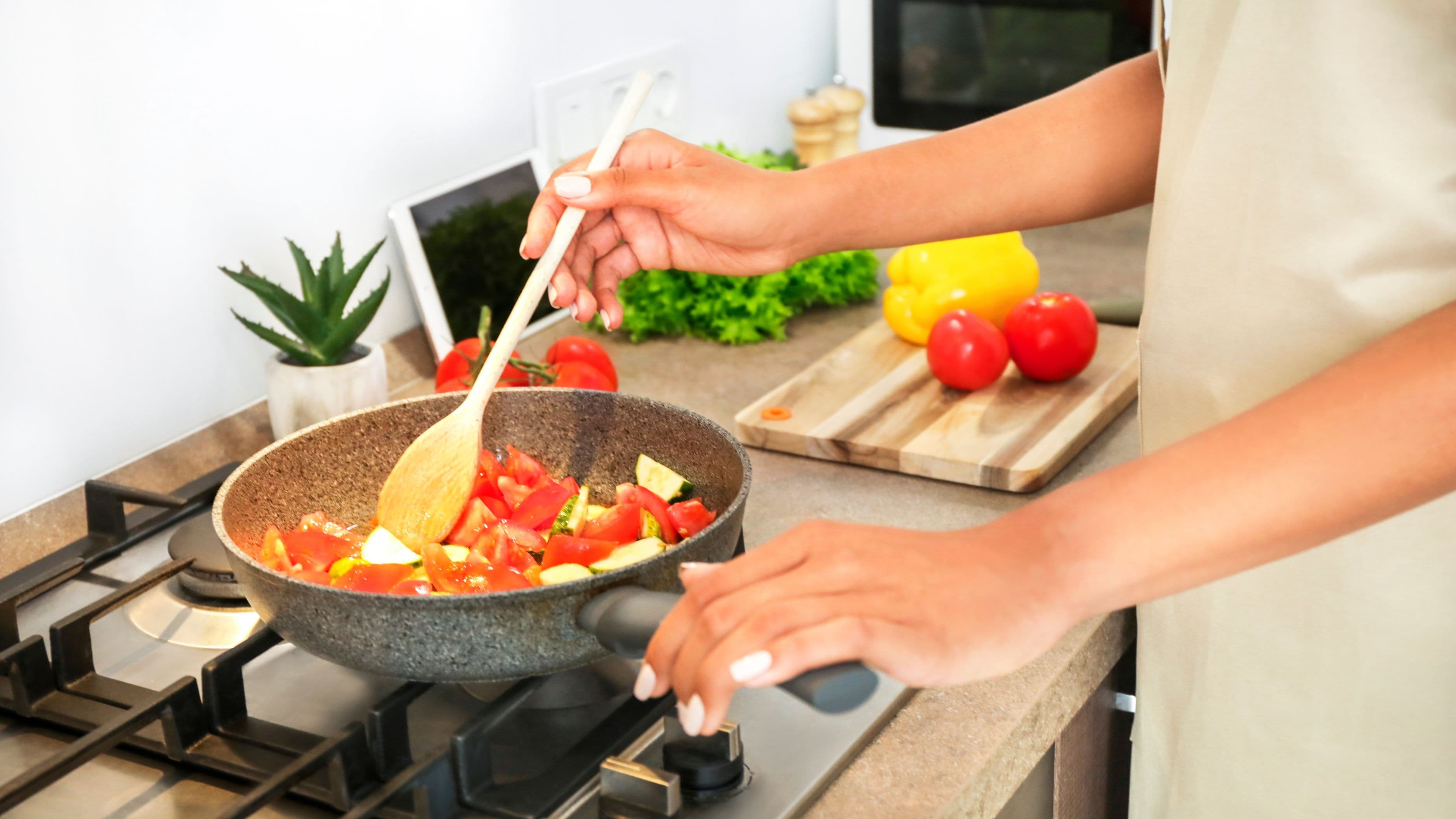
Build the tomato base. The core technique in West African cooking is making a proper tomato and pepper base. Blend together one large tomato, one small onion, and half a scotch bonnet pepper (or a small habanero). Heat two tablespoons of neutral oil in a pan over medium-high heat. Add the blended mixture and cook, stirring occasionally, for 20–30 minutes until the mixture has darkened, thickened, and the oil has separated to the surface. This base becomes jollof rice, egusi soup, stews – almost everything. Learn it once and you can cook dozens of dishes.
Make Jollof Rice as your first full dish. Once you've mastered the tomato base, jollof rice is the most rewarding next step. The process: make the tomato-pepper base, add stock and seasonings, stir in washed rice, cover tightly, and let it cook low and slow until the rice absorbs everything. The bottom layer will develop a lightly charred crust – this is prized and called "party jollof" in Nigeria. It's not burned; it's a feature.
Find your local African or Caribbean grocery. Palm oil, crayfish, egusi, stockfish, yams, and many other West African staples are almost impossible to find at mainstream grocery stores but widely available at African or Caribbean markets in most mid-size and large cities. Once you find one, you'll discover an entire world of ingredients you didn't know were accessible.
A Simple Recipe to Start: One-Pan Jollof Rice
Serves 4 | Time: 55 minutes | Difficulty: Beginner
Ingredients:
2 cups long-grain parboiled rice (like Uncle Ben's or any parboiled white rice)
1 large tomato, roughly chopped
1 medium onion (half for the blend, half diced)
½ scotch bonnet or habanero pepper (reduce to a small piece if you prefer mild heat)
1 small red bell pepper, roughly chopped
3 tablespoons tomato paste
3 tablespoons neutral oil (or 2 tablespoons palm oil for authenticity)
2 cups chicken stock or water
1 teaspoon curry powder
1 teaspoon dried thyme
1 teaspoon garlic powder
Salt to taste
Instructions:
Blend the tomato, half the onion, the scotch bonnet, and the red bell pepper together until smooth. Set aside.
Heat the oil in a wide, heavy-bottomed pot over medium-high heat. Add the diced half-onion and cook, stirring, for 3–4 minutes until softened. Add the tomato paste and stir it into the oil, cooking for 2 minutes until it darkens slightly.
Pour in the blended tomato mixture. It will spatter – stand back and reduce heat slightly. Cook uncovered, stirring every few minutes, for 20–25 minutes until the mixture has darkened to a deep red-orange and the oil has separated to the surface. This step cannot be rushed – it's what builds the flavor.
Add the curry powder, thyme, garlic powder, and salt. Stir well. Pour in the chicken stock and bring to a boil.
Rinse the rice in cold water until the water runs clear. Add it to the pot and stir once to combine. Taste the liquid and adjust salt – it should taste slightly over-seasoned because the rice will absorb it.
Cover the pot tightly with foil first, then the lid (this traps steam more effectively). Reduce heat to the lowest possible setting and cook for 25–30 minutes without lifting the lid. After 25 minutes, check the rice – it should be cooked through and the liquid absorbed. If not, replace the cover and cook another 5 minutes.
Remove from heat and let rest, covered, for 5 minutes before serving. The slightly charred bottom is intentional and delicious – scrape it up gently when serving.
Tips for Success
Don't rush the tomato base. This is the single most important technique in West African cooking. Twenty to thirty minutes of frying is not optional – it's the step that transforms raw blended vegetables into a rich, deeply flavored foundation. When you see the oil separate to the top and the mixture has turned a deeper color, it's ready.
Start with less heat than you think you need. Scotch bonnets are significantly hotter than most chili peppers commonly used in other cuisines. For your first few recipes, use a small piece and work up from there. You can always add more; you can't take it out.
Don't substitute sweet potato for West African yam. They're completely different ingredients with different textures, flavors, and cooking behavior. For dishes that call for yam specifically, seek out the real thing at an African market.
Let dishes rest before serving. Many West African soups and stews improve significantly after sitting off the heat for 5–10 minutes. This is when flavors settle and deepen.
FAQ
Is West African food always very spicy? It can be, but heat level is adjustable in almost every recipe. The scotch bonnet or habanero is the primary source of heat, and most recipes let you control how much you add. Starting with less and tasting as you go is perfectly appropriate.
Where do I find palm oil? African grocery stores are the most reliable source. It's also increasingly available at Caribbean grocery stores, some Asian supermarkets, and online retailers. Look for unrefined red palm oil rather than refined palm oil, which is white and lacks the characteristic flavor.
Can I make West African food without meat? Yes. Many soups and stews are vegetarian-friendly or easily adapted. Egusi soup works well with mushrooms or tofu in place of meat. Jollof rice is naturally vegetarian if made with vegetable stock. The crayfish and stockfish that add depth can be omitted or substituted with extra seasoning, though the flavor will be different.
What is fufu and do I need to make it? Fufu is a starchy dough-like accompaniment made by pounding or mixing cassava, yam, or plantain. It's eaten alongside soups and stews – pinched off in a ball, dipped in the soup, and swallowed (not chewed). It's a cornerstone of many West African meals, but it's not required to explore the cuisine. Starting with rice or bread alongside your soups is perfectly fine.
How do I know when my tomato base is done? The most reliable signal is visual: the oil separates and pools on the surface, the blended mixture has darkened from a bright red to a deeper, more muted red-orange, and the raw tomato smell has completely cooked off. Taste it – a properly fried tomato base should have no sharpness or raw vegetable edge.
📚 Sources
Serious Eats – The Food Lab: Jollof Rice and the West African Pantry: https://www.seriouseats.com/best-jollof-rice-recipe
BBC Good Food – Introduction to West African Cuisine: https://www.bbcgoodfood.com/recipes/collection/west-african-recipes
Saveur – Senegalese Thiébou Djenné and the Roots of West African Cooking: https://www.saveur.com/senegalese-thiebou-djen/
The Guardian – Nigerian Food: A Guide to the Basics: https://www.theguardian.com/lifeandstyle/wordofmouth/2013/nov/22/how-to-cook-perfect-jollof-rice
Tunde Wey – West African Cooking Techniques and Philosophy: https://www.food52.com/blog/19684-what-is-west-african-food-anyway