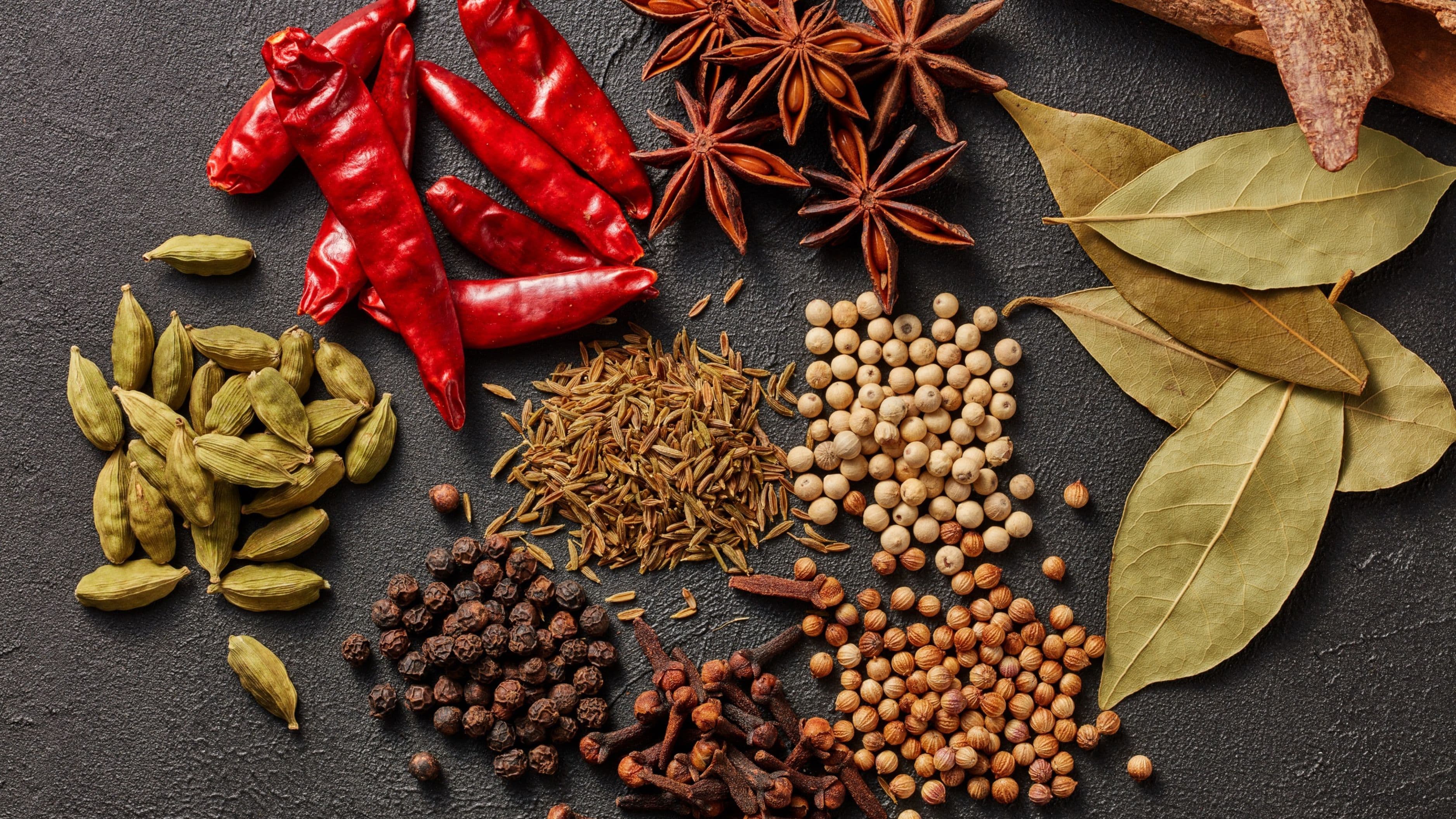
Why Whole Spices Last Longer and Taste Stronger
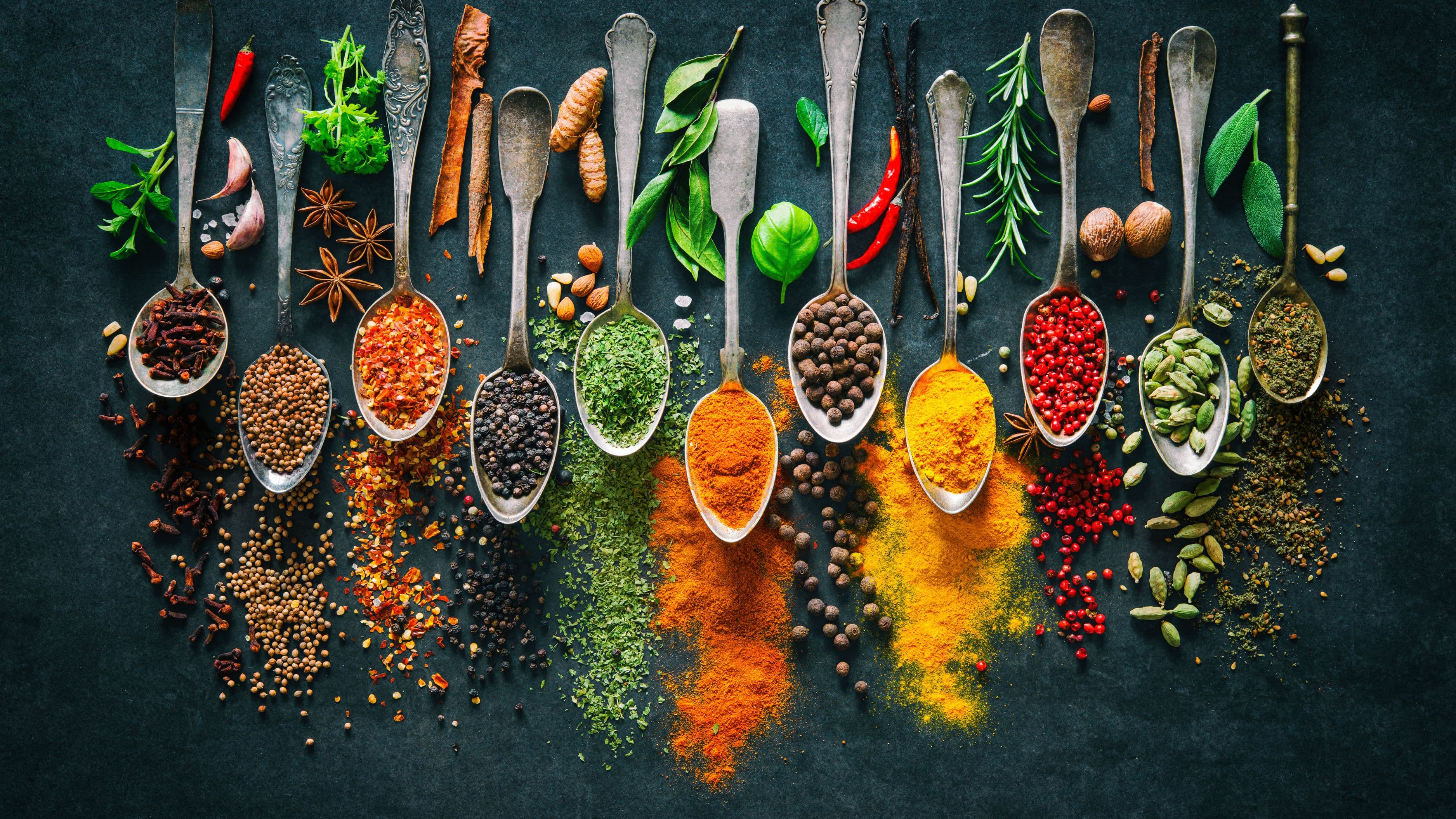
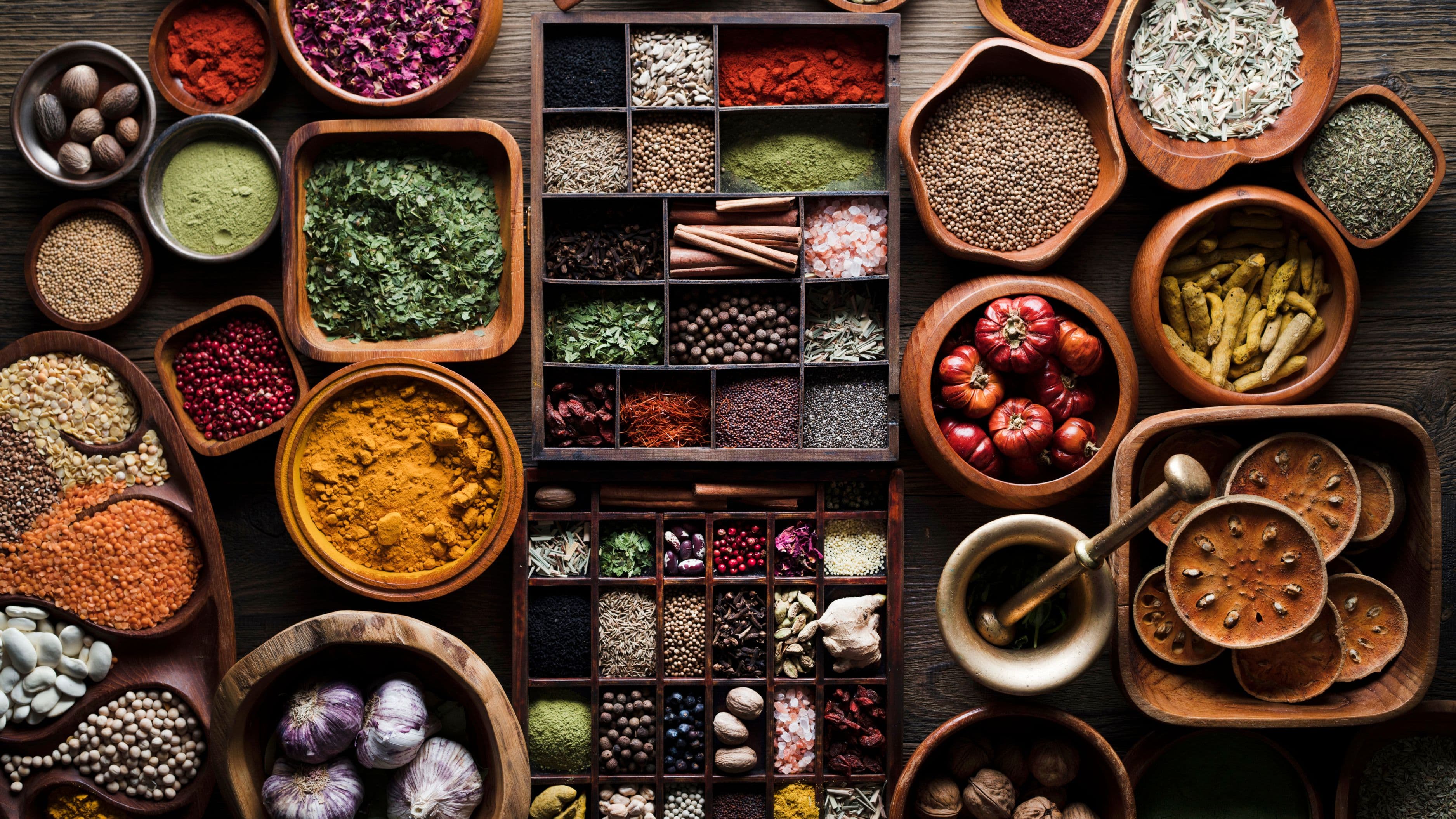
Whole spices retain their essential oils inside an intact seed, pod, or bark structure, which protects those oils from oxidizing and evaporating as quickly as they do once ground. Pre-ground spices have a dramatically increased surface area exposed to air, light, and moisture, which causes their flavor compounds to break down considerably faster.
This is why a jar of pre-ground spice loses noticeable potency within six months to a year, while the same spice in whole form can maintain good flavor for two to three years or longer when stored properly. If you've ever wondered why a recipe calling for a spice you've had sitting around doesn't taste nearly as vibrant as it should, stale pre-ground spice is very often the culprit.
The Toasting and Grinding Difference
Toasting whole spices briefly in a dry pan before grinding releases their essential oils through gentle heat, intensifying their aroma and flavor in a way that simply isn't possible with spices that were ground and packaged long before reaching your kitchen. This toasting step takes only a minute or two but creates a noticeably deeper, more complex flavor than using pre-ground spice straight from the jar.
Grinding your own spices immediately before use – whether with a dedicated spice grinder, a mortar and pestle, or a repurposed coffee grinder – means you're capturing peak flavor and aroma right at the moment of cooking, rather than relying on flavor compounds that have already been slowly degrading since the moment they were ground, potentially months or years earlier.
Texture and Cooking Behavior
Whole spices also behave differently during cooking itself. Whole cumin seeds, mustard seeds, or coriander seeds bloomed in hot oil at the start of a dish release their flavor gradually and directly into the fat, infusing the entire dish evenly as it cooks. Pre-ground spices added at the same stage tend to burn more easily due to their finer texture and greater surface area, often turning bitter if added too early or cooked at too high a heat.
This is part of why many traditional recipes specifically call for whole spices bloomed in oil at the start of cooking, rather than simply substituting the ground equivalent – the cooking technique itself is built around how whole spices specifically behave under heat.
Practical Uses for Whole Spices
Cumin, Coriander, and Mustard Seeds
These three are among the most versatile whole spices to keep on hand, especially for anyone cooking Indian, Middle Eastern, or Mexican-inspired dishes regularly. Toast and grind cumin and coriander together for a quick, fresh spice blend that instantly upgrades a simple bean or vegetable dish, or bloom whole mustard seeds in hot oil at the start of cooking for a nutty, slightly sharp flavor base.
Whole Peppercorns
Freshly cracked black pepper has a noticeably brighter, more aromatic flavor than pre-ground pepper, which loses much of its complexity within just a few months of grinding. A basic pepper mill is a worthwhile investment for any home cook who uses black pepper regularly, given how dramatic the flavor difference is compared to pre-ground pepper.
Whole Cinnamon Sticks
Whole cinnamon sticks work beautifully simmered directly in liquids – rice, stews, mulled drinks – imparting a warmer, more rounded flavor than ground cinnamon, which can sometimes taste sharper or more one-dimensional in these applications. Save ground cinnamon for baking applications where you need it evenly distributed throughout a batter or dough.
Whole Nutmeg
Freshly grated nutmeg, using a simple microplane grater, has a noticeably brighter, more complex flavor than pre-ground nutmeg, which tends to lose its aromatic top notes fairly quickly after grinding. A single whole nutmeg lasts an extremely long time and provides considerably better flavor than the pre-ground version for the same recipes.
When Pre-Ground Spices Still Make Sense
Pre-ground spices absolutely still have a place in a practical kitchen, particularly for spices that are difficult to grind well at home, like turmeric, or for recipes where you need a large quantity quickly and freshness differences matter less, such as spice rubs used immediately after mixing. The key is buying pre-ground spices in smaller quantities you'll actually use within a few months, rather than large containers that sit around losing potency for years.
What to Avoid
Don't buy whole spices in bulk quantities you won't realistically use within a year or two, since even whole spices do eventually lose potency, just at a much slower rate than ground versions. Avoid toasting spices at too high a heat or for too long, since burnt spices turn bitter quickly and can ruin an entire dish if added at that point.
Don't store spices – whole or ground – near your stove or in direct sunlight, since heat and light both accelerate the breakdown of flavor compounds regardless of whether the spice is whole or pre-ground.
FAQ
Do I need a special grinder for whole spices? Not necessarily. A dedicated spice grinder works well, but a clean coffee grinder used only for spices or a sturdy mortar and pestle both work perfectly well for home use.
How long do whole spices actually last? Most whole spices maintain good flavor for two to three years when stored in a cool, dark, airtight container, compared to about six months to a year for pre-ground versions.
Is it worth switching to whole spices for everything? Not necessarily for every single spice, but making the switch for high-impact spices like cumin, coriander, pepper, and cinnamon offers a noticeable flavor improvement for relatively little extra effort.