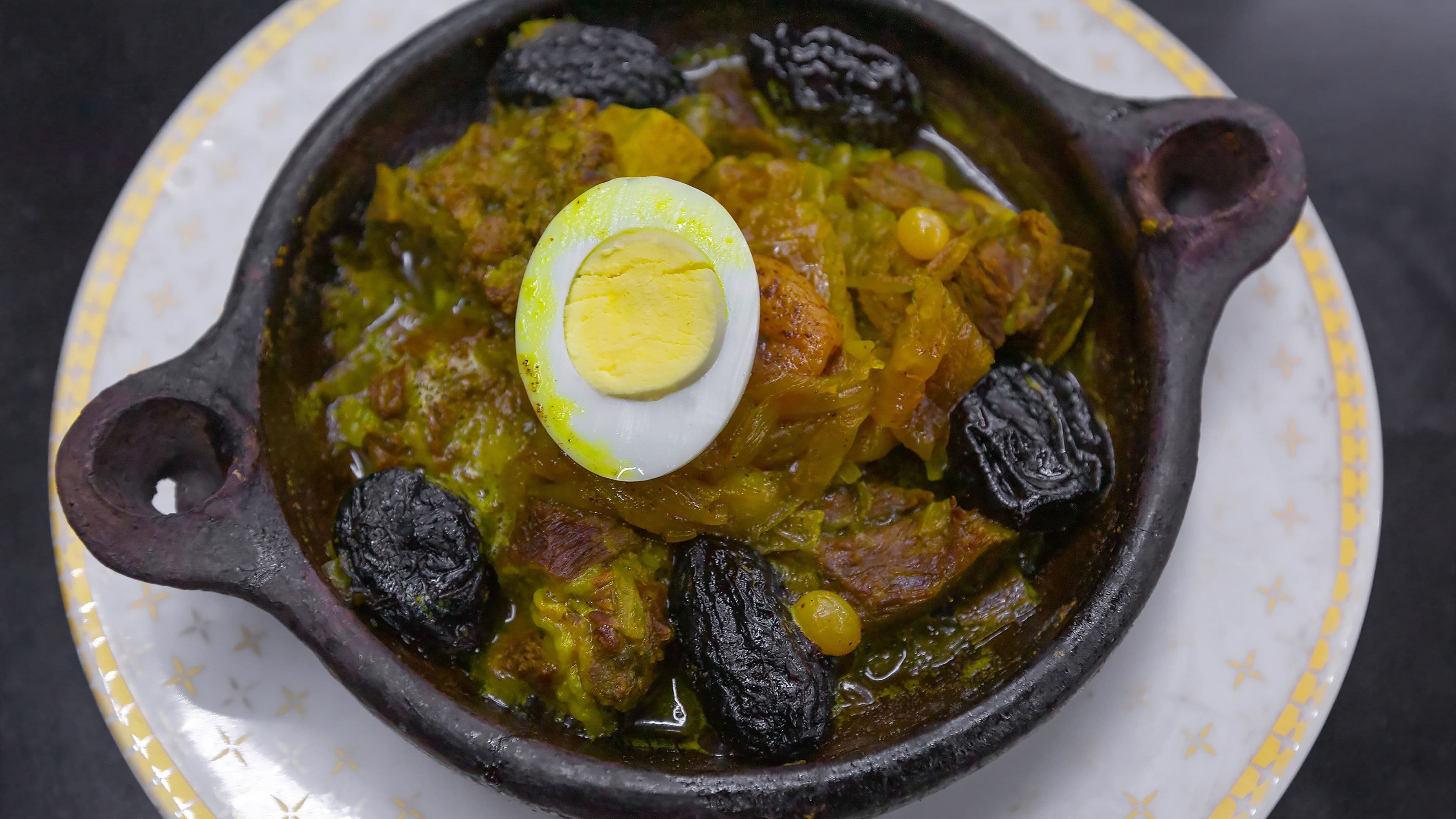
Mandi: The Signature Slow-Cooked Rice and Meat Dish
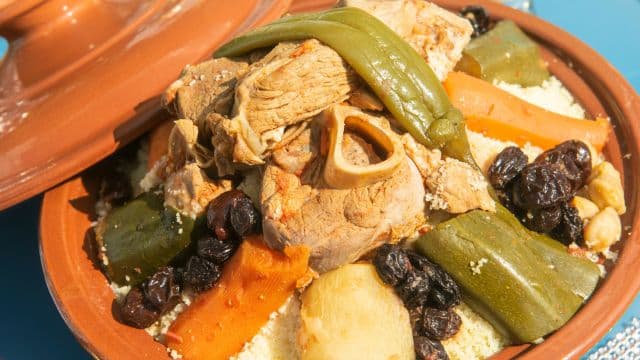
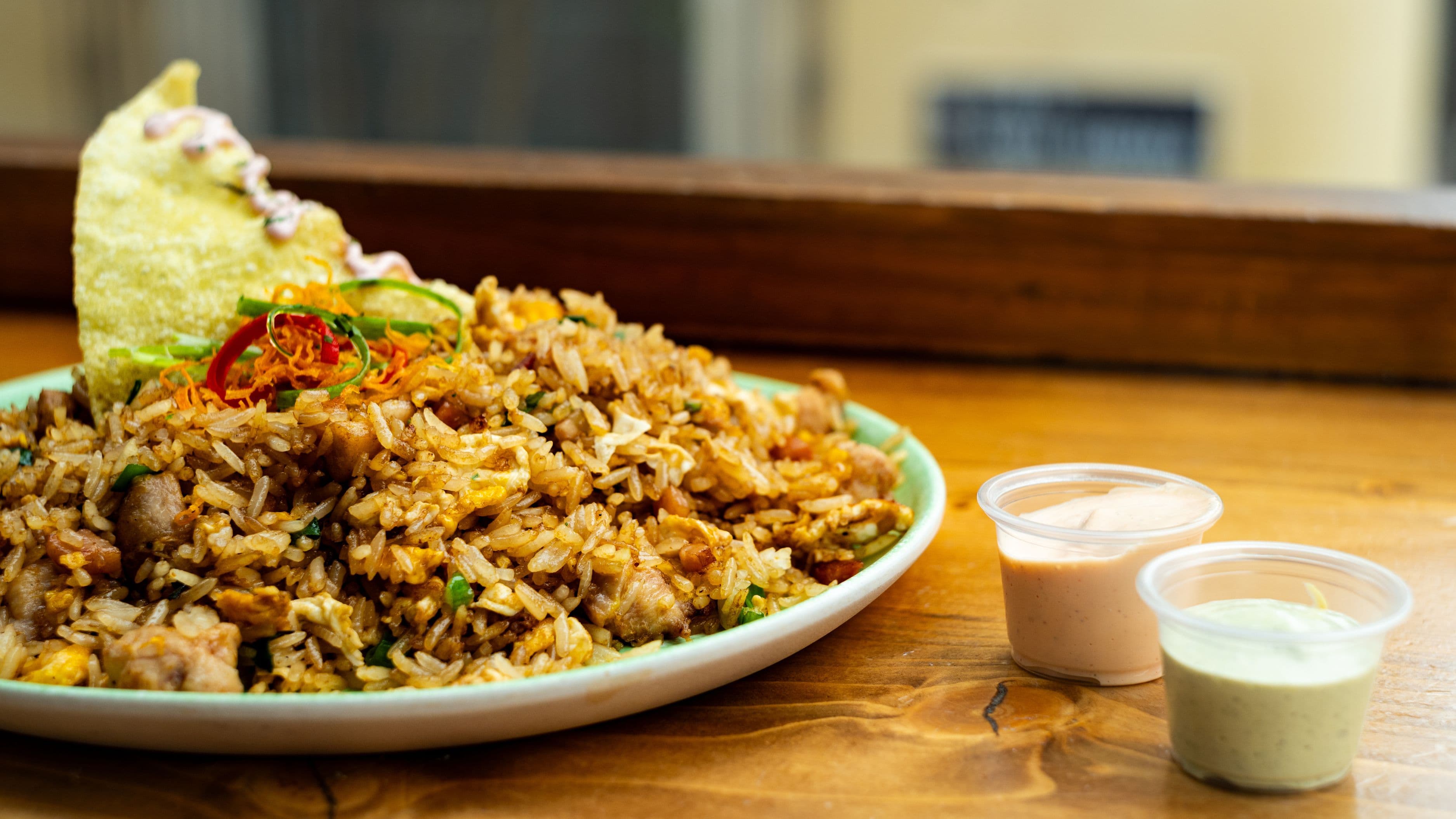
Mandi is often considered the most iconic Yemeni dish, traditionally consisting of meat, most commonly lamb or chicken, slow-cooked in a pit oven called a tandoor or a similar underground cooking method, resulting in exceptionally tender, smoky meat served over fragrant, spiced basmati rice. The rice itself is cooked using the drippings and juices from the meat, absorbing significant flavor in the process, which is part of why the rice component of mandi is often considered just as important as the meat itself.
This dish traditionally involves a specific spice blend called hawayej, a blend commonly including cumin, turmeric, black pepper, and cardamom among other spices, which infuses both the meat and rice with the distinctive warmth characteristic of Yemeni cooking specifically, distinguishing it from similar rice and meat dishes found in neighboring cuisines.
Saltah: Yemen's National Dish
Saltah is widely considered Yemen's national dish, a hearty stew typically built around a meat or vegetable broth base, topped with a distinctive fenugreek foam called hulba, and often served bubbling hot in a stone pot that helps maintain temperature throughout the meal. The combination of a savory, well-seasoned broth with the distinctly bitter, slightly funky flavor of the fenugreek topping is a flavor combination genuinely unique to this specific dish, making it worth trying with an open mind if the fenugreek flavor is unfamiliar to your palate initially.
Saltah is often served alongside flatbread specifically for scooping, and it's traditionally considered a communal dish, reflecting its cultural significance as a staple of Yemeni home cooking beyond just restaurant menus.
Zurbian: A Rice Dish With Deep Regional Roots
Zurbian is a layered rice and meat dish bearing some similarity to biryani found in other regional cuisines, but with distinctly Yemeni spicing and preparation technique, typically involving meat braised separately before being layered with basmati rice and baked together, allowing the flavors to meld during this final baking step. This dish reflects the broader historical trade and cultural connections between Yemen and the wider region, while maintaining distinctly Yemeni spice combinations that differentiate it from similar rice-and-meat dishes elsewhere.
Fahsa: A Rich, Spiced Meat Stew
Fahsa is a hearty stew made from meat, typically simmered until very tender, in a well-spiced broth thickened somewhat by the meat's natural juices and often finished with a touch of hulba, similar to saltah, though fahsa is generally considered a distinct dish with its own specific preparation tradition and flavor profile. It's commonly served with Yemeni flatbread and is a popular, comforting dish particularly associated with Yemeni home cooking.
Yemeni Bread: An Essential Accompaniment
Yemeni bread, particularly a specific flatbread called malawah, known for its flaky, layered texture achieved through a specific folding and cooking technique, plays a genuinely central role in Yemeni meals, used both as an accompaniment and as a practical utensil for scooping stews and other dishes. This bread's distinctive layered texture reflects a specific technique worth understanding on its own, since it differs meaningfully from other regional flatbreads in both preparation method and final texture.
Hawayej: The Spice Blend Worth Understanding
Hawayej deserves specific attention as the foundational spice blend appearing across multiple Yemeni dishes, with slightly different formulations used for savory dishes (commonly featuring cumin, coriander, black pepper, cardamom, and turmeric) versus a sweeter version used in beverages like Yemeni spiced coffee. Understanding and acquiring this specific spice blend, either premade from a Middle Eastern grocery store or by grinding your own from individual spices, is genuinely foundational for anyone wanting to cook multiple Yemeni dishes at home, since it appears as a flavor base across much of the cuisine.
Getting Started as a Beginner
If you're new to Yemeni cuisine and want to start cooking at home, beginning with a simplified version of fahsa or saltah is often more approachable than attempting mandi initially, since mandi's traditional pit-cooking method is genuinely difficult to replicate authentically in a standard home kitchen, though oven-based adaptations exist and can produce a reasonably good approximation of the traditional dish's flavor if not its exact traditional cooking method.
Acquiring hawayej spice blend early, whether premade or homemade, gives you a foundational flavor building block usable across several different Yemeni dishes, making it a genuinely practical first investment for anyone wanting to explore this cuisine at home more broadly rather than cooking just a single specific dish.
What to Avoid
Avoid substituting a generic curry powder or other unrelated spice blend for hawayej, since this substitution changes the specific flavor profile that defines much of Yemeni cuisine's distinctive character, even though the substitution might seem reasonable given some superficial similarity in spice categories used. It's also worth avoiding rushing the slow-cooking process central to dishes like mandi and fahsa, since the tenderness and depth of flavor in these dishes specifically depends on extended, patient cooking time rather than a faster, higher-heat approach.
FAQ
Where can I find Yemeni-specific ingredients like hawayej spice blend? Middle Eastern grocery stores commonly carry hawayej and other Yemeni ingredients, and online specialty retailers increasingly ship these ingredients if a physical store isn't accessible in your area.
Is Yemeni food generally very spicy in terms of heat level? Yemeni cuisine tends to emphasize warm, aromatic spicing over significant chili heat, making it generally more approachable for those sensitive to very spicy food compared to some other regional cuisines with a stronger emphasis on chili-based heat.
Can I make an approximation of mandi without a traditional pit oven? Yes, oven-based adaptations using a covered roasting method can produce a reasonably good approximation of mandi's flavor and tenderness, even without access to the traditional pit-cooking method used in authentic preparation.
What's the best starting dish if I've never cooked Yemeni food before? Fahsa or a simplified saltah are generally considered more approachable starting points than mandi, given their comparatively more straightforward preparation without requiring specialized cooking equipment.